Attractions and Places To See around Biot - Top 20
Best attractions and places to see around Biot, a medieval hilltop village in the French Riviera, offer a blend of history, art, and natural landscapes. The area is known for its glassblowing, ceramics, and pottery traditions, alongside picturesque cobbled streets. Visitors can explore cultural sites and natural features, including expansive parks and scenic viewpoints.
Best attractions and places to see around Biot
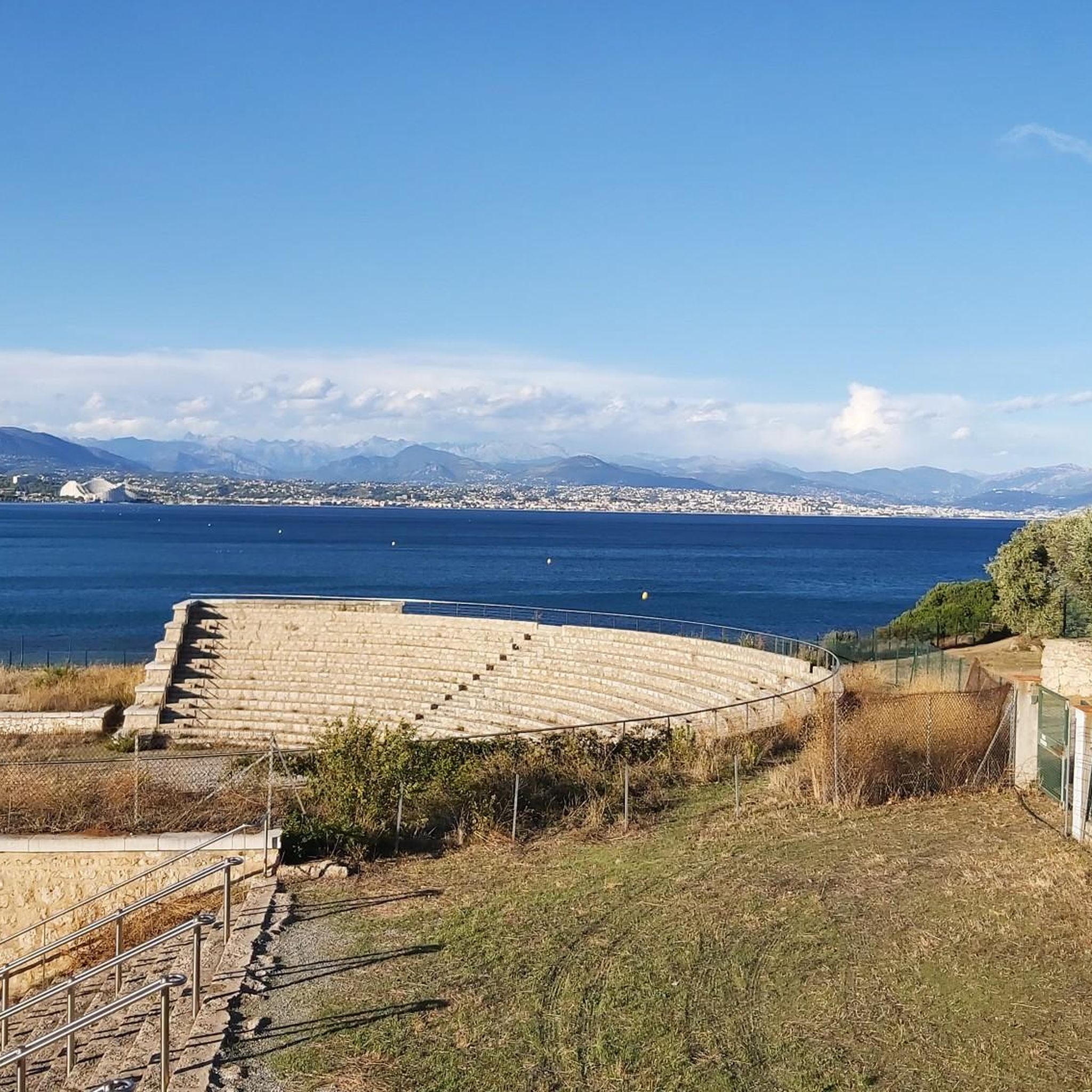
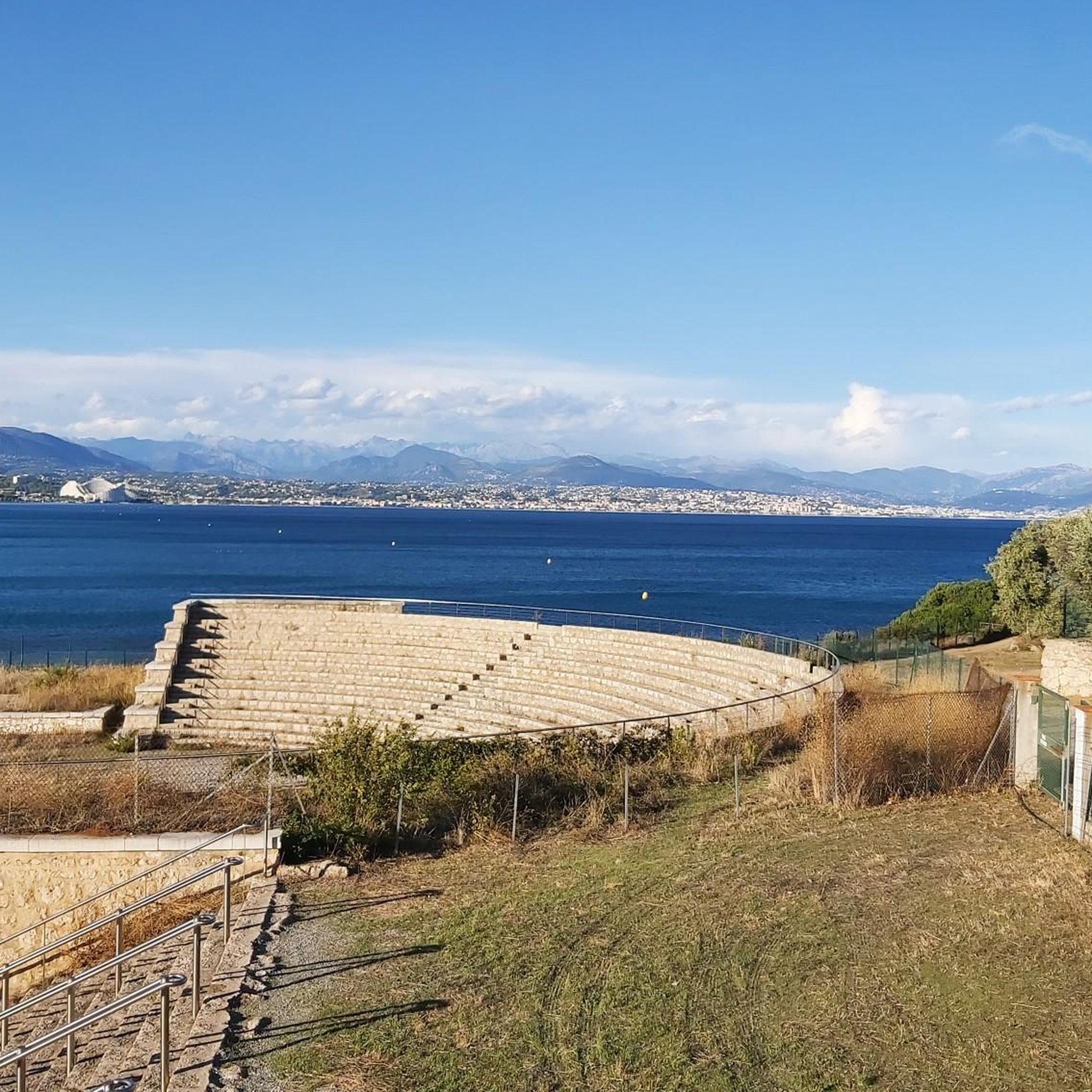
- The most popular attractions is Littoral Trail of Cap d'Antibes, a trail that offers varied terrain and sea views around Cap d'Antibes. Sturdy footwear is recommended due to potentially slippery paths and steps.
- Another must-see spot is Promenade des Arts de Cagnes-sur-Mer, a coastal promenade featuring artworks by various artists. It provides a smooth cycle path along the sea.
- Visitors also love Town Hall, a historical site built in an eclectic style with classical elements. The building features superimposed Doric and Ionic columns and high reliefs symbolizing local production.
- Biot is known for its glassblowing workshops, historical sites, and natural parks. The area offers a variety of attractions to see and explore, from artisan crafts to ancient architecture and scenic trails.
- The attractions around Biot are appreciated by the komoot community, with over 440 upvotes and 170 photos shared by visitors.
Last updated: June 22, 2026
Littoral Trail of Cap d'Antibes
Highlight (Segment) • Trail
Sturdy footwear is recommended, the small path and the many steps can be partly slippery and over-washed.
Translated by Google •
Tip by

Promenade des Arts de Cagnes-sur-Mer
Highlight • Structure
A market for artisans and artists also takes place every month on the seaside.
For more information on the different exhibitors, visit the following website:
cagnes-sur-mer.fr/culture/la-promenade-des-arts
Translated by Google •
Tip by

Sign up now to discover places like this
Get recommendations on the best single tracks, peaks, & plenty of other exciting outdoor places.
Sign up for free
Seaside road
Highlight • Other
Translated by Google •
Tip by

Billionaires' Bay Beach
Highlight • Beach
Translated by Google •
Tip by

Town Hall
Highlight • Historical Site
Translated by Google •
Tip by

Sign up for free to discover even more attractions around Biot.
Sign up for free
Already have an account?
Start today with a free account
Your next adventure awaits.
Login or Signup
Tips from the Community


Historically, this port was the largest fishing port in the Alpes-Maritimes in the 1920s and 1930s, and it still maintains a professional fishing industry today. Cros-de-Cagnes is known for its fishing village and maritime traditions. You can even find a Cros de Cagnes Fishermen's Market located on Rue du Capitaine de Frégate Vial, where you can buy fresh fish and seafood directly from local fishermen. This market is generally open from Tuesday to Sunday mornings. There are also initiatives to preserve maritime heritage, such as the restoration of the Sainte-Thérèse lobster boat, a traditional fishing boat. For those interested in learning how to fish or taking a sea trip, there are opportunities for boat trips or fishing trips, particularly from nearby Saint-Laurent-du-Var.
0
0
Fort Carré... is a historic military fortification located in Antibes. It is an iconic monument in the region, known for its star-shaped architecture and its strategic location offering panoramic views of the coast and the Mediterranean Sea. Here are some key facts about Fort Carré: * History: It was built in the mid-16th century by order of King Henry II of France. At that time, Antibes was an important border town with the County of Nice (then part of the Duchy of Savoy). The fort served to defend the city and monitor this border. It was later improved by the famous military engineer Vauban in the late 17th century. The fort remained a strategic site until the 19th century, when Nice was annexed to France and the border was extended. It was decommissioned from military use in 1860. * Architecture: The fort is characterized by its star-shaped shape with four bastions (called Bastion Nice, Bastion Corsica, Bastion Antibes, and Bastion France). Its patrol path rises 43 meters above sea level, offering a 360-degree view. * Protected Natural Site: Fort Carré is located on the Saint-Roch peninsula and is surrounded by a 4-hectare preserved natural area, classified as a Natura 2000 site and a ZNIEFF (Natural Zone of Ecological, Faunistic, and Floristic Interest). This site is owned by the Conservatoire du Littoral (Coastal Protection Agency). * Visits: The fort has been open to the public since 1998 and offers guided tours (strongly recommended, or even mandatory depending on the season) that allow visitors to explore the ramparts, towers, and barracks. Information on the fort's history and strategic importance is provided. Children's game booklets are also available. *Fun fact: Fort Carré served as the setting for the James Bond film "Never Say Never Again" (1983). In short, Fort Carré in Antibes is a fascinating historical site that offers insight into the region's military history, all in a magnificent natural setting with breathtaking views.
0
0

Well-designed dedicated cycle path
0
0

Billionaires Bay owes its name to the presence of several villas hidden in the vegetation. In the past, it was only accessible by boat. Today, it is possible to get there on foot.
0
1

The town hall is built in an eclectic style with a classical tendency, in limestone and cut stone, on a rectangular and homogeneous tripartite plan with an intersecting symmetry axis used as a vestibule. The mezzanine and the bayed elevation of the two square floors of the north and south facades are arranged, on either side of a monumental bay, with Doric and Ionic columns placed one above the other. The third level is an attic floor whose trumeaux support high reliefs representing women leaning against them with palms, fruit, bouquets and garlands of flowers, as a symbol of local production. Above the inscription "French Republic" and above "Hôtel de ville" carved in the middle of the third level, the pediment, whose cover imitates a dome, carries a clock and still above it the coat of arms of the city projecting on an anchor and crowned with a crown in the form of a crenellated tower. The mechanical flat tiled roof is a long sloping roof over the building and a hipped roof over the pediment.
4
0

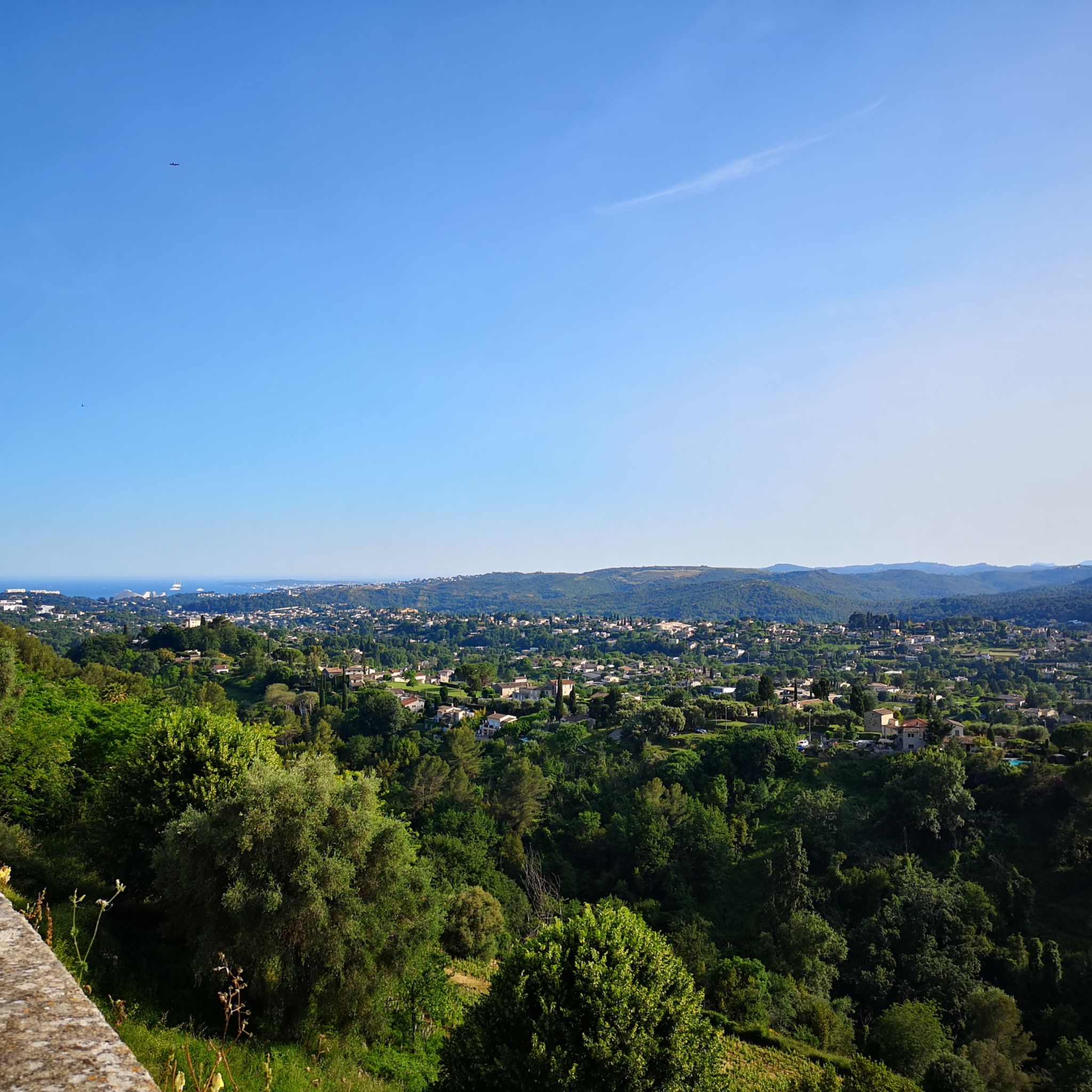
yahhh, I like the scenery here. How wonderful. Wish I could come here and enjoy https://geometrydash-lite.com
1
0
Frequently Asked Questions
What are the main cultural and historical attractions in Biot?
Biot offers a rich array of cultural and historical sites. You can explore the Town Hall, an eclectic building with classical elements, or visit the Musée National Fernand Léger, dedicated to the Cubist artist. Don't miss the 15th-century Eglise Sainte-Marie-Madeleine, the historic Place des Arcades, and the 16th-century city gates like Porte des Migraniers, which offer a glimpse into Biot's medieval past.
Where can I experience Biot's famous glassblowing tradition?
Biot is renowned for its unique 'bubble glass'. You can experience this tradition at La Verrerie de Biot. Here, visitors can witness glassblowers at work, learn about the distinctive technique of incorporating bubbles into glass, and explore the Ecomuseum. Workshops are also available for those interested in a hands-on experience.
Are there natural parks or green spaces for outdoor activities near Biot?
Yes, the expansive Parc de la Brague, located between Biot and Valbonne, is a significant natural area covering 480 hectares. It features lush forests, *maquis*, and oak groves. A popular activity is hiking the Sentier de la Brague, a scenic trail that follows the Brague River. The Biot Massif, part of an ancient volcano, is also a Natura 2000 site recognized for its specialized flora.
What kind of hiking and walking trails are available around Biot?
The area around Biot offers diverse trails. A popular option is the Littoral Trail of Cap d'Antibes, which provides varied terrain and stunning sea views. For more extensive outdoor adventures, you can explore numerous running, road cycling, and MTB trails. For example, you can find routes like 'Along the Brague – Picnic areas loop' for running or 'Cap d'Antibes – La Salis Beach loop' for road cycling. You can find more details on these and other routes in the running trails guide, road cycling routes guide, and MTB trails guide.
Are there any scenic viewpoints in the Biot area?
Absolutely. The Biot Mound, a small archaeological site on a hill southwest of the town center, offers panoramic views over valleys and vineyards. Additionally, the Littoral Trail of Cap d'Antibes provides fantastic sea views, and the Chapelle Saint-Roch overlooks the picturesque countryside.
What unique architectural features can I find in Biot's old town?
Biot's old town is characterized by its charming cobbled streets and distinctive Ligurian architecture, particularly visible in the 15th-century Place des Arcades. The Eglise Sainte-Marie-Madeleine, rebuilt on Romanesque foundations, features unique elements like two doors and steps leading down into the nave. The 16th-century city gates, such as Porte des Migraniers, also showcase medieval fortifications.
Can I find beaches or coastal walks near Biot?
Yes, Biot is close to the coast. The Littoral Trail of Cap d'Antibes offers a beautiful coastal walk with sea views. You can also visit Billionaires' Bay Beach, a relatively new addition for hikers circling Cap d'Antibes, known for its wild side and beautiful turquoise waters. The Promenade des Arts de Cagnes-sur-Mer also provides a pleasant coastal path.
What is the significance of the Dôme des Aspres in Biot's landscape?
The Dôme des Aspres is an ancient volcano, dormant for approximately 25 million years, that significantly shaped Biot's landscape. Its volcanic soil was crucial for the town's traditional pottery industry. The exposed part of this volcano, the Biot Massif, is now a Natura 2000 site, recognized for its unique amphibious flora and protected species.
Are there family-friendly activities or easy walks suitable for all ages?
For families, strolling through Biot's medieval village, exploring artisan workshops, and enjoying the charming cobbled streets is a delightful experience. The Parc de la Brague offers easy walks, and the Promenade des Arts de Cagnes-sur-Mer provides a smooth cycle path along the sea, suitable for all ages and even wheelchair accessible.
What is the best way to explore the art and artisan shops in Biot?
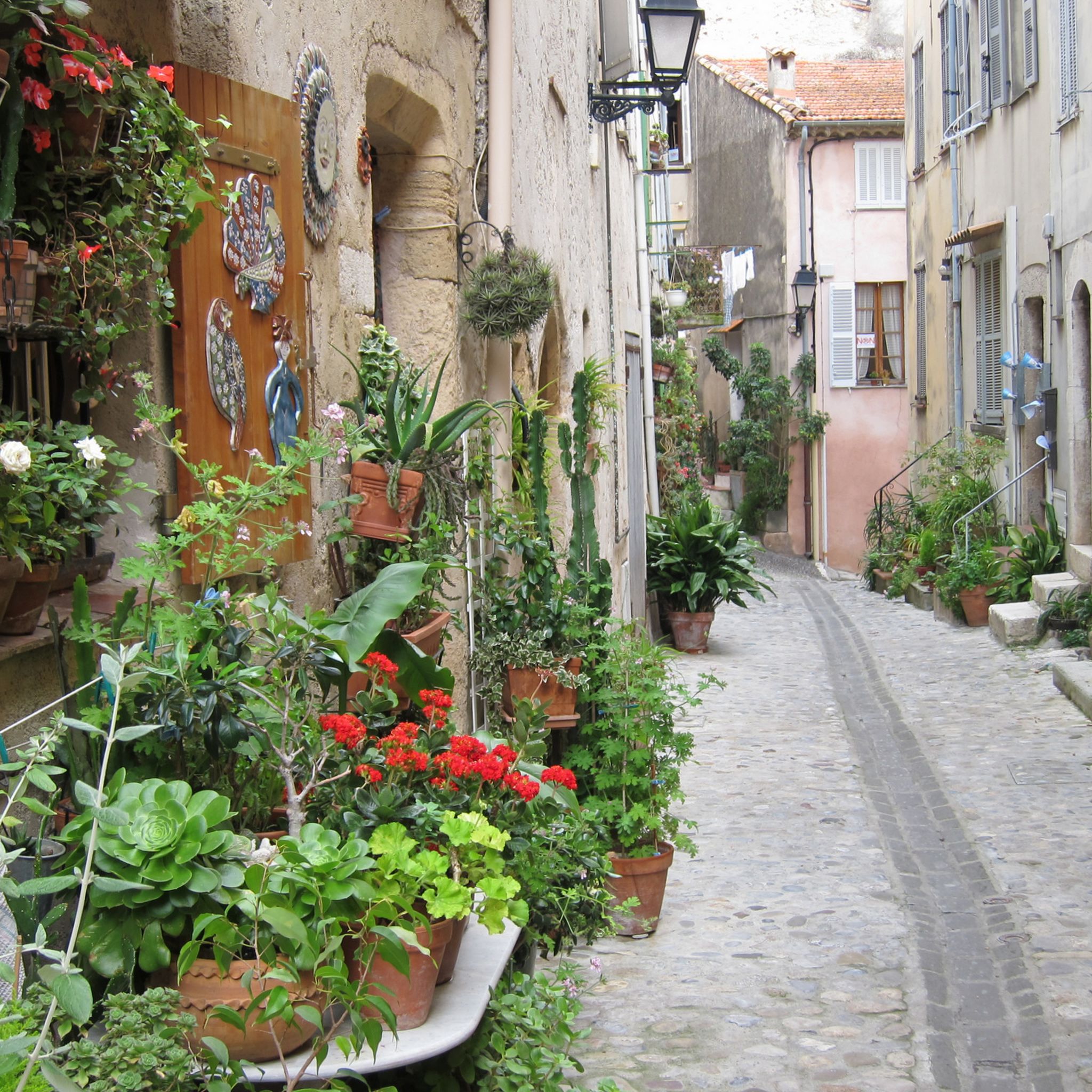
The best way to explore Biot's vibrant art scene is by strolling along Rue Saint-Sébastien, the main street in the old town. This lively thoroughfare is home to numerous galleries, cafés, and shops selling local glass and pottery. Beyond the main street, you'll find various artisan workshops throughout the village, showcasing Biot's long history as an artist's colony.
What do visitors particularly enjoy about the attractions around Biot?
Visitors frequently praise the stunning sea views and varied terrain of the Littoral Trail of Cap d'Antibes. The Promenade des Arts de Cagnes-sur-Mer is appreciated for its artistic displays and smooth cycle path. Many also enjoy the unique turquoise waters of Billionaires' Bay Beach and the historical charm of Biot's medieval village.
Are there opportunities for cycling around Biot?
Yes, Biot and its surroundings offer excellent cycling opportunities. The Promenade des Arts de Cagnes-sur-Mer features a smooth cycle path along the sea. For more dedicated routes, you can find various road cycling and mountain biking trails. Examples include the 'Cap d'Antibes – La Salis Beach loop' for road cycling or 'Forest Singletrack loop' for MTB. More details are available in the road cycling guide and MTB trails guide.
What is the best time of year to visit Biot for outdoor activities?
The French Riviera generally enjoys a mild climate, making outdoor activities pleasant for much of the year. Spring and autumn offer comfortable temperatures for hiking and cycling, avoiding the peak summer heat and crowds. However, the region's beauty can be enjoyed in all seasons, with winter providing a quieter experience.
What historical sites related to the Knights Templar can be found in Biot?
Biot has a rich history, including periods under the Knights Templar. The central Place des Arcades, a must-see heritage site, was originally a Roman *castrum* and later served as a headquarters for the Knights Templar. This square showcases distinctive Ligurian architecture from the 15th century.
Where can I learn about Biot's ceramic history?
You can delve into Biot's ceramic traditions at the Musée d'Histoire et Céramique Biotoise (History and Ceramic Museum). This museum explores Biot's history as an artist's colony since the 1600s and highlights the town's past reputation for producing large ceramic pots.
Most popular attractions around Biot

Get inspired with the komoot mobile app


Explore more
Still not found the Highlight you’re looking for? See guides of the top attractions in other regions:
