Top 14 Lakes around Cluses
Best lakes around Cluses are found in the heart of the French Alps, offering diverse natural landscapes and recreational opportunities. The region is characterized by mountainous terrain, with lakes nestled against dramatic limestone cliffs and within glacial basins. These bodies of water provide varied environments, from high-altitude alpine settings to family-friendly leisure bases. Many lakes are protected sites, contributing to the preservation of their natural heritage.
Best lakes around Cluses
- The most popular lakes is Lake Vernays, a lake accessible via a forest path from Taninges. It is a peaceful place suitable for athletes, mountain bikers, or family outings.
- Another must-see spot is Ladies' Lake, a lake located on the edge of Samoëns. These two lakes, connected by a waterfall, offer activities including fishing, a golf driving range, horse riding, and a playground.
- Visitors also love Third Lake at Les Ilettes, a lake designed for windsurfing. This site is one of the best spots in Haute-Savoie for water sports.
- Cluses is known for high-altitude alpine lakes, leisure lakes, and fishing lakes. The variety of lakes provides options for hiking, swimming, and relaxation.
- The lakes around Cluses are appreciated by the komoot community, with 81 upvotes and 15 photos shared.
Last updated: June 17, 2026
Ladies' Lake
Highlight • Lake
These two lakes, connected by a waterfall, are located on the edge of Samoëns within a few minutes' walk of several of our Samoens properties. With a stunning backdrop of the Criou mountain hanging above them, the two lakes and surrounding landscape offer an impressive range of activities, including fishing, a golf driving range (on the water!), horse riding, a treetop adventure park, tennis and a playground, not to mention a large outdoor area for games, sunbathing and picnics. A wide, smooth gravel track borders these lakes, with plenty of forest hiking trails coming your way if you're feeling adventurous!
Translated by Google •
Tip by

Lake Vernays
Highlight • Lake
Tip by

Sign up now to discover places like this
Get recommendations on the best single tracks, peaks, & plenty of other exciting outdoor places.
Sign up for free
Third Lake at Les Ilettes
Highlight • Lake
In 1976 a meeting was held between Sallanches and Saint-Martin for the development of Lac des Ilettes. This area located in the territory of Sallanches but bordering on the commune of Saint-Martin could only be developed by a joint agreement of the two communes.
In 1977, the development of Les Ilettes helped with the merger of St Martin and Sallanches.
For the construction of the future white highway, this area will be reserved for the extraction of materials.
Two other large lakes will be exposed and subsequently developed into tourist sites.
***
Today it is a beautiful place of relaxation for everyone:
* What if we teased the trout? !
This 1st lake, coming from St Martin, is reserved exclusively for fishing; it measures 242 m long.
Tranquility assured. The island located in the middle of the lake being a hunting reserve, you will have plenty of time to observe mallards and wild rabbits while waiting for the fish to take the bait!
- Aquatic species: wild and rainbow trout, perch, carp, pike, roach, tench, chub, crayfish, verons, frogs.
- Fishing license: on sale at the Passion Pêche store or at the Sallanches Tourist Office
- Night fishing for carp: "no kill" organized by the Faucigny Approved Association for Fishing and Protection of the Aquatic Environment (registration required)
- Fishing competitions: organized by the fishing company (information at the tourist office)
- Sites and regulations: Haute-Savoie fishing license offered with the license.
* Take the plunge !
This 2nd Ilettes lake is intended for swimming and relaxing (supervised swimming in July - August). It is 450 m long.
- Under the sun or the shade, it is good to relax on the green lawns bordering the waters of the lake.
- Numerous facilities are provided for leisure and well-being: open-air showers, volleyball courts, bowling greens, fitness trail, ping-pong table.
- equipped picnic areas, snacks and refreshment bar in summer only.
- free parking and toilets
In summer, this lake, which also abounds with species found in the 1st lake, is closed to fishing.
Swimming authorized and supervised in July and August within a specific area.
- barbecue is accepted under certain conditions.
* Want to slide on the water?
Jibe and fun lovers are welcome on this 3rd lake, one of the best spots in Haute-Savoie, for windsurfing.
It measures 515 m long
- ideal site for discovering the pleasure of water sports
- at the end of this 3rd lake, a waterbird observation cabin is available to visitors.
- The north shore of the lake is reserved for fishing.
Translated by Google •
Tip by
Lake Flaine
Highlight • Lake
Translated by Google •
Tip by

Lac Bénit
Highlight • Lake
In 1988, Father Arsène Bourgeaux, ethnographer, in a publication dedicated to the parish, indicated that the lake, “for the inhabitants of the Mont is considered as a sort of founding place where the identity of a population originates” 7.
The lake was the subject of processions by the populations of Marnaz and Mont-Saxonnex, on Saint Claude's Day, in order to protect the villages from flooding.
The lake benefited from developments in the early 1960s, notably with the raising of the lake level, which made it possible to double its surface area7. The inauguration took place on July 11, 19657. A mass was improvised by priest Claude Scherantz.
Lake Bénit is the subject of many legends. One of them relates that the fairies came to bathe there and were at the origin of the production of butter and tomme in the town.
A second legend says that an episcopal ring is found in the lake9. Following a deadly avalanche, the bishop of the diocese is said to have gone “in a grand procession” to bless the lake and to have thrown “his episcopal ring into the waves asking heaven that such a catastrophe never happens again”9. Another version says that the object was so heavy that it fell into the lake at the time of the blessing9. According to this legend, an avalanche emptied the lake and flooded Marnaz below4.
Finally Alphonse Favre (en) reports that “this lake is due to a collapse in which a fir forest disappeared. As for the time, it can only be established in a very doubtful manner, by the fact that an old man from the village of Brezon assured, around 1845, that this event had happened in his father's youth. »1
Translated by Google •
Tip by
Sign up for free to discover even more lakes around Cluses.
Sign up for free
Already have an account?
Start today with a free account
Your next adventure awaits.
Login or Signup
Popular around Cluses
L'Omomarto – The evil genius and the exploit
Route des Grandes Alpes
10 wonderful Tours in Savoie and Haute-Savoie – easily accessible by train
Cycling in Savoie Mont Blanc – discover routes between lakes and mountains
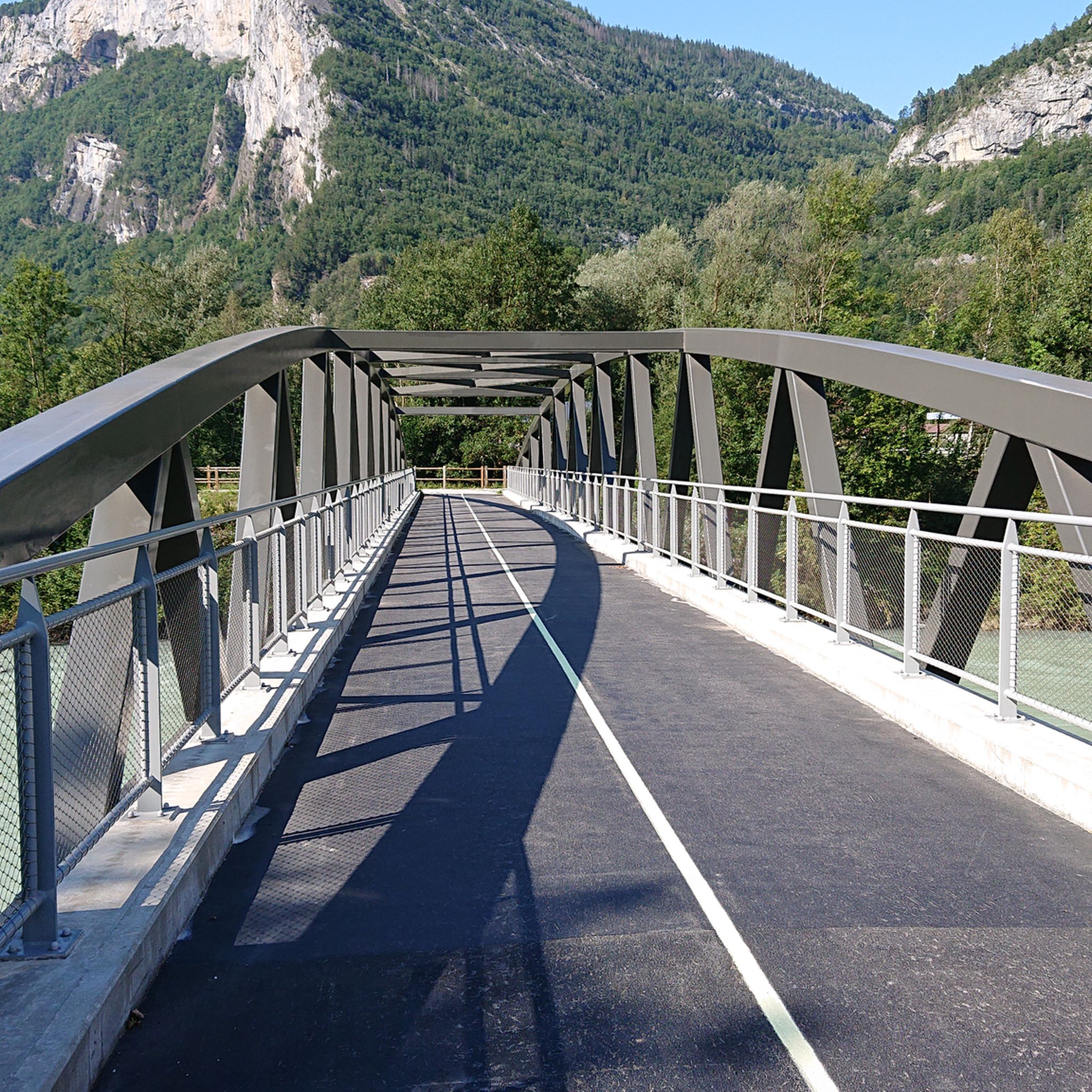
Road Cycling Routes around Cluses
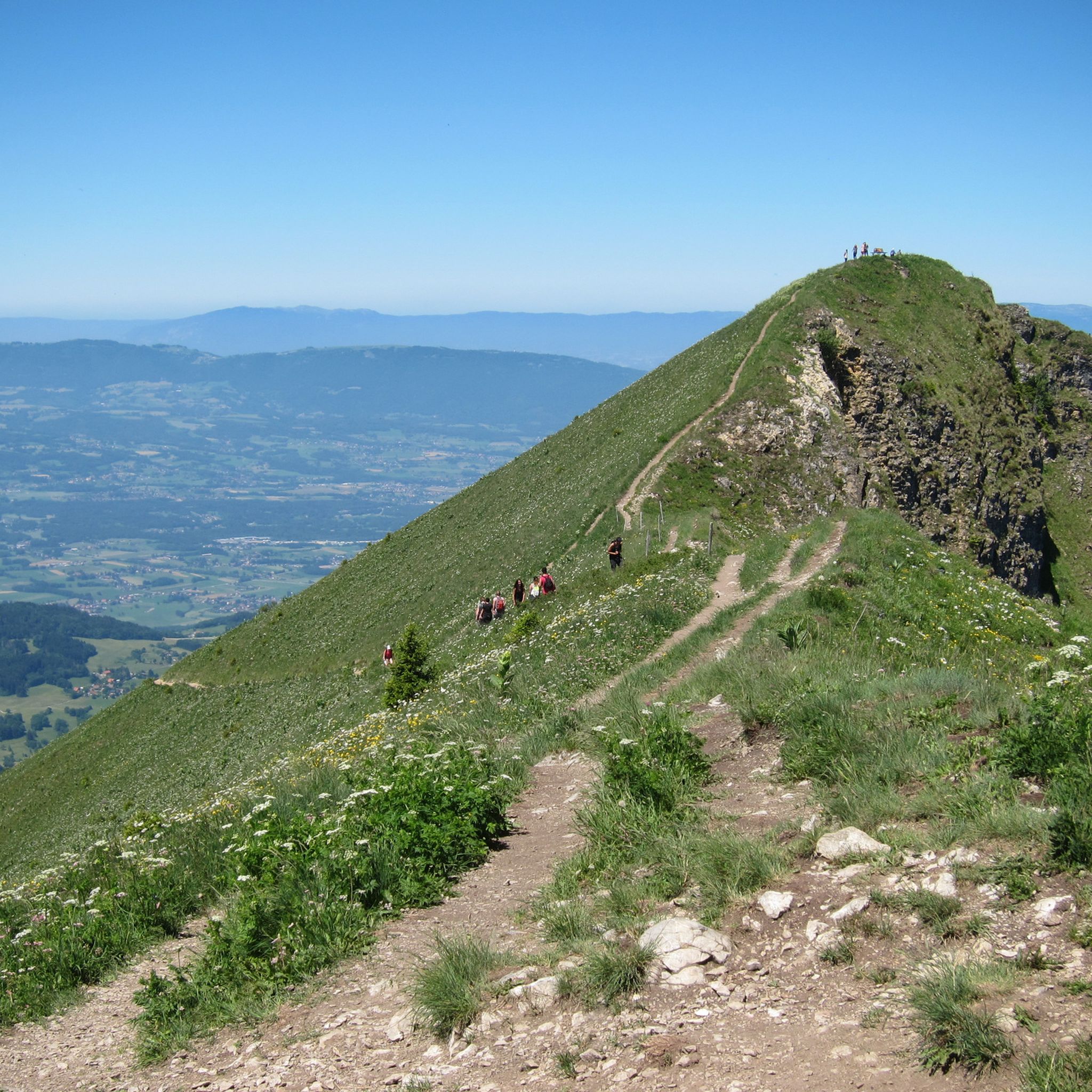
Cycling around Cluses
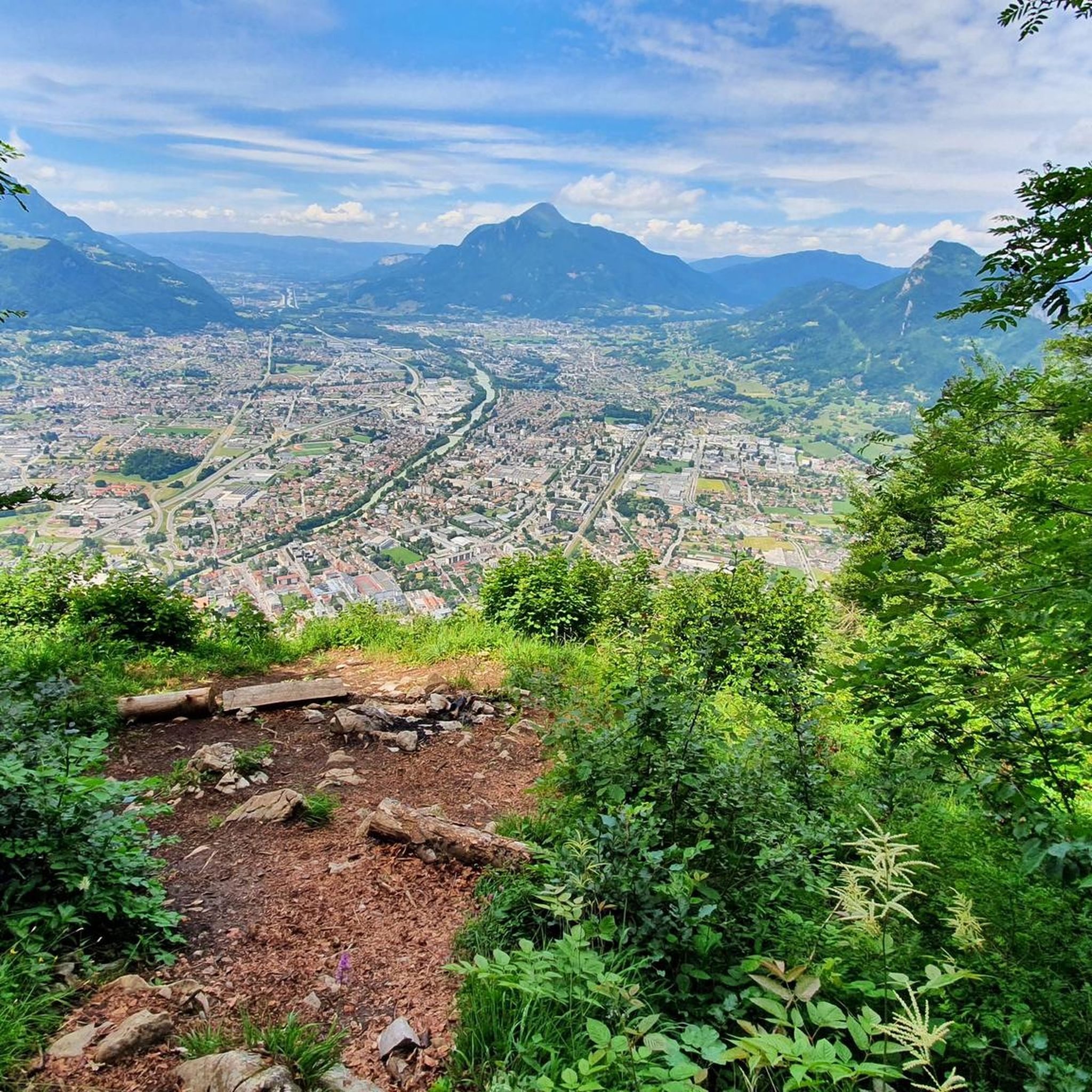
MTB Trails around Cluses
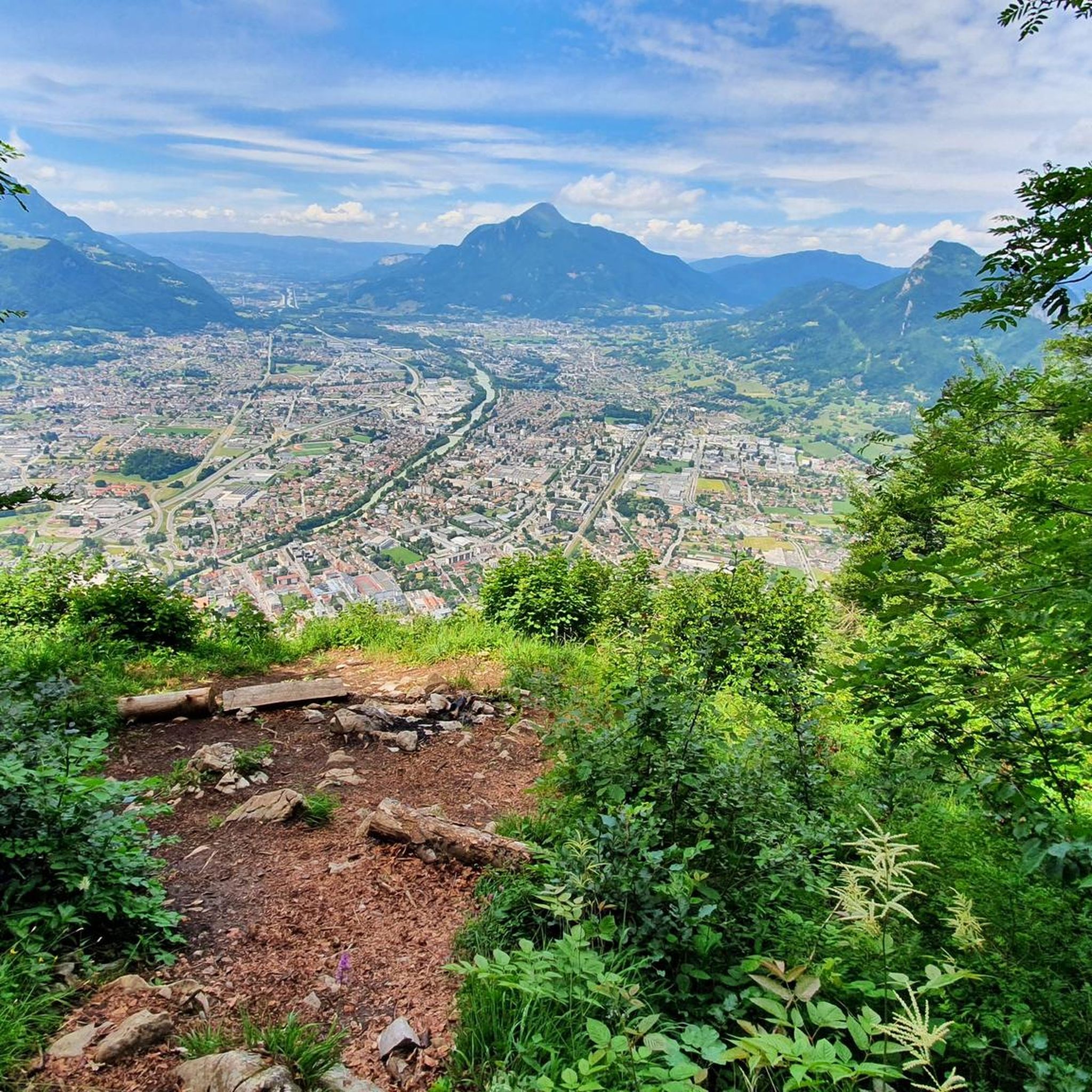
Hiking around Cluses

Gravel biking around Cluses
Running Trails around Cluses
Other adventures around Cluses


Tips from the Community

Beautiful hidden lake on the outskirts of Taninges
1
0


Magnificent artificial lake in Samoens intended for fishing and swimming
0
0
Sculpture that can be discovered along the Giffre as far as Morillon
1
0

Lake Flaine is located at the bottom of a valley over-excavated by a local glacier which descended from the summit of the lapiaz zone of the Platé desert (Tête lawn (2475 m) and Grandes platières (2480 m)) during the great glaciations. At its western end, it is blocked by the rocky threshold of the Col de Cou (1501 m). From a geological point of view, this depression is dug in limestone from the Urgonian (130 to 112 million years) and the Neocomian (145 to 130 million) which is very easily attacked by water and which therefore cannot hold her back. The bottom is however covered with a thick layer of silt that can reach several tens of meters which ensures its watertightness7. During the last retreat of the glacier from the basin, almost 12,000 years ago, the lake was 20 meters deeper and occupied the entire bottom of the basin over a length of 1200 m but it gradually shrank that the losses became more active and accelerated its evacuation. The result is a long plain slowly tilting 2% towards the west where the lake takes refuge in its low waters6. Currently, the lake is fed by four small streams, three of which are permanent. Two come from the Col de Cou while the third comes from the south and circulates under the scree. The main one follows the valley, it crosses the Flaine ski resort and its wastewater treatment plant and has a very variable flow rate: it can be dry but can also flow 300 l/s6. The surface area of the lake fluctuates accordingly and is only 1.5 ha and 0.8 m deep during low water in autumn and winter. However, it does not pass below this limit because its main outlet is not at the lowest point, but on its southern bank, in a scree. The flood period occurs when the snow melts to reach a size of 12 ha for a depth of 10.5 m, values reached in 1985-86 around June 1st. This value, however, seems higher than in previous decades since the water then surrounds the alpine chalets on the lake plain and the fir trees have their trunks in the water for several weeks, which represents conditions where they do not should not be able to develop. The cause of the increase in spring floods is attributed to the creation of the Flaine resort in the 1960s which led to waterproofing of the soil (parking lots, roads, sealing of lapiaz for ski slopes, etc.) as well as the capture of additional water from Lake Vernant8. Another consequence is that the bed of the Flaine stream has sunk several meters as it enters the lake plain6. During periods of high water, water flows through two additional temporary outlets located on the north side of the lake and forming funnels 2 to 3 m in diameter7. Water characteristics A surface temperature of 13.5° was recorded on May 26, 1986. In winter, the lake can also freeze over almost its entire depth. A measurement carried out during periods of high water revealed that its pH is relatively alkaline (9.08) for relatively low mineralization (TH = 4.46 °f mainly due to 17.2 mg/l of calcium). Lined by fine gray-beige silt, the lake is quite turbid and has a transparency of only around 1 m. Bacteriologically contaminated, around 1990 it was in an advanced state of eutrophication due to the lack of performance of the wastewater treatment plant6. The lake is regularly stocked with rainbow trout and brown trout9.
1
0
Lake Bénit is located at an altitude of 1,452 meters, on the northern slope (ubac) of the Bargy chain, in the Bornes1 massif. It is dominated to the south by the limestone wall of the Bargy chain from where the scree of the Col d'Encrenaz cirque spills out and delimits the south-west shore of the lake. The northwest bank corresponds to the slope of the old glacial basin while the east bank opens onto the valley of the Lac Bénit stream. In 1988, Father Arsène Bourgeaux, ethnographer, in a publication dedicated to the parish, indicated that the lake, “for the inhabitants of the Mont is considered as a sort of founding place where the identity of a population originates” 7. The lake was the subject of processions by the populations of Marnaz and Mont-Saxonnex, on Saint Claude's Day, in order to protect the villages from flooding. The lake benefited from developments in the early 1960s, notably with the raising of the lake level, which made it possible to double its surface area7. The inauguration took place on July 11, 19657. A mass was improvised by priest Claude Scherantz. Lake Bénit is the subject of many legends. One of them relates that the fairies came to bathe there and were at the origin of the production of butter and tomme in the town. A second legend says that an episcopal ring is found in the lake9. Following a deadly avalanche, the bishop of the diocese is said to have gone “in a grand procession” to bless the lake and to have thrown “his episcopal ring into the waves asking heaven that such a catastrophe never happens again”9. Another version says that the object was so heavy that it fell into the lake at the time of the blessing9. According to this legend, an avalanche emptied the lake and flooded Marnaz below4. Finally Alphonse Favre (en) reports that “this lake is due to a collapse in which a fir forest disappeared. As for the time, it can only be established in a very doubtful manner, by the fact that an old man from the village of Brezon assured, around 1845, that this event had happened in his father's youth. »1
0
0
Frequently Asked Questions
What are the best lakes around Cluses for family-friendly activities?
For families, Ladies' Lake in Samoëns is an excellent choice. It's a vibrant leisure base with two lakes offering a supervised swimming area, grassy beaches, children's play areas, tennis, volleyball, a fitness trail, and even a golf driving range. Another great option is Lac de Vallon, known for its picturesque setting, family-friendly walks, and picnic spots. Lake Vernays also provides a peaceful setting suitable for family outings.
Which lakes near Cluses are ideal for hiking with scenic views?
Lac de Peyre, situated at over 2,100 meters, offers breathtaking panoramic views of the surrounding massifs and even the Mont-Blanc range. The trail can be rugged but is highly rewarding. Lac Bénit is another stunning alpine lake known for its tranquil beauty and picturesque views against the dramatic limestone cliffs of the Bargy mountain range, with family-friendly hiking options.
Are there any lakes around Cluses suitable for water sports like windsurfing or paddleboarding?
Yes, the Third Lake at Les Ilettes is specifically designed for windsurfing and is considered one of the best spots in Haute-Savoie for this activity. Ladies' Lake in Samoëns also offers paddleboarding among its many recreational activities.
Where can I go fishing near Cluses?
Several lakes offer excellent fishing opportunities. Lac de Flérier is a 1st category fishing site known for trout. Lac de Peyre is popular for fishing rainbow trout and Arctic char. Lac Bénit also permits fishing. Additionally, the first lake at Les Ilettes is exclusively reserved for fishing, with various species like trout, perch, and pike.
What kind of natural features can I expect to see at the lakes around Cluses?
The lakes offer diverse natural beauty. You can find dramatic limestone cliffs at Lac Bénit, crystal-clear blue waters reflecting majestic landscapes at Lac de Peyre, and picturesque settings formed by landslides, like Lac de Vallon. Many are protected sites, part of networks like Natura 2000 or 'Espace Naturel Sensible', preserving their unique natural heritage.
Are there any historical or geological points of interest near the lakes?
Lac de Vallon is an essential geosite of the Chablais UNESCO Global Geopark, with an interpretive trail explaining its formation by a landslide in 1943. You can also find a hiking path leading to a medieval chapel near Lac de Vallon. Lac Bénit is steeped in local legends and has been the subject of historical processions.
What outdoor activities, besides visiting lakes, can I do around Cluses?
The region around Cluses offers a wide range of outdoor activities. You can explore various cycling routes, such as the 'Discovering Le Reposoir, Col de Romme and Nancy-sur-Cluses' or the 'View of Mont Blanc – Europe Bridge loop from Cluses'. For runners, there are trails like the 'Running loop from Thyez' or the 'Pont Vieux de Cluses loop from Cluses'. Gravel biking is also popular, with routes like the 'Lake Vernays – Ladies' Lakes loop from Taninges'. You can find more details on these activities in the Cycling around Cluses, Running Trails around Cluses, and Gravel biking around Cluses guides.
Which lakes are easily accessible or have amenities nearby?
Lacs aux Dames (Ladies' Lake) is just a short walk from Samoëns town center and features restaurants, snack bars, and extensive facilities. The lakes at Les Ilettes also offer picnic areas, refreshment bars in summer, and free parking. Lac de Flérier has a dedicated picnic area and shaded spots.
Can I swim in the lakes around Cluses?
Yes, swimming is permitted and supervised during July and August at the second lake of Les Ilettes. Ladies' Lake also has a supervised swimming area and grassy beaches for relaxation.
What do visitors particularly enjoy about the lakes near Cluses?
Visitors appreciate the diverse range of experiences, from the tranquil and peaceful atmosphere of Lake Vernays, often described as having the 'stillest lake' appearance, to the extensive activities and beautiful mountain backdrop at Ladies' Lake. The stunning views and opportunities for hiking at high-altitude lakes like Lac de Peyre and Lac Bénit are also highly valued.
Are there any hidden gems or tranquil spots among the lakes?
Lac de Flérier near Taninges offers a tranquil setting with shaded picnic spots and is known for its peaceful fishing environment. Lake Vernays is also described as a peaceful place, away from the main roads, perfect for those seeking quiet reflection or gentle outings.
What is the best time of year to visit the lakes around Cluses?
The best time to visit largely depends on your desired activities. For swimming and water sports, the summer months (July-August) are ideal when facilities are open and supervision is provided. For hiking, late spring to early autumn offers pleasant weather, though high-altitude lakes like Lac de Peyre might still have snow earlier in the season. Winter activities are also possible in the broader region, but specific lake access might vary.
Most popular routes around Cluses
Most popular attractions around Cluses

Get inspired with the komoot mobile app


Explore more
Still not found your perfect lake around Cluses? Check out the guides of these regions to see even more beautiful places.
