Attractions and Places To See around Brouzet-Lès-Quissac - Top 20
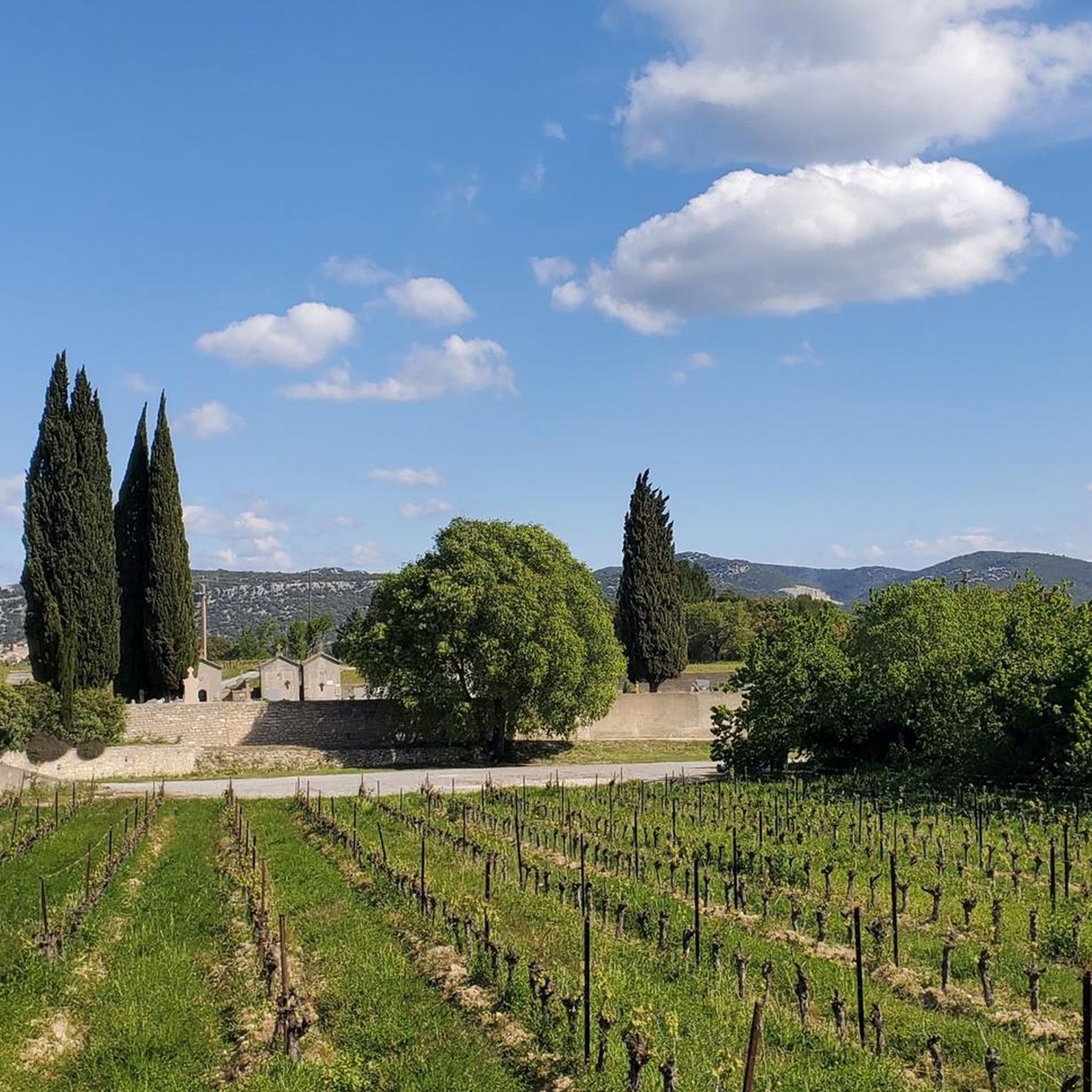
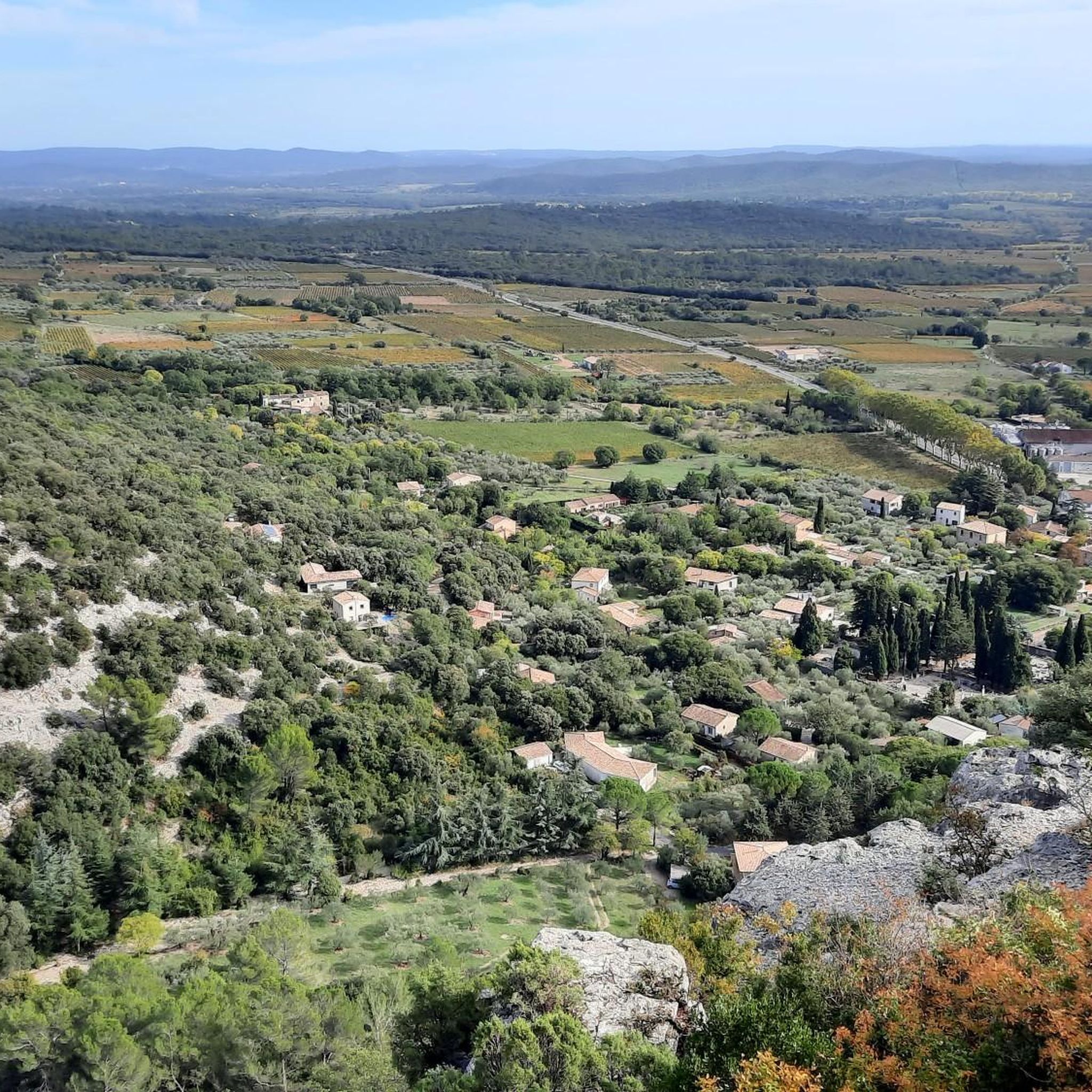
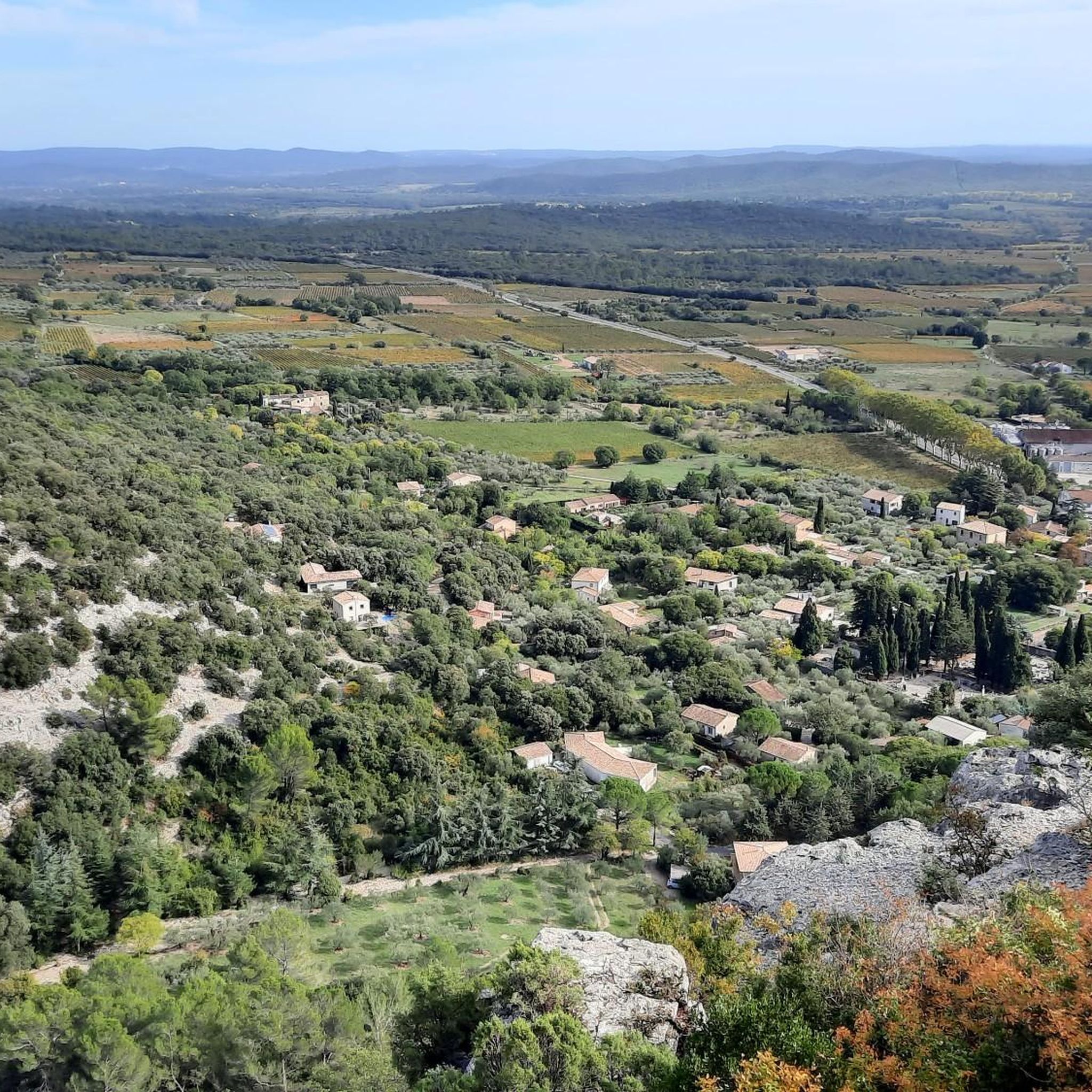
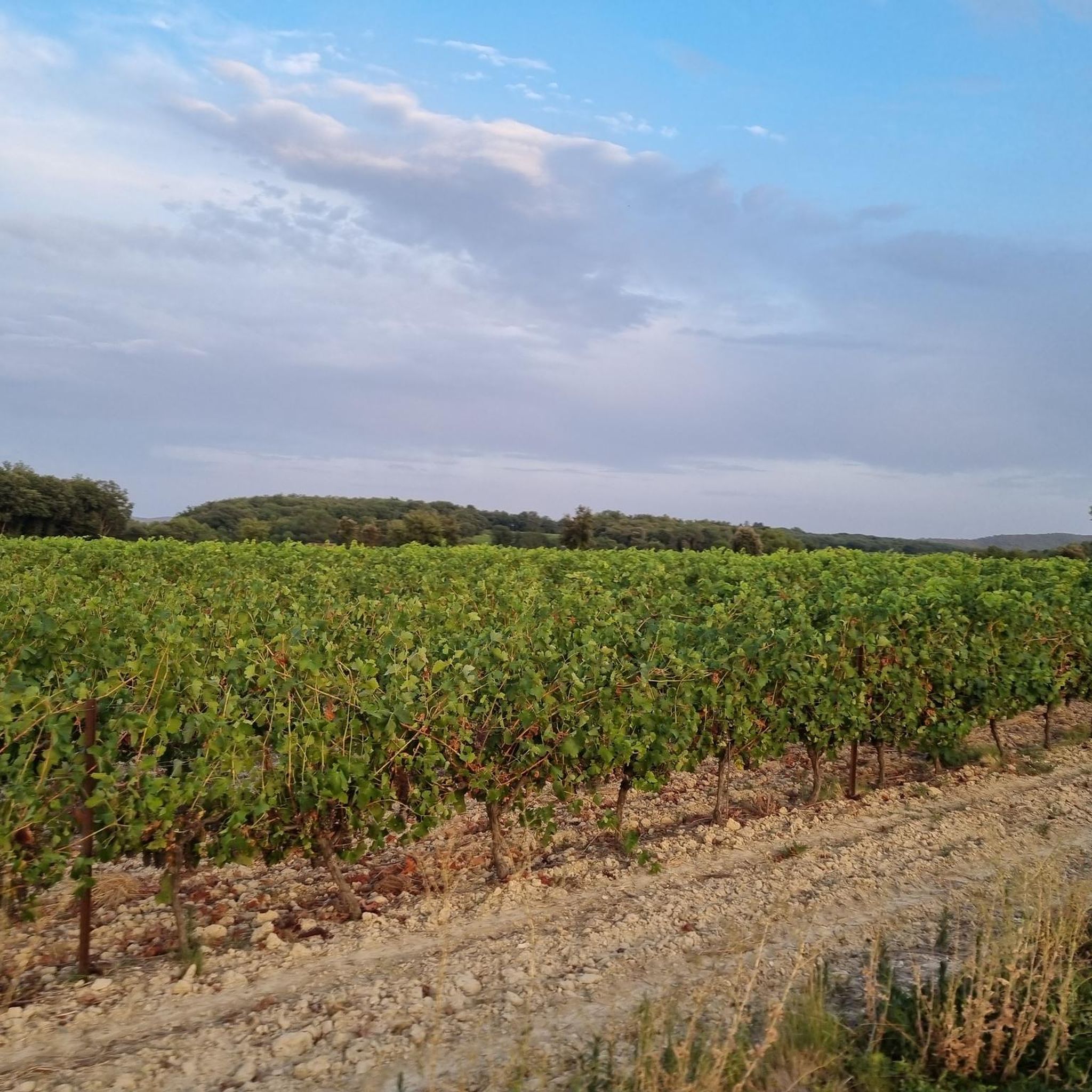
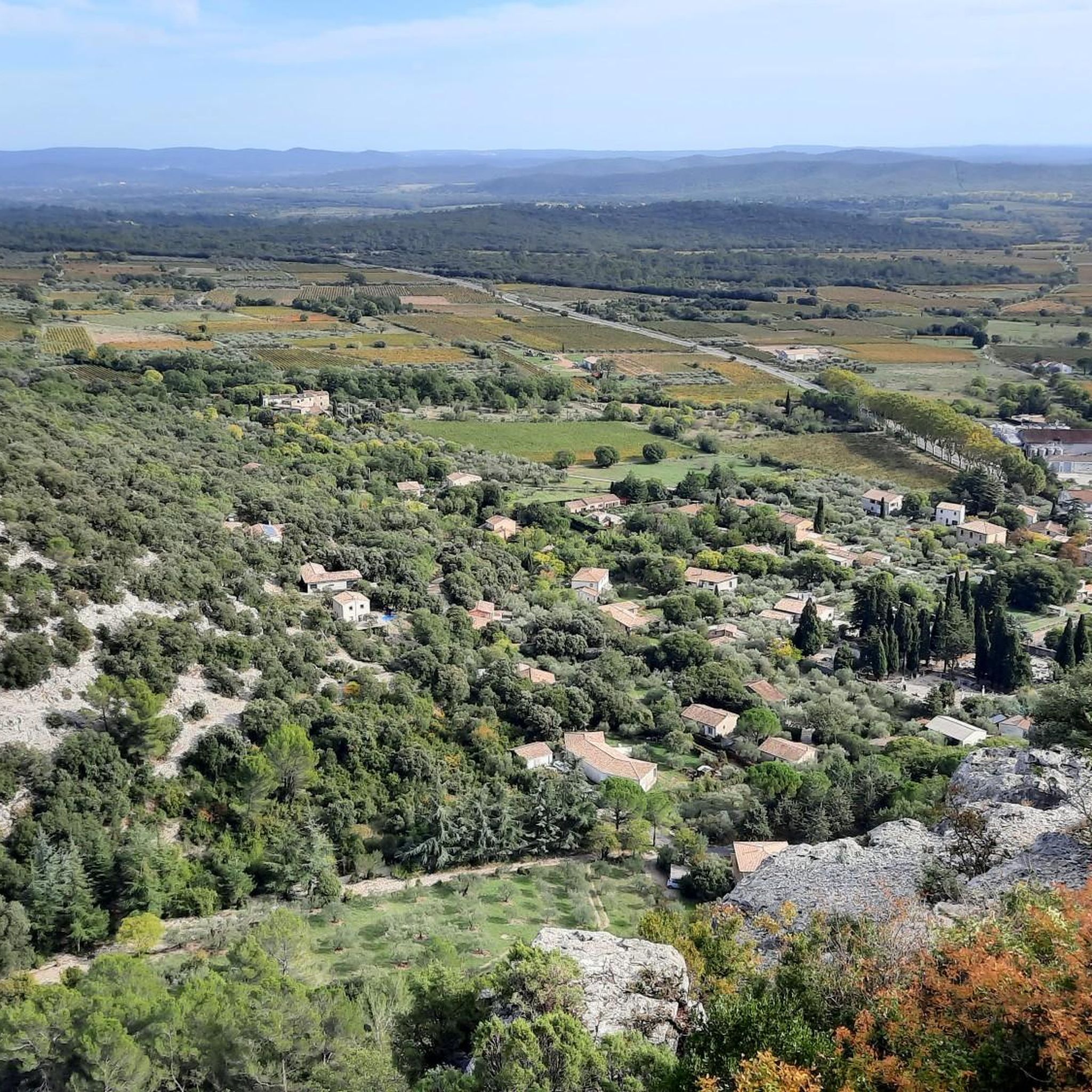
Best attractions and places to see around Brouzet-Lès-Quissac offer a blend of historical landmarks, natural beauty, and cultural sites in the Gard department of southern France. The commune, with its hamlet of Aiguebelle, is set within a natural environment characterized by plains, pine forests, and vineyards. Historical roots date back to 957, with sites like the 19th-century Saint-Vincent Church and the classified historical monument Domaine du Patron. The area provides opportunities to explore diverse landscapes and historical points of interest.
…Last updated: July 7, 2026
Mer des Rochers
Highlight • Other
Translated by Google •
Tip by

Notre-Dame du Château Chapel
Highlight • Religious Site
The landscape is sublime, especially towards the cliff opposite.
Before, there was a rope …
Translated by Google •
Tip by

Sign up now to discover places like this
Get recommendations on the best single tracks, peaks, & plenty of other exciting outdoor places.
Sign up for free
Aven of Sauve
Highlight • Cave
I was able to go down there several times.
Be …
Translated by Google •
Tip by
The Bridge of Chance
Highlight • Other
Translated by Google •
Tip by
Between Montaud and Saint Drézéry
Highlight (Segment) • Trail
Translated by Google •
Tip by

Sign up for free to discover even more attractions around Brouzet-Lès-Quissac.
Sign up for free
Already have an account?
Start today with a free account
Your next adventure awaits.
Login or Signup

Tips from the Community

In our opinion, the path there is very difficult and by no means easy. You need to be a good walker. Not recommended for dogs. We were lucky that we were able to carry our dog.
0
0

Many churches in France, including this chapel, are dedicated to the Virgin Mary under the widely used title "Notre-Dame" (in German: "Our Dear Lady"). A brief reflection on the Mother of God from Albino Luciani (Pope John Paul I): "Mary is truly our sister, as Saint Ambrose says. She lived a life very similar to ours. It is, of course, beautiful to venerate Mary as the Virgin and Mother of God, as the one conceived immaculately from original sin and assumed into heaven; but she is also the Madonna of plates, brooms, and cooking pots..." Visitors to this small but highly prominent Marian shrine can decide for themselves which "Notre-Dame" they wish to venerate here.
0
0
A pleasant hike in a karst landscape (for the initiated) but also imbued with a certain magic. The loop from the center of the village took us about two with a picnic among the rocks, in a place once planted with cherry trees and other fruit trees. Note the presence of an original sundial... in perfect working order! The sinkhole, at the beginning of the trail, is hardly visible because it is overgrown with vegetation. But the ruins of the castle for their part allow for beautiful photos. The trail is quite shaded regardless of the season, we did it in 28 degrees without any discomfort (but we are from the South!). However, be sure to wear proper footwear because the route is very stony!
0
0

Superb viewpoint at the summit
0
0
Avoid doing the sea of rocks the day after rain, it is dangerously slippery and spoils a lot of the fun.
1
0
Be careful of particularly slippery surroundings on rainy days or after rain.
1
0

A 40m deep and 90m circumference sinkhole is an attraction in the Sauve area, for tourists and also for potholers. I was able to go down there several times. Be careful, there is no barrier! Watch where you put your feet, children and animals! At the bottom is a cave that is not very big, with two parts. First lower part, which overlooks a well, then where you have to crawl quite a bit to end up on "nothing". On the other side, you fall quite quickly above a LAKE, with a height of about 15m. The water from this LAKE flows into the Sauve resurgence, located at the bottom of the village, after the stone bridge, towards the children's park. This one spits with all its power during the rains.
3
0
The sea of rocks is located on the heights of the village of Sauve. Although short, the well-marked path offers a beautiful view. The path is uneven, sometimes with high steps, but is quite easy to do on foot, and seems to be intended for everyone, with a little care. A sundial is located at the end of the crossing (or at the beginning depending on where you are coming from). Not far from there, 10/15 minutes on foot, is the Grand Aven de Sauve, which I was able to descend a few years ago.
2
0
Frequently Asked Questions
What natural landmarks can I explore around Brouzet-Lès-Quissac?
The area offers several unique natural features. You can discover the Mer des Rochers, an area of rocky chaos where you can also find the ruins of the castle of Roquevaire. Another notable site is The Bridge of Chance, a natural arch formed by a stream. For those interested in geology, the Aven of Sauve is a significant sinkhole and cave system.
Are there historical or cultural sites to visit in Brouzet-Lès-Quissac?
Yes, Brouzet-Lès-Quissac has a rich history. The 19th-century Saint-Vincent Church, with its distinctive silhouette, is a central feature of the village. You can also find the fully restored Domaine du Patron, classified as a historical monument. The Notre-Dame du Château Chapel, built on the ruins of an old castle, offers both historical interest and magnificent views.
What kind of outdoor activities can I do near Brouzet-Lès-Quissac?
The region is ideal for outdoor enthusiasts. You can explore numerous trails for hiking, including routes that lead to natural arches and chapels with panoramic views. There are also options for running and gravel biking through diverse landscapes of plains, pine forests, and vineyards.
Where can I find scenic viewpoints in the area?
For breathtaking views, visit the Notre-Dame du Château Chapel, which is situated on a promontory offering a magnificent panorama. Additionally, the trail Between Montaud and Saint Drézéry provides spectacular vistas of the Hortus and Pic Saint Loup.
Are there any easy walking trails suitable for families around Brouzet-Lès-Quissac?
While specific family-friendly ratings for all trails are not always available, many of the paths through the plains, pine forests, and vineyards offer relatively easy terrain. For a moderate option, consider the 3.2 km 'The Bridge of Chance – Notre-Dame du Château Chapel loop from Corconne' which combines natural beauty with a historical site.
What is the best time of year to visit Brouzet-Lès-Quissac for outdoor activities?
The Gard department, where Brouzet-Lès-Quissac is located, generally enjoys a Mediterranean climate. Spring and autumn are often ideal for outdoor activities like hiking and biking, offering pleasant temperatures and lush landscapes. Summer can be warm, but still suitable for early morning or late afternoon excursions.
What unique natural environments can be found in the region?
The Brestalou Riparian Zone is a significant ecological corridor, home to diverse wildlife including beavers and the protected European Roller bird. The area is characterized by its blend of plains, pine forests, and vineyards, creating a rich and varied natural tapestry for exploration.
What do visitors enjoy most about the attractions around Brouzet-Lès-Quissac?
Visitors frequently praise the breathtaking landscapes and spectacular views, particularly from spots like the Between Montaud and Saint Drézéry trail, which offers vistas of the Hortus and Pic Saint Loup. The unique geological formations like the Pont du Hazard (Bridge of Chance) and the rocky chaos of Mer des Rochers are also highly appreciated.
Are there any nearby villages or towns worth visiting from Brouzet-Lès-Quissac?
Yes, several charming places are within a reasonable distance. Sauve, with its ancient, narrow streets and the 11th-century Le Castellas fortress, is a notable option. Nîmes, home to the historical Jardins de la Fontaine, and Sommières, featuring the ancient Roman Pont Tibère, are also accessible for day trips.
Can I find any ancient ruins or archaeological sites in the vicinity?
Beyond the ruins of the castle of Roquevaire near Mer des Rochers and the old castle foundations beneath the Notre-Dame du Château Chapel, the region has historical depth. The Château de Brouzet-Lès-Quissac, a medieval castle ruin, and the vestiges of the Vère Mill along hiking trails offer glimpses into the past.
Are there any specific trails for gravel biking in the area?
Yes, the region offers excellent opportunities for gravel biking. Routes like the 'Pont de Quissac – Quissac loop from Claret' or the 'Sauve Village Center – Voie Verte Anduze loop from Sauve' are popular choices, providing diverse terrain and scenic views. You can find more options on the Gravel biking around Brouzet-Lès-Quissac guide.
Most popular routes around Brouzet-Lès-Quissac
Most popular attractions around Brouzet-Lès-Quissac

Get inspired with the komoot mobile app


Explore more
Still not found the Highlight you’re looking for? See guides of the top attractions in other regions:
