Top 5 Castles around Aigrefeuille-Sur-Maine
Best castles around Aigrefeuille-Sur-Maine offer a journey through history in a region characterized by its river valleys and vineyards. The area features a blend of medieval fortresses and historic estates, providing insights into the local heritage. Visitors can explore structures that have stood for centuries, often situated in scenic landscapes. The region's historical significance is reflected in its architecture and the stories associated with these sites.
Best castles around Aigrefeuille-Sur-Maine
- The most popular castles is Château de Clisson, a…
Last updated: July 7, 2026
Château de Clisson
Highlight • Castle
Translated by Google •
Tip by

Picture frame by Emmanuel Ritz
Highlight • Viewpoint
Translated by Google •
Tip by

Sign up now to discover places like this
Get recommendations on the best single tracks, peaks, & plenty of other exciting outdoor places.
Sign up for free
La Preuille Castle
Highlight • Castle
Translated by Google •
Tip by

La Frémoire Castle
Highlight • Castle
Translated by Google •
Tip by

Start today with a free account
Your next adventure awaits.
Login or Signup
Tips from the Community

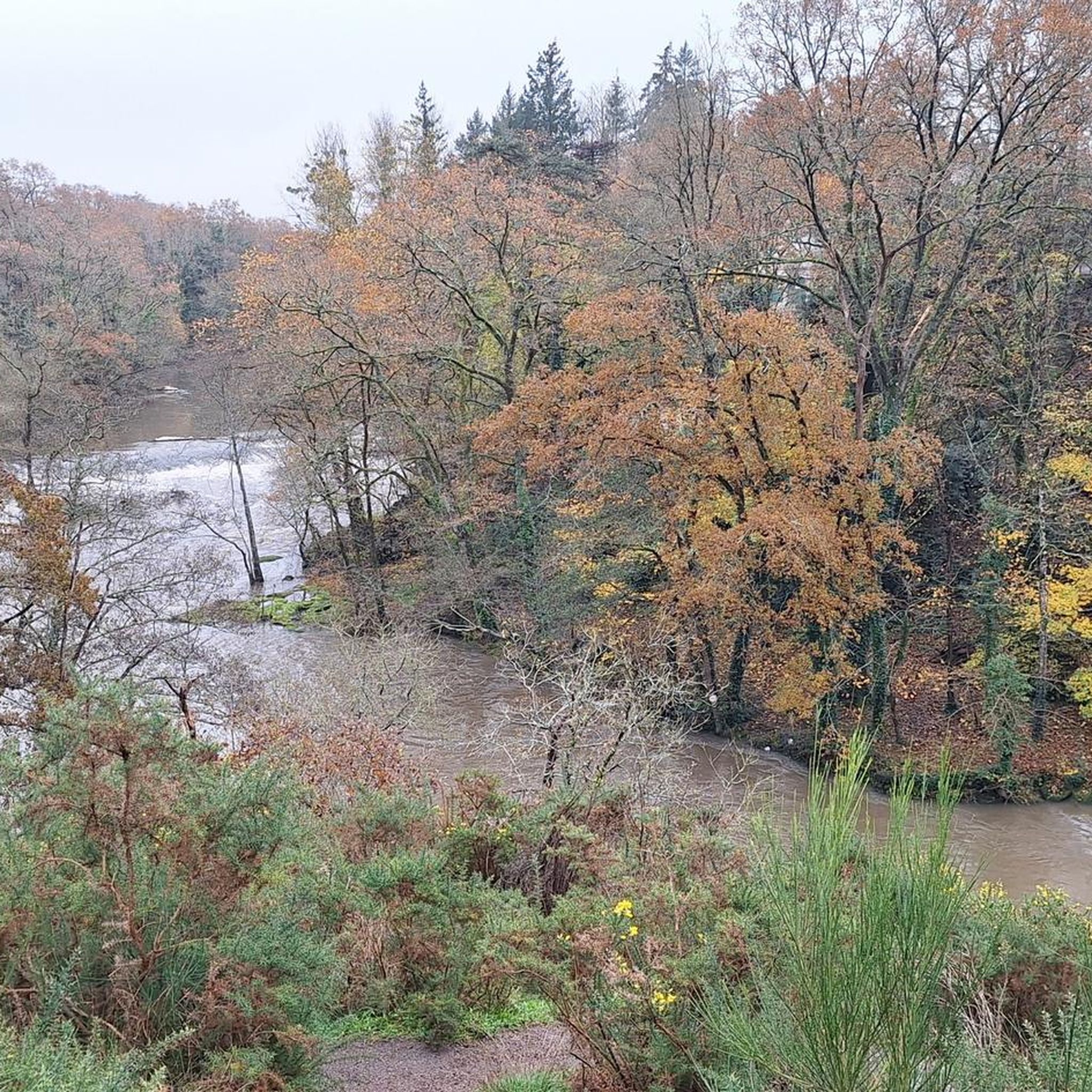
Clisson Castle has quite a story to tell: first an impregnable fortress overlooking the Sèvre, then a ducal residence, and finally a romantic ruin. In the 12th century, the powerful lordship of Clisson built this stone castle with highly elaborate defensive architectural systems: arrow slits, gun ports, and slits. A strategic point protecting the border of the Duchy of Brittany in the 15th century, it was abandoned by its owners from the second half of the 17th century onward before being burned down by Republican troops in 1793. But, beyond its grand history, this castle also has a more historic significance! In 1807, François-Frédéric Lemot, creator of the Garenne Lemot estate (a picturesque landscape located on the other side of the river), was captivated by these ruins and purchased it to turn it into an ornamental factory. The château was declared a historic monument in 1924, before being acquired by the Loire-Atlantique department in 1962. Today, visitors can visit it, take a guided tour, or simply experience its history. A stop on the Journey through the Vineyard, it's a stopover during the wine tourism tour of Nantes' wine country, featuring natural sites, heritage features, characterful villages, and unique cellars.
1
0

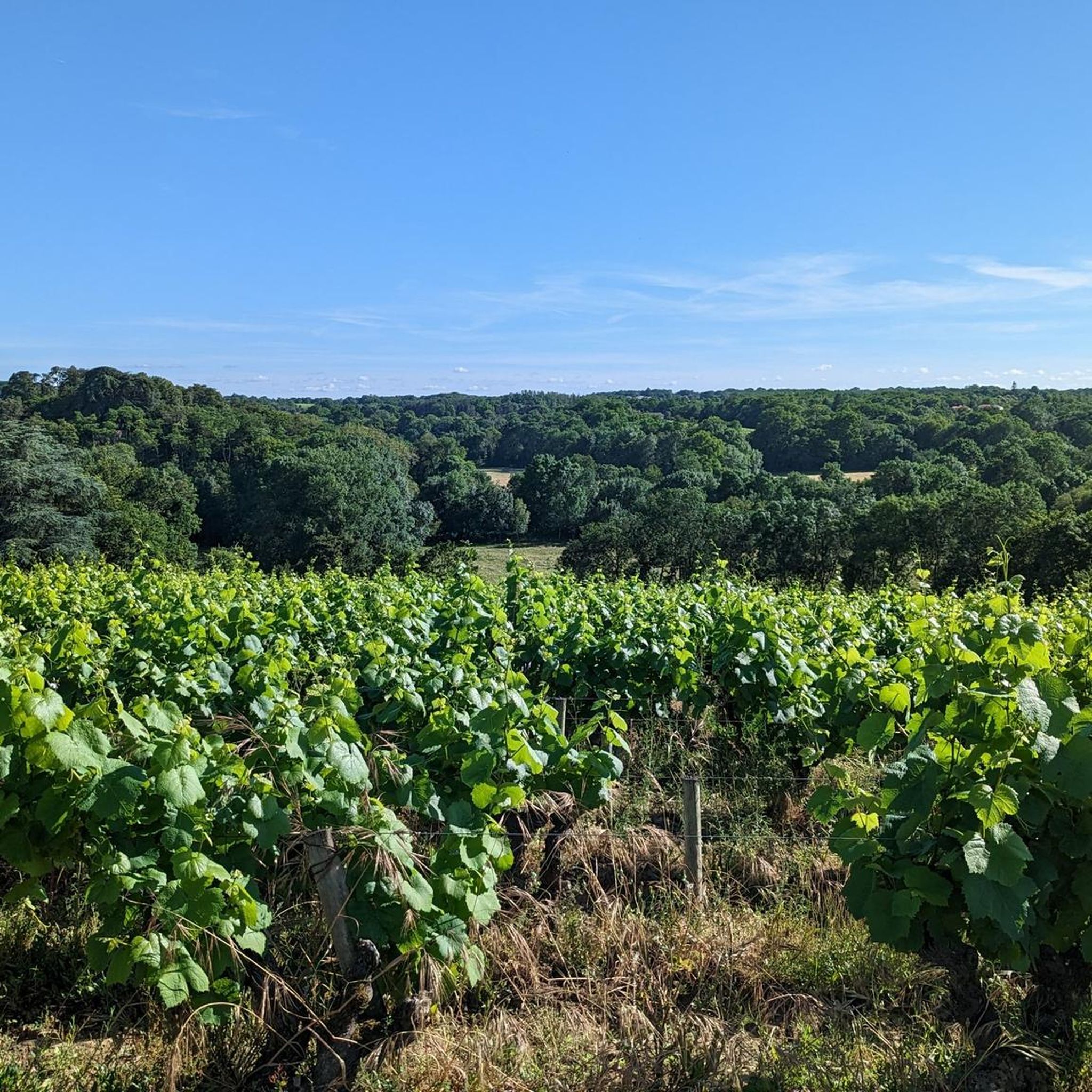
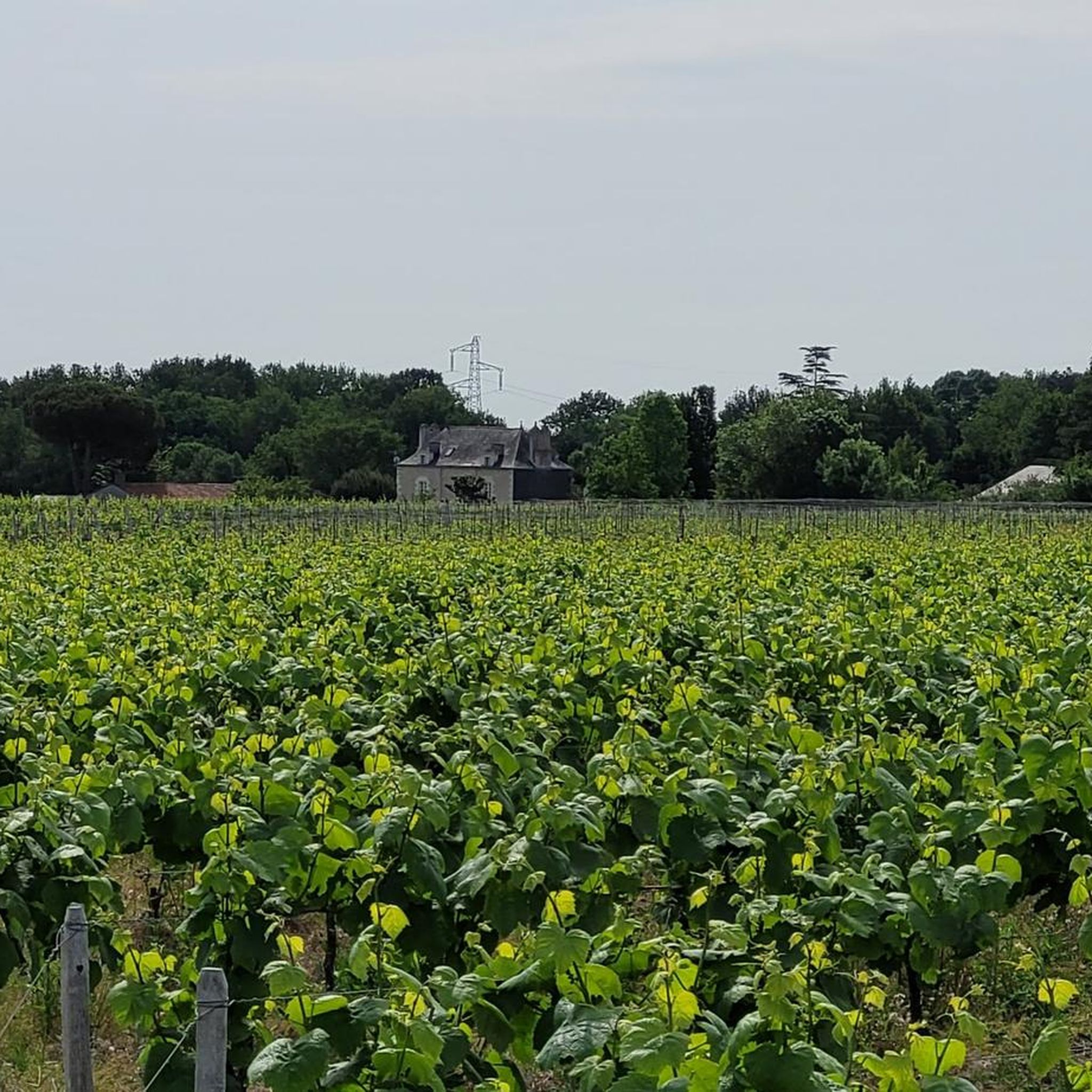
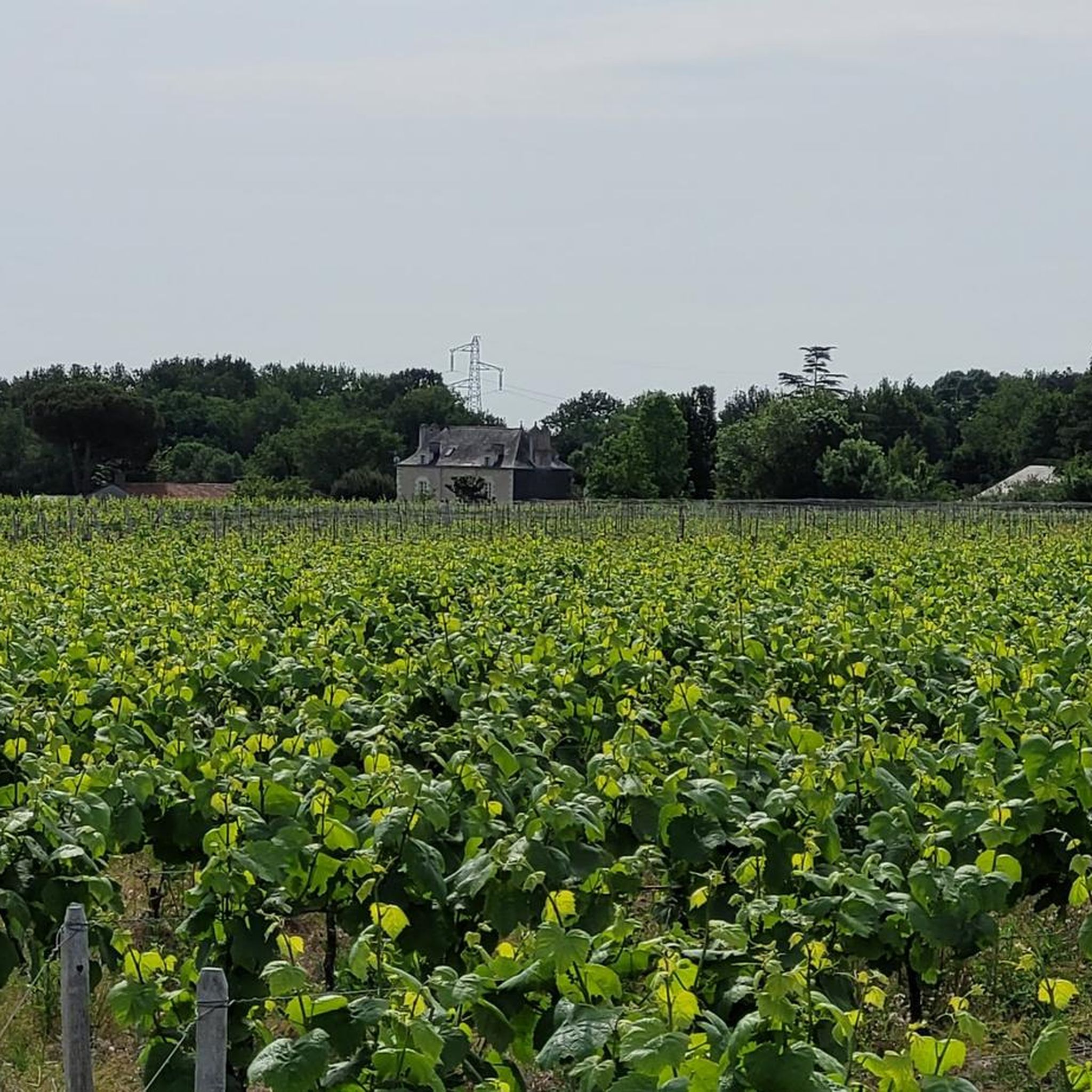
Beautiful castle surrounded by vineyards, considered one of the oldest castles in the Loire Valley.
3
0

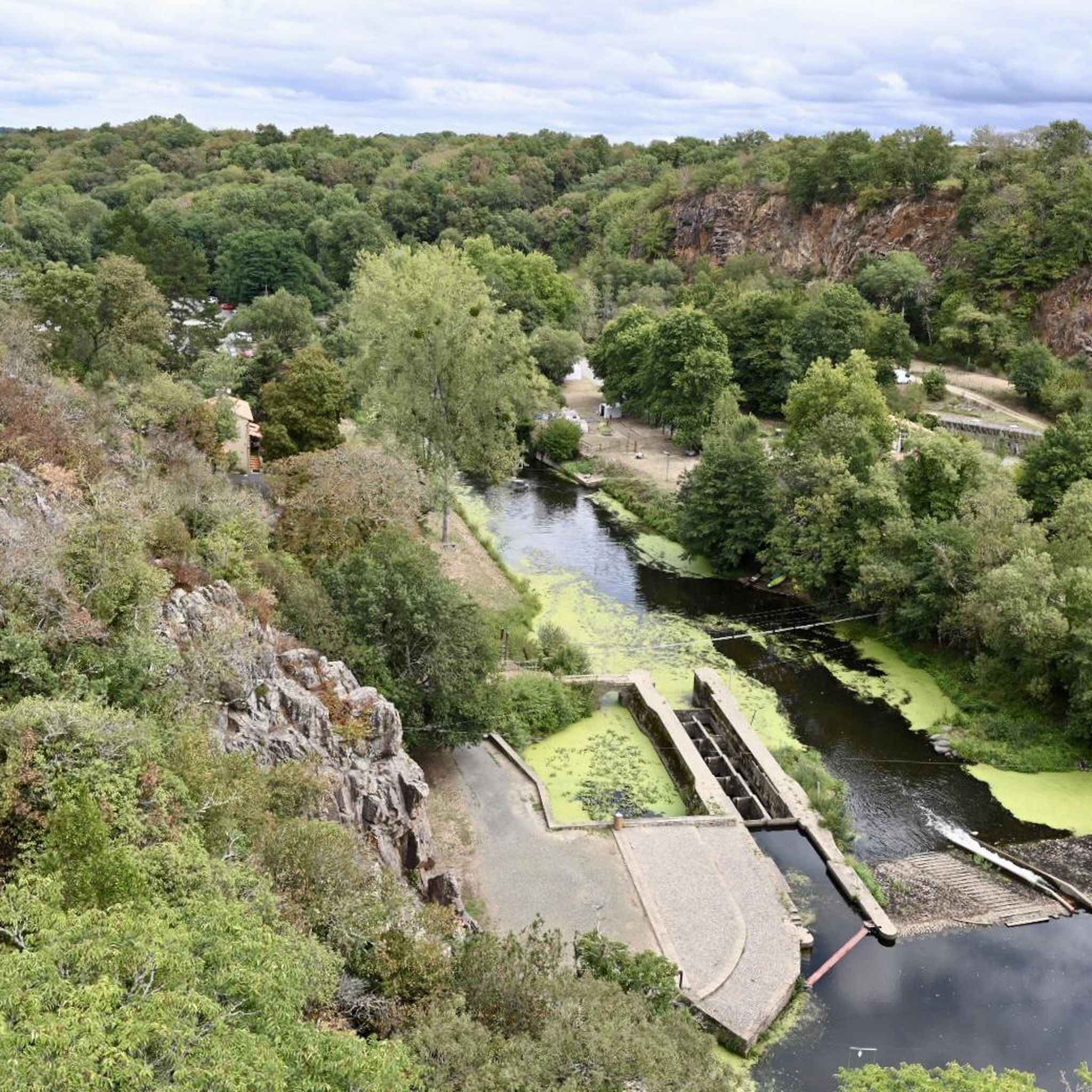
A viewpoint as astonishing as it is impressive stands out from the cliff 30 meters above the Pont Caffino leisure center. Put your feet on the ground to discover the magnificent panorama of the vineyards and the Maine valley.
1
0

After admiring the multicultural site of Pont Caffino, go back to the village of Château-Thébaud to contemplate the aerial view of this site from the magnificent belvedere
1
0
Long an impregnable fortress, Clisson Castle is a model of a fortified castle. Built by the powerful Clisson family from the 12th century, this castle became a strategic point protecting the border of the Duchy of Brittany in the 15th century. In 1793, during the Vendée War, the fortress was burned and partially destroyed. Today, Clisson Castle still offers many examples of defensive architecture: archers, gunboats, stunners, etc. Ref: enpaysdeloire.com
0
0

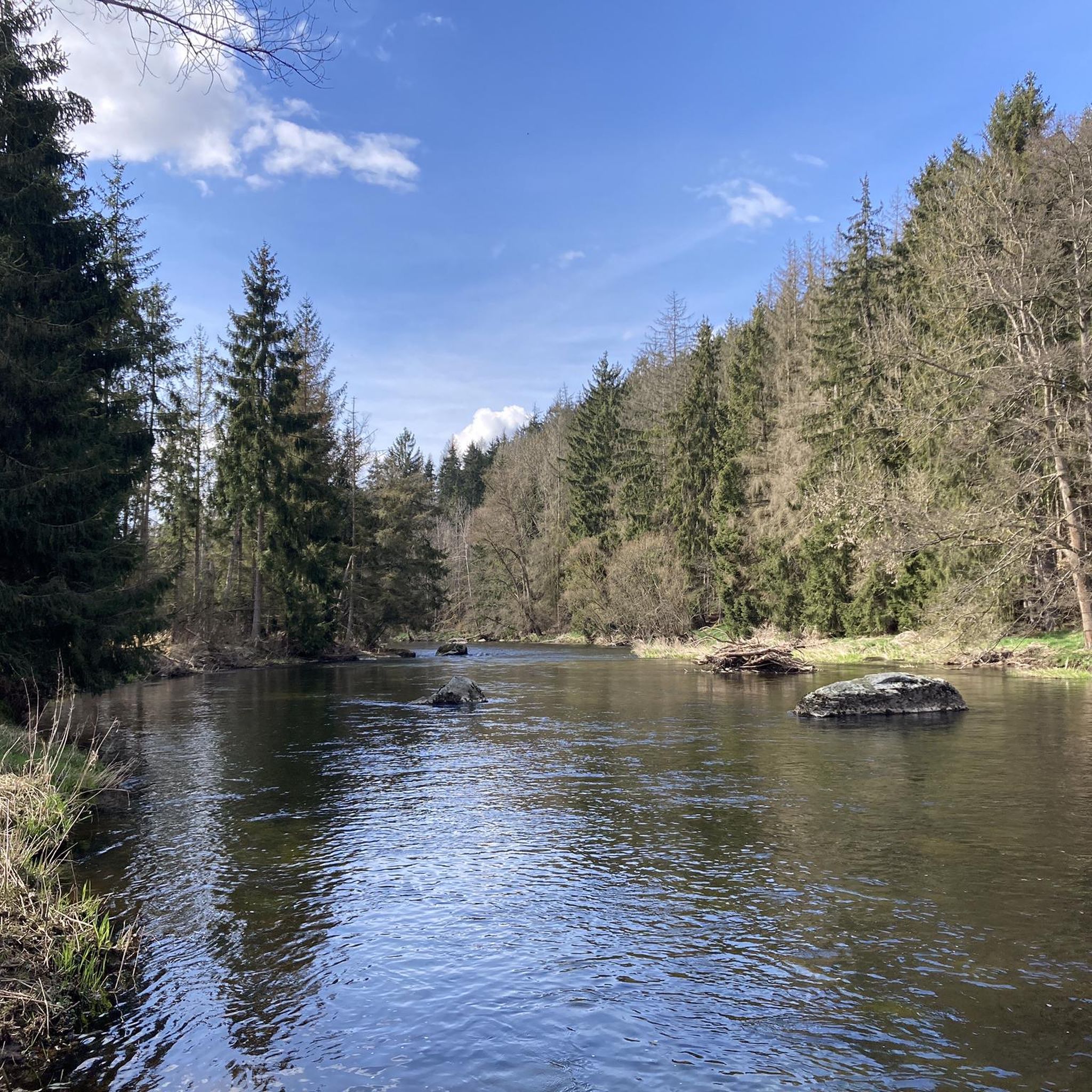
The view is worth it, you still need to have a little leg to get there
0
0

Long an impregnable fortress, Clisson Castle is a model of a fortified castle. Built by the powerful Clisson family from the 12th century, this castle became a strategic point protecting the border of the Duchy of Brittany in the 15th century. In 1793, during the Vendée War, the fortress was burned and partially destroyed. Today, the Château de Clisson still offers many examples of defensive architecture: archers, gunboats, stunners…|
0
0

Clisson Castle is a medieval fortress dating from the 11th century. It dominates the city of the same name as well as the Sèvre river. It is possible to visit the castle, for more information: https://www.chateau-clisson.fr/44/preparez-votre-visite/heures-et-acces/cli_5603
3
0
Frequently Asked Questions
Are there family-friendly castles to visit around Aigrefeuille-Sur-Maine?
Yes, several castles in the area are considered family-friendly. For instance, Château de Clisson is tagged as family-friendly, offering a historical experience. La Frémoire Castle and Château du Coing de Saint Fiacre are also noted for being suitable for families.
Which castles offer a significant historical experience near Aigrefeuille-Sur-Maine?
For a deep dive into history, visit Château de Clisson, a medieval fortress from the 11th century with a rich past. La Preuille Castle, also dating back to the 11th century, is considered one of the oldest castles in the Loire Valley. La Frémoire Castle, a former seigneury from the 16th century, also offers historical insights.
What is the best season to visit the castles around Aigrefeuille-Sur-Maine?
The best time to visit the castles is generally during spring (April-June) and early autumn (September-October) when the weather is pleasant for exploring and the surrounding vineyards are vibrant. Summer (July-August) is also popular, though it can be warmer and more crowded.
Are there castles with gardens or scenic natural surroundings?
While not all castles explicitly feature formal gardens, La Preuille Castle is beautifully surrounded by vineyards, offering a picturesque setting. The region itself is known for its river valleys and vineyards, providing scenic backdrops for many of these historical sites.
What outdoor activities can I do near the castles?
The area around Aigrefeuille-Sur-Maine offers various outdoor activities. You can find numerous hiking trails, such as the 'Moulin des Épinettes – Reuzard mill and footbridge loop', or road cycling routes like the 'Picture frame by Emmanuel Ritz – Pont Caffino Recreation Area loop'. For more details and routes, explore the hiking guide or the road cycling guide for the region.
What do visitors enjoy most about the castles in this region?
Visitors particularly appreciate the historical significance and the scenic locations of the castles. Many enjoy the panoramic views from places like the Picture frame by Emmanuel Ritz, which offers an exceptional panorama over the Pont Caffino valley. The medieval architecture of Château de Clisson and its dominance over the Sèvre river is also a highlight for many.
Are there less crowded or 'hidden gem' castles to discover?
While Château de Clisson is very popular, castles like La Preuille Castle and La Frémoire Castle might offer a more tranquil experience. These sites, often nestled within vineyards, provide a charming historical visit away from the busiest spots.
How long does it typically take to visit a castle in the Aigrefeuille-Sur-Maine area?
The duration of a visit can vary depending on the castle and your interest. For a comprehensive tour of a larger site like Château de Clisson, allow 1.5 to 2 hours. Smaller castles or those primarily focused on exterior views might take 30 minutes to an hour. Consider additional time for exploring nearby towns or natural areas.
What should I wear when visiting castles in the region?
Comfortable walking shoes are highly recommended, as many castles involve walking on uneven surfaces, stairs, or through extensive grounds. Dressing in layers is also advisable, as weather conditions can change, especially if you plan to explore both indoor and outdoor areas.
Are there cafes or restaurants near the castles?
The larger towns near popular castles, such as Clisson, will have a selection of cafes and restaurants. For castles located in more rural settings, dining options might be limited to nearby villages. It's always a good idea to check local listings or plan your meals in advance, especially during off-peak seasons.
Is public transport available to reach the castles?
Public transport options to individual castles can be limited, especially for those in more rural locations. While major towns like Clisson are accessible by regional transport, reaching specific castle gates often requires a car, taxi, or a combination of public transport and walking/cycling. It's best to check specific routes and schedules for each castle you plan to visit.
Are there parking facilities at the castles?
Most popular castles and historical sites will have designated parking areas, either directly on-site or within a short walking distance in nearby towns or villages. For example, when visiting Château de Clisson, parking is available in the town. For smaller, less frequented castles, parking might be less formal but usually available nearby.
Most popular routes around Aigrefeuille-Sur-Maine
Most popular attractions around Aigrefeuille-Sur-Maine

Get inspired with the komoot mobile app


Explore more
Looking for the best castles somewhere else? Discover other guides around Aigrefeuille-Sur-Maine:
