Attractions and Places To See around Graissessac - Top 20
Best attractions and places to see around Graissessac include a blend of historical sites and natural landscapes. This village, situated in the Monts d'Orb, features a rich coal mining past with preserved industrial heritage. Visitors can explore significant natural features like mountains and river valleys, alongside cultural sites and thermal towns in the surrounding area. The region offers diverse attractions, from geological formations to historical abbeys and scenic lakes.
Best attractions and places to see around Graissessac
- The most popular…
Last updated: May 9, 2026
Avène, spa town
Highlight • River
Translated by Google •
Tip by

Lunas
Highlight • Settlement
Translated by Google •
Tip by

Sign up now to discover places like this
Get recommendations on the best single tracks, peaks, & plenty of other exciting outdoor places.
Sign up for free
Monts d'Orb Dam
Highlight • Monument
Translated by Google •
Tip by
Lac d'Avène
Highlight • Lake
Translated by Google •
Tip by
Faugères – Bédarieux via the D13E8
Highlight (Segment) • Trail
Translated by Google •
Tip by

Sign up for free to discover even more attractions around Graissessac.
Sign up for free
Already have an account?
Start today with a free account
Your next adventure awaits.
Login or Signup
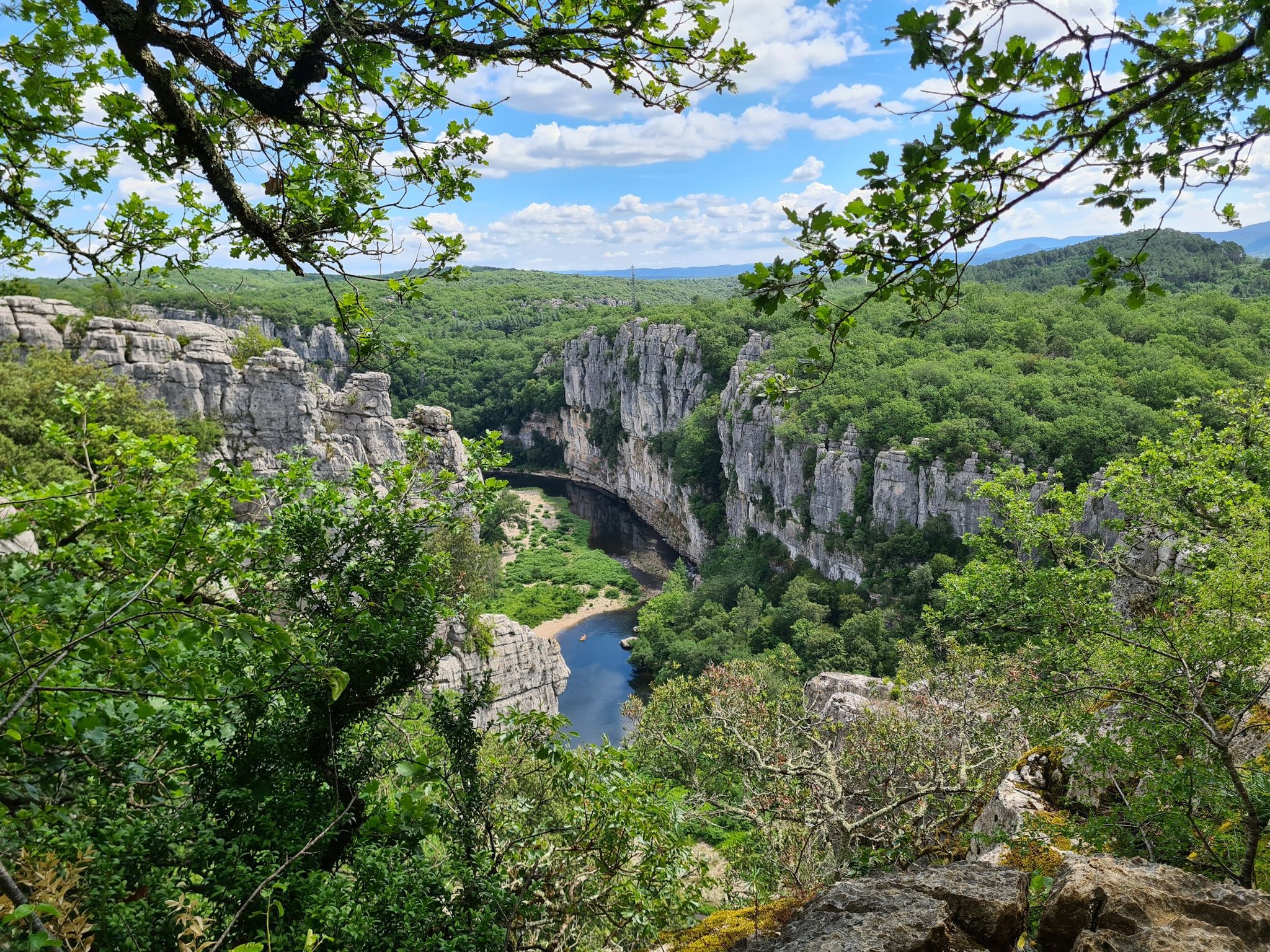
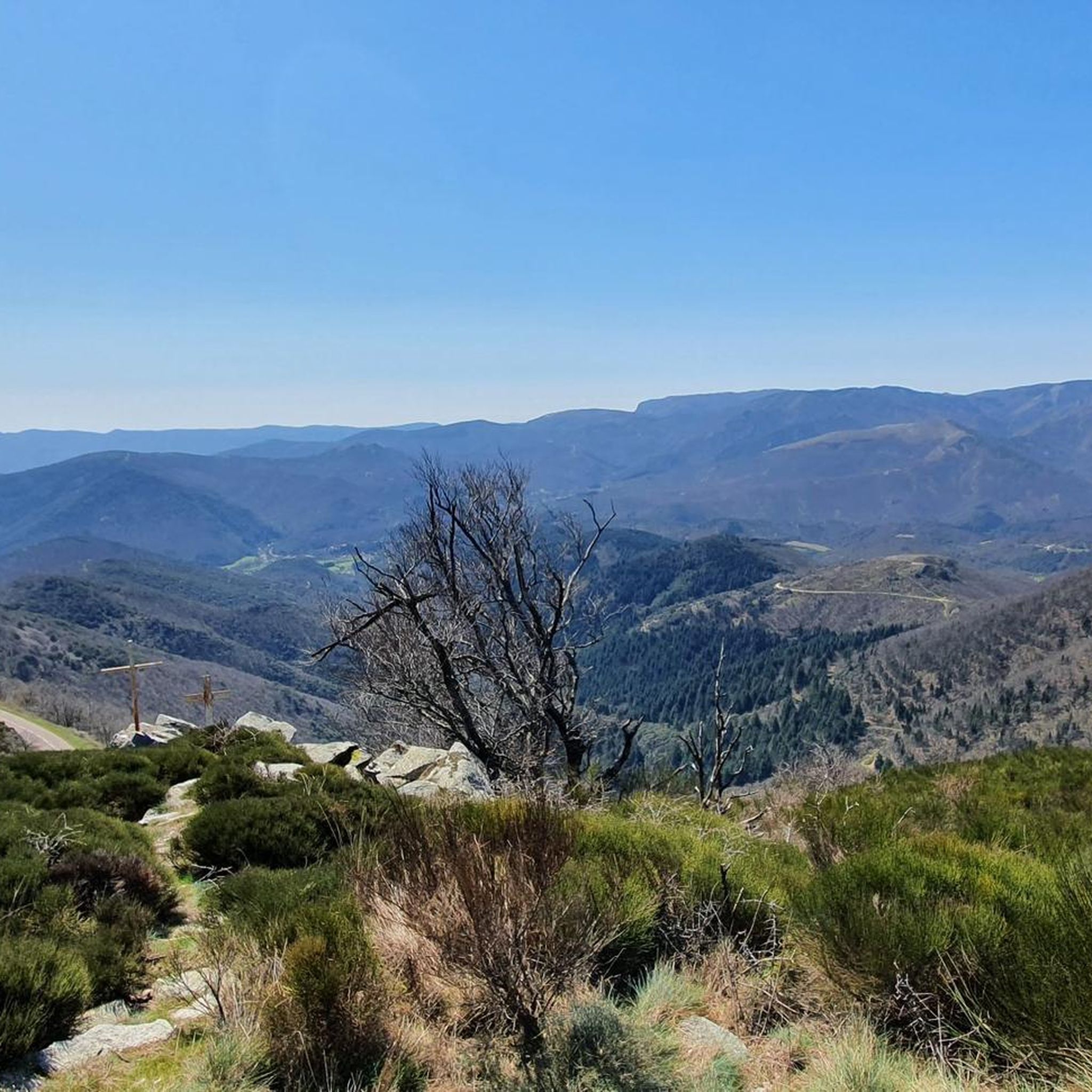
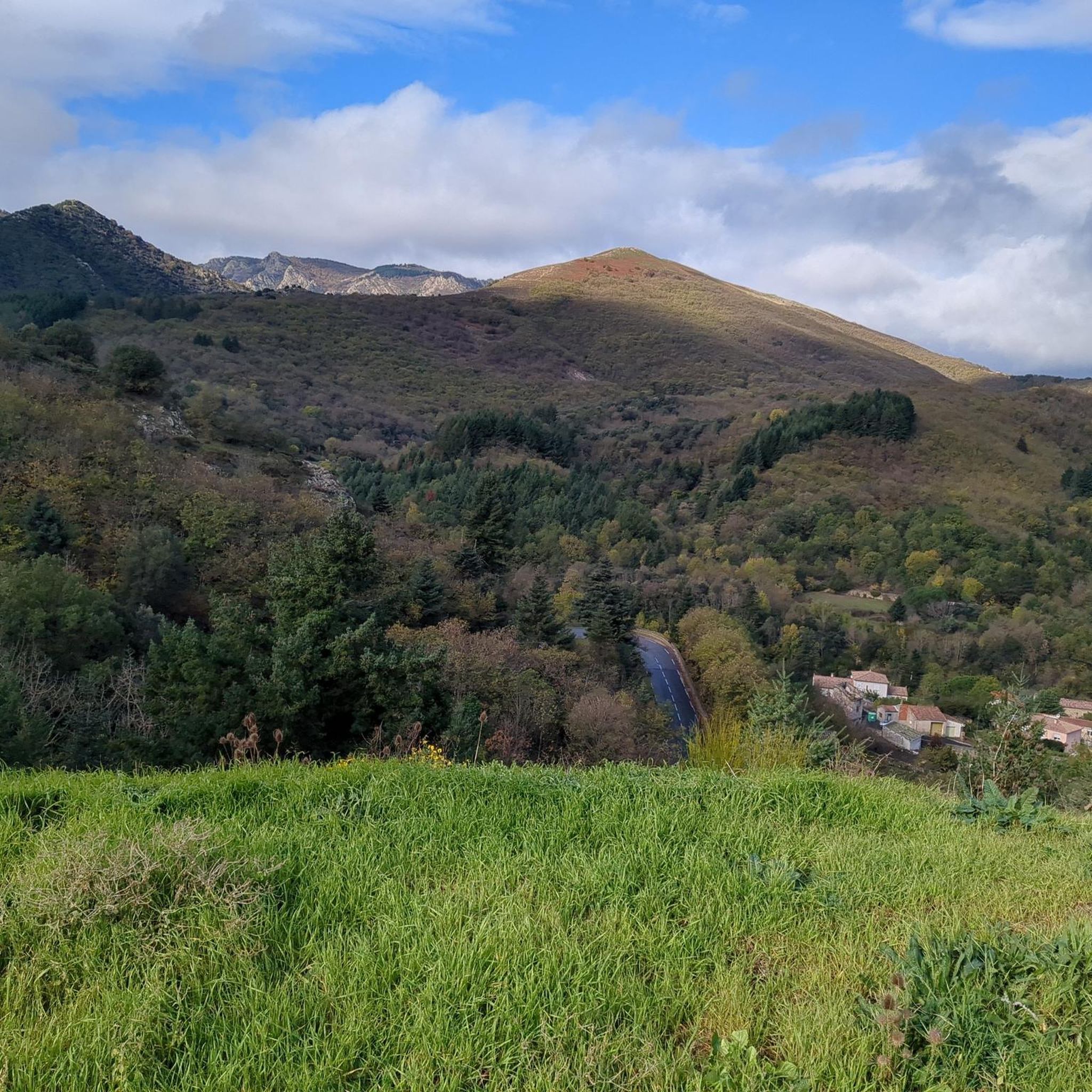
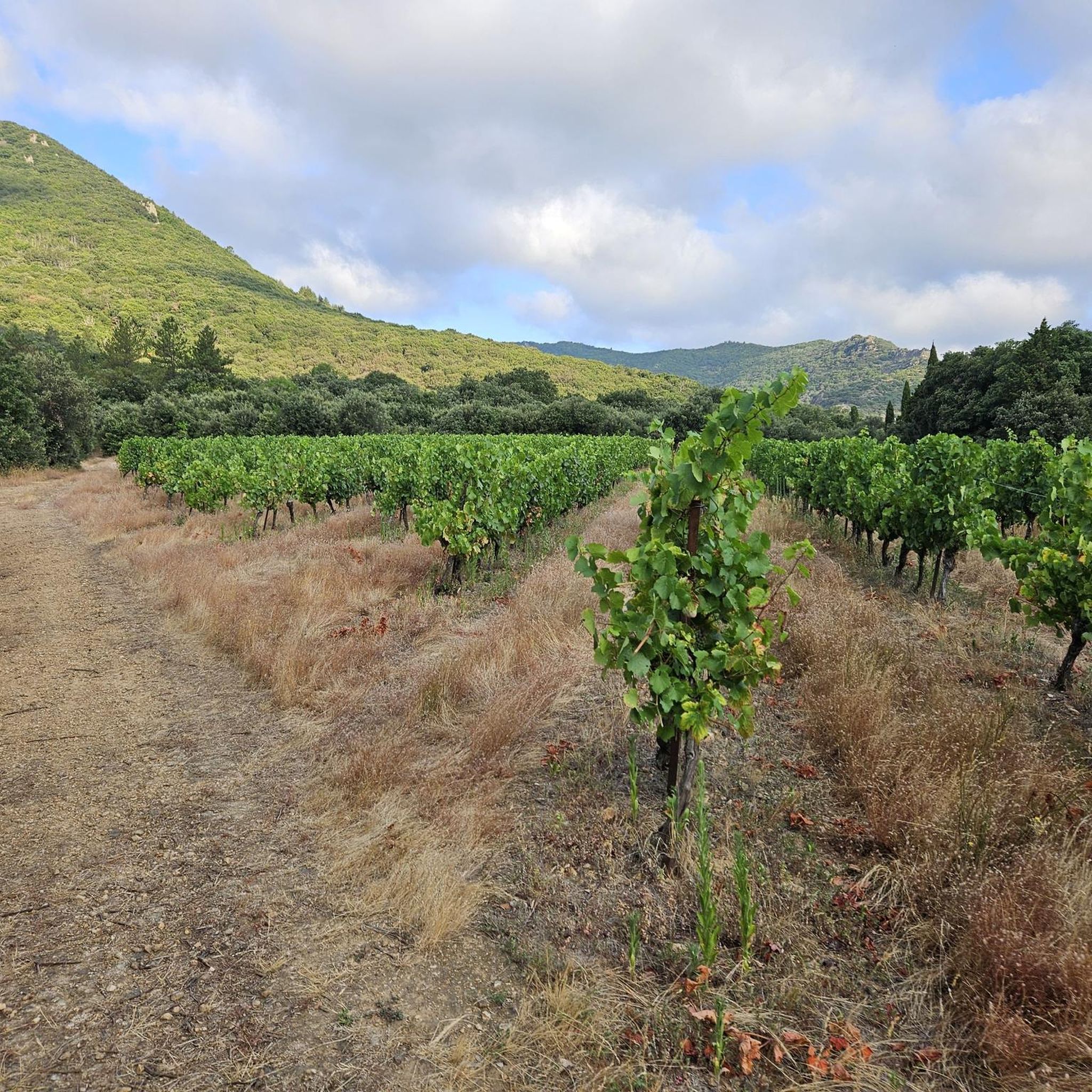

Other adventures around Graissessac

Tips from the Community

Consider booking a table at L'Avenette Gourmande restaurant, located in the small village of Avène. Enjoy a terrace overlooking the river, surrounded by nature. An exceptional setting and highly recommended traditional cuisine. I highly recommend it.
0
0

This tiny and peaceful village, with a worldwide reputation for the benefits of its water, is a perfect location for hikers and gravel enthusiasts. You have many options of loops from there. Enjoy!
0
0

The bucolic charm of the places and the banks of the Orb is striking. The economy of Avène has always been based on significant mining activity that began under Roman rule and continued until 1954, when the Rabasse mines closed. Created in 1962 for hydroelectric production and regulation of the Orb, the Lac des Monts d'Orb (or Lac d'Avène) is 6 kilometres long and covers an area of 190 hectares. An old lead and silver mine is now submerged under the lake: the mines and their exploitation were a source of wealth for the Orb valley, from Antiquity until the 1950s. Today, it is above all nature that provides Avène with one of its benefits: water from the depths of the Languedoc earth. This water that has been shaping a destiny for two and a half centuries, a vocation inspired by Thermalism. It is impossible not to go to the Thermal Baths, a stone's throw south of the village (the markings of the Sentier des 2 Lacs allow you to reach the site on foot, and the connection is pretty!). The Thermal Baths site is peaceful, relaxing... like the range of well-being and beauty products from the Avène brand. Beyond the thermal area, there is a magnificent hotel and an excellent restaurant! The establishment is committed to a truly eco-responsible approach: use of local products, innovative and energy-efficient architectural and technical choices...
1
0
Created in 1962 for hydroelectric production and regulation of the Orb river, the Lac des Monts d’Orb is 6 kilometres long and covers an area of 190 hectares. A former lead and silver mine is now submerged under the lake: the mines and their exploitation were a source of wealth for the Orb valley, from Antiquity until the 1950s. The lake is not intended for swimming, but you can have lovely accompanied outings on a stand-up paddle or kayak, and go fishing.
2
0
A charming village nestled at the confluence of the Gravezon, the Nize and the Dourdou! The history of Lunas dates back to the Roman road that linked the lower Languedoc to Rouergue. Surely succeeding a Gallo-Roman oppidium, the Lunarenses castrum is mentioned as early as 806 in a charter of the Gélone abbey (that of Saint-Guilhem-le-Désert). The town is dominated by the Redondel rock, an ancient fortified castle belonging to the baron of Faugères, Viscount of Béziers. Razed in 1627, it was rebuilt on the banks of the Gravezon in 1641 by Henry de Narbonne. A true summary of the history of Languedoc, and a very pleasant cultural, refreshing and gastronomic stopover… A small detour to enjoy the leisure center of Prades, and a break on the site of the Saint-Georges chapel are essential in Lunas
1
0

A village quite representative of Languedoc
1
0


Cute little town with train connections and beautiful climbs in all directions
0
0
Frequently Asked Questions
What historical sites can I explore in and around Graissessac?
Graissessac boasts a rich mining history. You can visit the Musée Graissessac Autrefois to learn about the village's coal mining past. Explore numerous mining heritage sites, including tunnels, old mine entrances, and the Mine Simon. Don't miss the Statue of the Miner, a tribute to the local heritage. Nearby, the charming village of Lunas, a former stop on the Camino de Santiago, also offers historical traces and a rebuilt castle.
What natural features and viewpoints are there to see near Graissessac?
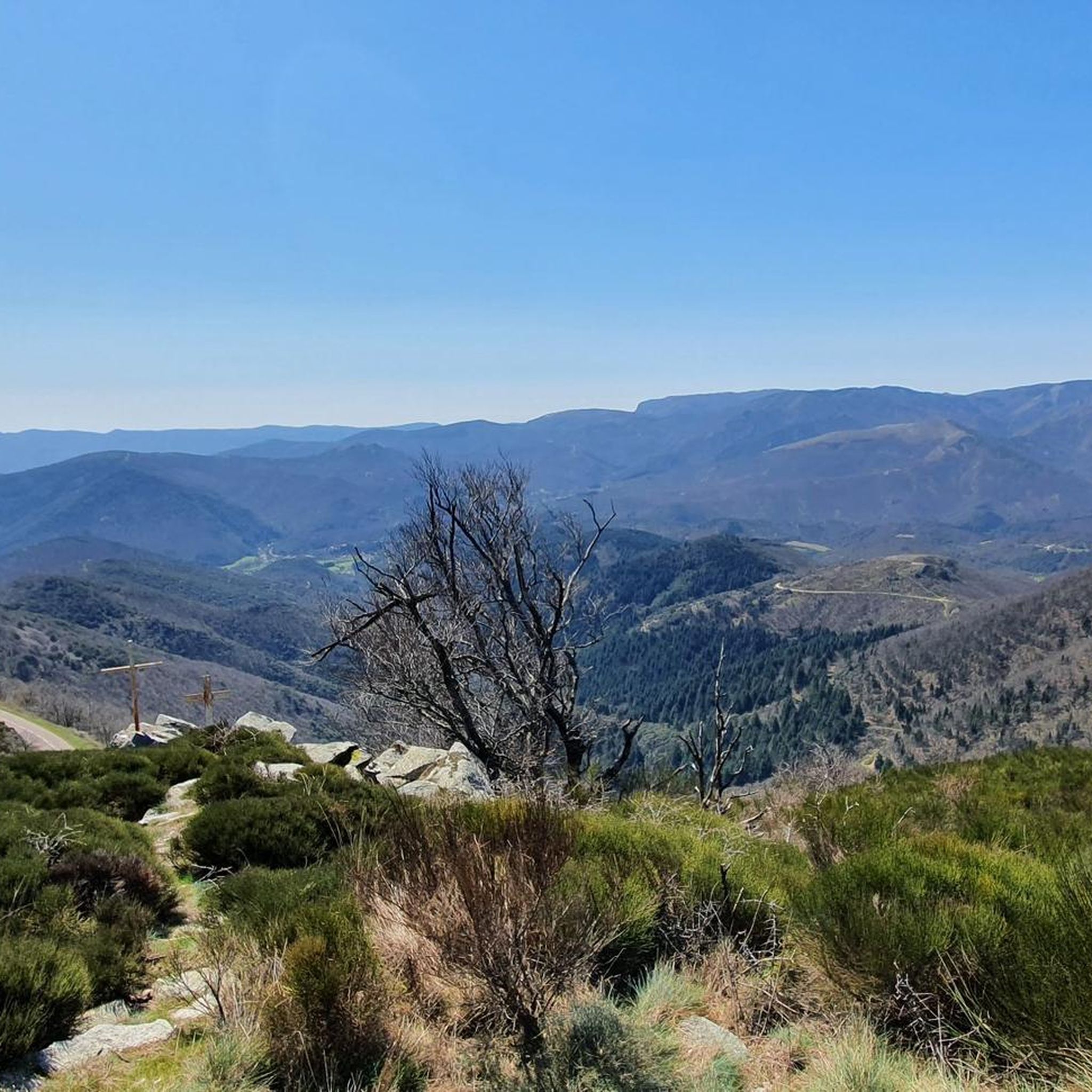
The region is rich in natural beauty. Graissessac is nestled within the picturesque Monts d'Orb, with majestic mountains like Monts Marcou, Cabanes, and Aigut offering panoramic views. For breathtaking vistas, head to the Table d'orientation du Mont Cabanes, where you can see from the Pyrenees to the Mediterranean Sea on clear days. You can also visit the impressive Monts d'Orb Dam and the scenic Lac d'Avène, an artificial lake covering an old lead and silver mine.
Are there family-friendly attractions or activities around Graissessac?
Yes, several attractions are suitable for families. The spa town of Avène offers a protected natural environment and opportunities for gentle walks. The village of Lunas is classified as a 'green station' and provides a pleasant setting for exploration. Families can also enjoy the scenic Lac d'Avène for activities like stand-up paddleboarding or kayaking, depending on water levels.
What outdoor activities, like hiking or cycling, can I do near these attractions?
The area around Graissessac is excellent for outdoor enthusiasts. For running, you can explore routes like the 'Mont Cabanes – Col des Cabanes loop from Graissessac'. Cyclists can enjoy scenic rides such as the 'Joncels Abbey – Lunas loop from La Tour-sur-Orb' or the 'Serviès Pass loop from Graissessac'. There are also road cycling options like the 'Avène, spa town – Layrac Pass loop'. You can find more details on these and other routes in the Running Trails around Graissessac, Cycling around Graissessac, and Road Cycling Routes around Graissessac guides.
What is the best time of year to visit Graissessac for outdoor activities?
The region benefits from a dual Mediterranean and oceanic climate. Spring and autumn generally offer pleasant temperatures for outdoor activities like hiking and cycling, with blooming flora and comfortable conditions. Summer can be warm, but the higher altitudes of the Monts d'Orb provide cooler air. Winter offers a different, often serene, landscape.
Are there any unique geological formations or sites of interest?
Yes, the Falaise Géologique de La Padène is a notable geological cliff that further illustrates the area's coal extraction history. The region's diverse flora, including around forty species of orchids, also makes it a point of interest for nature enthusiasts.
What do visitors enjoy most about the attractions around Graissessac?
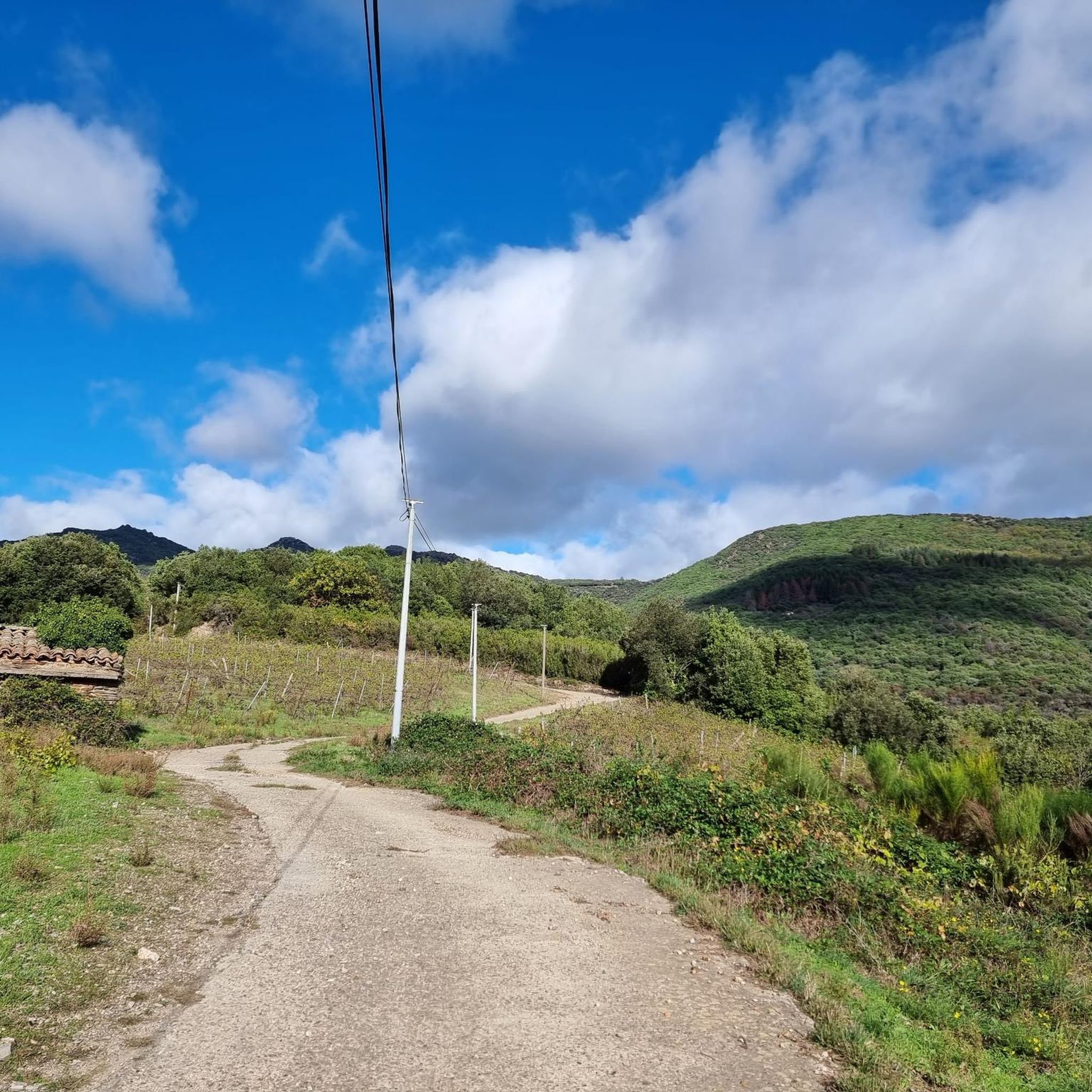
Visitors appreciate the blend of historical insights and natural beauty. The thermal baths and protected natural environment of Avène are highly regarded. The picturesque charm of Lunas and its historical significance are also popular. Many enjoy the scenic drives and the opportunity to explore the quiet, winding roads like Faugères – Bédarieux via the D13E8, which offers deep forests and aromatic herbs.
Are there any other charming villages or towns worth visiting nearby?
Absolutely. Besides Lunas and Avène, you might consider visiting Olargues, recognized as one of France's 'most beautiful villages,' located about 20 km away. These villages often offer cultural, refreshing, and gastronomic experiences.
Can I find places for wild swimming or water activities near Graissessac?
While the Lac d'Avène is not intended for swimming, it is suitable for accompanied outings on a stand-up paddle or kayak. The Orb River valley also offers scenic landscapes, and you might find suitable spots for cooling off, though specific wild swimming locations should be researched locally for safety and regulations.
What are some less crowded alternatives to popular spots in the region?
To experience the region away from crowds, explore the numerous smaller mining heritage sites around Graissessac, which offer a quiet glimpse into history. The less-traveled roads and trails within the Monts d'Orb, such as the segment Faugères – Bédarieux via the D13E8, provide serene natural experiences. Consider visiting the Joncels Abbey for a peaceful historical exploration.
Are there any significant religious or cultural landmarks in the vicinity?
Yes, the Joncels Abbey (Abbaye Saint-Pierre-aux-Liens) is a magnificent Romanesque edifice that was once a crucial Christian religious center and a stopover for pilgrims on their way to Compostela. Parts of the church, chapter house, and cloister still remain, offering a glimpse into its rich past.
Where can I find information about parking or public transport for attractions?
Specific parking details for each attraction vary. For the Musée Graissessac Autrefois, it is located on the Sainte-Barbe plateau. For other sites, it's advisable to check local signage or tourist information upon arrival. Public transport options to reach individual trailheads or smaller sites might be limited, so personal vehicle access is often recommended for exploring the wider region.
Most popular routes around Graissessac
Most popular attractions around Graissessac

Get inspired with the komoot mobile app


Explore more
Still not found the Highlight you’re looking for? See guides of the top attractions in other regions:
