Attractions and Places To See around Roppe - Top 20
Best attractions and places to see around Roppe include a blend of historical landmarks and natural features in the Territoire de Belfort, France. The area is characterized by its historical military structures and traditional village elements. Visitors can explore sites ranging from ancient forts to natural ponds and scenic canal routes. Roppe offers a variety of cultural and outdoor experiences.
Best attractions and places to see around Roppe
- The most popular attractions is Citadel of Belfort, a historical site…
Last updated: October 9, 2026
Canal du Rhône au Rhin
Highlight • River
Translated by Google •
Tip by

The Lion of Belfort
Highlight • Other
Translated by Google •
Tip by

Sign up now to discover places like this
Get recommendations on the best single tracks, peaks, & plenty of other exciting outdoor places.
Citadel of Belfort
Highlight • Historical Site
Translated by Google •
Tip by
Saint Christopher Cathedral
Highlight • Other
Translated by Google •
Tip by

Fort Senarmont, Bessoncourt
Highlight • Other
Translated by Google •
Tip by

Sign up for free to discover even more attractions around Roppe.
Already have an account?
Start today with a free account
Your next adventure awaits.


Tips from the Community

The Citadel of Belfort is a historically complex building, reflecting five centuries of fortifications. It was built after the conquest of the city in 1687, replacing a medieval castle that previously stood on this rocky outcrop.
5
0
The Lion is the symbol of the city of Belfort. All Belfort residents are proud of this pink sandstone colossus. The Citadel and the Lion of Belfort were voted the French people's favorite monument in 2020.
5
0

The lion is the largest stone statue in France. As a symbol and guardian of the city, it is also a visual landmark and even invites you to take a city safari. Info: https://www.belfort-tourisme.com/de/entdecken/die-highlights/der-loewe/
0
0

The Church of St. Christopher was designed by the engineer Philippe Mareschal and built from 1727 to replace the Saint-Denis Collegiate Church. It opened for worship in 1750. Its façade, in the classical style with superimposed Doric and Ionic colonnades, is decorated with a triangular pediment bearing the king's coat of arms and religious motifs. This ornamentation was partially altered after the siege of 1870-1871. The towers were built between 1784 and 1788 (north tower) and in 1845 (south tower). The large organ is the work of the postman J.-C. Valtrin and has been restored and modified several times, notably in 1971 by François and Joseph Calinet and Kurt Schwenkedel. It was declared a historic monument by decree of 28 January 1930, erected as a basilica in 1952, and became a cathedral in 1979 following the creation of the Diocese of Belfort-Montbéliard.
1
0

The name of Saint-CHRISTOPHE, to whom this cathedral (bishop's church) in Belfort is dedicated, means "Christ-bearer". According to the legend of the saint, he was a gigantic man and carried people across a river. One day a small child called to him and he carried it on his shoulders to the other bank. Amazingly, the child became heavier and he said he felt as if the weight of the whole world was on his shoulders. Then the child revealed himself to him as Jesus Christ, Savior and Redeemer of the world.
1
0

The Lion of Belfort is 11 meters high and 22 meters long and is the tallest stone monument in the country. It is best seen from the observation terrace, which is only open during the day. Admission costs €1 (as of 10/2024). The investment is worth it 👍.
0
0

This lion overlooking the city is a magnificent work! Unfortunately work closes access until the beginning of December.
0
0

Named after General Sénarmont, Fort Bessoncourt was built between 1883 and 1886 to close the roads to Colmar and Basel and the railway to Mulhouse, and to support the forts of Roppe and Vézelois. It is a large pentagonal limestone structure, built for approximately 650 men and 30 artillery pieces. It is typical of forts dating from the 1880s, in which the long-range artillery and close defense were grouped on the rampart bordering the ditch, while the infantry was positioned above the caponiers of the escarpment and on the roof of the central barracks. Opening hours: Visit at 3 p.m. on Sundays from May to September
2
1
Frequently Asked Questions
What historical military sites can I visit near Roppe?
The area around Roppe is rich in military history. You can explore the Citadel of Belfort, a complex fortress reflecting five centuries of fortifications with great views. Another significant site is Fort Senarmont, Bessoncourt, a large limestone fort built between 1883 and 1886. Additionally, the historic Fort de Roppe, built between 1875 and 1877, is located within the commune itself.
Are there any notable religious or cultural landmarks in the Roppe area?
Yes, several. The Saint Christopher Cathedral in nearby Belfort, built from Vosges sandstone, was elevated to a cathedral in 1979 and is a protected historical monument. In Roppe, you can find the Chapelle Sainte-Marguerite within René Courbot Park and a traditional Lavoir (wash house) with its fountain in the village center. The nearby village of Phaffans also boasts the Church of the Assumption, built between 1700 and 1728, known for its 17th-century altarpiece and organ, and is listed on the supplementary inventory of Historic Monuments. You can learn more about Phaffans on Wikipedia.
What natural attractions are there around Roppe?
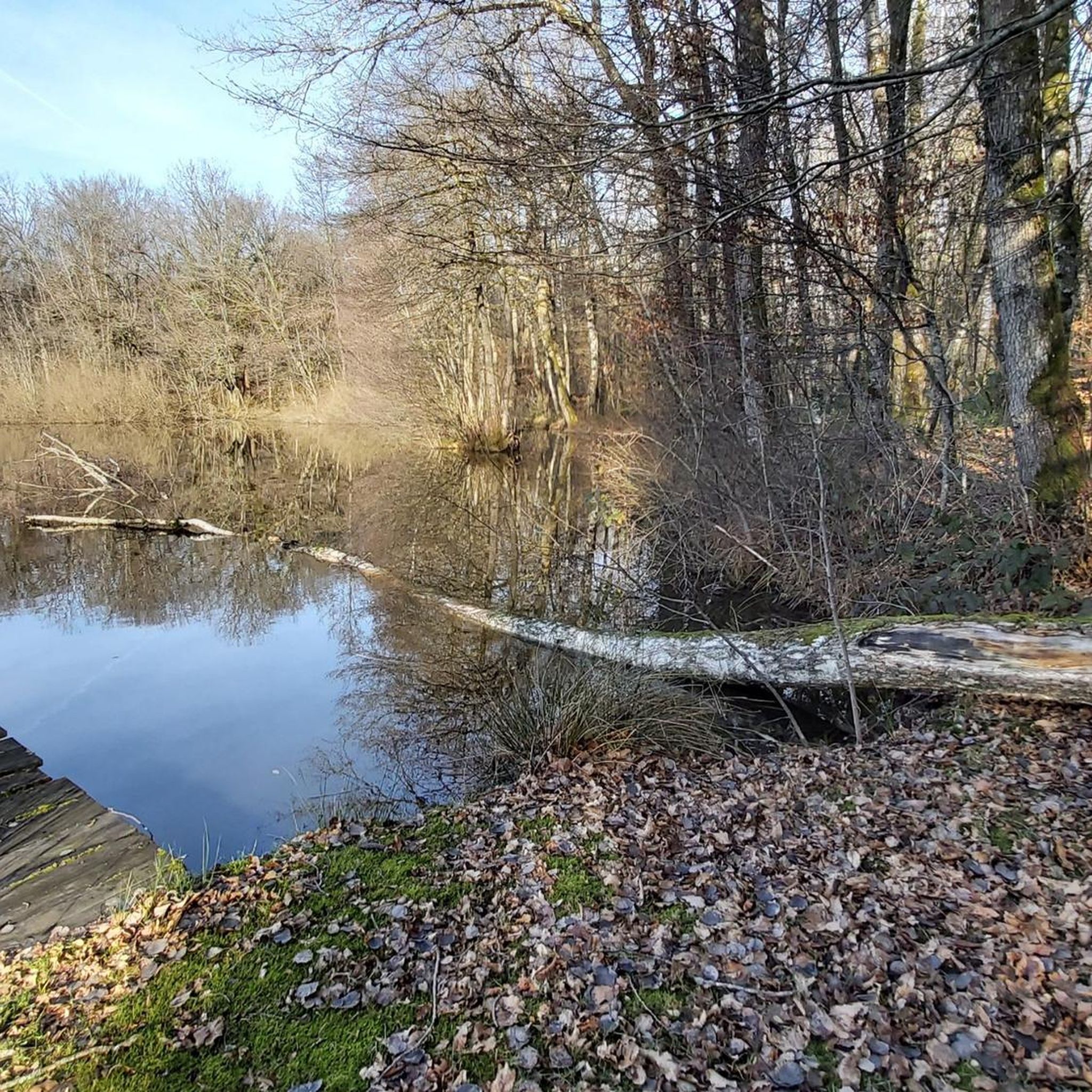
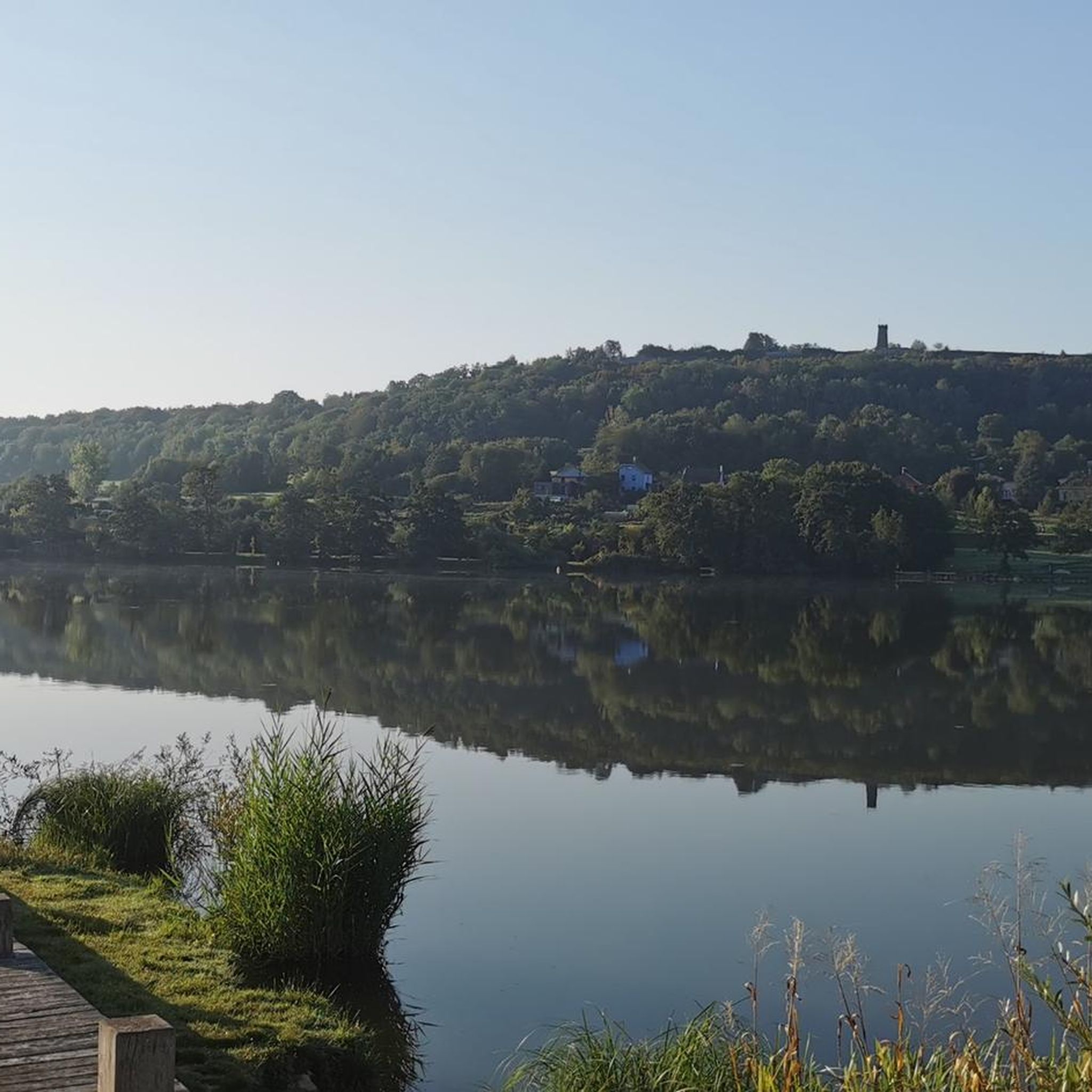
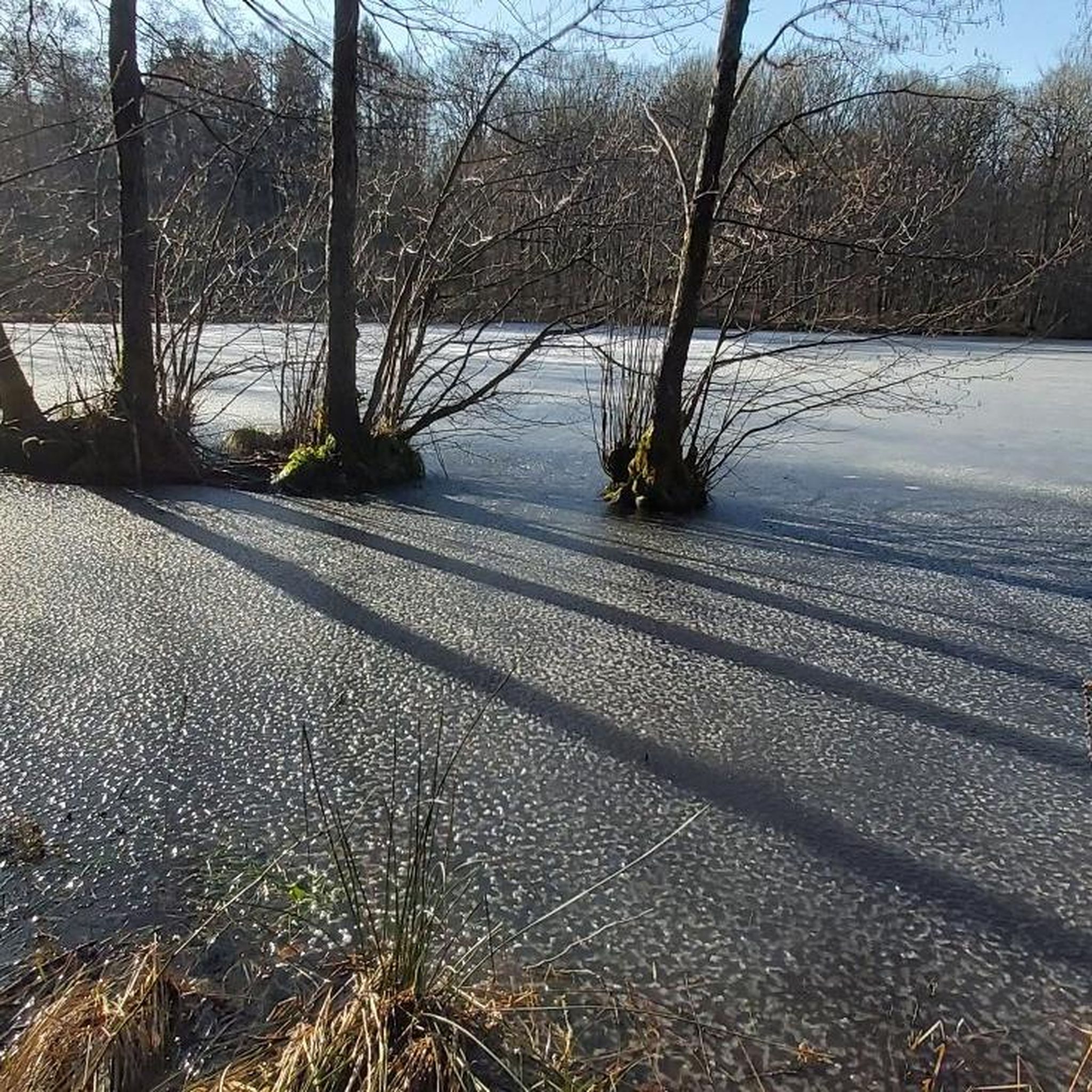
Roppe offers several natural points of interest. The Étang de l'Autruche (Ostrich Pond) is a notable natural highlight within the commune. For those who enjoy scenic routes, the towpath of the Canal du Rhône au Rhin provides beautiful paths through meadows and groves. In Phaffans, the Tierbrunn (Animal Fountain) is a historical natural feature.
What cycling opportunities are available near Roppe?
Cyclists will enjoy the towpath of the Canal du Rhône au Rhin, which offers scenic routes through varied landscapes with tree alignments providing shade. For more structured cycling routes, you can explore various options in the area, including easy to moderate routes like the 'Malsaucy cycling link – Chateau Charpentier loop from Denney' or the 'François Mitterrand Park loop from Roppe'. Find more details on cycling routes around Roppe at Cycling around Roppe.
Are there hiking trails near Roppe's attractions?
Yes, there are numerous hiking trails suitable for various skill levels. You can find moderate routes such as the 'Bridge over the Autruche – Stone Water Source loop from Bessoncourt' or the 'Étang du Moulin des Bois loop from Phaffans'. These trails allow you to explore the natural beauty surrounding Roppe. For a comprehensive list of options, visit Hiking around Roppe.
What is The Lion of Belfort and where is it located?
The Lion of Belfort is a significant symbol of the nearby city of Belfort. This impressive pink sandstone colossus was created by Frédéric-Auguste Bartholdi and was voted France's favorite monument in 2020. It is located at the foot of the Citadel of Belfort.
Is there a historic castle in Roppe?
Yes, Roppe is home to the historic Château Lesmann. While it is a significant landmark, the municipal office in Roppe handles reservations for the use of its hall, indicating its role in local community events.
What kind of running trails can I find near Roppe?
The area offers a variety of running trails, ranging from easy to difficult. You can find moderate loops like the 'Miotte Fort – Justice Fort loop from Vétrigne' or the 'Etang des Forges loop from Vétrigne'. For a more challenging run, consider the 'Miotte Fort loop from Roppe'. Explore more options at Running Trails around Roppe.
What do visitors particularly enjoy about the attractions around Roppe?
Visitors appreciate the blend of historical depth and natural beauty. The Citadel of Belfort is highly praised for its imposing structure and the great views it offers. The Lion of Belfort is cherished as a proud symbol. The scenic towpath of the Canal du Rhône au Rhin is also a favorite for its peaceful environment and shade for cyclists.
Are there any specific tips for visiting the Citadel of Belfort?
The Citadel of Belfort is a historically complex building with bastioned towers and underground passages. Visiting the entire complex without the museums is free. It's open daily, with extended hours in July and August. It offers an imposing fortress with a great view of the city and the surrounding area.
Can I find information about the history of Phaffans and its landmarks?
Yes, the village of Phaffans, historically linked to Roppe, has a rich past. Its Church of the Assumption, built between 1700 and 1728, is a significant historical and architectural site. The Tierbrunn (Animal Fountain) is also a local historical natural feature. For more in-depth information, you can refer to its Wikipedia page.

Get inspired with the komoot mobile app


Explore more
Still not found the Highlight you’re looking for? See guides of the top attractions in other regions:
