The best MTB trails around Cheillé
4.4
(101)
967
riders
92
rides
Mountain bike trails Cheillé are set within the diverse landscapes of the Loire Valley and the Chinonais region, part of the Loire-Anjou-Touraine Natural Park. The area features river valleys, extensive forests, and wooded hills with limestone slopes, providing varied terrain for mountain biking. These natural features offer both challenging ascents and descents, alongside routes along the iconic Loire River and its tributaries.
Best mountain bike trails around Cheillé
- The most popular mountain bike trail is Azay-le-Rideau – Azay-le-Rideau Mill loop…
Last updated: October 9, 2026
4.3
(7)
57
riders
67.6km
04:57
520m
520m
Moderate mountain bike ride. Good fitness required. Suitable for all skill levels.
4.3
(10)
55
riders
36.2km
02:41
280m
280m
Moderate mountain bike ride. Good fitness required. Suitable for all skill levels.

4.6
(5)
42
riders
44.7km
02:28
150m
150m
Moderate mountain bike ride. Good fitness required. Advanced riding skills necessary.
26
riders
74.4km
05:35
660m
660m
Hard mountain bike ride. Very good fitness required. Advanced riding skills necessary.
4.3
(3)
34
riders
49.3km
03:40
410m
410m
Moderate mountain bike ride. Good fitness required. Suitable for all skill levels.
Get access to more routes and recommendations from other explorers.
Already have an account?
Our route recommendations are based on thousands of hikes, rides, and runs completed by other people on komoot.
Start today with a free account
Your next adventure awaits.


Tips from the Community

Founded in 1127 by Foulques le Jeune, Count of Anjou and Touraine, partially rebuilt in the 14th century, mentioned by François Rabelais and Balzac, the Abbey still raises its last walls in the heart of the forest.
0
0

This impressive suspension bridge spans the Loire between La Chapelle-aux-Naux and Langeais and was originally completed in 1849. The bridge has been repaired and rebuilt many times and has a two-lane road over the Loire. On the Langeais side, a walk along the banks of the Loire, on both sides of the bridge, is highly recommended. The Langeais bridge is a stubborn bridge. It has been rebuilt five times! The story begins in 1848, the year in which King Louis Philippe authorised the construction of a "wire bridge", as it was then called (bridge 1). But wires are excellent lightning conductors! And 10 years after its opening in 1859, the bridge collapsed into the Loire after a heavy storm, its deck and suspension elements. Two years later in 1861, the bridge was repaired and operational again as a toll bridge (bridge 2). But shortly afterwards, in 1870, war broke out and the advance of the Prussian enemy had to be slowed down. Boom! Bridge was blown up (bridge 3) The fourth was completed in 1914, but then came the... car! They were heavy, they came and went! The bridge therefore had to be extensively rebuilt to bear the weight of modernity. This happened in the 1930s, and the opportunity was taken to decorate the bridge with its very special Gothic pillars, which reflected the Gothic style of the castle; the two form a mirror image. Bridge 4 was built! All is well, all is well... but then it is June 1940. And this time it is the Germans who have to be stopped. To stop the invader, the bridge was blown up again. After first using a ferry and then a temporary footbridge, the inhabitants waited until 1949 for a bridge over the Loire (bridge 5). The bridge of Langeais is the only bridge between Tours and Port Boulet. It is now a rather imposing bridge with a turbulent history.
2
0
The Château de Langeais , a former royal estate and property of the Institut de France, is one of the major sites in the Loire Valley . Near Tours , in the heart of the Loire Valley , it offers a guided tour of fifteen rooms, decorated with richly carved medieval furniture . You will discover a collection of tapestries and the reconstruction of the royal wedding of Anne of Brittany, told by Stéphane Bern . Langeais, a Renaissance Loire castle, will surprise you with its park planted with cedars and sequoias and its playful elements. More information on https://chateau-de-langeais.com/
2
0
Come and discover the Touraine in d'Azay-le-rideau. A pleasant centre has nice terraces to stay for a while. Discover the Château d'Azay-le-rideau and the park in English style and relax on the banks of the Indre on the island by the waterfall.
3
0
The origins of the castle Do you know the story of this castle that stands on a small island in the Indre? Built during the reign of Francis I by Gilles Berthelot, the king's financier, the Château d'Azay-le-Rideau is a subtle combination of French traditions and innovative Italian decorations. It became an icon of the new architecture in the Loire Valley in the 16th century and is today considered one of the jewels of the architecture of the first French Renaissance. More information on https://www.azay-le-rideau.fr/decouvrir/histoire-du-chateau
5
0
In the heart of Touraine, in an enchanting setting where the delicate white of the tuffeau stone and the ever-changing green of the Indre River blend harmoniously, L'Islette welcomes you. The Renaissance château, nestled in the arms of the Indre River, is now home to the current owners. They are happy to share their home with visitors and show them the rooms currently occupied. In this way, they combine history and modernity to create a 21st-century château. L'Islette, where Camille Claudel and Auguste Rodin were frequent guests and sheltered their passionate love life, invites you to be swept away by the romantic charm of the Indre Valley. Source: https://www.chateaudelislette.fr/
5
1

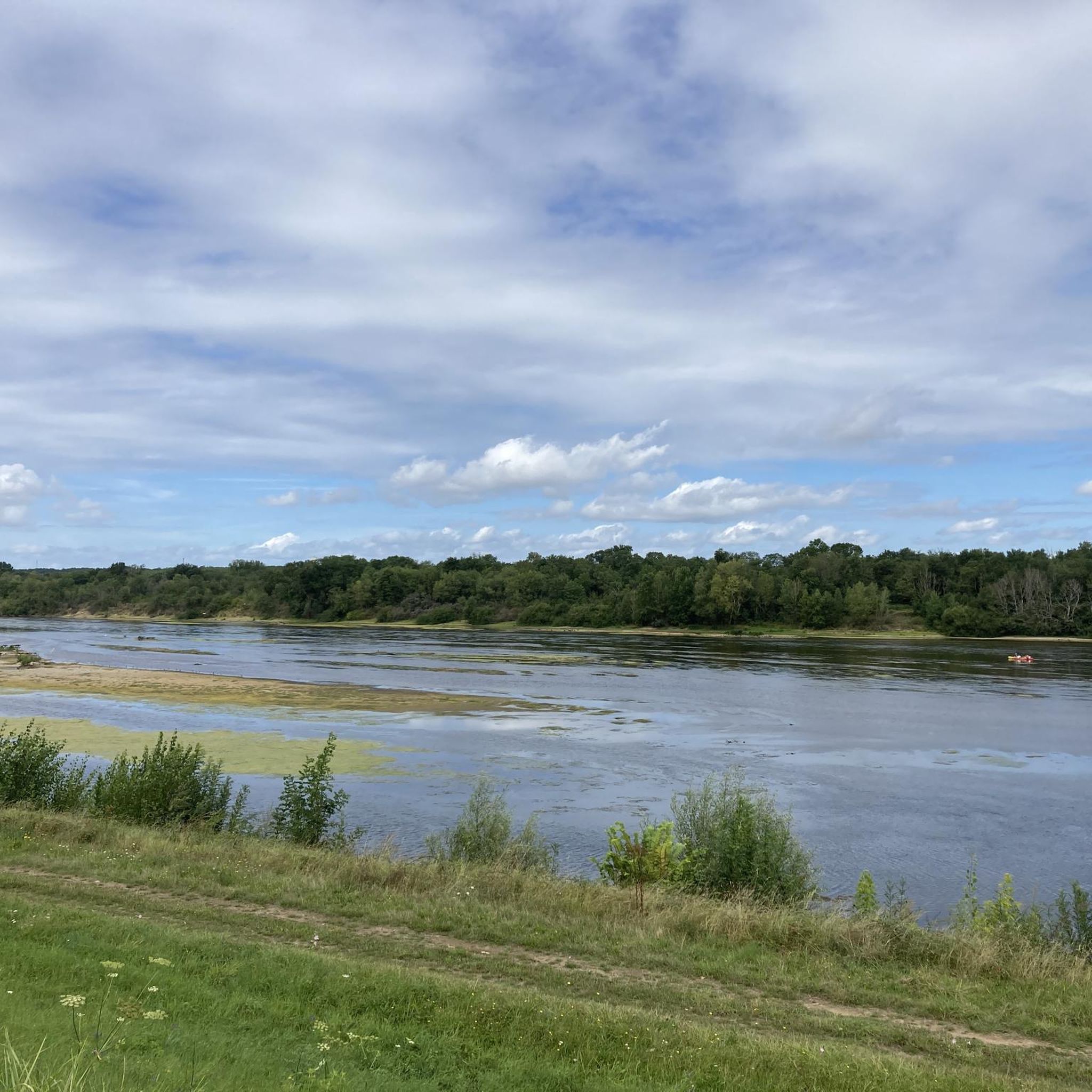
Very beautiful hike to be avoided after heavy rain, many flooded passages
1
0

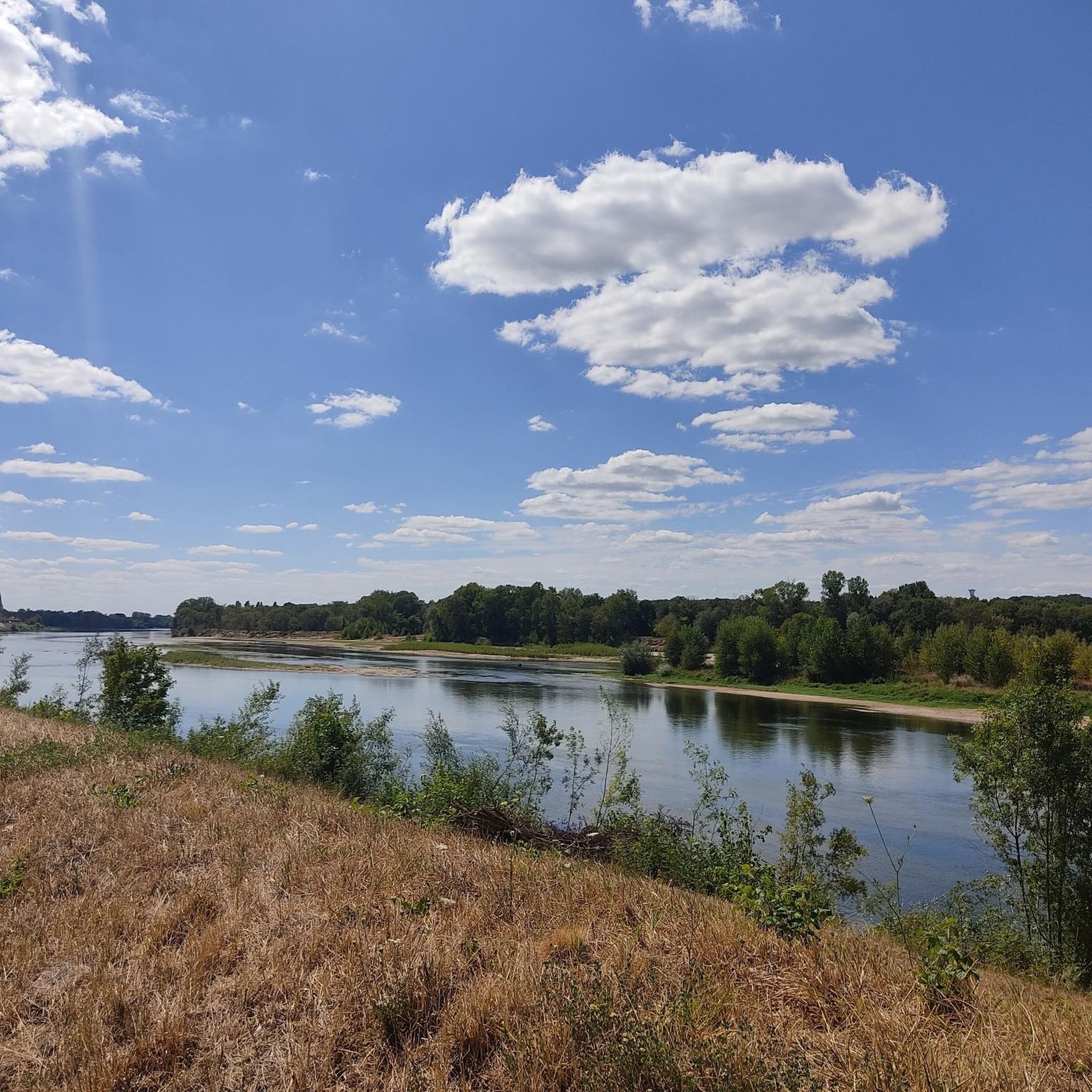
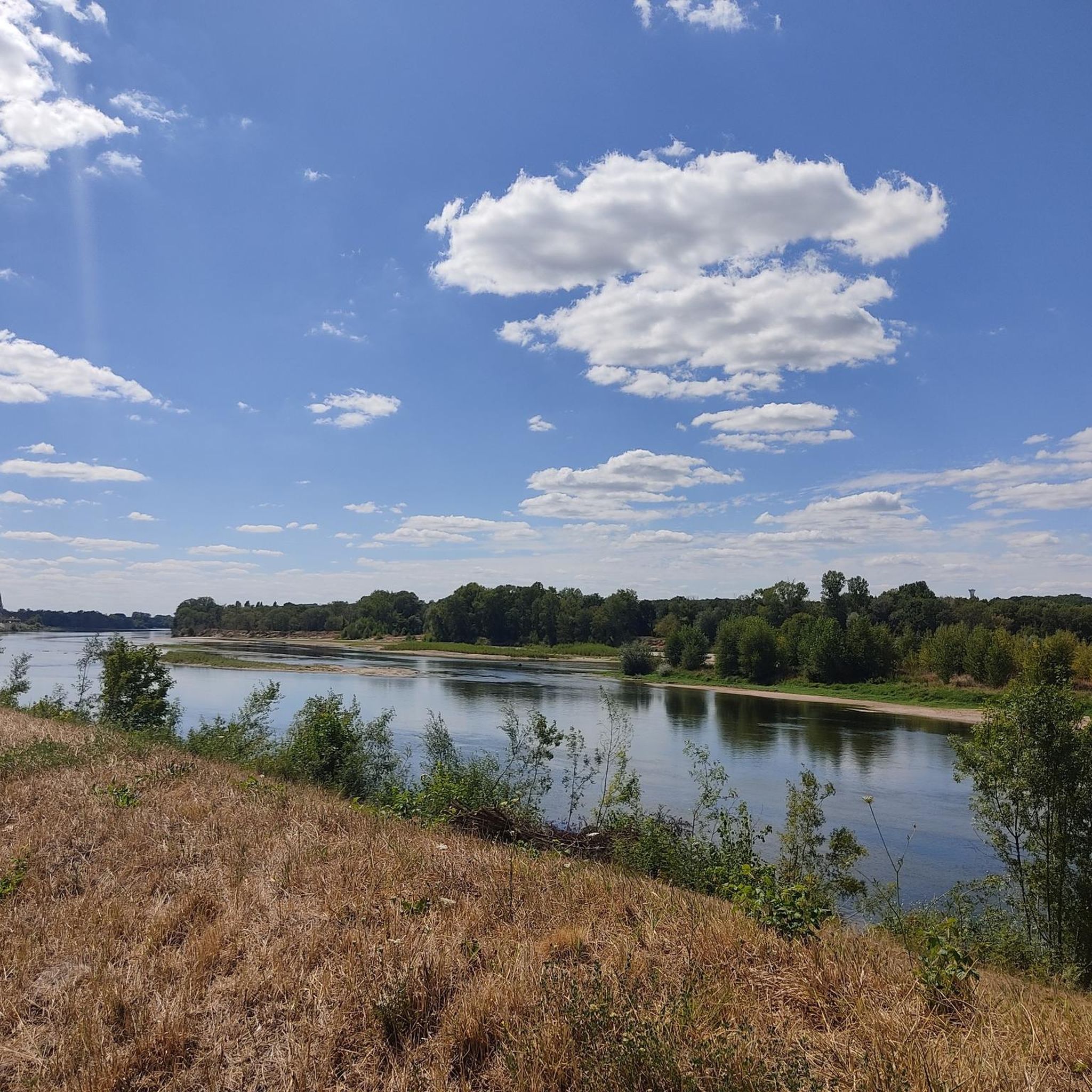
Excellent viewpoint over the wild Loire on the Loire à Vélo between Villandry and Bréhémont. You can see the Langeais bridge, an Eiffel bridge.
2
0
Frequently Asked Questions
How many mountain bike trails are available around Cheillé?
There are over 80 mountain bike trails around Cheillé, offering a wide range of options for different skill levels. You'll find 20 easy routes, 51 moderate routes, and 17 difficult routes to explore.
What kind of terrain can I expect on mountain bike trails in Cheillé?
The terrain around Cheillé is diverse, featuring river valleys, wooded hills, and limestone slopes within the Loire-Anjou-Touraine Natural Park. This provides a mix of challenging ascents and descents, as well as scenic routes along the Loire River and its tributaries. You'll encounter extensive forests and varied natural environments.
Are there any family-friendly mountain bike trails in Cheillé?
Yes, Cheillé offers several family-friendly mountain bike trails. With 20 easy routes available, you can find options suitable for a more relaxed ride with the family. These trails often traverse less challenging terrain, allowing for an enjoyable experience for all skill levels.
What are some notable landmarks or attractions I can see while mountain biking in Cheillé?
Mountain biking in Cheillé offers a unique way to discover the region's rich heritage and natural beauty. Along the trails, you can encounter numerous châteaux and natural sites. Highlights include the Gardens of the Château de Villandry, Ussé Castle, and the L'Islette Castle. You might also pass by the Confluence of the Cher and Loire Rivers or ride through the Chinon State Forest.
What do other mountain bikers enjoy most about Cheillé?
The mountain bike trails around Cheillé are highly rated by the komoot community, with an average score of 4.4 stars from over 70 reviews. Riders often praise the diverse landscapes, the mix of challenging and scenic routes, and the opportunity to explore historical châteaux and natural features along the way.
Are there any long-distance mountain bike routes around Cheillé?
Yes, for those looking for longer rides, Cheillé offers several extensive routes. For example, the Saint-Symphorien Church – Azay-le-Rideau Mill loop from Azay-le-Rideau is a challenging 50.0-mile (80.5 km) trail that leads through wooded hills and forests, typically taking about 6 hours to complete.
Can I find circular mountain bike routes in Cheillé?
Many of the mountain bike routes around Cheillé are designed as loops, allowing you to start and finish at the same point. An example is the Azay-le-Rideau – L'Islette Castle loop from Azay-le-Rideau, a moderate 33.8-mile (54.4 km) trail.
What is the best time of year for mountain biking in Cheillé?
The Loire Valley region, including Cheillé, generally offers good conditions for mountain biking from spring through autumn. The natural park's forests and river valleys are particularly pleasant during these seasons. While specific trail conditions can vary, the mild climate typically allows for enjoyable riding for much of the year.
Are dogs allowed on mountain bike trails in Cheillé?
As Cheillé is located within the Loire-Anjou-Touraine Natural Park, regulations regarding dogs on trails can vary. It's generally advisable to keep dogs on a leash, especially in protected areas or near wildlife. Always check local signage for specific rules on individual trails or within certain forest sections.
Are there mountain bike routes that explore the river valleys?
Absolutely. The region is characterized by its river valleys, including the iconic Loire River and its tributaries. Routes like the Château de Langeais – Langeais Bridge loop from Rivarennes, a moderate 28.4-mile (45.8 km) path, specifically explore these scenic river valleys and historical sites.
Where can I find parking for mountain biking in Cheillé?
While specific parking areas for mountain biking aren't explicitly detailed, many routes around Cheillé start from towns or villages like Azay-le-Rideau or Rivarennes, where public parking is typically available. Look for designated parking near trailheads or local attractions when planning your ride.
Are there any advanced or difficult mountain bike trails in the area?
Yes, for experienced riders seeking a challenge, Cheillé offers 17 difficult mountain bike routes. These trails often feature significant elevation gains and more technical sections, utilizing the wooded hills and limestone slopes of the region. An example is the 50.0-mile (80.5 km) Saint-Symphorien Church – Azay-le-Rideau Mill loop from Azay-le-Rideau.
Most popular attractions around Cheillé

Get inspired with the komoot mobile app


Explore more
Browse the best MTB trails in other regions.
