Top 9 Caves around Rivière-Sur-Tarn
Best caves around Rivière-Sur-Tarn are found within a region characterized by the Gorges du Tarn, where the landscape features significant natural formations and historical sites. This area offers a range of caves, from archaeological discoveries to unique semi-troglodytic structures. The geological makeup of the region has led to the formation of numerous underground spaces, some adapted by humans over centuries. These natural features provide insight into both geological processes and human history.
Best caves around Rivière-Sur-Tarn
- The most popular caves…
Last updated: October 15, 2026
Saint-Marcellin
Highlight • Historical Site
Translated by Google •
Tip by

Arcs de Saint-Pierre
Highlight • Natural Monument
Between …
Translated by Google •
Tip by

Sign up now to discover places like this
Get recommendations on the best single tracks, peaks, & plenty of other exciting outdoor places.
Grotte de l'Homme-Mort
Highlight • Cave
Translated by Google •
Tip by
Paillasses Cave
Highlight • Cave
Translated by Google •
Tip by
Baume du Boffi
Highlight • Cave
Translated by Google •
Tip by
Sign up for free to discover even more caves around Rivière-Sur-Tarn.
Already have an account?
Start today with a free account
Your next adventure awaits.

Tips from the Community

very nice hike but some difficult sections.
0
0

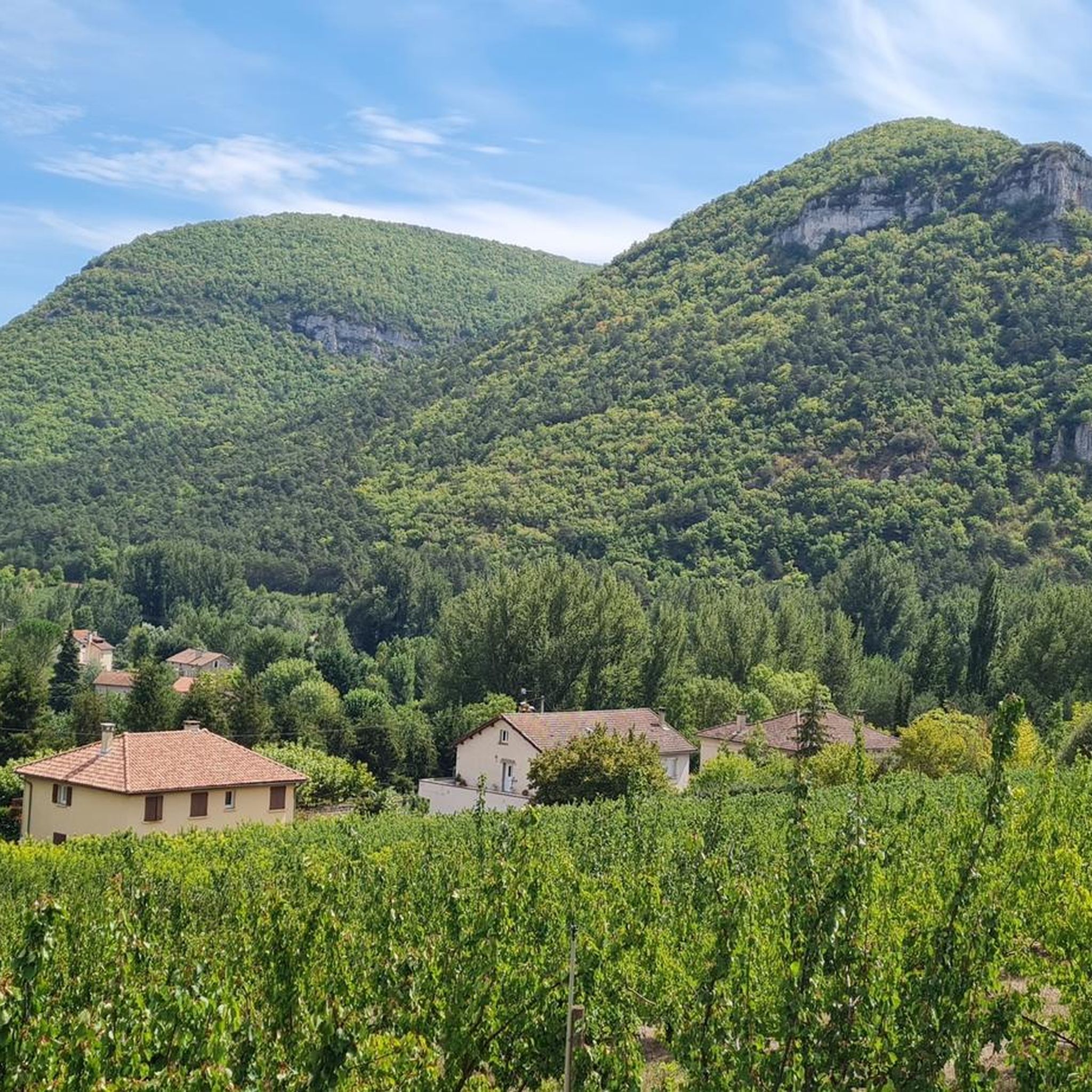
Built on the side of a cliff in a natural cirque, Saint-Marcellin, like Églazines, is a magnificent and emblematic site where humans have always adapted to nature to build their habitat. This troglodyte village thus preserves the remains of a rock fortification but also of jasses (caves converted into sheepfolds), a Caussenard house, a chapel, a bread oven...
1
0
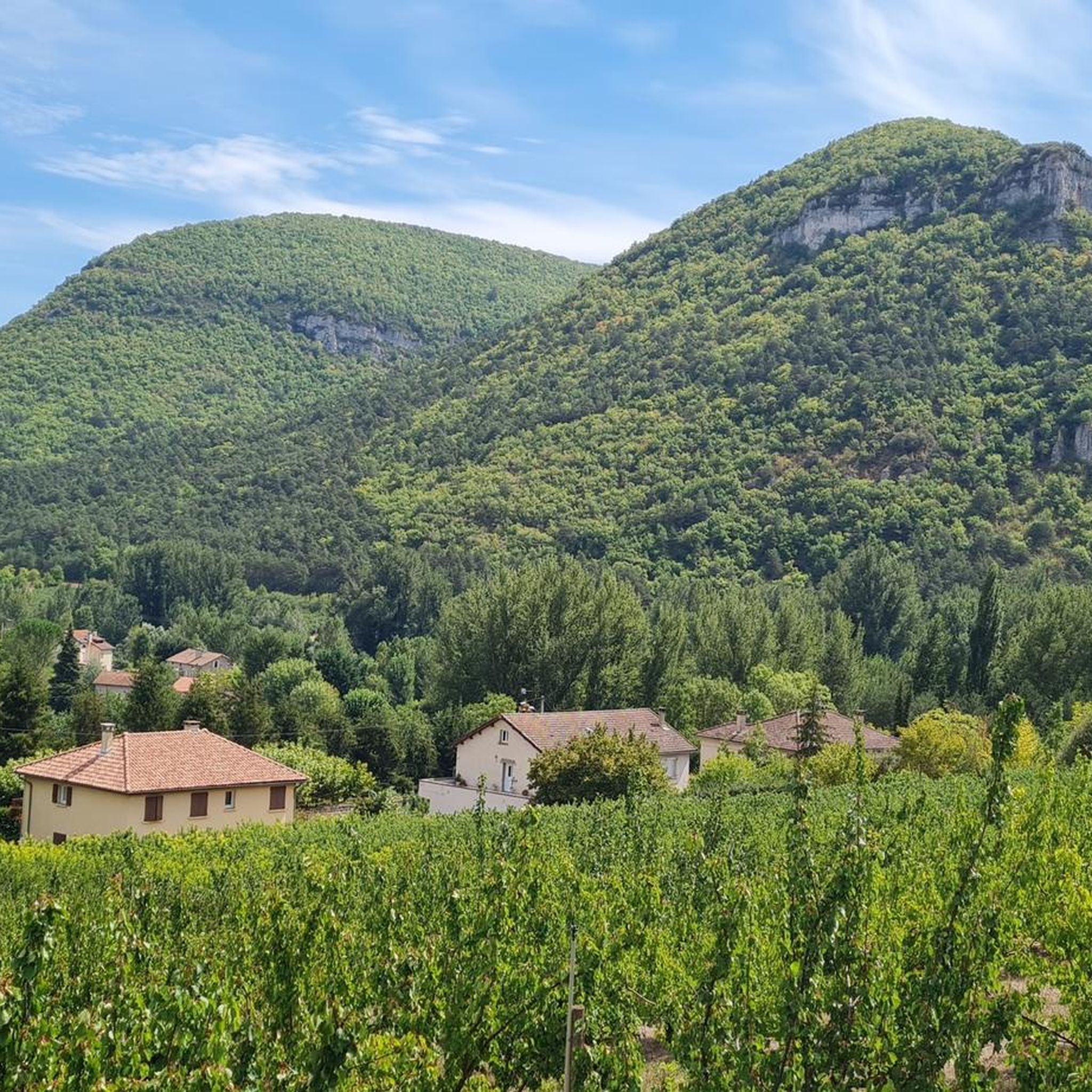
La Baume du Boffi is one of the most impressive balms overlooking the Dourbie valley. Like many others, it was once converted into a sheepfold (jasse).
0
0
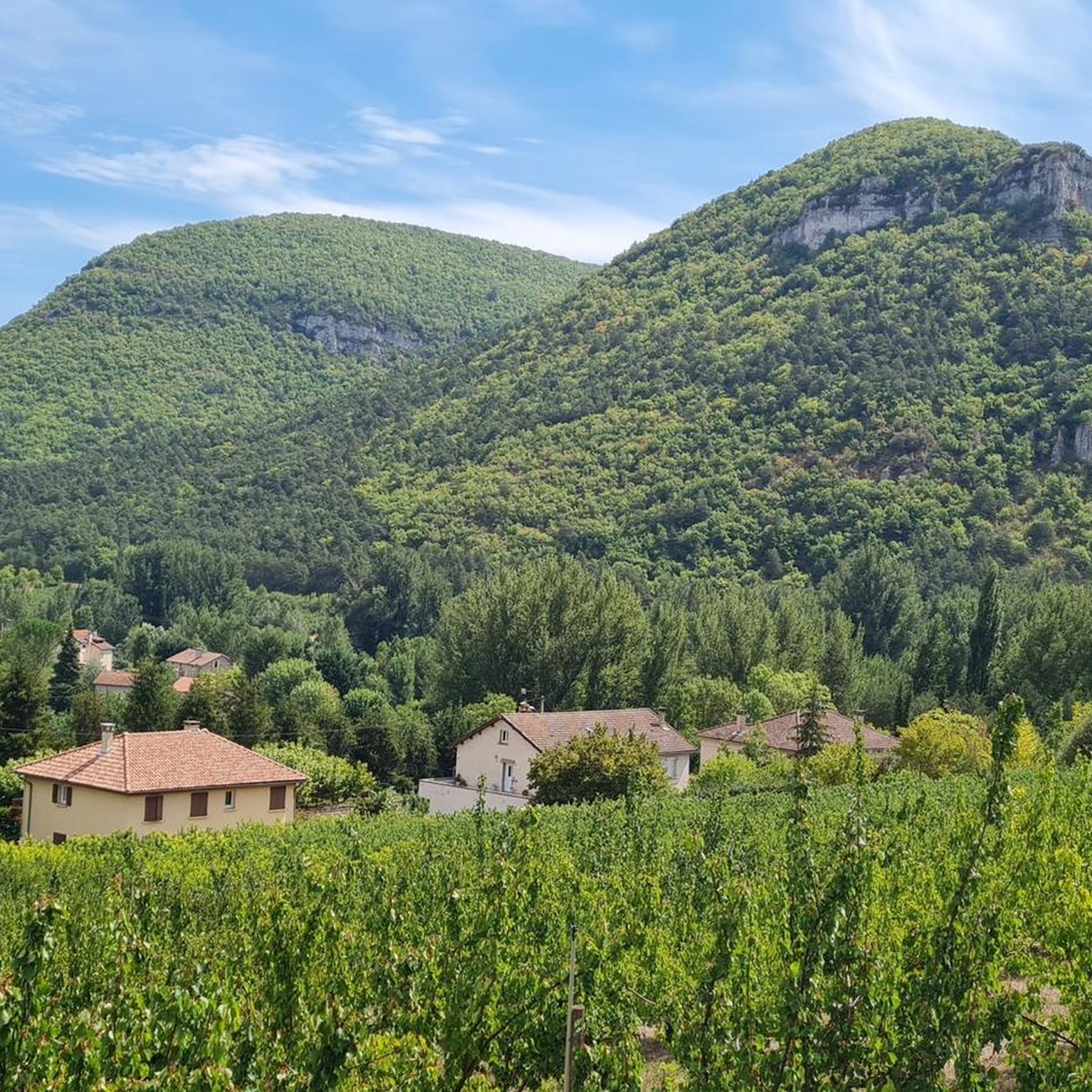
La Grotte des Paillasses, a converted balm (cave) from which a spring springs, is an ideal place to take a cool break.
0
0
The Grotte de l'Homme-Mort was the site of the discovery of several skeletons dating back to 2000 BC. Some skulls even showed signs of healing trepanation. In short, the first rudiments of surgery.
0
0

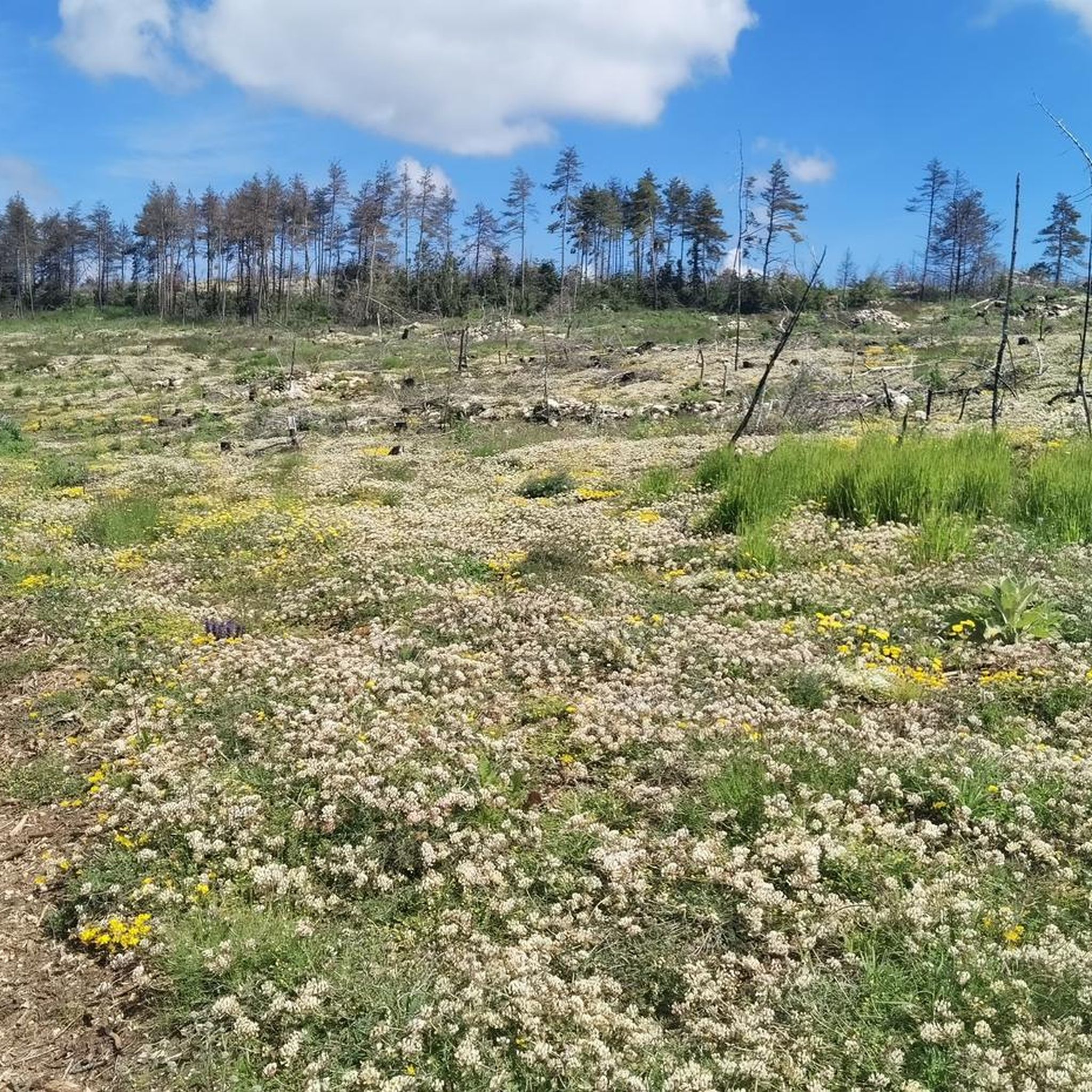
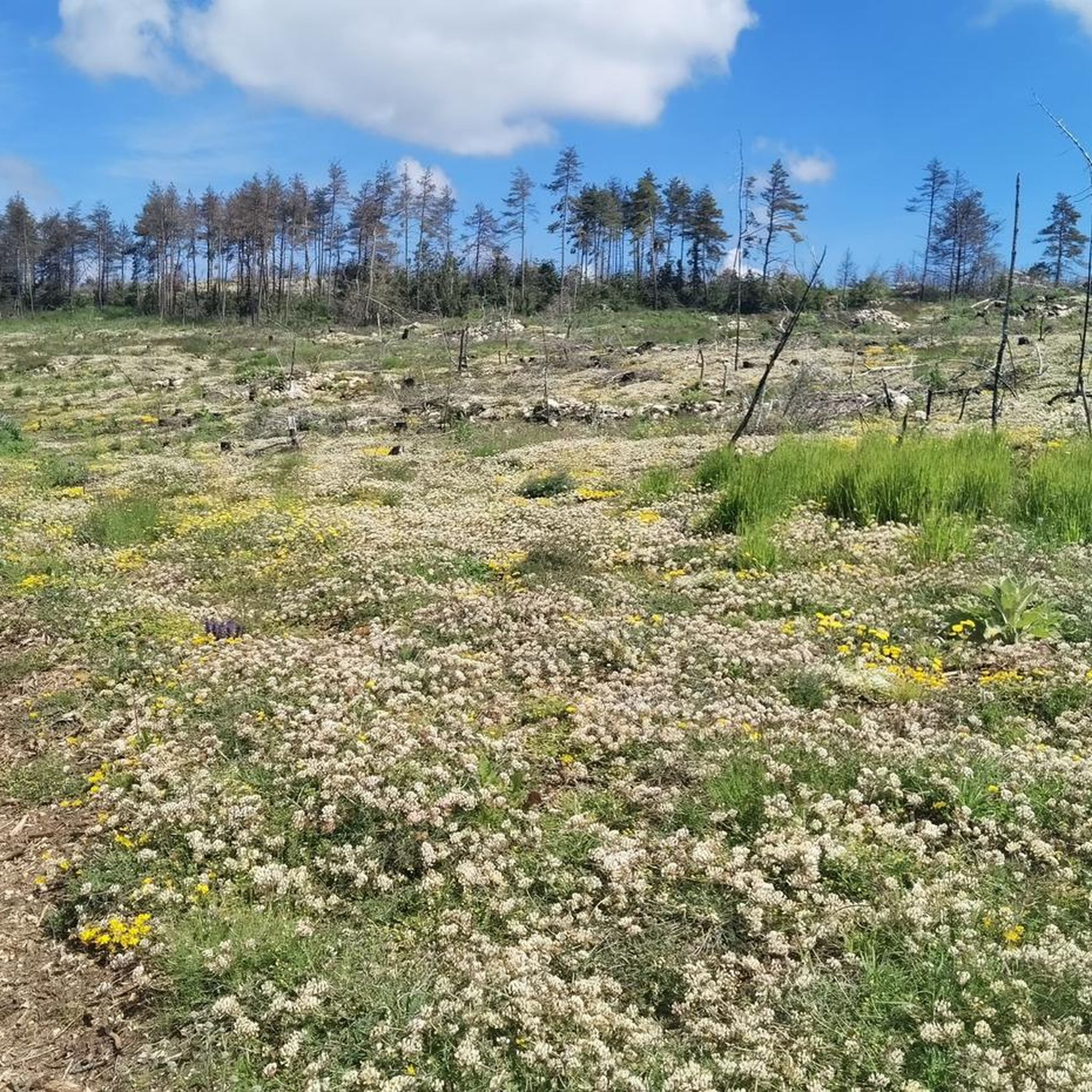
Les Arcs de Saint-Pierre are geological curiosities located in the heart of the former Gallo-Roman village of resin workers (professionals who bleed into the pines to harvest the resin). Between the tall pines that occupy the space, erosion has carved curious shapes in the limestone, opening up majestic arches. Nearby, there is a cave-burial where audacious trepanations were performed 3,500 years before our era. The shadows cast by the trees make it the perfect place for a break. However, be very respectful of this place considered as an archaeological jewel.
1
0


The site of Saint Marcellin (alt. 730 meters) is located 4 kilometers northeast of the village of Mostuéjouls. Clinging to the cliffs of the Causse de Sauveterre, it overlooks the white waters of the Tarn river from a height of 400 meters. Saint Marcellin is best known since ancient times for its pilgrimages influencing the meteorology (people came there to ask for rain), to protect themselves from the plague (1653), for its chapel attested in 1400, for its beautiful source called miraculous determining which fixed the first inhabitants in this inhospitable place. A balm on a ledge, a cliff jump of 7 meters by 3 presumed to be the tomb of the saint (Balsan excavations in 1927 unsuccessful), must have added a sacred touch to the place. Finally, a “troglodyte castle” draws attention to the left as you leave the village. It consists of a wall that hermetically closes a cave located in the cliffs that border the Causse. Source: https://www.millavois.com
1
0
Frequently Asked Questions
What historical or archaeological caves can I explore near Rivière-sur-Tarn?
The region offers several sites with significant historical and archaeological value. The Grotte de l'Homme-Mort is notable for the discovery of 2000 BC skeletons, some showing evidence of early surgical practices. Additionally, the Saint-Marcellin troglodyte village showcases ancient human adaptation to the landscape with remains of fortifications and a chapel.
Are there any unique cultural heritage sites related to caves in the area?
Yes, the Caves d'Entre-deux-Monts near Fontaneilles are semi-troglodytic structures, partly natural and partly man-made. These caves were historically used by villagers to store wine and ripen cheese, reflecting traditional agricultural practices. They offer a glimpse into the communal life of the past.
What natural geological formations can I see among the caves?
The Arcs de Saint-Pierre are a striking natural monument where erosion has carved majestic arches in the limestone. This site also has historical significance, as a nearby cave served as a burial site where trepanations were performed 3,500 years ago.
Are there any caves suitable for a first caving experience?
The Grotte de la Clujade, located about 10 minutes from Saint-Enimie, is considered ideal for a first introduction to caving. It features easy progression through a wide cavity with an underground river, large chambers, and small climbs, offering a memorable underground adventure without a long approach walk.
Can I visit a wine cellar (cave) in the Rivière-sur-Tarn area?
Yes, the Domaine de la Cardabelle in Rivière-sur-Tarn is a family-owned vineyard that offers visits to its wine cellar. Here, you can learn about the winemaking process, taste, and purchase local Côtes de Millau wines. You can find more information at tourisme-aveyron.com.
What are some other impressive natural caves in the wider Gorges du Tarn region?
Beyond Rivière-sur-Tarn, the wider Causses and Gorges du Tarn region features exceptional natural caves. These include Aven Armand, known for its immense chamber and thousands of stalagmites; Grotte de Dargilan (Pink Cave), famous for its dimensions and colored concretions; and Abîme de Bramabiau, an underground river offering a unique subterranean waterway experience.
Are there any caves that offer a cool break during warmer weather?
The Paillasses Cave is a converted balm (cave) from which a spring emerges, making it an ideal spot to enjoy a cool break, especially on warm days.
What kind of outdoor activities can I do near the caves around Rivière-sur-Tarn?
The area around Rivière-sur-Tarn offers various outdoor activities. You can find numerous running trails, including routes like the 'Rivière-sur-Tarn - Trail N12' or the 'Château de Peyrelade loop'. For cycling enthusiasts, there are gravel biking and MTB trails, such as the 'Peyreleau – Gorges du Tarn loop' or the 'Peyrelade Castle – Entre-Deux-Monts Cellars loop'. Explore more options on the Running Trails, Gravel Biking, and MTB Trails guides for Rivière-sur-Tarn.
What is the Baume du Boffi?
The Baume du Boffi is one of the most impressive balms (caves) overlooking the Dourbie valley. Like many other caves in the region, it was historically converted into a sheepfold, known as a 'jasse'.
What should I wear for caving in the Gorges du Tarn region?
For caving, especially in sites like Grotte de la Clujade, it's advisable to wear comfortable clothing that you don't mind getting wet or dirty. Equipment such as caving suits, helmets, and lighting are typically provided by tour operators for guided experiences, ensuring safety and comfort in the underground environment.
Most popular routes around Rivière-Sur-Tarn
Most popular attractions around Rivière-Sur-Tarn

Get inspired with the komoot mobile app


Explore more
Extend your search for the best caves by checking out these guides of the top ones around Rivière-Sur-Tarn:
