The best walks and hikes around Saint-Lumine-De-Clisson
4.5
(1070)
5,356
hikers
14
hikes
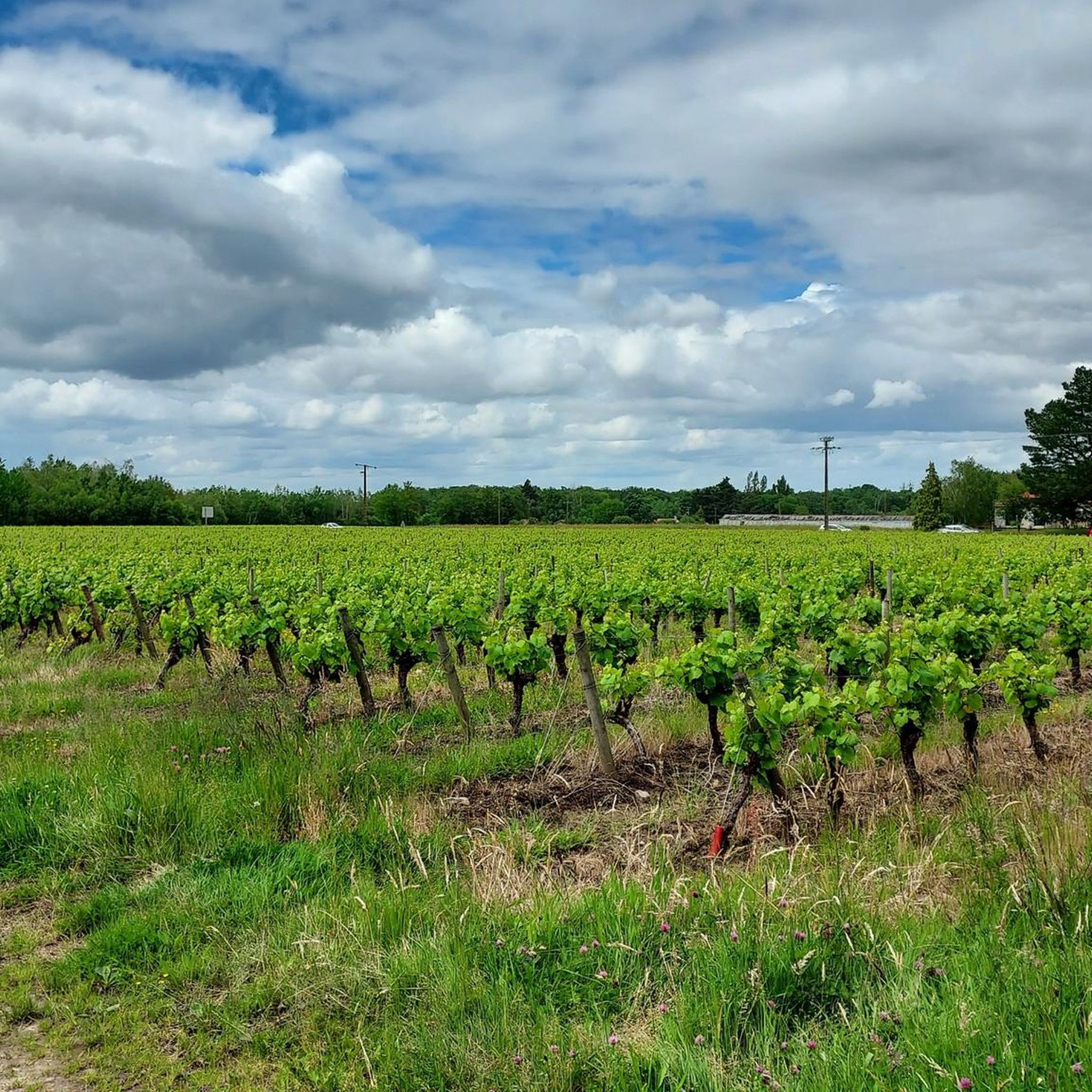
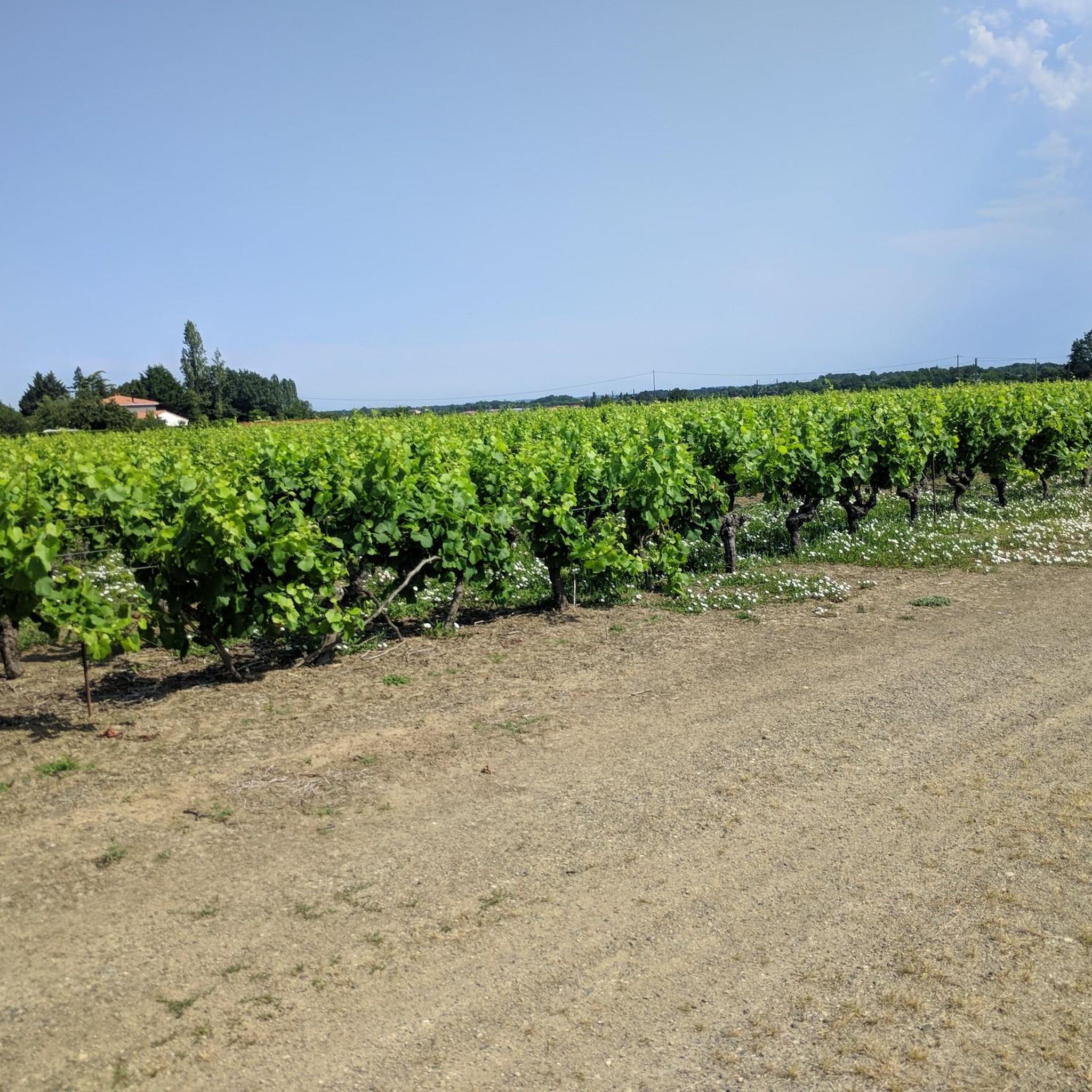
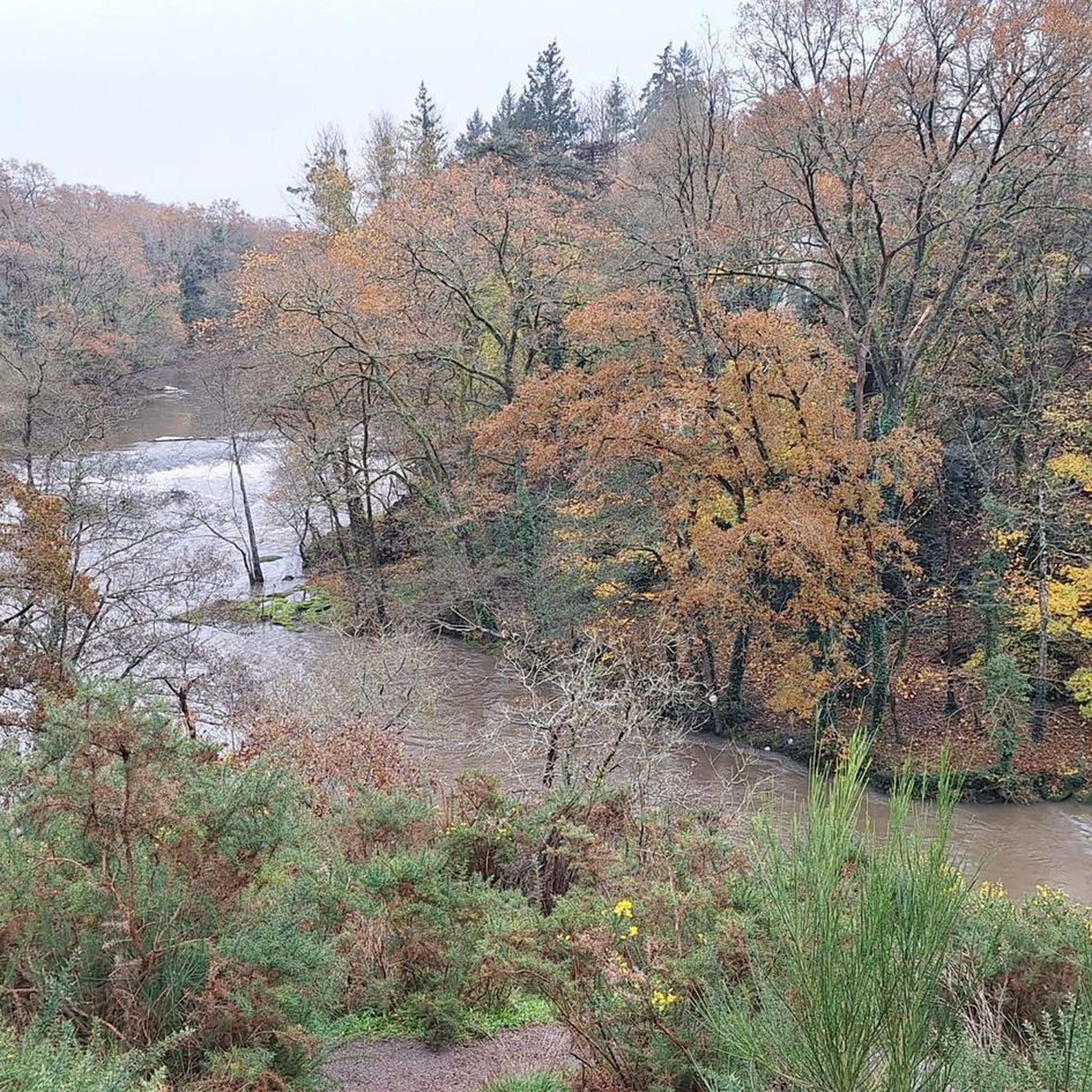
Hiking trails around Saint-Lumine-De-Clisson traverse the diverse landscapes of the Vignoble Nantais region in western France. The area is characterized by the River Maine, which flows through wild valleys, granite cliffs, and terraced vineyards. Hikers encounter a mix of natural spaces, cultivated vineyards, and traditional countryside. This blend offers varied scenery, from serene riverbanks to rolling hills.
Best hiking trails around Saint-Lumine-De-Clisson
- The most popular hiking route is Moulin des Épinettes – Reuzard mill and footbridge loop from Aigrefeuille-sur-Maine,…
Last updated: July 5, 2026
5.0
(6)
22
hikers
Easy hike. Great for any fitness level. Easily-accessible paths. Suitable for all skill levels.
5.0
(3)
24
hikers
9.05km
02:19
40m
40m
Moderate hike. Good fitness required. Easily-accessible paths. Suitable for all skill levels.

Sign up for free
3.5
(2)
16
hikers
15.2km
03:54
70m
70m
Moderate hike. Good fitness required. Easily-accessible paths. Suitable for all skill levels.
5.0
(1)
7
hikers
27.2km
07:02
140m
140m
Hard hike. Very good fitness required. Easily-accessible paths. Suitable for all skill levels.
5
hikers
Moderate hike. Good fitness required. Easily-accessible paths. Suitable for all skill levels.
Get access to more routes and recommendations from other explorers.
Sign up for free
Already have an account?
Our route recommendations are based on thousands of hikes, rides, and runs completed by other people on komoot.
Start today with a free account
Your next adventure awaits.
Login or Signup
Tips from the Community


A very shady, well-maintained route with some good climbs and descents. Easy level
0
0

One of the most beautiful viewpoints in Clisson. The castle, the church, the dike, and the bridge all at once.
0
0

This temple, built on the Saint-Gilles hillside, has been listed as a Historic Monument since March 14, 1988. It owes its name to the friendship between the Cacault brothers and the sculptor François-Frédéric Lemot, initiators and creators of Clisson's Italianate architecture in the early 19th century. Pierre Cacault wanted to build a mausoleum in memory of his brother François, who died in Clisson on October 10, 1805, but he lacked sufficient financial means. ➢ It was François-Frédéric Lemot who helped his friend carry out his project. He purchased the former Saint-Gilles-et-Saint-Brice chapel and its outbuildings at the end of 1808. The buildings are part of the cemetery, which has long been used for the burial of parishioners from all over Clisson, except for La Trinité. ➢ Paul de Berthou states in his work "Clisson and its Monuments" that "...the church of St. Gilles and St. Brice had been large and beautiful, but a lord of Clisson had its proportions reduced because it overlooked the castle too closely and posed a danger to him in the event of a siege." ➢ The remodeled church includes two chapels forming arms of the cross, one dedicated to the Blessed Virgin and the other to St. John the Evangelist, whose brotherhood once sat on this site. A small bell tower, containing two bells, stands at the crossing of the transept. ➢ Pierre Cacault died on January 29, 1810. François-Frédéric Lemot took over the project and decided that the monument would be dedicated to the memory of the two brothers. In 1811, he acquired land on the Saint-Gilles hillside and commissioned the architect Mathurin Crucy to draw up the plans. ➢ The first project was inspired by Greek temples. Mr. Crucy proposed a plan representing a peripteral temple of the Doric order, without a base, with six columns on the façade, surmounted by a pediment. F.F. Lemot simplified the plan, retaining a "cella" and four Doric columns surmounted by a triangular pediment on the façade. This choice recalls the Temple of the Sybil in Tivoli and is found in other contemporary monuments (the Temple of Friendship in Belz, the memorial monument to the victims of Quiberon in Auray). ➢ The Temple of Friendship was built between 1812 and 1824 on the former foundations of the parish church of Saint Gilles. The side chapels were razed, their foundations later serving to build a small, asymmetrical transept. The old nave was demolished and the walls rebuilt in line with those of the choir, with the entrance door on the side of the current cemetery. ➢ It took several years before the roof was laid and the plastering completed (1824). ➢ This temple was to house the tombs of the Cacaults. Antoine Peccot (1766-1814), a friend of Mr. Crucy, the Cacaults, and F.F. Lemot, had proposed, before 1814, that a dedication be inscribed to the Cacault brothers. The poem invited passersby to remember the talents, virtues, and prodigal benefits of these two brothers. The inscription was never engraved. The tombs were never built because the heirs of the Cacault brothers did not authorize the transfer of the ashes of Pierre and François (buried in Nantes). .➢ On May 6, 1827, François-Frédéric Lemot died in Paris. His body, repatriated to Clisson on May 18, was buried in the Temple of Friendship. ➢ On September 17, 1829, this tomb was blessed by the vicar of Notre-Dame. From then on, the site was designated: "Lemot Chapel" or "Chapel of the Blessed Virgin." Permission was granted to sing the station mass there on St. Mark's Day, as well as on Rogation Day, and to say devotional low masses. ➢ The monument underwent restoration in 1995.
0
0
Clisson Castle has quite a story to tell: first an impregnable fortress overlooking the Sèvre, then a ducal residence, and finally a romantic ruin. In the 12th century, the powerful lordship of Clisson built this stone castle with highly elaborate defensive architectural systems: arrow slits, gun ports, and slits. A strategic point protecting the border of the Duchy of Brittany in the 15th century, it was abandoned by its owners from the second half of the 17th century onward before being burned down by Republican troops in 1793. But, beyond its grand history, this castle also has a more historic significance! In 1807, François-Frédéric Lemot, creator of the Garenne Lemot estate (a picturesque landscape located on the other side of the river), was captivated by these ruins and purchased it to turn it into an ornamental factory. The château was declared a historic monument in 1924, before being acquired by the Loire-Atlantique department in 1962. Today, visitors can visit it, take a guided tour, or simply experience its history. A stop on the Journey through the Vineyard, it's a stopover during the wine tourism tour of Nantes' wine country, featuring natural sites, heritage features, characterful villages, and unique cellars.
1
0

An absolutely beautiful site, but difficult to access by bike. You can cross, but the footbridge is too narrow (for my bike anyway) and you have to push the bike vertically. Obviously impossible with panniers.
1
0
Lourdes grotto replicas are reproductions of the Massabielle grotto, the site of the Marian apparitions in Lourdes in 1858, which have been made around the world. Numerous copies of the site have been made in France, Europe, and then around the world since its inception, with the growing fame of the apparitions and miraculous healings said to be due to the water of Lourdes.
0
0
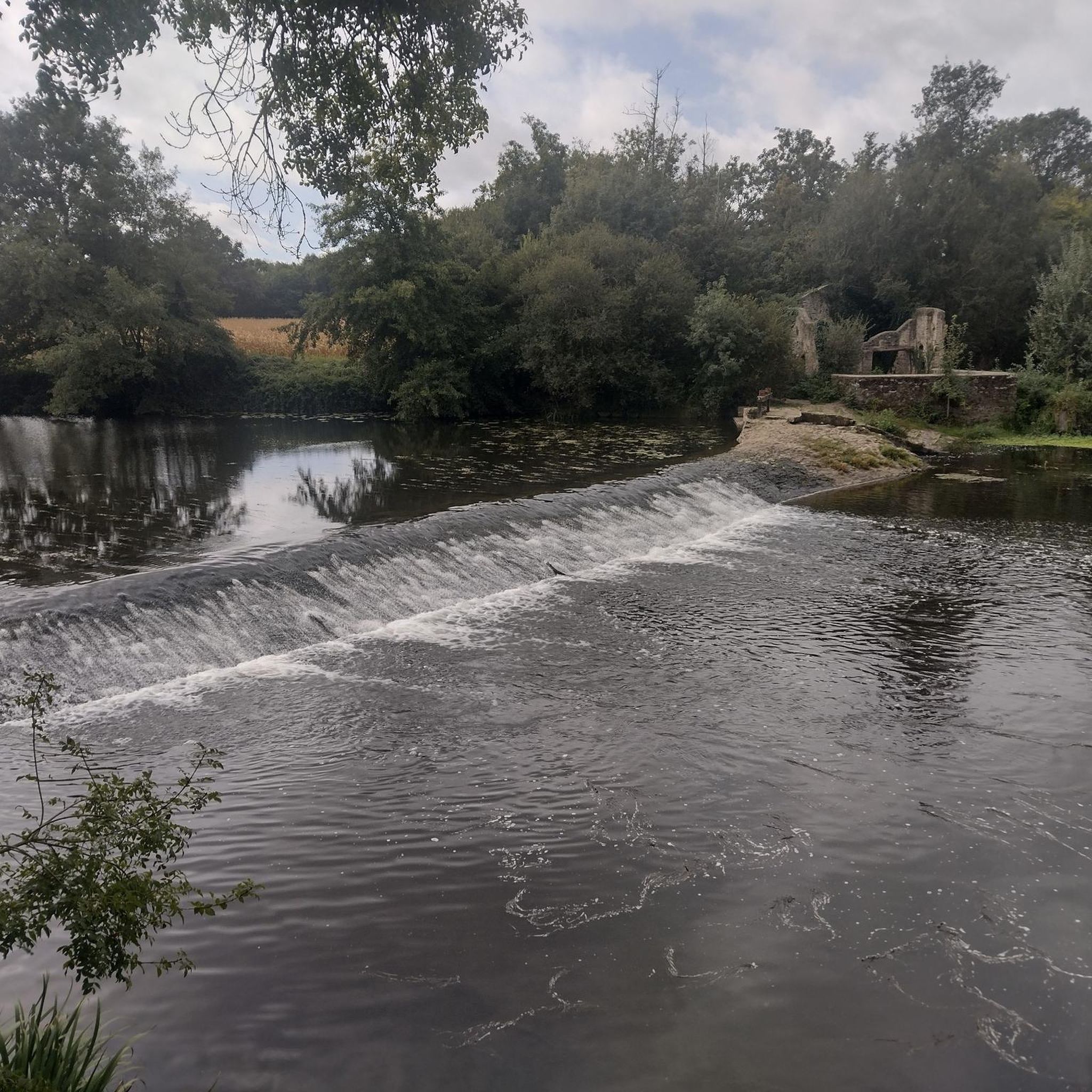
The existence of the Bonnet Mill, in Saint-Lumine, on the right bank, is documented from 1742. It is sometimes called the Tannery Mill due to its immediate proximity to a former tanning business. The Bonnet family, millers and owners, succeeded each other for several generations. The last known sale, without the mill leaving the family, dates back to 1906. In the deed of sale, the watermill is associated with two windmills, "one of which has not been in operation for years," and is supplemented by "the roadway, land, and exits attached to it." The ruined mill was demolished in the 1980s; only the roadway, owned by the EPTB, remains. https://amicale-mcanonnet.org/post/1497-la-maine-autrefois
0
0
Frequently Asked Questions
How many hiking trails are available in Saint-Lumine-De-Clisson, and what are their difficulty levels?
Saint-Lumine-De-Clisson offers a diverse network of over 14 hiking trails. These routes cater to various fitness levels, with 5 easy trails, 8 moderate trails, and 1 difficult trail for more experienced hikers.
Are there easy hiking trails suitable for beginners or families in Saint-Lumine-De-Clisson?
Yes, there are several easy trails perfect for beginners or families. An excellent option is the Moulin des Épinettes – Reuzard mill and footbridge loop from Aigrefeuille-sur-Maine, which is about 4.2 km long and explores riverbanks and local mills.
Can I find circular walking routes in the Saint-Lumine-De-Clisson area?
Many of the hiking routes in Saint-Lumine-De-Clisson are circular, allowing you to start and end at the same point. Examples include the Rolling gravel track loop from Saint-Lumine-de-Clisson and the Guidreau Mill loop from Saint-Lumine-de-Clisson.
What interesting landmarks or attractions can I discover while hiking near Saint-Lumine-De-Clisson?
The region is rich in attractions. You can explore the historic town of Clisson, which features the impressive Château de Clisson. Other notable sights include the Picture frame by Emmanuel Ritz, offering scenic views, and the The Arsenal bridge.
Do the hiking trails offer views of the River Maine or pass through vineyards?
Absolutely. The landscape of Saint-Lumine-De-Clisson is defined by the beautiful River Maine, with routes offering views over its wild valleys and granite cliffs. Many trails also weave through the extensive vineyards of the Vignoble Nantais, providing picturesque scenery that changes with the seasons. The Circuit de Maine en Vignes is a great example.
Are there longer or more challenging hikes for experienced trekkers?
Yes, for those seeking a more challenging experience, the Valley Bridge – Château de Clisson loop from Saint-Lumine-de-Clisson is a difficult 27.1 km trail that takes approximately 7 hours to complete, offering a comprehensive exploration of the area.
What is the best time of year to go hiking in Saint-Lumine-De-Clisson?
The region is enjoyable for hiking throughout the year, with each season offering unique charm. Spring and autumn are particularly pleasant for their mild temperatures and vibrant colors in the vineyards. Summer is also popular, though it can be warmer, while winter offers a quieter experience amidst the dormant vines.
Are dogs allowed on the hiking trails around Saint-Lumine-De-Clisson?
Generally, dogs are welcome on many trails in the Saint-Lumine-De-Clisson area. However, it's always recommended to keep them on a leash, especially when passing through agricultural areas or near wildlife, and to check for any specific local regulations or signage on individual routes.
Is parking readily available at the trailheads in Saint-Lumine-De-Clisson?
In this rural region, parking is typically available near trailheads, in village centers, or at designated parking areas for popular hiking circuits. It's advisable to check specific route details or local maps for the most convenient parking spots.
What do other hikers enjoy the most about hiking in Saint-Lumine-De-Clisson?
The area is highly rated by the komoot community, with an average score of 4.6 stars from over 900 reviews. Hikers often praise the diverse scenery, which blends serene riverbanks, rolling vineyards, and traditional countryside, as well as the well-maintained network of paths suitable for various abilities.
Are there any specific trails that highlight the River Maine?
Yes, the River Maine is a central feature of the region. Trails like the Circuit Les Coteaux Luminais offer lovely views over the Maine river valley, allowing hikers to experience its wild and unspoiled character.
Most popular routes around Saint-Lumine-De-Clisson
Most popular attractions around Saint-Lumine-De-Clisson

Get inspired with the komoot mobile app


Explore more
Browse the best Hikes in other regions.
