Top 20 Mountain Passes around Saint-Bernard
Best mountain passes around Saint-Bernard are located in a region known for its significant Alpine passes, connecting Switzerland, France, and Italy. The area features the Great St. Bernard Pass at 2,469 meters and the Little St. Bernard Pass at 2,188 meters. These passes have served as historical routes for centuries, used by various travelers and armies. The landscape includes rugged alpine terrain, mountain lakes, and diverse geological formations.
Best mountain passes around Saint-Bernard
- The most popular mountain passes is Col…
Last updated: June 26, 2026
Col du Cucheron
Highlight • Mountain Pass
Relatively short climb from Saint-Pierre-de-Chartreuse.
Translated by Google •
Tip by

Aulp du Seuil Pass
Highlight • Mountain Pass
Translated by Google •
Tip by

Sign up now to discover places like this
Get recommendations on the best single tracks, peaks, & plenty of other exciting outdoor places.
Sign up for free
Col du Coq
Highlight • Mountain Pass
The Col du Coq is the highest …
Translated by Google •
Tip by

Bellefont Pass
Highlight • Mountain Pass
Translated by Google •
Tip by

Not of the eye
Highlight • Mountain Pass
the dogs are poorly trained, so stay calm and wait for the sheep to reorganize.
Translated by Google •
Tip by

Sign up for free to discover even more mountain passes around Saint-Bernard.
Sign up for free
Already have an account?
Start today with a free account
Your next adventure awaits.
Login or Signup
Popular around Saint-Bernard

Other adventures around Saint-Bernard

Tips from the Community

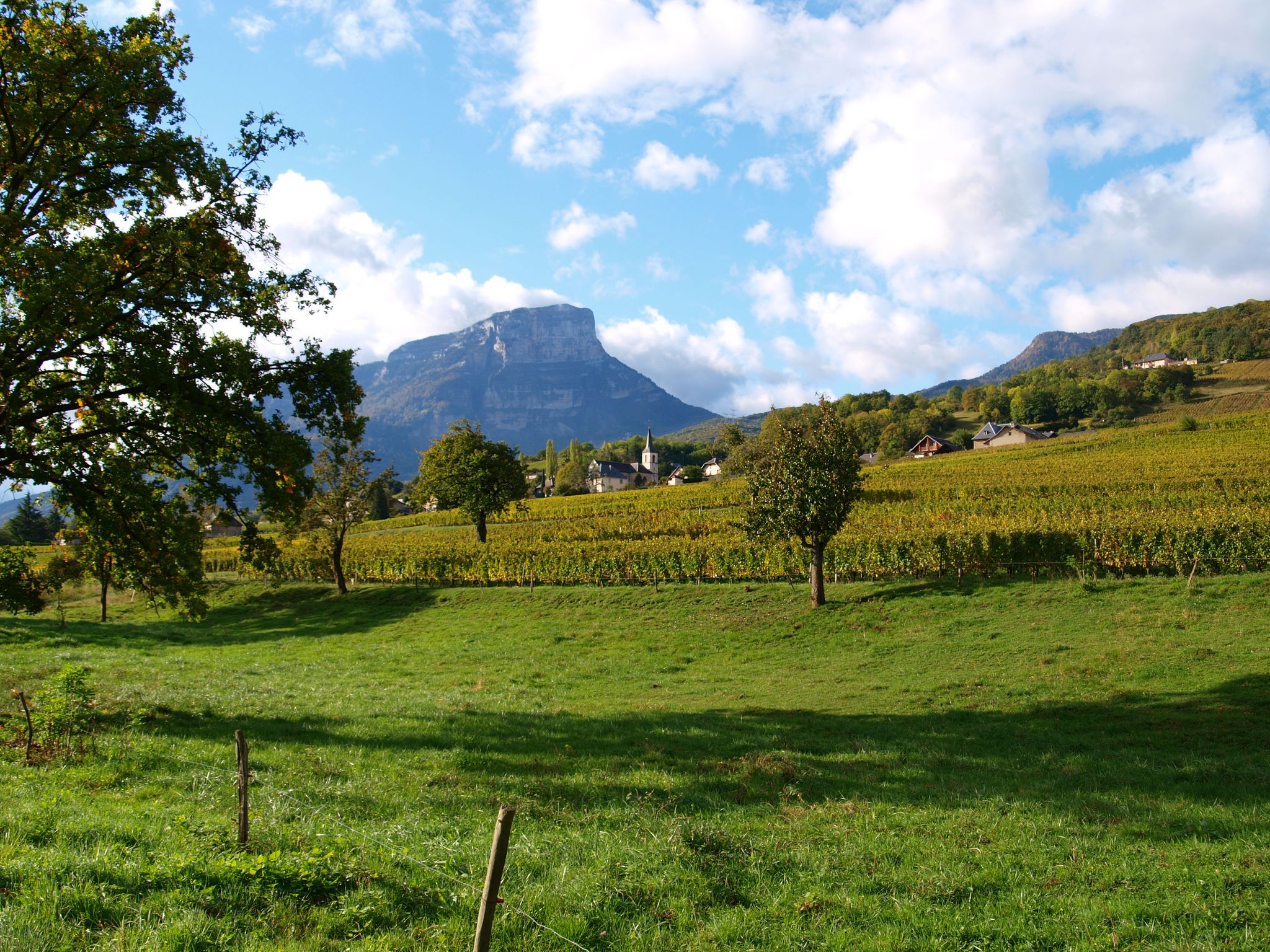
Small pass in the Chartreuse, beautiful views and relatively quiet road.
1
0

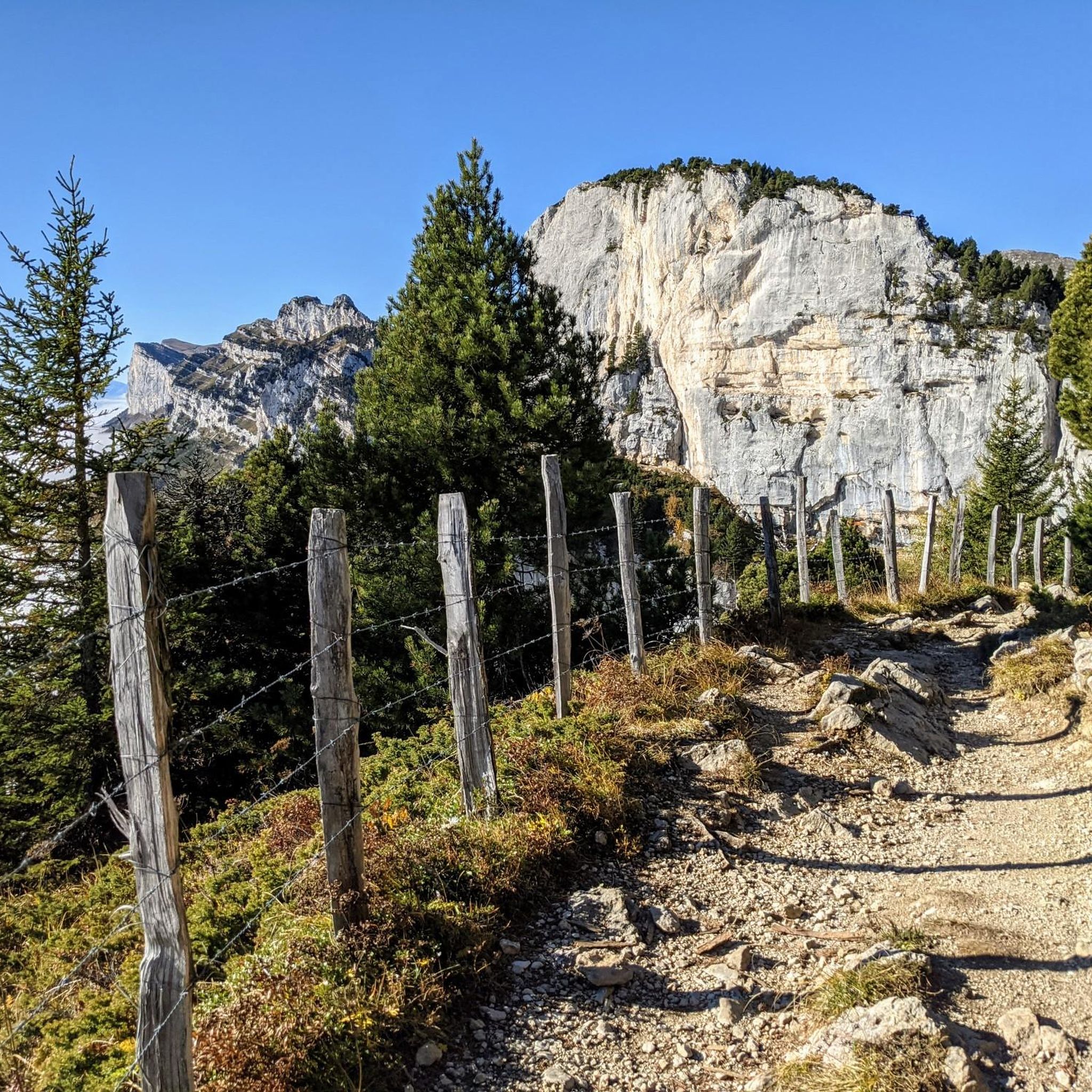
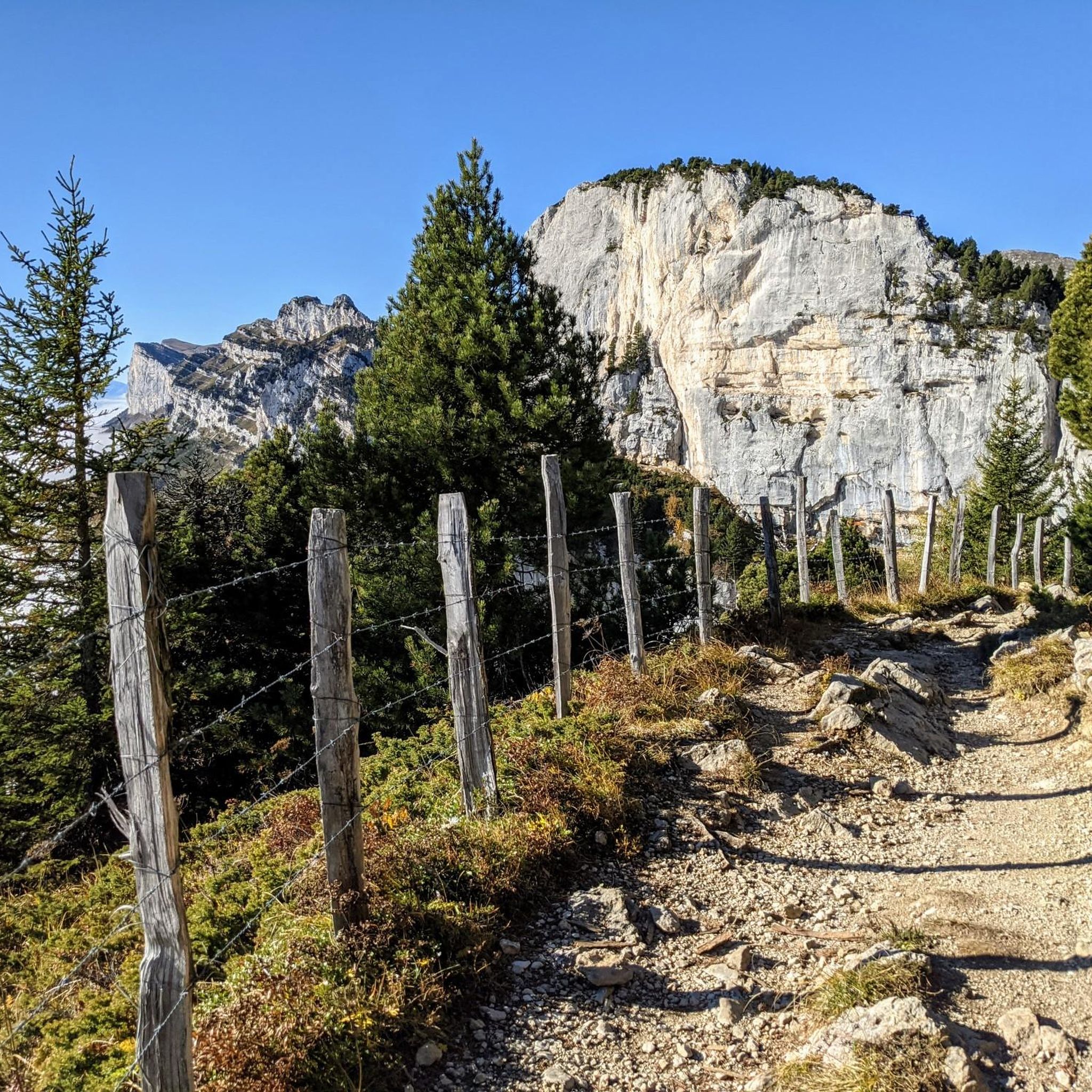
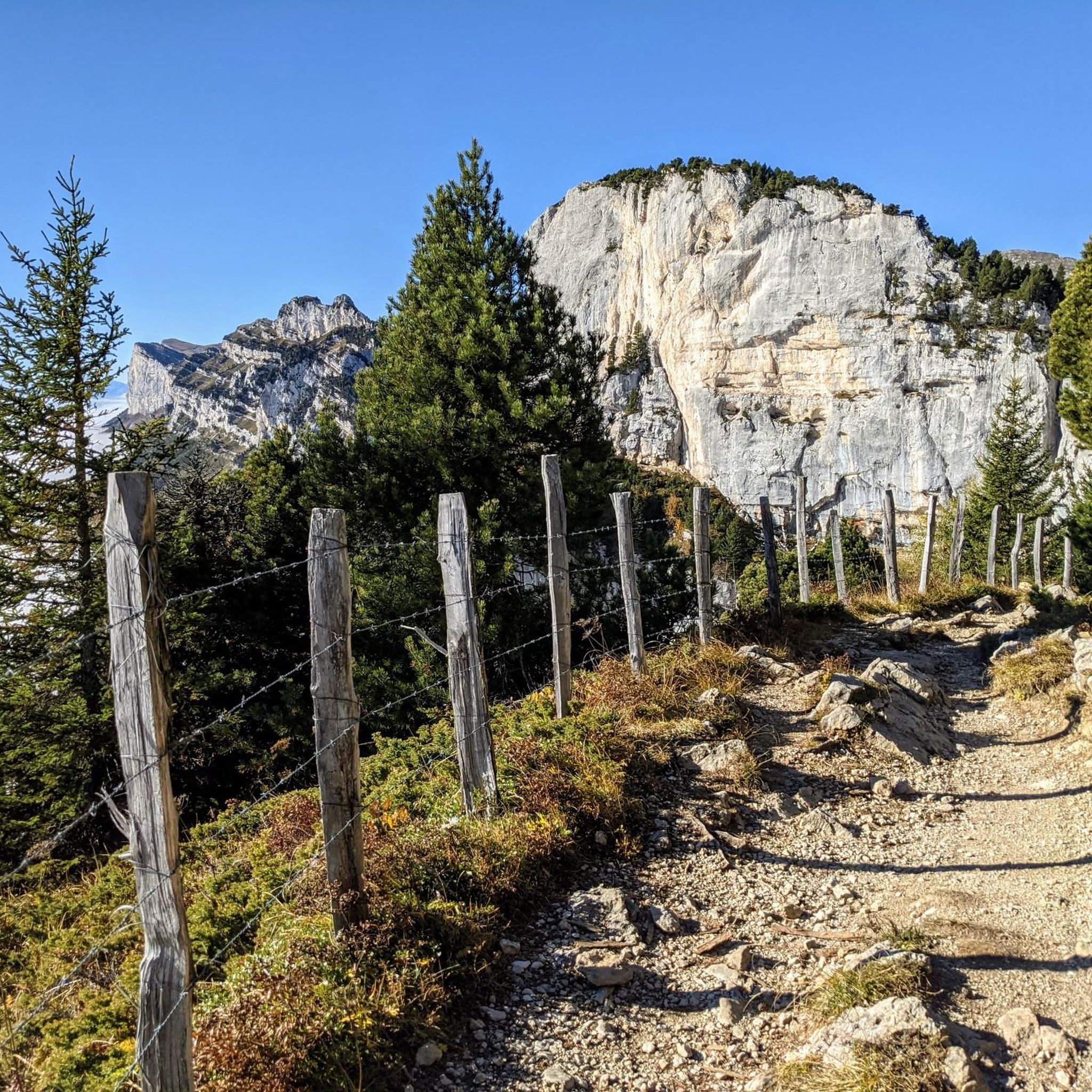
The cross of the Aulp du seuil is located at 1825m above the cirque and marks the entrance to the high plateaus.
0
0

From Saint Laurent du Pont, a demanding 14km climb, with many sections at over 10%. It is divided into three parts: 9km of irregular ascent (6 to 11.5% /100m) to the junction for the Chartreuse Monastery. Then 2km of flat terrain to the foot of St Pierre de Chartreuse and finally a very steep climb (several sections at +12% /100m) to the Col de Cucheron. A pass not to be underestimated! 25 degrees at St Laurent = 15 degrees at the top of the pass and its very shaded slopes. Dress accordingly.
2
0

Exceptional site at the foot of the Dent de Crolle with access via a wild forest road
2
0

Beautiful rock formation. Here is one of the steepest sections
0
0


Great hike! Make sure you have good shoes with crampons because some slopes are a bit slippery. Magnificent view at the top.
0
0

Beautiful pass between St-Pierre-de-Chartreuse and St-Pierre-d'Entremont
2
0
Frequently Asked Questions
What makes the Great St. Bernard Pass a significant destination?
The Great St. Bernard Pass is renowned for its rich history as a major trans-Alpine route, used by Romans and even Napoleon. It's home to the famous Great St. Bernard Hospice, founded in the 11th century, which is the birthplace of the St. Bernard dog breed. Visitors can see these iconic dogs and learn about their history at the hospice's museum. The pass also offers stunning Alpine scenery, including a beautiful mountain lake, and traces of a Roman road.
What unique historical features can I find at the Little St. Bernard Pass?
The Little St. Bernard Pass boasts ancient history, with evidence of pre-Roman activity, including a large stone circle (cromlech) at the summit. A Roman road, built around 45 BC, enhanced its importance, and it's even thought that Hannibal used this route. Like its larger counterpart, it has a historic Hospice du Petit Saint-Bernard, and notable monuments such as a 1902 Statue of St. Bernard and the Roman-era Colonne Joux.
What kind of natural beauty can I expect at the Saint-Bernard passes?
Both the Great and Little St. Bernard Passes offer breathtaking natural beauty. The Great St. Bernard Pass features rugged alpine landscapes and a picturesque mountain lake. The Little St. Bernard Pass is characterized by a flat wetland plateau with three small lakes (Lac Longet, Lac sans fond, and Lac Verney) and diverse geology, providing panoramic views, including those of the Mont Blanc massif.
When is the best time to visit the Saint-Bernard passes?
The historic road over the Great St. Bernard Pass is typically open from June to October. The Little St. Bernard Pass is also generally accessible during the warmer months. These periods are ideal for scenic drives, hiking, and other outdoor activities, as the passes are often covered in snow for the rest of the year.
Are the Saint-Bernard passes accessible by car, and are there parking facilities?
Yes, both passes are accessible by car during their open seasons. While a tunnel bypasses the Great St. Bernard Pass for year-round travel, the historic road over the pass itself offers a scenic route. Parking facilities are available at both passes, allowing visitors to explore the surrounding areas and trails.
Can I find accommodation or refuges near the Saint-Bernard passes?
Yes, the historic hospices at both the Great St. Bernard Pass and the Little St. Bernard Pass still operate, offering refuge and accommodation for travelers. These hospices provide a unique opportunity to experience the historical tradition of hospitality in the Alps.
What outdoor activities are available near the Saint-Bernard passes?
The Saint-Bernard region offers a variety of outdoor activities. In summer, both passes are popular for hiking, mountain biking, and scenic drives. The Little St. Bernard Pass area is also known for trekking along historic trails and paragliding. In winter, the Little St. Bernard Pass is central to the Espace San Bernardo ski area. You can find numerous hiking, MTB, and road cycling routes in the wider Saint-Bernard region. For hiking, explore options like L'Aulp du Seuil or the Marcieu Pass loop by visiting Hiking around Saint-Bernard. For mountain biking, check out routes like the Mountainbike loop from Lumbin at MTB Trails around Saint-Bernard. Road cyclists can find routes such as the Col de Porte loop at Road Cycling Routes around Saint-Bernard.
Are there family-friendly options or activities around the Saint-Bernard passes?
While some trails can be challenging, there are family-friendly options available. The hospices offer an educational experience, especially regarding the St. Bernard dogs. Shorter walks and scenic viewpoints can be enjoyed by families. Always check the difficulty and length of trails before embarking on a hike with children.
What are some notable viewpoints among the mountain passes in the region?
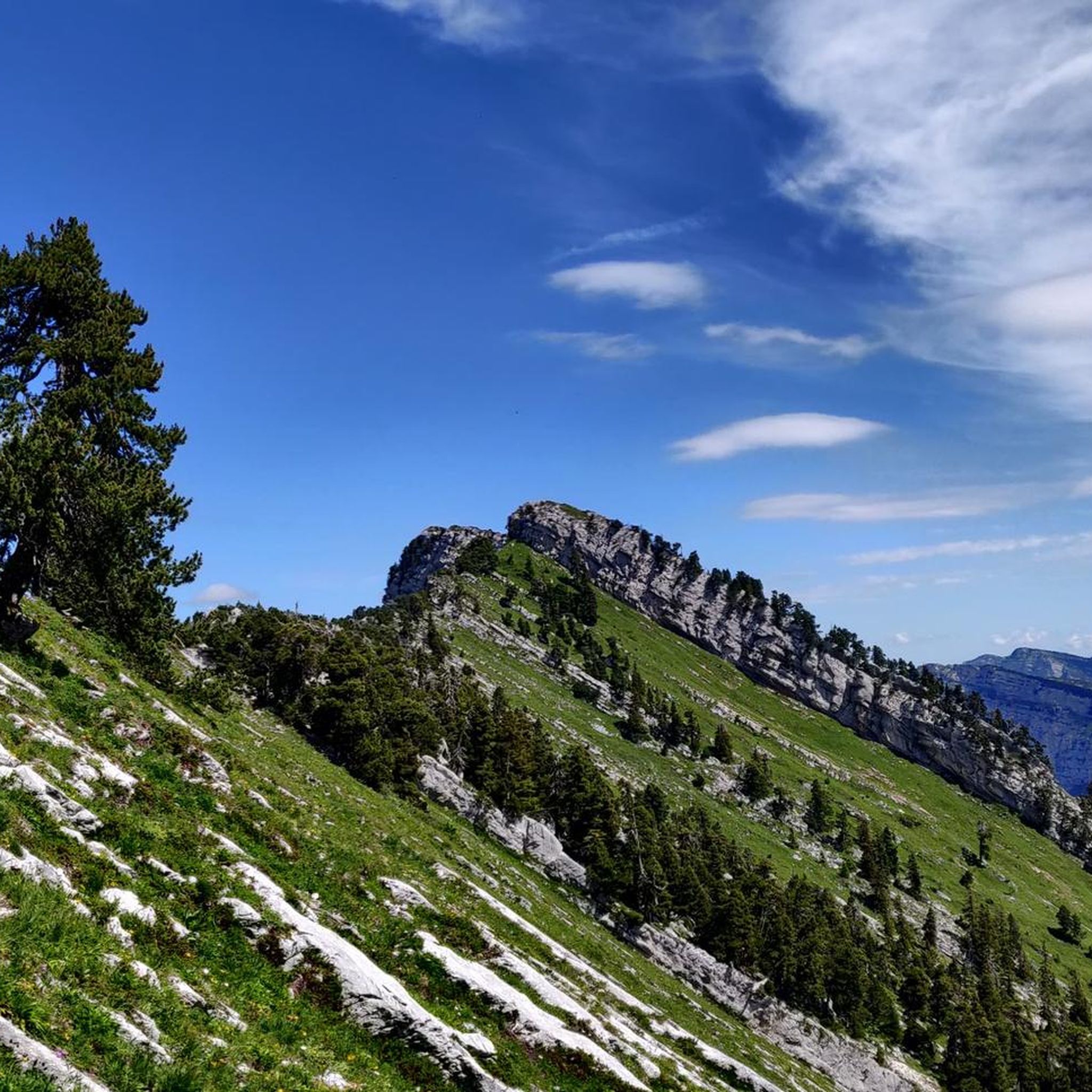
The region offers several passes with excellent viewpoints. Col du Cucheron provides magnificent views of the North Chartreuse. Col du Coq offers a superb view of the Dent de Crolles. Additionally, Bellefont Pass, at 1,902 meters, provides a breathtaking view of Mont Blanc and the highest peaks of the Chartreuse massif.
What are the main differences between the Great St. Bernard Pass and the Little St. Bernard Pass?
The Great St. Bernard Pass is higher (2,469m) and connects Switzerland with Italy, historically known for its hospice and St. Bernard dogs. The Little St. Bernard Pass (2,188m) connects France with Italy and is notable for its ancient stone circle and being part of a major ski area in winter. Both share a rich history and offer stunning alpine scenery, but their specific historical landmarks and recreational focuses differ.
Are there any challenging treks or routes in the Saint-Bernard pass area?
Yes, the Saint-Bernard region offers challenging treks for experienced hikers. For example, the Col du Coq is described as a challenging mountain pass. The area around the Little St. Bernard Pass is popular for trekking along historic trails, some of which can be demanding. You can find difficult hiking routes like the Marcieu Pass – Aulp du Seuil Cross loop or the Tour Isabelle Natural Arch – Aulp du Seuil Cross loop in the Hiking around Saint-Bernard guide.
What is the significance of the hospices at the Saint-Bernard passes?
The hospices at both the Great and Little St. Bernard Passes were founded in the 11th century by Saint Bernard de Menthon. Their original purpose was to provide shelter and assistance to travelers crossing these treacherous Alpine routes. The Great St. Bernard Hospice is particularly famous for its role in breeding and training the St. Bernard dogs for rescue operations, a tradition that continues to this day.
Most popular routes around Saint-Bernard
Most popular attractions around Saint-Bernard

Get inspired with the komoot mobile app


Explore more
See even more epic mountain passes by checking out these guides around Saint-Bernard:
