Attractions and Places To See around Ammerschweier - Top 20
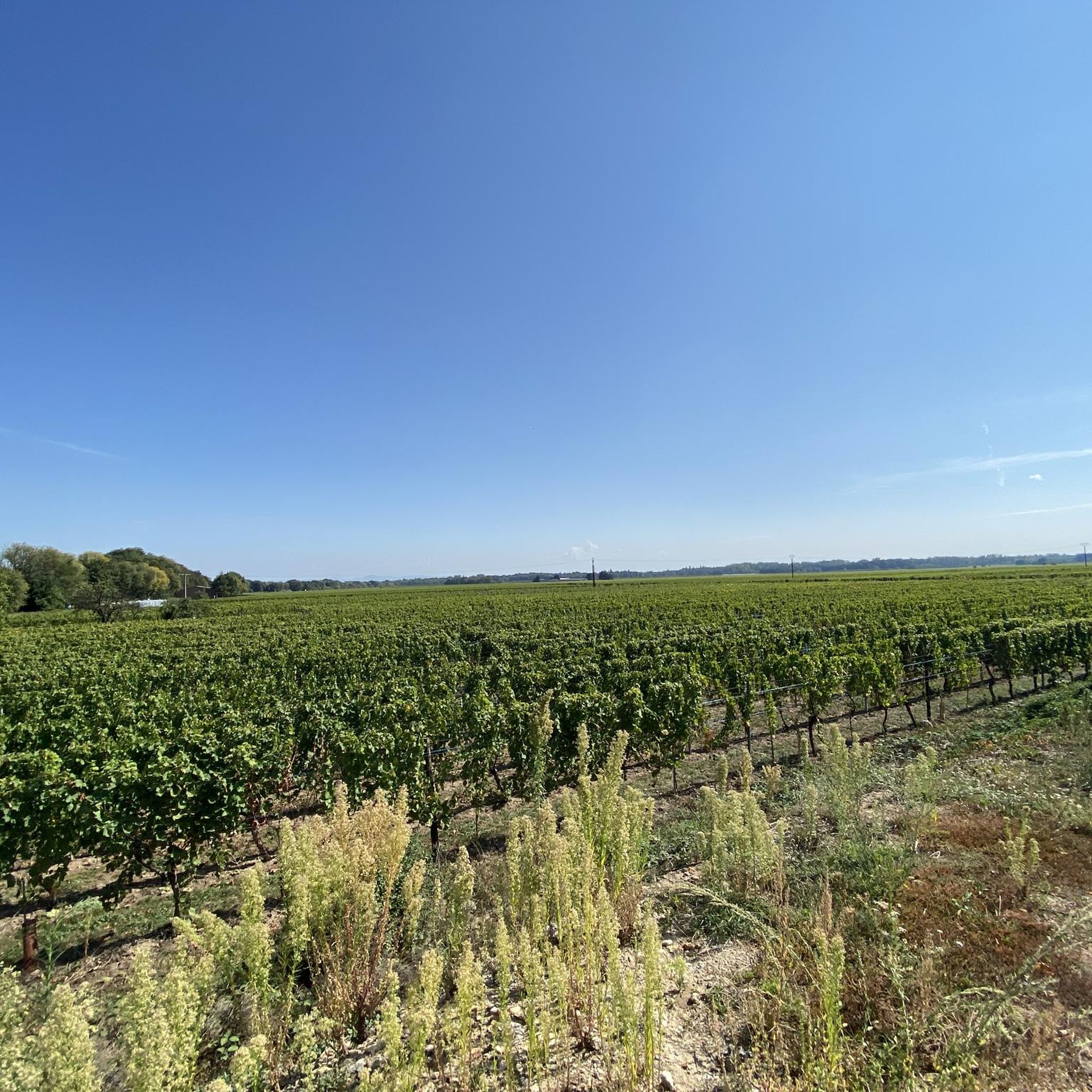
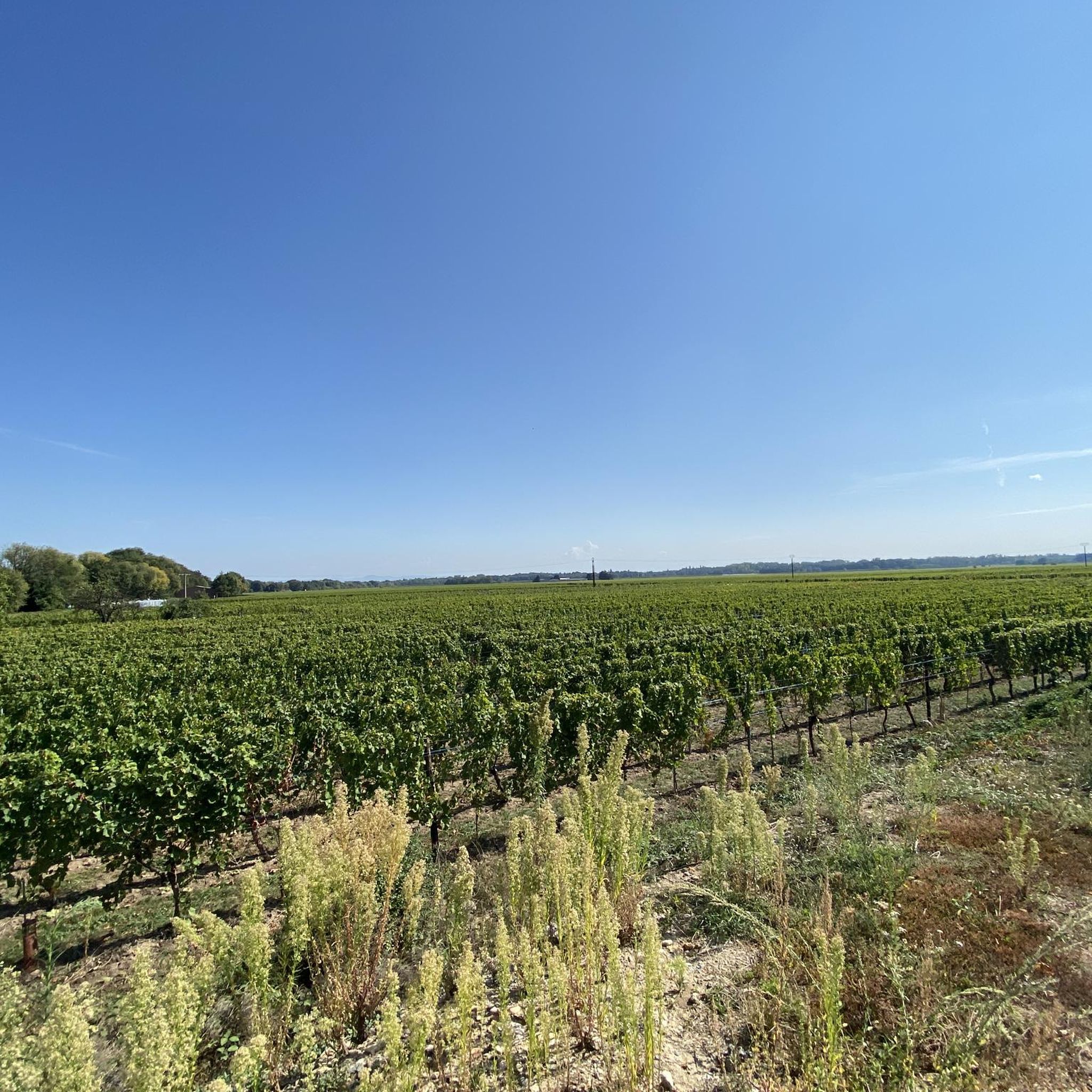
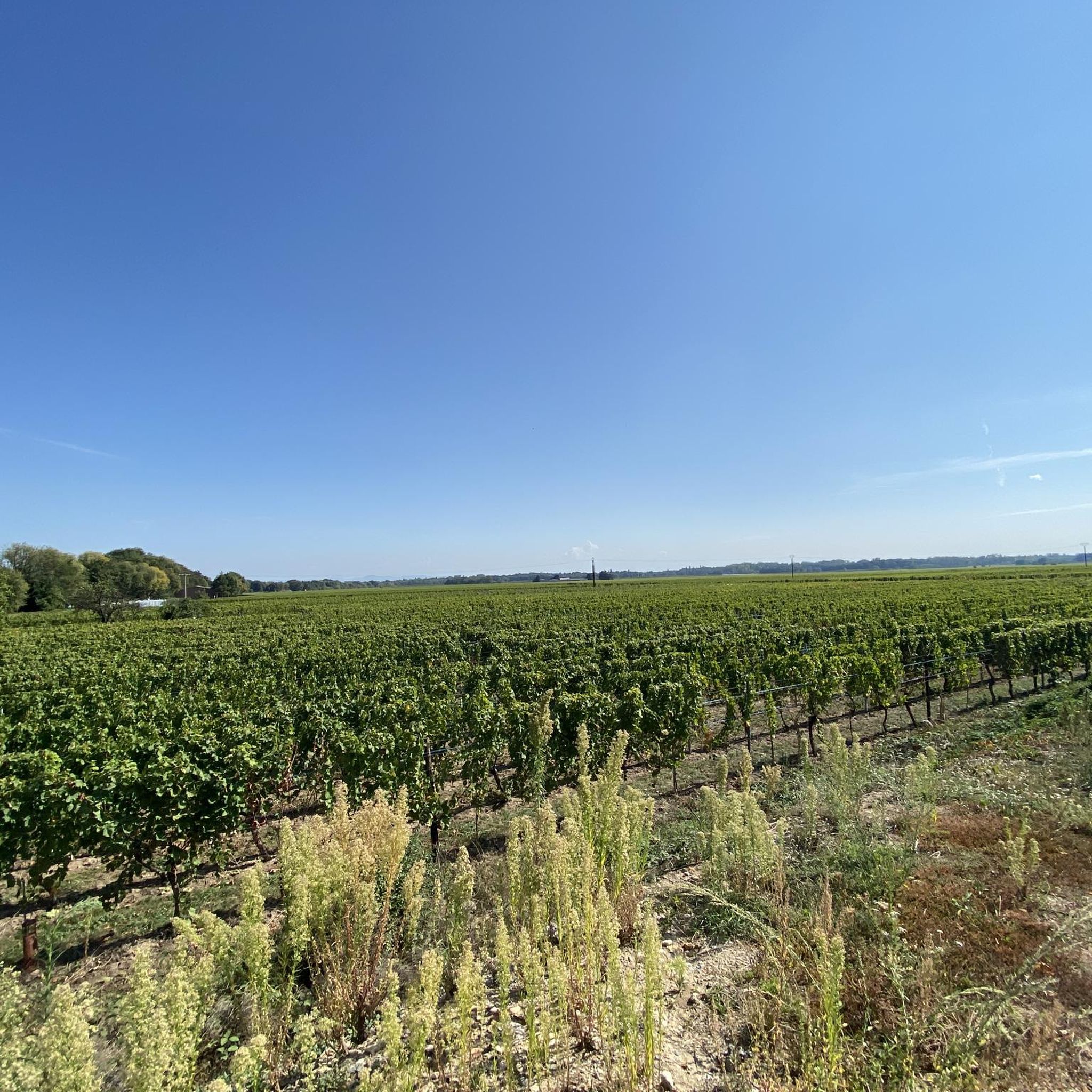
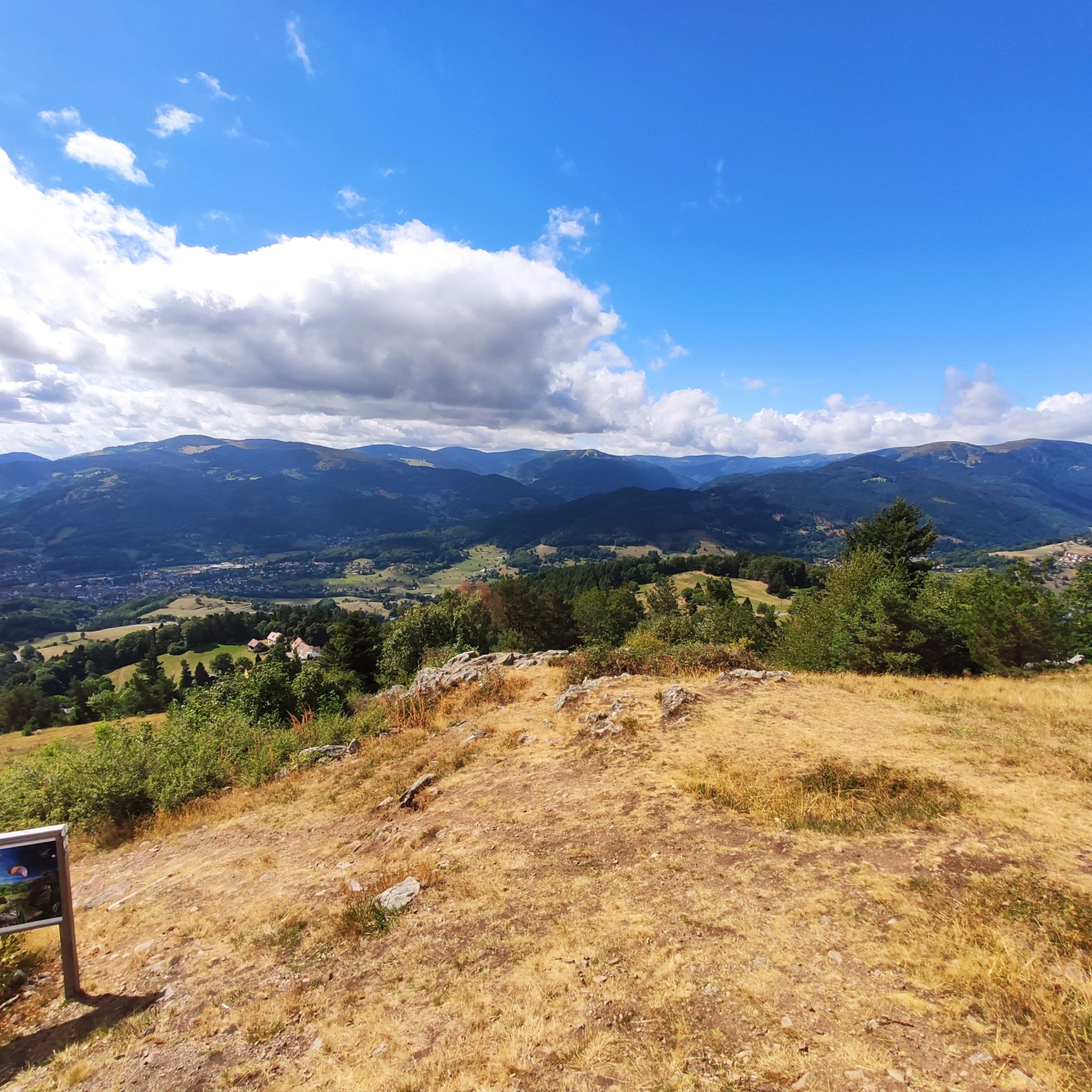
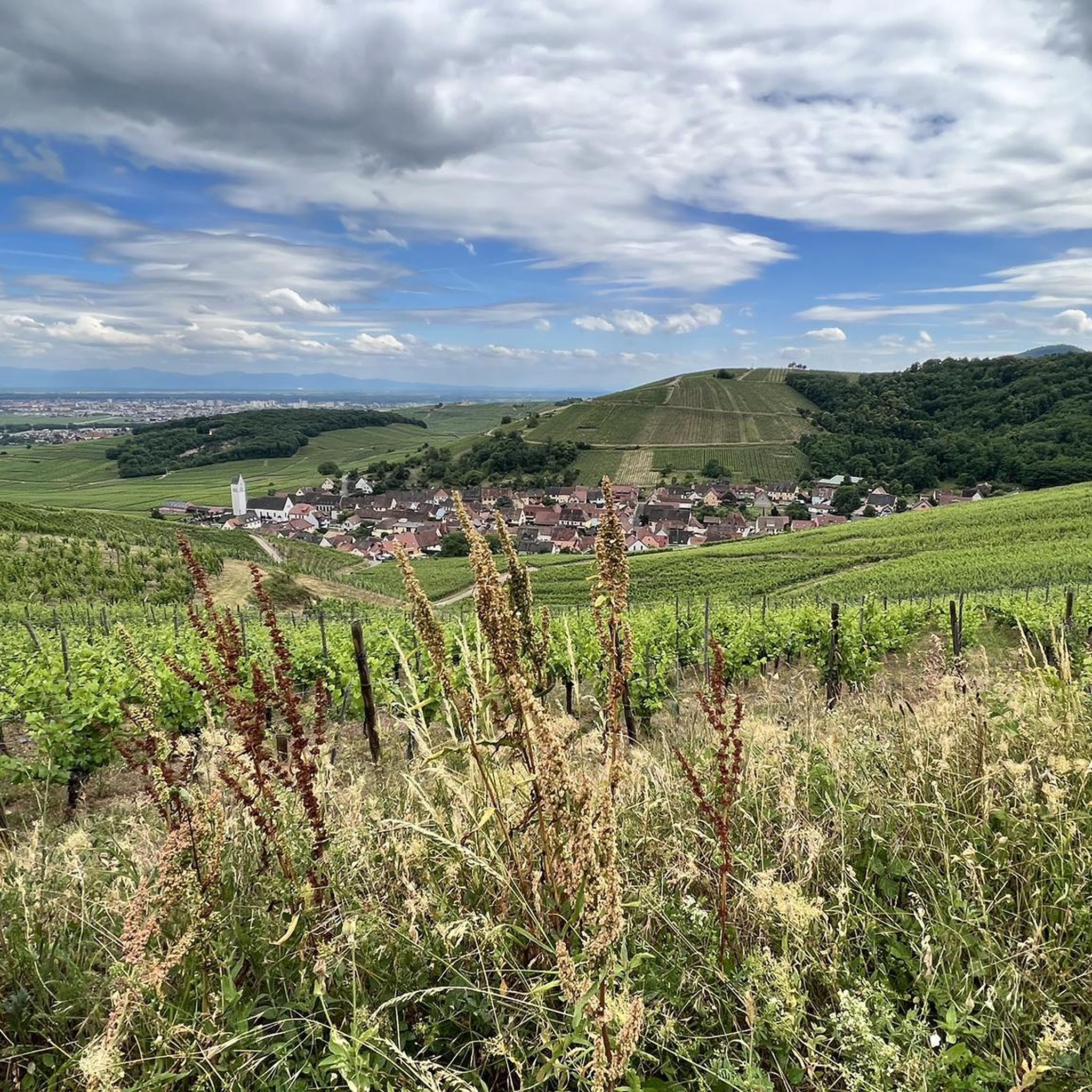
Best attractions and places to see around Ammerschweier include a blend of historical landmarks, cultural sites, and natural landscapes. This wine-growing town in Alsace is situated on the famous Alsace Wine Route, surrounded by extensive vineyards. The region features medieval architecture, historic churches, and offers panoramic views of the Alsace plain and Vosges mountains. Visitors can explore charming villages and significant historical ruins.
Best attractions and places to see around Ammerschweier
- The most popular attractions is Saint-Ulrich Castle, a…
Last updated: October 9, 2026
Saint-Ulrich Castle
Highlight • Castle
Translated by Google •
Tip by

Riquewihr
Highlight • Settlement
Translated by Google •
Tip by

Sign up now to discover places like this
Get recommendations on the best single tracks, peaks, & plenty of other exciting outdoor places.
Ribeauvillé
Highlight • Settlement
Translated by Google •
Tip by

Eguisheim Village
Highlight • Settlement
Translated by Google •
Tip by

Colmar Old Town
Highlight • Historical Site
Picturesque half-timbered houses, romantic canals, flower-bedecked windows, a maze of cobbled alleys, and delicious gastronomy: Colmar, one of Alsace's most elegant cities, invites you to savor its art of living!
Translated by Google •
Tip by

Sign up for free to discover even more attractions around Ammerschweier.
Already have an account?
Start today with a free account
Your next adventure awaits.


Tips from the Community

Saunt Ulric Castle is the largest of the three ruins. It is currently undergoing partial renovation. A small section is cordoned off, and caution is advised in other areas. However, the keep is accessible.
6
0
A charming Alsatian village with approximately 4,700 inhabitants. The old town is well worth seeing with its colorful houses. Ribeauvillé is also very popular because of the hike to its three castle ruins that overlook the town.
9
0
Of course, like every day, it's completely crowded. Taking pictures without passersby is almost impossible. The old town captivates everyone, and you can hardly get enough of the colorful, crooked houses, some of which date back to the Middle Ages but have been beautifully restored.
12
0

Colmar is a beautiful city and a center of Alsace; unfortunately, it's correspondingly overcrowded. The local art museum is a must-see.
9
0

Welcome to Eguisheim, the village where the houses are so photogenic they’re probably taking selfies when you’re not looking. Everything here looks like it was designed by an interior designer with a flower addiction and a passion for pastels. The streets wind in circles, so if you’re thinking, “I’ve been here before,” you’re right – you’ve just landed on an architectural merry-go-round. Perfect for those who love half-timbered houses, wine, and getting lost in the most charming way possible.
8
0

Ulrichsburg is the most impressive and best-preserved of the three castles. It was built on the rocky promontory around the mid-13th century. Until the 15th century, it was the residence of the Rappoltstein family and therefore has little military significance. Remains still visible today include: - the square keep and the main building (12th century), - the knights' hall and the large residential tower (13th century), - the barbican in front of the entrance and the outer wall (14th century), - the Chapel of Saint Ulrich (15th century). Girsberg Castle, built around 1250 opposite Ulrichsburg, was intended to strengthen its defenses.
6
0

Beautiful castle ruins, the view of the vineyards and the Rhine plain is gigantic. The climb is very varied, but not without its challenges! There are a few short rocky passages that can be slippery, especially when wet, and may need to be managed with the help of your hands. Good footwear is definitely recommended.
8
1

The Château de Saint-Ulrich is an impressive ruined castle located near Ribeauvillé in Alsace, France. The castle was built in the 11th century and sits on a rock high above the surrounding countryside. The Château de Saint-Ulrich consists of various ruins and remains, including parts of the defensive walls, towers and residential buildings. It is a remarkable example of medieval architecture and offers magnificent panoramic views of the vineyards and Alsace. The castle played a significant role in the history of the region and was owned by the Lords of Ribeaupierre, a noble family that played an important role in Alsace. Over the centuries, the Château de Saint-Ulrich was destroyed and rebuilt several times until it was finally abandoned in the 17th century.
8
1
Frequently Asked Questions
What historical landmarks can I explore around Ammerschweier?
The region is rich in history. You can visit the well-preserved medieval village of Riquewihr, known for its narrow, cobbled streets and half-timbered houses. Another must-see is Ribeauvillé, a historic settlement with medieval monuments like the parish church of St.-Grégoire-le-Grand. Don't miss the impressive Saint-Ulrich Castle, the largest and best-preserved of the three castles of Ribeauvillé, offering extensive exploration opportunities.
Are there any castles or ruins to visit near Ammerschweier?
Yes, the area boasts several historic castles. Beyond Saint-Ulrich Castle, you can also explore the picturesque ruins of Girsberg Castle, which offers breathtaking views of the surrounding Alsace vineyards and valleys. Ammerschweier itself has remnants of its medieval past, including the Porte Haute (High Gate), the Tour des Fripons (Thieves' Tower), and the Tour des Bourgeois (Bourgeois Tower).
What natural features and viewpoints can I find in the Ammerschweier area?
Ammerschweier is surrounded by extensive vineyards, offering beautiful landscapes, especially along the Alsace Wine Route. For panoramic views, head to the Galtz Monument, a hiking destination in the heights of Ammerschweier, which provides a unique 360° view of the Alsace plain and the Vosges mountains from its 731-meter altitude.
What kind of outdoor activities can I do around Ammerschweier?
The region offers a variety of outdoor activities. You can enjoy cycling through the vineyards, with routes like the 'Kaysersberg – Riquewihr Vineyards loop'. For gravel biking, consider the 'Riquewihr – Riquewihr Old Town loop'. Hiking is also popular, with trails such as the 'Constantine Fountain – Historic stone bridge loop' or the 'Trois-Épis Climatic Resort – Galtz Monument loop'. Find more routes on the hiking guide, cycling guide, and gravel biking guide for Ammerschweier.
Are there family-friendly attractions or activities in Ammerschweier?
Yes, several attractions are suitable for families. The medieval villages of Riquewihr, Ribeauvillé, and Eguisheim Village are charming to explore with children. Ammerschweier also offers a 'Fun Walk Road Book' which provides a playful way to discover the wine-growing town by following clues to solve a riddle, making it an engaging activity for families.
What is the best time to visit Ammerschweier for sightseeing and outdoor activities?
Ammerschweier is beautiful throughout the year, but the spring and autumn months are particularly pleasant. Spring (April-May) brings blooming vineyards and mild weather, ideal for hiking and cycling. Autumn (September-October) offers vibrant fall colors in the vineyards and is harvest season, perfect for wine tastings. Summer is also popular, though it can be warmer, while winter offers a different charm, especially around the holidays.
Where can I experience the local wine culture in Ammerschweier?
Ammerschweier is a key stop on the Alsace Wine Route and is renowned for its vineyards and the prestigious Grand Cru du Kaefferkopf wine. You can explore the extensive vineyards surrounding the village, visit local wineries for tastings, and learn about the seven Alsatian grape varieties at the Jardin des Vignes (Vineyard Garden).
What are some unique cultural sites in Ammerschweier itself?
Within Ammerschweier, you can visit the historic Saint-Martin Church, which dates back to the 15th century and houses a recently restored Rinckenbach organ. Stroll through the Old Town to admire the picturesque half-timbered houses. The ruin of the Renaissance-style Hôtel de Ville (Town Hall), built in 1552, stands as a testament to the village's resilience after wartime damage.
Are there any picturesque villages nearby that are worth visiting?
Absolutely. Besides Ammerschweier, you should visit Riquewihr, often cited as one of the most beautiful villages in France, with its perfectly preserved medieval architecture. Another gem is Eguisheim Village, also classified among the most beautiful villages in France, known for its unique concentric street layout and colorful half-timbered houses.
What do visitors enjoy most about the attractions around Ammerschweier?
Visitors frequently praise the well-preserved medieval charm of the villages like Riquewihr and Ribeauvillé, noting their picturesque streets and half-timbered houses. The extensive exploration opportunities at historical sites like Saint-Ulrich Castle and the breathtaking panoramic views from various viewpoints are also highly appreciated.
Can I find information about hiking trails with varying difficulty levels near Ammerschweier?
Yes, there are hiking trails for different skill levels. For example, the 'Trois-Épis Climatic Resort – Galtz Monument loop' is an easy 4.3 km hike, while the 'Constantine Fountain – Historic stone bridge loop' is a moderate 8.5 km trail. You can find more details and options, including moderate and difficult routes, on the hiking guide for Ammerschweier.
Are there any specific places to see related to the history of Ammerschweier's resilience?
Ammerschweier was significantly impacted during the fighting in the Colmar pocket in 1944-45. While much of the village was rebuilt, the ruin of the Renaissance-style Hôtel de Ville (Town Hall), built in 1552, stands as a poignant reminder of its past and the community's resilience.
Most popular routes around Ammerschweier
Most popular attractions around Ammerschweier

Get inspired with the komoot mobile app


Explore more
Still not found the Highlight you’re looking for? See guides of the top attractions in other regions:
