The 3 Most Amazing Peaks around Artzenheim
Mountain peaks around Artzenheim are not found within the commune itself, which is a rural area in the Haut-Rhin department of France at a low altitude. However, the surrounding region, including the Vosges Mountains and the Kaiserstuhl area, offers several notable peaks and viewpoints. These locations provide scenic beauty and opportunities for outdoor recreation. The area is characterized by its diverse landscape, ranging from the Rhine plain to medium mountain ranges.
Best mountain peaks around Artzenheim
- The most popular mountain…
Last updated: October 15, 2026
Neunlinden Tower
Highlight • Viewpoint
Translated by Google •
Tip by

Eichelspitz Tower
Highlight • Viewpoint
Translated by Google •
Tip by

Sign up now to discover places like this
Get recommendations on the best single tracks, peaks, & plenty of other exciting outdoor places.
Mondhalde Pavilion and Viewpoint
Highlight • Viewpoint
Translated by Google •
Tip by

Schlossberg Pavilion and the Höhingen Castle Ruins
Highlight • Castle
Translated by Google •
Tip by

Old Town of Breisach am Rhein
Highlight • Historical Site
Translated by Google •
Tip by

Sign up for free to discover even more peaks around Artzenheim.
Already have an account?
Start today with a free account
Your next adventure awaits.
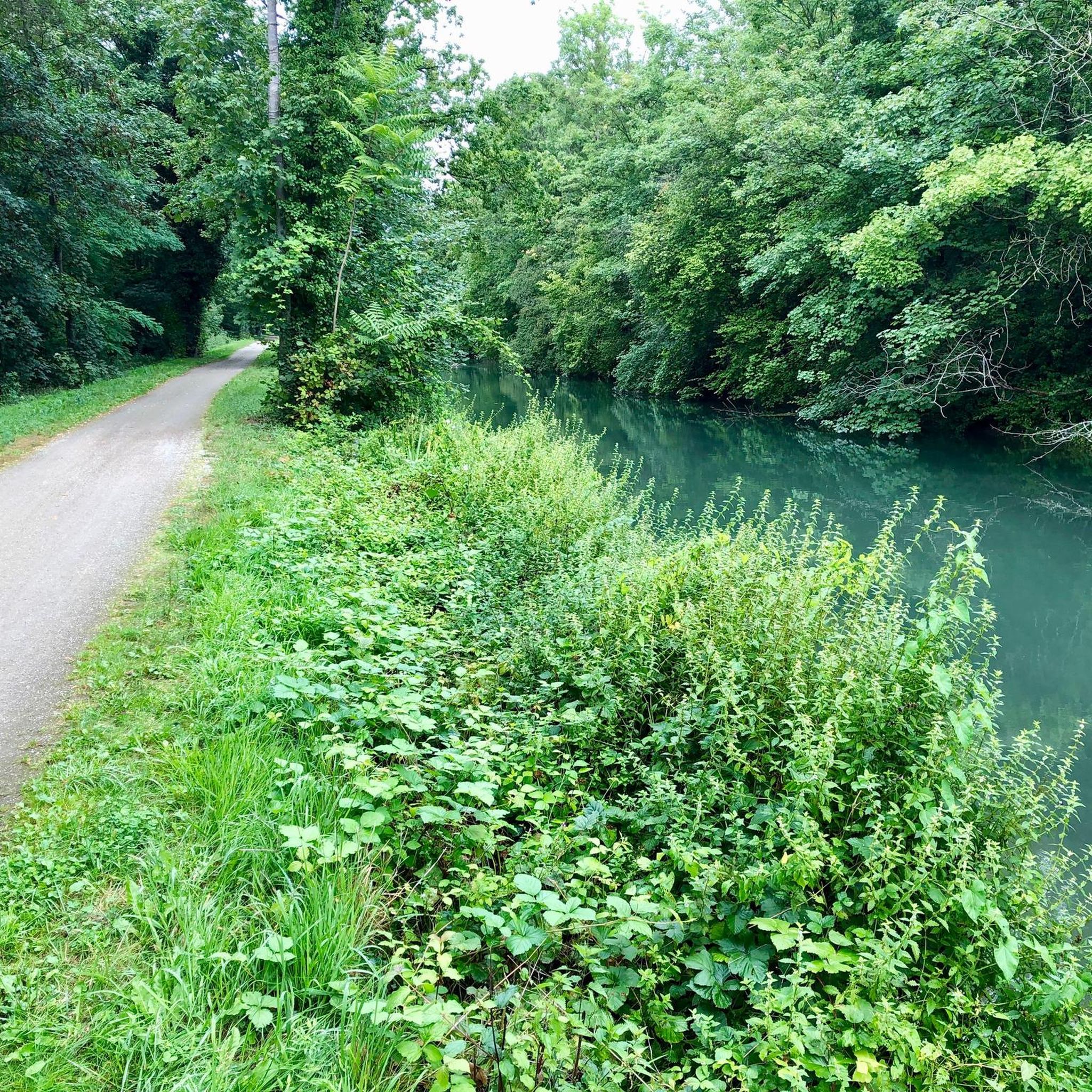
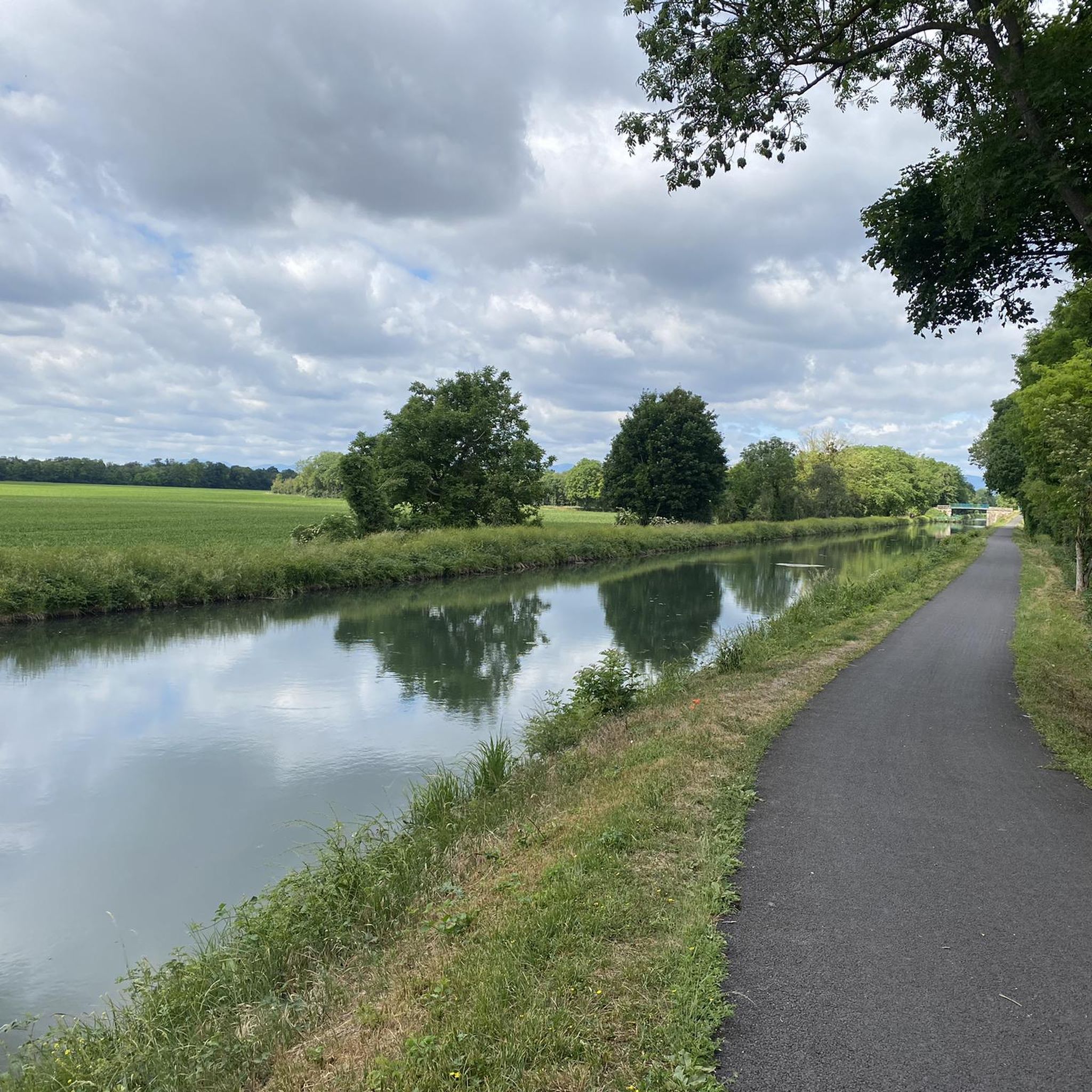
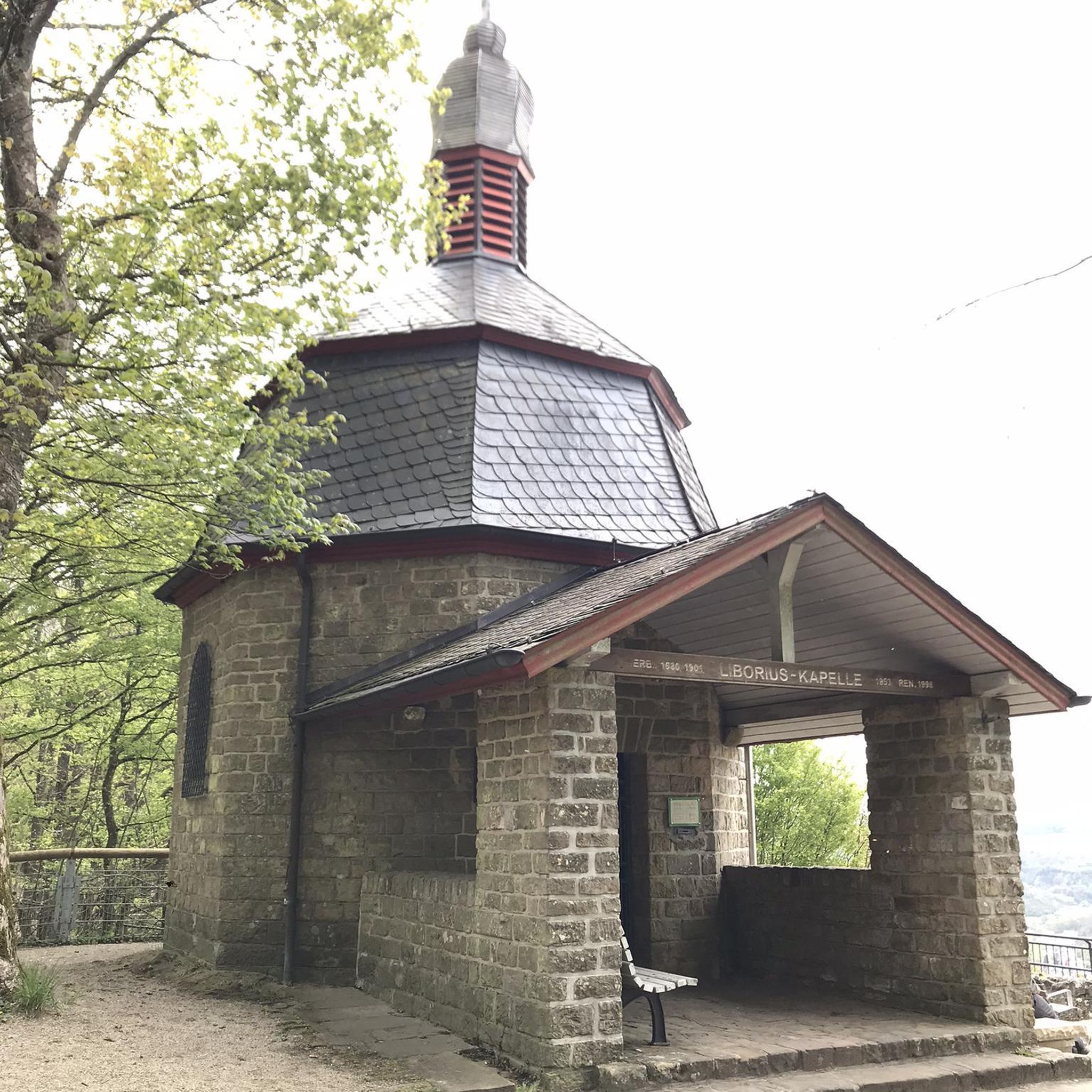
Tips from the Community

You can see my bike tour pictures and recommendations on instagram #bikers.ben
0
0

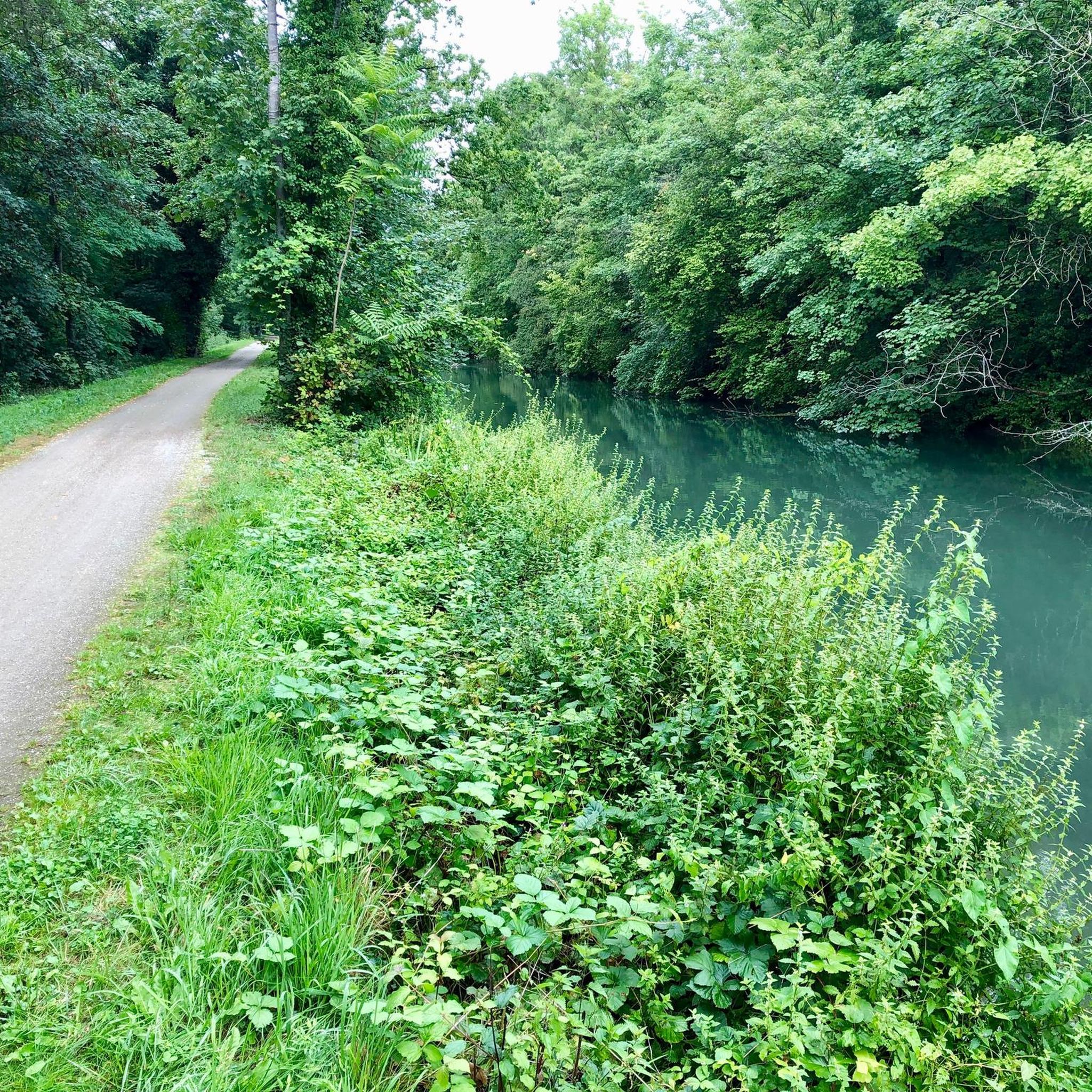
Be careful, the pavement feels like soap when it rains. In the end I had to get off because it was too slippery.
1
0

Nice rest area, nice view. Well attended.
0
0

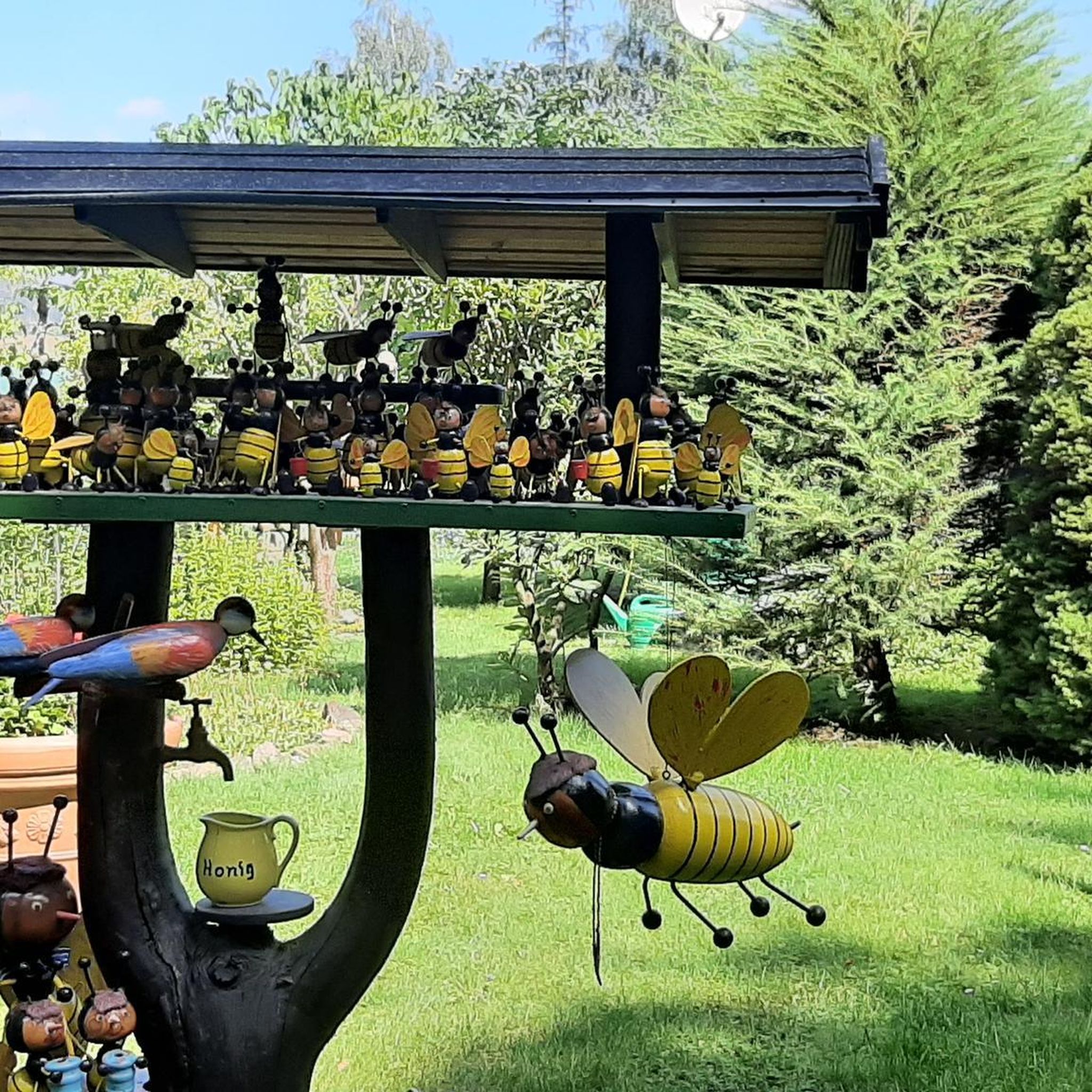
Insect hotel
0
1

The view from Münsterplatz is definitely worth a detour, especially at sunset in the summer months.
1
0


Pottery market Breisach
0
0

Castle type: hilltop castle, hilltop location Today: only remains of ruins Date of origin: before 1064, first documented mention in 1259 Not much is known for sure about the beginning of the castle complex on the Schlossberg. However, castles are said to have existed as early as 1064 when Achkarren was first mentioned in writing on the occasion of the transfer to the Ottmarsheim monastery by King Heinrich IV. These were then expanded several times in the following centuries. After the family castle of the Lords of Üsenberg, Üsenberg Castle on the Üsenberg near Breisach, was probably destroyed by the Breisach family in the 1240s, they are said to have made Höhingen Castle available to the Üsenbergers as a replacement. It was first explicitly mentioned in writing in 1259. Around 1353 the castle was briefly pledged to the Schnewlin im Hof. In 1392, Margrave Hesso von Hachberg bought Werner von Hornberg's share in Höhingen Castle, and he already owned the other part. In 1415 the castle, together with the Margraviate of Baden-Hachberg, came to Margrave Bernhard I of Baden, who bought it from Margrave Otto II of Hachberg, the last of this branch of Baden. Otto was allowed to use Höhingen Castle until the end of his life in 1418. ... After centuries of existence, the castle itself was burned down for the first time in May 1525 during the peasant uprising with the participation of Achkarr farmers. This made Höhingen Castle one of only two margravial castles destroyed by the peasants, although a number of them had been occupied by the peasants. Long-standing disputes between the village of Achkarren and the Margraves over the use of the forest are suspected to be the motive. The farmers later had to compensate Margrave Ernst I of Baden-Durlach for the damage. ... In 1620, Margrave Georg Friedrich von Baden-Durlach rebuilt the castle as a defensive structure and put it into a state of defense, since the events of the war in the Rhine Valley and the Breisach Fortress could be observed well from here. In a contemporary report from the mayor of Breisach to the imperial governor of the Austrian provinces in Waldshut, Höhingen Castle, often referred to as a castle, is described as follows: “Its position was excellent, as it stood in the middle of the mountain's crest on hard rock, which because of its height had difficult access, and could not be commanded from any of the surrounding places. The building was surrounded by strong masonry, on the one hand with a deep ditch, on the other hand it encountered an inaccessible praecipitium [= abyss], which is used from below for a stone pit. The castle had a good cistern.” In 1633 there was an attack from Breisach. The Imperial Catholic troops captured and sacked the castle currently held by the Swedes and supported by the Protestants of Ihring. According to records at the time, the spoils included around 15,000 liters of wine. Property of Ihringen citizens stored in the castle was also lost. There are even reports of the loss of 200 horses and 300 head of cattle, which allows conclusions to be drawn about the dimensions of the facility. After several subsequent disputes about the castle, it was finally set on fire by the now imperial garrison in 1638, when it could no longer be held militarily. (Excerpt from Wikipedia)
1
0
Frequently Asked Questions
What are some of the best viewpoints for panoramic views around Artzenheim?
While Artzenheim itself is at a low altitude, the surrounding Kaiserstuhl area and Vosges Mountains offer spectacular viewpoints. The Neunlinden Tower on the Totenkopf summit provides expansive panoramas of the Kaiserstuhl region, Black Forest, Vosges Mountains, and the Rhine plain. Another excellent spot is the Eichelspitz Tower, a 43-meter structure with a viewing platform offering magnificent views of the Kaiserstuhl landscape. For views of the Rhine valley and the Vosges, visit the Mondhalde Pavilion and Viewpoint.
Where can I find the highest mountain peaks in the region near Artzenheim?
The highest peaks in the broader region are found in the Vosges Mountains, which form the western boundary of the Upper Rhine Plain. The highest is Grand Ballon at 1,424 meters (4,672 feet), followed by Hohneck at 1,363 meters (4,472 feet). These peaks are popular for hiking and offer extensive views.
Are there any historical sites or landmarks associated with the peaks near Artzenheim?
Yes, for example, the Schlossberg Pavilion and the Höhingen Castle Ruins offer a blend of history and views. While only remnants of the former Höhingen Castle remain, the pavilion provides a great resting spot with fantastic overview of the Kaiserstuhl. The Neunlinden Tower itself, built in 1900, stands on a site where a Pauline monastery once existed.
What kind of hiking trails can I find near the mountain peaks around Artzenheim?
The region offers a variety of hiking experiences. For instance, the area around Neunlinden Tower is popular for hiking with various trails leading to the tower. The Totenkopf Summit, though wooded, can be reached via a narrow, steep path. You can explore more hiking options by checking out the hiking routes available in the area.
Are there family-friendly options for visiting mountain peaks or viewpoints?
Many of the viewpoints, like the Eichelspitz Tower, are accessible via steps, making them suitable for families who enjoy a moderate climb. The Mondhalde Pavilion and Viewpoint offers a covered resting place and seating, which is convenient for families. Always check the specific trail difficulty before heading out with children.
What outdoor activities, besides hiking, can I do near these mountain peaks?
The region around Artzenheim is excellent for various outdoor activities. You can find numerous road cycling routes, including easy loops like 'Breisach town centre – View of the Vosges loop from Jechtingen'. For mountain biking enthusiasts, there are MTB trails, such as the 'Rhine Cycle Path – Burkheim Gravel Lake loop'. Gravel biking is also popular, with routes like 'Beautiful cycle path along the canal – View of Burkheim Castle Ruins loop' available in the gravel biking guide.
What is the best time of year to visit the mountain peaks and viewpoints near Artzenheim?
The best time to visit is generally during spring, summer, and early autumn (April to October) when the weather is mild and trails are clear. This allows for the best visibility from viewpoints and comfortable hiking conditions. Winter can offer beautiful snowy landscapes, especially in the higher Vosges Mountains, but some trails might be challenging or inaccessible due to snow and ice.
Are there any challenging mountain trails for experienced hikers?
Yes, for those seeking a challenge, the Totenkopf Summit itself is described as having a 'very narrow, steep, unsigned path'. In the broader region, the Vosges Mountains offer more demanding trails, particularly around peaks like Grand Ballon and Hohneck. When exploring MTB trails, you can find 'difficult' rated routes such as 'View of Schelingen – Katharinenpfad loop from Burkheim-Bischoffingen' in the MTB Trails guide.
What natural features can I expect to see in the Artzenheim region's mountain areas?
Beyond the panoramic views from the peaks, you'll encounter diverse natural landscapes. The Kaiserstuhl region is known for its unique volcanic origins and vineyards, while the Vosges Mountains feature dense forests, high-altitude lakes, and alpine meadows. From viewpoints like Neunlinden Tower, you can observe the distinct geographical transition from the Rhine plain to the mountain ranges.
What do visitors enjoy most about the mountain peaks and viewpoints around Artzenheim?
Visitors consistently praise the breathtaking views and the opportunities for outdoor recreation. The Neunlinden Tower is highlighted for its 'fantastic view' of the Black Forest and Rhine. The Mondhalde Pavilion is cherished for its 'wonderful views of the Rhine valley and the Vosges'. The community has shared over 1100 photos and given more than 1600 upvotes for the various peaks and viewpoints, reflecting their popularity and scenic appeal.
Are there options for easy mountain hikes near Artzenheim?
While Artzenheim is flat, the surrounding areas offer accessible options. Many paths leading to viewpoints in the Kaiserstuhl, such as the approach to Neunlinden Tower, are considered pleasant hikes. For cycling, there are 'easy' rated road cycling routes like 'Breisach town centre – View of the Vosges loop from Jechtingen' in the Road Cycling Routes guide.
Can I reach any of the mountain peaks or viewpoints by public transport?
While direct public transport to the very top of every peak might be limited, many starting points for hikes in the Kaiserstuhl and Vosges regions are accessible by local buses or trains from larger towns. It's advisable to check local transport schedules for specific routes to trailheads or the base of popular viewpoints like those in the Kaiserstuhl area.
Most popular routes around Artzenheim
Most popular attractions around Artzenheim

Get inspired with the komoot mobile app


Explore more
See even more amazing summits around Artzenheim with these guides:
