The best cycling routes around Saint-Jean-D'Ormont
4.5
(209)
1,929
riders
222
rides
Touring cycling around Saint-Jean-D'Ormont features routes through the Vosges mountains, characterized by forested slopes, river valleys, and mountain passes. The terrain includes significant elevation changes, with many routes involving substantial climbs. This region offers a network of roads suitable for touring cyclists seeking varied challenges.
Best touring cycling routes around Saint-Jean-D'Ormont
- The most popular touring cycling route is Fraize Village Center – Col de Mandray loop from Communauté d'agglomération de Saint-Dié-des-Vosges, a 28.7 miles (46.2 km) trail that takes…
Last updated: June 21, 2026
3.4
(5)
21
riders
Hard bike ride. Very good fitness required. Mostly paved surfaces. Suitable for all skill levels.
18
riders
65.6km
04:23
1,020m
1,020m
Hard bike ride. Very good fitness required. Mostly paved surfaces. Suitable for all skill levels.

Sign up for free
4.0
(1)
14
riders
Moderate bike ride. Good fitness required. Mostly paved surfaces. Suitable for all skill levels.
5.0
(2)
8
riders
41.3km
02:55
750m
750m
Hard bike ride. Very good fitness required. Mostly paved surfaces. Suitable for all skill levels.
5.0
(1)
8
riders
Moderate bike ride. Good fitness required. Mostly paved surfaces. Suitable for all skill levels.
Get access to more routes and recommendations from other explorers.
Sign up for free
Already have an account?
Our route recommendations are based on thousands of hikes, rides, and runs completed by other people on komoot.
Start today with a free account
Your next adventure awaits.
Login or Signup
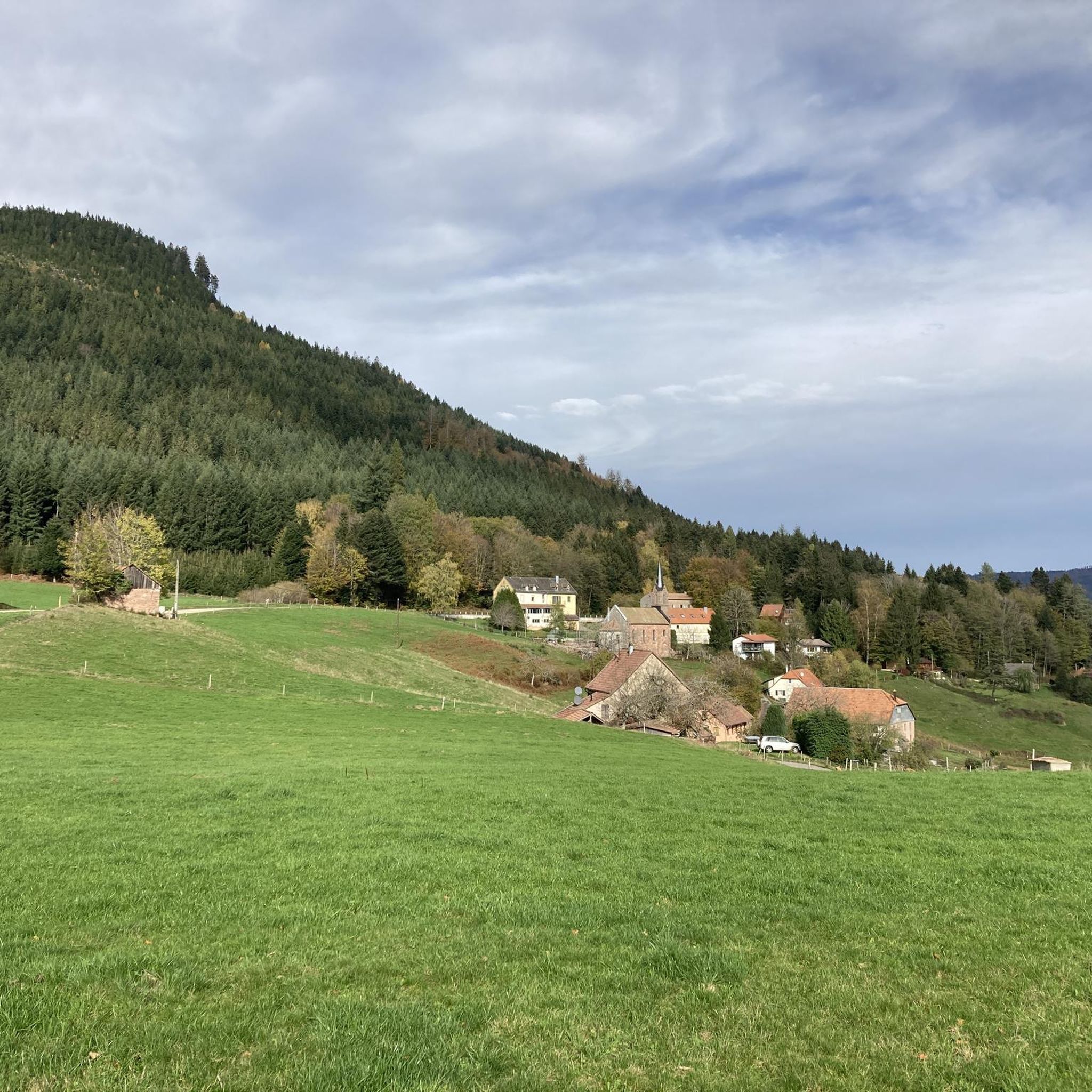
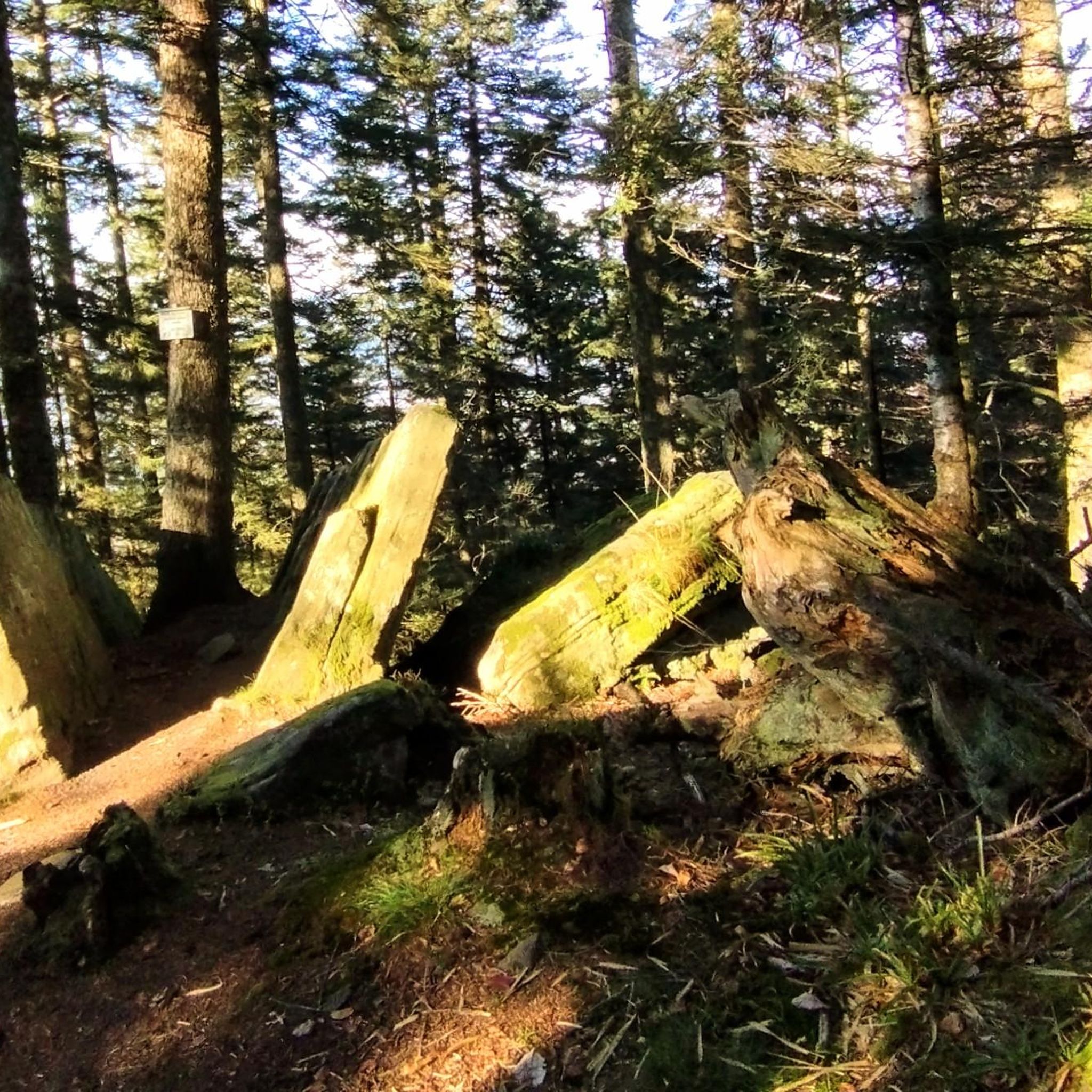

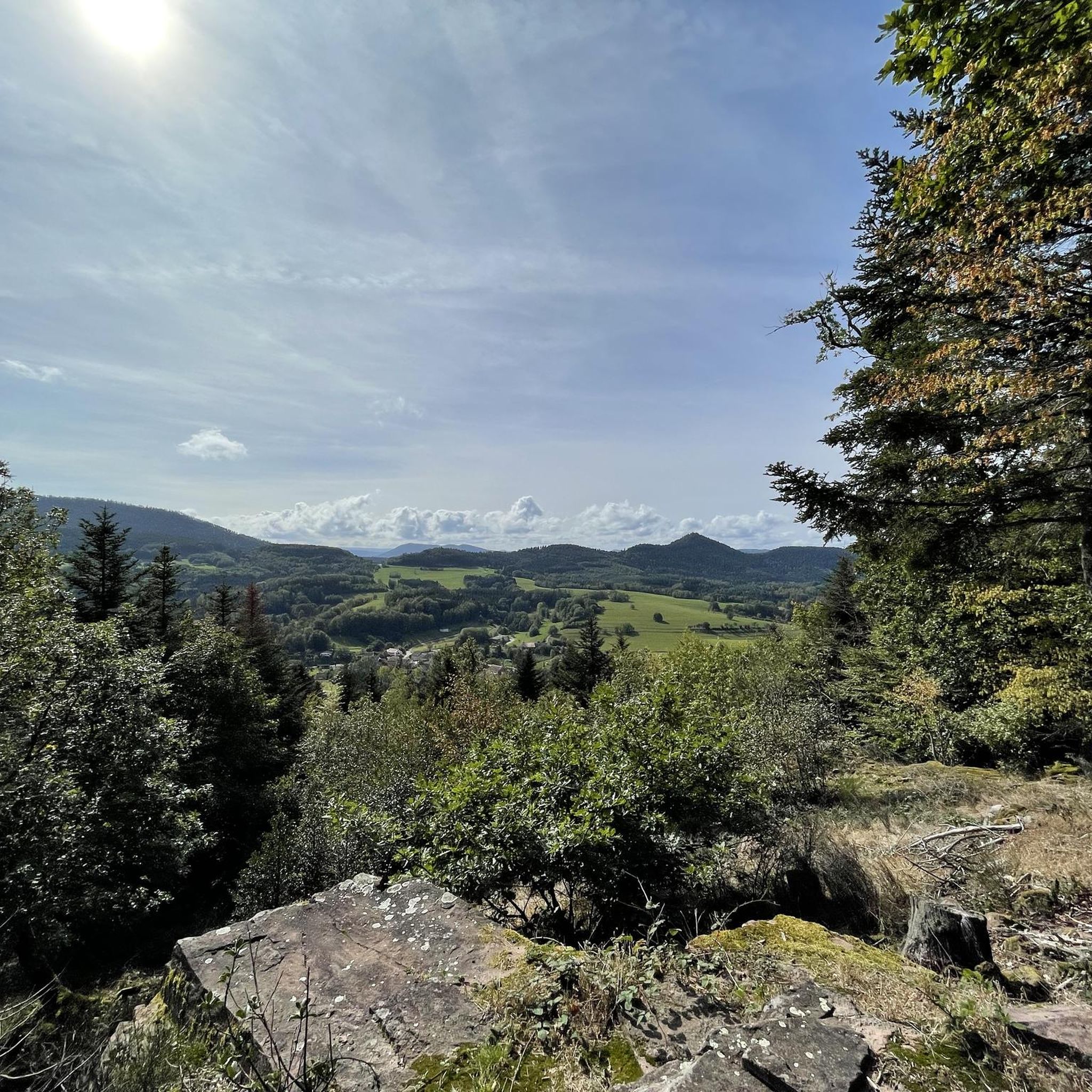

Tips from the Community

Beautiful route, pleasant but lots of bikers...
0
0

Nestled in a verdant valley, Saint-Dié-des-Vosges is a charming Vosges town with a rich historical and cultural heritage. Blending conviviality, culture, history, and nature, it appeals to both heritage enthusiasts and lovers of wide-open spaces.
0
0


The Combrimont town hall stands on the site where the former hamlet of Bonipaire was officially transformed into an independent municipality in 1848. The building is simple in design, in keeping with the rural character of the village, and together with the nearby Calvary cross it forms the symbolic heart of the community.
6
0
Originally built in the 12th century, this church was rebuilt and expanded in the 18th century. The square Romanesque bell tower was raised in 1712 and topped with a striking onion-shaped dome, built by Polish carpenters at the initiative of Stanislas Leszczyński, King of Poland and Duke of Lorraine. The church was badly damaged during WWI, but was restored in the 1920s. Inside, you will find stained glass windows by Frères Ott (Strasbourg) and murals in friezes. The church has been protected as a historical monument since 1995.
2
0
Historic village in the Vosges Ban-de-Sapt is located on a strategic height in the Vosges and was the scene of fierce fighting during WWI, especially around the côte 627. Today it is a peaceful place with a rich culture of remembrance. The Nécropole nationale de la Fontenelle, original trenches, a panoramic table and a rare steel observation capsule from WWI make the village a unique destination for those who want to combine nature and history.
7
0
This military cemetery at the top of Côte 627 commemorates the fierce battles of 1915 between French and German troops in the Vosges. The necropolis was built between 1921 and 1923 and contains 2,346 graves, 1,382 of which are in ossuaries. At its heart is a monumental memorial – a “phare” or lighthouse – designed by Émile Bachelet, visible from the entire valley. The site was strategically crucial: on 22 June 1915, German troops took the heights, but on 8 and 9 July the French recaptured the terrain.
8
0
This mountain pass in the Vosges connects the Fave and Hure valleys and is located between the villages of Le Beulay and La Petite-Fosse. During the First World War, the pass was strategically important: the Bayerische 39. Reserve-Division controlled the passage here with bunkers and trenches, remains of which are still visible today. The area is rich in relics such as machine gun bunkers, barbed wire posts and shelters from 1916. The pass is also popular with cyclists: the climb from Saint-Dié-des-Vosges is 10.6 km long with an average gradient of 2.9%. Along the way, you can enjoy peaceful forests, historical traces and views of the Spitzemberg and the Tête de Raves.
8
0
Frequently Asked Questions
How many touring cycling routes are available around Saint-Jean-D'Ormont?
There are over 220 touring cycling routes in the Saint-Jean-D'Ormont area, offering a wide range of options for different skill levels. You'll find approximately 30 easy routes, 66 moderate routes, and 130 difficult routes, primarily characterized by the challenging terrain of the Vosges mountains.
Are there any touring bike routes suitable for beginners or families in Saint-Jean-D'Ormont?
Yes, while many routes feature significant climbs, there are around 30 easy touring bike routes available. For a moderate option that's shorter and less demanding, consider the Usine Le Corbusier – Saint-Dié Cathedral loop from Communauté d'agglomération de Saint-Dié-des-Vosges, which is about 10.4 km long and takes less than an hour.
What are some challenging touring bike routes for experienced cyclists?
The region is known for its difficult routes through the Vosges mountains. For a significant challenge, try the Col de Steige – Urbeis Pass loop from La Chapelle, which covers 64.5 km and includes nearly 1000 meters of elevation gain. Another demanding option is the Fraize Village Center – Col de Mandray loop from Communauté d'agglomération de Saint-Dié-des-Vosges, a 46.2 km route with a notable climb over Col de Mandray.
Are there any circular touring bike routes in the Saint-Jean-D'Ormont area?
Many of the touring cycling routes around Saint-Jean-D'Ormont are designed as loops, allowing you to start and finish at the same point. Examples include the Sainte-Catherine Church – Turlupain Organic Bakery loop from Communauté d'agglomération de Saint-Dié-des-Vosges, a 56.7 km difficult route, or the Hantz Pass – Shaded bicycle path loop from Ban-de-Sapt, which is 41.2 km long.
What kind of scenery can I expect on touring bike routes in Saint-Jean-D'Ormont?
The routes primarily traverse the Vosges mountains, offering diverse scenery including dense forested slopes, picturesque river valleys, and challenging mountain passes. You'll experience significant elevation changes, providing panoramic views and a true mountain cycling experience.
What do other touring cyclists say about the routes in Saint-Jean-D'Ormont?
The touring cycling routes in Saint-Jean-D'Ormont are highly regarded by the komoot community, with an average rating of 4.6 stars from over 200 reviews. Cyclists often praise the challenging climbs, the beauty of the Vosges landscape, and the variety of terrain available.
Are there any scenic viewpoints or natural attractions along the touring bike routes?
Yes, the region offers several natural highlights and viewpoints. You might encounter places like Dry Fir Rock, La Roche Saint-Martin and View of Saint-Dié, or Roche d'Anozel, which offer stunning vistas of the surrounding Vosges landscape.
What historical sites or landmarks can be explored near the cycling routes?
The area is rich in history. You can visit sites such as the Saint-Dié Cathedral, the Trail of the Hamlets Fallen for France – La Fontenelle, or the La Bure Celtic Camp. The Franco-German Military Cemetery Bertrimoutier also offers a poignant historical stop.
What is the best season for touring cycling in Saint-Jean-D'Ormont?
The best seasons for touring cycling in the Vosges mountains are generally spring, summer, and early autumn. During these months, the weather is typically more favorable, and the mountain passes are clear of snow, allowing for full access to the region's diverse routes. Always check local weather forecasts before heading out, especially for higher elevations.
Are there options for food and drink along the touring routes?
While specific cafes and pubs are not listed for every route, the routes often pass through or near villages and towns in the Vosges region. These settlements typically offer opportunities to refuel, with local bakeries, cafes, and restaurants where you can enjoy regional specialties.
What should I wear for touring cycling in the Vosges mountains?
Given the significant elevation changes and mountain environment, it's advisable to dress in layers. Even in warmer months, temperatures can drop at higher altitudes or during descents. Waterproof and windproof outer layers are recommended, along with appropriate cycling gear for comfort and safety on varied terrain.
Is public transport available to access the touring bike trails in Saint-Jean-D'Ormont?
Public transport options in mountainous regions like the Vosges can be limited, especially for reaching specific trailheads directly. It's best to research local bus services or regional trains that might connect to larger towns near Saint-Jean-D'Ormont. However, many cyclists opt to drive to a starting point, as parking is often available in villages or designated areas.
Most popular routes around Saint-Jean-D'Ormont
Most popular attractions around Saint-Jean-D'Ormont

Get inspired with the komoot mobile app


Explore more
Browse the best Cycling routes in other regions.
