The best walks and hikes around Vallet
4.5
(1209)
6,018
hikers
328
hikes
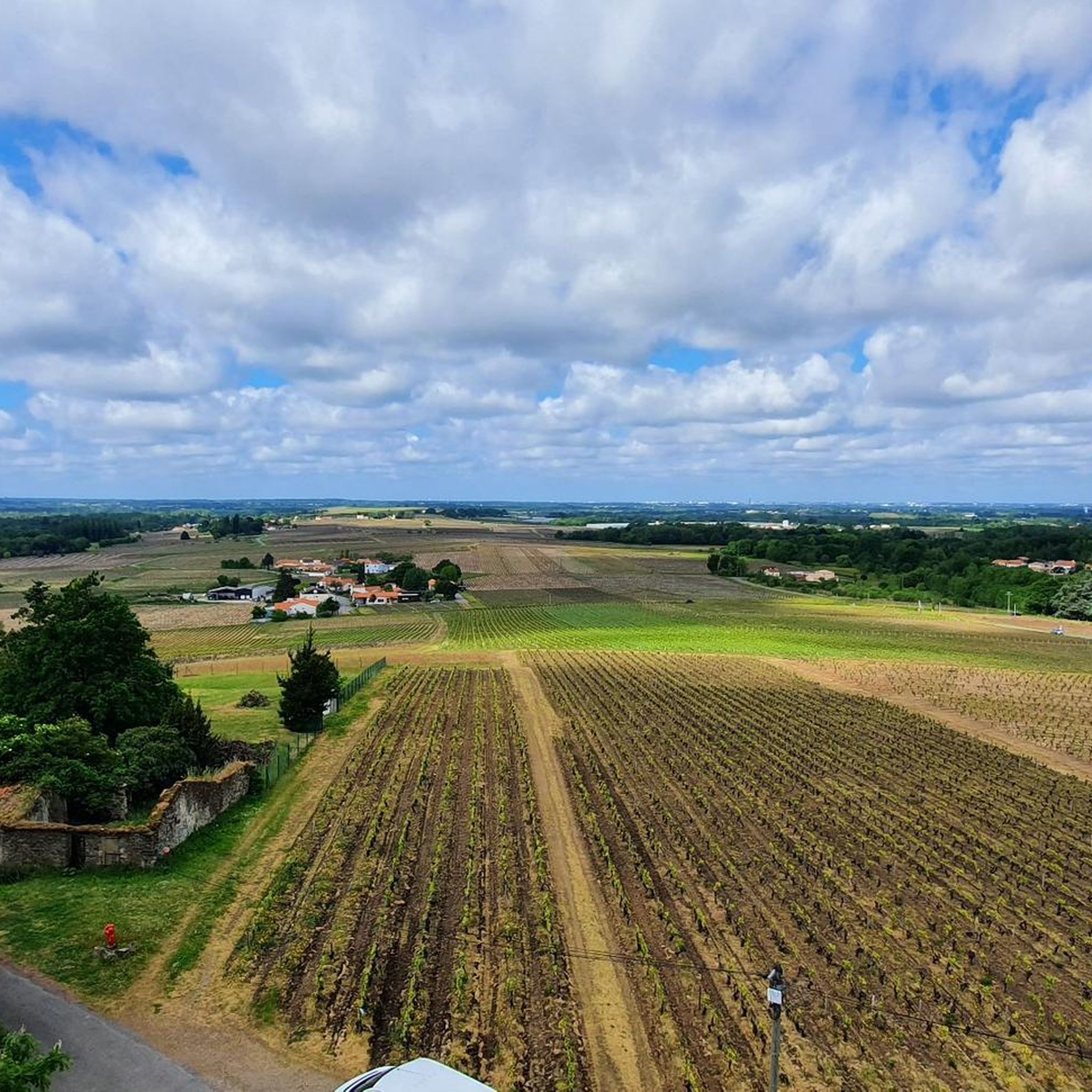
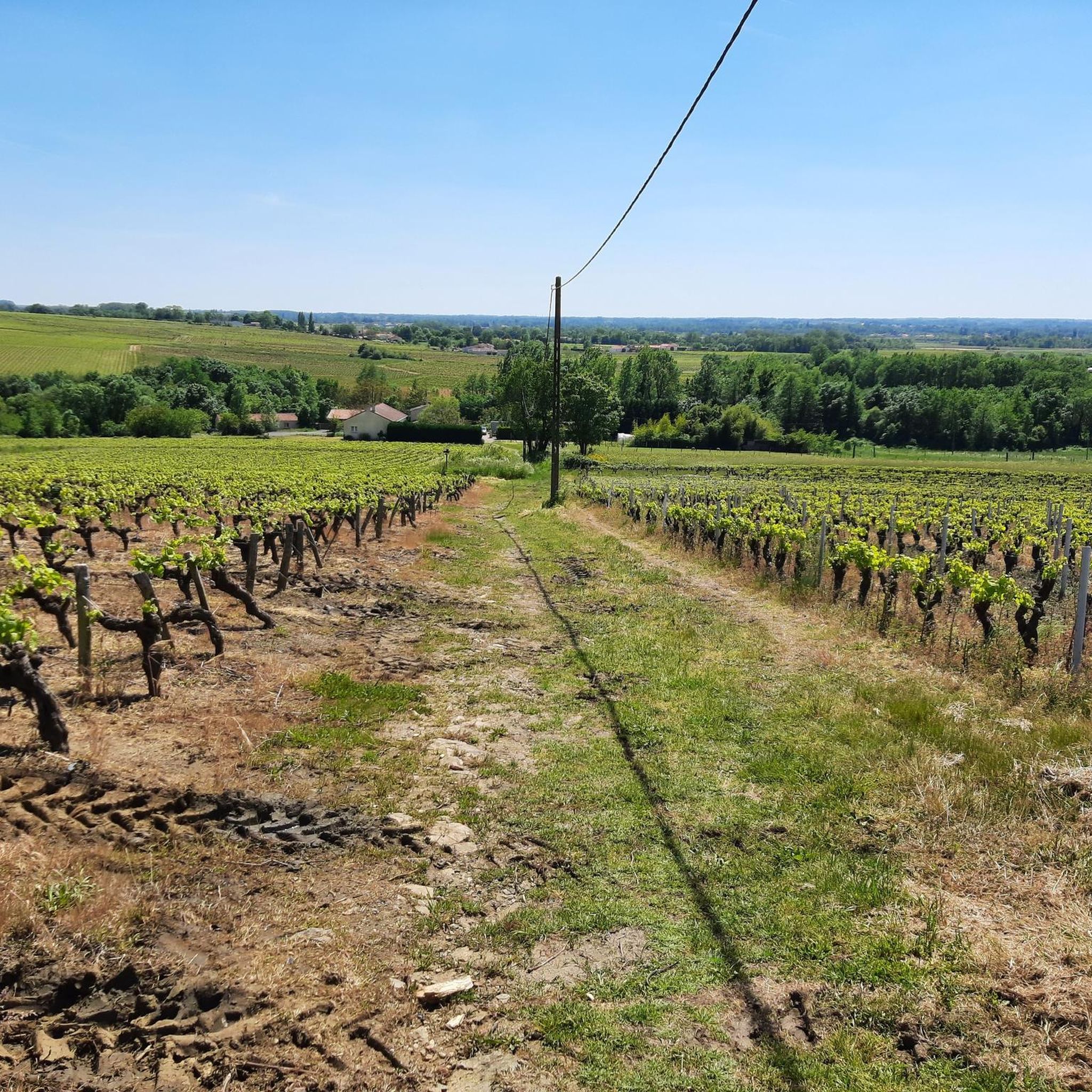
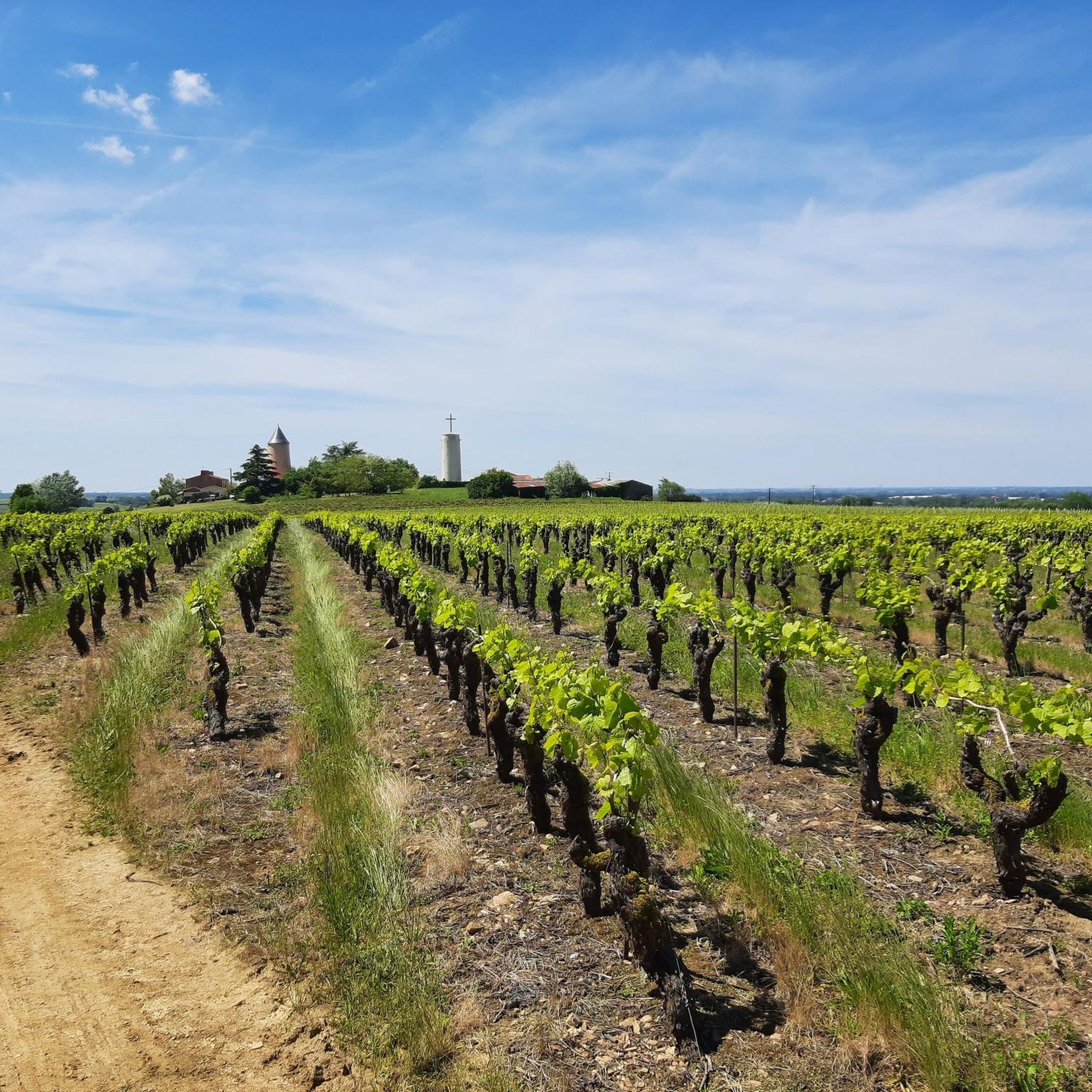
Hiking around Vallet offers trails through a landscape characterized by gentle terrain and historical features. The region often includes waterways and cultural landmarks, providing diverse walking experiences. These routes are generally accessible, with moderate elevation changes, making them suitable for various hiking abilities.
Best hiking trails around Vallet
- The most popular hiking route is Mouzillon Gallo-Roman Bridge loop from Mouzillon, a 7.7 miles (12.5 km) trail that takes 3 hours 18 minutes to complete. This moderate route features historical elements and scenic paths.
- Another top favourite among local hikers is Mouzillon Gallo-Roman Bridge loop from Le Coin, a moderate 7.5 miles (12.0 km) path. This trail also explores the area's historical bridge and surrounding natural scenery.
- Local hikers also love the Gallo-Roman bridge loop from Mouzillon, a 4.9 miles (7.8 km) trail leading through historical sites and local countryside, often completed in about 2 hours 5 minutes.
- Hiking around Vallet is defined by gentle countryside, historical landmarks, and local waterways. The network offers options for different ability levels, from easy walks to moderate excursions.
- The routes in Vallet are highly rated by the komoot community with an average score of 4.5 stars from over 1,100 reviews. More than 5,900 hikers have used komoot to explore Vallet's varied terrain.
Last updated: June 25, 2026
4.7
(10)
37
hikers
12.0km
03:13
140m
140m
Moderate hike. Good fitness required. Easily-accessible paths. Suitable for all skill levels.
4.8
(4)
21
hikers
11.5km
03:03
120m
120m
Moderate hike. Good fitness required. Easily-accessible paths. Suitable for all skill levels.

Sign up for free
5.0
(6)
18
hikers
10.9km
02:51
80m
80m
Moderate hike. Good fitness required. Easily-accessible paths. Suitable for all skill levels.
4.5
(2)
9
hikers
7.93km
02:07
90m
90m
Moderate hike. Good fitness required. Easily-accessible paths. Suitable for all skill levels.
5.0
(2)
11
hikers
Moderate hike. Good fitness required. Easily-accessible paths. Suitable for all skill levels.
Get access to more routes and recommendations from other explorers.
Sign up for free
Already have an account?
Our route recommendations are based on thousands of hikes, rides, and runs completed by other people on komoot.
Start today with a free account
Your next adventure awaits.
Login or Signup
Tips from the Community

The modest Chapel of Saint Anne is the last vestige of the parish church of Saint Vincent. In the second half of the 11th century, the Chapel of Saint Anne was built. It adjoins the southern flank of a pre-existing castle chapel, probably contemporary with the keep, which dates from the late 10th or early 11th century. At an undetermined date, the two chapels were extended westward and became the chevet of the parish church of Saint Vincent. This extension was completed before 1646, the date at which a drawing by L. Doomer, preserved at the Dobrée Museum in Nantes, shows the complete building. In 1683, Archdeacon Binet described the dilapidated Church of Saint Vincent and the choir on the verge of ruin. No one dared touch it because it belonged to the lord of La Galissonnière and Le Pallet. We can therefore assume that the nave itself belongs to the parish, which is responsible for its upkeep. The choir, a former castle chapel, disappeared during the Revolution. The old church was razed in 1853, and only the Sainte-Anne chapel was spared thanks to the intervention of Prosper Mérimée. A new church was built on a new site in the village, reusing the stones from the old building. In addition to its dilapidated condition, the old church had the disadvantage of being located far from the village. The chapel was listed as a historical monument in 1941 (decree of August 9). It was restored in 1957. NOTE: THE CHURCH HAS BEEN CLOSED SINCE JULY 23, 2018, FOR INDEFINITE WORK.
1
0


The so-called "Gallo-Roman" bridge was a stage on the Celtic road Rouen-Ancenis-Bordeaux. It is sometimes called the Gallo-Roman bridge or the Julius Caesar bridge on the pretext that the Roman general would have used a bridge prior to this one, intended only for pedestrians. However, during work carried out in 2017, the architect of Historical Monuments and that of Buildings of France called on a historian and the so-called Gallo-Roman bridge is rather attested as a bridge from the early Middle Ages. Remains of a Roman road nearby, as well as the materials used, wrongly gave its name to this bridge which, according to the results of this historical study, does not date from the Roman era, but is much more recent. It would in fact date from the Romanesque era (7th century). It has four unequal arches. Each pier is flanked by a spur. Downstream, this spur does not rise to the deck; it rises above it, which gives it a very particular appearance and makes it unique in the west. It was partly restored in the Middle Ages. An ogival arch is proof of this. It was listed in the inventory of Historic Monuments by decree dated May 14, 1925. Following floods that weakened it in 2014-2015, it was completely restored in 2018 and now allows a gentle connection with a pedestrian and secure crossing. https://www.levignobledenantes-tourisme.com/patrimoine-culturel/pont-gallo-romain/
1
0

19th century Italianate style castle, built by a student of Lemot, the famous architect from Clisson.
1
0
Behind the chapel are the ruins of the dungeon where Héloïse and Abélard once lived.
3
0
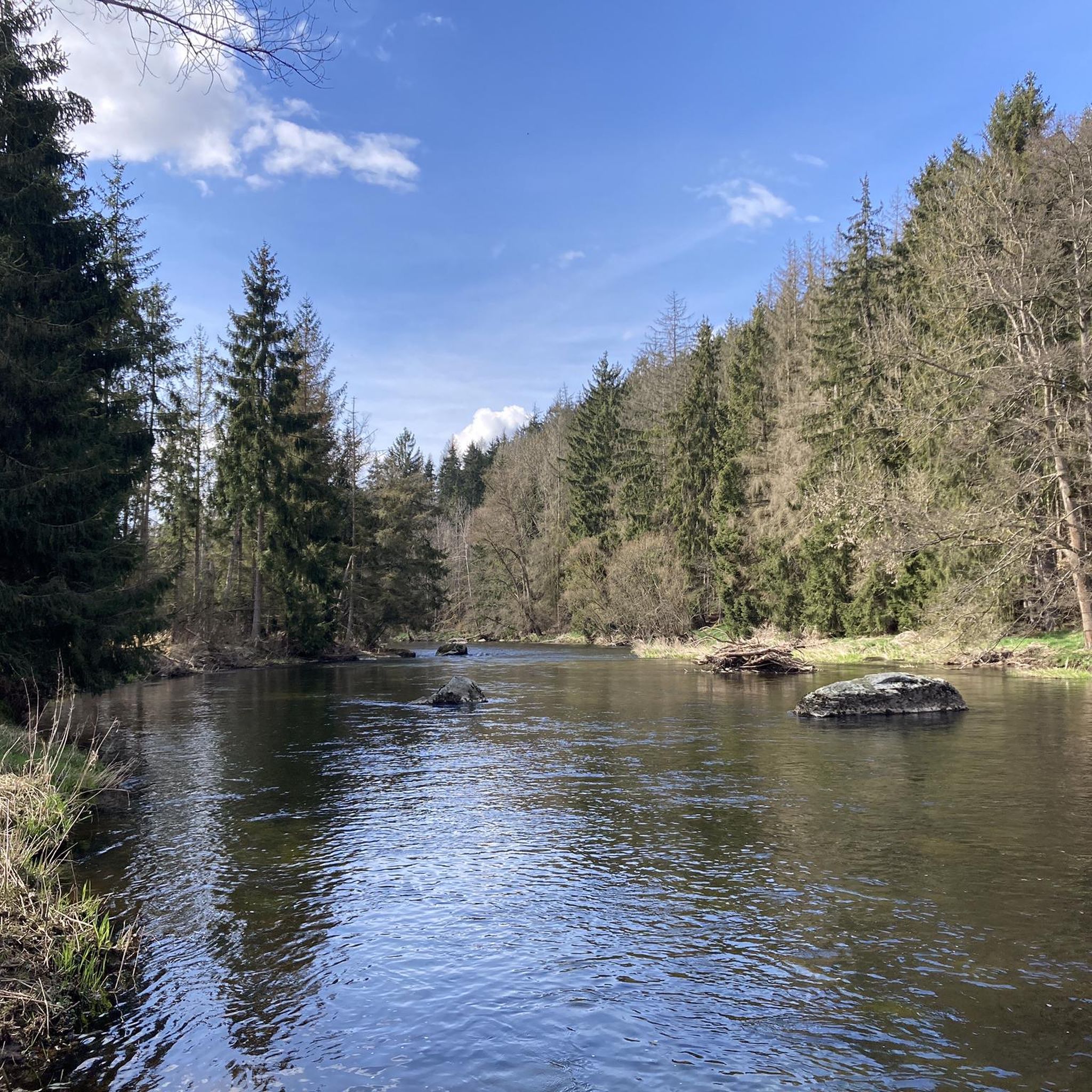
Former sawmill on the banks of the Sanguèze, a tributary of the Sèvre. Apparently a place of habitation nowadays.
2
1
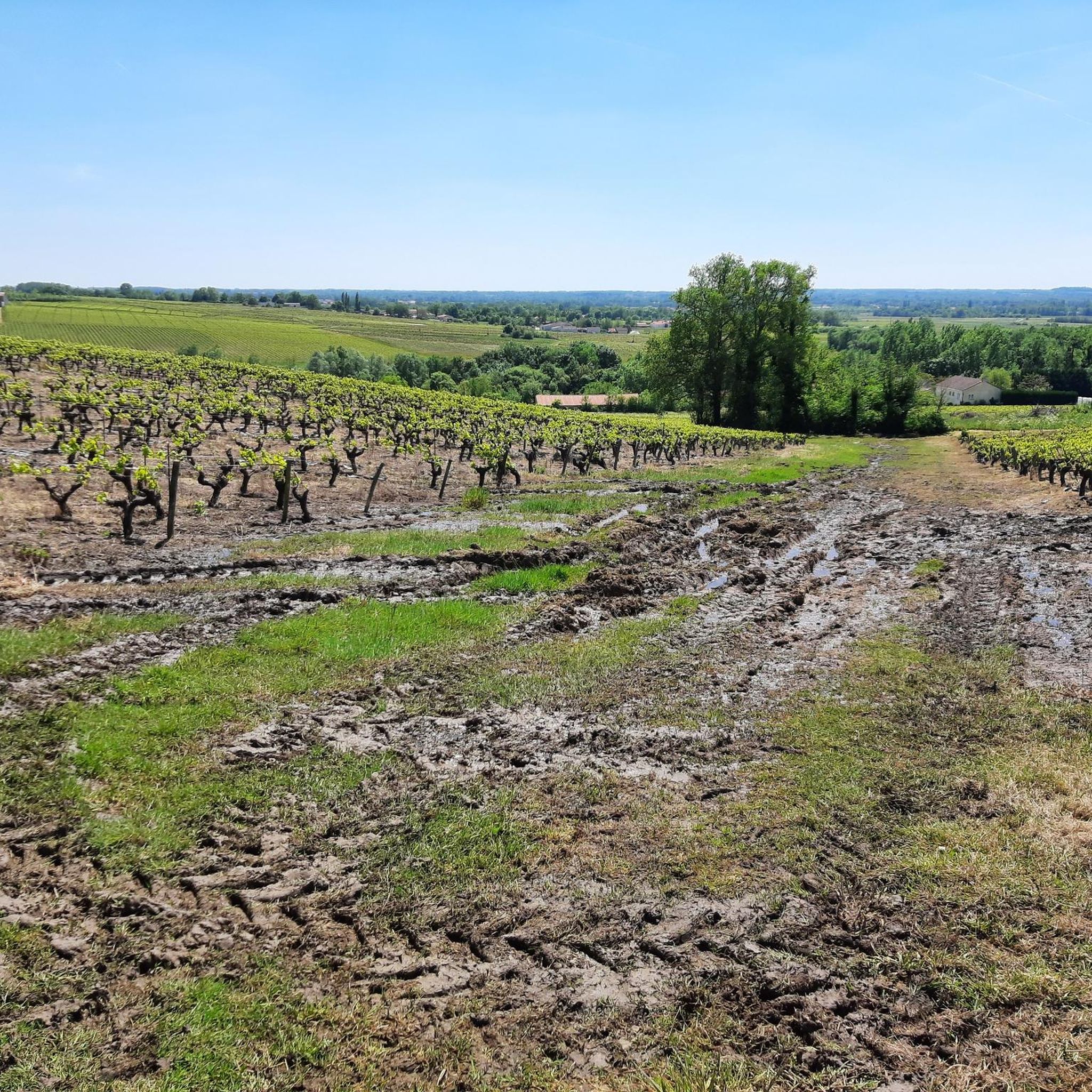
The museum park also serves as a conservatory of old or forgotten grape varieties.
1
0
This beautiful Roman bridge over the Sanguèze, also called the Julius Caesar Bridge, in its current state actually dates from the Middle Ages.
1
0
Frequently Asked Questions
How many hiking trails are there around Vallet?
Vallet offers a wide range of hiking opportunities, with over 300 trails available. These include 124 easy routes, 177 moderate routes, and 11 more challenging options, ensuring there's something for every skill level.
What kind of terrain can I expect on hikes in Vallet?
Hiking around Vallet is characterized by gentle terrain, often featuring waterways and cultural landmarks. The routes generally have moderate elevation changes, making them accessible for various hiking abilities. You'll find diverse landscapes, from open countryside to paths alongside rivers like the Sanguèze.
Are there any historical landmarks to see while hiking in Vallet?
Yes, Vallet is rich in historical features. Many routes incorporate significant landmarks, such as the Gallo-Roman Bridge. You can explore this historical site on trails like the Mouzillon Gallo-Roman Bridge loop from Mouzillon or the Gallo-Roman bridge loop from Mouzillon. Additionally, you might encounter other historical sites and local countryside along these paths.
What do other hikers enjoy most about the trails in Vallet?
The hiking trails in Vallet are highly rated by the komoot community, with an average score of 4.5 stars from over 1,100 reviews. Hikers often praise the gentle countryside, the presence of historical landmarks, and the scenic paths along local waterways, which provide diverse and engaging experiences.
Are there any circular walks available in Vallet?
Yes, many of the trails around Vallet are designed as loops, offering convenient circular walks. Examples include the Mouzillon Gallo-Roman Bridge loop from Le Coin and the Sainte-Anne Chapel – Lovely stretch along the Sanguèze loop from Mouzillon, which allow you to start and end at the same point.
Can I find trails that pass by natural monuments or viewpoints?
Absolutely. The Vallet region features several natural monuments and scenic viewpoints. For instance, you can discover highlights like the Butte de la Roche or the unique Leaning Stone Pine of Rue de la Collégiale. There's also the Picture frame by Emmanuel Ritz, which offers a great photo opportunity.
Are there any castles or historic buildings to explore near the hiking routes?
Yes, the area around Vallet is home to several historic castles. You can visit the impressive Château de Clisson or the charming Château de la Noé de Bel-Air in Vallet. These historical sites add a cultural dimension to your hiking experience.
Are there any trails that feature lakes or ponds?
Yes, some routes in the Vallet area will lead you past picturesque bodies of water. A notable spot is the Claude Dupas Pond, which can offer a tranquil setting for a break during your hike.
Are there any longer, more challenging hikes in Vallet?
While Vallet is known for its gentle terrain, there are longer moderate options for those looking for a more extended walk. The Hellfest Rock City – Hellfest loop from Mouzillon is one of the longer routes, covering 17 kilometers, offering a good distance for a moderate excursion.
What is the best time of year to go hiking in Vallet?
Valleys, like the region around Vallet, generally offer pleasant hiking conditions throughout much of the year. Spring and autumn provide mild temperatures and beautiful scenery, with blooming wildflowers or vibrant fall foliage. Summer is also suitable, especially for waterside hikes, while winter can offer a unique, serene experience, though some paths might be muddy.
Are there any trails that follow rivers or streams?
Many valleys are defined by their waterways, and Vallet is no exception. You can find routes that follow local rivers and streams, such as the Sainte-Anne Chapel – Lovely stretch along the Sanguèze loop from Mouzillon, which offers a lovely walk along the Sanguèze river.
Most popular attractions around Vallet

Get inspired with the komoot mobile app


Explore more
Browse the best Hikes in other regions.
