The best walks and hikes around Mouzillon
4.6
(1086)
5,363
hikers
17
hikes
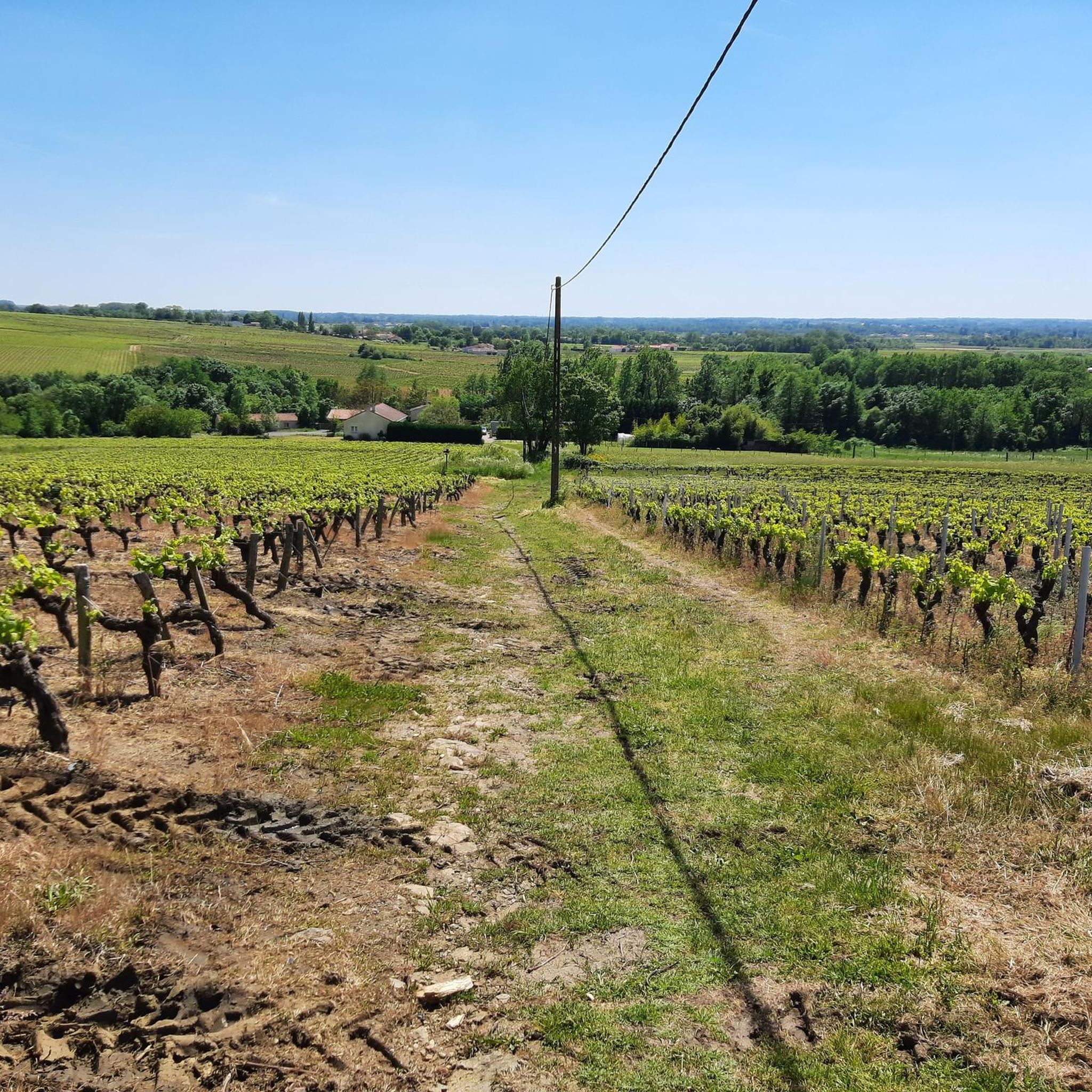
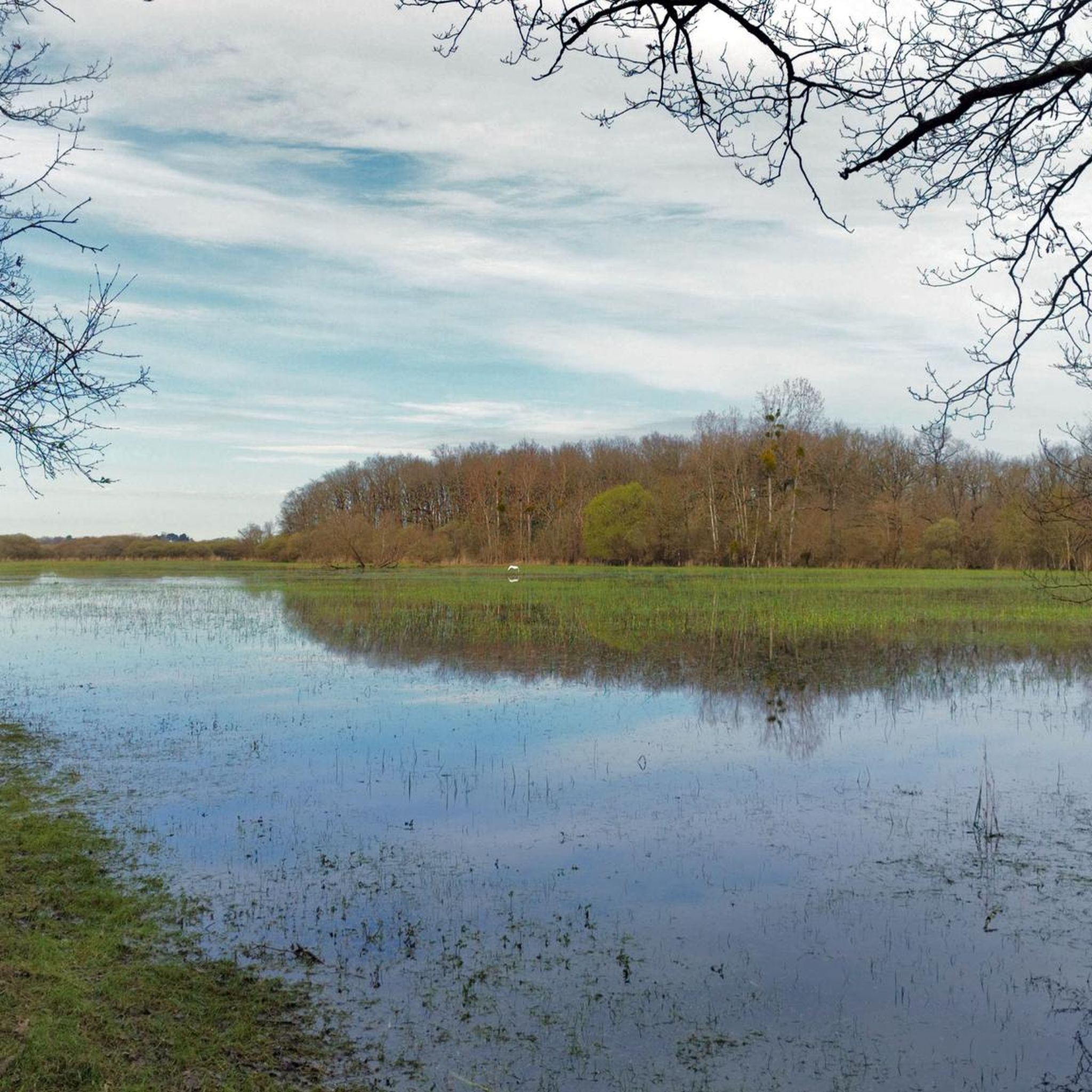
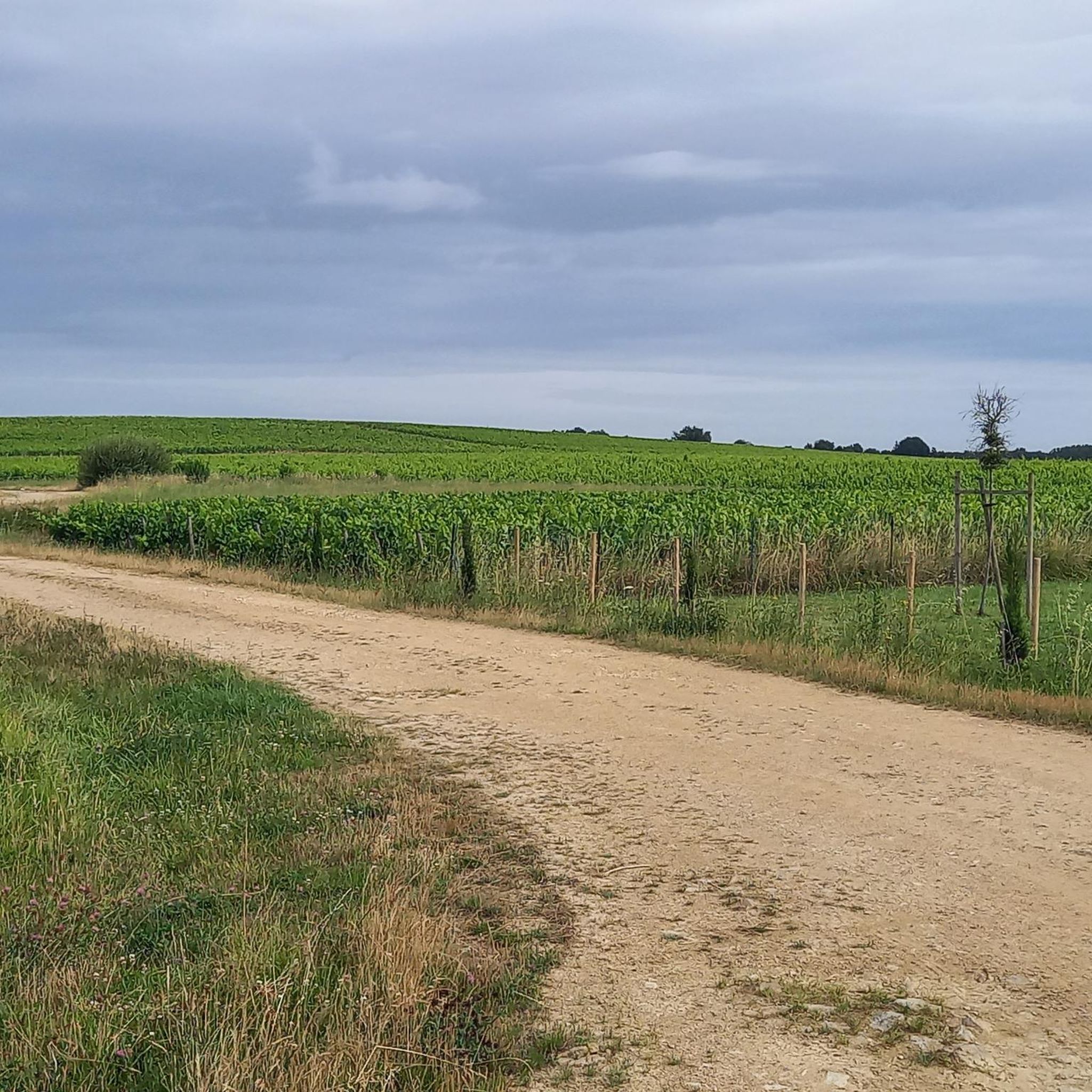
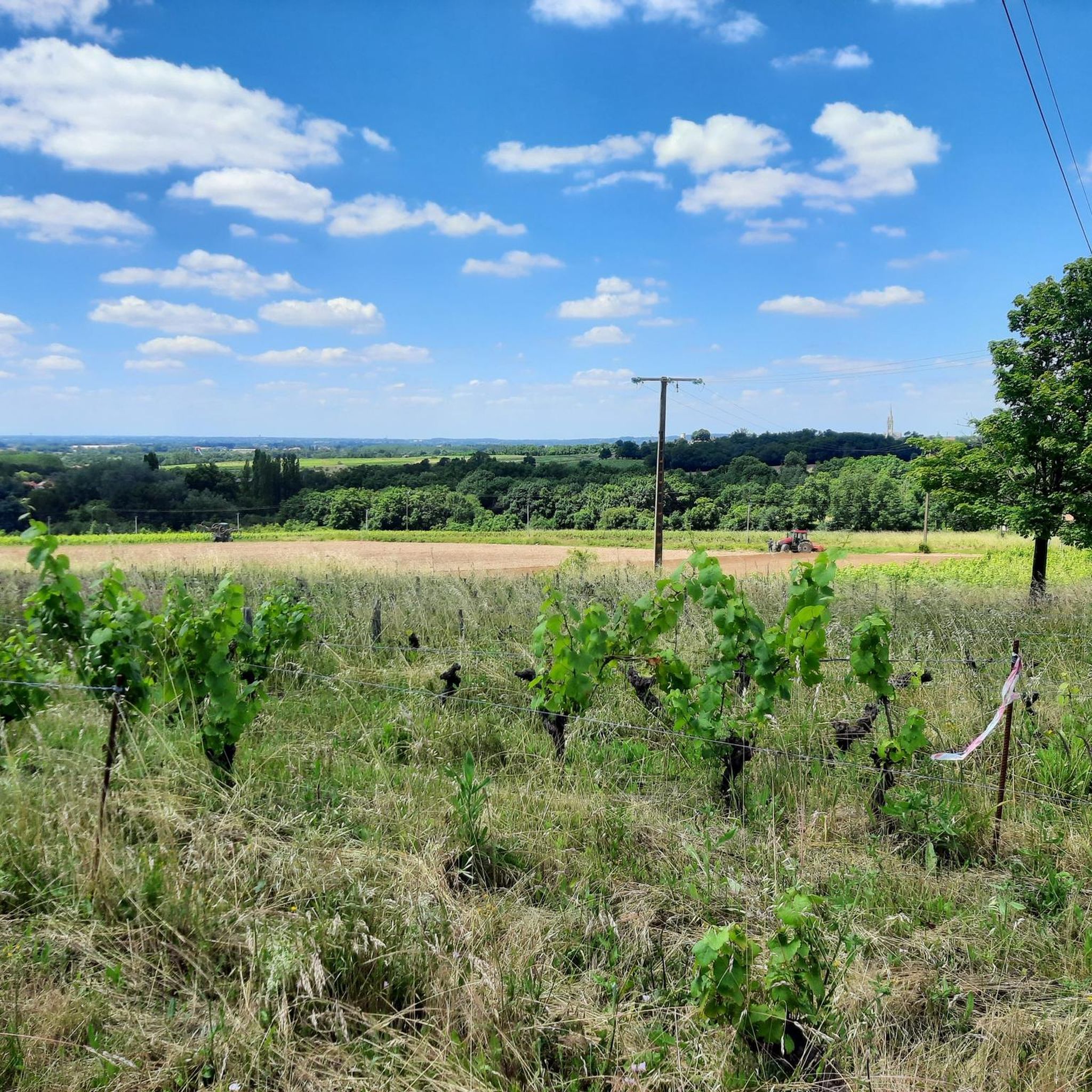
Hiking around Mouzillon offers diverse landscapes characterized by rolling vineyards, hedged farmland, and varied natural environments. The region features hilly terrain with paths winding through wine-growing areas and alongside riverine sections, notably the Sanguèze river. These trails provide a mix of open vineyard views and shaded wooded areas, contributing to a varied hiking experience. The area's geology, influenced by the Sèvre and Maine rivers, includes diverse soils and interesting features.
Best hiking trails around Mouzillon
- The most popular hiking route…
Last updated: June 25, 2026
4.5
(2)
19
hikers
9.17km
02:23
50m
50m
Moderate hike. Good fitness required. Easily-accessible paths. Suitable for all skill levels.
4.5
(2)
9
hikers
7.93km
02:07
90m
90m
Moderate hike. Good fitness required. Easily-accessible paths. Suitable for all skill levels.

Sign up for free
5.0
(2)
11
hikers
Moderate hike. Good fitness required. Easily-accessible paths. Suitable for all skill levels.
8
hikers
Moderate hike. Good fitness required. Easily-accessible paths. Suitable for all skill levels.
5.0
(4)
6
hikers
11.8km
03:07
100m
100m
Moderate hike. Good fitness required. Easily-accessible paths. Suitable for all skill levels.
Get access to more routes and recommendations from other explorers.
Sign up for free
Already have an account?
Our route recommendations are based on thousands of hikes, rides, and runs completed by other people on komoot.
Start today with a free account
Your next adventure awaits.
Login or Signup
Tips from the Community

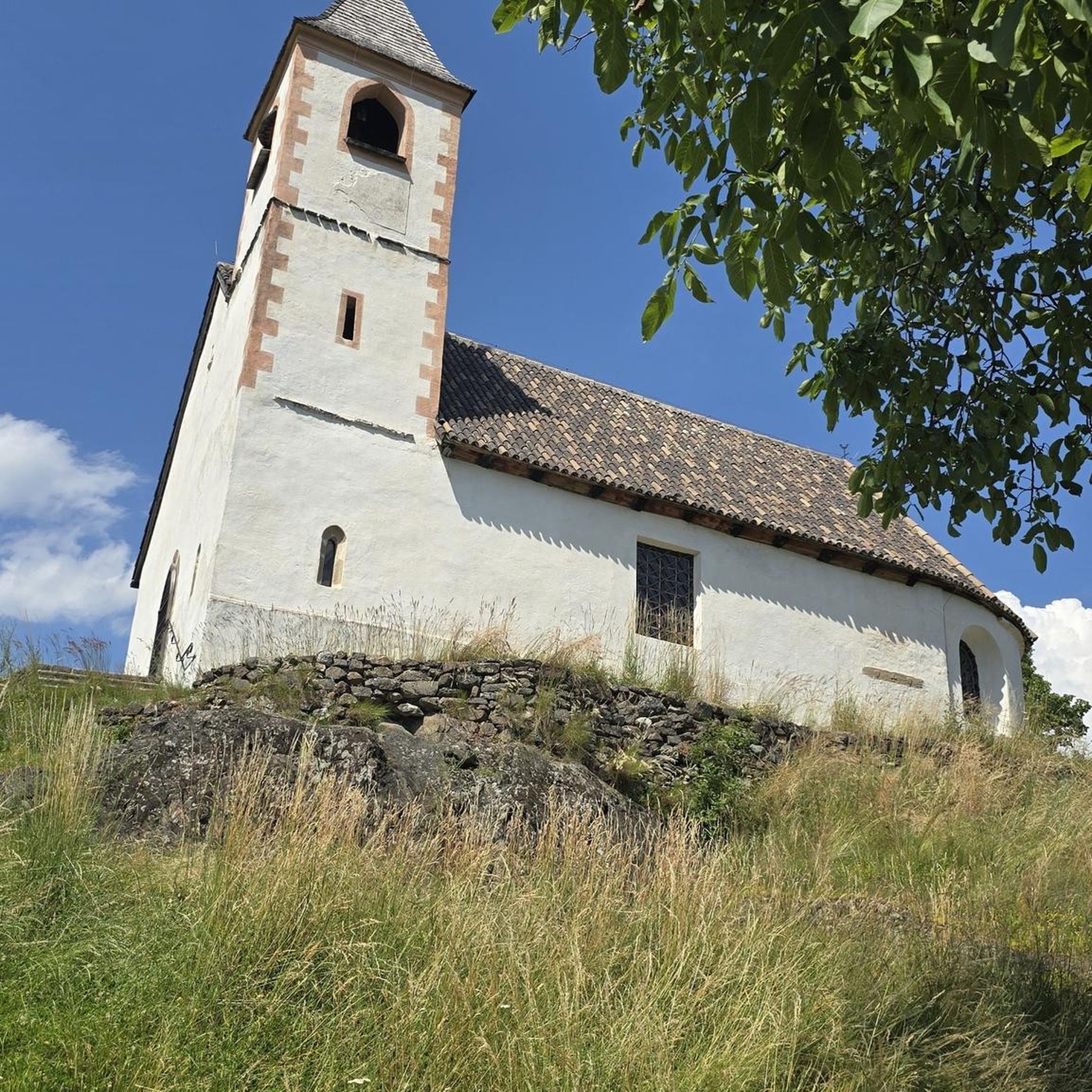
The modest Chapel of Saint Anne is the last vestige of the parish church of Saint Vincent. In the second half of the 11th century, the Chapel of Saint Anne was built. It adjoins the southern flank of a pre-existing castle chapel, probably contemporary with the keep, which dates from the late 10th or early 11th century. At an undetermined date, the two chapels were extended westward and became the chevet of the parish church of Saint Vincent. This extension was completed before 1646, the date at which a drawing by L. Doomer, preserved at the Dobrée Museum in Nantes, shows the complete building. In 1683, Archdeacon Binet described the dilapidated Church of Saint Vincent and the choir on the verge of ruin. No one dared touch it because it belonged to the lord of La Galissonnière and Le Pallet. We can therefore assume that the nave itself belongs to the parish, which is responsible for its upkeep. The choir, a former castle chapel, disappeared during the Revolution. The old church was razed in 1853, and only the Sainte-Anne chapel was spared thanks to the intervention of Prosper Mérimée. A new church was built on a new site in the village, reusing the stones from the old building. In addition to its dilapidated condition, the old church had the disadvantage of being located far from the village. The chapel was listed as a historical monument in 1941 (decree of August 9). It was restored in 1957. NOTE: THE CHURCH HAS BEEN CLOSED SINCE JULY 23, 2018, FOR INDEFINITE WORK.
1
0


The so-called "Gallo-Roman" bridge was a stage on the Celtic road Rouen-Ancenis-Bordeaux. It is sometimes called the Gallo-Roman bridge or the Julius Caesar bridge on the pretext that the Roman general would have used a bridge prior to this one, intended only for pedestrians. However, during work carried out in 2017, the architect of Historical Monuments and that of Buildings of France called on a historian and the so-called Gallo-Roman bridge is rather attested as a bridge from the early Middle Ages. Remains of a Roman road nearby, as well as the materials used, wrongly gave its name to this bridge which, according to the results of this historical study, does not date from the Roman era, but is much more recent. It would in fact date from the Romanesque era (7th century). It has four unequal arches. Each pier is flanked by a spur. Downstream, this spur does not rise to the deck; it rises above it, which gives it a very particular appearance and makes it unique in the west. It was partly restored in the Middle Ages. An ogival arch is proof of this. It was listed in the inventory of Historic Monuments by decree dated May 14, 1925. Following floods that weakened it in 2014-2015, it was completely restored in 2018 and now allows a gentle connection with a pedestrian and secure crossing. https://www.levignobledenantes-tourisme.com/patrimoine-culturel/pont-gallo-romain/
1
0

Behind the chapel are the ruins of the dungeon where Héloïse and Abélard once lived.
3
0
Former sawmill on the banks of the Sanguèze, a tributary of the Sèvre. Apparently a place of habitation nowadays.
2
1
The museum park also serves as a conservatory of old or forgotten grape varieties.
1
0
This beautiful Roman bridge over the Sanguèze, also called the Julius Caesar Bridge, in its current state actually dates from the Middle Ages.
1
0

One of the oldest properties in Sèvre et Moine in the heart of the Muscadet vineyards
0
0
Frequently Asked Questions
How many hiking trails are available around Mouzillon?
There are over 15 hiking trails around Mouzillon, offering diverse experiences through vineyards, hedged farmland, and riverine environments. The komoot community has rated these routes highly, with an average score of 4.6 stars.
What kind of terrain can I expect on hikes in Mouzillon?
Hikes in Mouzillon feature varied terrain, including rolling vineyards, hedged farmland, and wooded sections, particularly along the Sanguèze river. The area is characterized by a hilly topography, with paths winding through wine-growing areas and offering attractive viewpoints.
Are there any easy or beginner-friendly hiking routes in Mouzillon?
Yes, Mouzillon offers several routes suitable for beginners or those looking for an easier walk. Out of the 19 available trails, 6 are classified as easy, providing accessible options to enjoy the region's landscapes.
Are there any circular hiking routes around Mouzillon?
Many of the trails in Mouzillon are circular, allowing you to start and end at the same point. For example, the Sainte-Anne Chapel – Lovely stretch along the Sanguèze loop from Mouzillon is a moderate 12.9 km circular route that takes you through diverse scenery.
What natural features or landmarks can I see while hiking in Mouzillon?
While hiking, you'll encounter picturesque vineyards, the Sanguèze river, and wooded areas. The region's geology, influenced by the Sèvre and Maine rivers, also presents interesting features. You can also explore historical sites like the Gallo-Roman bridge, featured on routes such as the Mouzillon Gallo-Roman Bridge loop from Mouzillon.
Are there any castles or historical sites near Mouzillon that I can visit?
Yes, Mouzillon is a great base for exploring nearby historical sites. Just 6 km away is the historic town of Clisson, home to the impressive Château de Clisson. Other castles like La Preuille Castle and Château de la Noé de Bel-Air in Vallet are also within reasonable distance.
Are the hiking trails in Mouzillon suitable for families with children?
Many of Mouzillon's trails are suitable for families, especially the easier routes. The varied landscapes of vineyards and wooded paths offer an engaging environment for children to explore. Consider routes with shorter distances and less elevation gain for younger hikers.
What is the best time of year to go hiking in Mouzillon?
The Vignoble Nantais region, including Mouzillon, is enjoyable for hiking throughout much of the year. Spring and autumn offer pleasant temperatures and beautiful scenery, with vineyards changing colors. Summer can also be good, especially on routes with shaded wooded sections.
Are there any specific viewpoints or panoramic spots along the trails?
Due to the hilly terrain and rolling vineyards, many circuits offer attractive viewpoints. The Picture frame by Emmanuel Ritz is a notable viewpoint in the area, offering scenic vistas of the surrounding landscape.
Where can I find parking for hiking trails in Mouzillon?
Most hiking routes in Mouzillon, especially those starting from the village or specific points like La Morandière, typically have designated or informal parking areas nearby. It's advisable to check the starting point of your chosen route for specific parking information.
Can I combine hiking with other activities like wine tasting in Mouzillon?
Absolutely. Mouzillon is nestled in the heart of the Nantes vineyards, making it an ideal location to combine hiking with wine-tasting experiences. Many trails wind directly through vineyards, offering opportunities to visit local estates.
What do other hikers enjoy most about hiking in Mouzillon?
The komoot community highly rates hiking in Mouzillon, with an average score of 4.6 stars from over 900 reviews. Hikers often praise the diverse landscapes, the picturesque vineyard views, the peaceful riverine sections, and the well-maintained paths that make for an enjoyable experience.
Most popular routes around Mouzillon
Most popular attractions around Mouzillon

Get inspired with the komoot mobile app


Explore more
Browse the best Hikes in other regions.
