Attractions and Places To See around Beaumont-En-Diois - Top 20
Best attractions and places to see around Beaumont-En-Diois include a blend of natural beauty and historical sites. This charming village, nestled at an altitude of 650 meters in the Drôme department of France, offers a gateway to significant natural landmarks. The region is characterized by its proximity to the Drôme river and the dramatic landscapes shaped by ancient geological events. Visitors can explore historical remnants and unique natural features within the Diois region.
Best attractions and places to see around…
Last updated: August 30, 2026
Saut de la Drôme and the Claps
Highlight • River
Showing Translation
Tip by

Luc-en-Diois
Highlight • Settlement
Showing Translation
Tip by
Sign up now to discover places like this
Get recommendations on the best single tracks, peaks, & plenty of other exciting outdoor places.
Sign up for free
La Charce Castle
Highlight • Castle
Translated by Google •
Tip by

Cabre Pass (1,180 m)
Highlight (Segment) • Mountain Pass
Showing Translation
Tip by
Pommerol Gorges
Highlight • Other
Showing Translation
Tip by
Sign up for free to discover even more attractions around Beaumont-En-Diois.
Sign up for free
Already have an account?
Start today with a free account
Your next adventure awaits.
Login or Signup
Tips from the Community

Spectacular passage through the rocks.
11
0
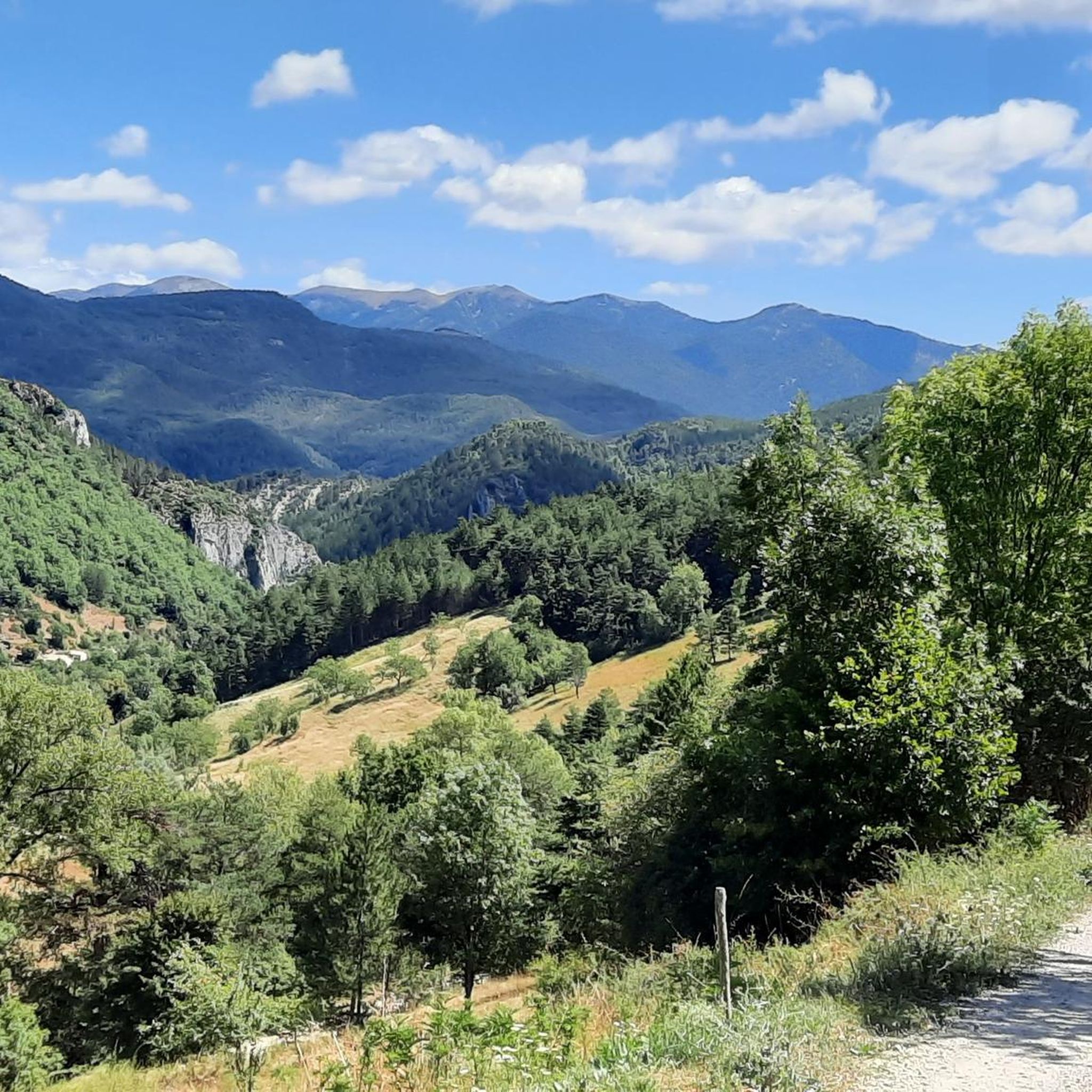
Luc-en-Diois is a small village in the Drôme department, in the Auvergne-Rhône-Alpes region, located in the picturesque valley of the Drôme river, between Die and the Col de Cabre. It has about 560 inhabitants and is one of the gateways to the Diois massif.
10
0
Building maintained in excellent condition.
10
0
The ascent to Col de la Fromagère / Col de Pommerol from Rosans is located in the Hautes-Alpes region. This ascent is 6.6 km long, with a total elevation gain of 371 m. The average gradient of the ascent to Col de la Fromagère / Col de Pommerol from Rosans is 5.6%.
5
0
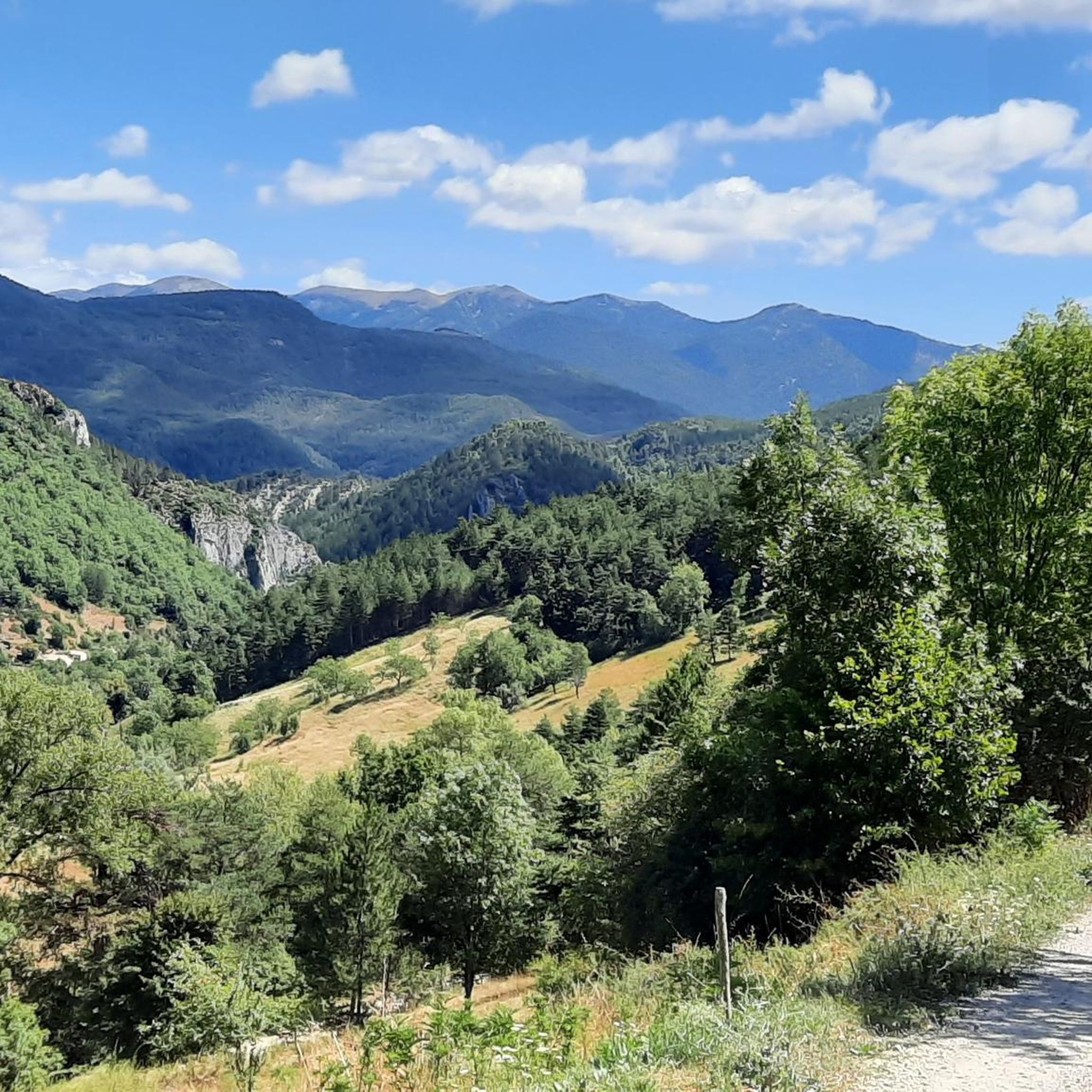
Col de Cabre is a mountain pass located in the southeast of France, between the departments of Drôme and Hautes-Alpes, in the regions Auvergne-Rhône-Alpes and Provence-Alpes-Côte d'Azur.
18
0
Colle di Cabre is an alpine pass located at an altitude of 1,180 meters, on the border between the French departments of Drôme and Hautes-Alpes, in the Auvergne-Rhône-Alpes region. It connects the Diois valley, to the west, with the Buëch valley, to the east, representing one of the main passages in the southern French Alps.
12
0

Feeling a little thirsty? Luckily, the fountain bar is here to help.
0
0

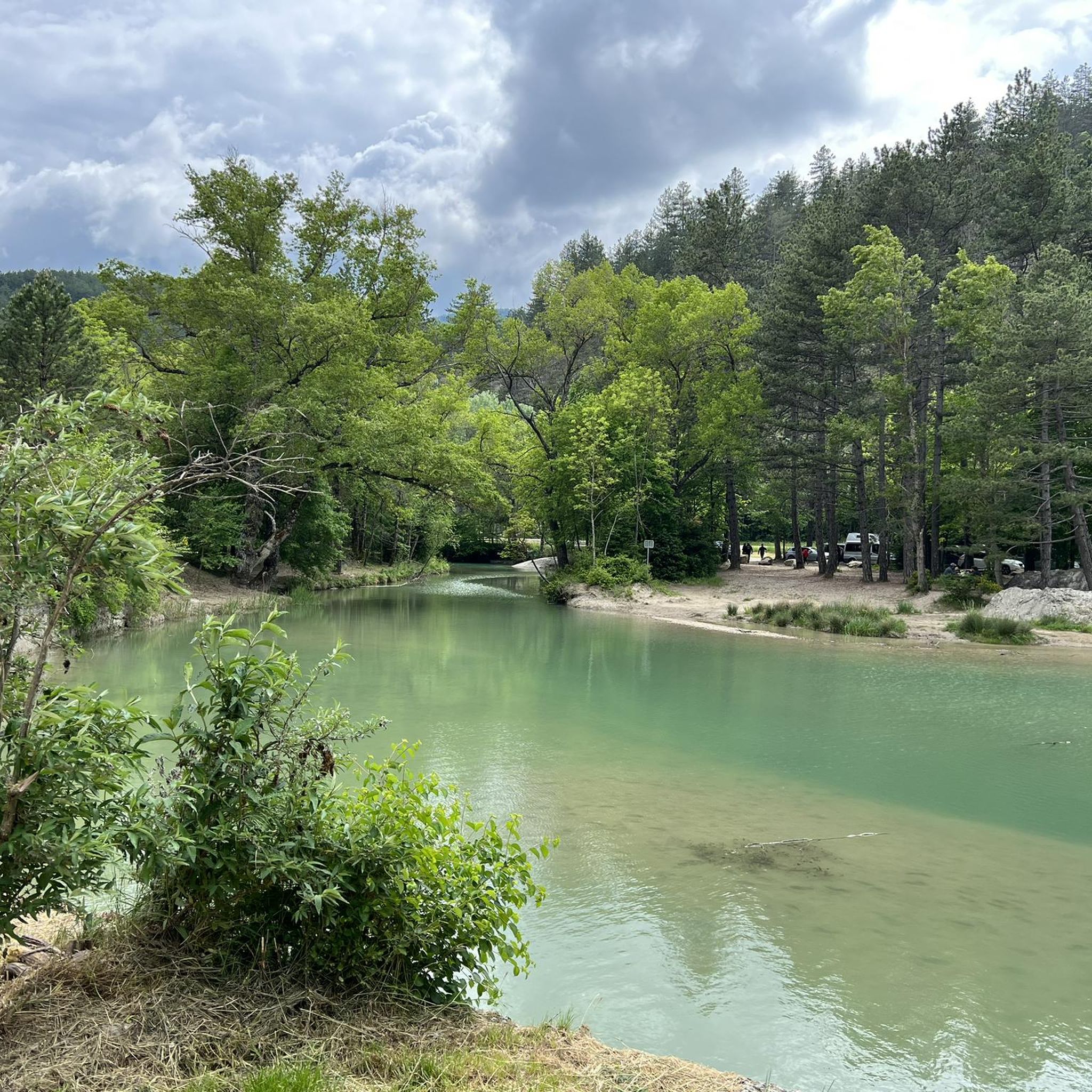
It all began in 1442 when a foundation broke away from the southern flank of Pic de Luc. As it slid, it hit a limestone spur, divided, broke into enormous blocks and blocked the Drôme at two points... thus two lakes were formed: the Petit downstream and the Grand upstream. The “Grand Lac” is 5 km long and arouses envy because it is full of fish. In 1561 it thus became the property of the Carthusians of Durban, monks to whom meat was forbidden. It was only in 1804 that a huge block, the “dad”, was pierced to let the water flow at the location of the current Saut de la Drôme. This vast dry body of water now gives way to an agricultural plain (ruined Bouligons farm and its formerly cultivated terraces) and the Bouligons marsh, the last vestige of the disappeared lake. The need to avoid the Claps during the construction of the “Briançonnais” railway line at the beginning of the 20th century also gave the site a magnificent viaduct, 244 m long and 44 m high.
1
0
Frequently Asked Questions
What natural wonders can I explore near Beaumont-en-Diois?
The region is rich in natural beauty. A must-see is Saut de la Drôme and the Claps, a dramatic site where a massive rockslide in 1442 blocked the Drôme river, creating a chaotic landscape of enormous rock blocks and an impressive waterfall. You can also explore the Claps Rock Chaos itself. Nearby, the Marais des Bouligons is a protected marshland, a remnant of the lake formed by the rockslide, showcasing preserved biodiversity. The Drôme River itself is a significant feature, known as one of the last wild rivers in the Alps.
Are there any historical sites or cultural landmarks to visit?
Yes, Beaumont-en-Diois has historical remnants. You can see the ruins of a castle perched on a small mountain in the village. Additionally, La Charce Castle, a beautiful 16th-century building listed as a historic monument, is undergoing restoration and is known for its connection to local heroine Philis de la Charce. The nearby village of Luc-en-Diois is also a typical village of Haut-Diois with historical significance.
What outdoor activities are available around Beaumont-en-Diois?
The area is perfect for various outdoor activities. You can enjoy hiking, cycling, and running on numerous trails. The dramatic landscape of Le Claps also offers opportunities for climbing, with over 120 routes for all levels and a via ferrata. The Drôme River is ideal for cooling off in summer.
Can I find hiking trails suitable for different skill levels?
Yes, the region offers a variety of trails. While specific difficulty levels for hiking trails aren't detailed for every attraction, the diverse landscape from alpine influences to more gentle Provençal terrains suggests options for various abilities. For running, there are trails like the 'Running loop from Recoubeau-Jansac' which is moderate, and more challenging options like the 'Pic de Luc loop from Luc-en-Diois'. You can find more details on running trails at Running Trails around Beaumont-En-Diois.
Where can I go cycling or road biking in the area?
The region is popular for cycling. You can find challenging road cycling routes such as 'Col de Miscon from Luc-en-Diois' or the 'Panoramic View of the Diois – Col de Rousset loop'. For touring bicycles, routes like 'Col de Premol – Saut de la Drôme and the Claps loop' are available. Explore more options at Cycling around Beaumont-En-Diois and Road Cycling Routes around Beaumont-En-Diois.
Are there family-friendly attractions or activities?
While specific 'family_friendly' tags are limited, the natural sites like Le Claps offer areas for relaxation and exploration suitable for families. The general appeal of the Drôme River for cooling off and the varied trails provide opportunities for family walks. La Charce Castle is also noted as family-friendly.
What is the best time of year to visit Beaumont-en-Diois?
Beaumont-en-Diois, being an 'oasis of freshness' close to Luc-en-Diois, is particularly appealing during warmer months. The Drôme River offers opportunities to cool off, and the natural sites are best enjoyed when the weather is pleasant for outdoor activities like hiking and cycling. High water periods can make the Saut de la Drôme particularly impressive.
Are there any unique local crafts or products in Beaumont-en-Diois?
Beaumont-en-Diois is home to a unique enterprise: the sole producer of naturalist bird calls in the world. François Morel has been crafting these wooden instruments since 1980, aiming to help people connect with nature by mimicking bird songs. While the site is not open to visitors, products can be ordered online.
What is the significance of the Drôme River in this region?
The Drôme River is a central natural feature of the Pays Diois. It is renowned for its clear waters and is one of the last wild rivers in the Alps, flowing freely without dams. It played a crucial role in shaping the landscape, notably at Le Claps where a massive rockslide blocked its course, creating the dramatic 'Saut de la Drôme' waterfall and the surrounding geological formations.
Where can I find local markets or villages to visit nearby?
You can explore local markets in nearby towns. Luc-en-Diois, about 5 km away, and Die, about 22 km away, host markets on specific days. Luc-en-Diois is a charming village with a few bars, a small supermarket, and an organic grocery store.
What do visitors particularly enjoy about the attractions near Beaumont-en-Diois?
Visitors are captivated by the dramatic natural landscapes, especially the geological formations at Le Claps and the impressive Saut de la Drôme. The sense of history at sites like La Charce Castle and the charm of traditional villages like Luc-en-Diois are also highly appreciated. The opportunity to cool off in the Drôme River during summer is a popular highlight.
Are there any protected natural areas nearby?
Yes, the Marais des Bouligons, located about 2.4 km from Beaumont-en-Diois, is a protected natural area. It is a marshland that is a remnant of the lake formed after the 1442 rockslide at Le Claps, showcasing preserved biodiversity. The broader Pays Diois region also lies between the regional natural parks of Vercors and Baronnies Provençales, both offering vast protected landscapes.
Is there parking available at major attractions like Le Claps?
While specific parking details for every attraction are not provided, major natural sites like Le Claps are popular spots, suggesting that visitor infrastructure, including parking, would be available. It's always advisable to check local signage upon arrival for designated parking areas.
Most popular routes around Beaumont-En-Diois
Most popular attractions around Beaumont-En-Diois

Get inspired with the komoot mobile app


Explore more
Still not found the Highlight you’re looking for? See guides of the top attractions in other regions:
