The best road cycling routes around Romansweiler
4.2
(256)
2,739
riders
122
rides
Road cycling around Romansweiler, located in the Grand Est region of France, offers varied terrain for cyclists. The area is characterized by its proximity to the Vosges Mountains foothills, providing routes with climbs and descents. Cyclists can also explore the Alsace Wine Route, which features vineyards and picturesque villages. River valleys and converted railway lines offer flatter sections, contributing to a diverse network of road cycling routes.
Best road cycling routes around Romansweiler
- The most popular road cycling route is…
Last updated: July 6, 2026
4.8
(24)
285
riders
78.6km
03:55
1,080m
1,080m
Hard road ride. Very good fitness required. Mostly well-paved surfaces and easy to ride.
4.3
(12)
262
riders
53.3km
02:07
150m
150m
Moderate road ride. Good fitness required. Mostly well-paved surfaces and easy to ride.

Sign up for free
4.5
(4)
56
riders
52.3km
03:01
860m
860m
Moderate road ride. Good fitness required. Some segments of this route may be unpaved and difficult to ride.
3.8
(4)
103
riders
90.3km
04:50
1,720m
1,720m
Hard road ride. Very good fitness required. Mostly well-paved surfaces and easy to ride.
3.9
(9)
38
riders
72.3km
03:12
640m
640m
Moderate road ride. Good fitness required. Mostly well-paved surfaces and easy to ride.
Get access to more routes and recommendations from other explorers.
Sign up for free
Already have an account?
Our route recommendations are based on thousands of hikes, rides, and runs completed by other people on komoot.
Start today with a free account
Your next adventure awaits.
Login or Signup
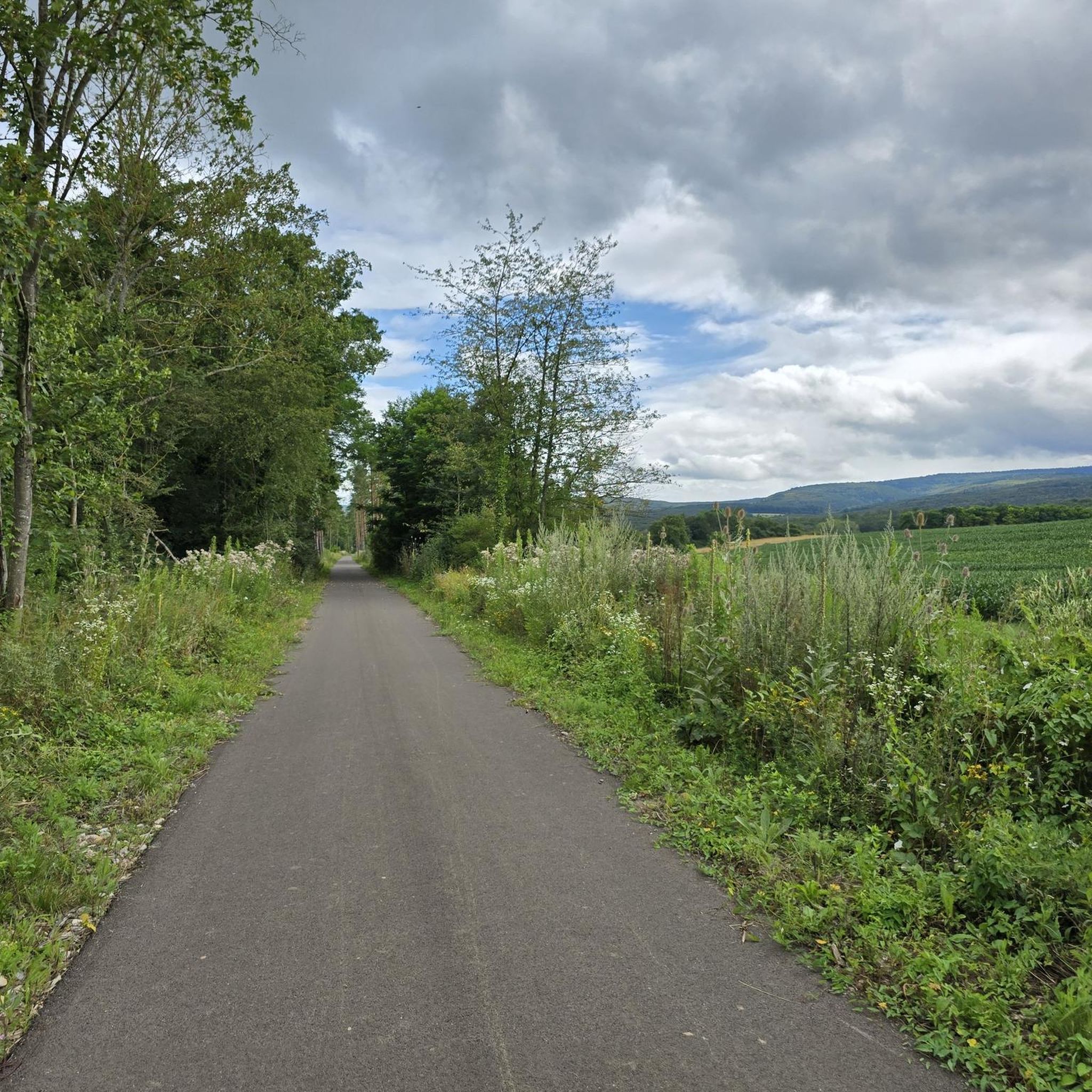
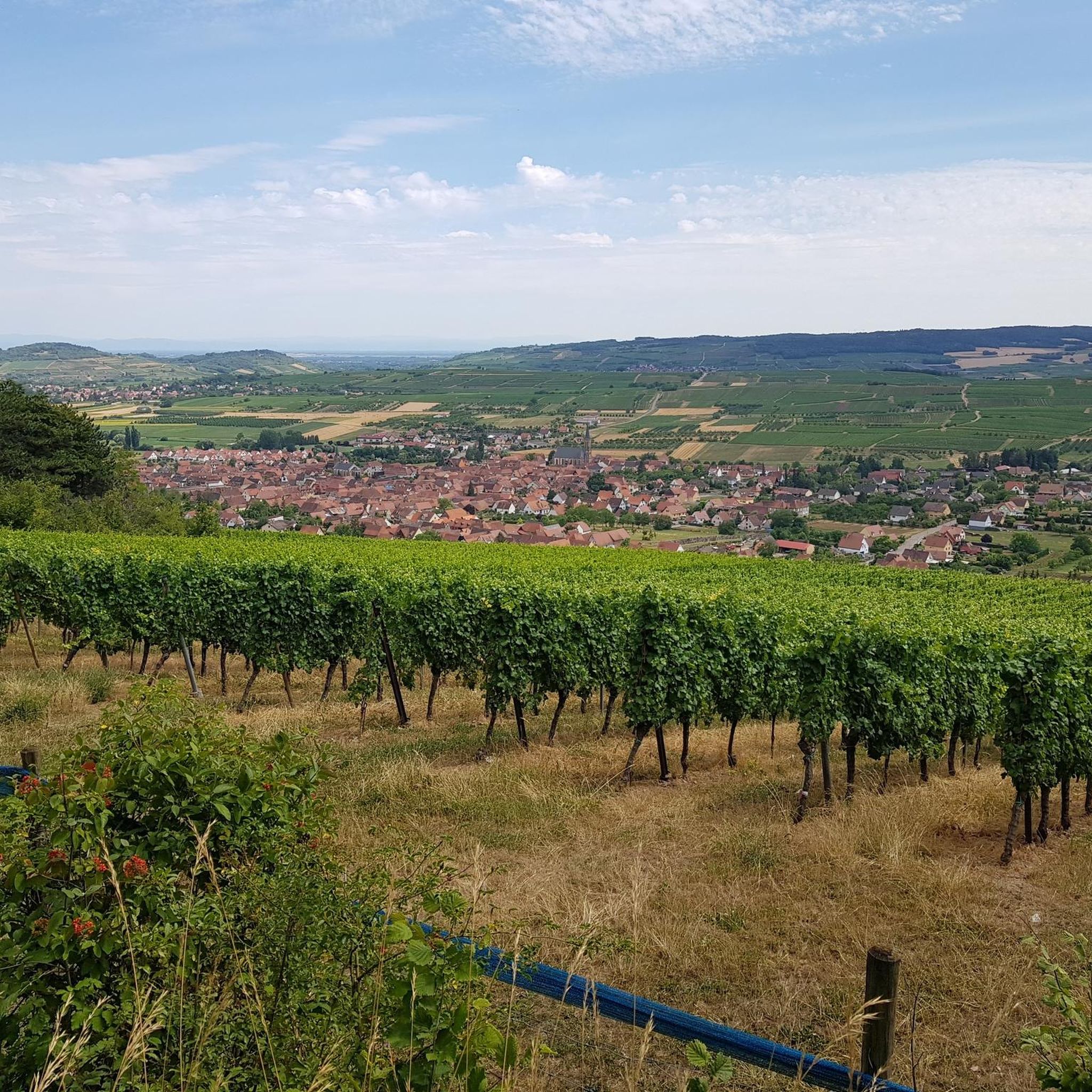
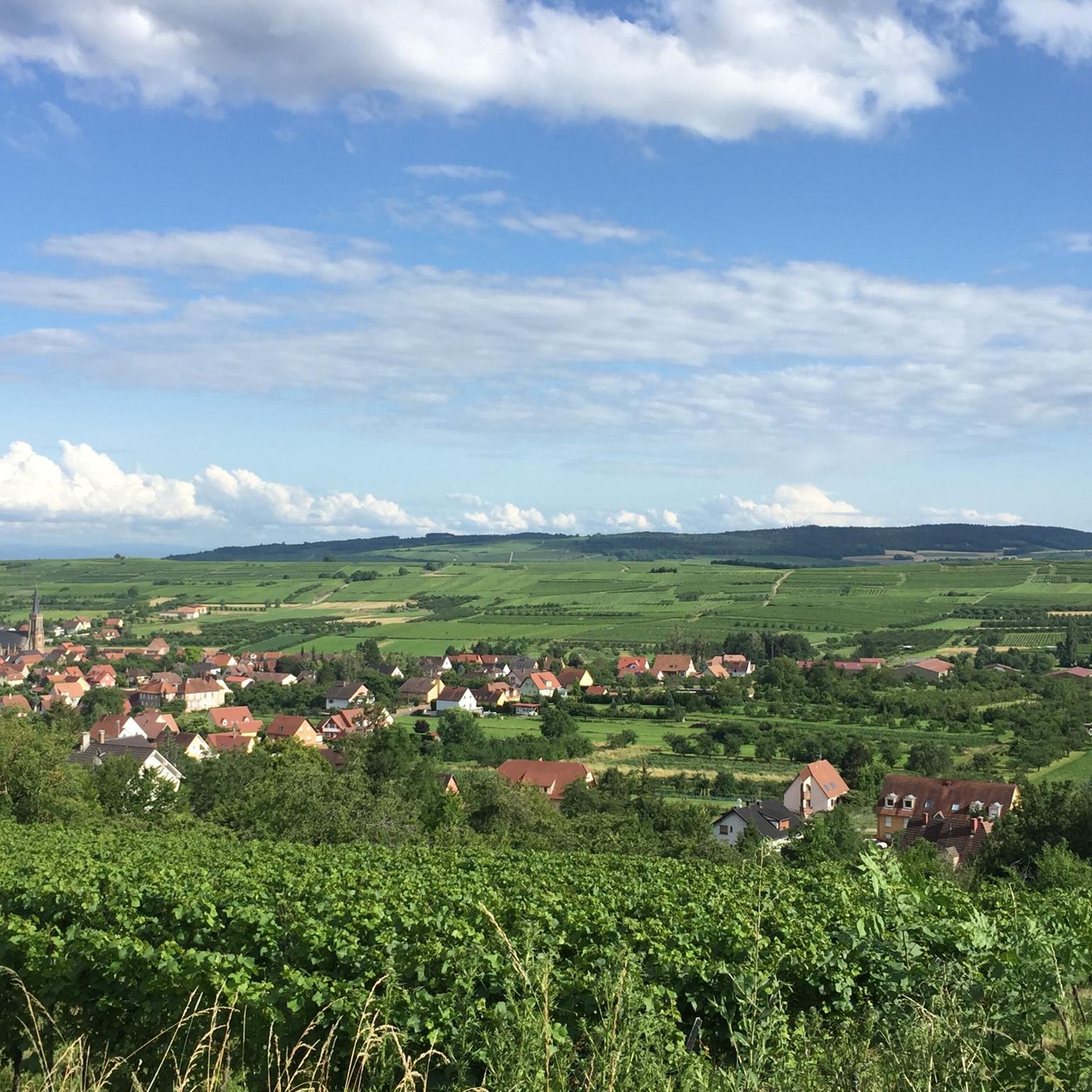
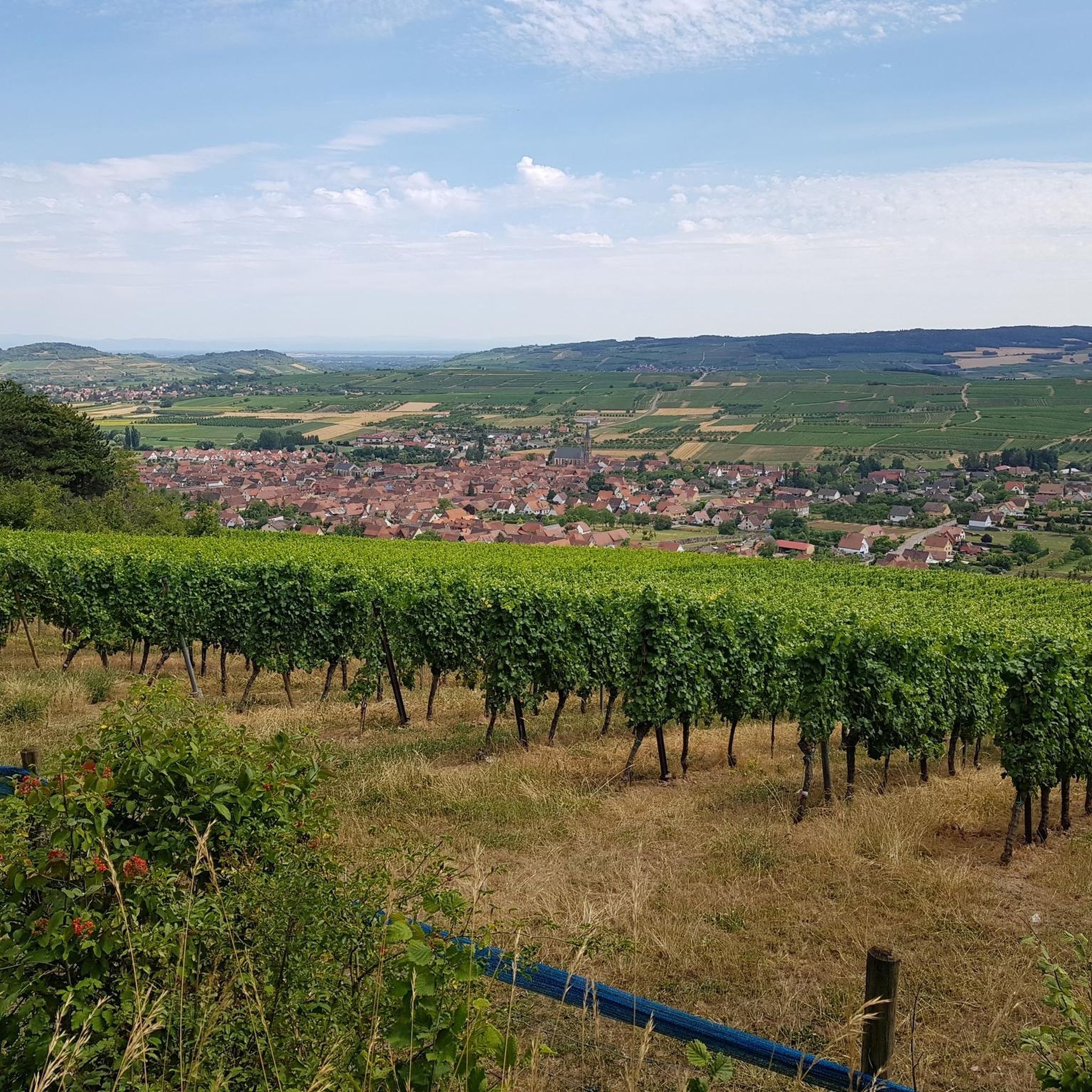

Tips from the Community

Beautiful chapel at the top of the pass!
0
0

Old Telegraph, a visit is possible during the summer months
0
0

Dachstein lies off the main roads in Alsace and is therefore less developed for tourism. The village nevertheless boasts some noteworthy buildings, such as: the medieval city gate, the Porte de la Bruche, the Church of St. Martin (Église Saint-Martin), which still retains Gothic elements, a nave, and a Baroque altar; the Renaissance castle (extended in the 19th century in the Neo-Renaissance style) of the de Turckheim family, the Château de Turckheim, or the Vieux Château. It was formerly a summer residence for some of the bishops of Strasbourg; the old washhouse, and the Château Hervé Bourcart, or "La Magnanerie." It is located closer to the village center and was built in 1750 as a private villa that housed the royal silkworm breeding school. It has been owned by the Hervé family since 1838. In the 1990s, the castle and its idyllic surroundings served as the setting for the film saga "The Alsatians." Magnan is an Occitan word meaning mulberry. The Magnanerie is the headquarters of a silkworm farm. The streets of Dachstein are lined with several traditional half-timbered houses, some with carved wooden galleries.
0
0

The Château des Rohan, formerly called "The Little Alsatian Versailles," is located in the city center of Saverne on the Rhine-Marne Canal. This former bishop's castle, built in the 13th century and restored in the 19th century on the initiative of Napoleon III, now houses a museum, a cultural center, a youth hostel, and a school. The neoclassical façade (park side), made of pink sandstone, is 140 meters long, which is the same horizontal height as Strasbourg Cathedral. The Château des Rohan Museum presents extensive Gallo-Roman and medieval archaeological collections. It consists of three departments: Art and History, Louise Weiss, and Archaeology. The Art and History department encompasses many areas: paintings, prints, and 15th- and 16th-century polychrome wood carvings from the churches of Saverne and the region, as well as a room dedicated to the history of the castle. Louise Weiss Department To honor her Alsatian ties (her family originally came from Petite-Pierre near Saverne), journalist Louise Weiss (1893-1983) donated her collections (ethnographic objects, paintings, drawings, 19th- and 20th-century decorative arts, and personal archives) to the Saverne Museum in 1981 and 1983. Archaeological Department In the vaulted cellars of the castle, the museum houses a rich archaeological collection, including numerous Gallo-Roman funerary and votive steles. Tours of the museum and access to the castle roof are available (upon request). Admission (museum + roof access): €5 (adults) and €4 (students)
0
0

This sculpture was made from many small pieces of wood. You can walk underneath it and look like a llama. A real eye-catcher in the square.
0
0

Elongated rock castle above the Zorn valley, southwest of Saverne. After a varied history, it has been state property for approx. 150 years. Varied structures from different eras in the inner courtyard. Great view over the Rhine valley and the northern Vosges.
3
0
A large neoclassical palace from the late 18th century, especially in relation to the relatively small town. Located at the lower end of the old town, it has a large park at the rear, facing the Rhine-Marne Canal. The palace now belongs to the city and houses two museums, a primary school, a youth hostel, and several theaters and event venues. The varied history of its use is interesting; details can be found online: https://de.m.wikipedia.org/wiki/Rohan-Schloss
5
0

Large central square with many restaurants – and thankfully completely car-free.
0
0
Frequently Asked Questions
How many road cycling routes are available around Romansweiler?
Romansweiler offers a wide selection of road cycling routes, with over 120 options available. These routes cater to various skill levels, ranging from easy, leisurely rides to challenging tours with significant elevation gain.
What kind of terrain can I expect on road cycling routes near Romansweiler?
The terrain around Romansweiler is quite diverse. You'll find challenging climbs and descents in the foothills of the Vosges Mountains, with gradients typically between 5-10%. For more relaxed rides, the Alsace Wine Route offers picturesque paths through vineyards, and river valleys or converted railway lines provide flatter, often shaded sections.
When is the best time of year for road cycling in Romansweiler?
The best time for road cycling in Romansweiler is generally during the warmer months, from spring through early autumn. This period offers pleasant weather for exploring both the mountain foothills and the scenic Alsace Wine Route. Flatter routes along river valleys are particularly enjoyable during warmer days.
Are there any interesting landmarks or attractions to see along the road cycling routes?
Yes, many routes pass by notable landmarks and natural features. You can explore historical sites like the Marmoutier Abbey Church or the Haut-Barr Castle. For natural beauty, routes can lead you near stunning waterfalls such as Cascade Mencke or offer panoramic views from peaks like Schneeberg Summit or Rocher de Dabo.
Are there family-friendly road cycling routes around Romansweiler?
Absolutely. The region offers several family-friendly options, particularly along river valleys and former railway lines that have been converted into cycle paths. These routes are typically flatter and often shaded, providing a pleasant and safe environment for leisurely rides with children.
What do other road cyclists enjoy the most about road cycling in Romansweiler?
The road cycling experience in Romansweiler is highly rated by the komoot community, with an average score of 4.18 stars. Reviewers often praise the diverse terrain, from challenging mountain passes to tranquil vineyard trails, and the comprehensive network of cycling-friendly roads and paths that connect natural beauty with cultural richness.
Are there any circular road cycling routes available?
Yes, many of the road cycling routes around Romansweiler are designed as circular loops, allowing you to start and end your ride in the same location. Examples include The Cyclists' Refreshment Stop – Canal de la Bruche loop from Romanswiller and the Hiking Trail to Gamskogel – Col de Saint Léon loop from Wasselonne.
Where can I find parking facilities for cyclists in Romansweiler?
While specific parking facilities for cyclists are not detailed, Romansweiler and nearby towns like Wasselonne and Sommerau, which serve as starting points for many routes, typically offer public parking options suitable for accessing the cycling network. It's advisable to check local signage upon arrival.
Can I access road cycling routes using public transport with my bike?
Romansweiler is located in the Grand Est region of France, which generally has public transport options. For specific information on carrying bikes on public transport (trains or buses) to access routes, it's best to consult the local transport provider's website for their current policies and schedules.
Are there routes that offer panoramic viewpoints?
Definitely. Many routes, especially those venturing into the Vosges Mountains foothills, offer rewarding panoramic views. Passes like Valsberg and Pandours are known for their ascents that provide stunning vistas over the Rhine Valley and, on clear days, even the Black Forest. The Porte de Boersch – View of the magnificent landscape loop from Wasselonne is one such route.
Are there options for longer, more challenging road cycling tours?
Yes, for experienced cyclists seeking a challenge, routes like the Hiking Trail to Gamskogel – Col de Saint Léon loop from Wasselonne offer significant elevation gain and cover distances of over 90 km, traversing mountainous terrain with demanding climbs.
Can I find cafes or restaurants along the road cycling routes?
Yes, many road cycling routes in the Romansweiler area pass through charming wine-producing villages and historic towns along the Alsace Wine Route. These locations often provide opportunities to stop at local cafes, restaurants, and even wineries for refreshments and a taste of local gastronomy.
Most popular routes around Romansweiler
Most popular attractions around Romansweiler

Get inspired with the komoot mobile app


Explore more
Browse the best Road cycling routes in other regions.
