Top 7 Mountain Passes around Langensulzbach
Best mountain passes around Langensulzbach are found in the Northern Vosges region of France, part of the Palatinate Forest-North Vosges Biosphere Reserve. This area serves as a base for exploring several mountain passes that offer historical significance, scenic routes, and recreational opportunities. The landscape features extensive forests and unique red sandstone formations. Visitors can find a variety of passes suitable for different interests and activity levels.
Best mountain passes around Langensulzbach
- The most popular mountain pass is Pfaffenschlick Pass,…
Last updated: June 26, 2026
Col de Hohenbourg
Highlight • Mountain Pass
Translated by Google •
Tip by

Pfaffenschlick Pass
Highlight • Mountain Pass
Translated by Google •
Tip by

Sign up now to discover places like this
Get recommendations on the best single tracks, peaks, & plenty of other exciting outdoor places.
Sign up for free
Litschhof Pass
Highlight • Mountain Pass
Translated by Google •
Tip by

Col de Hichtenbach
Highlight • Mountain Pass
Translated by Google •
Tip by

Col du Langthal
Highlight • Mountain Pass
Translated by Google •
Tip by

Sign up for free to discover even more mountain passes around Langensulzbach.
Sign up for free
Already have an account?
Start today with a free account
Your next adventure awaits.
Login or Signup

Tips from the Community

The Col du Litschhof (337 m) has always been a path and watershed between - the Sauertal and the valley of Nothweiler - the Lauter (flowing NE) and the Sauer (flowing SW) - the castles Fleckenstein, Wegelnburg, Löwenstein, Hohenburg - the hiking and forest paths of the Vogesenclub and the Pfälzerwald-Verein" Source (literally quoted): Information board on site (in French and German)
1
0

Crossroads where several hiking trails meet and, for example, paths to the Château de Hohenbourg or Château de Fleckenstein lead over a rocky path.
4
0

It's a beautiful landscape, and I enjoy driving through the woods at a slower pace and in peace.
0
0

Well marked and intersection of several paths
0
0

When it rains, the ideal shelter with table and benches.
1
0

At the crossroads on the hilltop, several paths come together.
3
0

The entire road was only used by 2 cars. Uphill and downhill 😊 Wonderful Alsace to 🚴
0
0
Frequently Asked Questions
What historical sites can I explore near the mountain passes around Langensoultzbach?
The region is rich in history. For instance, the Pfaffenschlick Pass is known for its historical importance as part of the Maginot Line, with several bunkers still surrounding the pass. From Col de Hohenbourg, you can take a short walk to the ruins of the Hohenbourg and Löwenstein castles.
Are there good cycling routes that include these mountain passes?
Yes, the Northern Vosges region offers various cycling opportunities. For example, the route from Lembach to Pfaffenschlick Pass is 5 km long with an average gradient of 4.3%. You can find more road cycling routes in the area, including one that passes the Pfaffenschlick Pass, by visiting the Road Cycling Routes around Langensulzbach guide.
What kind of natural scenery can I expect to see around the passes?
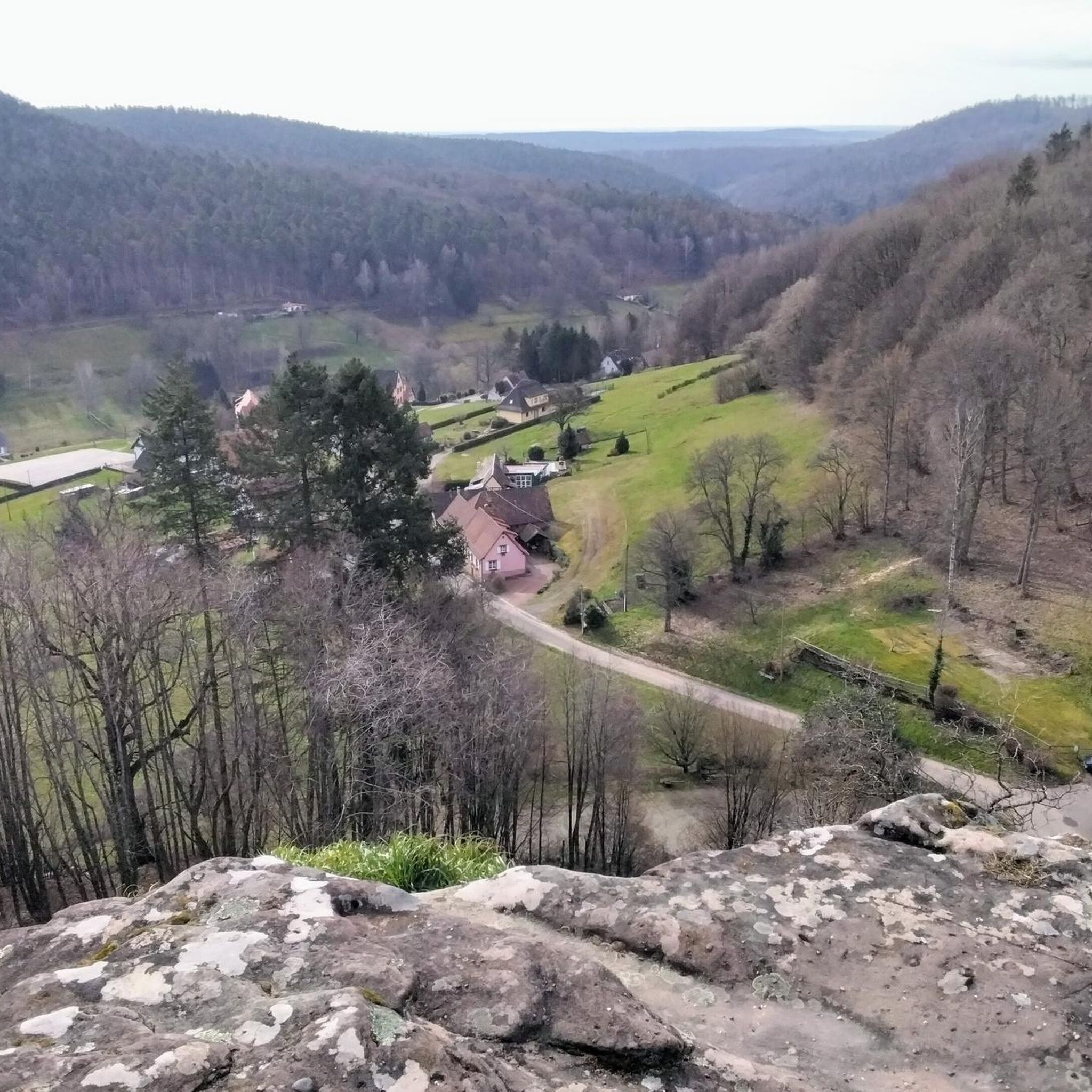
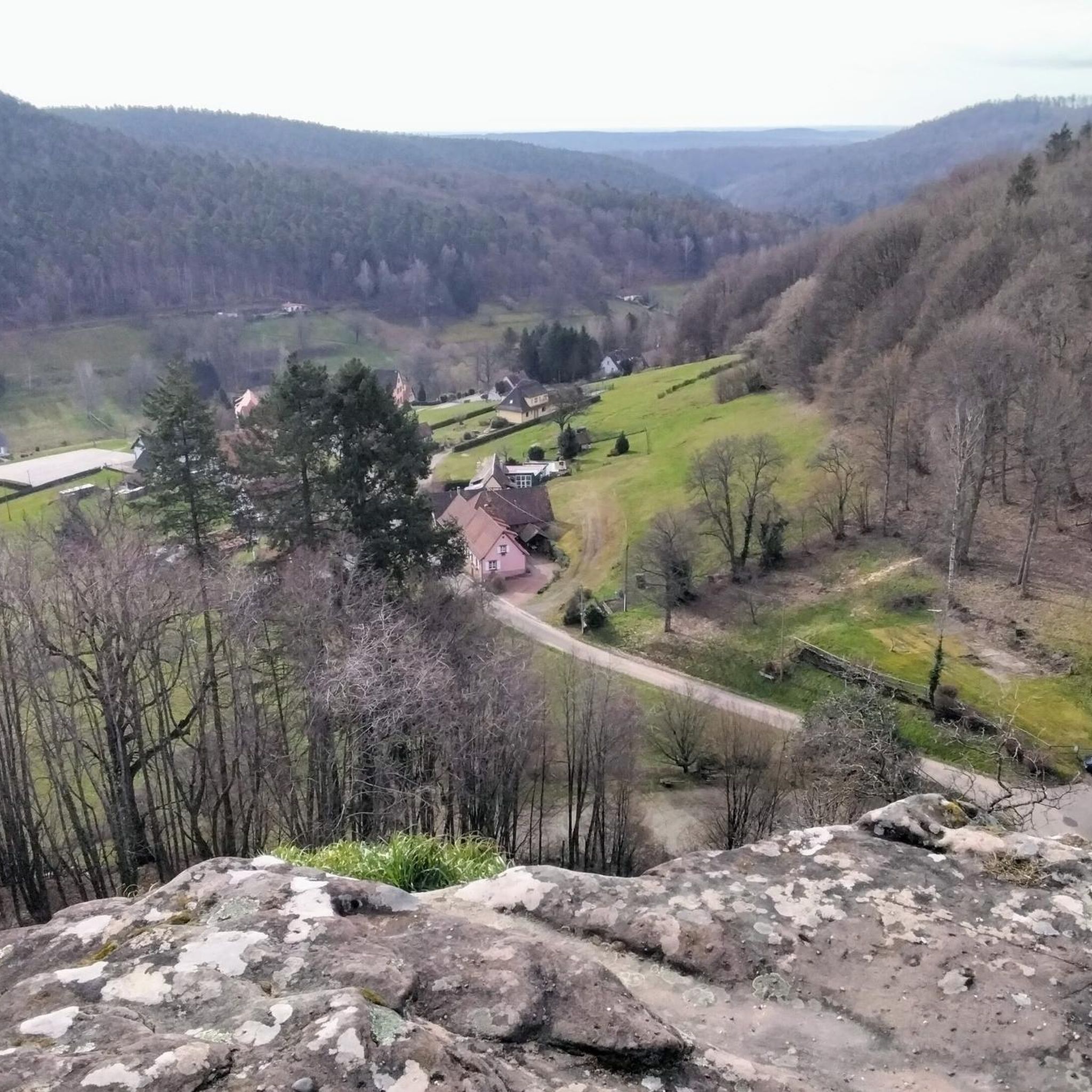
The mountain passes are nestled within the Northern Vosges, part of the Palatinate Forest-North Vosges Biosphere Reserve. You'll encounter extensive forests, unique red sandstone formations, and scenic viewpoints. The Col de Hohenbourg, for instance, is near the distinctive red Krappenfels, and the Col du Langthal offers beautiful drives through the woods.
Are there any family-friendly options among the mountain passes?
While specific 'family-friendly' categories aren't listed for all passes, the Pfaffenschlick Pass area offers educational panels along hiking routes and is close to the Treetop Walk Alsace, which provides panoramic views and can be a fun activity for families. The Litschhof Pass also provides well-maintained facilities like picnic tables, making it suitable for a comfortable family break.
Where can I find amenities like parking or picnic spots at the passes?
The Litschhof Pass is particularly well-appointed with parking, a maintained shelter, and picnic tables, making it a convenient stop. Many passes in the region, like Col de Hichtenbach, also offer resting places, sometimes with a fireplace, which are great for breaks.
What are some popular hiking trails near the mountain passes?
The mountain passes often serve as starting points for various hiking tours. The Pfaffenschlick Pass, for example, is a great base for exploring the surrounding forest. For a broader selection of hiking routes, you can explore the Hiking around Langensulzbach guide, which includes trails like the 'Wolfartshoffen Lake – Reichshoffen Pond loop'.
When is the best time of year to visit the mountain passes around Langensoultzbach?
The Northern Vosges region is beautiful throughout the year. Spring and autumn offer pleasant temperatures and vibrant foliage, ideal for hiking and cycling. Summer is also popular, though it can be warmer. Winter can bring snow, transforming the landscape, but some routes might be less accessible. Always check local conditions before your visit.
What makes Pfaffenschlick Pass a notable destination?
The Pfaffenschlick Pass is notable for its blend of natural beauty and historical significance. It's an important part of the Maginot Line, with several bunkers still visible. Cyclists appreciate the route from Lembach, and hikers can explore trails with educational panels. It's also a gateway to the Treetop Walk Alsace, offering panoramic views.
Can I find places to eat or stay near the mountain passes?
While specific restaurants or accommodations directly at every pass are not guaranteed, the Litschhof Pass has a forest house nearby that offers accommodation. The broader region around Langensoultzbach and nearby towns will have various options for dining and lodging. Some passes, like Col du Pigeonnier, feature chalets that are open on weekends and public holidays, serving as resting points.
What do visitors particularly enjoy about the mountain passes in this region?
Visitors appreciate the combination of historical sites, scenic viewpoints, and recreational opportunities. The extensive forests and unique red sandstone formations provide a beautiful backdrop for outdoor activities. Many enjoy the peaceful atmosphere, the well-maintained resting areas, and the chance to explore both nature and history, as evidenced by the more than 50 photos and over 400 upvotes from the komoot community.
Are there any passes suitable for a peaceful stop or break?
Absolutely. The Litschhof Pass is described as a peaceful stop, well-appointed with parking, a shelter, and picnic tables. Similarly, Col de Hichtenbach offers a nice resting place, often with a fireplace, perfect for a break amidst nature.
Are there any unique geological features to look out for?
Yes, the Northern Vosges region is known for its distinctive red sandstone formations. From Col de Hohenbourg, you can easily access the unique red Krappenfels, which is a prime example of this geological characteristic.
Most popular routes around Langensulzbach
Most popular attractions around Langensulzbach

Get inspired with the komoot mobile app


Explore more
See even more epic mountain passes by checking out these guides around Langensulzbach:
