The 8 Most Amazing Peaks around Langensulzbach
Best mountain peaks around Langensulzbach are situated within the Palatinate Forest-North Vosges Biosphere Reserve, in the Bas-Rhin department of Grand Est, France. While Langensulzbach itself has an elevation ranging from 177 to 411 meters, the surrounding region is part of the broader Vosges Mountains. This area offers diverse landscapes and extensive hiking opportunities, characterized by a wide variety of flora and fauna. The Vosges Mountains feature an extensive network of well-signposted hiking trails.
Best mountain peaks around Langensulzbach
- The most…
Last updated: June 23, 2026
Krappenfels
Highlight • Viewpoint
Translated by Google •
Tip by

Grand Wintersberg
Highlight • Summit
Translated by Google •
Tip by

Sign up now to discover places like this
Get recommendations on the best single tracks, peaks, & plenty of other exciting outdoor places.
Sign up for free
Pfaffenfelsen (with long ladder)
Highlight • Viewpoint
Translated by Google •
Tip by

Maimont Summit and Celtic Ring Wall
Highlight • Summit
Translated by Google •
Tip by

Kappelstein
Highlight • Summit
Translated by Google •
Tip by

Sign up for free to discover even more peaks around Langensulzbach.
Sign up for free
Already have an account?
Start today with a free account
Your next adventure awaits.
Login or Signup

Tips from the Community

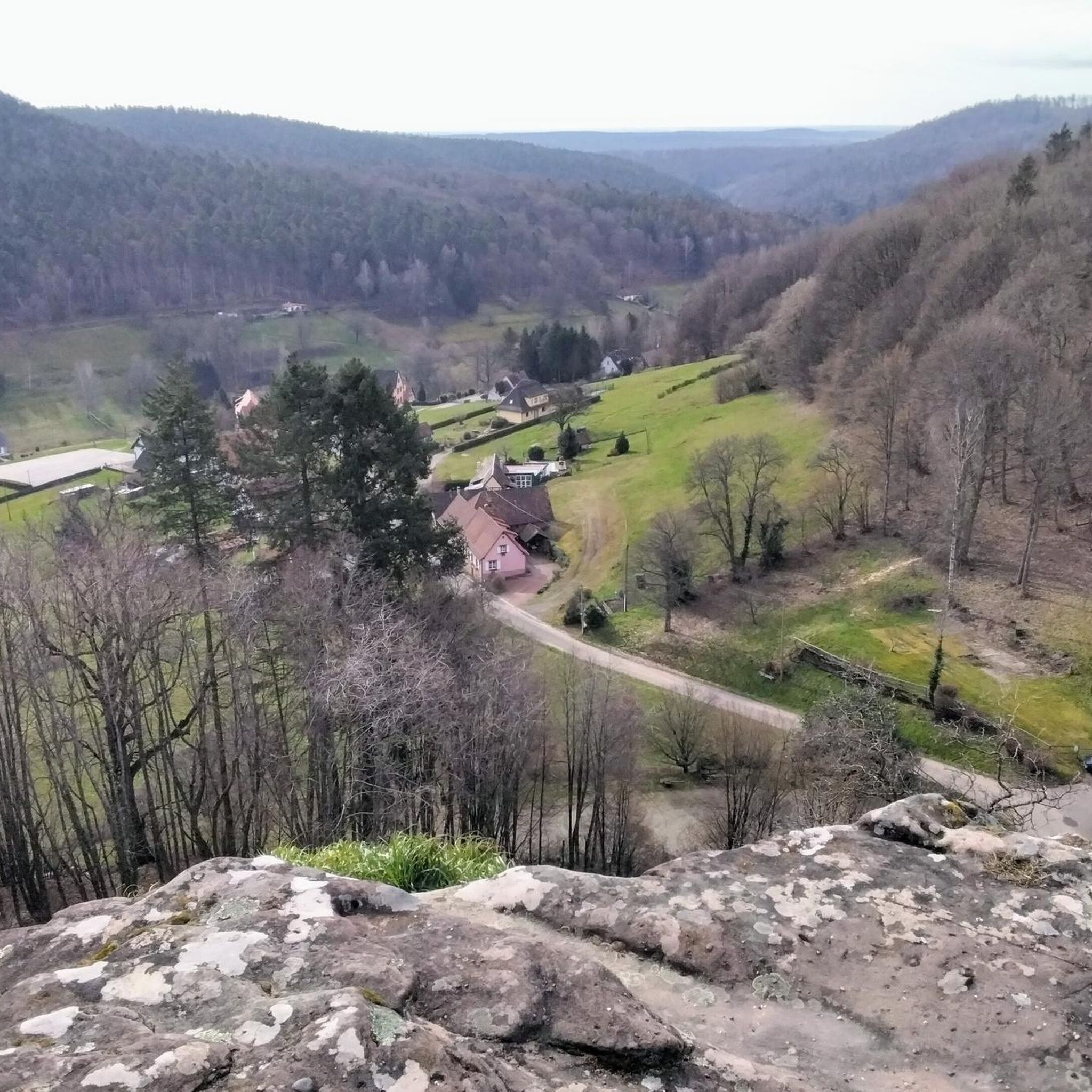
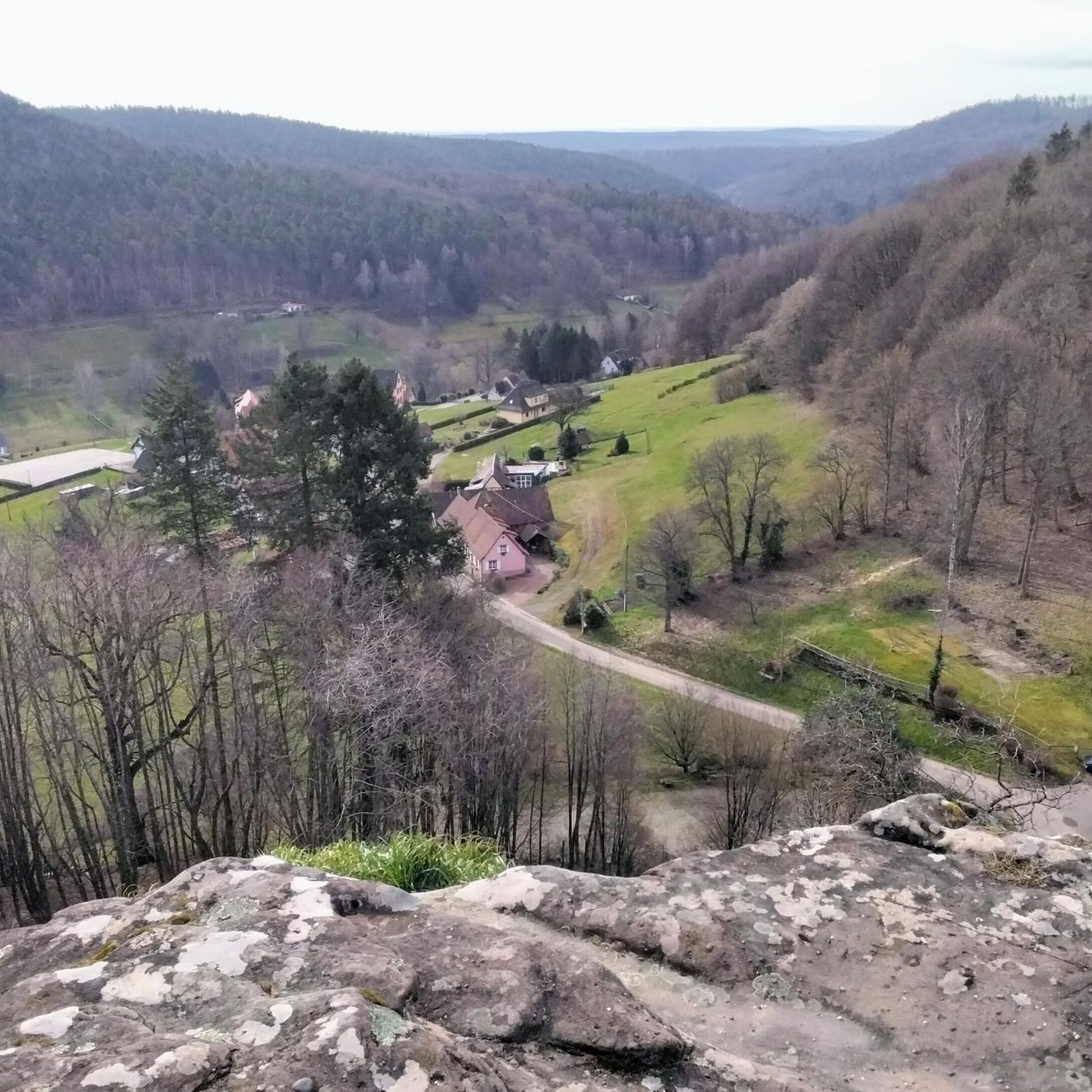
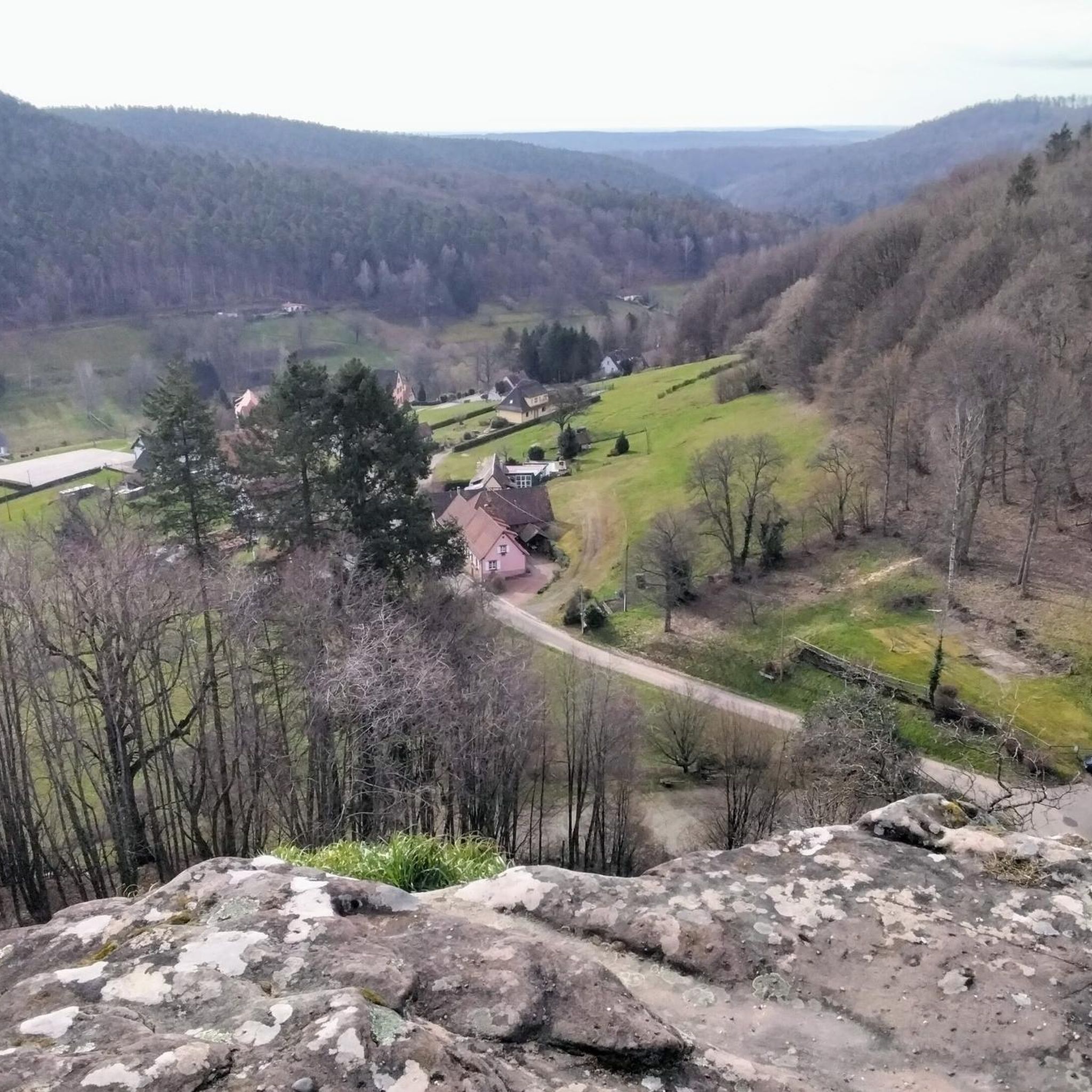
The rock is located approximately 500 meters southeast of the southern summit, on the French side of the Schlossberg with the Hohenburg Castle. The mountain is located directly on the German-French border in the Wasgau mountain range, the French part of which is known there as the Northern Vosges. A mountain ridge runs from the southern summit over the Löwenstein to the rock.
5
0

A beautiful wooded peak on the border between Germany and France, with a sad history dating back to the war. There are also traces of the Celts and a so-called "sacrificial stone," which is probably more of a geological oddity.
3
0

The view is magnificent from the top of the tower which is accessible
1
0

even without the sun, always happy to see it appear!!
0
0

Magnificent 360º viewpoint over the Northern Vosges.
0
0

A steep climb up to the castles that stand here like radishes in a field...😊
16
1
Great rock massif for dreamy moments… beautiful views
12
1

Observation tower on the Großer Wintersberg with a wonderful view over the Northern Vosges, the Palatinate Forest and the Upper Rhine plain to the Black Forest. At 581m above sea level, the Großer Wintersberg is the highest mountain in the Northern Vosges.
1
0
Frequently Asked Questions
What are the most popular mountain peaks and viewpoints around Langensulzbach?
The region offers several highly-rated peaks and viewpoints. Grand Wintersberg is the highest mountain in the Northern Vosges, featuring a lookout tower with extensive views. Kappelstein is a unique summit where the French-German border runs, offering views of historic castle ruins. Another favorite is Lindelskopf Rock and Viewpoint, a rock massif with a secured viewing platform overlooking Ludwigswinkel.
Are there historical sites or cultural landmarks on the mountain peaks near Langensulzbach?
Yes, several peaks combine natural beauty with historical significance. Maimont Summit and Celtic Ring Wall features ancient Celtic traces and a 'Peace Cross' commemorating a WWII battle. Kappelstein is located on the historic border between France and Germany, with visible castle ruins like Wegelnburg and Hohenbourg. The Lindelskopf Rock and Viewpoint also has remnants of an abandoned rock castle.
What kind of natural features can I expect to see on the mountain peaks around Langensulzbach?
The peaks around Langensulzbach are part of the Palatinate Forest-North Vosges Biosphere Reserve, offering diverse natural features. You'll encounter extensive forests, unique rock formations like the Krappenfels cliff, and panoramic viewpoints. The region is known for its rich biodiversity, including varied flora and fauna, twisted beech trees, and diverse ecosystems such as grasslands, marshes, and cliffs.
What outdoor activities can I do near the mountain peaks around Langensulzbach?
The Vosges Mountains surrounding Langensulzbach offer extensive opportunities for outdoor activities. You can explore numerous hiking trails, with options ranging from moderate to difficult, such as the 'Wolfartshoffen Lake – Reichshoffen Pond loop'. For cyclists, there are dedicated routes for mountain biking and road cycling. You can find more details on specific routes in the Hiking around Langensulzbach, MTB Trails around Langensulzbach, and Road Cycling Routes around Langensulzbach guides.
Are there hiking trails suitable for different fitness levels near Langensulzbach's peaks?
Yes, the Vosges Mountains boast over 20,000 kilometers of well-signposted trails catering to various fitness levels. While some peaks like Krappenfels involve steep climbs, there are also more moderate paths. The extensive network ensures you can find routes from easy walks to more challenging, multi-day treks. Check the Hiking around Langensulzbach guide for specific route details.
What is the best time of year to visit the mountain peaks around Langensulzbach?
The region offers beauty throughout the year. Spring and summer are ideal for hiking and enjoying the lush greenery and diverse flora. Autumn brings spectacular colors to the forests, making it a popular time for scenic walks. Even in winter, the snow-covered ridges can offer a unique and picturesque experience, though some trails might require appropriate gear and caution.
What makes the views from these peaks special?
The views from the peaks around Langensulzbach are renowned for their panoramic scope. From the 25-meter high lookout tower on Grand Wintersberg, you can see the Black Forest and even the Alps on clear days. Kappelstein offers unique vistas of historic castle ruins, while the secured platform at Lindelskopf Rock and Viewpoint provides a clear view of Ludwigswinkel.
Are there any challenging routes for experienced hikers or climbers?
While the area is primarily known for extensive hiking trails, some highlights, like the climb to Krappenfels, are described as steep. The Vosges Mountains offer trails that can be challenging, including longer routes that may take days to complete. For specific advanced climbing routes, local clubs or specialized guides might offer more detailed information, as the focus is generally on hiking.
What kind of wildlife can be observed in the Vosges Mountains near Langensulzbach?
The Palatinate Forest-North Vosges Biosphere Reserve is rich in biodiversity. The region is home to about 250 bird species and nearly a thousand different plant species. Visitors might also catch glimpses of local wildlife such as chamois, especially in quieter, more remote areas of the mountains.
How are the hiking trails maintained and marked in the Vosges Mountains?
The hiking trails throughout the Vosges Mountains are exceptionally well-maintained and signposted. Over 120 local 'Vosges Clubs' are responsible for this extensive network, ensuring that visitors can explore the natural beauty of the region safely and with clear guidance.
What do visitors particularly enjoy about the mountain peaks experience in this region?
Visitors frequently praise the stunning panoramic views, especially from lookout points like Grand Wintersberg. The combination of natural beauty, well-maintained trails, and historical sites like the Celtic ring wall at Maimont Summit is highly appreciated. The opportunity for immersion in nature and the diverse landscapes, from forests to cliffs, are also major draws.
Are there any specific geological features worth noting on the peaks?
Yes, the region features interesting geological formations. The Krappenfels is a prominent rocky outcrop and cliff. The 'sacrificial shell' mentioned at Maimont Summit, while historically associated with cultic customs, is likely a natural geological feature. The rock massif of Lindelskopf Rock and Viewpoint also stands out as a significant natural landmark.
Most popular routes around Langensulzbach
Most popular attractions around Langensulzbach

Get inspired with the komoot mobile app


Explore more
See even more amazing summits around Langensulzbach with these guides:
