The best road cycling routes around Saint-Émilion
4.6
(48)
1,125
riders
100
rides
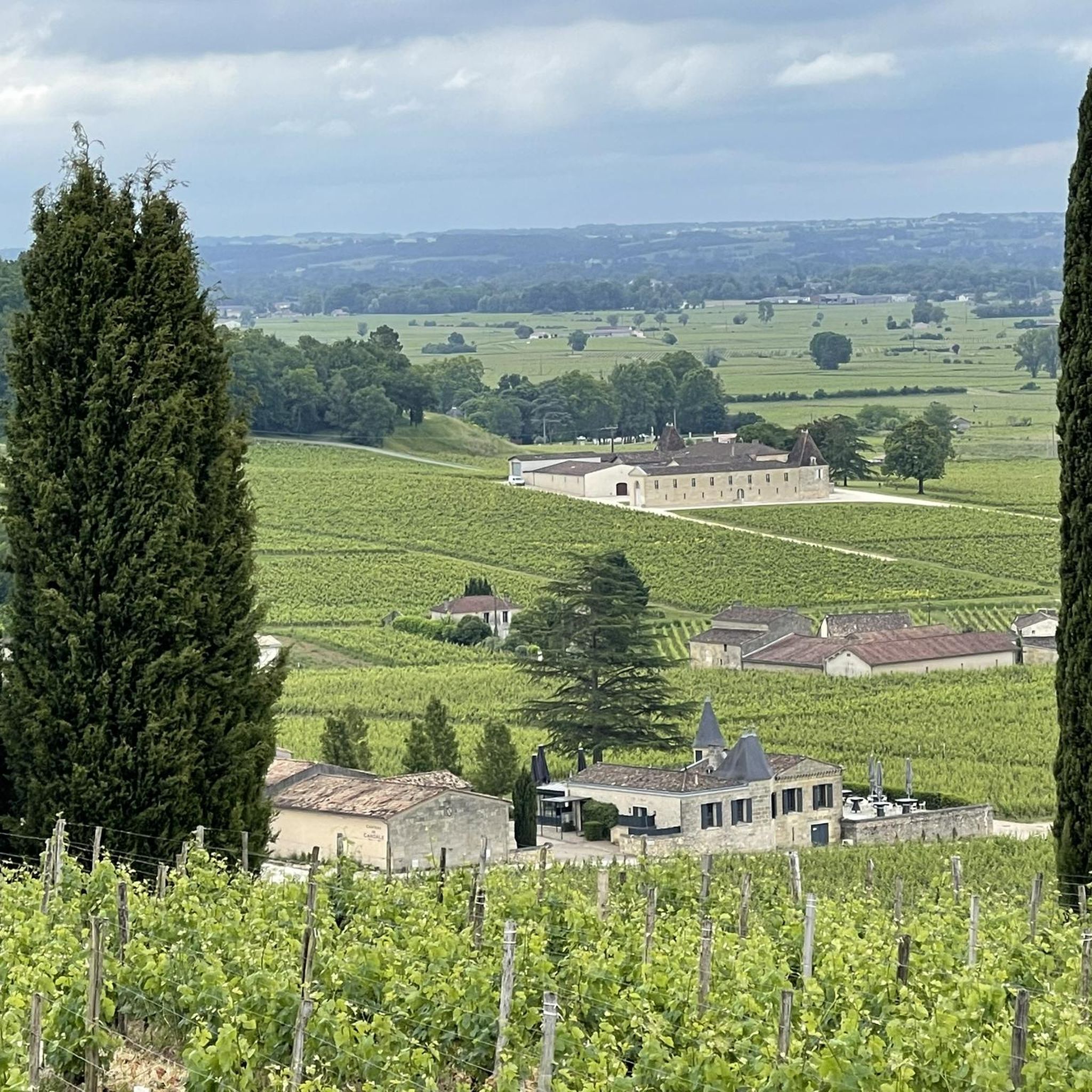
Road cycling routes around Saint-Émilion traverse a landscape characterized by extensive vineyards and rolling hills, recognized as a UNESCO World Heritage site. The region features a limestone plateau, which contributes to its unique geological character, alongside sections bordering the Dordogne River. Cyclists encounter well-maintained routes that wind through these diverse terrains, offering a mix of gentle slopes and more challenging climbs, particularly near the historic village.
Best road cycling routes around Saint-Émilion
- The most popular road cycling route is Sauve Majeure tunnel – Roger Lapébie Cycle Path loop from Saint-Émilion, a 51.4 miles (82.7 km) trail that takes 3 hours 21 minutes to complete. This route incorporates the Roger Lapébie Cycle Path, offering varied scenery.
- Another top favourite among local road cyclists is Saint-Émilion Climb – Saint-Émilion loop from Saint-Émilion, a moderate 36.7 miles (59.1 km) path. This route features significant climbs and passes through the renowned vineyards surrounding Saint-Émilion.
- Local road cyclists also love the Saint-Émilion – Château Angélus loop from Condat, a 9.6 miles (15.4 km) trail leading through vineyards and past prestigious châteaux, often completed in about 37 minutes.
- Road cycling around Saint-Émilion is defined by vast vineyards, rolling hills, and the Dordogne River valley. The network offers options for different ability levels, from easy rides to more challenging routes with elevation gain.
- The routes in Saint-Émilion are highly rated by the komoot community with an average score of 4.4 stars from over 30 reviews. More than 900 road cyclists have used komoot to explore Saint-Émilion's varied terrain.
Last updated: October 13, 2026
4.4
(28)
611
riders
82.7km
03:22
470m
470m
Moderate road ride. Good fitness required. Mostly well-paved surfaces and easy to ride.
4.7
(7)
39
riders
32.9km
01:31
170m
170m
Easy road ride. Great for any fitness level. Mostly well-paved surfaces and easy to ride.

5.0
(1)
9
riders
79.6km
03:31
680m
680m
Moderate road ride. Good fitness required. Mostly well-paved surfaces and easy to ride.
13
riders
18.1km
00:54
140m
140m
Easy road ride. Great for any fitness level. Mostly well-paved surfaces and easy to ride.
20
riders
59.1km
02:26
140m
140m
Moderate road ride. Good fitness required. Mostly well-paved surfaces and easy to ride.
Get access to more routes and recommendations from other explorers.
Already have an account?
Our route recommendations are based on thousands of hikes, rides, and runs completed by other people on komoot.
Start today with a free account
Your next adventure awaits.
Popular around Saint-Émilion
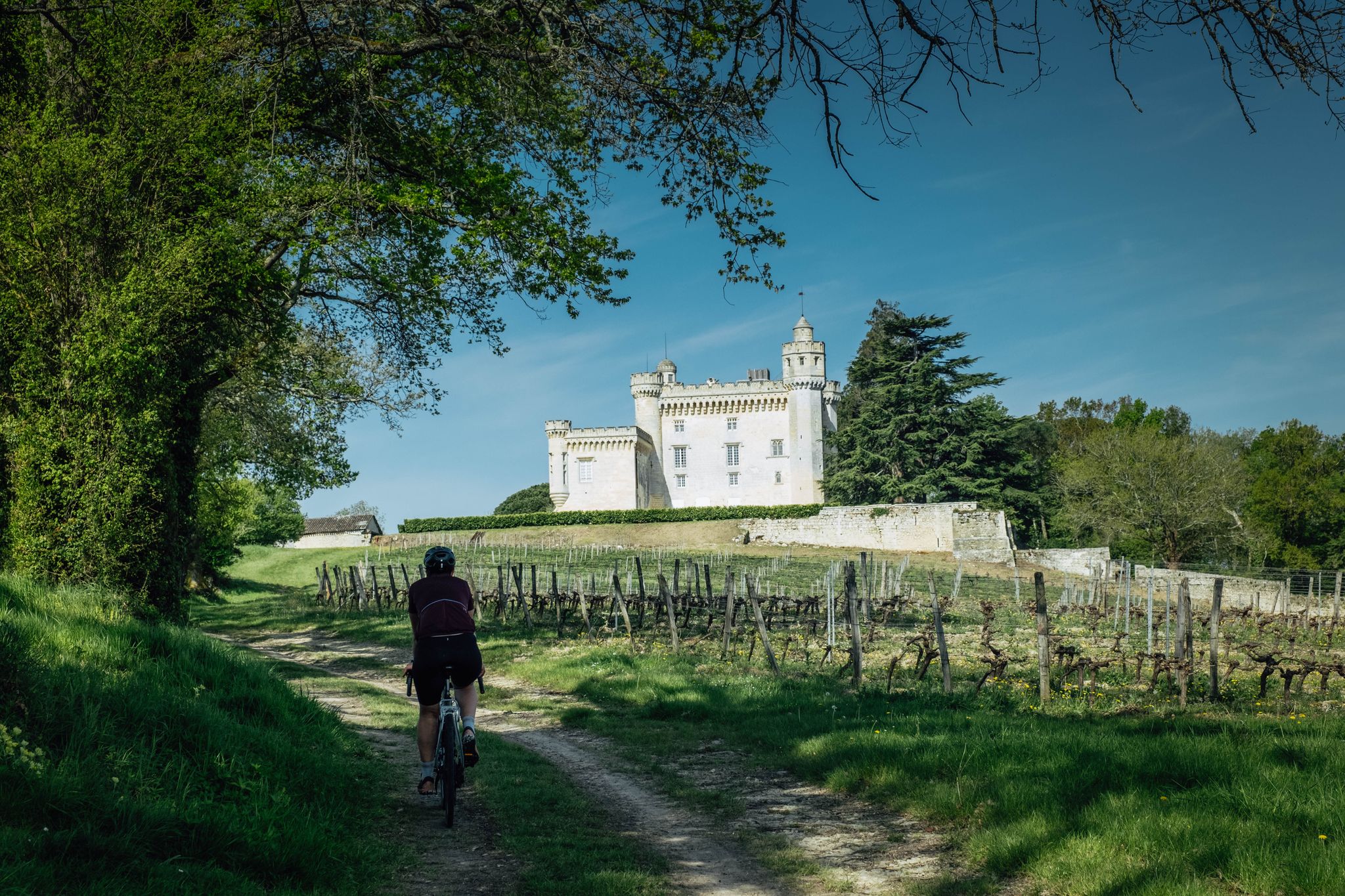
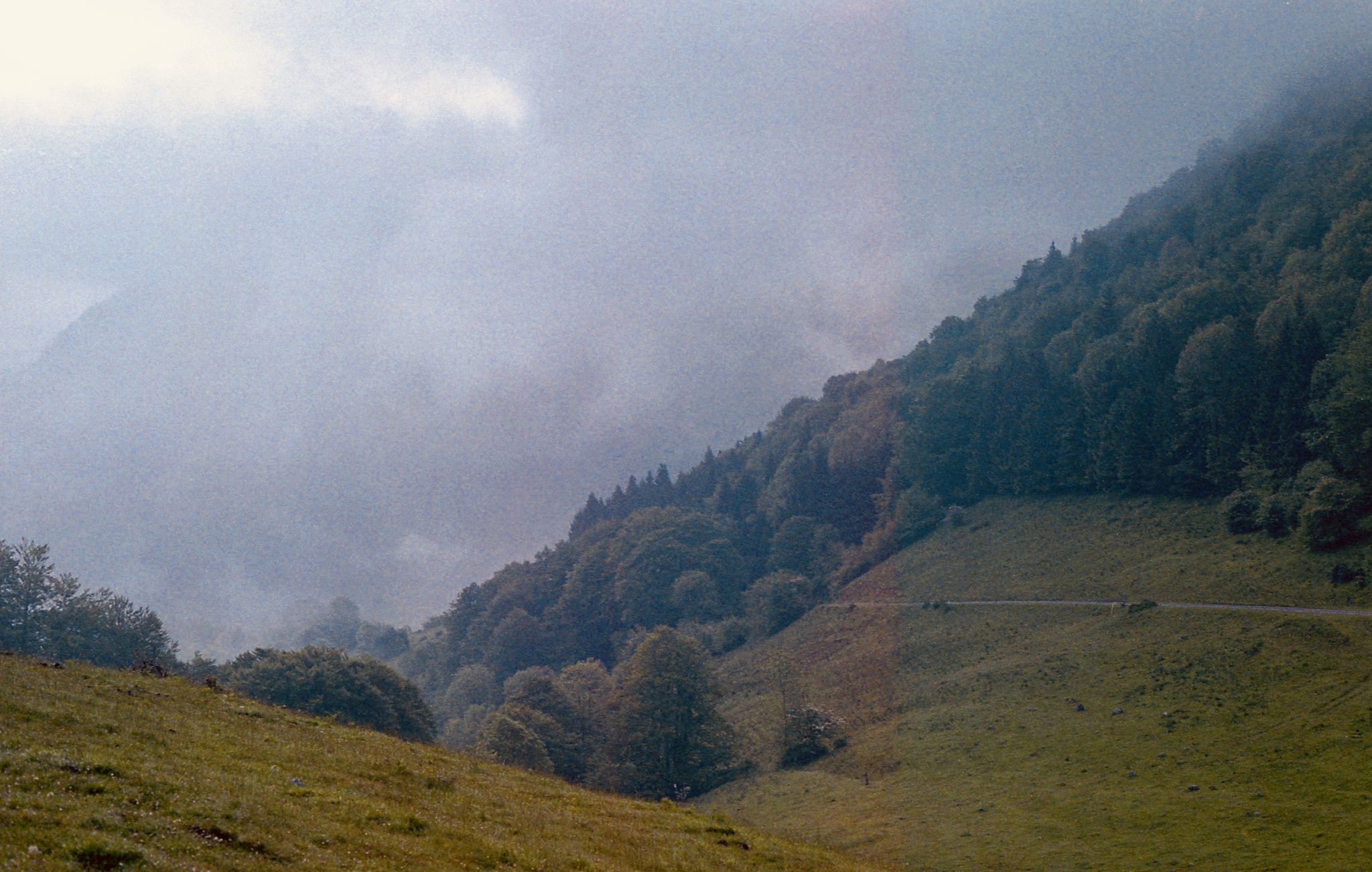
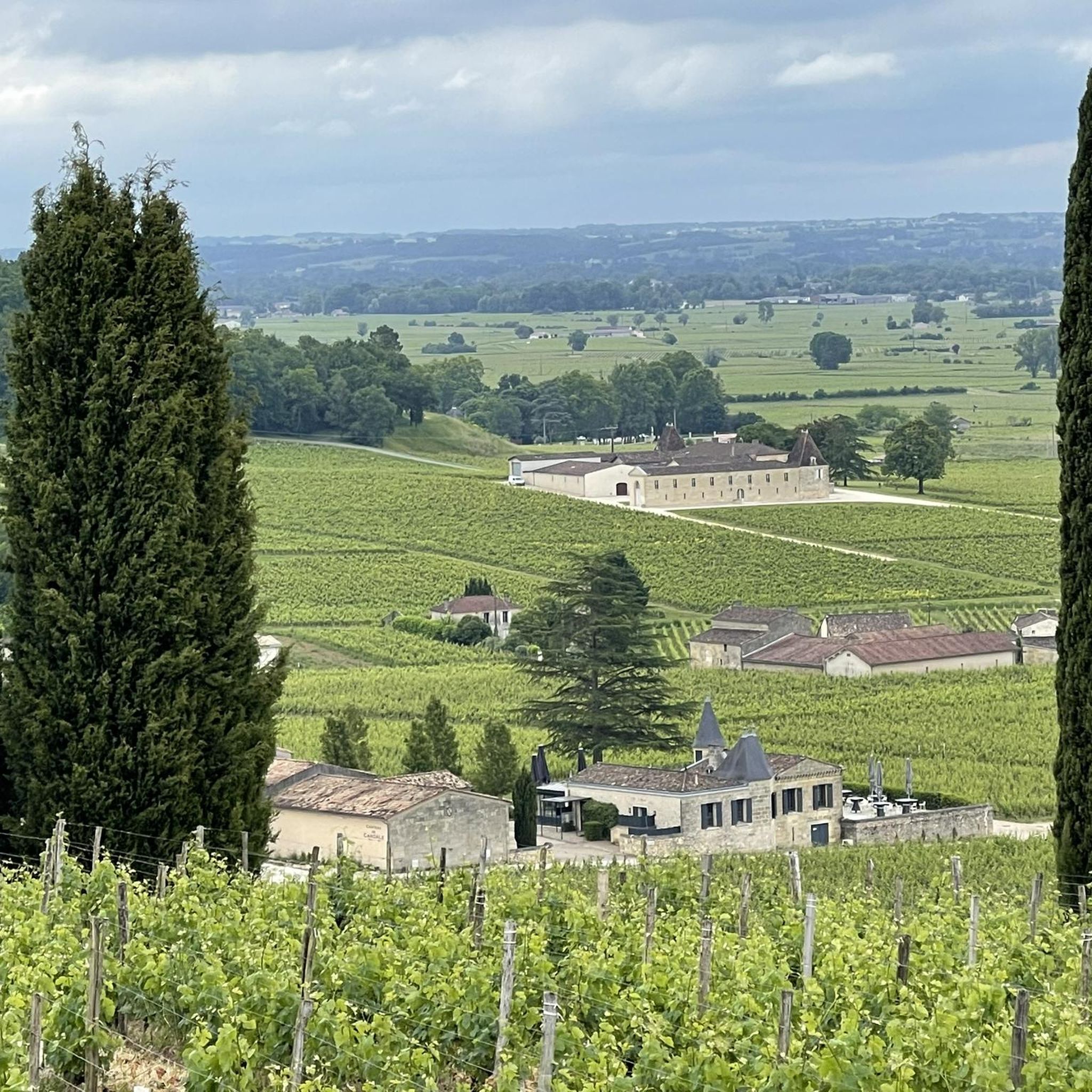
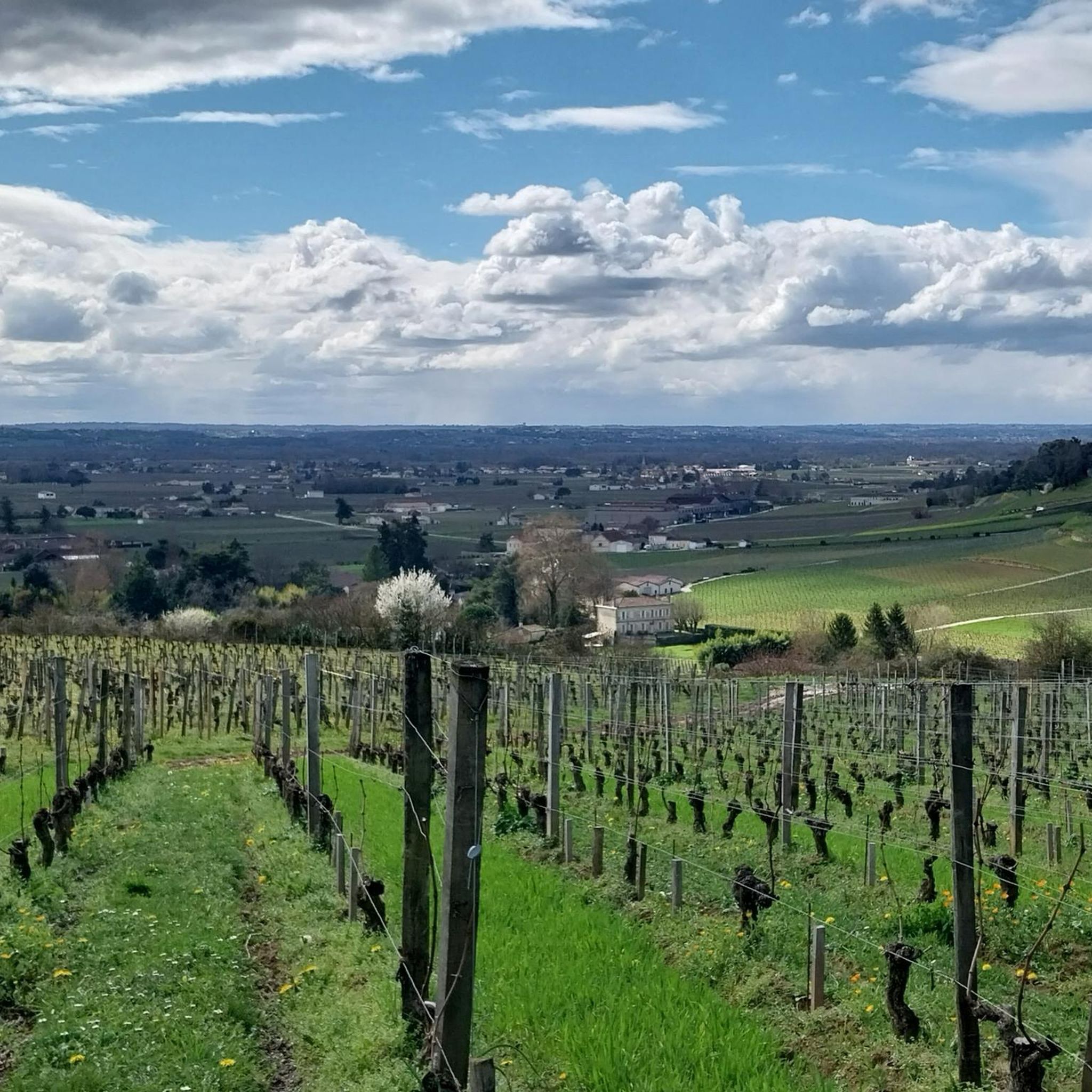




Tips from the Community

The TV series – available only in German – »Schätze der Welt – Erbe der Menschheit« documents in short episodes, each lasting a quarter of an hour, important places that have been honored as World Heritage Sites by UNESCO. The accompanying text states: "Saint- Emilion is one of the most romantic wine towns in the world. The small town lies on a limestone plateau, framed by vineyards where the grapes for the famous 'grands crus' grow. With this important wine-growing region in southwestern France, UNESCO has also declared wine a World Heritage Site. Rightly so, because Saint- Emilion represents the perfection of wine." Follow this link to the film =>> https://www.ardmediathek.de/video/schaetze-der-welt/saint-emilion-frankreich-folge-226/swr/Y3JpZDovL3N3ci5kZS83Nzg1MTUw
0
0

Well-lit tunnel on the cycle path
0
0
Superb 50 km cycle path through the forest and vineyards
0
0

Good place for a coffee, crepes.. or lunch.
0
0


pretty ridge road with views of the Dordogne valley and beautiful castles
0
0


Frequently Asked Questions
What kind of terrain can I expect on road cycling routes around Saint-Émilion?
Road cycling routes in Saint-Émilion primarily traverse picturesque vineyards and rolling hills, characteristic of this UNESCO World Heritage site. You'll find well-maintained roads, with a mix of gentle slopes and more challenging climbs, especially as you approach the historic village. Some routes also follow the banks of the Dordogne River or pass through forests and meadows, offering diverse scenery.
Are there road cycling routes suitable for beginners or those looking for an easy ride?
Yes, Saint-Émilion offers routes for various fitness levels. While many routes feature rolling hills, there are easier options available. For example, the Saint-Émilion – Château Angélus loop from Condat is an easy 9.6-mile (15.4 km) trail that takes you through vineyards and past prestigious châteaux.
What are some notable landmarks or attractions I can see while cycling in Saint-Émilion?
The region is rich in history and natural beauty. You can cycle past numerous prestigious châteaux and wineries, such as Château Angélus. The medieval village of Saint-Émilion itself is a major attraction, with its cobbled streets and historic architecture. You can also explore the unique Saint-Émilion Village, or discover the Cordeliers' Cloister. For more details, see our guide to Attractions around Saint-Émilion.
Are there any long-distance or challenging road cycling routes in the area?
Absolutely. For those seeking longer or more challenging rides, Saint-Émilion offers several options. The Saint-Émilion – Saint-Émilion Village loop from Saint-Émilion is a moderate 49.5-mile (79.6 km) route with significant elevation gain. The region is also part of the Scandibérique (EuroVelo 3), a major European cycling route, providing opportunities for extended tours.
What is the best time of year for road cycling in Saint-Émilion?
The best time for road cycling in Saint-Émilion is generally from spring to autumn. Spring offers pleasant temperatures and blooming vineyards, while autumn provides stunning colors and the excitement of the grape harvest. Summers can be warm, so early morning or late afternoon rides are often preferred. Always check local weather conditions before heading out.
Are there any circular road cycling routes around Saint-Émilion?
Yes, many of the road cycling routes in Saint-Émilion are designed as loops, allowing you to start and finish in the same location. An example is the Sauve Majeure tunnel – Roger Lapébie Cycle Path loop from Saint-Émilion, a 51.4-mile (82.7 km) route that incorporates a popular greenway.
Can I find cafes or places to stop for refreshments along the road cycling routes?
Yes, the cycling routes often pass through charming, authentic wine villages such as Libourne, Pomerol, and Créon. These villages, along with Saint-Émilion itself, offer opportunities to stop for refreshments, enjoy local cuisine, and experience the region's culture. Many châteaux also have tasting rooms or shops.
What do other cyclists say about road cycling in Saint-Émilion?
The road cycling routes in Saint-Émilion are highly rated by the komoot community, with an average score of 4.4 stars from over 30 reviews. Cyclists often praise the stunning vineyard landscapes, the well-maintained roads, and the opportunity to combine cycling with cultural and gastronomic discoveries in this UNESCO World Heritage region.
Are there family-friendly road cycling options in Saint-Émilion?
While many routes involve rolling hills, some sections and dedicated paths can be suitable for families. The Roger Lapébie cycling path, a former railway line converted into a peaceful greenway, is a popular and generally flatter option that winds through diverse landscapes, making it more accessible for family rides.
Where can I find parking for road cycling trails near Saint-Émilion?
Parking is generally available in and around the main village of Saint-Émilion, as well as in some of the smaller surrounding wine villages. It's advisable to check specific parking availability for your chosen starting point, especially during peak tourist seasons, to ensure a smooth start to your ride.
How many road cycling routes are available around Saint-Émilion?
There are over 80 road cycling routes available around Saint-Émilion, catering to various skill levels. This includes 16 easy routes, 62 moderate routes, and 10 difficult routes, ensuring there's something for every cyclist.
Are there routes that follow the Dordogne River?
Yes, some road cycling routes in the Saint-Émilion region are bordered by the Dordogne River, offering scenic views along its banks. The Dordogne at Castillon – The Dordogne loop from Saint-Émilion is a moderate 36.7-mile (59.0 km) route that allows you to experience the river valley.
Most popular routes around Saint-Émilion
Most popular attractions around Saint-Émilion

Get inspired with the komoot mobile app


Explore more
Browse the best Road cycling routes in other regions.
