The best road cycling routes around Sireuil
4.6
(33)
1,383
riders
327
rides
Road cycling around Sireuil, located in the Charente region of France, offers routes through diverse landscapes. The area is characterized by bucolic scenery, verdant hills, and tranquil river valleys, including the Anguienne valley. Cyclists encounter a mix of vine-planted hillsides and historic architecture, providing varied terrain for exploration. The region's natural features include rivers and forests, suitable for moderate road cycling.
Best road cycling routes around Sireuil
- The most popular road cycling route is Sireuil Bridge – Château de la…
Last updated: July 13, 2026
4
riders
79.2km
03:41
690m
690m
Moderate road ride. Good fitness required. Mostly well-paved surfaces and easy to ride.
5.0
(6)
78
riders
61.5km
02:31
290m
290m
Moderate road ride. Good fitness required. Mostly well-paved surfaces and easy to ride.

Sign up for free
5.0
(2)
65
riders
21.1km
00:59
220m
220m
Easy road ride. Great for any fitness level. Mostly well-paved surfaces and easy to ride.
19
riders
65.8km
02:49
470m
470m
Moderate road ride. Good fitness required. Some segments of this route may be unpaved and difficult to ride.
5.0
(1)
9
riders
48.0km
02:12
440m
440m
Moderate road ride. Good fitness required. Mostly well-paved surfaces and easy to ride.
Get access to more routes and recommendations from other explorers.
Sign up for free
Already have an account?
Our route recommendations are based on thousands of hikes, rides, and runs completed by other people on komoot.
Start today with a free account
Your next adventure awaits.
Login or Signup
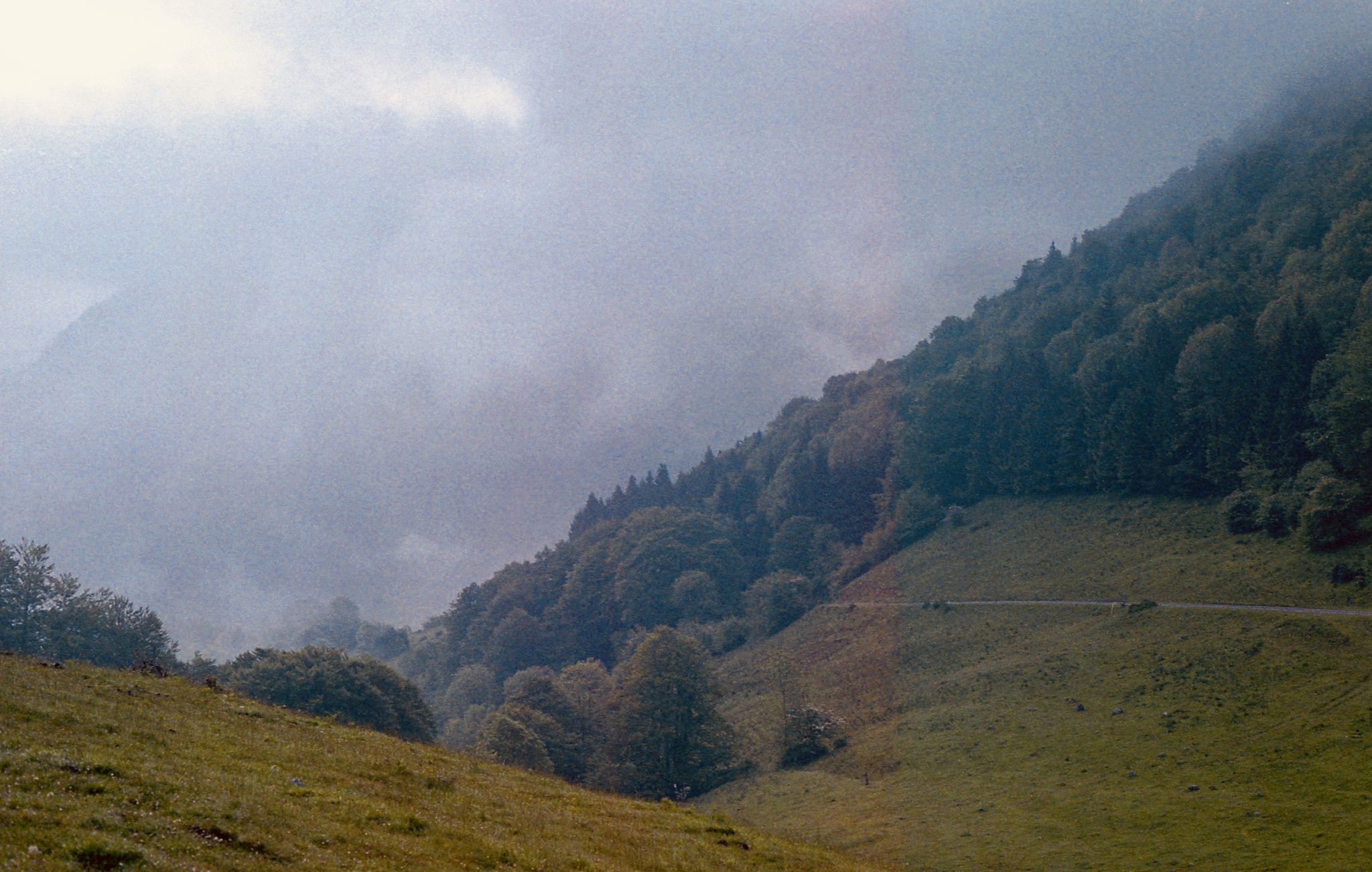

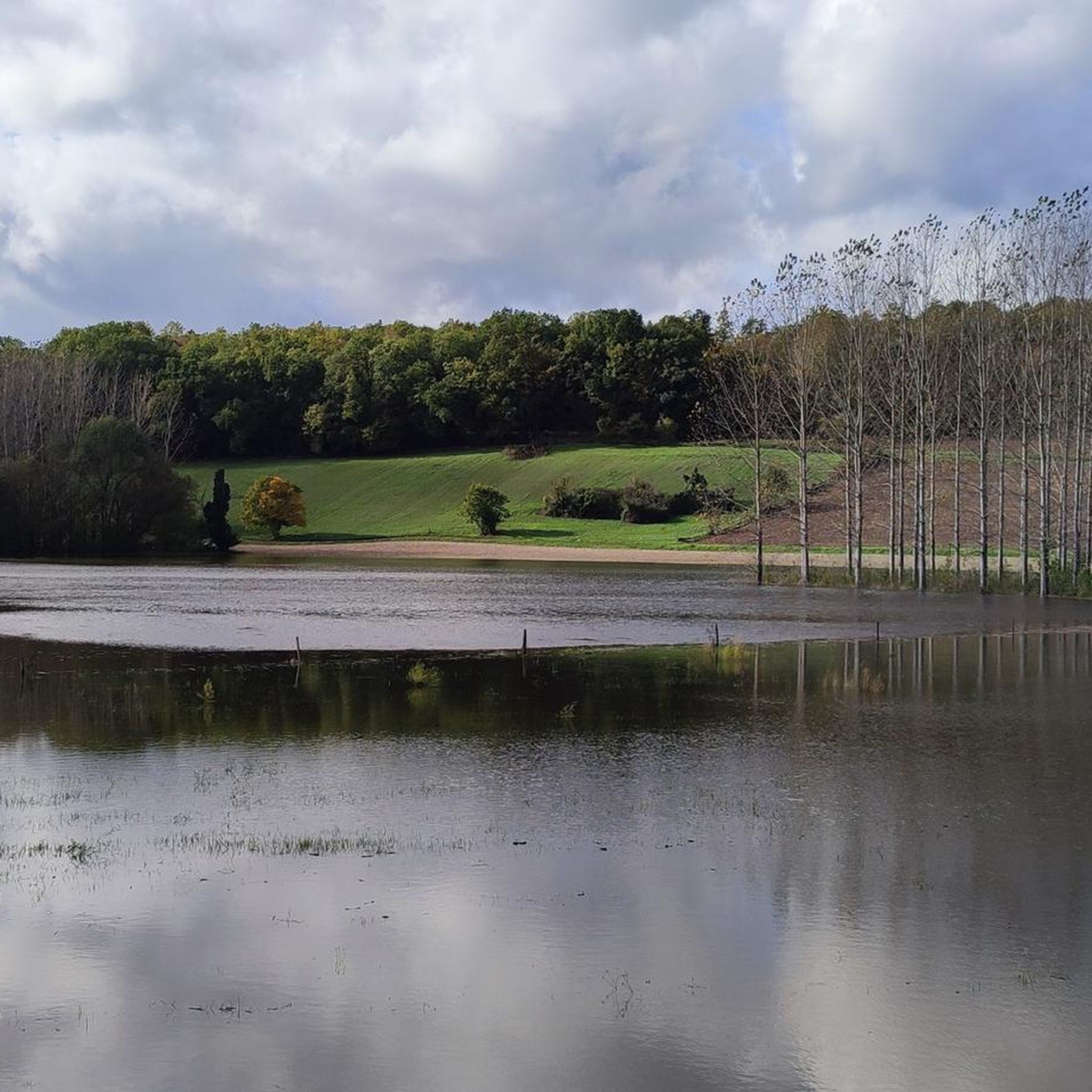
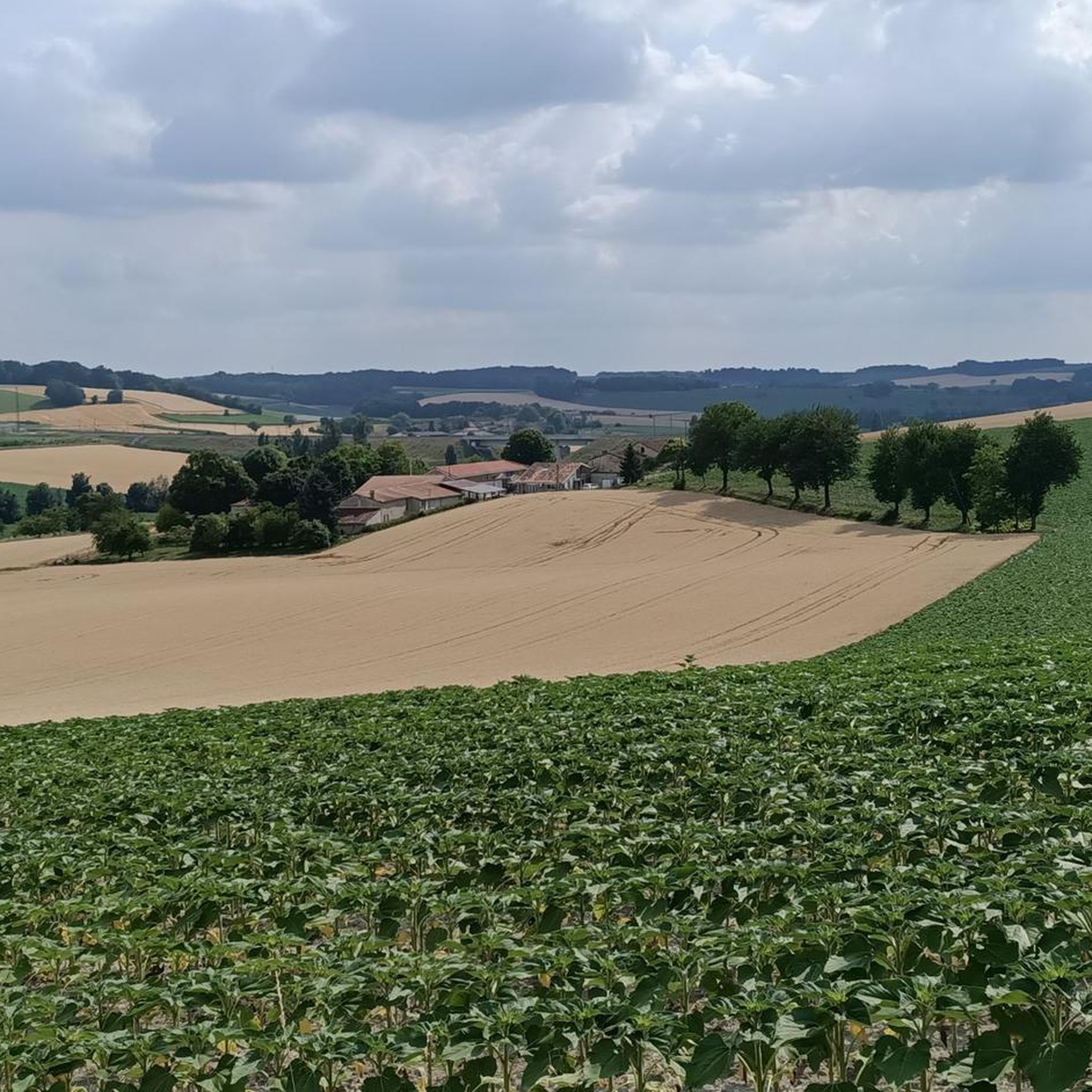


Other adventures around Sireuil

Tips from the Community

Bourge medieval style, very pretty
0
0


Beautiful little town center
0
0

Beautiful view from the bridge over the Charente, the quays and the pier.
0
0
The Abbey of Notre-Dame de La Couronne is an exceptional monumental complex, composed of the remains of the old abbey church and the convent buildings. A major building representing the introduction of Gothic in Angoumois at the end of the 12th century. In the 12th century, the Abbey of Notre-Dame de la Couronne was founded (from 1118, laying of the first stone). The work was carried out quickly and on March 12, 1122, the monks (of the regular order of Saint Augustine) settled in the presence of Bishop Girard de Blay and the Count of Angoulême. From its creation, the abbey was a great success: a new church was built at the end of the 12th century (choir and nave: 1171-1194; the end of the work was slowed down by wars, famines, etc.): it was dedicated in 1201, in the presence of the Archbishop of Bordeaux. The convent buildings were also renewed at the end of the 12th and beginning of the 13th century: cloisters, dormitory, refectory, infirmary, etc. A surrounding wall surrounded the abbey. During the 13th century, the furnishings were enriched, the Saint-Nicolas chapel was built and the bell tower was built. During the Hundred Years' War, the monks were dispersed and the bell tower collapsed (1450). At the end of the 15th century, the abbey was reborn: part of the collapsed church was rebuilt, a new abbey building was built (the work was completed after 1514). The Wars of Religion affected the abbey again: it was pillaged in 1562, part of its furniture was burned. The convent buildings were restored in 1571. At the beginning of the 17th century, the abbey, which now had only eight monks, was united with the Jesuit order; it was then placed under the obedience of the congregation of Sainte-Geneviève in 1644. In the 18th century, a final campaign of works (1750-1778) transformed the convent buildings. During the Revolution, the abbey became national property. It was sold in 1807, used as a quarry and was gradually dismantled and divided into several properties. This religious establishment is now in ruins and inaccessible to the public. But it is possible to imagine it thanks to a virtual reality tour with the Legendr application. Municipal website: https://www.lacouronne.fr/abbaye-notre-dame 3D reconstruction: https://www.rendr.fr/portfolio/reconstitution-3d-abbaye-notre-dame-la-couronne Heritage of Charente: https://patrimoine16.lacharente.fr/sites-du-departement/la-couronne/
0
0
The parish church of Notre-Dame is Romanesque and dates from the 12th century. It has a Romanesque bell tower with two floors of arched bays and a conical spire. A dome is at the crossing and the capitals are decorated with sculptures. On the gable of the façade, bas-reliefs depict Christ between evangelical symbols. Its façade was damaged during the Revolution, and heavily restored in the 19th century10. It was classified as a historic monument on July 12, 1886 https://www.angouleme-tourisme.com/patrimoine-culturel/eglise-notre-dame-de-trois-palis/ A little history of the town of Trois Palis by following this link: http://trois-palis.fr/histoire-et-patrimoine/
0
0
Notre Dame de Trois-Palis is a small church located in the center of the town of Trois-Palis. From the Romanesque period, it was listed as a historic monument in 1886. The conical spire covered with pine cone scales that rises above the square bell tower can be seen from afar. It dominates a small Romanesque building located in the heart of the town. Its façade is divided into three floors: At the top, in the triangular gable wall, Christ in Majesty is surrounded by the tetramorph (set of four symbolic representations of the evangelists: the bull of Saint Luke; the eagle of Saint John; the lion of Saint Mark; the angel of Saint Matthew). This theme is directly inspired by the Saint-Pierre cathedral in Angoulême. The central space, between the gable and the portal, is occupied by modern high reliefs representing Christ surrounded by the Virgin and Saint John. On the ground floor, the sculpture made of foliage and animals is present on the arches of the portal. Restored in 1891 century, the small church of Notre-Dame has undergone major modifications. A semicircular apse replaced a flat chevet and the nave was vaulted. Inside, the building consists of a single nave, split into three bays. The walls of the nave are clad with large pointed arches. The south wall of the nave is pierced by three bays, while the north wall is blind. In the extension of the nave, a bay under a bell tower deserves attention. The columns arranged in this space are all endowed with a rich sculpted program that develops in the capitals. They are all historiated and represent the themes frequently deployed near the sanctuary: original sin and the fight between Good and Evil. The semicircular apse replaced a flat chevet in the 19th century. It has a cul-de-four vault. Listed as a Historic Monument in 1886. Open every day from 9 a.m. to 5:30 p.m.
1
0
Frequently Asked Questions
How many road cycling routes are available around Sireuil?
There are over 10 road cycling routes around Sireuil, all rated as moderate difficulty. These routes offer diverse landscapes, from river valleys to vine-planted hillsides.
What is the typical terrain like for road cycling in Sireuil?
Road cycling in Sireuil, located in the Charente region, features a mix of bucolic landscapes, verdant hills, and tranquil river valleys, including the Anguienne valley. You'll encounter vine-planted hillsides and historic architecture, providing varied terrain suitable for moderate road cycling.
What is the best time of year for road cycling in Sireuil?
The Charente region generally offers pleasant conditions for cycling from spring through autumn. Cyclists can enjoy the 'river, stone, and vine' scenery, with comfortable temperatures for exploration. Summer months are also popular, but it's always wise to check local weather forecasts.
Are there any circular road cycling routes in Sireuil?
Yes, all the road cycling routes listed for Sireuil are circular loops. For example, the Sireuil Bridge – Château de la Mercerie loop from Sireuil is a popular option, offering a scenic return to your starting point.
What landmarks or points of interest can I see while road cycling near Sireuil?
Many routes pass by notable landmarks. For instance, the Sireuil Bridge – Château de la Mercerie loop from Sireuil passes by the historic Château de la Mercerie. Another route, Vibrac Bridge – Château de Bouteville loop from Sireuil, offers views of the Charente river and the Château de Bouteville. You might also encounter the Church of Notre-Dame de Trois-Palis or the scenic View of Saint-Simeux.
Are there scenic viewpoints along the road cycling routes?
Yes, the region is known for its picturesque views. The 'Le petit tour de Sireuil' route, for example, offers panoramic views of vine-planted hillsides. You can also find scenic spots like the View of Saint-Simeux along some routes, providing beautiful vistas of the Charente landscape.
Are there easy or family-friendly road cycling routes in Sireuil?
While all routes listed are rated as moderate, the Charente region is generally well-suited for cycling with varied itineraries. The 'Flow Vélo' cycle route, which traverses the Charente Valley, offers sections suitable for various levels, including leisurely rides along country lanes. For specific family-friendly options, look for routes with minimal elevation changes.
Are there places to stop for refreshments or cafes along the routes?
Many of the charming villages and towns along the Charente river, such as those connected by the 'Flow Vélo' route, offer opportunities for refreshments. While specific cafes aren't listed for every route, exploring local villages will often reveal places to stop and enjoy local gastronomy.
What are the parking options for road cyclists in Sireuil?
Specific parking information for road cycling routes in Sireuil is not detailed. However, as a rural village, you can typically find parking in or near the village center, or at designated starting points for popular routes. It's advisable to check local signage upon arrival.
Can I reach Sireuil by public transport for road cycling?
While Sireuil is a smaller village, the Charente region has a public transport network. For detailed information on reaching Sireuil by public transport, especially with a bicycle, it's best to consult regional transport websites or local tourist information for the most current schedules and policies.
What do other road cyclists enjoy the most about road cycling in Sireuil?
The road cycling routes around Sireuil are highly rated by the komoot community, with an average score of 4.6 stars from over 27 reviews. Cyclists often praise the diverse landscapes, including river views and vine-planted hillsides, and the opportunity to explore historic landmarks like the Château de la Mercerie.
Are there any routes that follow the Charente River?
Yes, several routes offer views of the Charente River. The Vibrac Bridge – Château de Bouteville loop from Sireuil, for example, provides scenic views of the river. The broader 'Flow Vélo' cycle route also extensively follows the Charente Valley, offering a harmonious blend of river views and historic architecture.
Most popular attractions around Sireuil

Get inspired with the komoot mobile app


Explore more
Browse the best Road cycling routes in other regions.
