The best running trails around Münzthal-St.Louis
4.5
(62)
2,350
runners
164
runs
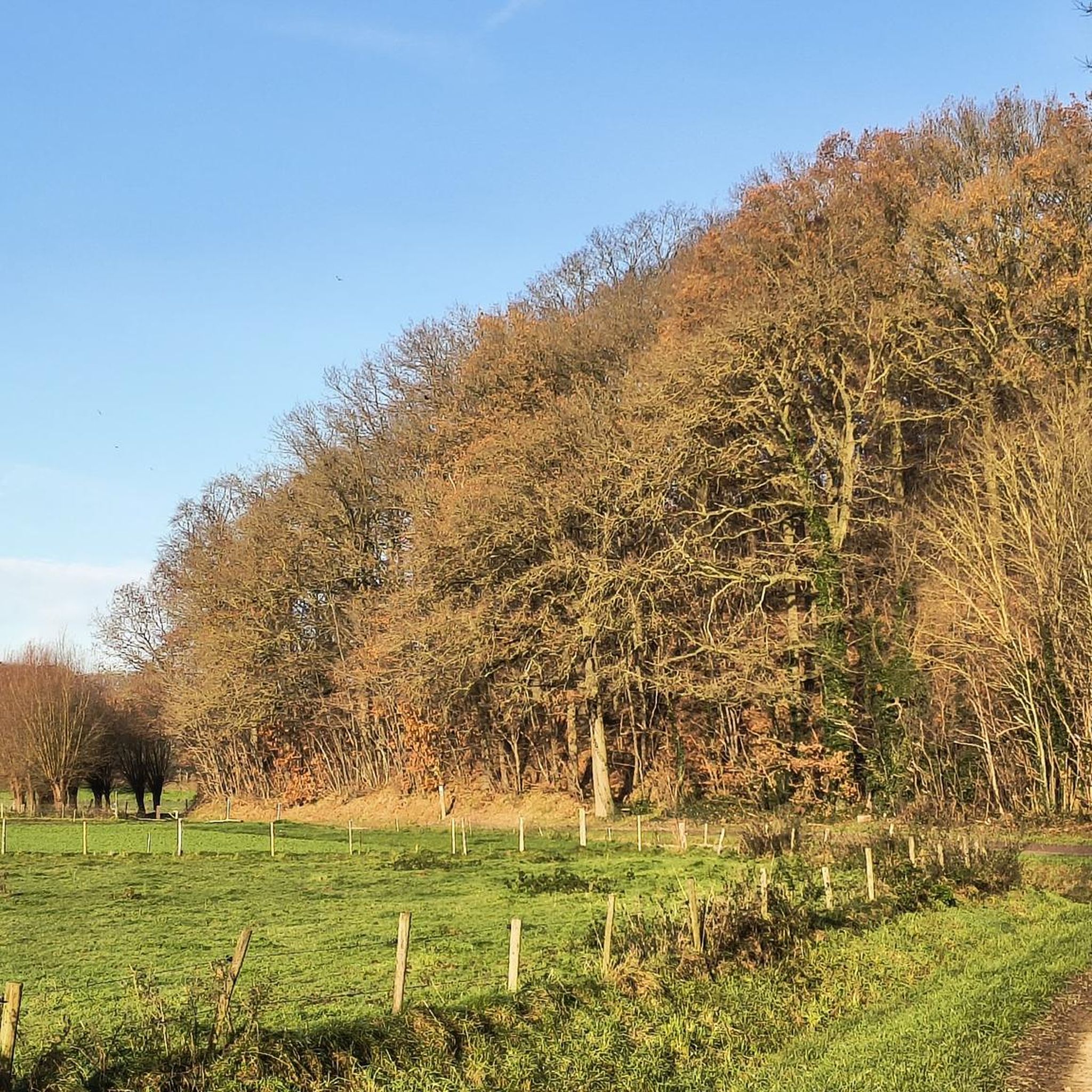
Jogging routes around Münzthal-St.Louis are primarily located within the Northern Vosges Regional Nature Park in France. The area is characterized by its extensive forested hills, valleys, and natural water bodies. Running trails often feature varied terrain, including paths through woodlands and around lakes. Elevation changes are common, providing a mix of moderate and challenging ascents.
Best jogging routes around Münzthal-St.Louis
- The most popular jogging route is Monbronner Berg – Mailaenderberg loop from Goetzenbruck, a 16.2 miles (26.1 km) trail…
Last updated: October 18, 2026
4.0
(1)
134
runners
26.1km
03:06
670m
670m
Hard run. Very good fitness required. Mostly paved surfaces. Suitable for all skill levels.
3.0
(1)
114
runners
12.1km
01:26
320m
320m
Hard run. Very good fitness required. Mostly paved surfaces. Suitable for all skill levels.

4.4
(5)
93
runners
11.5km
01:13
120m
120m
Moderate run. Good fitness required. Mostly paved surfaces. Suitable for all skill levels.
28
runners
10.2km
01:14
260m
260m
Moderate run. Good fitness required. Mostly paved surfaces. Suitable for all skill levels.
12
runners
14.2km
01:37
270m
270m
Moderate run. Good fitness required. Mostly paved surfaces. Suitable for all skill levels.
Get access to more routes and recommendations from other explorers.
Already have an account?
Our route recommendations are based on thousands of hikes, rides, and runs completed by other people on komoot.
Start today with a free account
Your next adventure awaits.
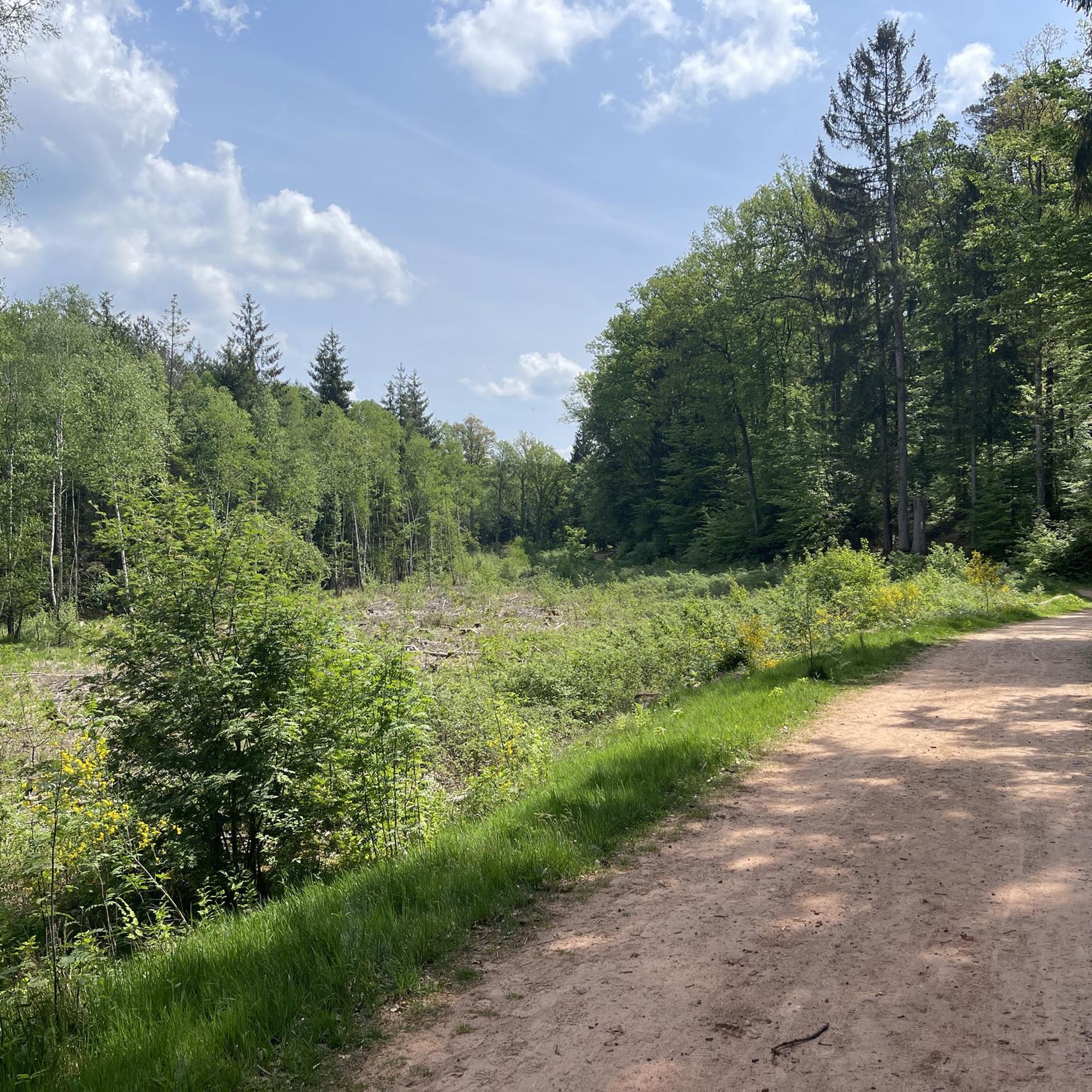
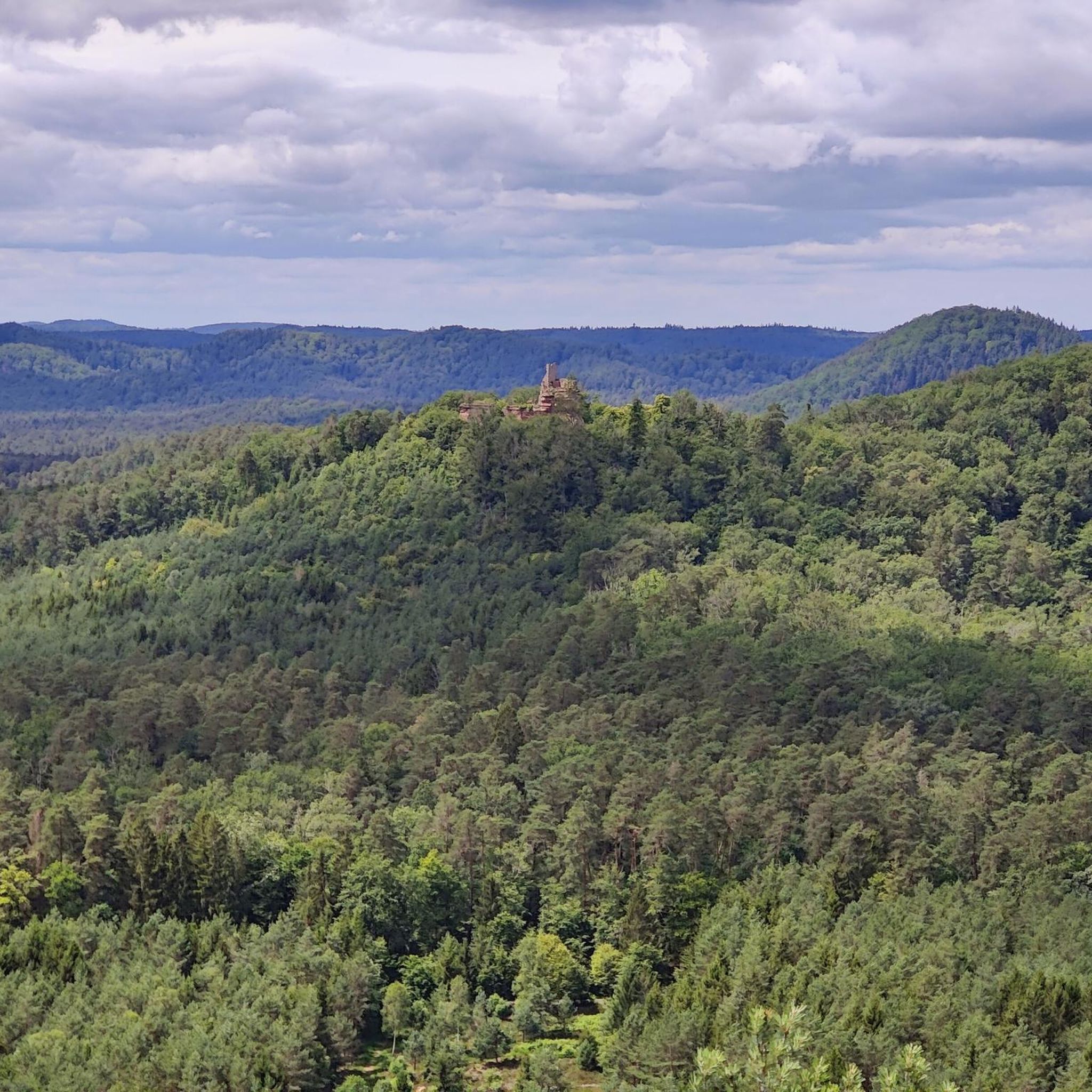
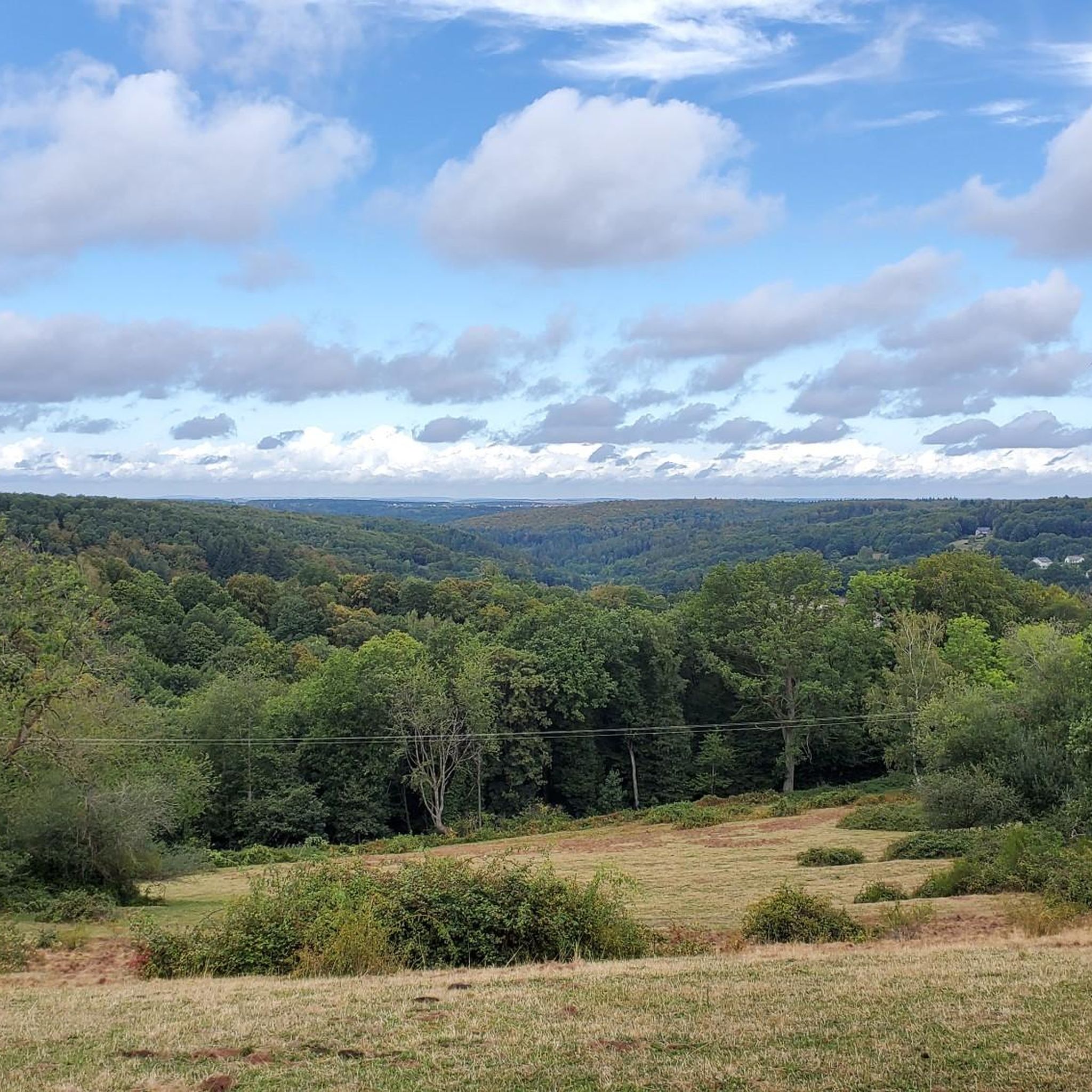
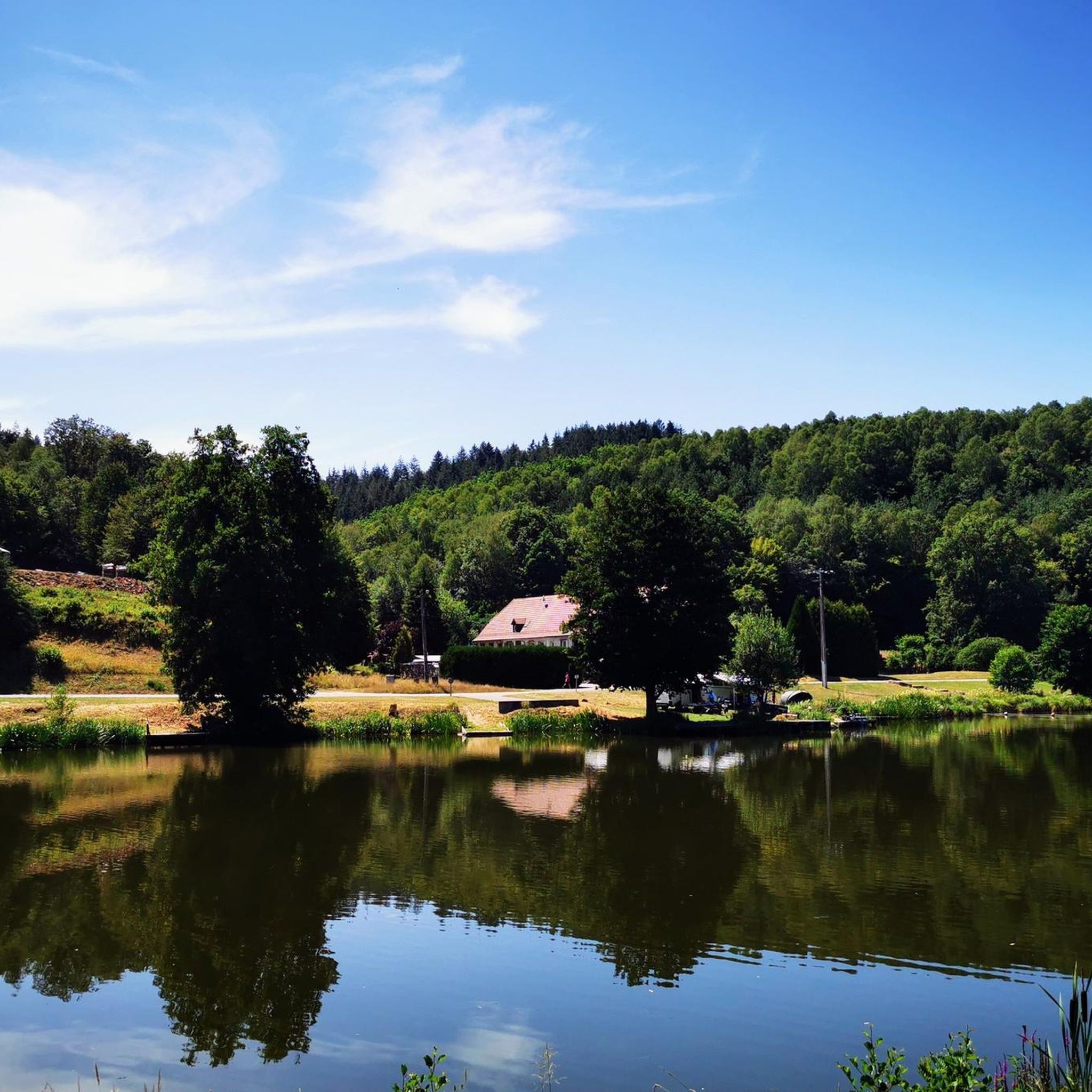
Tips from the Community

Ste-Vérène (German: St. Verena) is a Roman Catholic pilgrimage chapel near the village of Enchenberg in Lorraine. The chapel plays a significant role in the religious life of the Bitche region. It was listed as a historical monument in 1996. Its preservation is overseen by the Association for the Preservation of the Chapel of Sainte-Vérène. The chapel was built in the 15th century and enlarged in 1685. However, four construction periods are evident in the building. The simple Romanesque choir windows suggest an even older predecessor from the early Middle Ages. A window and door from the late Gothic period are considered architectural masterpieces. Two Renaissance-style gable windows on the west side date from the turn of the 15th and 16th centuries. The entrance to the chapel is in a naive Baroque style. The terracotta Virgin Mary also dates from this period. The choir, made of large, plastered sandstone blocks, creates an unusual scene with its Gothic arches. The old altar disappeared around 1960 and resurfaced damaged in November 1991. It has now returned to its place in the chapel. It is said to be a work by Johann Martersteck, a master from Bouquenom. The attribution can be considered relatively certain due to its strong similarity to the Rahling retable, which was also by Martersteck. The old, richly painted church windows disappeared around 1960. They were only replaced in 2000 by figurative paintings by the artist Sauveur Pasqual. The gable window depicts Saint Verena with her insignia of jug and comb. Next to it, Saint Maurice is depicted with a red flag and a broken sword. A Gothic window depicts Saints Ursus and Victor, martyrs of the Theban Legion like Maurice. Adjacent to the chapel is a Lourdes Grotto, built in 1958 to celebrate the centenary of the miracles of Lourdes. About 100 meters below the chapel rises a spring with very soft water, which may have contributed to the choice of the site and served to supply the hermits living there. It has also been used by the residents of Enchenberg since ancient times as a washing place. Source: Wikipedia
0
0
A beautiful chapel, accessible through the picturesque Felsenweihertal valley. A special place.
0
0

Since the two chairs were still there when I visited, I can only assume that sometimes - instead of a choir - a duet does its best there.
0
0
Maurice E. Lloyd now rests in Neupré, Belgium, at the Ardennes American Cemetery, which can be visited free of charge.
2
0

These rock formations, worked by the elements and time, display mysterious engravings, created by anonymous artists over the centuries. Walking among these rocks, we discover fascinating sculptures and impressive natural reliefs, all in a peaceful and wooded atmosphere.
0
0

The spring was also a former municipal washhouse.
1
0
The cave at the Krippenfelsen is very low. You almost have to crawl in if you want to sit down there.
1
0
The Hasslinger Rock is the largest grotto in Lviv and the local population found shelter here during the liberation struggles in 1944-1945.
3
0
Frequently Asked Questions
How many running routes are available in Münzthal-St.Louis, and what are their difficulty levels?
There are over 150 running routes around Münzthal-St.Louis. The area offers a good variety, with approximately 9 easy routes, over 110 moderate paths, and about 34 challenging trails, ensuring options for all fitness levels.
What kind of landscapes and terrain can I expect on the running trails around Münzthal-St.Louis?
The running trails in Münzthal-St.Louis are primarily located within the Northern Vosges Regional Nature Park in France. You can expect extensive forested hills, picturesque valleys, and natural water bodies. The terrain often varies, including paths through woodlands and around lakes, with common elevation changes that provide a mix of moderate and challenging ascents.
Are there many circular running routes in the Münzthal-St.Louis area?
Yes, many of the running routes in the region are circular, offering convenient starting and ending points. For example, the Monbronner Berg – Mailaenderberg loop from Goetzenbruck is a popular longer option, while the Klausenberg – Mailaenderberg loop from Sarreinsberg provides a moderate circular experience.
What do other runners enjoy most about jogging in Münzthal-St.Louis?
The running routes in Münzthal-St.Louis are highly rated by the komoot community, with an average score of 4.4 stars from over 40 reviews. Runners often praise the varied terrain, the beauty of the forested paths, and the peaceful atmosphere of the Northern Vosges Regional Nature Park.
Are there any easy or beginner-friendly running paths in Münzthal-St.Louis?
Yes, while the region is known for its varied terrain, there are about 9 easy running routes suitable for beginners or those looking for a less strenuous jog. These paths typically feature gentler inclines and well-maintained surfaces.
What interesting landmarks or natural features can I see along the running routes?
The area offers several interesting sights. You might encounter the Hasselfurth pond and its surrounding forest, or the Hasselfurth Lake and Wooden Sculptures. For historical interest, the impressive Citadel of Bitche is also nearby, and some routes might offer views or pass close to it.
Are there any running routes that pass by lakes or water bodies?
Yes, the region features several natural water bodies. The Etang du Moulin loop from Saint-Louis-lès-Bitche is a great option, leading through forested areas and directly around a lake, offering scenic views and a refreshing experience.
Can I find running routes that are suitable for families or those with children?
While specific 'family-friendly' designations aren't always explicit, the easier routes with less elevation gain would be most suitable for families. Look for paths around lakes or through less challenging forest sections, which often provide a pleasant environment for all ages.
What is the best time of year to go running in Münzthal-St.Louis?
The Northern Vosges Regional Nature Park is beautiful year-round. Spring and autumn offer pleasant temperatures and vibrant foliage, making them ideal for running. Summer provides longer daylight hours, though some paths might be more exposed to the sun. Winter running is possible, but be prepared for colder temperatures and potentially snowy or icy conditions on higher trails.
Are there any running routes that offer historical or cultural points of interest?
Yes, some routes provide glimpses into the region's history. For instance, the Hasslingerfelsen Cave – Choir Rocks loop from Lemberg offers natural rock formations with historical significance. Additionally, the area is known for its glass manufacturing heritage, particularly the Saint-Louis Glass Manufacture in Saint-Louis-lès-Bitche, which adds a unique cultural layer to the region.
Are there options for longer, more challenging runs with significant elevation?
Absolutely. For experienced runners seeking a challenge, routes like the Monbronner Berg – Mailaenderberg loop from Goetzenbruck cover over 26 km with significant elevation gain, providing a demanding and rewarding experience through forested terrain.
Are there any running paths that lead to viewpoints or offer scenic vistas?
Given the region's hilly and forested nature within the Northern Vosges, many routes will naturally offer scenic views, especially from higher elevations. While specific named viewpoints aren't always highlighted, the varied terrain ensures picturesque landscapes throughout your run.
Most popular routes around Münzthal-St.Louis
Most popular attractions around Münzthal-St.Louis

Get inspired with the komoot mobile app


Explore more
Browse the best Running Trails & Routes in other regions.
