The best cycling routes around Grandfontaine
4.4
(223)
2,421
riders
135
rides
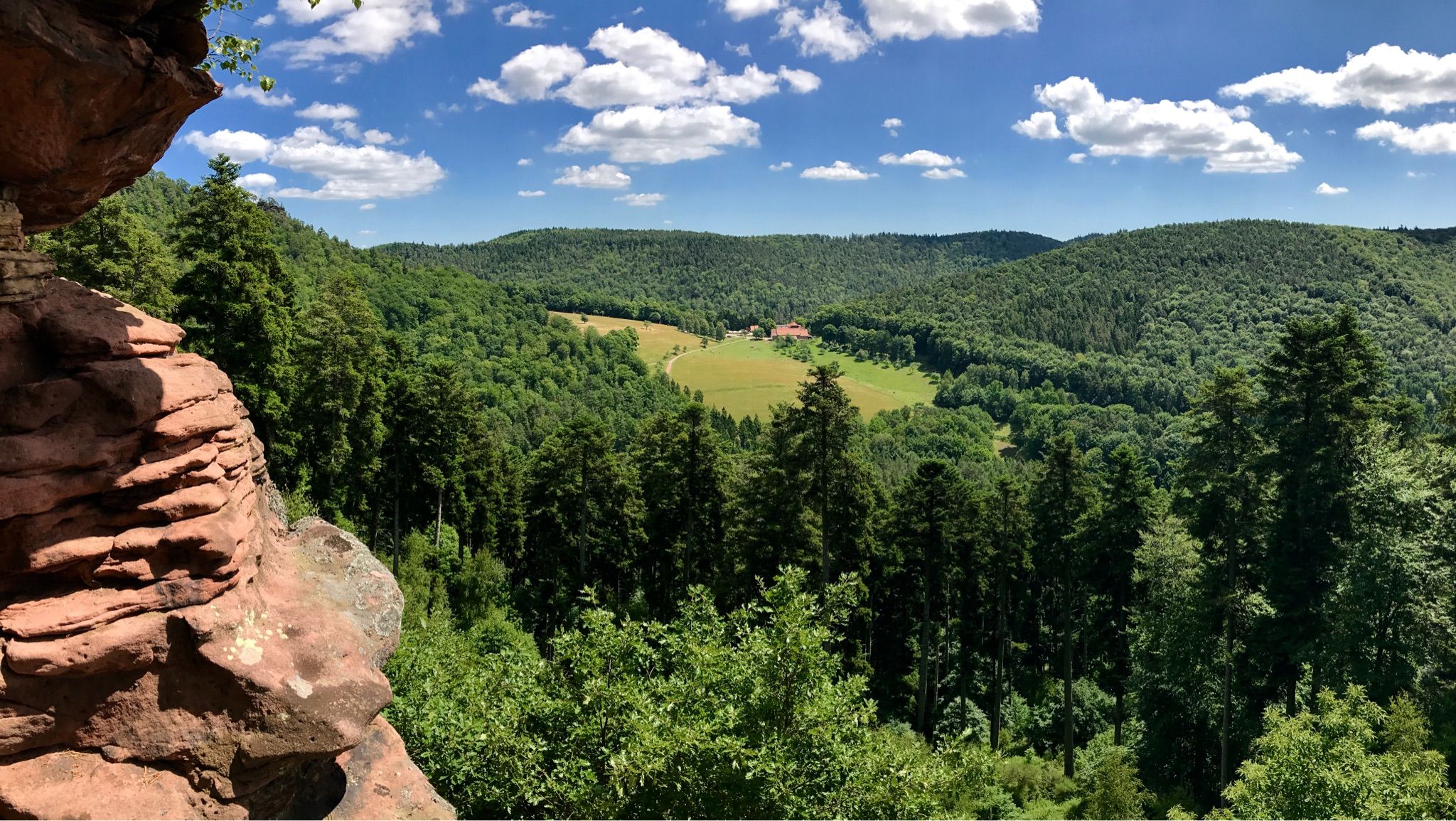
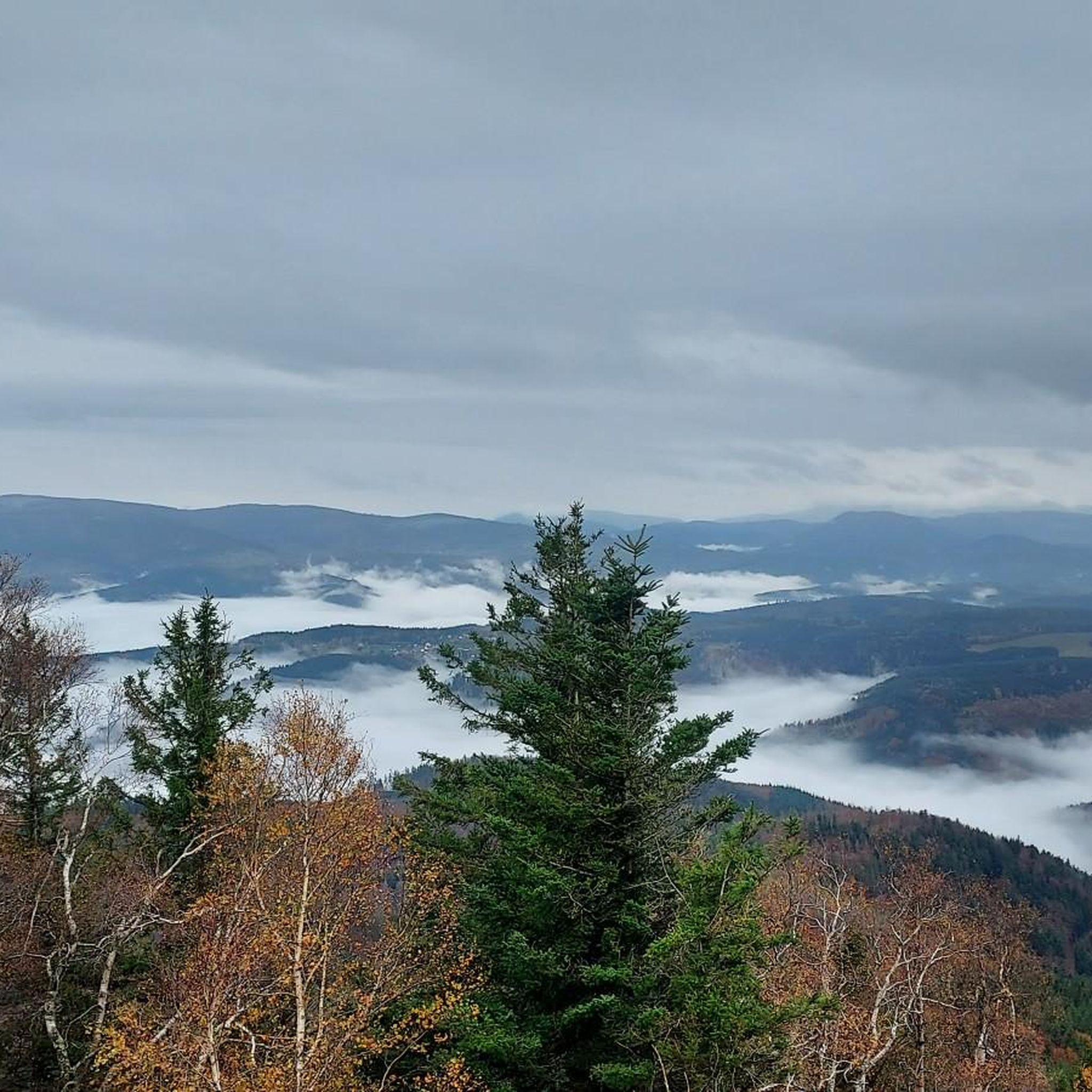
Touring cycling routes around Grandfontaine are set within the diverse landscapes of the Vosges mountains in France. The region features dense forests, rolling hills, and picturesque valleys, offering varied terrain for cyclists. Notable natural features include the Mont Donon massif, providing significant elevation changes, and the serene Lac de la Plaine. The area is characterized by well-maintained roads and a network of paths suitable for different cycling preferences.
Best touring cycling routes around Grandfontaine
- The most popular touring cycling route…
Last updated: July 5, 2026
4.3
(7)
98
riders
67.9km
04:47
1,210m
1,210m
Hard bike ride. Very good fitness required. You may need to push your bike for some segments of this route.
4.6
(7)
61
riders
34.6km
02:06
270m
270m
Moderate bike ride. Good fitness required. Mostly paved surfaces. Suitable for all skill levels.

Sign up for free
4.9
(20)
109
riders
53.6km
03:16
390m
390m
Moderate bike ride. Good fitness required. Mostly paved surfaces. Suitable for all skill levels.
11
riders
45.2km
04:20
900m
900m
Hard bike ride. Very good fitness required. You may need to push your bike for some segments of this route.
10
riders
30.5km
02:07
550m
550m
Hard bike ride. Very good fitness required. Mostly paved surfaces. Suitable for all skill levels.
Get access to more routes and recommendations from other explorers.
Sign up for free
Already have an account?
Our route recommendations are based on thousands of hikes, rides, and runs completed by other people on komoot.
Start today with a free account
Your next adventure awaits.
Login or Signup
Other adventures around Grandfontaine

Tips from the Community

Beautiful hiking destination, there is also a cycling route
0
0

Beautiful climb and lovely view at the pass - Altitude 728m Restaurants (inns) at the pass
0
0


Mural by Matthieu Koga in Round-lÉstape
8
0
Situated in the heart of the Vosges, this dam, together with Lac de la Plaine, forms an important water reservoir. The dam was built to feed Lac de Pierre-Percée via an underground system. The climb up to it is gradual and rewards you with a view of the peaceful Lac de la Plaine. The road along the lake is ideal for a breather, with little traffic and lots of nature. Perfect for a short break or a photo opportunity during your ride.
9
0

Even though the two sources of the Saar headwaters are less than 1km apart, they only join after flowing for over 26km each.
1
0
The spring is located a little further up the hiking trail toward the road. You can hear the water splashing loudly from the trail.
1
0
Lac de la Plaine is a picturesque lake in the Vosges, located near Celles-sur-Plaine, near the larger Lac de Pierre-Percée. The lake is an artificial water reservoir of about 0.5 million m³ and serves as a supply basin for the reservoir above.
1
0
Frequently Asked Questions
How many touring cycling routes are available around Grandfontaine?
There are over 130 touring cycling routes around Grandfontaine, offering a wide range of options for different skill levels and preferences. The region is well-known for its diverse landscapes within the Vosges mountains.
What kind of terrain can I expect on touring cycling routes in Grandfontaine?
The terrain around Grandfontaine is varied, characterized by dense forests, rolling hills, and picturesque valleys. You'll find a mix of well-maintained roads and paths, with some routes featuring significant elevation changes, especially as you approach areas like the Mont Donon massif.
Are there any challenging touring cycling routes for experienced riders?
Yes, Grandfontaine offers several challenging routes. For instance, the Donon Pass – Source of the Red Saar loop from Raon-sur-Plaine is a difficult 42.2-mile (68.0 km) path with substantial elevation gain, ascending towards the Donon Pass. Another demanding option is the Lac de la Plaine – Donon Pass loop from Grandfontaine, covering 53.9 km with over 770 meters of ascent.
Can I find easier touring cycling routes suitable for beginners or casual rides?
Absolutely. While the region has challenging climbs, there are also easier routes. The Allarmont – Lac de la Plaine loop from Raon-sur-Plaine is a moderate 20.8-mile (33.5 km) trail that takes you through forested areas and past the serene Lac de la Plaine, making it a good choice for a more relaxed ride.
What natural features or landmarks can I see while cycling around Grandfontaine?
The region is rich in natural beauty and historical landmarks. You can cycle past the tranquil Lac de la Plaine, experience the challenging Mont Donon massif, and explore areas near the source of the Red Saar. Notable landmarks include the Donon Temple, a 19th-century replica ancient temple at the summit of Mont Donon, offering panoramic views. You might also encounter shelters like the Haute Loge shelter or the Schubert Stone and Shelter at Col Entre les Deux Donons.
Are there any specific viewpoints or scenic spots along the touring routes?
Many routes offer rewarding views, particularly those that ascend to higher elevations. The Mont Donon massif provides breathtaking vistas of both the Rhine Valley and the Grand Est region. The Nice view - Raon-l'Étape – Lac de la Plaine loop from Raon-sur-Plaine is specifically named for its scenic outlooks, and routes around Lac de la Plaine offer picturesque lakeside scenery.
Is Grandfontaine a good destination for family-friendly touring cycling?
Grandfontaine and the surrounding Vosges mountains offer options for family-friendly cycling, especially on the easier and moderate routes that feature less elevation gain and pass through forested areas or along lakesides. While specific dedicated family trails aren't detailed, the variety of routes means you can find suitable paths away from heavy traffic.
What is the best time of year to go touring cycling in Grandfontaine?
The Vosges mountains, where Grandfontaine is located, are generally pleasant for cycling from spring through autumn. Summer offers warm weather, while spring and autumn provide cooler temperatures and beautiful scenery with changing foliage. It's always advisable to check local weather forecasts before your ride, especially for higher elevations where conditions can change rapidly.
Are there any circular touring cycling routes around Grandfontaine?
Yes, many of the touring cycling routes around Grandfontaine are designed as loops, allowing you to start and end at the same point. Examples include the Nice view - Raon-l'Étape – Lac de la Plaine loop from Raon-sur-Plaine and the Source Sarre Rouge – Donon Pass loop from Raon-lès-Leau, which are popular choices among local cyclists.
What do other touring cyclists enjoy most about cycling in Grandfontaine?
The touring cycling routes around Grandfontaine are highly rated by the komoot community, with an average score of 4.5 stars from over 200 reviews. Cyclists often praise the diverse landscapes, the blend of challenging climbs and serene paths, and the well-maintained roads that make for an enjoyable experience in the heart of the Vosges mountains.
Are there any specific regulations or permits needed for cycling in the Vosges region?
Generally, no specific permits are required for touring cycling on public roads and designated cycling paths in the Vosges region. However, if you plan to venture onto specific mountain biking trails or protected natural areas, it's always wise to check local regulations. Respecting nature and private property is always expected.
Is public transport available to access cycling routes in Grandfontaine?
While Grandfontaine is nestled in a more rural part of the Vosges, public transport options might be limited directly to trailheads. It's recommended to check regional bus services or train connections to nearby towns like Raon-sur-Plaine or Raon-l'Étape, which serve as starting points for several popular routes. Planning your journey in advance is advisable.
Are there places to eat or stay that are cyclist-friendly in Grandfontaine or nearby?
The Vosges region is accustomed to outdoor enthusiasts, so you can often find cyclist-friendly accommodation and eateries in Grandfontaine and surrounding villages. Look for guesthouses, hotels, or restaurants that cater to active travelers, often offering secure bike storage or hearty meals. It's a good idea to book ahead, especially during peak season.
Most popular routes around Grandfontaine
Most popular attractions around Grandfontaine

Get inspired with the komoot mobile app


Explore more
Browse the best Cycling routes in other regions.
