The best cycling routes around Sauternes
4.2
(213)
1,253
riders
109
rides
Touring cycling routes around Sauternes traverse a landscape characterized by verdant, gently rolling hills covered with extensive grapevines. The region's unique microclimate, influenced by the confluence of the Garonne and Ciron rivers, contributes to its viticultural heritage. Cyclists can explore serene river valleys, interspersed with forests and farmland, offering a picturesque backdrop for rides. The area features mostly well-paved surfaces, making it suitable for various cycling abilities.
Best touring cycling routes around Sauternes
- The most popular touring cycling route is Budos Castle – Budos Castle loop from Sauternes, a 24.9 miles (40.2 km) trail that takes 3 hours 1 minute to complete. This moderate route offers views of historic castles and extensive vineyards.
- Another top favourite among local touring cyclists is The Footbridge – Fargues Castle loop from Sauternes, a moderate 15.5 miles (24.9 km) path. This route winds through the heart of the vineyards, passing by Fargues Castle.
- Local touring cyclists also love the Cadillac Gate – Verdelais loop from Bommes, a 27.0 miles (43.4 km) trail leading through the wider vineyard region, often completed in about 2 hours 39 minutes.
- Touring cycling around Sauternes is defined by gently rolling hills, extensive vineyards, and serene river valleys. The network offers options for different ability levels, from easy loops to more challenging rides.
- The routes in Sauternes are highly rated by the komoot community with an average score of 4.1 stars from over 190 reviews. More than 1200 touring cyclists have used komoot to explore Sauternes's varied terrain.
Last updated: June 24, 2026
4.3
(3)
34
riders
39.9km
02:59
280m
280m
Moderate bike ride. Good fitness required. Mostly paved surfaces. Suitable for all skill levels.
4.3
(3)
16
riders
24.9km
01:29
150m
150m
Moderate bike ride. Good fitness required. Mostly paved surfaces. Suitable for all skill levels.

Sign up for free
2.0
(2)
10
riders
44.3km
02:43
330m
330m
Moderate bike ride. Good fitness required. Mostly paved surfaces. Suitable for all skill levels.
5.0
(1)
4
riders
10.2km
00:38
90m
90m
Easy bike ride. Great for any fitness level. Mostly paved surfaces. Suitable for all skill levels.
3.0
(1)
2
riders
36.8km
02:18
210m
210m
Moderate bike ride. Good fitness required. Mostly paved surfaces. Suitable for all skill levels.
Get access to more routes and recommendations from other explorers.
Sign up for free
Already have an account?
Our route recommendations are based on thousands of hikes, rides, and runs completed by other people on komoot.
Start today with a free account
Your next adventure awaits.
Login or Signup


Tips from the Community

Budos Castle is the work of Raymond Guilhem de Budos, nephew of Pope Clement V. Largely supported by his uncle, he rebuilt the old family castle in 1306, adopting the architectural features of the neighboring Château de Villandraut, as evidenced by the following document from King Edward I, written from Wynten on March 9, 1306, to the Seneschal of Gascony[4]: "The Knight of Budos, nephew of Clement V, Sovereign Pontiff, has begged us to allow him to crenellate his house in Budos, to surround it with walls, towers, moats, and finally to fortify it. Out of respect for the Sovereign Pontiff, and because a fortress of this nature will protect not only our possessions in this part of Guienne, but also the subjects of the Pope's nephew, we grant the aforementioned Raymond permission to fortify his castle and we grant it to him, his heirs, and successors in perpetuity, and we undertake not to disturb him in any way in this possession." In 1422-23, the King of England took possession of the castle and placed Pons, Lord of Castillon, in charge. Around 1433, Henry VI granted the lands and the castle to the Duke of Gloucester. In 1446-47, Budos was given to Gaston IV of Foix-Béarn, Count of Foix, following the death of the Earl of Gloucester. After the conquest of Guyenne, the Budos family, which had supported the cause of France, regained possession of its lordships in Guyenne. Purchased from the Budos family by Raymond de La Roque in 1571, Budos Castle suffered a severe assault in 1652 during the Fronde Wars. Lasserre ransacked, pillaged, and burned its archives. The Budos lordship remained in the La Roque family until the Revolution, which nearly destroyed it. It was sold as national property and used as a quarry to build dikes on the Ciron. In 1841, the Gironde Historical Monuments Commission was informed of this by Léo Drouyn. In 1860, it became the property of Léon de Brivazac, son of Delphine Catherine de La Roque de Budos (born at the castle in 1789). Five descendants (including Savary de Beauregard) entrusted it to the Adichats association, which brings together young people to enhance and preserve what can be preserved. The castle was registered as a historic monument in 1988
0
0

Very beautiful castle and long history since Henry III. Beautiful exhibitions and interesting permanent exhibition on the reformatory for young girls (early 20th century).
0
0

The castle has variable opening hours. In August, we found the gates closed. It only opens at 2:30 PM.
0
0

Very beautiful medieval gate tower. Definitely worth a visit
1
0

As of September 2023, the castle can be visited for 6 EUR. You can see magnificent fireplaces, many picture tapestries, large rooms and you can learn shocking details about the time when the castle was used as a women's/girls' prison. Very worthwhile.
1
0

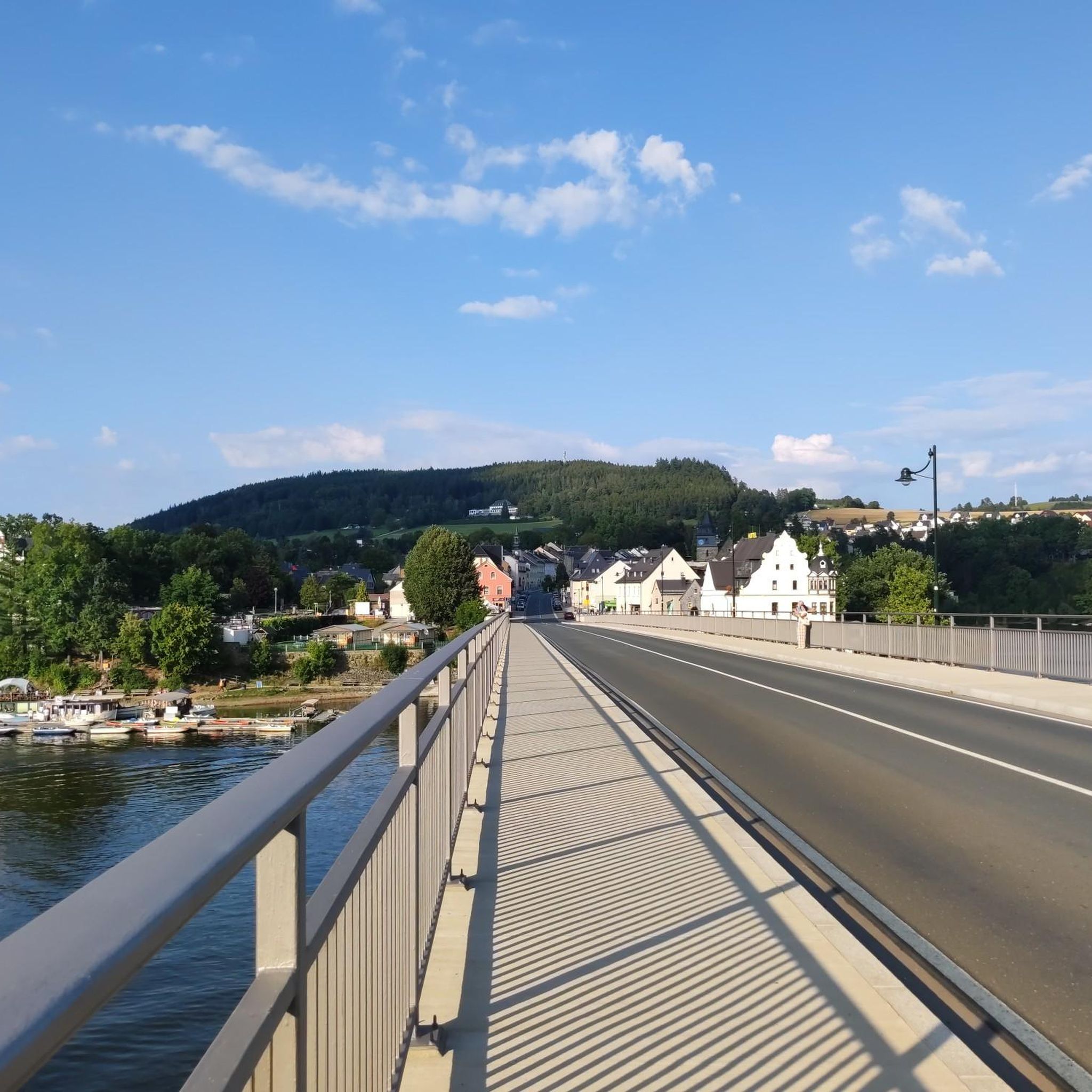
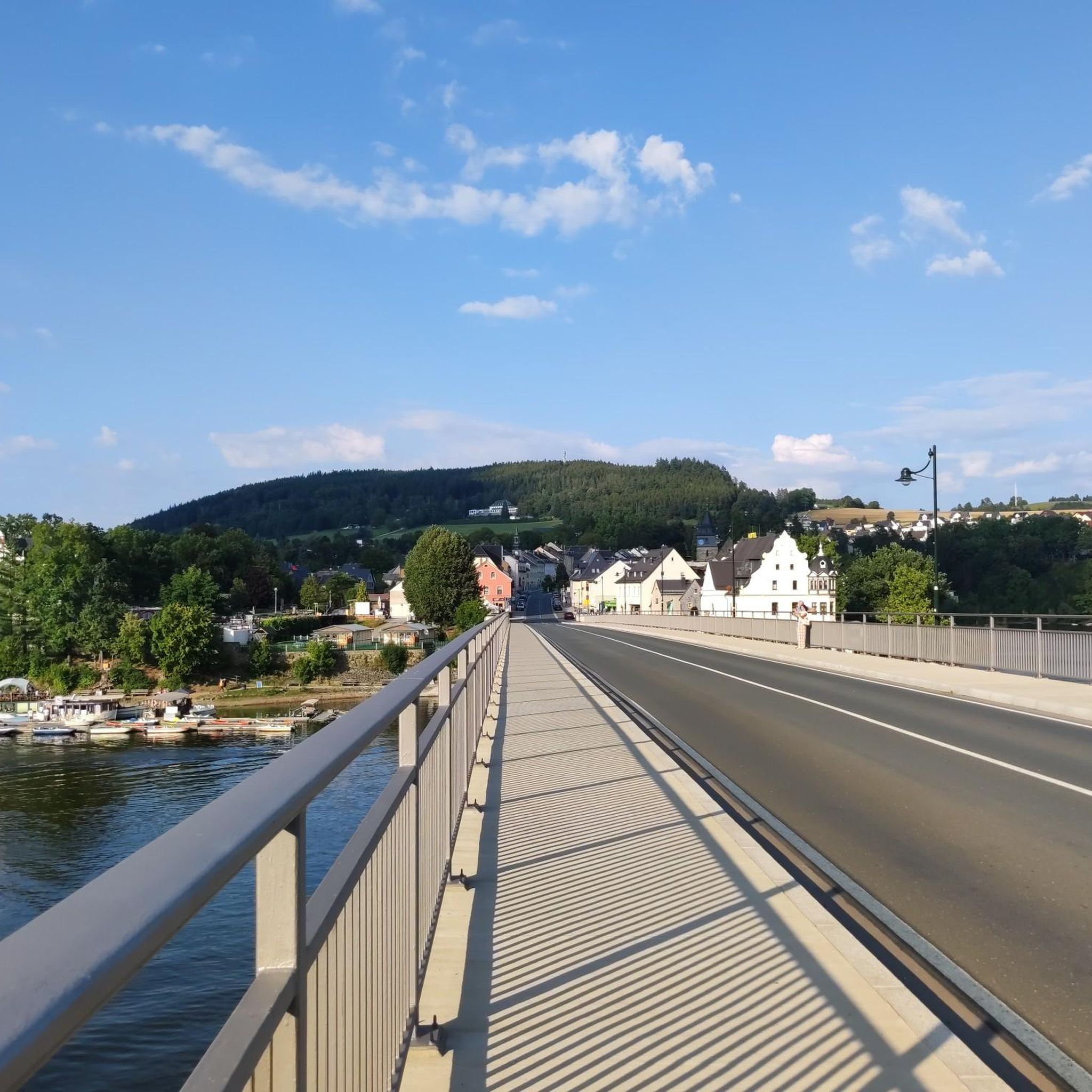
Imposing church in town, directly on the Garonne.
4
0
Small train station, but private and unfortunately not used for the Bahntrassenradweg.
4
0
At least an information board and a few seats opposite. More information: https://de.wikipedia.org/wiki/Villandraut?wprov=sfla1
4
0
Frequently Asked Questions
How many touring cycling routes are available in the Sauternes region?
There are over 120 touring cycling routes around Sauternes listed on komoot, catering to various skill levels. You'll find a good mix, with 48 easy routes, 61 moderate routes, and 12 more challenging options to explore the region's vineyards and landscapes.
What kind of terrain can I expect on touring cycling routes in Sauternes?
The Sauternes region is characterized by verdant, gently rolling hills and extensive vineyards. Most routes feature well-paved surfaces, making them suitable for touring cyclists. You'll cycle through serene river valleys, past forests, and farmland, with moderate elevation changes.
Are there any family-friendly touring cycling routes in Sauternes?
Yes, Sauternes offers several easy touring cycling routes suitable for families. For example, The Footbridge loop from Bommes is an easy 10.2 km path that provides a pleasant ride through the local scenery without significant climbs.
What are some notable landmarks or attractions I can see while cycling in Sauternes?
The routes often pass by historic châteaux and charming villages. You can cycle past impressive structures like Château de Villandraut, Budos Castle, and Fargues Castle. The routes also wind through the heart of the vineyards, offering picturesque views of the region's famous wine-producing estates.
Are there any circular touring cycling routes around Sauternes?
Yes, many touring cycling routes in Sauternes are circular, allowing you to start and end in the same location. Popular loops include the moderate Budos Castle – Budos Castle loop from Sauternes, which is 40.2 km, and The Footbridge – Fargues Castle loop from Sauternes, a 24.9 km ride.
What do other touring cyclists say about the routes in Sauternes?
The touring cycling routes in Sauternes are highly rated by the komoot community, with an average score of 4.1 stars from over 190 reviews. Cyclists often praise the beautiful vineyard landscapes, the well-maintained paths, and the opportunity to explore historic châteaux and charming villages.
Can I find routes that lead through the famous Sauternes vineyards?
Absolutely. Many routes are specifically designed to take you through the heart of the vineyards, allowing for an immersive experience. You'll often pass by grand cru classé châteaux and witness the unique microclimate created by the Garonne and Ciron rivers, essential for the region's sweet wines.
Are there options for longer touring cycling routes in the area?
Yes, for those looking for longer rides, there are several options. The Cadillac Gate – Verdelais loop from Bommes is a moderate 43.4 km route that takes you through the wider vineyard region, offering a more extensive exploration of the landscape.
What is the best time of year to go touring cycling in Sauternes?
The region's climate, influenced by the Garonne and Ciron rivers, creates morning mists vital for viticulture. Generally, spring and autumn offer pleasant temperatures and beautiful scenery for cycling, with fewer crowds than peak summer. The vineyards are particularly picturesque during these seasons.
Are there any routes that pass by the Ciron or Garonne rivers?
Yes, the confluence of the Garonne and Ciron rivers is a crucial natural feature of the region. Many routes wind through serene river valleys, allowing you to experience this unique environment firsthand. These riverine landscapes contribute to the area's distinctive microclimate and offer tranquil cycling stretches.
Are there any routes that explore the Landes de Gascogne forest near Sauternes?
While the primary focus is on vineyards, the Landes de Gascogne forest borders the Sauternes area, providing additional green spaces. Some routes, such as sections of the EuroVelo 3 Forest Trail in Parc Naturel Régional de Gascogne, offer opportunities to cycle through forested areas, providing a change of scenery from the open vineyards.
Most popular routes around Sauternes
Most popular attractions around Sauternes

Get inspired with the komoot mobile app


Explore more
Browse the best Cycling routes in other regions.
