Attractions and Places To See around Toulenne - Top 17
Best attractions and places to see around Toulenne include a variety of historical sites, natural waterways, and architectural landmarks. The region is characterized by its position along the Garonne river, offering opportunities for exploration along its canals and towpaths. Toulenne provides a blend of cultural heritage and outdoor activities, making it a destination for those interested in both history and nature.
Best attractions and places to see around Toulenne
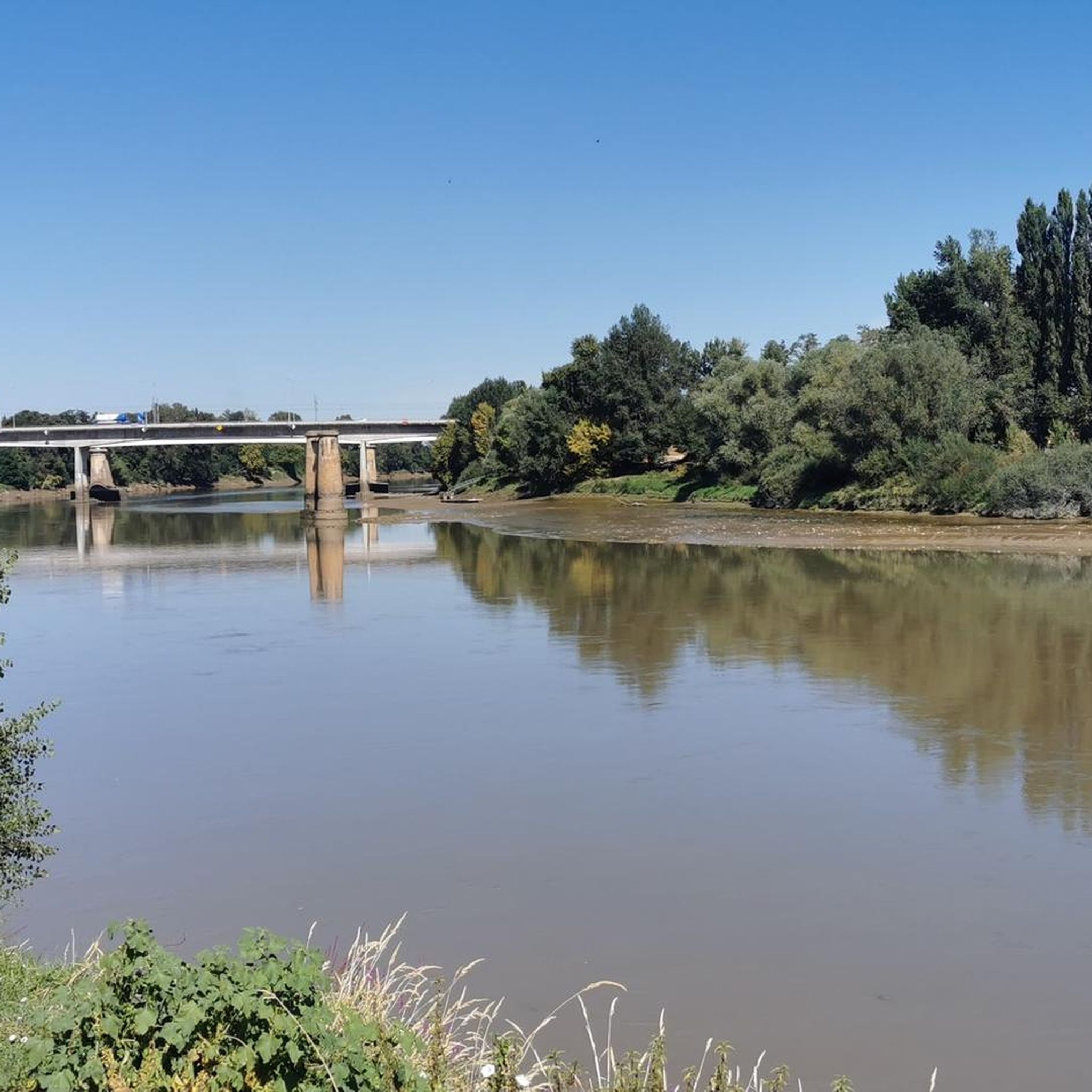
- The most popular attractions is Garonne Lateral Canal, a navigable…
Last updated: July 1, 2026
Garonne Lateral Canal
Highlight (Segment) • Other
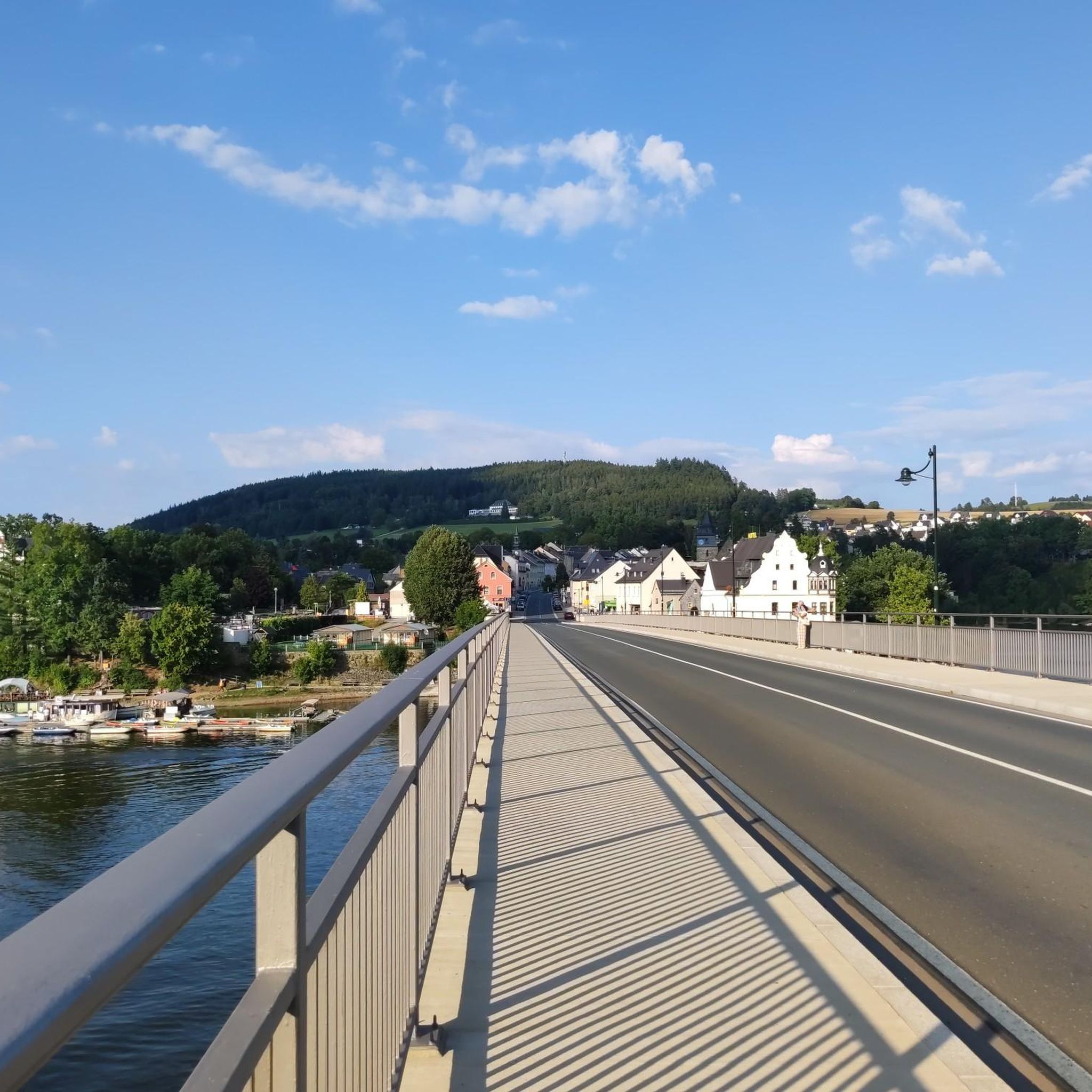
In the Gironde department, the surface is better than in the Lot-Garonne department.
Sometimes nice and shady, many small locks.
Translated by Google •
Tip by

Budos Castle
Highlight • Castle
Translated by Google •
Tip by

Sign up now to discover places like this
Get recommendations on the best single tracks, peaks, & plenty of other exciting outdoor places.
Sign up for free
Castets Lock, no. 53
Highlight • Structure
Translated by Google •
Tip by

Château de la Benauge.
Highlight • Castle
Translated by Google •
Tip by

Sainte-Croix-du-Mont
Highlight • Historical Site
Translated by Google •
Tip by
Sign up for free to discover even more attractions around Toulenne.
Sign up for free
Already have an account?
Start today with a free account
Your next adventure awaits.
Login or Signup

Tips from the Community

Budos Castle is the work of Raymond Guilhem de Budos, nephew of Pope Clement V. Largely supported by his uncle, he rebuilt the old family castle in 1306, adopting the architectural features of the neighboring Château de Villandraut, as evidenced by the following document from King Edward I, written from Wynten on March 9, 1306, to the Seneschal of Gascony[4]: "The Knight of Budos, nephew of Clement V, Sovereign Pontiff, has begged us to allow him to crenellate his house in Budos, to surround it with walls, towers, moats, and finally to fortify it. Out of respect for the Sovereign Pontiff, and because a fortress of this nature will protect not only our possessions in this part of Guienne, but also the subjects of the Pope's nephew, we grant the aforementioned Raymond permission to fortify his castle and we grant it to him, his heirs, and successors in perpetuity, and we undertake not to disturb him in any way in this possession." In 1422-23, the King of England took possession of the castle and placed Pons, Lord of Castillon, in charge. Around 1433, Henry VI granted the lands and the castle to the Duke of Gloucester. In 1446-47, Budos was given to Gaston IV of Foix-Béarn, Count of Foix, following the death of the Earl of Gloucester. After the conquest of Guyenne, the Budos family, which had supported the cause of France, regained possession of its lordships in Guyenne. Purchased from the Budos family by Raymond de La Roque in 1571, Budos Castle suffered a severe assault in 1652 during the Fronde Wars. Lasserre ransacked, pillaged, and burned its archives. The Budos lordship remained in the La Roque family until the Revolution, which nearly destroyed it. It was sold as national property and used as a quarry to build dikes on the Ciron. In 1841, the Gironde Historical Monuments Commission was informed of this by Léo Drouyn. In 1860, it became the property of Léon de Brivazac, son of Delphine Catherine de La Roque de Budos (born at the castle in 1789). Five descendants (including Savary de Beauregard) entrusted it to the Adichats association, which brings together young people to enhance and preserve what can be preserved. The castle was registered as a historic monument in 1988
0
0

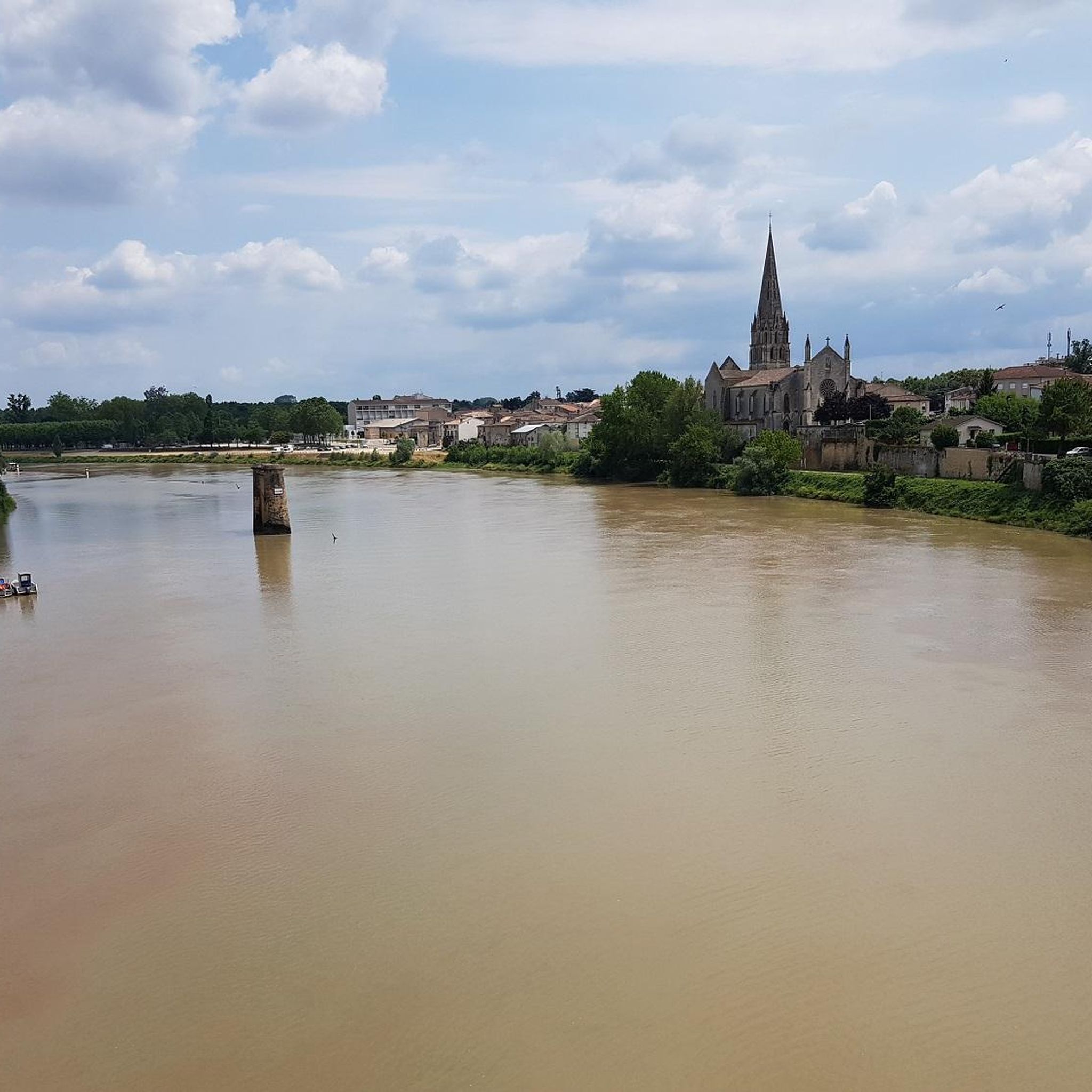
Very interesting flood marks, sometimes you can't even imagine how high the water once was.
1
0

Seen from Toulouse, the last lock on the side canal.
3
1
Very scenic, a few places to stop for refreshments. In the Gironde department, the surface is better than in the Lot-Garonne department. Sometimes nice and shady, many small locks.
4
0

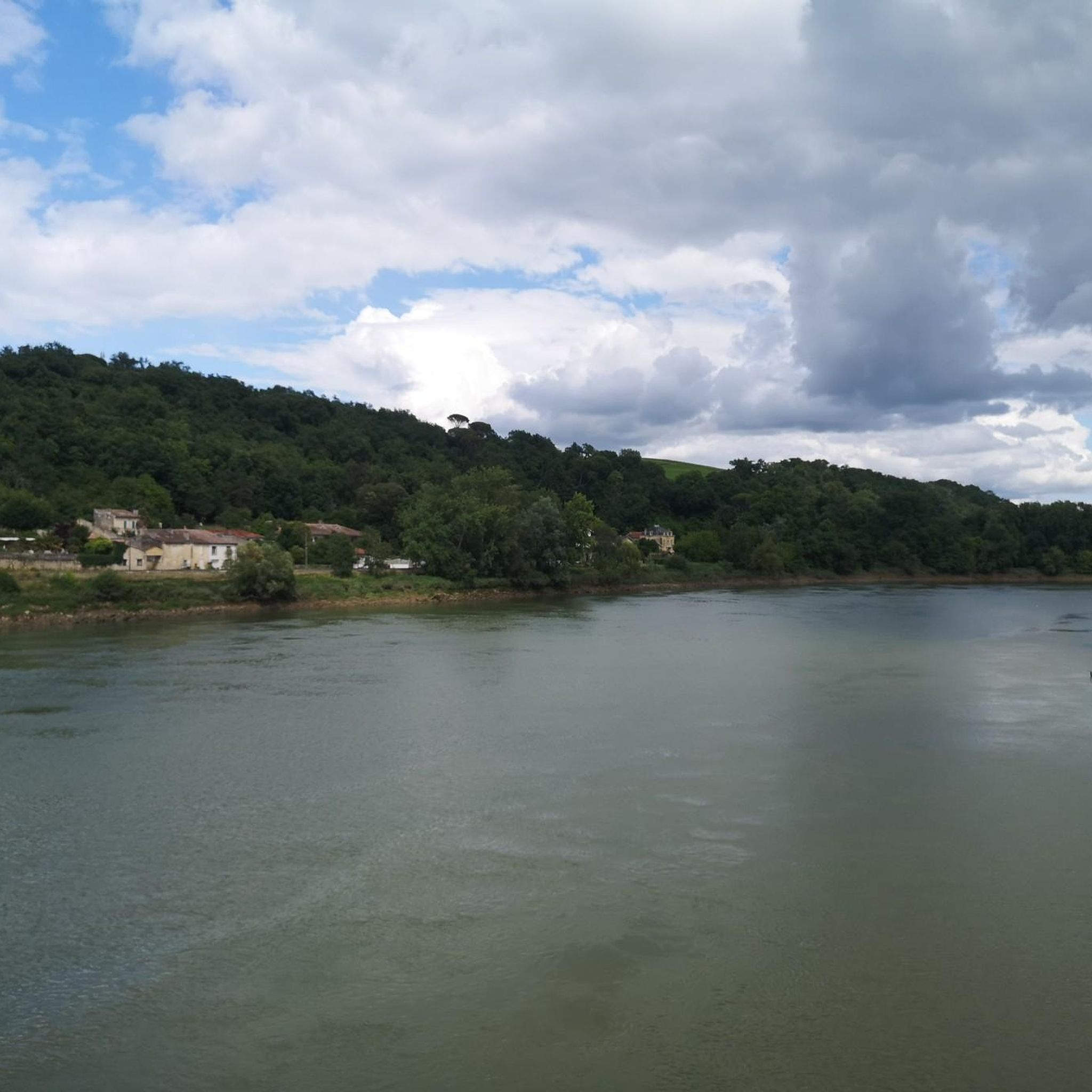
A pretty (private) chateau surrounded by its hillsides of vines.
2
0

The Garonne Lateral Canal is a navigable canal that connects Toulouse to Castets-en-Dorthe, France. 193 kilometers long, it follows the Garonne valley and connects the Mediterranean Sea to the Atlantic Ocean. It is part of the network of canals in southwestern France and is an important route for the river transport of goods. The Garonne side canal was built in the 19th century to meet the growing needs for transporting goods in the region. It made it possible to transport goods such as wine, wood and coal, as well as passengers. Today, the canal is mostly used for river tourism, with many cruises organized for visitors wishing to experience the beauty of the region from the water. Visitors can hire boats to navigate the canal or simply stroll along the towpaths, which offer panoramic views of the surrounding countryside. The canal lateral to the Garonne is lined with picturesque towns and villages, historic castles and renowned vineyards. Visitors can also discover the local gastronomy in the many restaurants and inns located along the canal.
2
0

Beautiful ruins of the castle of Budos, accessible by road but also by paths along the river. Much nicer!
1
0

Incredible ruins of the 14th century Budos castle, in the middle of the vineyards. Under restoration by Adichats association for about thirty years.
2
1
Frequently Asked Questions
Are there family-friendly attractions around Toulenne?
Yes, the region offers several family-friendly spots. For instance, Castets Lock, no. 53, on the Garonne Lateral Canal, is an interesting historical site where you can see impressive high water marks and learn about the canal's history. The towpaths along the Garonne Lateral Canal are also great for family walks or bike rides.
What historical sites can I explore near Toulenne?
Toulenne is rich in history. You can visit the impressive ruins of Budos Castle, a 14th-century fortress currently undergoing restoration. Another notable site is Château de la Benauge, a private chateau surrounded by vineyards that can be admired from a distance and occasionally opens for special events. The Castets Lock, no. 53 also offers a glimpse into the region's industrial heritage.
What natural features or waterways can I explore in the Toulenne region?
The most prominent natural feature is the Garonne Lateral Canal, a navigable waterway with scenic towpaths perfect for walking or cycling. The region is also characterized by its position along the Garonne river, offering opportunities for exploration along its banks. Additionally, Sainte-Croix-du-Mont features a unique geological site with a cave made up of oyster fossils dating back 22 million years.
Where can I find easy hiking trails around Toulenne?
For easy hikes, the towpaths along the Garonne Lateral Canal offer flat, shaded routes. You can find more hiking options, including beginner-friendly trails, by exploring the hiking guide for Toulenne. Many routes are suitable for a leisurely stroll.
Are there cycling routes suitable for exploring the attractions near Toulenne?
Absolutely! The Garonne Lateral Canal is part of the "Véloroute des deux mers" and offers mostly paved, shaded paths ideal for cycling. You can find various cycling routes, including easy options like the 'Old Roaillan Station – Villandrault loop from Langon', in the cycling guide for Toulenne.
Are there any unique viewpoints in the Toulenne area?
Yes, Sainte-Croix-du-Mont is built on a rocky outcrop overlooking the Garonne valley and the Sauternes vineyards. It features a belvedere where, on a clear day, you can even see the Pyrenees. This spot offers panoramic views of the surrounding landscapes.
What is the best time of year to visit attractions around Toulenne?
The spring and autumn months are generally ideal for visiting Toulenne. The weather is pleasant for outdoor activities like walking and cycling, and the vineyards offer beautiful scenery. Summer can be warm, but the shaded towpaths along the Garonne Lateral Canal provide a cooler option.
Is parking available at the main attractions in Toulenne?
Parking availability varies by attraction. For sites like the Garonne Lateral Canal, you can often find parking near locks or access points in nearby towns. For historical sites like Budos Castle, there is usually designated parking nearby. It's advisable to check local signage upon arrival.
Are there dog-friendly walking trails or attractions near Toulenne?
Many of the outdoor areas around Toulenne are dog-friendly. The towpaths along the Garonne Lateral Canal are excellent for walks with your dog, offering plenty of space and shade. Always ensure your dog is on a leash and that you clean up after them.
What should I wear for outdoor activities around Toulenne, especially in autumn?
For outdoor activities in autumn, layering is key. Wear comfortable walking shoes or hiking boots, as trails can be uneven. A waterproof jacket is recommended for unexpected rain, and a light sweater or fleece for cooler mornings and evenings. Sun protection is still important, even in autumn.
Are there cafes or refreshment stops near the walking trails along the Garonne Lateral Canal?
Yes, there are several places to stop for refreshments along the Garonne Lateral Canal. For example, there's a restaurant directly on Ecluse 53 in Castets-en-Dorthe and the "Ecluse 50" buvette near Bassanne, which invite you to take a break. Other small towns along the canal also offer cafes and eateries.
What outdoor activities can I do near these attractions in summer?
In summer, popular outdoor activities include cycling along the shaded paths of the Garonne Lateral Canal, exploring the vineyards by bike, or enjoying leisurely walks. You can find various options for hiking, cycling, and running in the guides for Toulenne, many of which offer shaded sections.
What do visitors enjoy the most about Toulenne's attractions?
Visitors particularly appreciate the blend of historical heritage and natural beauty. The scenic towpaths of the Garonne Lateral Canal are highly praised for their beauty and shade. The historical significance and impressive ruins of Budos Castle also receive many positive comments, highlighting the region's rich past.
Most popular routes around Toulenne
Most popular attractions around Toulenne

Get inspired with the komoot mobile app


Explore more
Still not found the Highlight you’re looking for? See guides of the top attractions in other regions:
