The best cycling routes around Souvigné
4.4
(16)
92
riders
31
rides
Touring cycling routes around Souvigné offer diverse terrain across river valleys, agricultural lands, and forests. The region features picturesque villages and authentic roads, providing an immersive cultural experience. Cyclists can expect varied topography suitable for different cycling preferences. This landscape creates a rich environment for physical activity and scenic exploration.
Best touring cycling routes around Souvigné
- The most popular touring cycling route is Castelvalérie Castles and Rillé Lake Loop, a 50.8 miles (81.8 km) trail that takes 5 hours…
Last updated: June 27, 2026
5.0
(1)
2
riders
81.8km
05:28
350m
350m
Cycle the difficult 50.8-mile Lac des Mousseaux et les Landes des Bréviandes circuit, starting from Château-la-Vallière.
5.0
(1)
4
riders
Moderate bike ride. Good fitness required. Mostly paved surfaces. Suitable for all skill levels.

Sign up for free
5
riders
28.5km
01:43
190m
190m
Moderate bike ride. Good fitness required. Mostly paved surfaces. Suitable for all skill levels.
5.0
(3)
5
riders
Easy bike ride. Great for any fitness level. Mostly paved surfaces. Suitable for all skill levels.
5.0
(1)
4
riders
39.7km
02:33
320m
320m
Moderate bike ride. Good fitness required. Mostly paved surfaces. Suitable for all skill levels.
Get access to more routes and recommendations from other explorers.
Sign up for free
Already have an account?
Our route recommendations are based on thousands of hikes, rides, and runs completed by other people on komoot.
Start today with a free account
Your next adventure awaits.
Login or Signup


Tips from the Community

In Touraine, in the heart of a wooded estate, the Château de Champchevrier is both royal and family-friendly. Family-friendly because it has been inhabited by the same family since 1728. Royal because Kings Louis Louis XIII stayed at the castle on several occasions, his doctor Jean Hérouard recounts it in his memoirs. Rebuilt during the Renaissance then embellished in the 18th century, Champchevrier is both a Historic Monument and a family castle in which each generation has passed on the love and respect for heritage. The history of the castle begins in the 11th century when a first building was built by Hugues de Champchevrier. The owners then succeeded one another on these lands: the Maillé family, the Lavals, the Bastarnays then in 1550, the Daillons who were behind the construction of the Renaissance castle. On the François I Pavilion, we can still see the mullioned windows from this period. Henri de Daillon having no sons, it was his nephew Antoine de Roquelaure, Marshal of France, who inherited the castle in 1686. He contributed to the exterior development of the castle by creating courtyards, gardens and a moat. The Château de Champchevrier was sold in 1728 to Jean-Baptiste Pierre Henri, first Baron de Champchevrier. In fact, the lands of the domain were erected into a barony in 1741 by letters patent from Louis XV. The first baron created the large perspectives which extend from the castle towards the forest, and had the terrace built to give elegance to the residence. This taste for the French art of living is found in particular in the immense portrait room covered with a magnificent Italian marble floor and adorned with a sumptuous 18th century earthenware stove commissioned by a royal repurchase during the demolition of the Château de Richelieu. A very beautiful set of porcelain tableware and numerous pieces of old crystal are displayed in display cases. The beauty of the Château de Champchevrier also lies in the rich furniture of the different rooms open to the public: in the music room, the precious Regency period furniture was already part of the inventory of the château when it was purchased by the family in 1728. But the visit is also worth the detour for its collection of exceptional tapestries made by three factories in the 16th and 17th centuries, including eight unique tapestries in the world from the royal factory of Amiens based on cartoons by Simon Vouët, official painter to Louis XIIII . Finally, the Château de Champchevrier reveals the daily life of those who shared the lives of the owners behind the scenes. The lingerie, particularly complete in terms of accessories, is an interesting testimony to all the stewardship necessary for the life of such a place. In the old kitchens, the large battery of copper pans and other utensils from yesteryear allows you to imagine the activity of the staff. A visit to the Château de Champchevrier is an unforgettable walk between nature and heritage, to the rhythm of the seasons between the life of the hounds and the family events of a residence whose inhabitants, guarantors of traditions, have their eyes fixed on the future.
0
0

These are the ruins of a 15th century castle. After 12 years of opening to the public, the castle is changing the way guided tours take place. These will now be by appointment only, every day and all year except Tuesdays from 9:30 a.m. to 12:30 p.m. and 2:00 p.m. to 6:00 p.m. More info here: http://www.chateaudevaujours.fr/
0
0
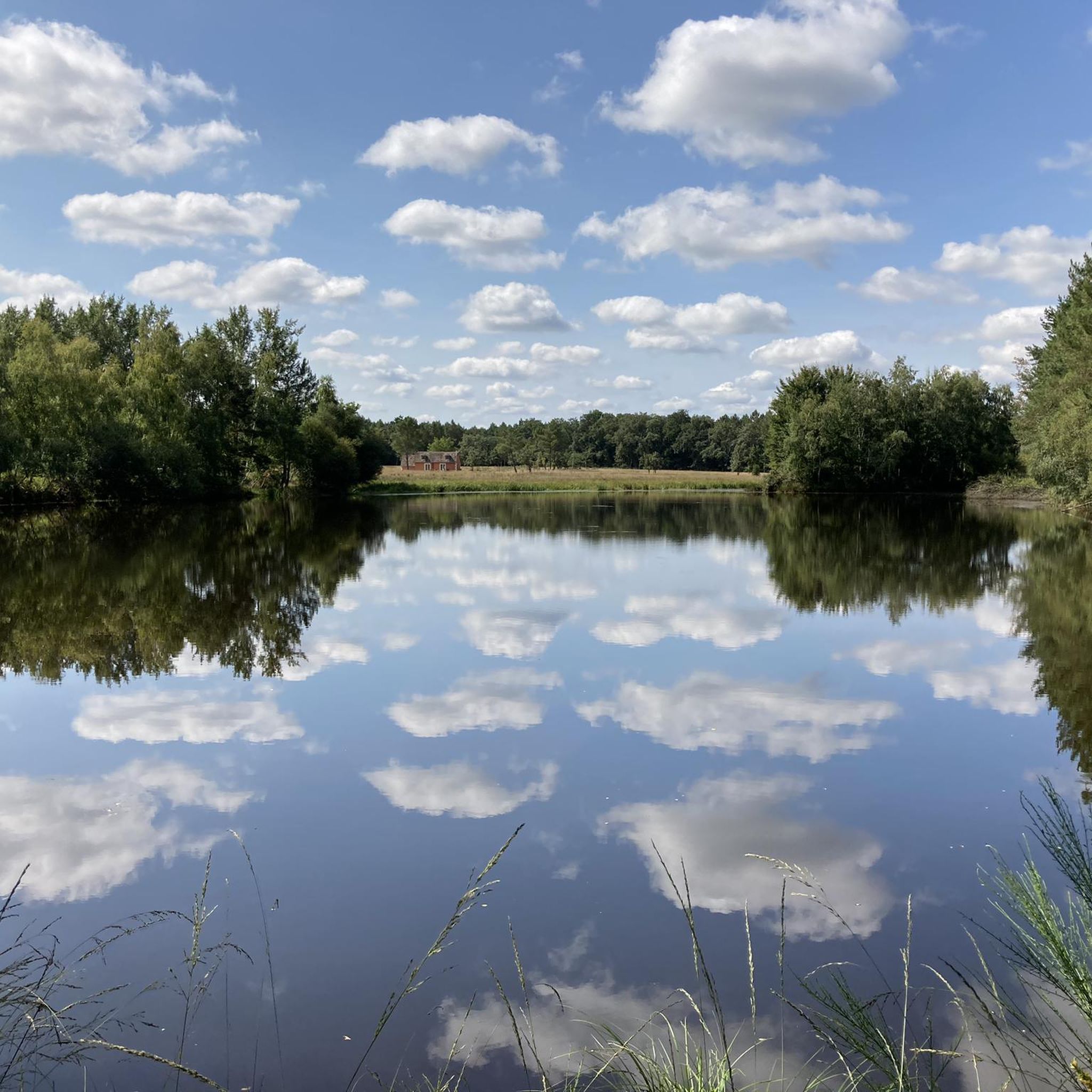
Lake Mousseaux (198 ha), property of the Entente Interdépartementale de l'Authion (Maine-et-Loire, Indre-et-Loire), has a rather wild character (it is also classified as a site of European interest for birds) with its gently sloping banks lined with abundant flora. Here is a small wooden hut which serves as a viewing platform. Most of the time you can see birds that live in swampy areas. Binoculars are recommended.
0
0

This pretty little village is located on the borders of Maine, Anjou and Touraine. In addition to being crossed by the Loir, there are also two of its tributaries, the Fare and the Meaulne. Wheat mills once inhabited its banks.
1
0
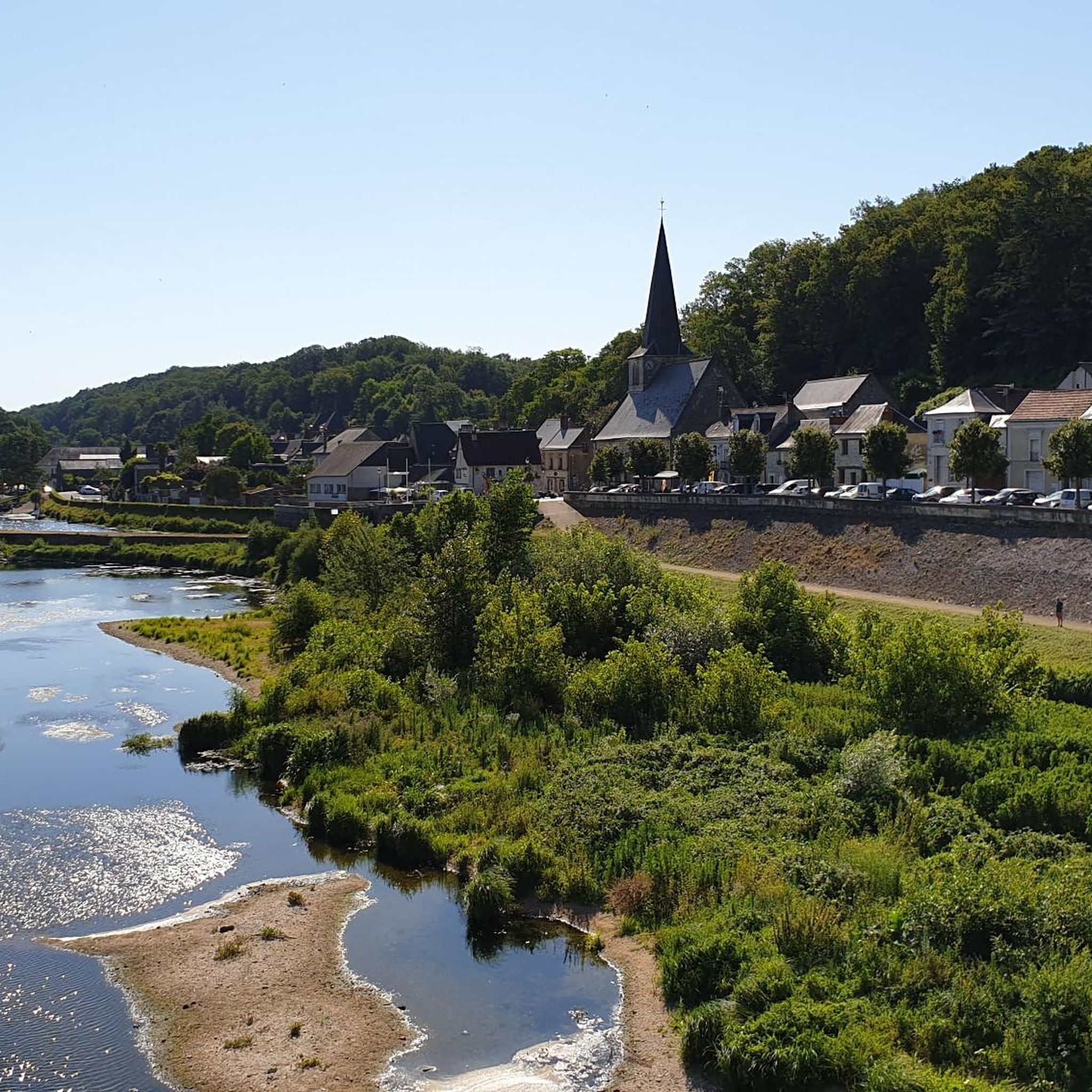
Magnificent little village established on the banks of the Loir. From the bridge which crosses the course you can see the bell tower of its church as well as the old mill.
1
0

Family property, Champchevrier Castle is a historic castle inhabited by the same family since 1728. It is open to the public from June 15 to the third weekend of September, European Heritage Days weekend.
1
0

one of the many castles in the Loire, from the 16th century
1
0

From this bridge, you will have a view of the city of Vaas. The bridge is often adorned with flowers by the city, which makes it even more pleasant to admire.
3
0
Frequently Asked Questions
How many touring cycling routes are available around Souvigné?
There are over 35 touring cycling routes in the Souvigné area. These routes offer a diverse range of experiences across river valleys, agricultural lands, and forests, catering to various skill levels.
Are there touring cycling routes suitable for beginners in Souvigné?
Yes, Souvigné offers 15 easy touring cycling routes perfect for beginners or those looking for a relaxed ride. An example is the Château de Champchevrier – Champchevrier Castle loop from Ambillou, which is a relatively flat and shorter option.
What about more challenging touring cycling routes in Souvigné?
For experienced touring cyclists seeking a challenge, Souvigné has 3 difficult routes. One notable option is the Castelvalérie Castles and Rillé Lake Loop, a 50.8-mile (81.8 km) trail that explores local castles and the Rillé Lake area.
Can I find family-friendly touring cycling routes in Souvigné?
While specific 'family-friendly' designations aren't always explicit, many of the 15 easy routes and some of the 19 moderate routes would be suitable for families, especially those that follow gentler terrain through river valleys and agricultural lands. Look for routes with lower elevation gain and shorter distances.
Are there any circular touring cycling routes in the Souvigné area?
Yes, many of the touring cycling routes around Souvigné are designed as loops, allowing you to start and end at the same point. Examples include the Vaas Bridge over the Loir – La Chapelle-aux-Choux loop from Villiers-au-Bouin and the Saint Peter's Church – Lake Val Joyeux loop from Villiers-au-Bouin.
What kind of landscapes can I expect to see while cycling in Souvigné?
The region around Souvigné offers diverse and picturesque landscapes. You can expect to cycle through fertile river valleys, expansive agricultural lands, and charming forests. The routes often pass through authentic French villages, providing a blend of natural beauty and cultural immersion.
Are there any historical sites or natural landmarks to visit along the cycling routes?
Yes, the Souvigné area is rich in points of interest. You can encounter historical sites like the Château de Champchevrier and the Château de Vaujours Ruins. Natural landmarks include the Le Menhir de Vaujours and the scenic Val Joyeux Lake.
What do other cyclists say about the touring routes in Souvigné?
The touring cycling routes in Souvigné are highly rated by the komoot community, with an average score of 4.4 stars from over 10 reviews. Cyclists often praise the varied terrain, the picturesque villages, and the immersive cultural experience offered by the authentic roads.
What is the best time of year to go touring cycling in Souvigné?
Given the region's characteristics of river valleys and agricultural lands, spring and autumn are generally ideal for touring cycling in Souvigné. The weather is typically milder, and the landscapes are vibrant, whether with spring blossoms or autumn colors. Summer can also be pleasant, though it might be warmer.
Is it possible to find long-distance touring cycling routes in Souvigné?
Yes, for those looking for longer rides, there are routes that extend for significant distances. An example is the Vaas Bridge over the Loir – Troglodyte Village of Trôo loop from Saint-Paterne, which covers over 87 miles (140 km) and offers an extensive exploration of the region.
Where can I find parking for touring cycling routes near Souvigné?
While specific parking areas are not detailed for every route, many touring cycling routes in rural French regions like Souvigné typically have parking available near village centers, churches, or designated trailheads. Look for public parking in the starting villages mentioned in the route descriptions, such as Villiers-au-Bouin or Ambillou.
Are there any routes that pass through villages with cafes or places to stop?
Yes, the region around Souvigné is known for its picturesque villages. Many touring cycling routes are designed to pass through or near these charming settlements, offering opportunities to stop for refreshments at local cafes or explore the village atmosphere. The immersive cultural experience often includes these village stops.
Most popular attractions around Souvigné

Get inspired with the komoot mobile app


Explore more
Browse the best Cycling routes in other regions.
