Top 14 Lakes around Domancy
Best lakes around Domancy are situated in the Haute-Savoie region, characterized by its mountainous terrain and diverse aquatic landscapes. This area features a variety of lakes, from serene forest-enclosed waters to expansive leisure bases. The region's lakes offer natural beauty and recreational opportunities, often with views of the Mont Blanc massif. These bodies of water are integral to the local environment and provide numerous points of interest for visitors.
Best lakes around Domancy
- The most popular lakes is Green Lake…
Last updated: October 11, 2026
Green Lake
Highlight • Forest
Even in winter, when it's frozen over and covered in deep snow, it's simply fantastic!
Translated by Google •
Tip by

Lake Flaine
Highlight • Lake
Translated by Google •
Tip by

Sign up now to discover places like this
Get recommendations on the best single tracks, peaks, & plenty of other exciting outdoor places.
Lake Passy
Highlight • Lake
Great lawn for sunbathing, very diverse offerings in and around the water and around it.
Translated by Google •
Tip by
Third Lake at Les Ilettes
Highlight • Lake
Translated by Google •
Tip by

Bionnassay Glacial Lake
Highlight • Lake
Tip by

Sign up for free to discover even more lakes around Domancy.
Already have an account?
Start today with a free account
Your next adventure awaits.
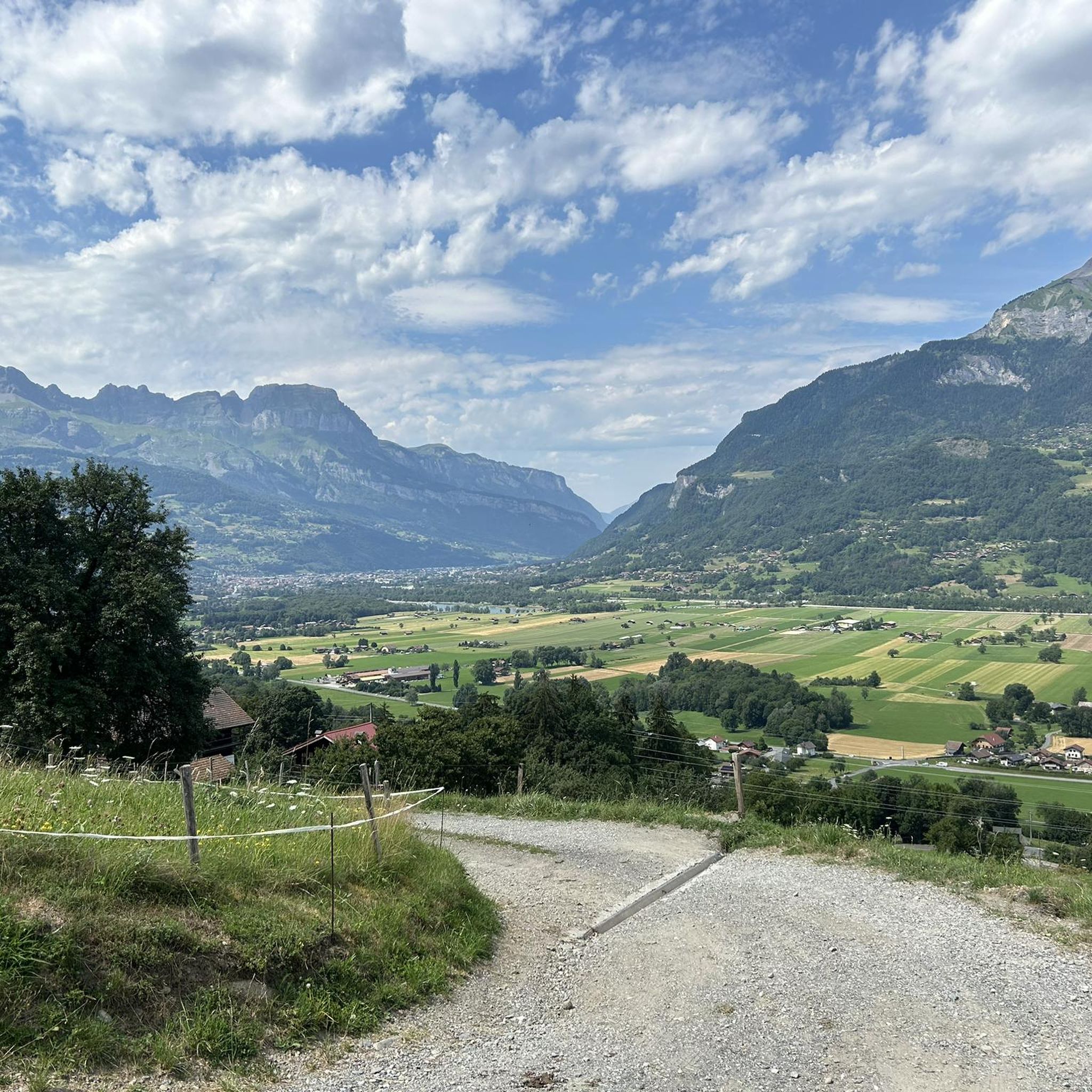
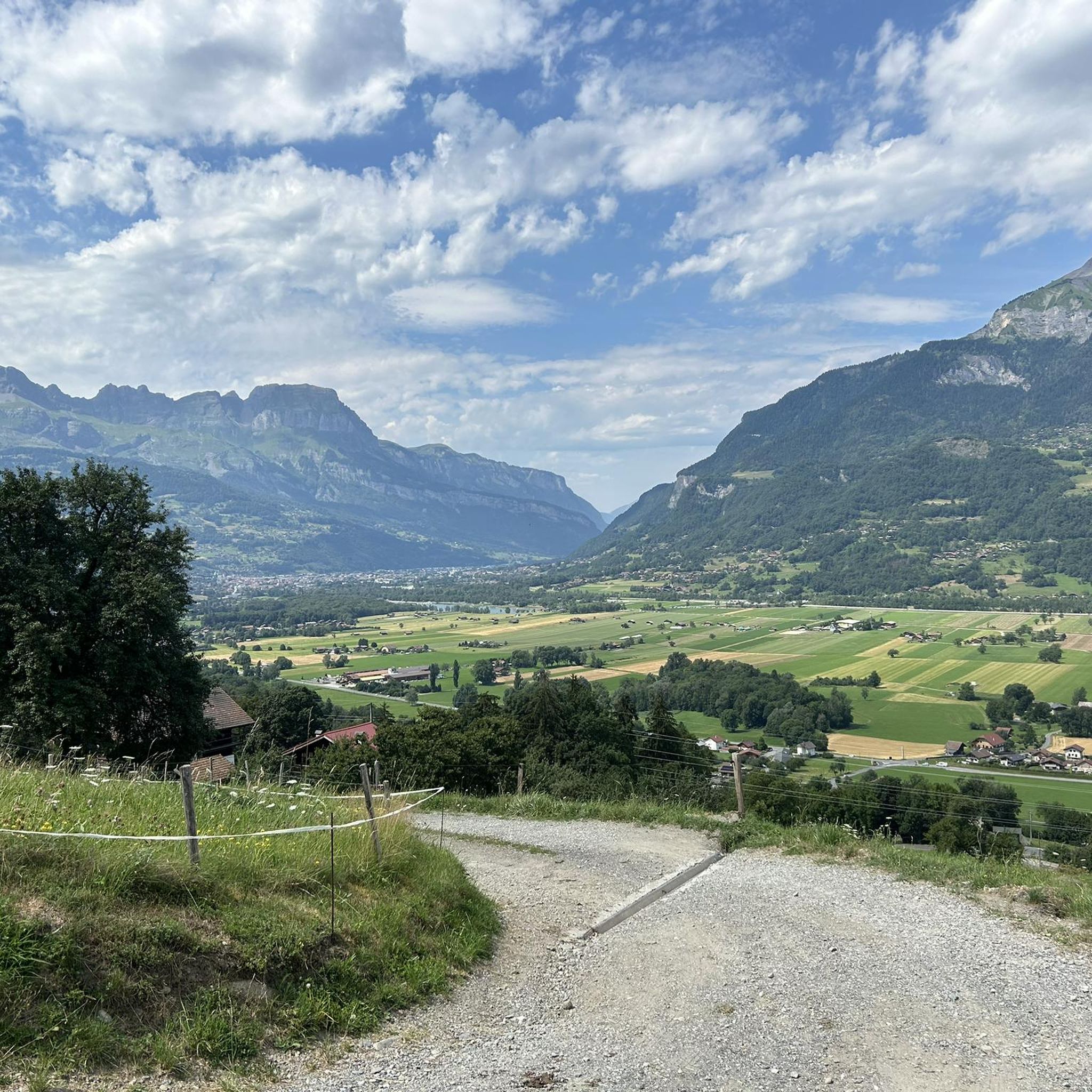
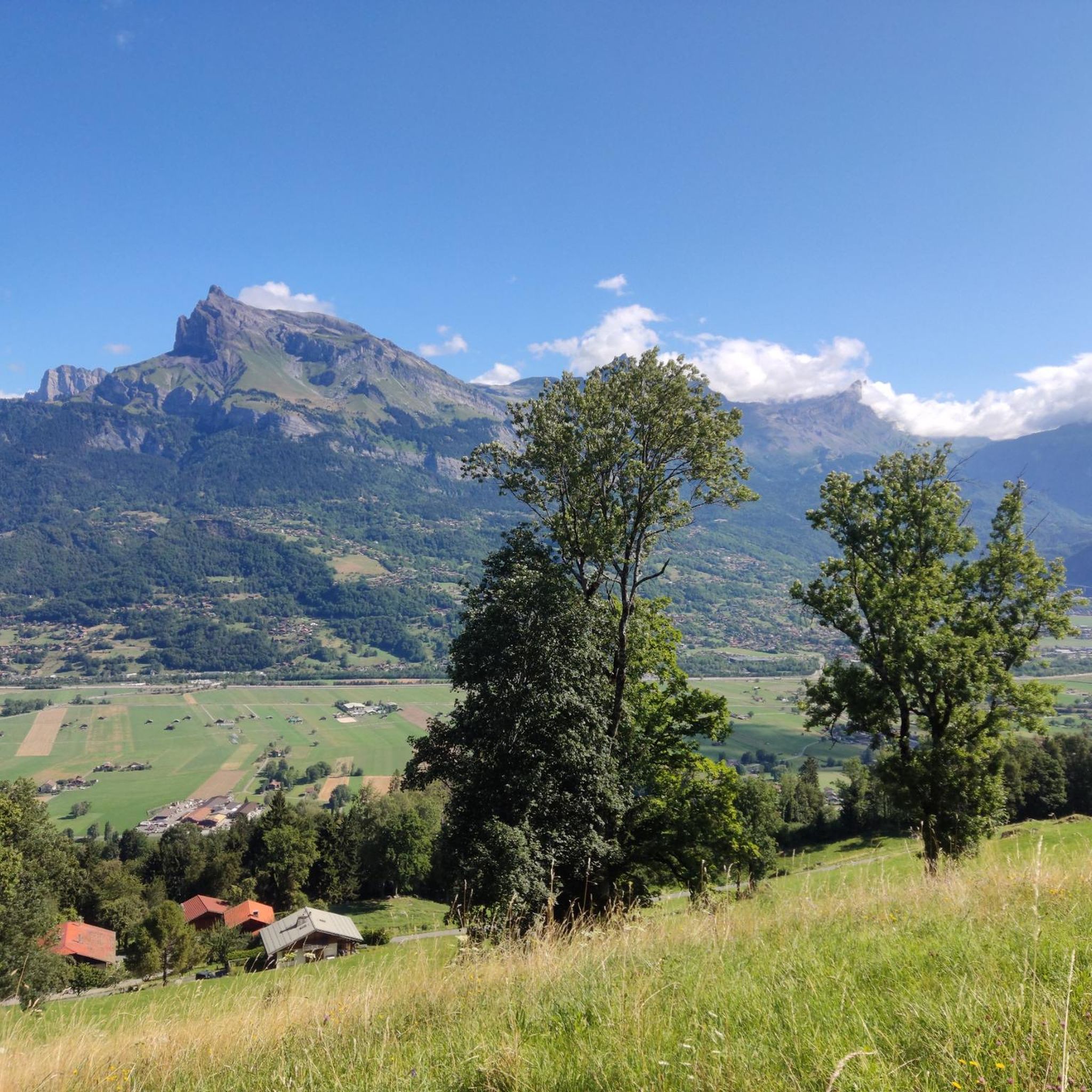
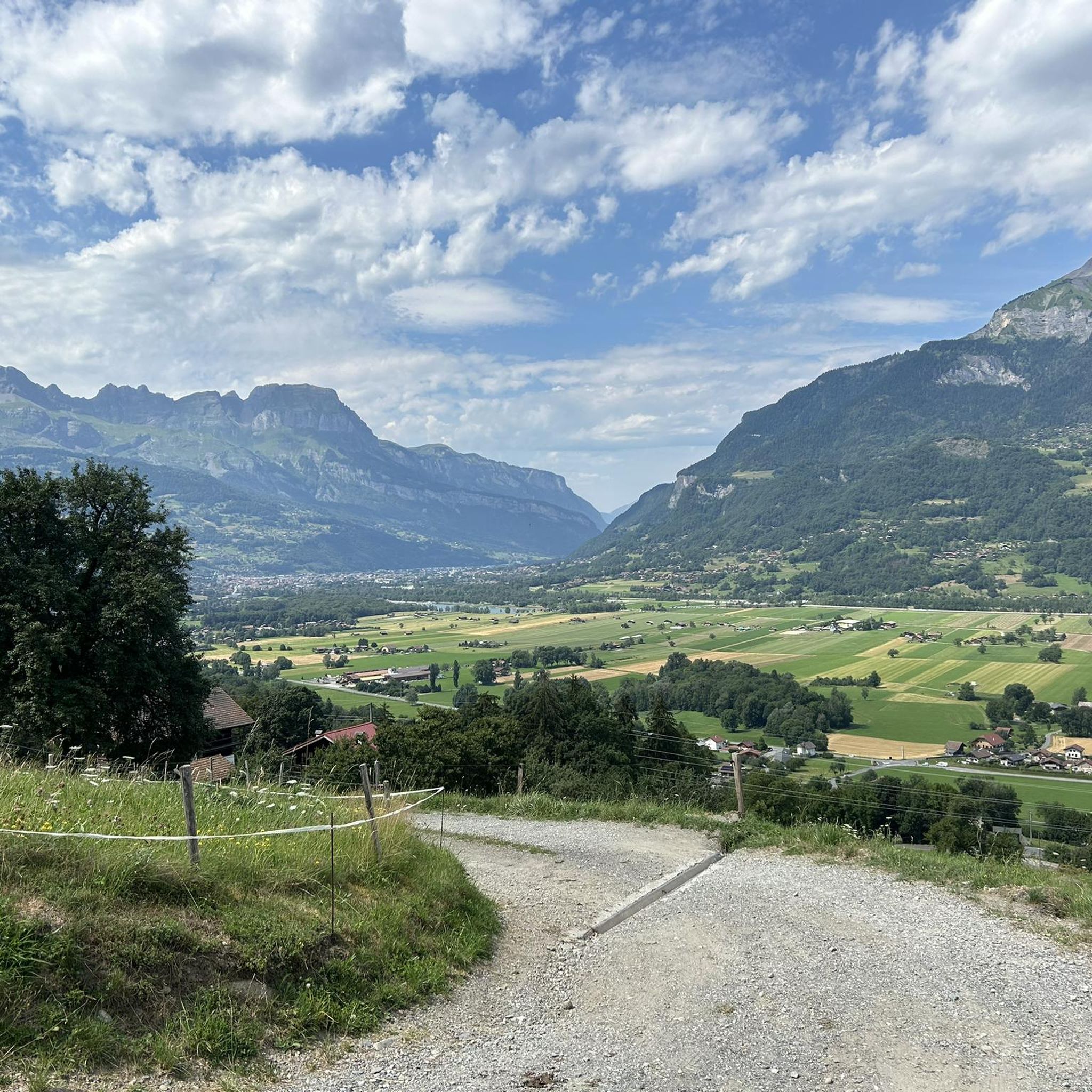


Tips from the Community

Impressive for understanding the action of glaciers
0
0

Very beautiful lake with a supervised swimming area.
1
0

A beautifully landscaped bathing lake with many sports and leisure opportunities
5
0

I loved this lake! and even more so to go around it (with some complicated steps) and see it full of fish.
3
0

The "Lac des Iles" is an artificial lake created in the 1970s following the excavation of the materials necessary for the creation of the A40 motorway. It is designed for leisure activities and in particular swimming: - supervised beach in summer, - grassy coves, - activities: mini-golf, small electric boats, orienteering course, fitness trail, karting... - water pleasures: windsurfing, stand-up paddle, fishing...
1
0

The glacial lake of Bionnassay, nestled within the Mont Blanc Massif, is a serene jewel cradled by towering peaks and icy slopes. This pristine alpine lake is a testament to the ancient dance between ice and rock, sculpted by the powerful forces of glacial movement.
2
0
Lake Flaine is located at the bottom of a valley over-excavated by a local glacier which descended from the summit of the lapiaz zone of the Platé desert (Tête lawn (2475 m) and Grandes platières (2480 m)) during the great glaciations. At its western end, it is blocked by the rocky threshold of the Col de Cou (1501 m). From a geological point of view, this depression is dug in limestone from the Urgonian (130 to 112 million years) and the Neocomian (145 to 130 million) which is very easily attacked by water and which therefore cannot hold her back. The bottom is however covered with a thick layer of silt that can reach several tens of meters which ensures its watertightness7. During the last retreat of the glacier from the basin, almost 12,000 years ago, the lake was 20 meters deeper and occupied the entire bottom of the basin over a length of 1200 m but it gradually shrank that the losses became more active and accelerated its evacuation. The result is a long plain slowly tilting 2% towards the west where the lake takes refuge in its low waters6. Currently, the lake is fed by four small streams, three of which are permanent. Two come from the Col de Cou while the third comes from the south and circulates under the scree. The main one follows the valley, it crosses the Flaine ski resort and its wastewater treatment plant and has a very variable flow rate: it can be dry but can also flow 300 l/s6. The surface area of the lake fluctuates accordingly and is only 1.5 ha and 0.8 m deep during low water in autumn and winter. However, it does not pass below this limit because its main outlet is not at the lowest point, but on its southern bank, in a scree. The flood period occurs when the snow melts to reach a size of 12 ha for a depth of 10.5 m, values reached in 1985-86 around June 1st. This value, however, seems higher than in previous decades since the water then surrounds the alpine chalets on the lake plain and the fir trees have their trunks in the water for several weeks, which represents conditions where they do not should not be able to develop. The cause of the increase in spring floods is attributed to the creation of the Flaine resort in the 1960s which led to waterproofing of the soil (parking lots, roads, sealing of lapiaz for ski slopes, etc.) as well as the capture of additional water from Lake Vernant8. Another consequence is that the bed of the Flaine stream has sunk several meters as it enters the lake plain6. During periods of high water, water flows through two additional temporary outlets located on the north side of the lake and forming funnels 2 to 3 m in diameter7. Water characteristics A surface temperature of 13.5° was recorded on May 26, 1986. In winter, the lake can also freeze over almost its entire depth. A measurement carried out during periods of high water revealed that its pH is relatively alkaline (9.08) for relatively low mineralization (TH = 4.46 °f mainly due to 17.2 mg/l of calcium). Lined by fine gray-beige silt, the lake is quite turbid and has a transparency of only around 1 m. Bacteriologically contaminated, around 1990 it was in an advanced state of eutrophication due to the lack of performance of the wastewater treatment plant6. The lake is regularly stocked with rainbow trout and brown trout9.
1
0

Great lake, with lots of sporting opportunities for everyone
3
0
Frequently Asked Questions
What makes the lakes around Domancy unique?
The lakes around Domancy, situated in the Haute-Savoie region, offer a diverse range of experiences. You'll find serene forest lakes like Green Lake with its distinctive hue and Mont Blanc reflections, high-altitude glacial lakes such as Bionnassay Glacial Lake, and developed leisure bases like the Lacs des Ilettes. Many provide stunning views of the Mont Blanc massif.
Which lakes are particularly popular for leisure activities and families?
The Lacs des Ilettes in Sallanches are a comprehensive leisure base, perfect for families. They offer supervised swimming, mini-golf, electric boats, an orienteering course, and various sports facilities. Lake Passy is also highly regarded for its family-friendly atmosphere, sandy beaches, and a wide array of water sports and leisure opportunities.
Are there opportunities for swimming at the lakes near Domancy?
Yes, several lakes offer swimming. Lake Passy has a supervised swimming area with easy water access and sandy beaches. The Lacs des Ilettes also feature a supervised beach during summer, making them ideal for a refreshing dip.
Can I go fishing at the lakes around Domancy?
Fishing is a popular activity at several lakes. The first lake at Lacs des Ilettes is exclusively reserved for fishing, stocked with trout, perch, carp, and pike. Lake Passy also has specific areas set up for fishing. Fishing licenses are typically required and can be purchased locally.
What is the best time of year to visit the lakes?
The lakes around Domancy are beautiful year-round. Summer (July-August) is ideal for swimming and water sports, with supervised beaches at Lac de Passy and Lacs des Ilettes. Spring and autumn offer pleasant temperatures for hiking and enjoying the natural beauty, while winter can transform lakes like Green Lake into serene, snow-covered landscapes.
Are there hiking trails around the lakes near Domancy?
Absolutely. Many lakes are surrounded by trails suitable for various skill levels. For instance, you can find easy walking trails around Green Lake. The broader Domancy area offers numerous hiking routes, from easy loops around Lake Passy to more challenging mountain hikes. You can explore more options in the Hiking around Domancy guide.
What kind of outdoor activities, besides hiking, can I do near these lakes?
Beyond hiking, the region offers a variety of outdoor pursuits. The Lacs des Ilettes are known for windsurfing and stand-up paddleboarding. You can also find gravel biking routes in the area, with options ranging from moderate to difficult. For more details on cycling, check out the Gravel biking around Domancy guide.
Are the lakes accessible by public transport or do they have parking facilities?
Many of the popular lakes, such as Lake Passy and the Lacs des Ilettes, offer free parking facilities. While public transport options may vary, driving is often the most convenient way to reach these natural sites. It's advisable to check local transport schedules for specific routes if you plan to use public transport.
Are there any 'hidden gem' lakes worth exploring for a more tranquil experience?
For a more serene and wild landscape, consider the Bionnassay Glacial Lake. Nestled within the Mont Blanc Massif, this high-altitude lake offers a tranquil setting away from the crowds, providing an impressive insight into glacial action. Another option is Lac de Pormenaz, located in the Passy nature reserve, known for its bright blue waters and grand panoramas, accessible via a moderately difficult hike.
Can I bring my dog to the trails around the lakes?
Generally, many trails around the lakes in the Domancy area are dog-friendly, especially those in natural settings like around Green Lake. However, it's always recommended to keep dogs on a leash and check specific regulations for nature reserves or supervised leisure areas like the Lacs des Ilettes or Lac de Passy, as rules can vary.
What amenities are available near the lakes, such as cafes or restaurants?
Lakes like Lake Passy and the Lacs des Ilettes are well-equipped with amenities, especially during the summer season. You can often find snack bars, refreshment stands, and picnic areas. The nearby towns of Domancy and Sallanches also offer a wider selection of cafes, restaurants, and accommodation options.
Is there a lake known for windsurfing or other water sports?
Yes, the Third Lake at Les Ilettes is particularly renowned as one of the best spots in Haute-Savoie for windsurfing. It's an ideal site for discovering the pleasure of water sports, alongside opportunities for stand-up paddleboarding and other activities.
Most popular routes around Domancy
Most popular attractions around Domancy

Get inspired with the komoot mobile app


Explore more
Still not found your perfect lake around Domancy? Check out the guides of these regions to see even more beautiful places.
