Top 20 Mountain Passes around Chamonix-Mont-Blanc
Best mountain passes around Chamonix-Mont-Blanc are located in a region known for its alpine terrain, situated in the French Alps near the borders of Switzerland and Italy. This area features a diverse landscape of high mountain passes, valleys, and glaciers. The passes connect different valleys and countries, serving as historical routes and current pathways for various outdoor activities. The region is characterized by its prominent peaks and extensive trail networks.
Best mountain passes around Chamonix-Mont-Blanc
- The most popular mountain passes…
Last updated: June 26, 2026
Voza Pass
Highlight • Mountain Pass
If you're lucky, you might see the …
Translated by Google •
Tip by

Col de Balme
Highlight • Mountain Pass
Translated by Google •
Tip by
Sign up now to discover places like this
Get recommendations on the best single tracks, peaks, & plenty of other exciting outdoor places.
Sign up for free
Tricot Pass
Highlight • Mountain Pass
Translated by Google •
Tip by

Grand Col Ferret (2,537 m)
Highlight • Mountain Pass
Translated by Google •
Tip by
Col de la Seigne
Highlight • Mountain Pass
Translated by Google •
Tip by

Sign up for free to discover even more mountain passes around Chamonix-Mont-Blanc.
Sign up for free
Already have an account?
Start today with a free account
Your next adventure awaits.
Login or Signup
Popular around Chamonix-Mont-Blanc
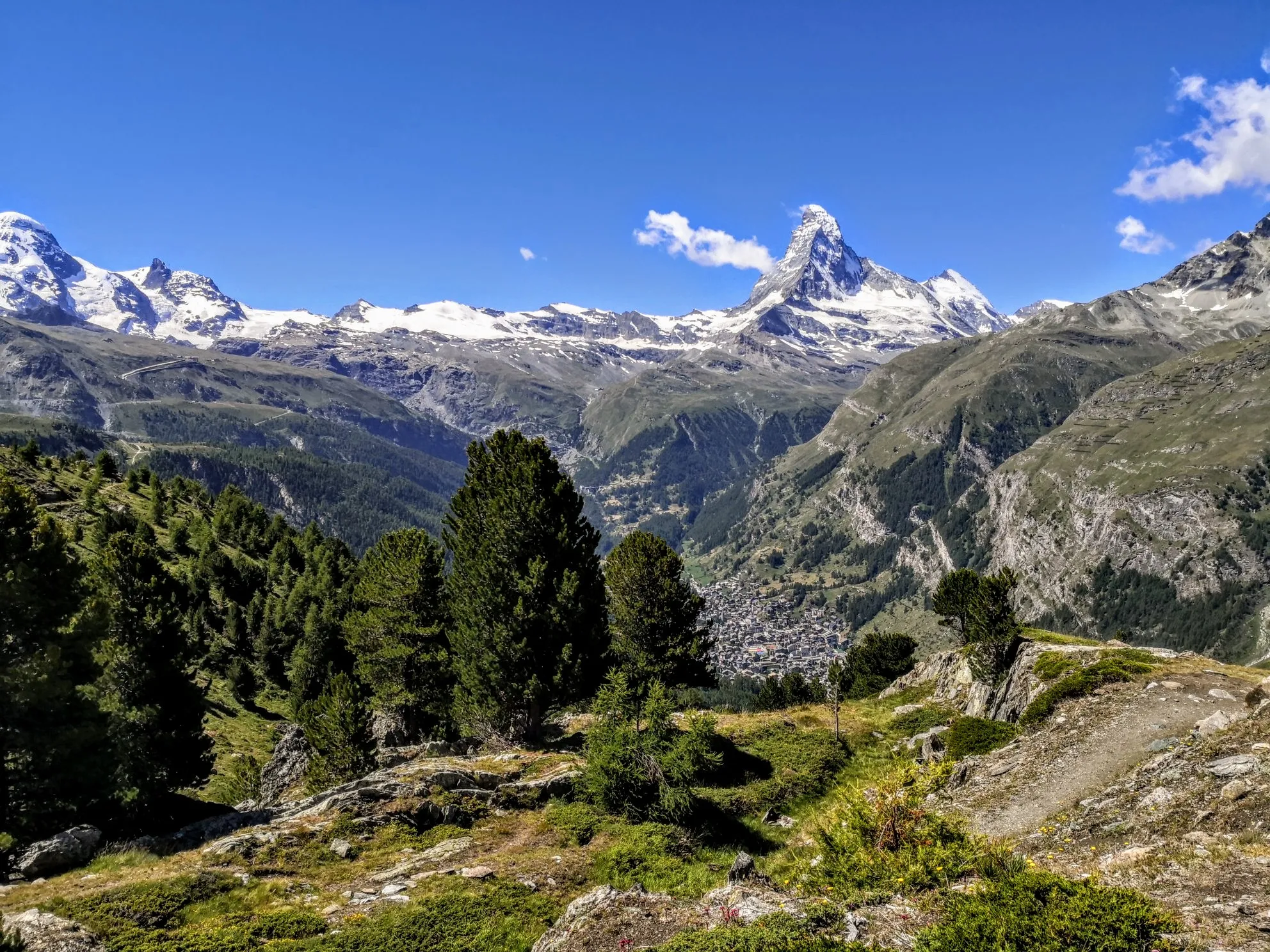
Walker's Haute Route – The ultimate alpine adventure
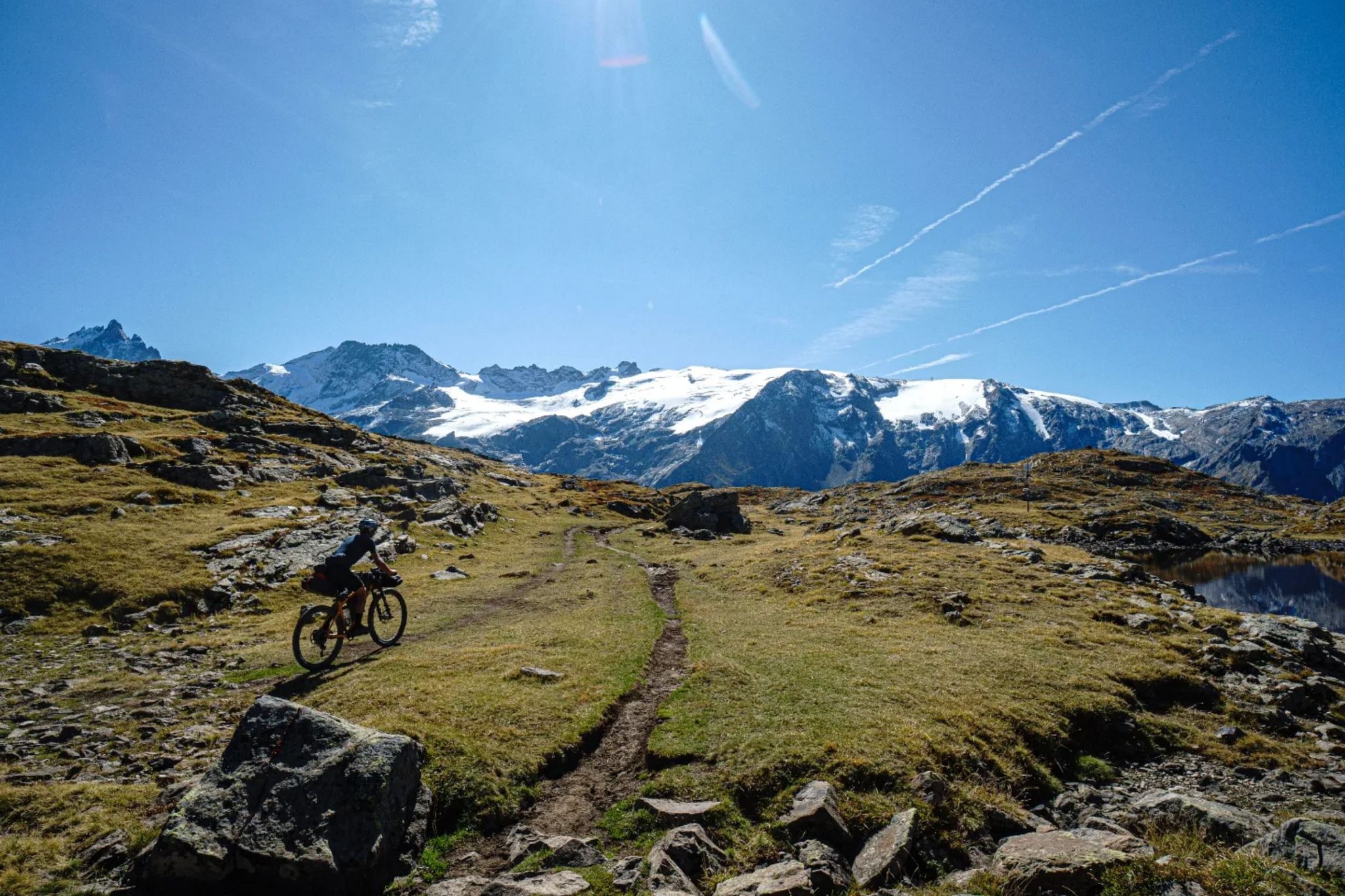
Transalps MTB – Chamonix to the Mediterranean Sea
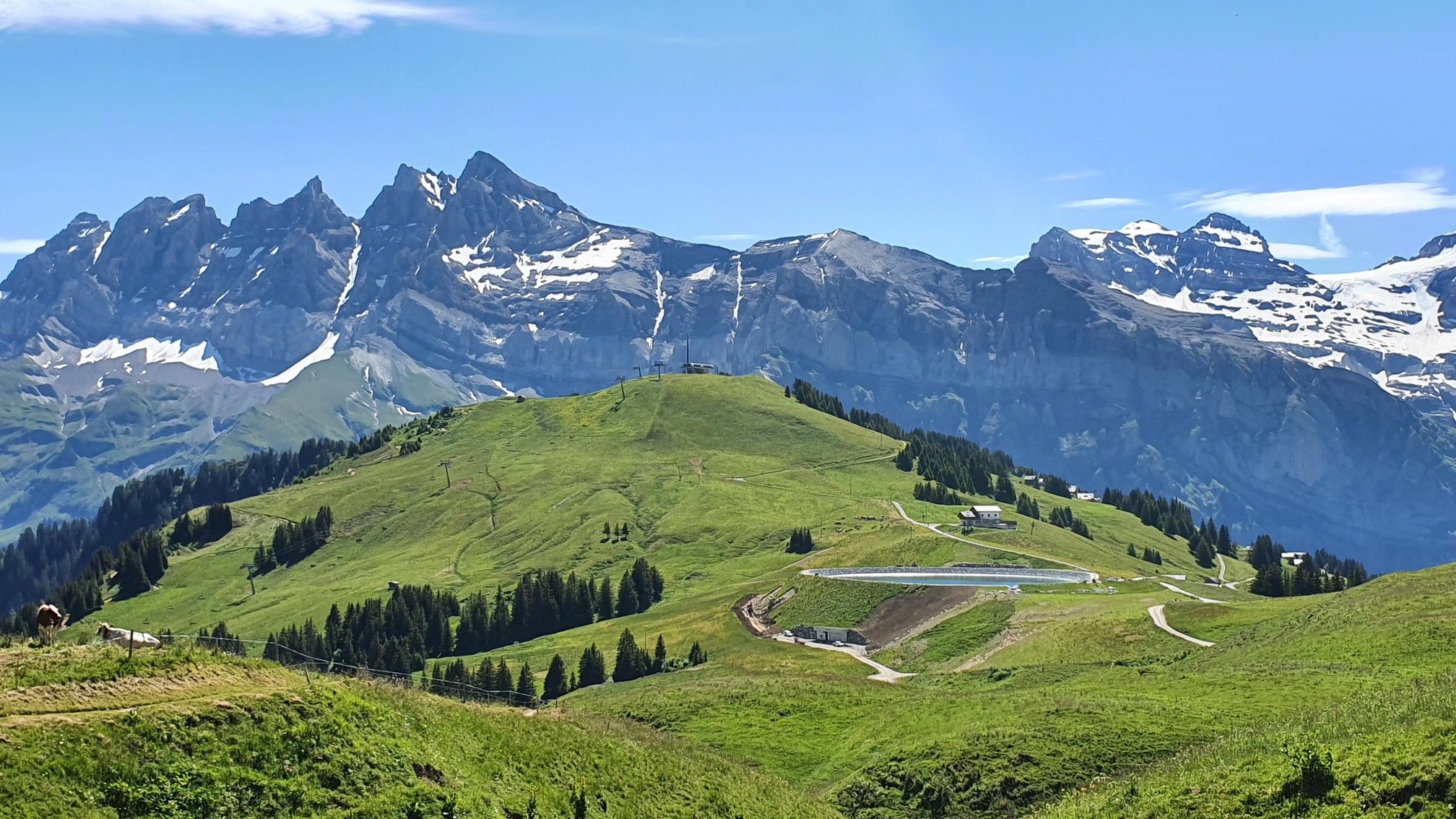
Europe Trail (GR 5) – Hike from Landry to Thonon-les-Bains
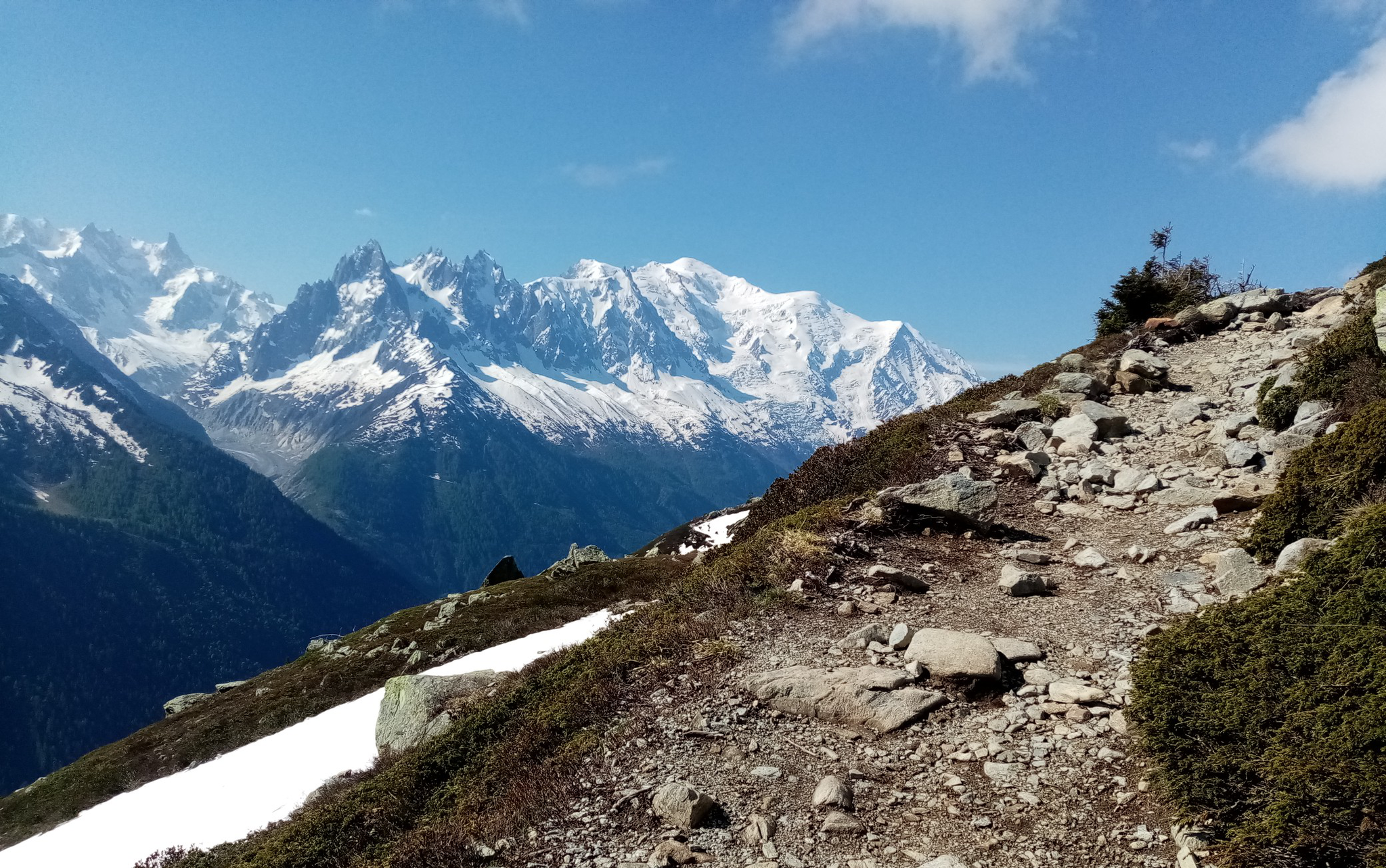
Ultra-Trail du Mont-Blanc – following the footsteps of legends
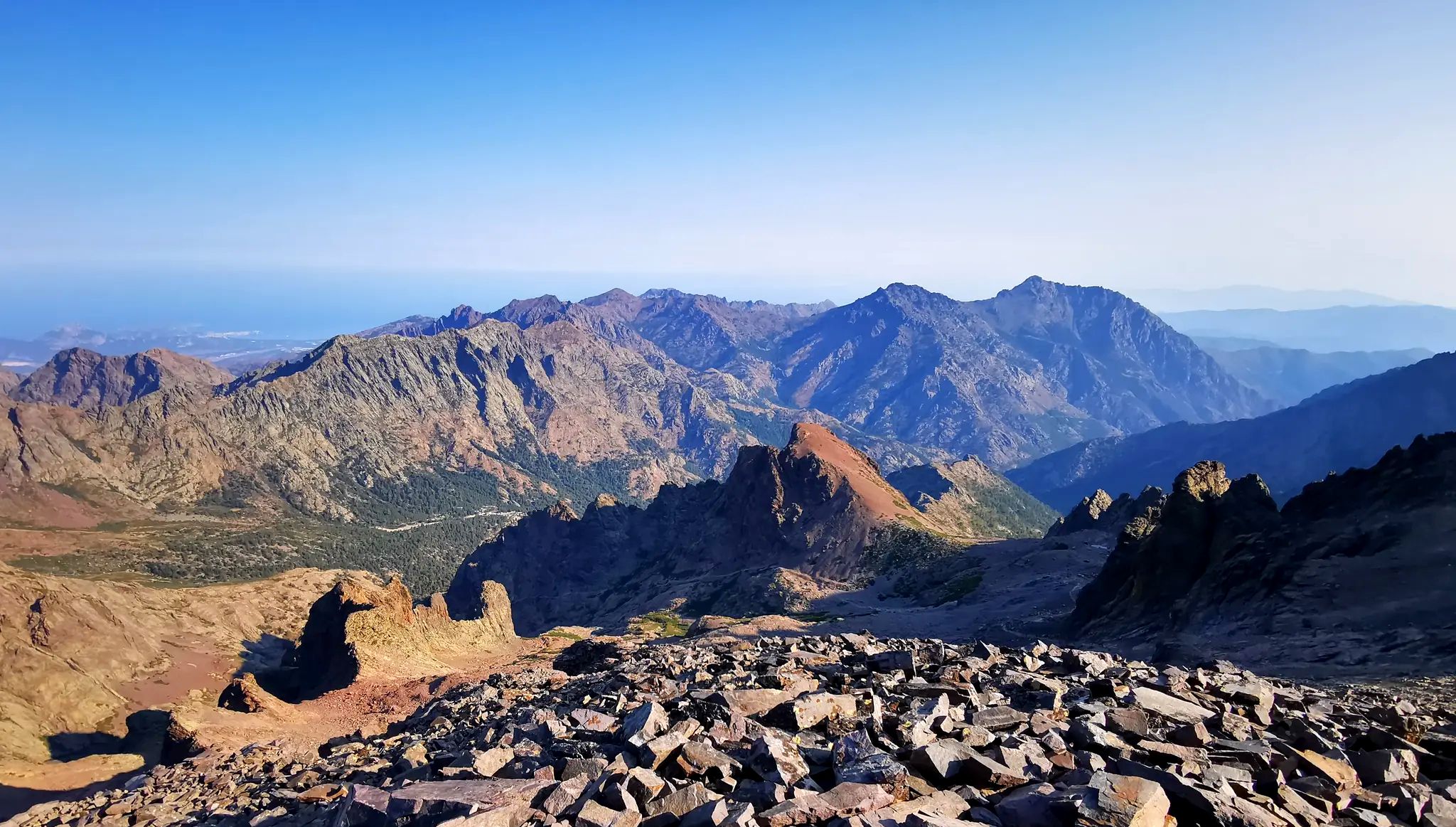
Hiking to the summits – France's highest points
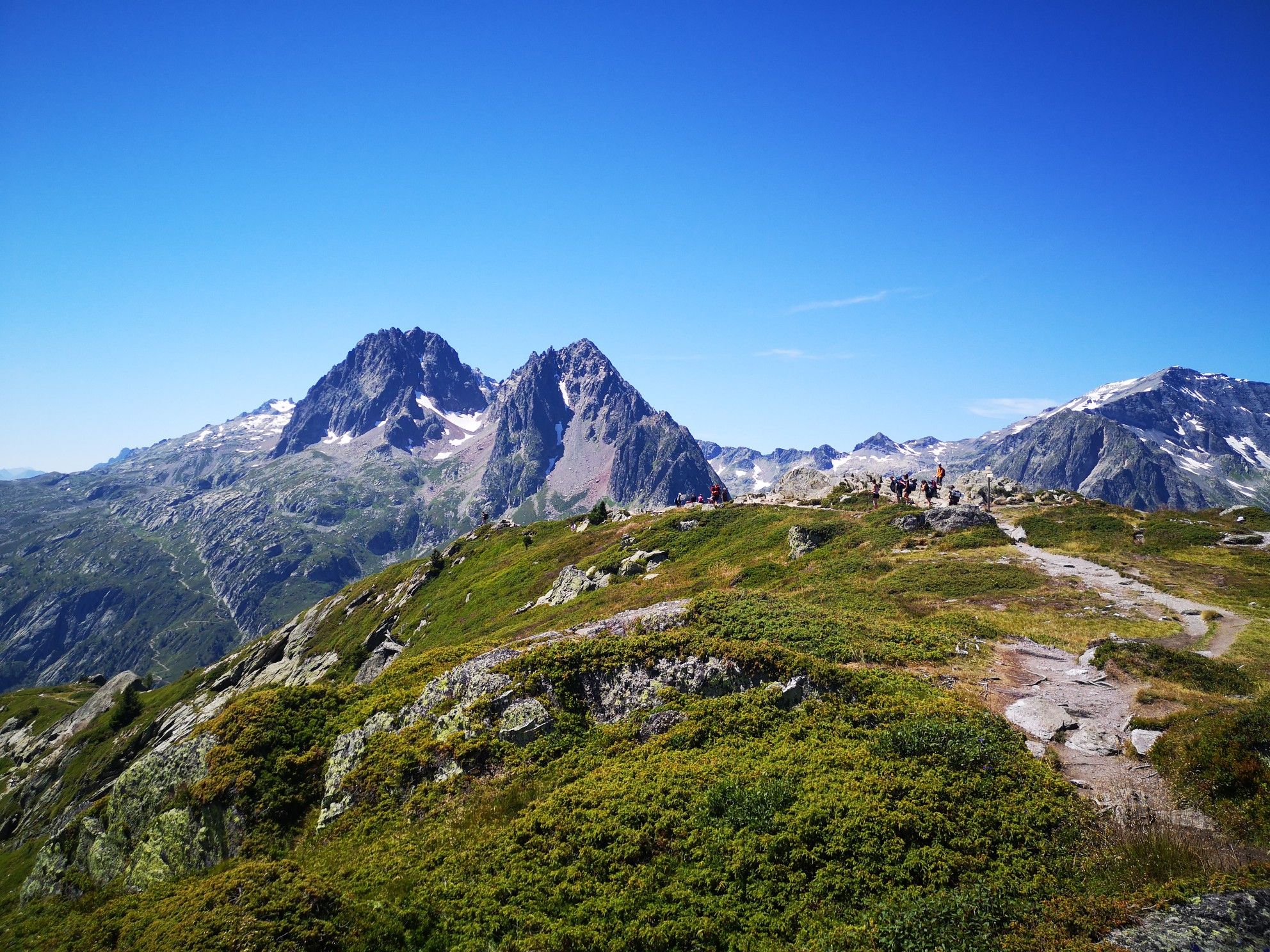
The French Circuit – Golden Trail National Series
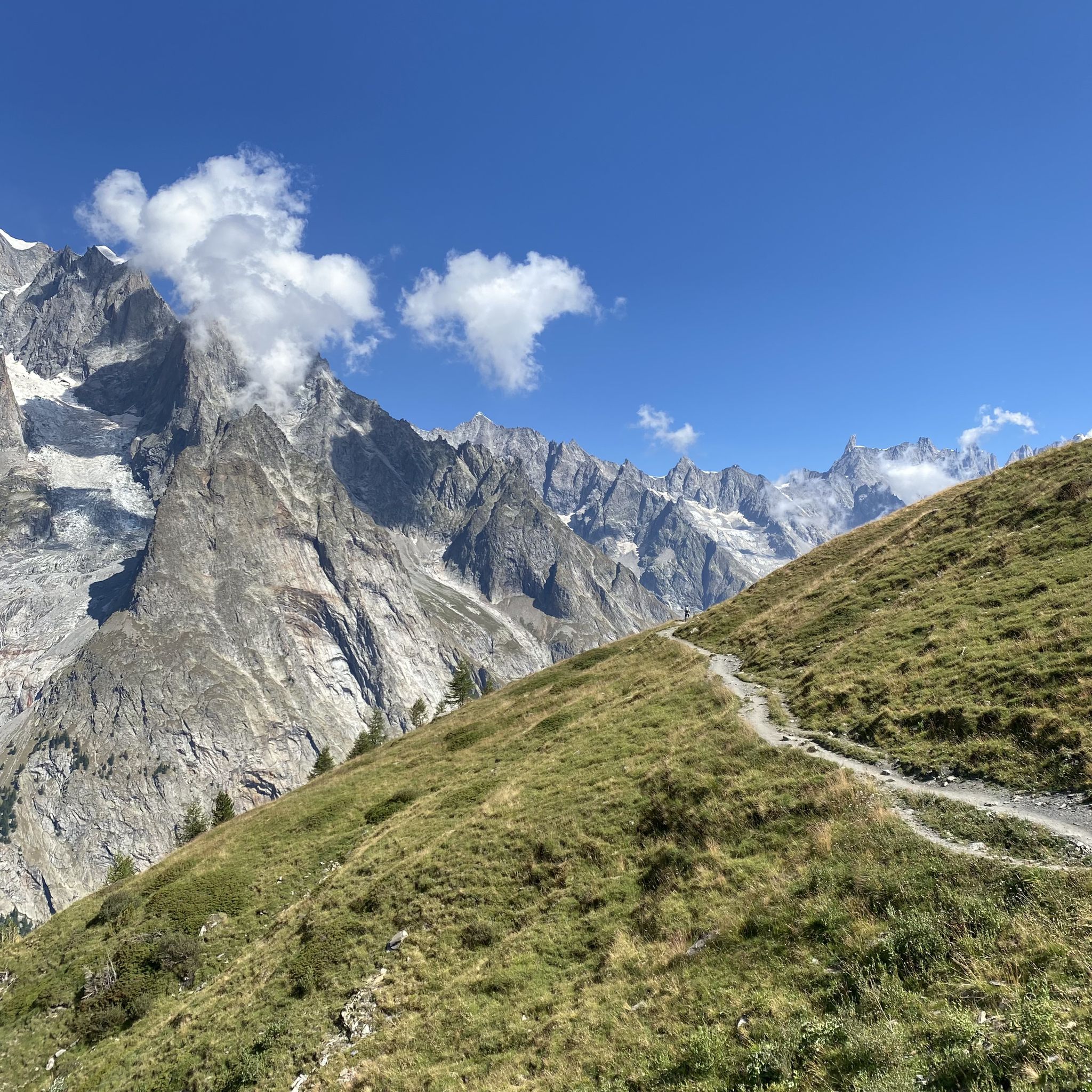
Between the glaciers of the King of the Alps – Mont Blanc MTB Tour
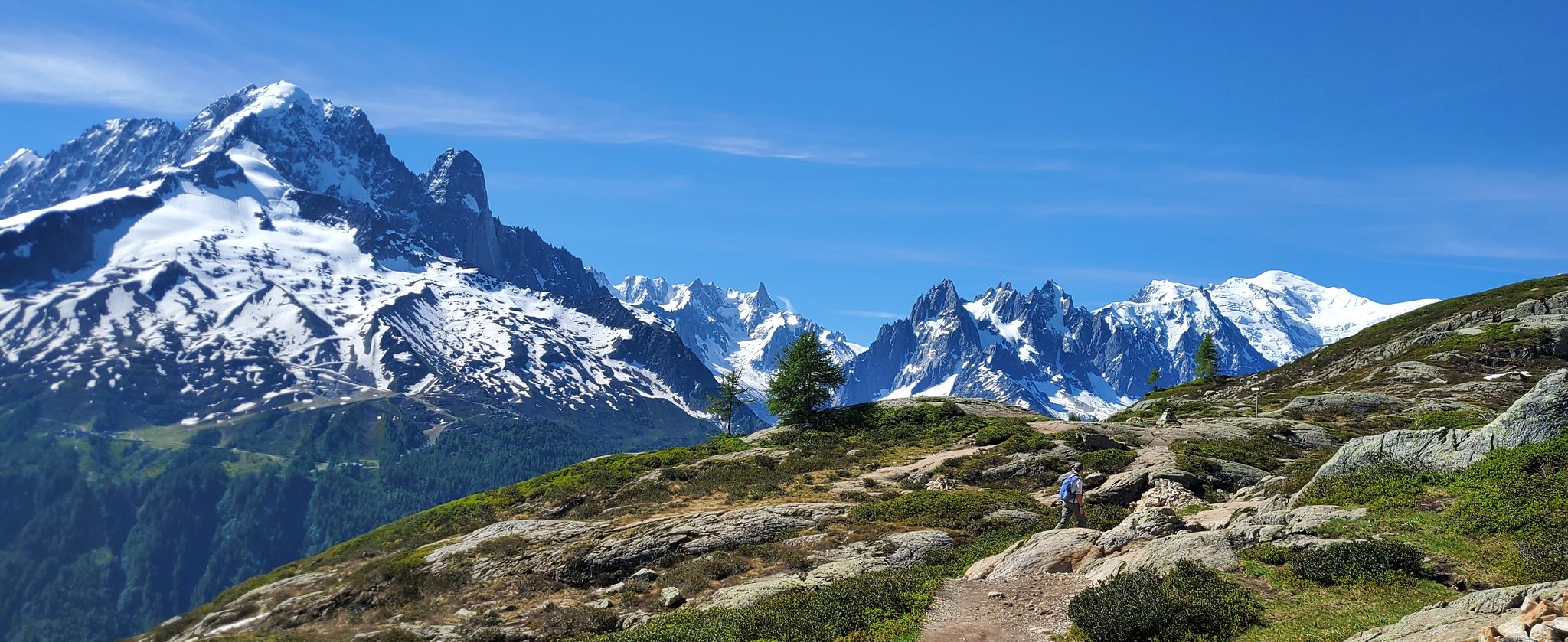
Hike from Savoie to Vanoise – Hexatrek in France’s Northern Alps
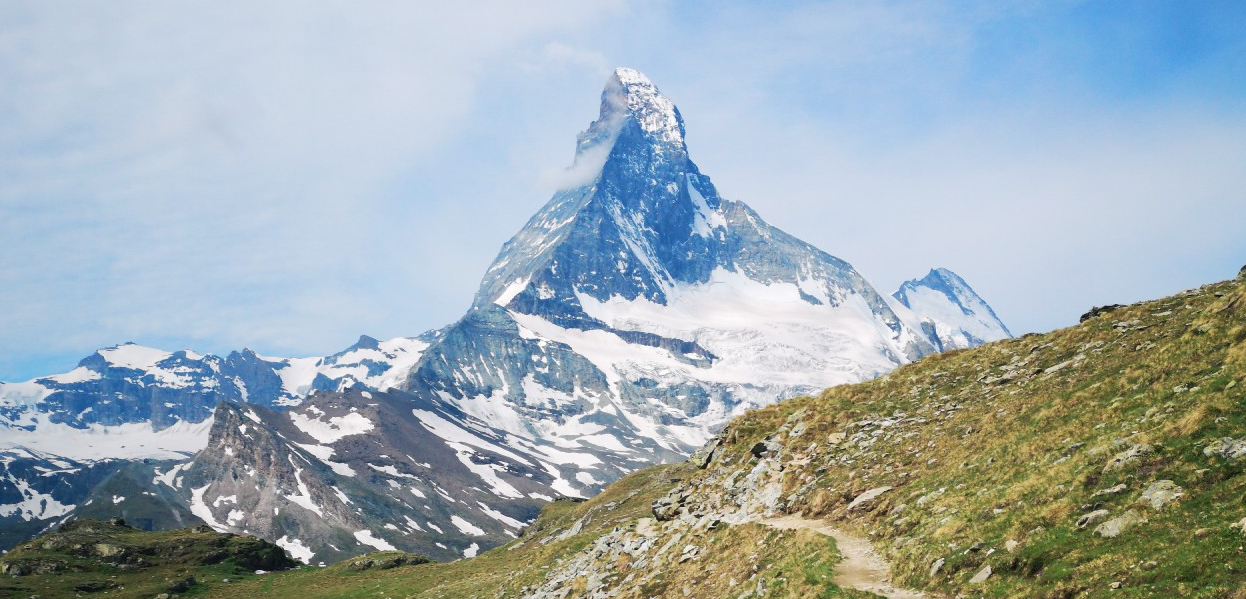
Running with passion – Haute Route from Chamonix to Zermatt
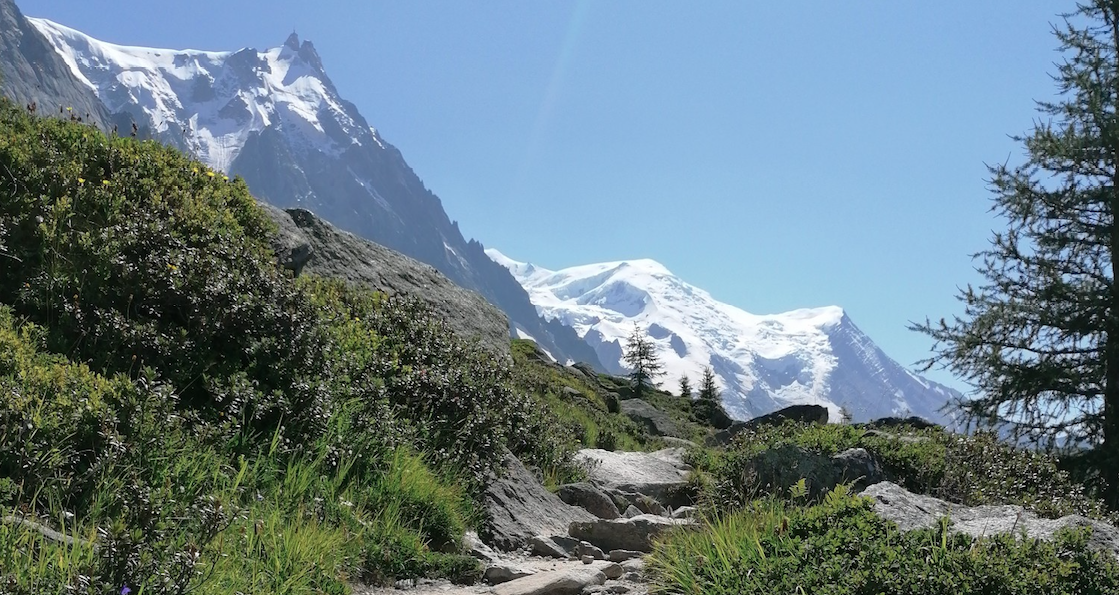
Running on ridges — 10 unforgettable trails near Chamonix
Other adventures around Chamonix-Mont-Blanc


Tips from the Community

The snack bar at Col de Voza has a lovely terrace in the summer. Delicious ice cream, a BBQ, and even live music. A very relaxed atmosphere.
2
0

Great view of the Mont Blanc massif. You can drive to the refuge.
2
0

It looks like a picture of beautiful Switzerland. It is a meeting point for numerous routes, and also a stop for the Montblanc tramway. In fact, here we rode to be taken down to Le Fayet.
4
0

Situated at 1,657 metres (5,436 ft). the col de Voza is a stunning and popular spot above Chamonix. and St.Gervais les Bains. It's also a train stop for the highest mountain railway in France - to Bellevue at 1,800 metres (5,905 ft) in the winter and the Nid d'Aigle at 2,372 metres (7,782 ft) in the summer.
4
0

The Col de Tricot on the Tour du Mont Blanc (TMB) is a mountain pass that enchants with its alpine grandeur. As you ascend to the col, the landscape unfolds in a spectacle of pristine beauty. Towering peaks, snow-capped summits, and meadows adorned with wildflowers surround the trail. Reaching the Col de Tricot is a rewarding challenge, and as you stand at this high mountain pass, you're greeted by breathtaking panoramic views. The air is crisp, and the silence is profound, interrupted only by the occasional rustle of the wind. The col provides a perfect vantage point to appreciate the rugged beauty of the Mont Blanc Massif. Hikers often pause at the Col de Tricot, not only to catch their breath but to soak in the serene ambiance and to capture the majestic scenery in photographs.
0
0
Col de Voza, a mountain pass on the Tour du Mont Blanc, beckons adventurers to a realm where the air is pure, and the vistas are nothing short of spectacular. Situated at an altitude that invites a sense of awe, this pass is a pivotal point in the TMB journey, offering respite and panoramic views. Approaching Col de Voza is a journey through alpine landscapes, a gradual ascent where each step unveils new dimensions of natural beauty. The rustle of wind through the mountain flora and the occasional glimpse of wildlife contribute to the sensory tapestry of the hike.
3
0
"La Porte du Bonheur" on the Tour du Mont Blanc is a captivating name that translates to "The Door of Happiness." This enchanting spot along the trail is more than a geographical point; it's a symbolic threshold to the joy and beauty that the Mont Blanc region unfolds. As trekkers traverse the Tour du Mont Blanc, they encounter "La Porte du Bonheur," an arch or a scenic vantage point that frames the breathtaking landscapes.
0
1

https://youtu.be/WALUqb60dpI Very easy to climb from the Swiss side, going down the Italian side is very steep, you will have to push, also because high drainage channels go across the trail https://youtu.be/eu_RPR989TI
2
0
Frequently Asked Questions
Which mountain passes offer the most spectacular views of Mont Blanc?
Several passes provide breathtaking views of the Mont Blanc Massif. Col de Balme offers superb views of Mont Blanc and the Chamonix Valley. Tricot Pass also provides magnificent views of the Dôme de Miage and Mont Blanc. Additionally, Voza Pass offers expansive panoramic views of the Mont Blanc massif, especially from the Montblanc tramway stop.
Are there any mountain passes that connect France with other countries?
Yes, several passes in the region serve as international borders. Col de Balme is situated on the border between France and Switzerland, connecting the Chamonix Valley with the Trient Valley. Grand Col Ferret (2,537 m) marks the border between Italy and Switzerland, and Col de la Seigne connects Italy and France.
What kind of outdoor activities can I do near the mountain passes in Chamonix-Mont-Blanc?
The region around Chamonix-Mont-Blanc's mountain passes is ideal for various outdoor activities. You can find numerous hiking trails, including challenging routes like the Lac Blanc and Lacs des Chéserys Loop, or the Refuge du Col de Balme et Lac d'Emosson Loop. For cyclists, there are options for both road cycling and gravel biking, with routes like the Col des Montets – Col de la Forclaz loop. You can explore more options in the Hiking around Chamonix-Mont-Blanc, Gravel biking around Chamonix-Mont-Blanc, and Cycling around Chamonix-Mont-Blanc guides.
Are there hiking trails suitable for beginners around the mountain passes?
While many passes involve challenging ascents, some areas offer more accessible options. The Col des Montets features a botanical trail that is suitable for discovering alpine flora and fauna without extreme difficulty. For easier hiking, consider routes that involve cable car access, such as reaching Planpraz before continuing to Col du Brévent, which reduces the initial ascent.
Which mountain passes are part of the famous Tour du Mont Blanc?
Several significant passes in the region are integral to the Tour du Mont Blanc (TMB). These include Col de Balme, Tricot Pass, Grand Col Ferret (2,537 m) (the highest point of the TMB), Col de la Seigne, and Col de Voza. These passes offer stunning alpine scenery and are crucial stops on this multi-day trek.
How can I reach the mountain passes in the Chamonix-Mont-Blanc region?
Access varies by pass. Many passes, like Col des Montets and Col de la Forclaz, are accessible by car or bus. For higher passes, cable cars or cogwheel trains can provide convenient access to starting points. For example, you can take a cable car to Planpraz for Col du Brévent, or the Montblanc tramway to reach Col de Voza.
What is the best time of year to visit the mountain passes in Chamonix-Mont-Blanc?
The best time to visit is generally from late spring to early autumn (mid-May to late October) when most passes are snow-free and trails are accessible. During early summer, areas like Col de Balme are vibrant with wild orchids, and gentians bloom into autumn. Always check local weather conditions and trail status before heading out, especially for higher altitude passes.
Are there family-friendly options among the mountain passes?
For families, passes with easier access and less strenuous trails are recommended. The Col des Montets, with its botanical trail, is a good option for a leisurely walk to discover alpine flora. Passes accessible by cable car or train, like Col de Voza via the Montblanc tramway, can also make for a more relaxed family outing with stunning views.
Which mountain passes are considered less demanding for road cyclists?
For road cyclists looking for less demanding ascents, Col des Montets is a good option. Col de la Forclaz, especially when approached from the Chamonix side, also offers a less strenuous climb compared to some of the region's more challenging routes, making it popular even for Tour de France stages.
What unique natural features can I expect to see at these mountain passes?
The mountain passes in Chamonix-Mont-Blanc offer diverse natural beauty. At Col de Balme, you can find vibrant wild orchids in early summer and gentians blooming into autumn. The Col des Montets features a botanical trail showcasing diverse alpine flora and fauna. Higher passes like Col du Brévent offer mineral landscapes and views of the Rochers de Fiz and the Passy nature reserve.
Are there any historical aspects associated with the mountain passes in the region?
Yes, some passes have significant historical importance. The Col des Montets, for instance, historically linked the Chamonix Valley with Vallorcine and the Trient Valley, with its origins dating back to Roman times. These passes have served as crucial routes for trade and travel for centuries, connecting different valleys and countries.
Most popular routes around Chamonix-Mont-Blanc
Most popular attractions around Chamonix-Mont-Blanc

Get inspired with the komoot mobile app


Explore more
See even more epic mountain passes by checking out these guides around Chamonix-Mont-Blanc:
