The best MTB trails around Draillant
4.3
(226)
1,266
riders
111
rides
Mountain biking around Draillant offers diverse terrain within the mountainous Haute-Savoie region of the French Alps. The area is characterized by significant elevation changes, dense forests, and scenic valleys, providing a varied landscape for mountain bikers. Riders can expect challenging ascents and thrilling descents, with routes often winding through natural features like cols and offering expansive vistas of the surrounding Alpine environment. The proximity to the Chablais massif ensures a rich network of mountain bike trails.
Best mountain bike trails…
Last updated: April 28, 2026
4.0
(2)
8
riders
22.7km
02:21
760m
760m
Moderate mountain bike ride. Good fitness required. Advanced riding skills necessary.
3.0
(1)
10
riders
20.9km
02:28
650m
640m
Moderate mountain bike ride. Good fitness required. Advanced riding skills necessary.

Sign up for free
4.0
(2)
12
riders
30.2km
02:40
700m
700m
Moderate mountain bike ride. Good fitness required. Advanced riding skills necessary.
13
riders
19.8km
02:04
640m
640m
Hard mountain bike ride. Good fitness required. Advanced riding skills necessary. Some portions of the route may require you to push your bike.
1.0
(1)
8
riders
39.8km
03:29
760m
760m
Moderate mountain bike ride. Good fitness required. Advanced riding skills necessary.
Get access to more routes and recommendations from other explorers.
Sign up for free
Already have an account?
Our route recommendations are based on thousands of hikes, rides, and runs completed by other people on komoot.
Start today with a free account
Your next adventure awaits.
Login or Signup

Tips from the Community


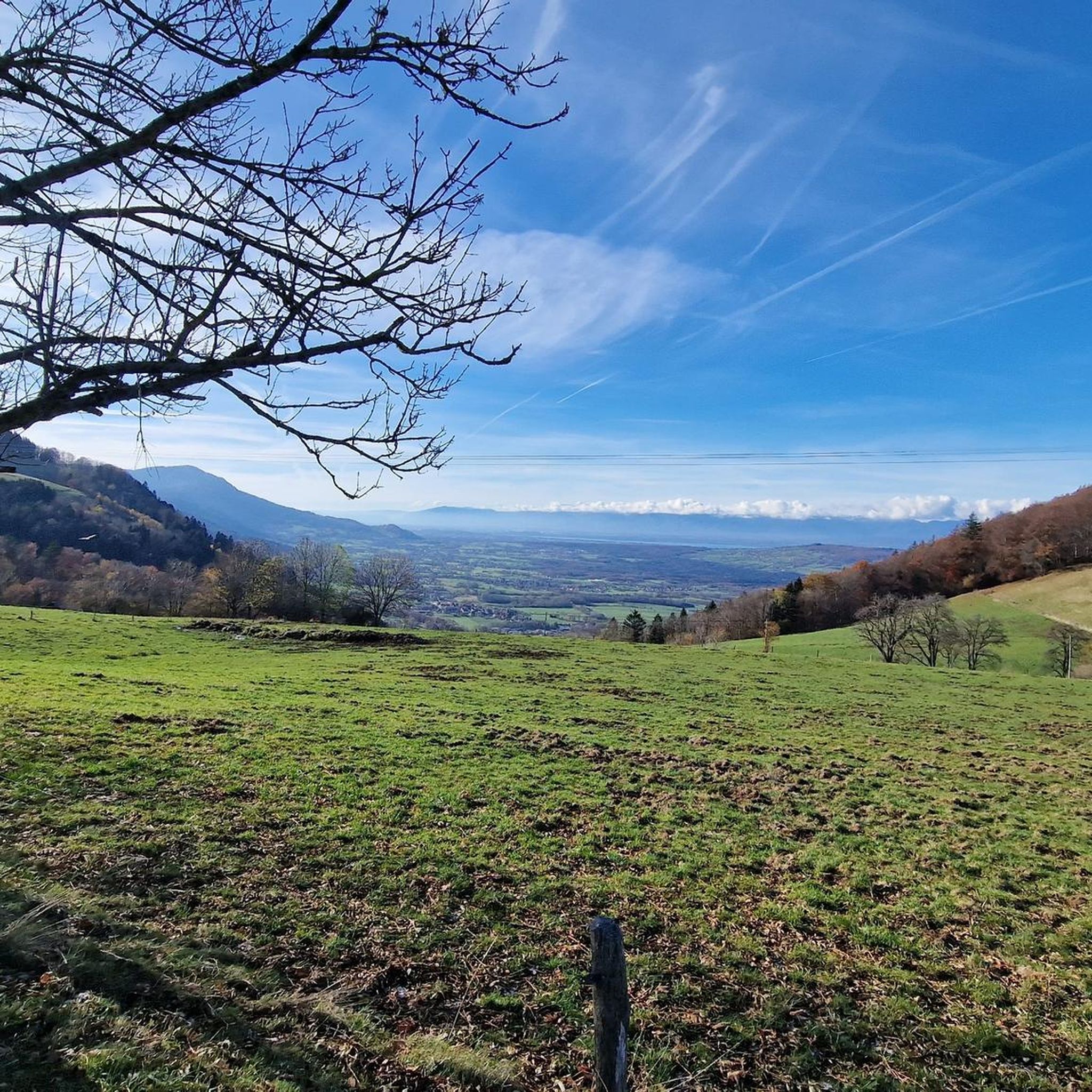
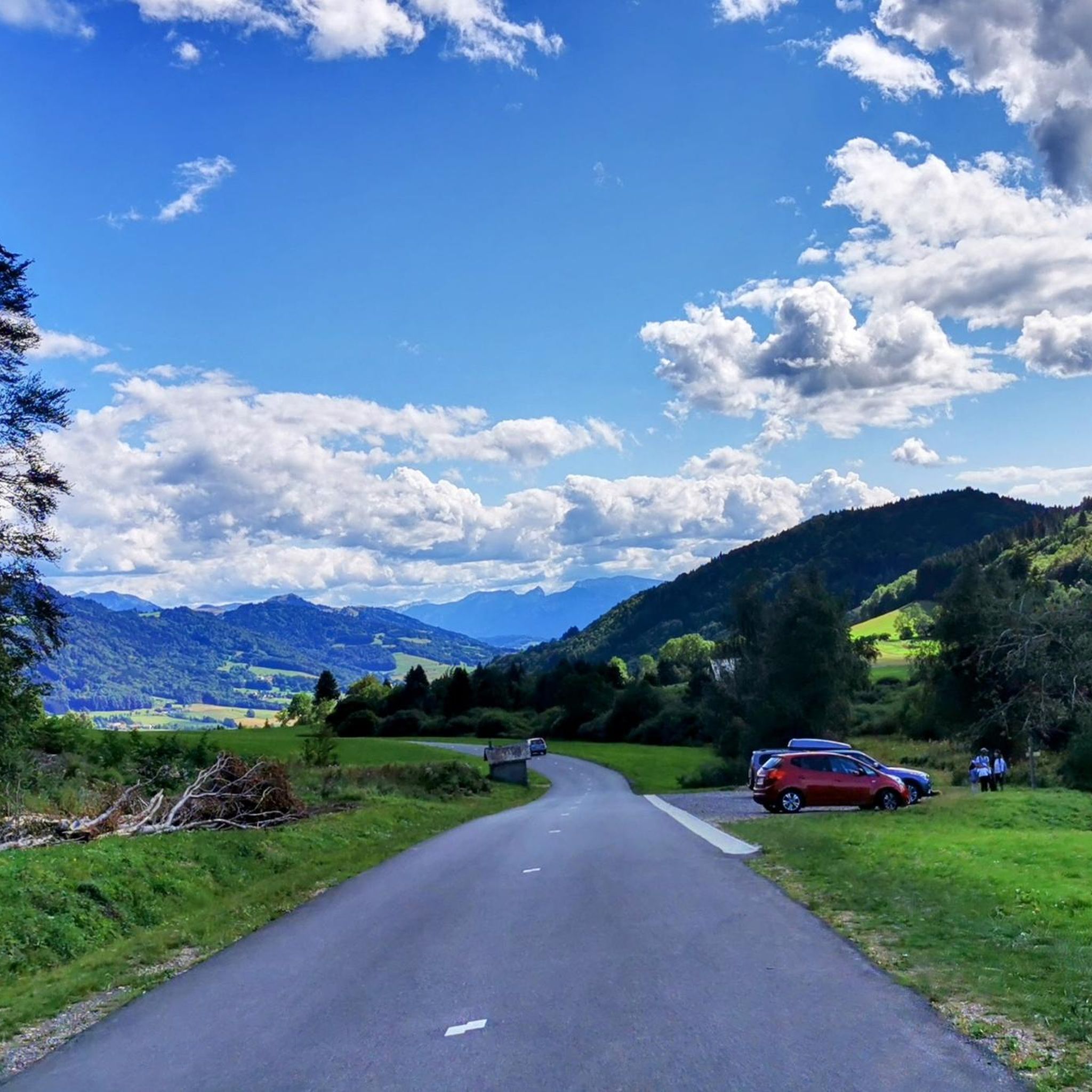
One of the quietest, wildest and most beautiful passes in Chablais!
1
0

This chapel, dedicated to Saint Bruno, founder of the Carthusian Order, was built on the remains of the former convent church of the Carthusian monastery of Sainte-Marie de Vallon[1]. In 1543, the Carthusians of Vallon were forced to leave their monastery, which was dismantled[1]. When they regained possession of their property in 1607, they found only ruins of the old charterhouse. Only a few sections of the walls remained standing[1]. After building their fortified house in Génicot[2] on the right bank of the Brevon (now on the lake), they erected a chapel in the part of the old charterhouse, in homage to Saint Bruno and in memory of the monks who preceded them. Since the walls of the choir of their former convent church and those of the sacristy had not collapsed, a nave surmounted by a wooden vault was built in 1651[3]. In 1793, it was sold as national property[3]. Abandoned by its new owners, it then passed to the Gougain family, along with the entire property known as "La chèvre"[1]. In 1833, the Carthusians returned to work repairing the walls and vault, redoing the roof, and installing a bell tower. Bishop Pierre-Joseph Rey inaugurated the renovated chapel during the summer of 1836[3]. It received various donations, including from Converset David François Marie[citation needed]. In 1847, it was finally transferred to the churchyard[1]. Processions would go there to pray for rain or good weather; but Bishop Louis Rendu banned these events in 1852[citation needed]. In 1855, it was burned to the ground. A violent wind blew as the Abbey building burned and burning embers set it alight in turn[1]. Nothing new remained except the walls. M Chappaz undertook a collection throughout the parish and had repairs carried out during 1856: plaster vault, roof, bell tower, gallery, floor, altar[3]. On July 11, 1857, the renovated chapel was blessed.
1
0
The lake is 900 m long and covers an area of 15 hectares. The northwest shore is marked by a small peninsula, a sign of the advance of the landslide that created the lake. The eastern and western shores are relatively steep, while the northern and southern shores form gentle slopes. The lake was initially named "Lac de Chauronde"[note 1 by Léon Moret[3] in reference to the town of Chauronde where the landslide blocked the Brevon Valley. The name "Lac de Vallon" was finally defined by Bernard Dussart[2] in reference to the name of the valley, Vallon.
1
0


Beautifully situated lake and great mountain panorama.
3
0
Beautifully situated lake and great mountain panorama.
2
0
Frequently Asked Questions
How many mountain bike trails are available around Draillant?
There are over 110 mountain bike trails around Draillant, offering a wide range of options for different skill levels. You'll find everything from moderate paths to challenging routes with significant elevation gain.
What kind of terrain can I expect when mountain biking near Draillant?
Mountain biking around Draillant is characterized by the mountainous terrain of the French Alps and the Chablais massif. Expect significant elevation changes, dense forests providing shaded trails, and scenic valleys. Routes often wind through natural features like cols, offering expansive vistas of the surrounding Alpine environment.
Are there mountain bike trails suitable for beginners or families in the Draillant area?
Yes, Draillant offers options for various ability levels. While many routes feature challenging ascents, there are 9 trails classified as easy and 53 as moderate, which can be suitable for less experienced riders or families looking for a more relaxed experience. Always check the route details for specific difficulty and elevation.
What are some notable natural features or landmarks I might see on mountain bike trails around Draillant?
The region is rich in natural beauty. You might encounter features like the Col de Cou, Jambaz Pass, or Col du Feu. The nearby Lac et barrage du Jotty is a significant reservoir offering serene beauty and single-track paths, with striking viewpoints of the surrounding landscape and the Gorges du Pont-du-Diable. You can find more information about the lake and dam here: Jotty Lake and Dam.
What do other mountain bikers say about the trails in Draillant?
The mountain bike trails around Draillant are highly rated by the komoot community, with an average score of 4.3 stars from over 200 reviews. Riders often praise the varied terrain, the challenging ascents, and the rewarding views of the Alpine landscape.
Are there any loop trails for mountain biking near Draillant?
Yes, many of the trails around Draillant are designed as loops. For example, the Col de Cou – Saxel pass loop from Cervens is a moderate 14.1-mile path offering a mix of forest sections and open views. Another option is the Col de Jambaz, 1,027 m – Saint Bruno Chapel loop from Lullin, a 30.3 km moderate route.
What is the best time of year for mountain biking in Draillant?
The Haute-Savoie region, where Draillant is located, is generally best for mountain biking from late spring through early autumn (May to October). During these months, the weather is typically more stable, and trails are clear of snow, offering optimal conditions for riding. Winter can bring snow, making many trails inaccessible for mountain biking.
Can I find challenging mountain bike routes in the Draillant area?
Absolutely. Draillant is situated in a mountainous region, providing plenty of challenging routes. For instance, the Plateau de Trécou – 👍 loop from Perrignier is a difficult 33.0 km trail featuring significant elevation changes. Another difficult option is the Col du Feu – Col du Feu loop from Orcier, which covers 19.7 km with substantial climbing.
Are there options for parking near mountain bike trails in Draillant?
While specific parking details for every trailhead are not always listed, areas like the Lac et barrage du Jotty, which serves as a gateway to several cycling routes, typically have parking facilities. For routes starting from villages like Perrignier, Cervens, or Lullin, you can often find public parking in or near the village centers.
Are there any specific permits required for mountain biking in the Haute-Savoie region?
Generally, no specific permits are required for mountain biking on designated trails in the Haute-Savoie region. However, it's always advisable to respect local regulations, private property, and any signage indicating restricted areas or specific rules for certain trails, especially within protected natural zones.
What are the typical elevation changes on mountain bike trails around Draillant?
Given Draillant's location in the French Alps, you can expect significant elevation changes. Many routes feature substantial ascents and descents. For example, the difficult Plateau de Trécou – 👍 loop from Perrignier involves over 1100 meters of elevation gain and loss, providing a true mountain biking experience.
Are there any mountain passes accessible by mountain bike near Draillant?
Yes, the region is known for its mountain passes. You can ride to passes like the Col de Cou, Jambaz Pass, Col de Saxel, and Col du Feu. These passes often offer challenging climbs and rewarding panoramic views.
Most popular routes around Draillant
Most popular attractions around Draillant

Get inspired with the komoot mobile app


Explore more
Browse the best MTB trails in other regions.
