Attractions and Places To See around Bénouville - Top 20
Best attractions and places to see around Bénouville include a rich blend of historical landmarks, cultural sites, and natural beauty. This commune in Normandy, France, played a pivotal role in the D-Day landings of World War II, offering significant historical sites. The area also features natural landscapes such as the Canal de Caen à la Mer and coastal formations. Visitors can explore a variety of attractions that combine history with outdoor experiences.
Best attractions and places to see around Bénouville
…Last updated: October 18, 2026
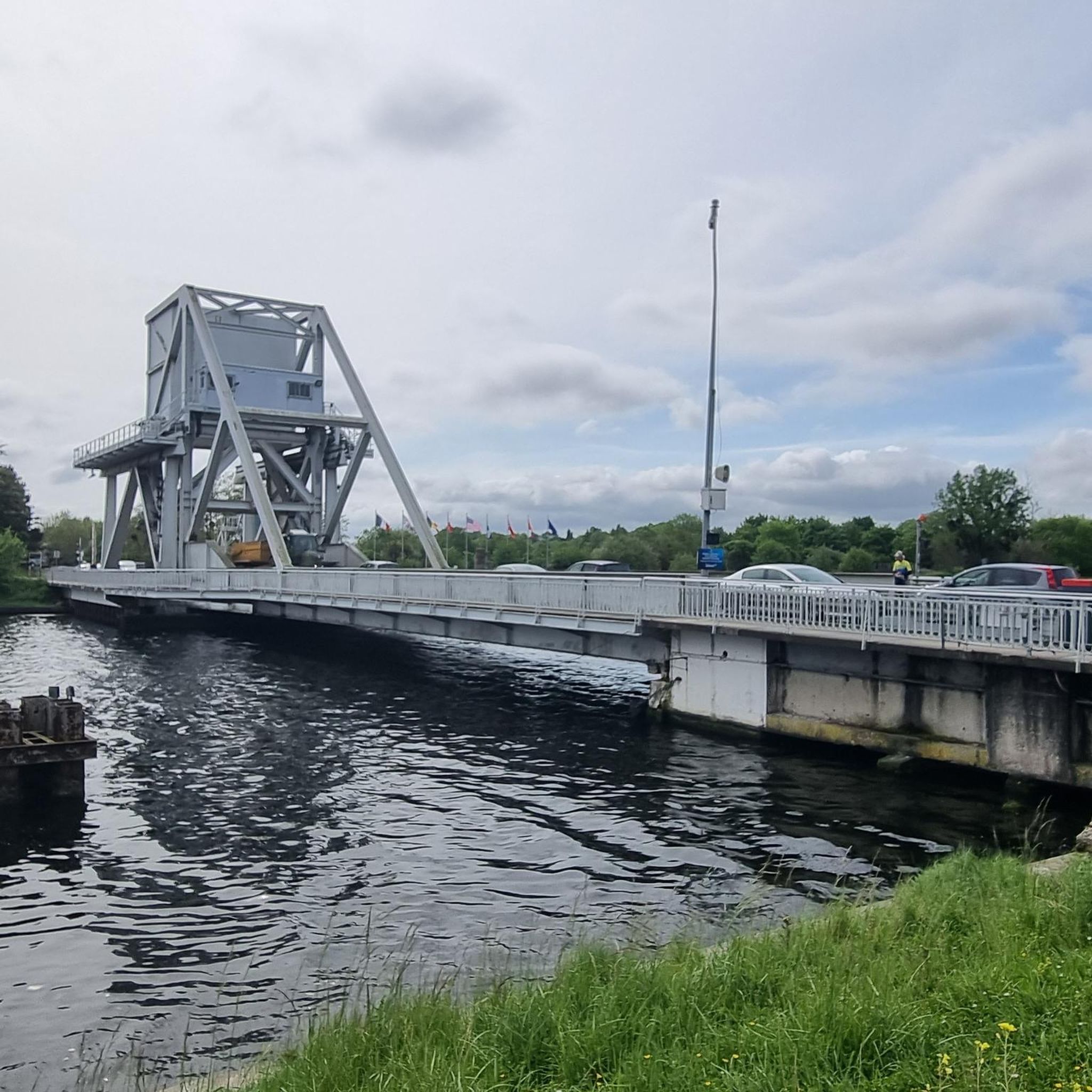
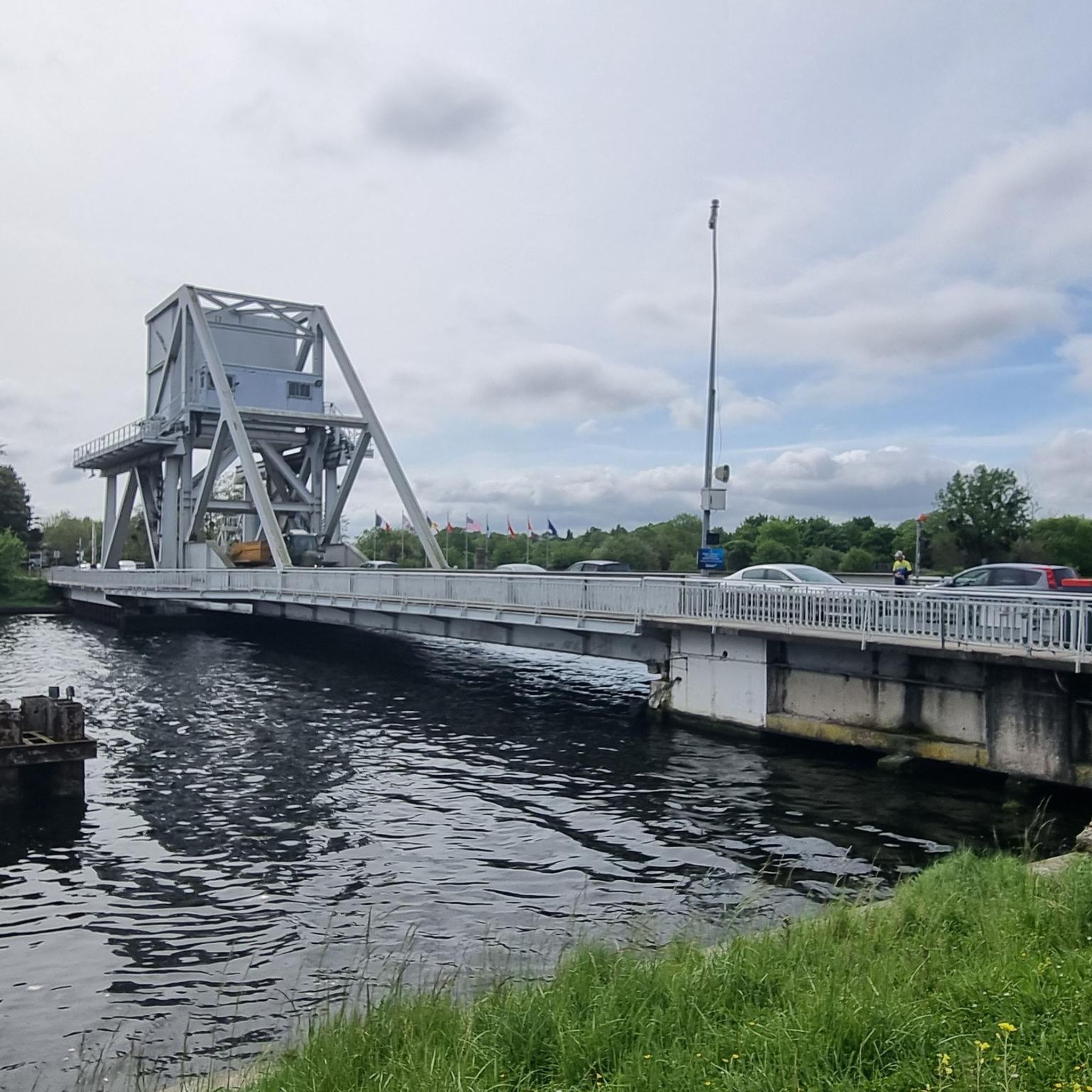
Pegasus Bridge
Highlight • Bridge
Translated by Google •
Tip by

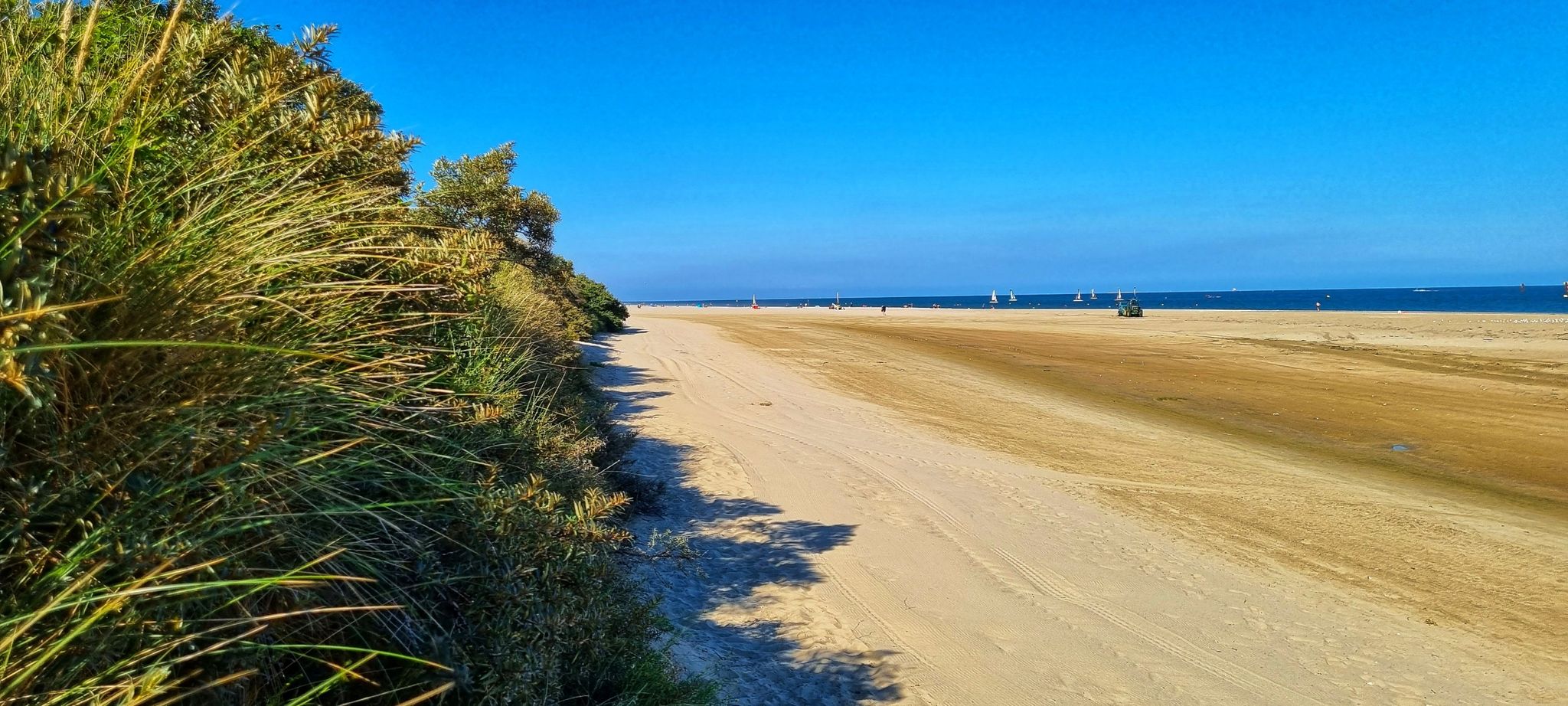
Memorial to the Free French Forces at Ouistreham
Highlight • Historical Site
In a beautiful park on the coast lies this monument of the No.4 Commando's of Lt.Kieffer, who came ashore in the early morning of June 6, 1944 …
Translated by Google •
Tip by
Sign up now to discover places like this
Get recommendations on the best single tracks, peaks, & plenty of other exciting outdoor places.
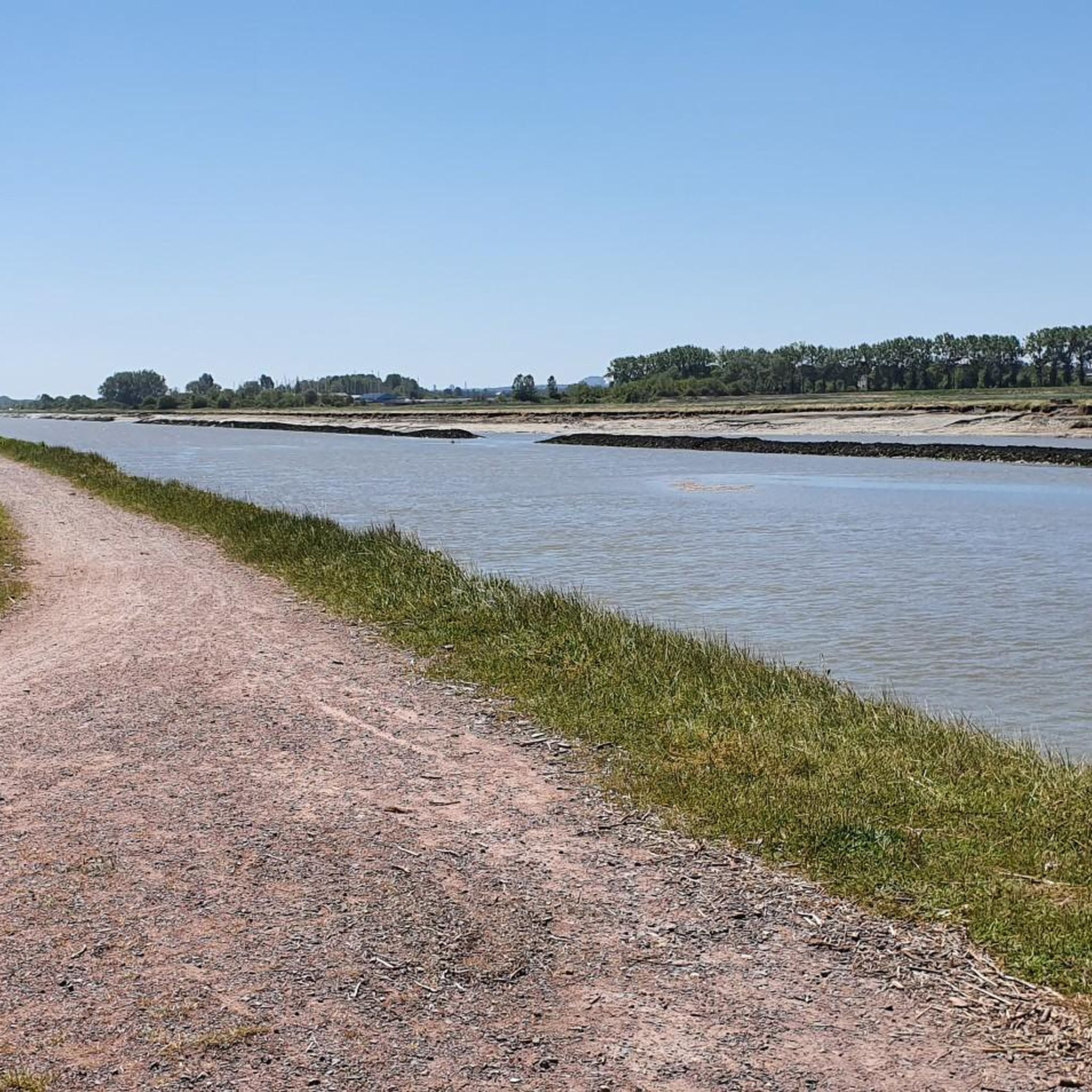
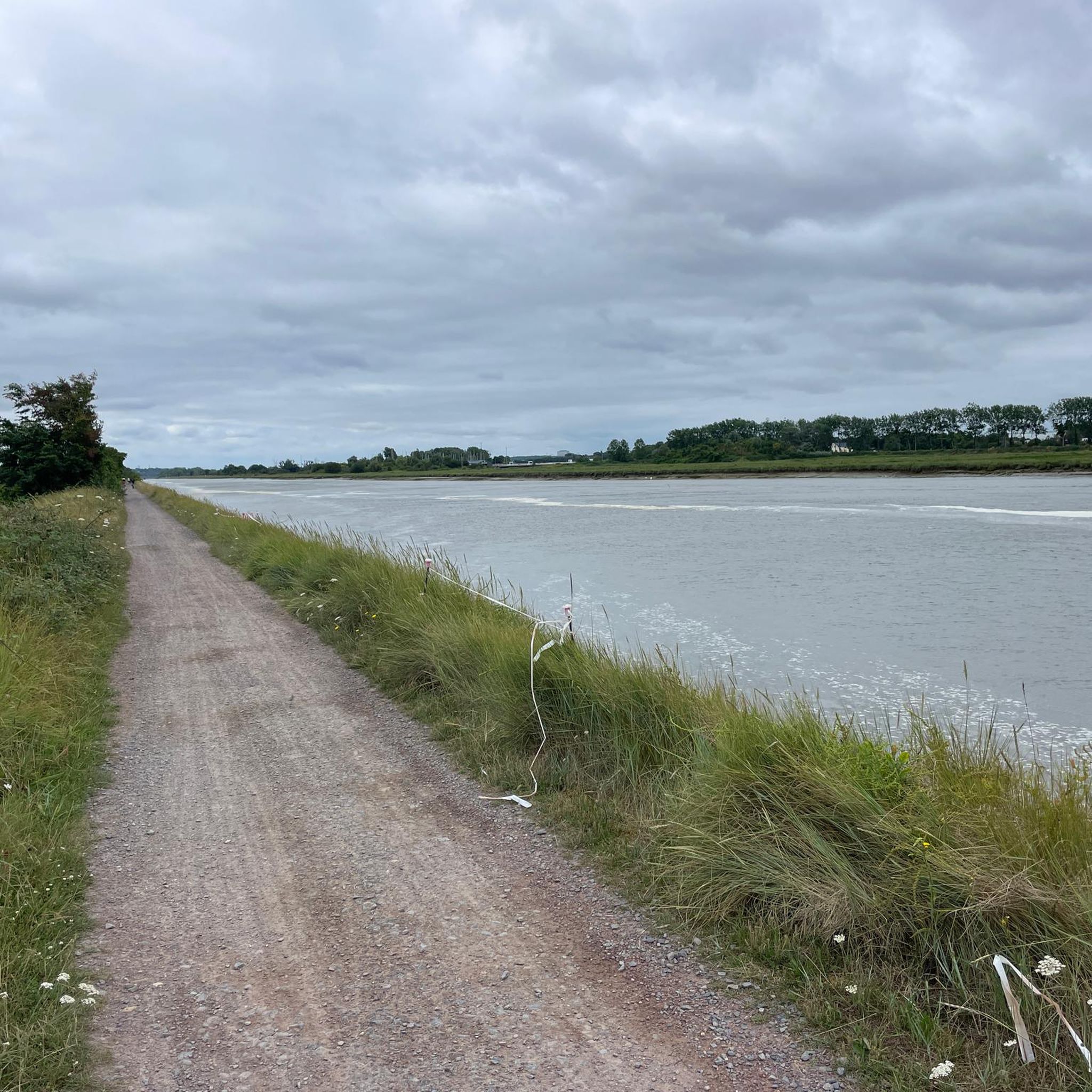
Caen-to-the-Sea Canal at Blainville-sur-Orne
Highlight (Segment) • Other
Translated by Google •
Tip by

Bénouville Castle
Highlight • Castle
Translated by Google •
Tip by
Men's Abbey (Saint Stephen), Caen
Highlight • Religious Site
Translated by Google •
Tip by

Sign up for free to discover even more attractions around Bénouville.
Already have an account?
Start today with a free account
Your next adventure awaits.

Other adventures around Bénouville

Tips from the Community

Actress Friederike Becht made a noteworthy statement in an interview with the Catholic News Agency when asked what role God plays in her life: "I think everyone is allowed to believe what he or she considers right – as long as it doesn't hurt anyone and as long as you respect what others believe. I BELIEVE WHAT NONE OF THE GODS IN QUESTION WANT IS WAR. Personally, I like the Christian fundamental idea of charity..."
0
0

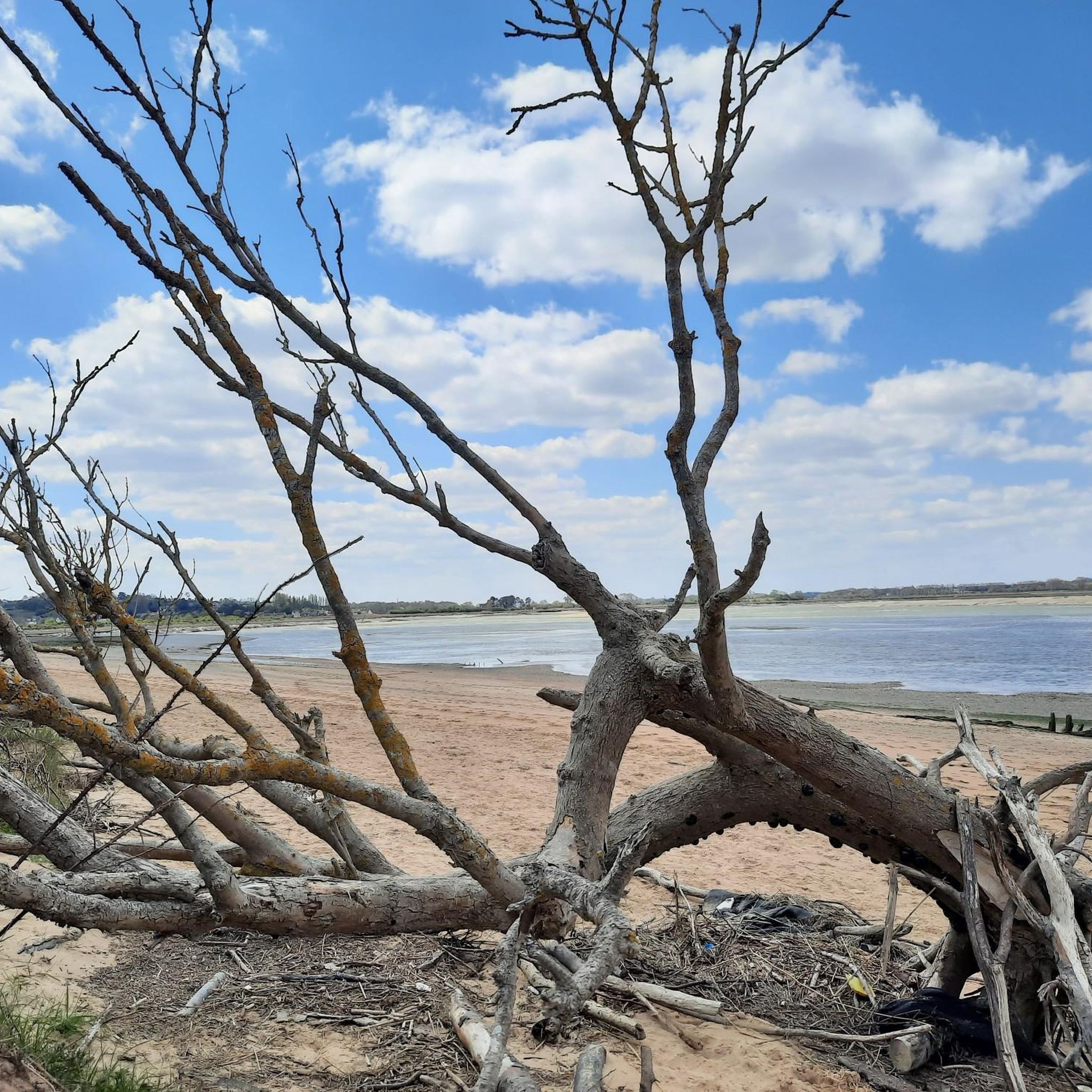
The Orne estuary is so beautiful with its wild environment.
0
0

The memorial commemorates the French soldiers who neutralized the Wehrmacht bunkers here on June 6, 1944.
2
0

Great walk along the seaside.
0
0

Caen, first mentioned in documents in 1027, experienced rapid urban development in the 11th century. It was called a burgus (bourg), was the centre of an extensive ducal domain, lay at the crossroads of important roads and had markets and a port. It first developed as an important city in the Duchy of Normandy under William the Conqueror. He had a strong fortress built in Caen and around 1059 an abbey for women (Abbaye aux dames) and one for men (Abbaye aux hommes), in which he was also buried. Later, during the Huguenot Wars (1562), his grave was destroyed and his bones were lost. William's gravestone can still be seen in the church today. He had the monasteries built to atone for his marriage to his cousin Mathilde, which was disapproved of by the Pope. Both monasteries are among the most important monuments in Normandy and are today – by the monks and nuns during the French Revolution
2
0

The former Benedictine abbey with the monastery church of Saint-Étienne was founded by William the Conqueror in Caen, built from 1060 onwards, but probably not completed until after 1090. From 1120/25 onwards, six-part cross-ribbed vaults were installed in the originally flat-roofed building, which are among the oldest in France.
5
0

11th Century Abbey Church where William the Conqueror is buried. Definitely worth seeing.
2
0
Here William the Conqueror is buried, in the 11th-century abbey church.
3
0
Frequently Asked Questions
What historical sites related to D-Day can I visit in Bénouville?
Bénouville is rich in D-Day history. You can visit the iconic Pegasus Bridge, a crucial objective captured by British airborne troops. The original bridge is preserved in the nearby Airborne Forces Museum. Next to the bridge, the Café Gondrée holds the distinction of being the first house liberated on D-Day and now serves as a cafe-museum. Additionally, the Memorial to the Free French Forces at Ouistreham, a short distance away, commemorates the actions of Lt. Kieffer's No. 4 Commando.
Are there any notable cultural or architectural landmarks in Bénouville?
Yes, Bénouville features several significant cultural and architectural landmarks. The elegant 18th-century Neoclassical Bénouville Castle, designed by Claude-Nicolas Ledoux, is a prominent example. While it's undergoing restoration, it's a key historical structure. The Church of Our Lady (Église Notre-Dame) boasts a choir from the late 12th century and 16th/17th-century nave, with frescoes by Louis Chifflet. You can also see the restored Les Lavoirs (Old Wash Houses) near the canal, offering a glimpse into local heritage.
What natural attractions can I explore around Bénouville?
The area around Bénouville offers beautiful natural features. You can enjoy the Caen-to-the-Sea Canal at Blainville-sur-Orne, which has a pleasant paved cycle path along its 14 km length. Bénouville also has a beautiful coastal environment with natural rock formations like the Aiguille de Belval (Belval Needle) and Vaudieu Rock accessible via a path to the shore. The nearby Orne Estuary is noted for its wild environment, and the famous white chalk Cliffs of Étretat are a significant natural monument in the broader Normandy region.
What outdoor activities, like cycling or running, are available near Bénouville's attractions?
Bénouville is excellent for outdoor activities. The paved cycle path along the Caen-to-the-Sea Canal at Blainville-sur-Orne is perfect for cycling. For more options, you can find various cycling routes, such as the 'Pegasus Bridge – Canal de Cæn à la Mer loop' or 'Cliffs of Luc-sur-Mer – Lion-sur-Mer loop'. Runners can explore trails like the 'Bénouville Castle – Pegasus Bridge loop' or the 'Pegasus Bridge – Orne Cycle Path loop'. Discover more routes in the Cycling around Bénouville and Running Trails around Bénouville guides.
Are there any family-friendly attractions or activities in Bénouville?
Yes, Bénouville offers several family-friendly attractions. Many historical sites, such as Pegasus Bridge and the Memorial to the Free French Forces at Ouistreham, are suitable for families. The Bénouville Castle also welcomes families. For a more active day out, the paved cycle path along the Caen-to-the-Sea Canal at Blainville-sur-Orne is great for family bike rides. Additionally, GIRAFOU, an attraction park in Bénouville, is popular with families.
What is the best time of year to visit Bénouville for sightseeing and outdoor activities?
The best time to visit Bénouville for sightseeing and outdoor activities is generally during the warmer months, from late spring to early autumn (May to September). During this period, the weather is typically pleasant for exploring historical sites, cycling along the canal, and enjoying the coastal areas. Summer offers the longest daylight hours, ideal for extended outdoor adventures.
Can I find cafes or places to eat near the main attractions in Bénouville?
Yes, you can find cafes near the main attractions. Notably, the historic Café Gondrée, located right next to Pegasus Bridge, is a popular spot for visitors. The surrounding towns and villages also offer various dining options, from traditional French cuisine to more casual cafes.
Are there any other significant D-Day related sites close to Bénouville?
Beyond Bénouville itself, several other crucial D-Day sites are nearby. These include the Ranville War Cemetery, which holds the graves of Commonwealth soldiers, and the Merville Battery, a former German gun position now a museum. Sword Beach, one of the five D-Day landing beaches, is approximately 6 km from Bénouville, and Le Grand Bunker - Museum of the Atlantic Wall is located in Ouistreham.
What kind of cycling routes are available around Bénouville?
Bénouville offers a variety of cycling routes suitable for different skill levels. You can enjoy easy rides like the 'Pegasus Bridge – Canal de Cæn à la Mer loop' or 'Pegasus Bridge – Pegasus Bridge loop from Bénouville'. For more moderate challenges, consider the 'Cliffs of Luc-sur-Mer – Lion-sur-Mer loop' or 'Pegasus Bridge – Caen loop'. Many routes utilize the scenic paved path along the Caen-to-the-Sea Canal at Blainville-sur-Orne. Explore more options in the Cycling around Bénouville guide.
What is the Men's Abbey (Saint Stephen) in Caen, and why is it significant?
The Men's Abbey (Saint Stephen) in Caen is a former Benedictine abbey founded by William the Conqueror. Built from 1060 onwards, its 11th-century abbey church is a remarkable example of early French architecture and is the burial place of William the Conqueror himself. The abbey's six-part cross-ribbed vaults are among the oldest in France, making it a significant historical and architectural site.
Are there any hidden gems or less-known outdoor spots in the Bénouville area?
While many sites are well-known, exploring the coastal path near Bénouville can lead to less-frequented natural rock formations like the Aiguille de Belval and Vaudieu Rock, offering breathtaking views. The wild environment of the Orne Estuary also provides a serene escape for nature lovers looking for a quieter experience away from the main historical sites.
Most popular routes around Bénouville
Most popular attractions around Bénouville

Get inspired with the komoot mobile app


Explore more
Still not found the Highlight you’re looking for? See guides of the top attractions in other regions:
