The best road cycling routes around Rouessé-Fontaine
4.5
(24)
600
riders
184
rides
Road cycling around Rouessé-Fontaine offers varied terrain within the Sarthe department of Pays de la Loire, France. The commune itself features altitudes ranging from 82 to 147 meters, providing gentle inclines and descents. Nearby, the "Haute Sarthe Alpes Mancelles" region introduces more challenging hills and diverse topography, creating a "mountain feel" for cyclists. The area is characterized by picturesque countryside, forests like Perseigne, and a network of quiet lanes suitable for road biking.
Best road cycling routes around Rouessé-Fontaine
- The…
Last updated: July 4, 2026
5.0
(1)
18
riders
120km
05:48
1,610m
1,610m
Hard road ride. Very good fitness required. Mostly well-paved surfaces and easy to ride.
10
riders
Moderate road ride. Good fitness required. Mostly well-paved surfaces and easy to ride.

Sign up for free
16
riders
125km
06:27
1,710m
1,710m
Hard road ride. Very good fitness required. Some segments of this route may be unpaved and difficult to ride.
7
riders
94.2km
04:35
1,240m
1,240m
Hard road ride. Very good fitness required. Mostly well-paved surfaces and easy to ride.
7
riders
57.9km
02:31
390m
390m
Moderate road ride. Good fitness required. Mostly well-paved surfaces and easy to ride.
Get access to more routes and recommendations from other explorers.
Sign up for free
Already have an account?
Our route recommendations are based on thousands of hikes, rides, and runs completed by other people on komoot.
Start today with a free account
Your next adventure awaits.
Login or Signup


Tips from the Community

Riding up there by bike was quite strenuous, but the view from the top was worth the effort. It was well worth it.
0
0

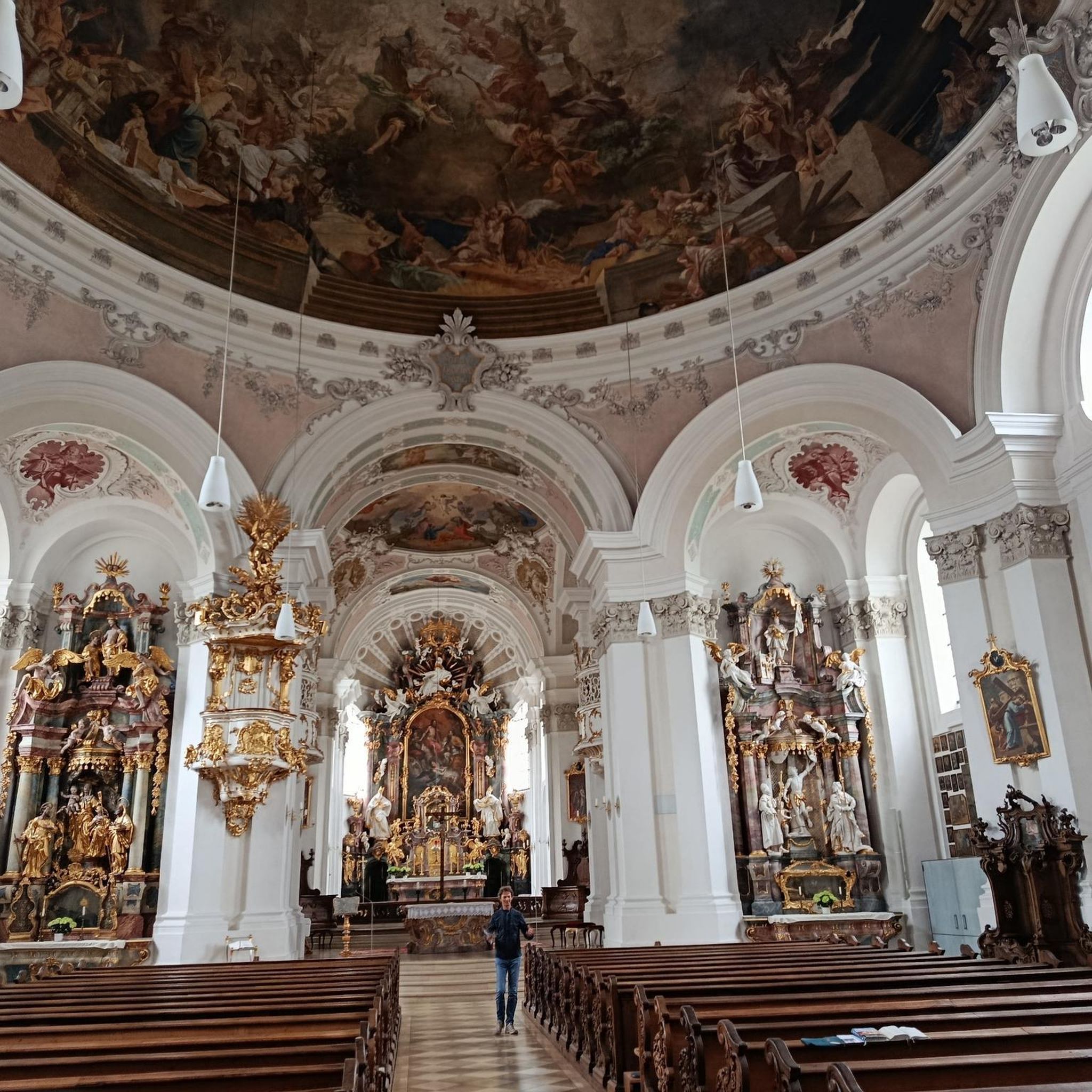
11th Century Church Worship was abolished in the parish of Chevain. The church was sold for 31,700 livres to the citizen of Villeray on 6 Vendémiaire, Year VII (September 27, 1799). The Chevain church, having been donated by Madame du Hameau de Villeray to the commune by notarial deed dated April 16, 1827, was restored to worship there on January 15, 1827. The parish was established as a branch parish.
0
0
Built at the end of the 12th century, the church belonged to the former diocese of Saintes. It has been restored several times, notably in the 15th century. Rectangular building with a straight chevet. A single nave with a ribbed vault. Sculpted column capitals. In the transept, a dome on pendentives. Chancel with a ribbed vault and a large 13th-century chevet window. On the north side of the chancel, a large pointed arch gives access to a ribbed vaulted chapel. The western façade dates from the 13th century, with a pointed arch portal with three arches on round columns. Two chamfered pilasters separate the portal from the blind doors and rise to the top of the façade. Above this ground floor and set back are three pointed arch arcades with sculpted figures (seated Virgin, shepherds guided by an angel, three wise men). On each side, twin arcades with pointed arches with heads, fantastic animals, diamond points and crockets. On the transept rises a square bell tower.
0
0

very varied and pleasant hike
0
0

Far from the high Alpine passes, here is a small climb in the Sarthe countryside. On the program, 1.8 kilometers at an average of 4.5% coming from Montreuil-le-Chétif, or 2.1 kilometers at an average of 5.2% from Pezé-le-Robert.
3
0

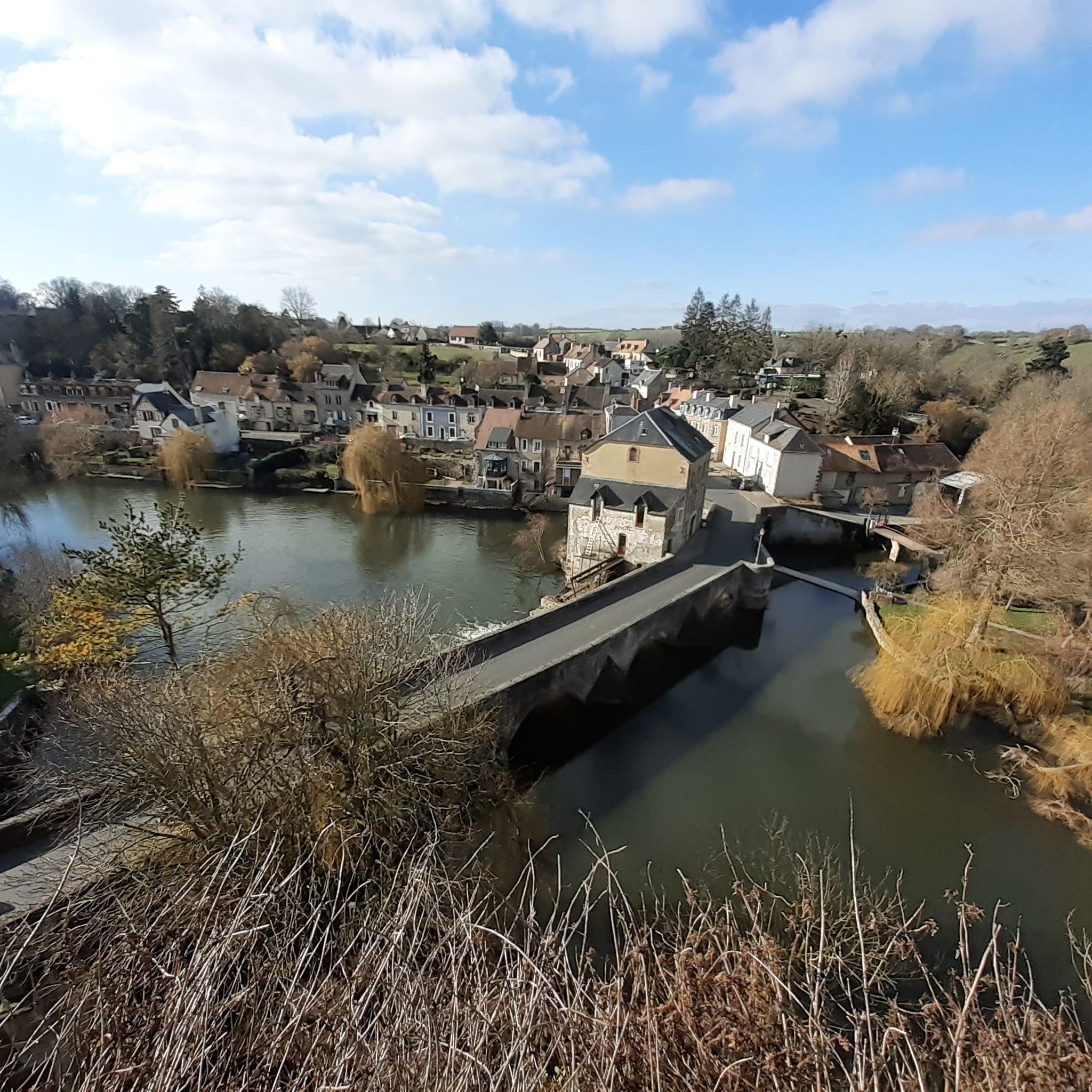
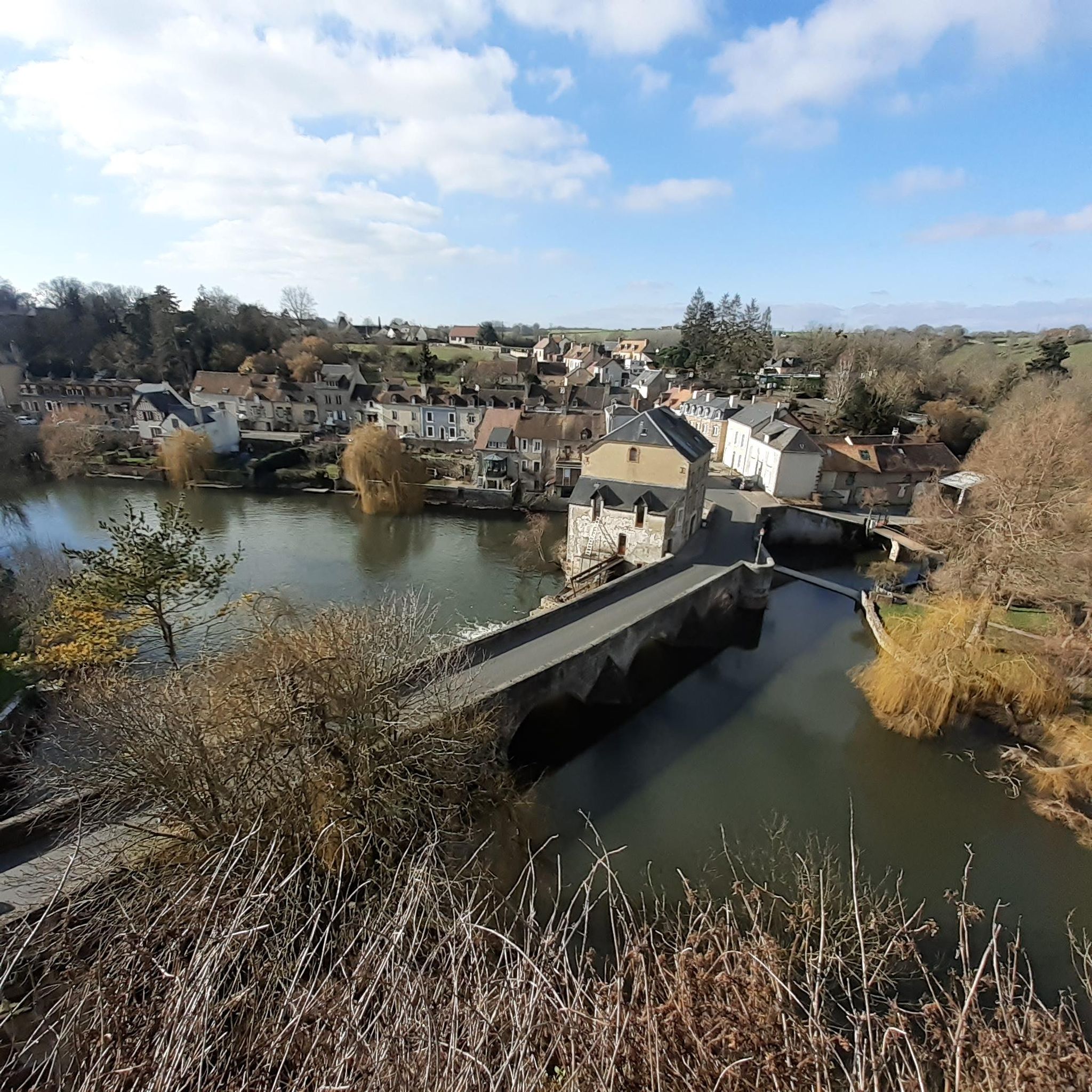
Beautiful 360 degree view
1
0
The Chapitrel is the name given to the entrance gate. The period door is in the Renaissance style. This construction had several functions: It was reserved for catechumens who were not allowed to enter the church and served as a warehouse for farmers who sold at the market on Sunday mornings. The saddleback tower dates from 1545. It is 28 m high. It is square and has four levels. Each floor is separated by an external Roussard belt called a "larmier" which overhangs quite widely, preventing water from running off. At the top of the roof are two granite crosses, each topped with a copper weather vane representing a crowned dragon's head.
0
0
Saint-Martin Chapel. It dates from the 12th or 13th century. It is made of granite, roussard sandstone and brick. This small chapel is lost in the middle of the fields. It is a simple rectangular nave which has a Romanesque window at its chevet.
0
0
Frequently Asked Questions
What kind of terrain can I expect on road cycling routes around Rouessé-Fontaine?
The region offers a diverse topography. Rouessé-Fontaine itself features gentle undulations with altitudes ranging from 82m to 147m. However, the nearby "Haute Sarthe Alpes Mancelles" region provides more challenging hills and varied terrain, giving a distinct "mountain feel" for cyclists seeking more strenuous options. You'll find quiet country roads, forested areas, and charming 'bocage' landscapes with hedgerows and small fields.
Are there routes suitable for beginners or those looking for an easier ride?
Yes, the Sarthe department offers a wide range of routes. While some routes like the Col de la Source – Saint-Cénéri-le-Gérei loop from La Hutte - Coulombiers are classified as difficult, there are numerous easier options. The region's extensive network includes many routes with gentle inclines through peaceful countryside, ideal for leisurely rides. Overall, there are 59 easy routes available in the area.
What historical sites or natural landmarks can I see along the cycling routes?
The area is rich in historical and natural attractions. You can cycle past the impressive Château de Fresnay-sur-Sarthe, explore the medieval market hall and narrow lanes of Fresnay-sur-Sarthe, or discover the Saint Mathurin Gate and Chapel. Other notable stops include the Romanesque bridge and ruined castle in Beaumont-sur-Sarthe, and an idyllic water mill along the riverbank near Neuville-sur-Sarthe. The region also features the Normandy-Maine Regional Nature Park and picturesque riverbanks.
Are there challenging road cycling routes for experienced riders?
Absolutely. For experienced cyclists, the "Haute Sarthe Alpes Mancelles" region provides significant elevation gain and more demanding climbs. Routes such as the Fresnay-sur-Sarthe Castle – Saint-Cénéri-le-Gérei loop from La Hutte - Coulombiers, covering 126.8 km with over 1700m of elevation, offer a substantial challenge. In total, there are 16 difficult routes available for those seeking a rigorous workout.
What is the best time of year to go road cycling in Rouessé-Fontaine?
The Pays de la Loire region generally offers pleasant cycling conditions from spring through early autumn. Spring brings blooming landscapes and mild temperatures, while summer provides warm, sunny days ideal for long rides, especially through shaded forest sections. Autumn offers beautiful foliage and cooler, comfortable weather. Avoiding the peak heat of mid-summer afternoons and being prepared for occasional rain showers is always advisable.
Are there any family-friendly cycling options in the area?
Yes, the region's network of quiet country roads and flatter river valleys makes it suitable for family cycling. While specific family-designated routes are not listed, many of the 59 easy routes provide a safe and enjoyable environment away from heavy traffic, perfect for families with children. Look for routes that stick to the less undulating sections of the Sarthe department.
Where can I find parking for my car when starting a cycling route?
Rouessé-Fontaine and surrounding towns like Fresnay-sur-Sarthe and Beaumont-sur-Sarthe typically offer public parking facilities. Many routes start from or pass through these villages, providing convenient access points. It's advisable to check local signage for specific parking regulations and availability, especially in smaller hamlets.
What do other road cyclists say about the routes around Rouessé-Fontaine?
The road cycling routes around Rouessé-Fontaine are highly regarded by the komoot community, holding an average rating of 4.4 stars from over 20 reviews. Cyclists frequently praise the picturesque countryside, the tranquility of the quiet lanes, and the varied terrain that caters to different skill levels, from gentle rides to more challenging climbs in the 'Alpes Mancelles' area.
Are there places to eat or stay that are cyclist-friendly?
The wider Vallée de la Sarthe region actively promotes establishments with the "Accueil Vélo" label. These accommodations, restaurants, and cafes are specifically equipped to welcome cyclists, offering services like secure bike storage, repair kits, and cleaning facilities. You'll find such options in nearby towns and villages, enhancing your cycling experience.
Can I find routes that are circular or loop back to the starting point?
Yes, many of the road cycling routes in the area are designed as loops, allowing you to start and finish in the same location. Examples include the Saint-Cénéri-le-Gérei – Saint-Léonard-des-Bois loop from La Hutte - Coulombiers and the Castle of the Dukes of Alençon – Saint-Cénéri-le-Gérei loop from La Hutte - Coulombiers. These circular routes are convenient for exploring the region without needing return transport.
Are there any specific long-distance cycling routes that pass through or near Rouessé-Fontaine?
Yes, Rouessé-Fontaine is integrated into a wider network of significant cycling routes. Sections of the Véloscénie (Paris to Mont-Saint-Michel), the Vélo Francette (La Rochelle to Ouistreham), and the Véloroute 44, which traverses the scenic Normandie-Maine Regional Natural Park, all pass through the Sarthe department. Additionally, the Vélobuissonnière route follows quiet roads through the countryside, with segments like St-Léonard-des-Bois to Beaumont-sur-Sarthe being accessible.
Most popular routes around Rouessé-Fontaine
Most popular attractions around Rouessé-Fontaine

Get inspired with the komoot mobile app


Explore more
Browse the best Road cycling routes in other regions.
