The best cycling routes around Moulins-Le-Carbonnel
4.2
(186)
1,594
riders
209
rides
Touring cycling routes around Moulins-Le-Carbonnel navigate an undulating landscape characterized by river valleys and historical sites. The region features a mix of open countryside and areas with significant elevation changes, offering varied terrain for cyclists. These routes often connect charming villages and natural landmarks, providing a diverse cycling experience.
Best touring cycling routes around Moulins-Le-Carbonnel
- The most popular touring cycling route is Saint-Léonard-des-Bois – Castle of the Dukes of Alençon loop from Mieuxcé, a 32.5 miles (52.4 km) trail…
Last updated: July 2, 2026
4.3
(11)
57
riders
50.4km
03:12
530m
530m
Hard bike ride. Very good fitness required. Mostly paved surfaces. Suitable for all skill levels.
1.0
(1)
26
riders
Hard bike ride. Very good fitness required. Mostly paved surfaces. Suitable for all skill levels.

Sign up for free
4.0
(1)
10
riders
Moderate bike ride. Good fitness required. Mostly paved surfaces. Suitable for all skill levels.
4
riders
Moderate bike ride. Good fitness required. Mostly paved surfaces. Suitable for all skill levels.
4.0
(1)
6
riders
29.1km
01:49
270m
270m
Moderate bike ride. Good fitness required. Mostly paved surfaces. Suitable for all skill levels.
Get access to more routes and recommendations from other explorers.
Sign up for free
Already have an account?
Our route recommendations are based on thousands of hikes, rides, and runs completed by other people on komoot.
Start today with a free account
Your next adventure awaits.
Login or Signup
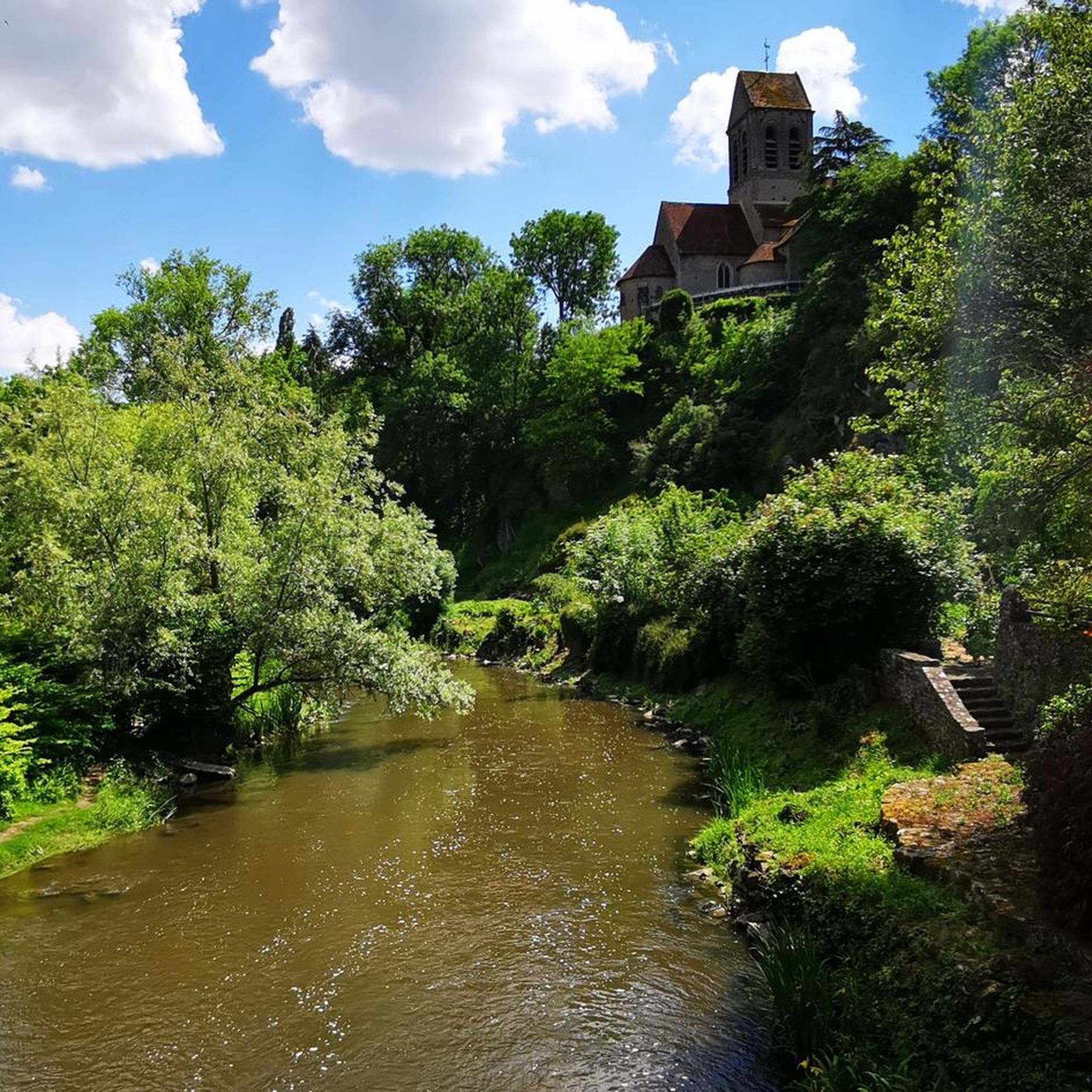
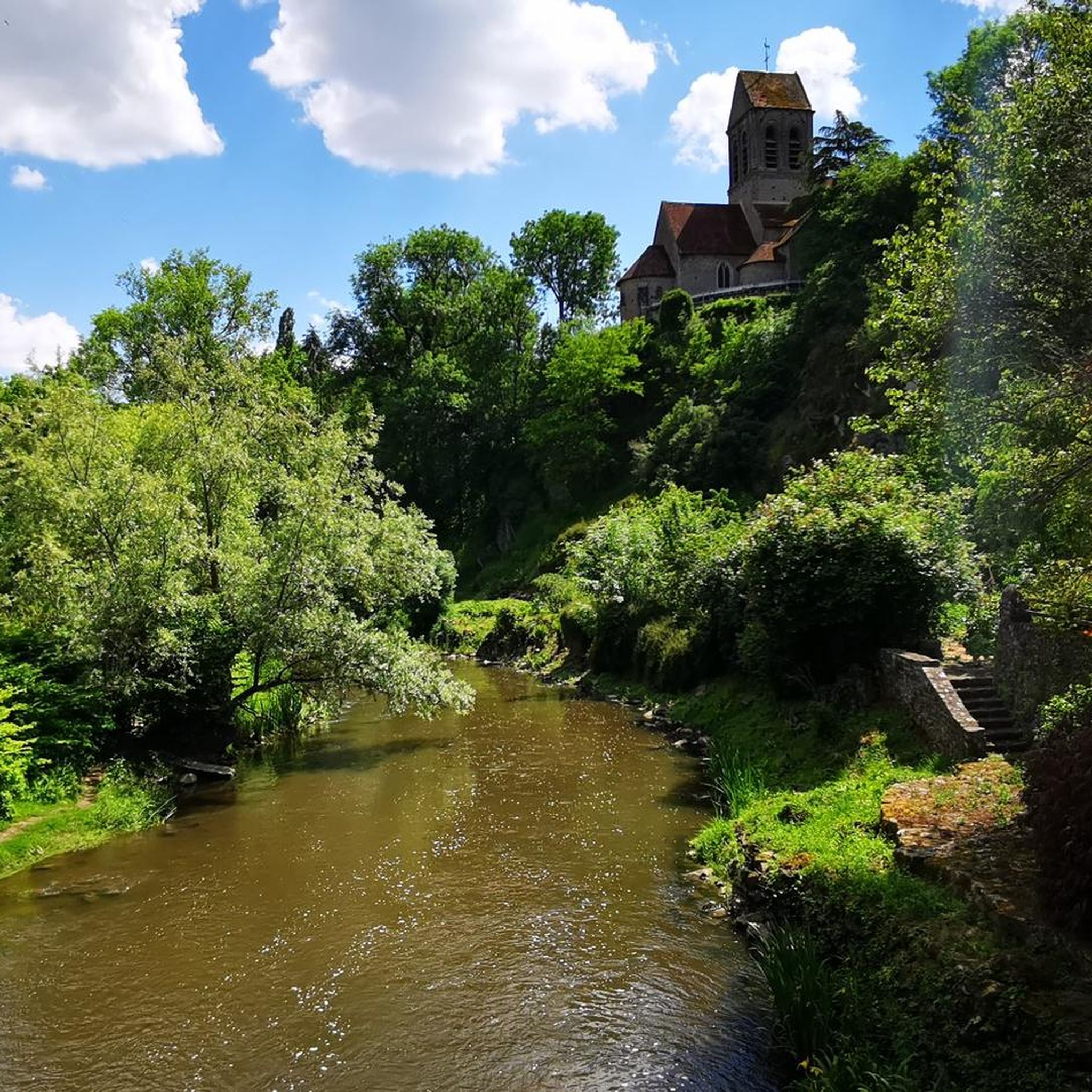

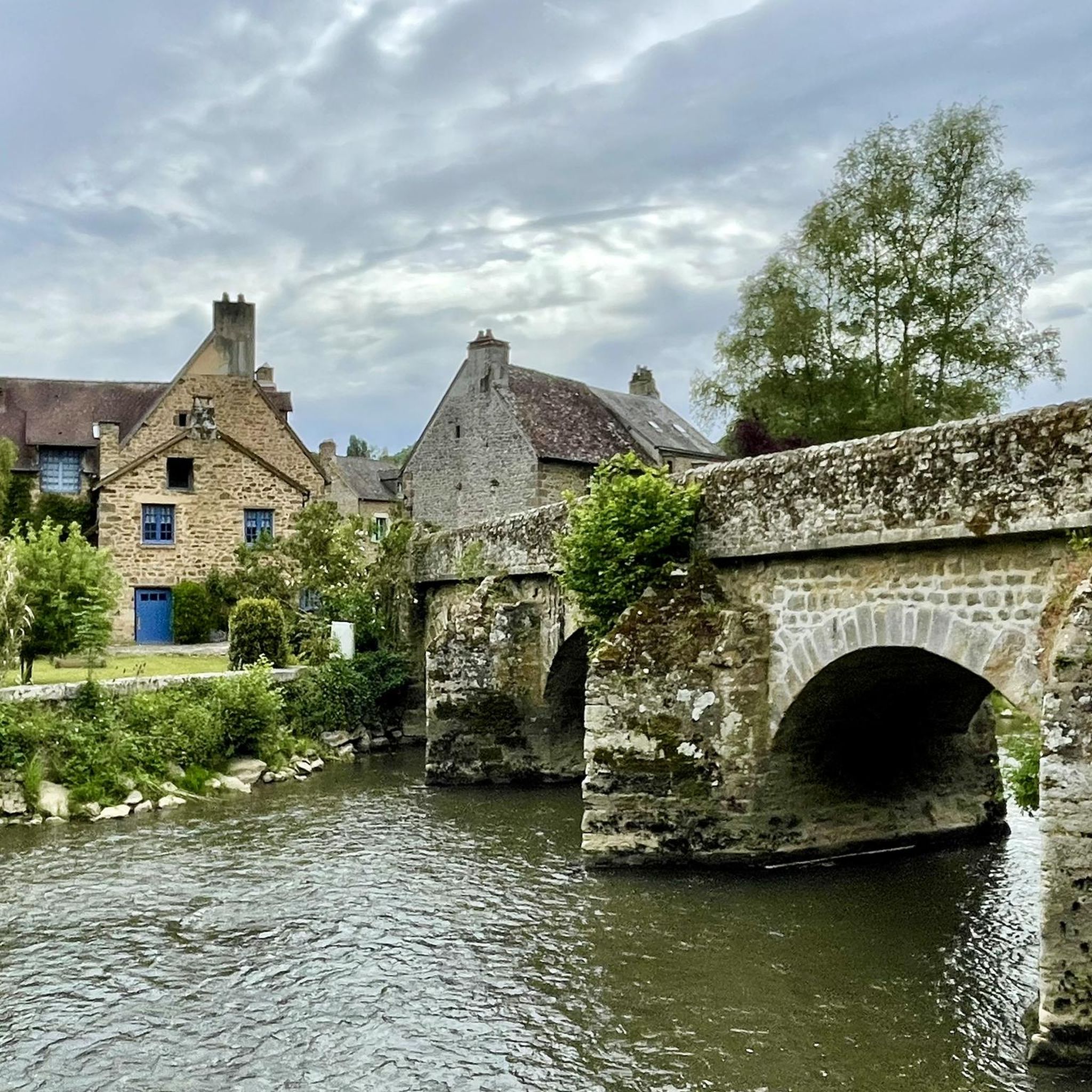

Tips from the Community

Very pretty place, nicely designed. Unfortunately, it's overcrowded with tourists. Perhaps a good stop on a hike.
0
0
Very nice little place, nicely designed with lots of flowers.
0
0

very varied and pleasant hike
0
0

Superb village, perched 😰, for a bistronomic break and a little digestive stroll before setting off again in the saddle!
0
0

Beautiful little village. Would also have been ideal for hiking.
0
0

6 bike boxes for cycle tourists who want to visit Alençon without any hassle
0
0

Alençon is the capital of the Orne department and lies on the southern edge of Normandy. It was once very famous for its lace and was therefore known throughout Europe. There is evidence of the existence of the city of Alençon as early as Roman times. In the 11th century, when the Normans secured their duchy to the south, the first fortified settlement was built here. This was later followed by the construction of a mighty castle. The city really achieved economic prosperity around 1650 when Madame La Perrère invented an original lace. It was in no way inferior to the Venetian lace known at the time, but it was considerably cheaper to buy. With the support of Jean-Baptiste Colbert, a royal factory was founded. As a result, more than 8,000 people worked in lace production. The "Point d'Alençon" lace was declared a UNESCO World Heritage Site in 2010.
1
0

The Saint-Léonard church takes its name from the hermit Saint Léonard de Vandoeuvre. The latter, born at the end of the 5th century, left his family to serve God and settled in a place called Vandoeuvre, in Saint-Léonard-des-Bois, where he lived in austerity for several years. Joined by a few disciples, he built a monastery protected by King Clotaire. The relics of Saint Leonard, who died in 570, were transported in 868 to Corbigny by the monks of Vandoeuvre to preserve them from the Normans. Part of these was undoubtedly returned around 1025 thanks to the second lord of Alençon, William I, and deposited in an old chapel dedicated to Saint Martin located on the site of the current Saint-Léonard church. This saint is often invoked to cure deafness. A first Saint-Léonard church, attested between 1160 and 1182, was probably built very close to the Saint-Martin oratory. This disappeared around the middle of the 13th century in forgotten circumstances, but parish life remained concentrated in the chapel until the end of the 15th century. It is on the latter that the current church was built, in tertiary ogival style and flamboyant Gothic interior, by Duke René d'Alençon and his wife Marguerite de Lorraine. Most of the work took place from 1490 to 1505 and it was this same year that the building was placed under the name of Saint Leonard de Noblac, a character then more popular than Saint Leonard de Vandoeuvre. On the stained glass windows of one of the eleven side chapels, which was for a certain time dedicated to Louis IX, ancestor of the counts and dukes of Alençon, and on the walls, appeared the coats of arms of the houses of Alençon and Lorraine, today now disappeared. It was in this chapel that the duchess and the duke attended services and in which a fireplace was built for them which no longer exists. After René's death, his heart is placed in a lead box, itself in the shape of a heart, covered with a stone. When around 1510, René's heart was transferred to the church of Saint-François de Mortagne, the empty box was left in his vault. In 1776, the stone, which also bears the imprint of a heart, was removed, then put back in its place, and this imprint, erased by the friction of the feet, no longer exists except in memory. In 1562, the church was pillaged by Protestants. At Easter 1645, Hertré's granite vault collapsed. Replaced by a simple plaster cradle, it was not until 1836 that a new Gothic style vault was built. The main door was built in 1663 and the clock was installed in 1727. Until 1789, this church depended on Notre-Dame and did not have a baptismal font. The carved wooden altar and pulpit, two side consoles and some mostly modern stained glass windows, deserve the tourist's attention. The Saint-Léonard church, restored in the 17th-18th centuries, then completely refurbished in the 19th century by the architect Isidore Dédaux, is classified among the historic monuments.
0
0
Frequently Asked Questions
How many touring cycling routes are available around Moulins-Le-Carbonnel?
There are over 190 touring cycling routes in the Moulins-Le-Carbonnel area, offering a wide range of options for different skill levels and preferences.
Are there any easy touring cycling routes for beginners or families?
Yes, Moulins-Le-Carbonnel offers 38 easy touring cycling routes. While many routes feature undulating terrain, you can find options with less elevation gain. For a moderate option that's shorter, consider the Saint-Céneri-le-Gérei Bridge – Saint-Céneri-le-Gérei loop from Saint-Céneri-le-Gérei, which is 14.9 km long.
What kind of terrain can I expect on touring cycling routes in Moulins-Le-Carbonnel?
The region is characterized by an undulating landscape with scenic river valleys and historical sites. You'll encounter a mix of open countryside and areas with significant elevation changes, providing varied terrain from moderate to difficult.
Are there any circular touring cycling routes in the area?
Many of the touring cycling routes around Moulins-Le-Carbonnel are designed as loops, allowing you to start and end at the same point. Examples include the challenging Saint-Léonard-des-Bois – Castle of the Dukes of Alençon loop from Mieuxcé and the scenic Chain ferry crossing – Saint-Léonard-des-Bois loop from Saint-Céneri-le-Gérei.
What are some notable landmarks or attractions I can see along the routes?
Many routes pass by charming villages and historical points of interest. You might encounter sites like the Castle of the Dukes of Alençon or the picturesque settlement of Saint-Cénéri-le-Gérei. The Saint-Léonard-des-Bois – Castle of the Dukes of Alençon loop from Mieuxcé specifically features historical points of interest.
Are there any particularly challenging touring cycling routes for experienced riders?
Yes, Moulins-Le-Carbonnel offers 54 difficult touring cycling routes. These often feature significant elevation gains and longer distances. Routes like the Saint-Céneri-le-Gérei – Saint-Céneri-le-Gérei Bridge loop from La Ferrière-Bochard include notable climbs and varied terrain.
What do other touring cyclists say about the routes in Moulins-Le-Carbonnel?
The touring cycling routes in Moulins-Le-Carbonnel are highly rated by the komoot community, with an average score of 4.2 stars from over 180 reviews. Cyclists often praise the scenic river valleys, historical connections, and the diverse cycling experience offered by the undulating hills.
Is public transport accessible near the touring cycling routes?
While specific public transport options directly at trailheads may vary, the region's charming villages are often connected by local bus services. It's advisable to check regional transport schedules for connections to your chosen starting points.
Are there opportunities to stop for refreshments or food along the routes?
Many routes connect charming villages where you can typically find local cafes, bakeries, or small restaurants. Planning your route to pass through these settlements will provide opportunities for breaks and refreshments.
What is the best time of year for touring cycling in Moulins-Le-Carbonnel?
Spring and autumn generally offer the most pleasant conditions for touring cycling in Moulins-Le-Carbonnel, with milder temperatures and beautiful scenery. Summer can also be enjoyable, though it may be warmer, while winter conditions can be more challenging due to colder weather and potential for rain.
Are there any routes that feature unique natural elements, like a chain ferry?
Yes, the Chain ferry crossing – Saint-Léonard-des-Bois loop from Saint-Céneri-le-Gérei is a difficult 36.9 km route that includes a distinctive chain ferry crossing, offering a unique experience as you explore the scenic river valleys.
How long do the touring cycling routes typically take to complete?
Route durations vary significantly based on distance, elevation, and your cycling pace. For example, a difficult route like the Saint-Céneri-le-Gérei – Saint-Céneri-le-Gérei Bridge loop from Gesnes-le-Gandelin (30.2 km) might take around 2 hours 30 minutes, while shorter, moderate routes can be completed in just over an hour.
Most popular routes around Moulins-Le-Carbonnel
Most popular attractions around Moulins-Le-Carbonnel

Get inspired with the komoot mobile app


Explore more
Browse the best Cycling routes in other regions.
