Top 11 Lakes around Mont-Saxonnex
Best lakes around Mont-Saxonnex are found in a serene village nestled in the French Alps, offering access to several natural lakes. The region is characterized by its alpine landscape, with lakes often set against dramatic limestone cliffs and surrounded by fir trees. These bodies of water are significant natural heritage sites, providing diverse ecosystems and recreational opportunities. The area's geography supports a variety of lake types, from glacial to mountain lakes, each with distinct features.
Best lakes around Mont-Saxonnex
- The…
Last updated: October 11, 2026
Lessy lake
Highlight • Lake
Translated by Google •
Tip by

Lac Bénit
Highlight • Lake
Translated by Google •
Tip by

Sign up now to discover places like this
Get recommendations on the best single tracks, peaks, & plenty of other exciting outdoor places.
Lake Peyre
Highlight • Lake
Translated by Google •
Tip by

Lac de la Cour
Highlight • Lake
Translated by Google •
Tip by

Lake Tardevant
Highlight • Lake
A magnificent view of the Danay, the Bouchet valley and the Grand Bornand on the way up. A breathtaking view of the Lachat and the Chinaillon massifs. …
Translated by Google •
Tip by

Sign up for free to discover even more lakes around Mont-Saxonnex.
Already have an account?
Start today with a free account
Your next adventure awaits.

Tips from the Community

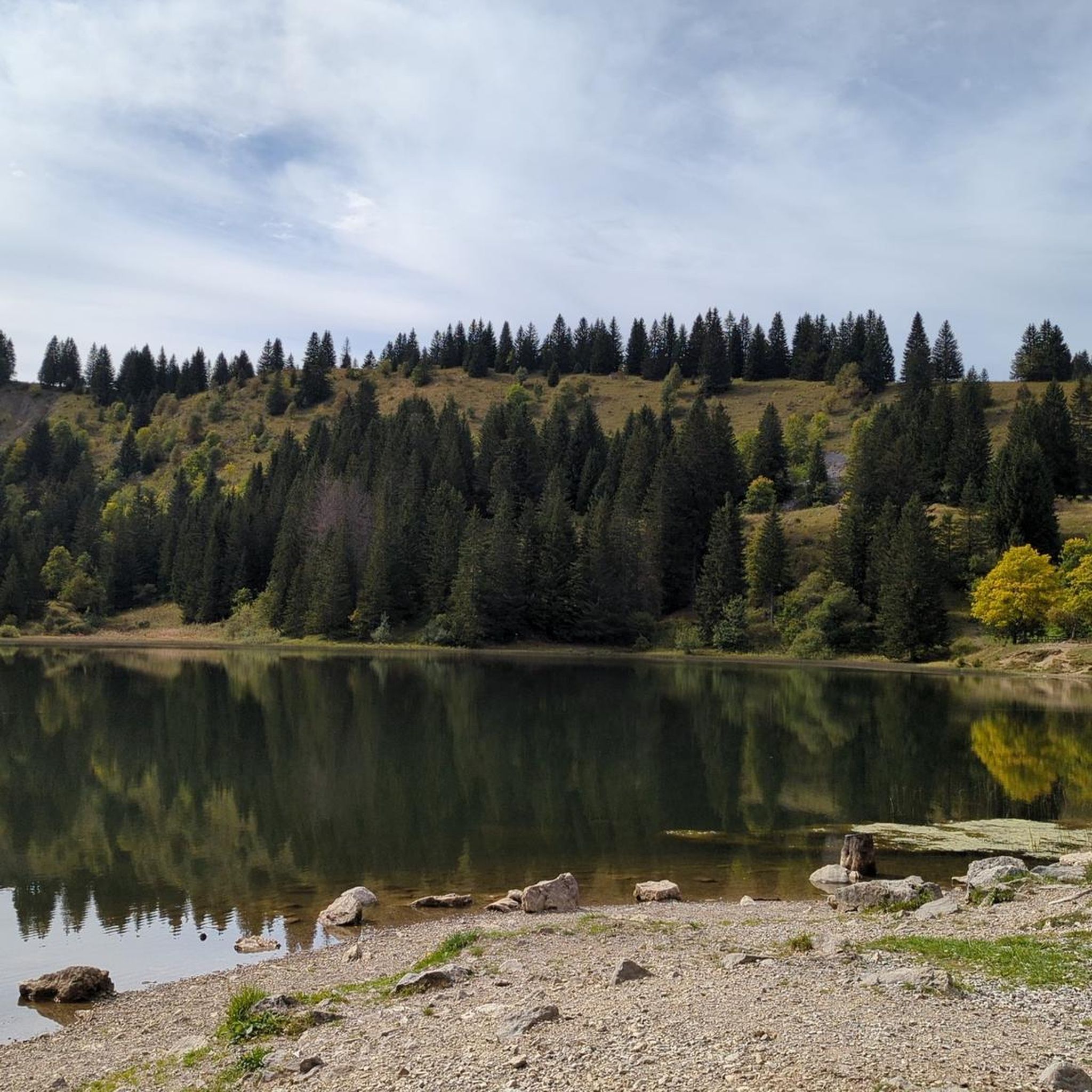
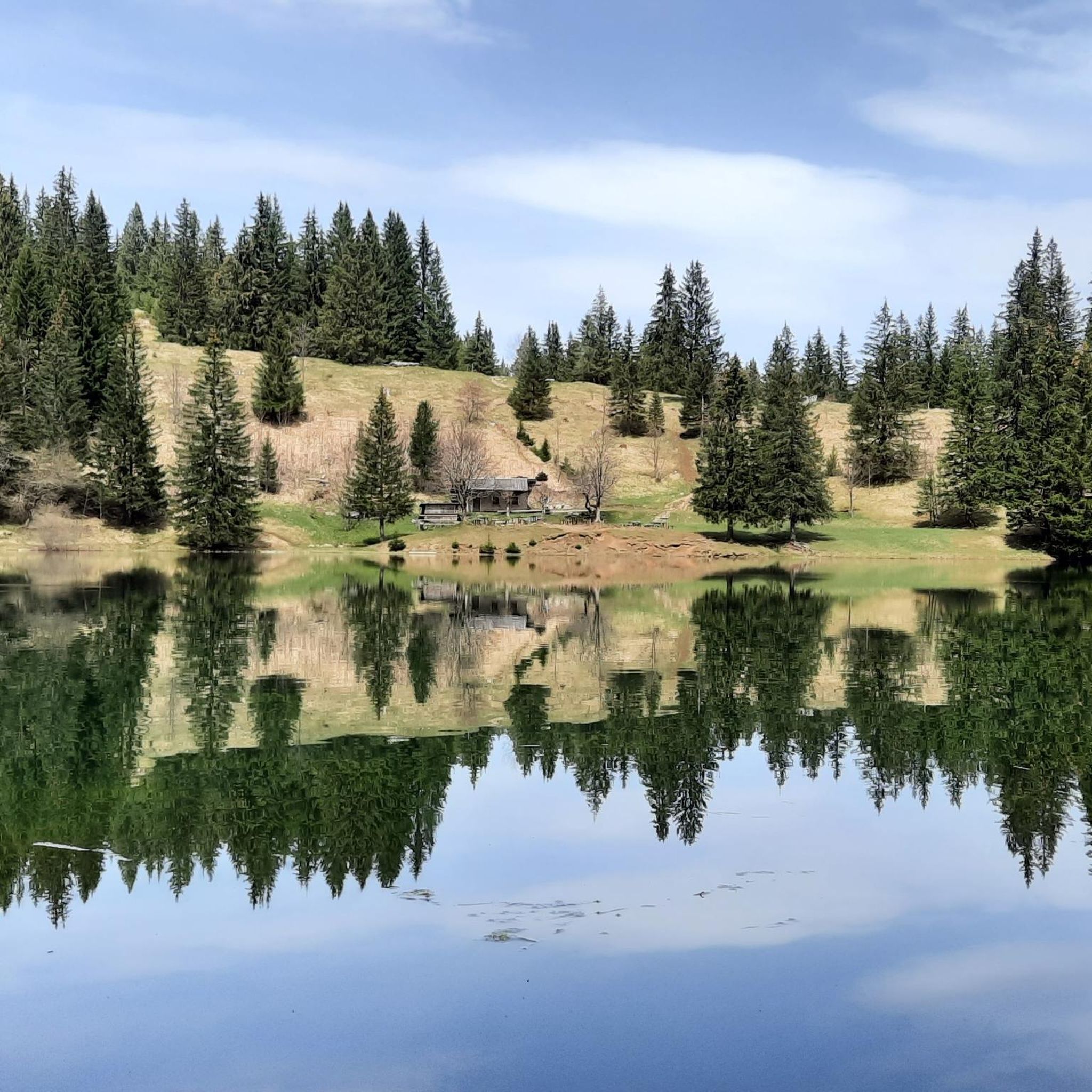
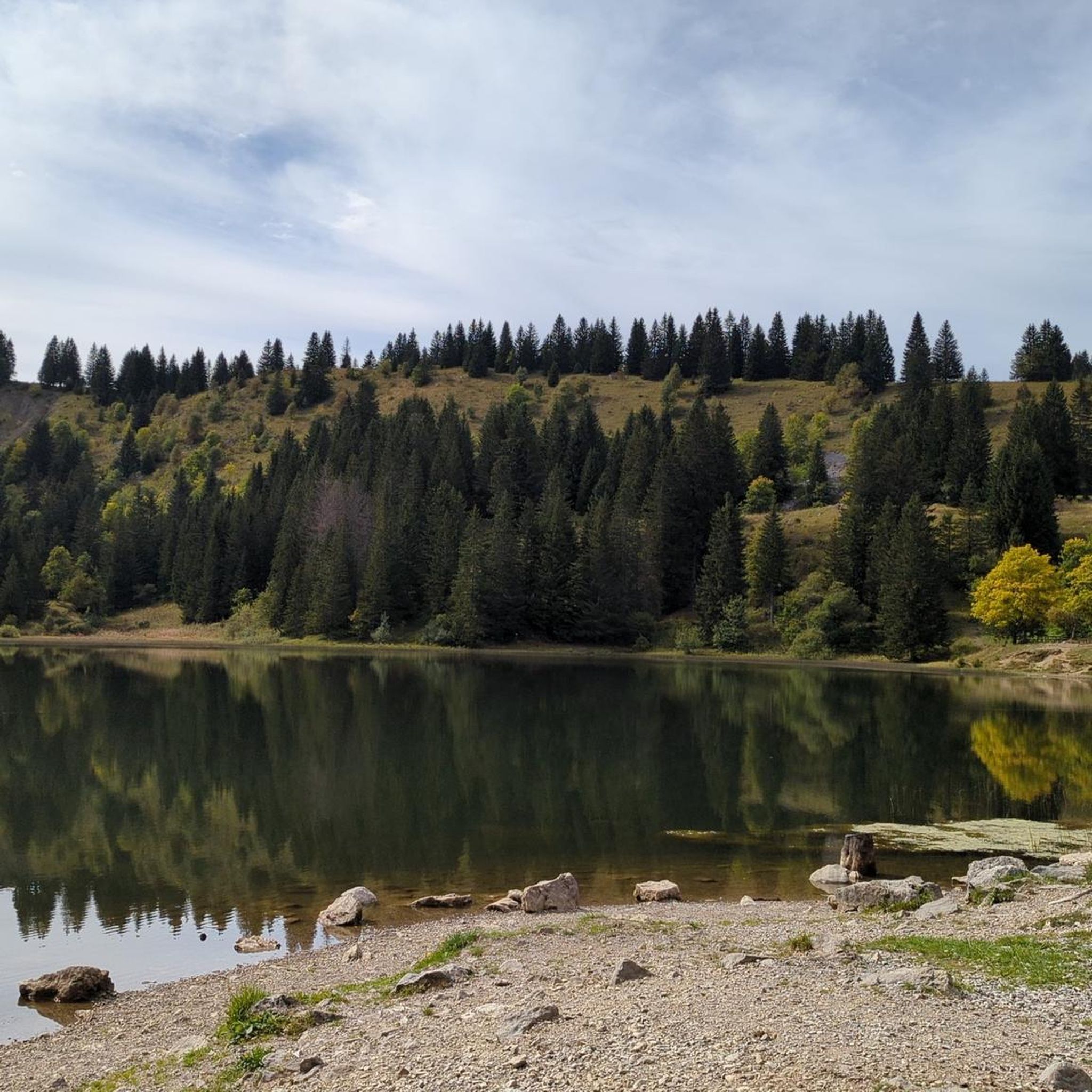
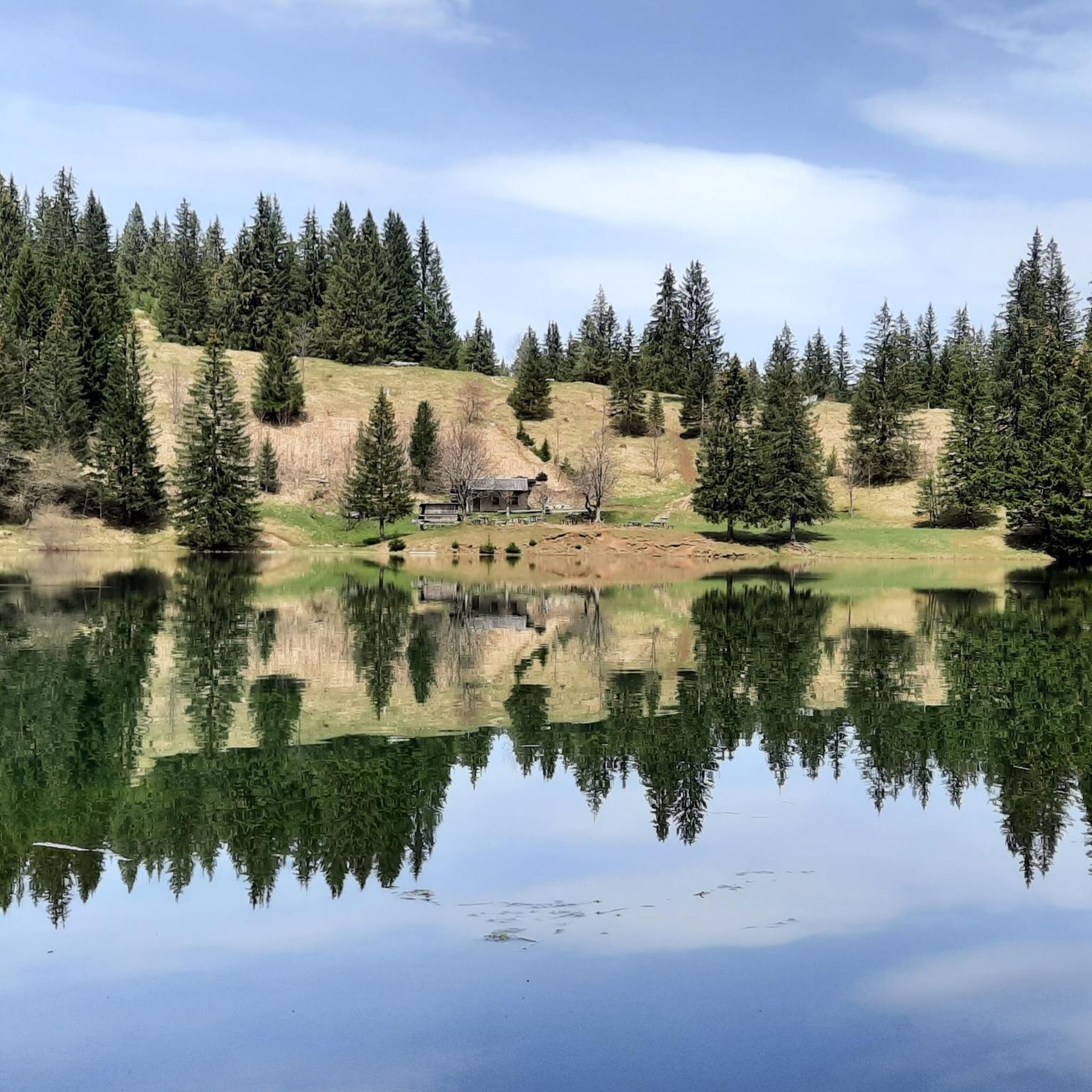
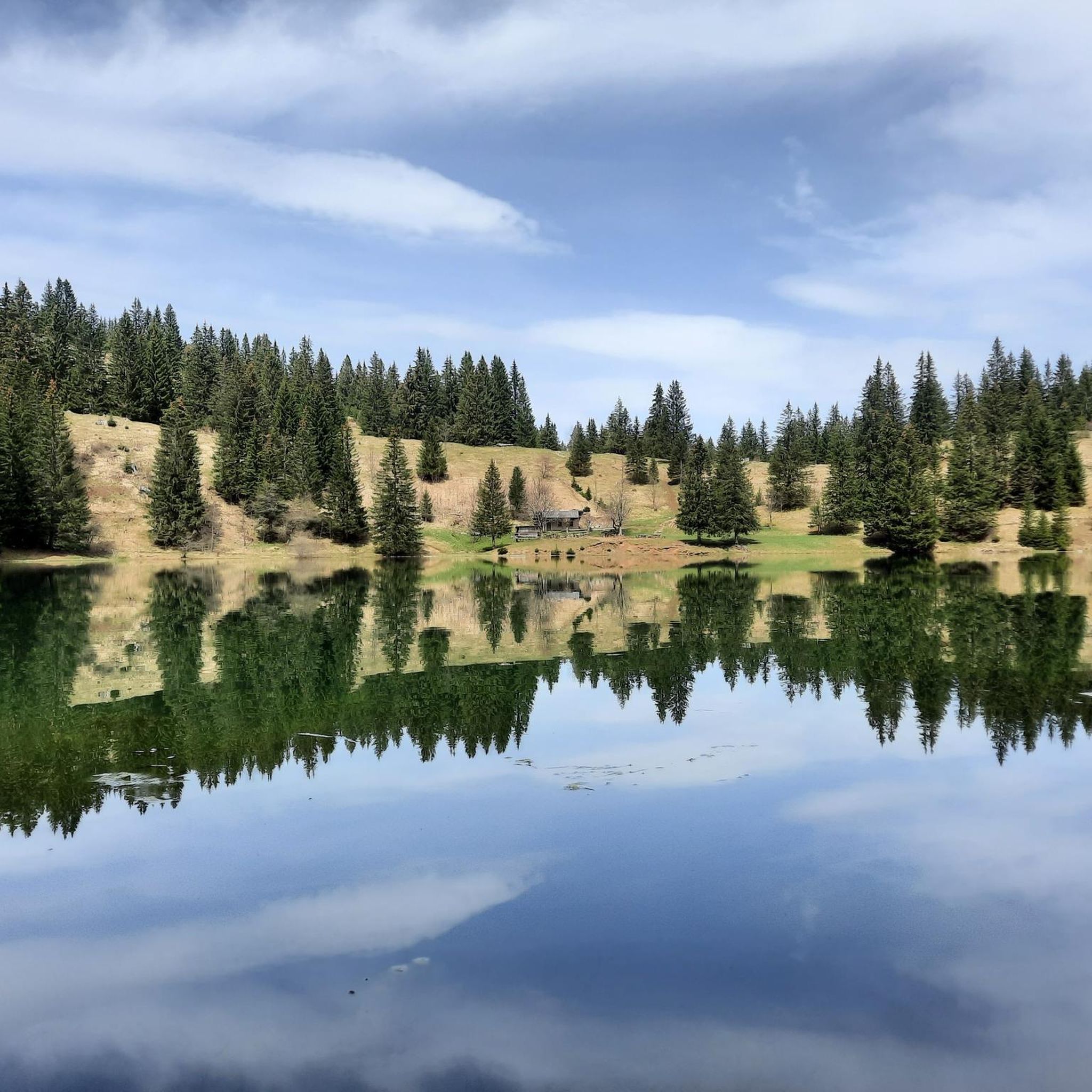
Lovely place to have a picnic on one of the benches. You have a beautiful view. You can also take beautiful pictures in the mirrored water.
0
0

The lake is very beautiful and there are enough places to sit and eat. The view of the surrounding area is also beautiful. However, there are no nice hiking trails nearby as it is a ski resort
0
1

Very popular spot in summer. If you have a little strength in your legs to spare, don't stop at the lake, go up to the Balafrasse pass which gives a breathtaking view of the first as well as the Aravis range and Mont Blanc.
0
1

Tardevant Lake (2110) A magnificent view of the Danay, the Bouchet valley and the Grand Bornand on the way up. A breathtaking view of the Lachat and the Chinaillon massifs. A peaceful and wild valley where only nature reigns supreme 💕❤️💕👌 The hike can be extended towards the summit of Ambrevetta (alt. 2,462m) and Pointe de Tardevant (alt. 2,501m)
1
0

Wonderfully located in a protected valley, a wonderful hiking destination for a rest, in summer with a hut that is open all day, otherwise only on weekends or not at all.
0
0

Lake Bénit is located at an altitude of 1,452 meters, on the northern slope (ubac) of the Bargy chain, in the Bornes1 massif. It is dominated to the south by the limestone wall of the Bargy chain from where the scree of the Col d'Encrenaz cirque spills out and delimits the south-west shore of the lake. The northwest bank corresponds to the slope of the old glacial basin while the east bank opens onto the valley of the Lac Bénit stream. In 1988, Father Arsène Bourgeaux, ethnographer, in a publication dedicated to the parish, indicated that the lake, “for the inhabitants of the Mont is considered as a sort of founding place where the identity of a population originates” 7. The lake was the subject of processions by the populations of Marnaz and Mont-Saxonnex, on Saint Claude's Day, in order to protect the villages from flooding. The lake benefited from developments in the early 1960s, notably with the raising of the lake level, which made it possible to double its surface area7. The inauguration took place on July 11, 19657. A mass was improvised by priest Claude Scherantz. Lake Bénit is the subject of many legends. One of them relates that the fairies came to bathe there and were at the origin of the production of butter and tomme in the town. A second legend says that an episcopal ring is found in the lake9. Following a deadly avalanche, the bishop of the diocese is said to have gone “in a grand procession” to bless the lake and to have thrown “his episcopal ring into the waves asking heaven that such a catastrophe never happens again”9. Another version says that the object was so heavy that it fell into the lake at the time of the blessing9. According to this legend, an avalanche emptied the lake and flooded Marnaz below4. Finally Alphonse Favre (en) reports that “this lake is due to a collapse in which a fir forest disappeared. As for the time, it can only be established in a very doubtful manner, by the fact that an old man from the village of Brezon assured, around 1845, that this event had happened in his father's youth. »1
0
0

Avoid July, August and especially do not bring your pets, wildlife is to be protected.
1
0

lake in the middle of the mountain pastures, very peaceful place
0
0
Frequently Asked Questions
What are some of the most popular lakes to visit around Mont-Saxonnex?
Visitors frequently enjoy Lessy lake, known for its peaceful setting at the foot of the Aiguille Verte. Lake Peyre is also a favorite, offering stunning views of the Mont Blanc range. Another popular spot is Lac de la Cour, appreciated for its serene atmosphere amidst mountain pastures.
Are there family-friendly lakes in the Mont-Saxonnex area?
Yes, several lakes are great for families. Lessy lake is considered family-friendly. Additionally, Lac de Flaine offers a picnic area with wooden deckchairs and self-service barbecues, making it ideal for family outings in summer, with opportunities to spot local wildlife.
What kind of natural features can I expect to see at these lakes?
The lakes around Mont-Saxonnex are set in diverse alpine landscapes. Lac Bénit, for example, is a glacial lake part of the Natura 2000 network, known for its rich endemic fauna including alpine tritons and various frogs. Lac de Flaine is surrounded by protective cliffs, and Lac Vernant offers stunning views of the Aravis mountains, including the Pointe Percée.
What is the best time of year to visit the lakes around Mont-Saxonnex?
The best time largely depends on your desired activities. Summer (June to September) is ideal for hiking, picnicking, and enjoying the bar at Lac Bénit. Lac de Joux Plane is perfect for walks in summer meadows. In winter, Lac de Joux Plane transforms into a spot for cross-country skiing and snowshoeing, while Lac de Flaine freezes over, creating a picturesque snow-covered landscape.
Are there hiking trails to Lac Bénit, and what is the difficulty?
Yes, Lac Bénit is a popular hiking destination. It is directly accessible from Mont-Saxonnex, and various trails lead to it. The hike from the Vuargnes car park is particularly noted for its scenic views. The lake itself is located at an altitude of 1,452 meters, making it an intermediate hike.
Can I go fishing at the lakes near Mont-Saxonnex?
Fishing is a popular activity at several lakes. Lac Bénit's surface area was nearly doubled in the mid-20th century to improve fishing, and permits are available from the local tourism office. Lac Vernant is particularly popular among fishing enthusiasts, known for brown trout, rainbow trout, and Arctic char.
What outdoor activities can I do near these lakes besides hiking?
Beyond hiking, the region offers various outdoor activities. You can find mountain hikes, road cycling routes, and general cycling tours. For example, there are challenging road cycling routes like the Col de Joux Plane loop, and mountain hikes such as the View of Lac de Lessy loop from Le Chinaillon. In winter, Lac de Joux Plane is suitable for cross-country skiing and snowshoeing.
Is there parking available at the lakes?
Yes, parking is available at some of the lakes. Lac de Joux Plane, for instance, is easily accessible by car and provides a dedicated parking area, making it convenient for visitors.
What do visitors enjoy most about the lakes around Mont-Saxonnex?
Visitors frequently praise the tranquil mountain atmosphere and the stunning natural beauty. Many appreciate the opportunities for peaceful walks, picnics with beautiful views, and the chance to connect with nature. The dramatic limestone cliffs and the serene waters create a picturesque setting that is highly valued by the komoot community, with over 130 upvotes and 28 photos shared across the highlights.
Are there any historical or cultural aspects associated with these lakes?
Lac Bénit is steeped in local legends and holds significant cultural importance for the Mont-Saxonnex community. One legend suggests fairies bathed there, influencing local butter and tomme cheese production. Another tale speaks of an episcopal ring thrown into the lake to protect villages from flooding. The lake was also historically the subject of processions by local populations.
Can I find amenities like cafes or bars near the lakes?
At Lac Bénit, a bar is typically open from June to the end of September, offering refreshments during the hiking season. For other lakes, it's advisable to check local information or plan to bring your own provisions, especially for more remote spots.
What makes Lac de Joux Plane a notable destination?
Lac de Joux Plane is renowned for its tranquil mountain atmosphere and breathtaking views of the Mont Blanc range. It's also gained fame as a challenging climb featured multiple times in the Tour de France cycling race, attracting cycling enthusiasts. The area is well-equipped with a picnic area and parking, suitable for various activities year-round.
Most popular routes around Mont-Saxonnex
Most popular attractions around Mont-Saxonnex

Get inspired with the komoot mobile app


Explore more
Still not found your perfect lake around Mont-Saxonnex? Check out the guides of these regions to see even more beautiful places.
