Attractions and Places To See around Bréal-Sous-Vitré - Top 7
Attractions and places to see around Bréal-Sous-Vitré, a commune in the Ille-et-Vilaine department of Brittany, offer a blend of historical sites and natural landscapes. The area features an 11th-century Romanesque church and archaeological findings of a medieval cemetery, indicating continuous historical occupation. Situated near the Forêt du Pertre, the region provides opportunities for outdoor activities. The nearby town of Vitré, just 7 km away, expands the range of available landmarks near Bréal-Sous-Vitré with its medieval architecture and castle.
Best attractions…
Last updated: July 6, 2026
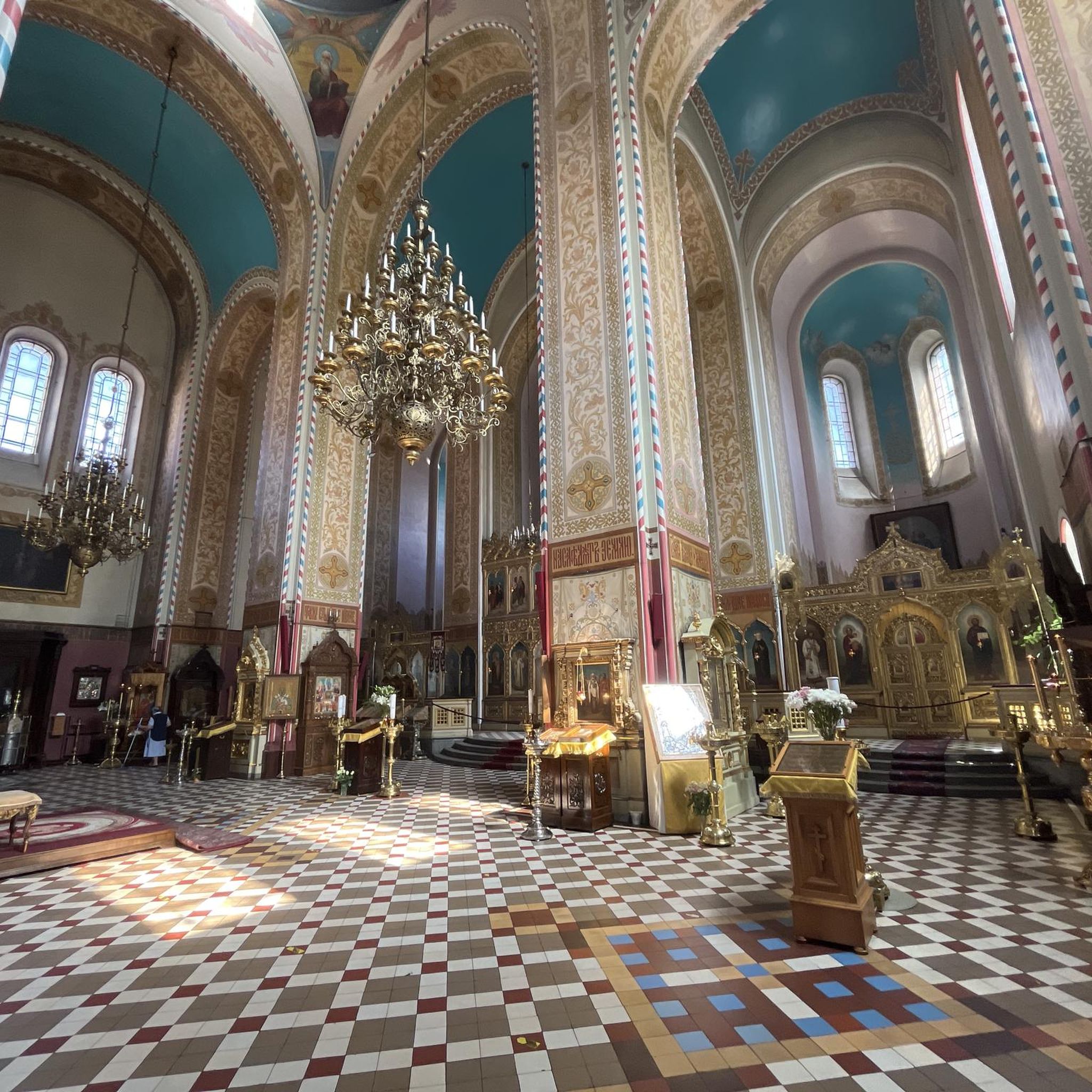
Notre-Dame Church
Highlight • Religious Site
Translated by Google •
Tip by

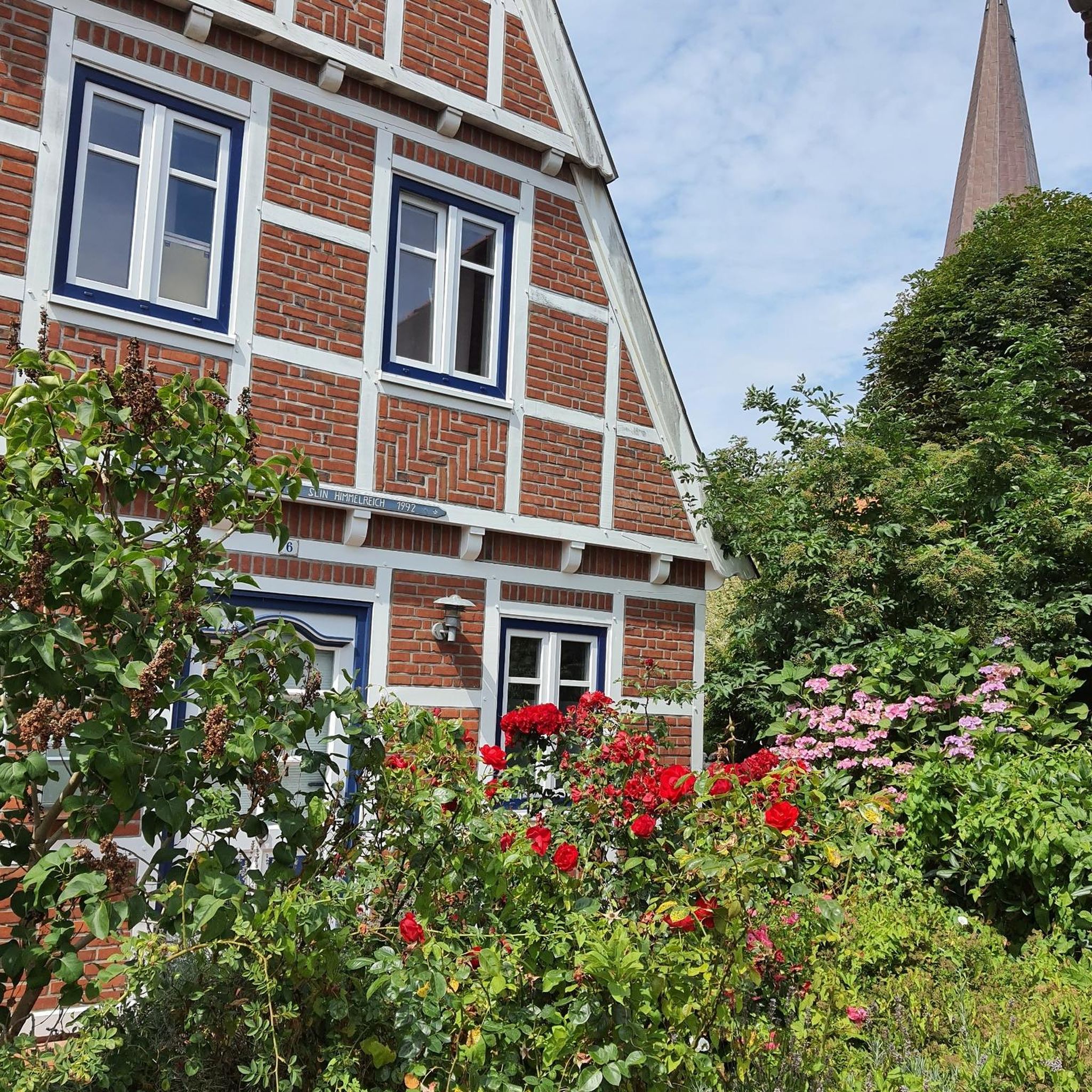
Medieval architecture in Vitré
Highlight • Historical Site
Translated by Google •
Tip by
Sign up now to discover places like this
Get recommendations on the best single tracks, peaks, & plenty of other exciting outdoor places.
Sign up for free
Belair Castle
Highlight • Castle
Translated by Google •
Tip by

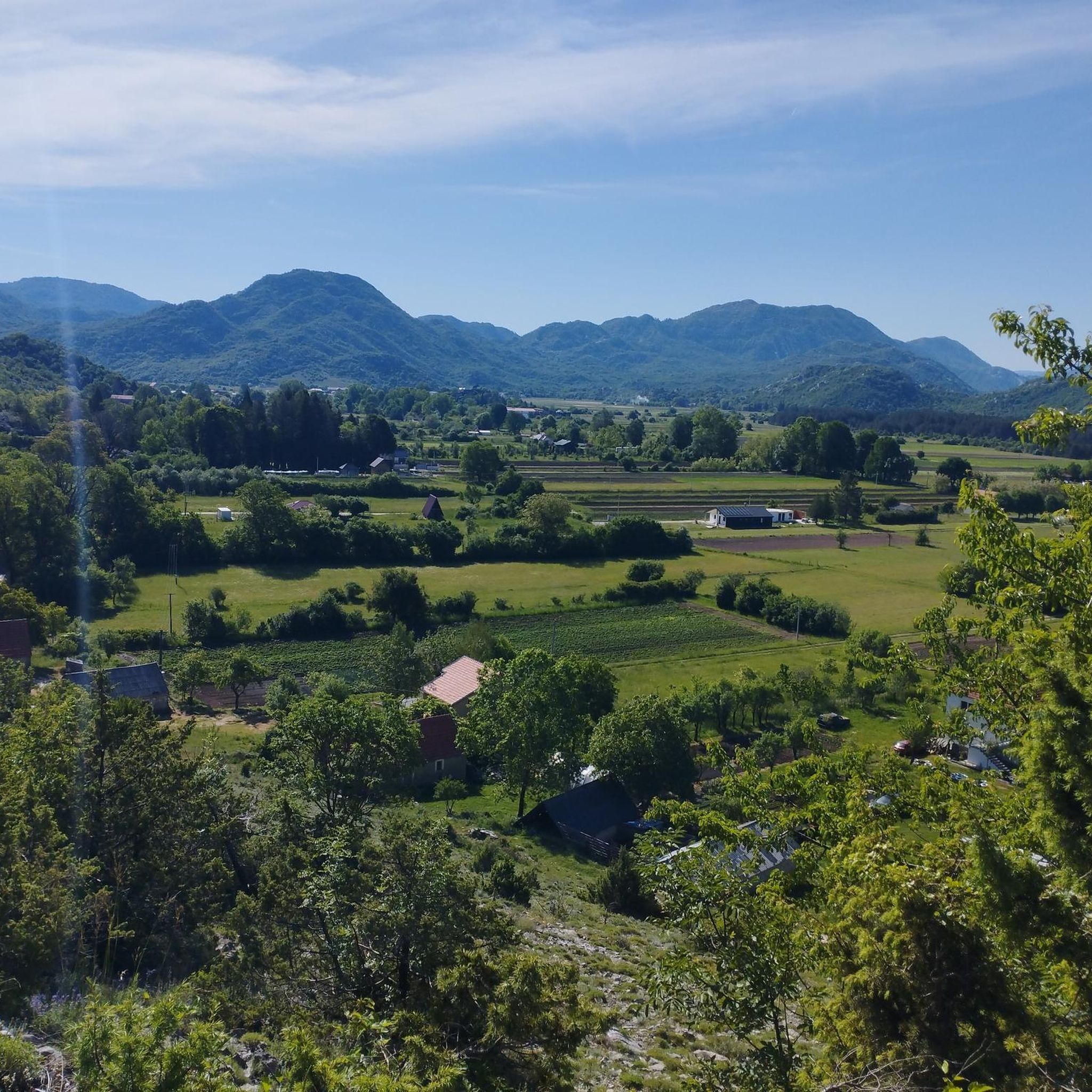
Rise from Rue du Val
Highlight (Segment) • Other
Translated by Google •
Tip by

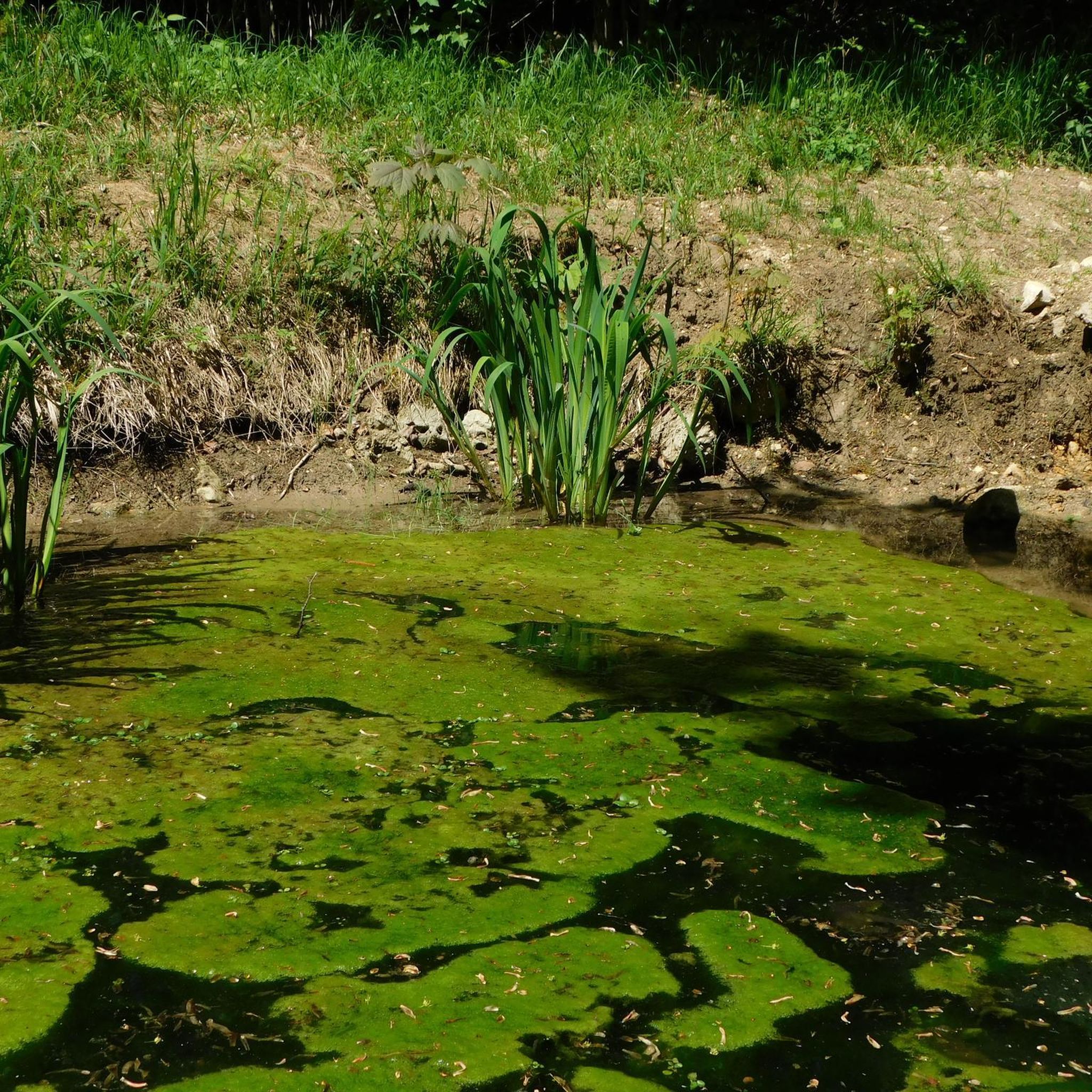
Port-Brillet
Highlight • Settlement
Translated by Google •
Tip by

Sign up for free to discover even more attractions around Bréal-Sous-Vitré.
Sign up for free
Already have an account?
Start today with a free account
Your next adventure awaits.
Login or Signup

Tips from the Community

A very beautiful, well-preserved medieval castle.
0
0

The beautiful stained glass windows are definitely worth seeing. The three-panel stained glass window above the south portal is the only completely preserved window from the time the church was built. It depicts Jesus' entry into Jerusalem and is marked with the year 1537. Fragments of older panes have been preserved in two other windows. In the tracery of one window, a crucifixion scene from around 1500 can be seen. On another pane, a section of an Annunciation scene, which was probably executed in 1473, the Archangel Gabriel is depicted.
0
0

superb typical street with magnificent houses
3
0
beautiful interior. Worth seeing. allows a break in the hike
3
0

If you take this route into the city, you should take another one out. Here there is only ever a view in one direction.
1
0

The architecture of its buildings, its town planning, the names of the streets, give the city a blacksmith character inherited from its economic past.
0
0

The half-timbered houses are worth a stroll through the city.
1
0

15th century bay window. This construction method is sensational.
2
0
Frequently Asked Questions
What historical sites can I explore directly within Bréal-Sous-Vitré?
Within Bréal-Sous-Vitré, you can discover an 11th-century Romanesque church, which is a rare architectural example in the Vitré region. Nearby, archaeological findings reveal a medieval cemetery with slate coffin tombs and a limestone sarcophagus, indicating a long history of occupation. The town also features a war memorial.
What are the main historical attractions in the wider Vitré region?
The nearby town of Vitré, just 7 km away, is a major historical draw. You can explore its impressive medieval streets and half-timbered houses, particularly the Medieval architecture in Vitré. Another significant site is Notre-Dame Church, known for its interesting glass windows and a large wooden sermon pulpit. Additionally, Belair Castle offers a historical castle experience with a park that is open to visitors during specific months.
Are there any notable religious buildings to visit in the area?
Yes, the 11th-century Romanesque church in Bréal-Sous-Vitré is a significant historical religious site. In the nearby town of Vitré, the Notre-Dame Church is also a must-see, featuring beautiful stained glass windows, including a three-panel window from 1537 depicting Jesus' entry into Jerusalem.
What natural features can I explore around Bréal-Sous-Vitré?
The area around Bréal-Sous-Vitré is rich in natural beauty. You can explore the historic Forêt du Pertre, which offers a tranquil setting. Other natural points of interest in the wider region include the scenic Corbière pond, the Cantache Dam, and the Marais de Sougeal, a regional nature reserve known for its diverse flora and fauna, especially its ornithological value.
Are there opportunities for hiking near Bréal-Sous-Vitré?
Yes, the landscape around Bréal-Sous-Vitré is well-suited for hiking. You can find numerous trails that explore the Forêt du Pertre and other natural spaces. For specific routes, consider exploring the Hiking around Bréal-Sous-Vitré guide, which includes routes like the 'La Chapelle Erbree loop' and the 'Belair Castle – N1 loop'.
Can I go cycling in the area?
Absolutely. The region offers various routes for road cycling. You can find detailed options in the Road Cycling Routes around Bréal-Sous-Vitré guide, which features routes such as the 'View on glass – Vitré Castle loop' and the 'Belair Castle – La Guerche-de-Bretagne loop'.
Are there any running trails available?
Yes, there are several running trails around Bréal-Sous-Vitré. The Running Trails around Bréal-Sous-Vitré guide provides options like the 'Étang du Moulin Neuf loop' and the 'Étang de la Cassée loop', offering moderate difficulty runs.
Are there family-friendly attractions around Bréal-Sous-Vitré?
Many attractions in the area are suitable for families. The Notre-Dame Church and the Medieval architecture in Vitré are great for exploring history and culture. Belair Castle, with its park, also offers a pleasant outing for families.
What do visitors enjoy most about the attractions near Bréal-Sous-Vitré?
Visitors particularly appreciate the superb typical streets and magnificent half-timbered houses of Medieval architecture in Vitré, noting the sensational 15th-century bay windows. The beautiful interior and interesting glass windows of Notre-Dame Church are also highly recommended for their historical and artistic value.
What are some hidden gems or lesser-known spots to discover?
Beyond the main attractions, consider exploring the ancient path, potentially a Roman road, that can still be observed in the area. The village itself was founded in the 11th century on land bordering the Pertre forest, offering a sense of historical continuity. For a unique perspective, the Rise from Rue du Val offers a specific route into Vitré with a distinct view.
What is the best time to visit Bréal-Sous-Vitré for outdoor activities?
The region is generally pleasant for outdoor activities from spring through early autumn. These seasons offer milder weather, ideal for hiking, cycling, and exploring the natural features like the Forêt du Pertre and nearby ponds. Specific opening times for places like Belair Castle park are from June 1st to September 30th, which aligns with good outdoor conditions.
Are there any gardens to visit in the vicinity?
While not directly in Bréal-Sous-Vitré, nearby gardens such as the Parc et jardin de Clivoy and Jardins de la Pellerine are within reasonable distance and offer beautiful green spaces to explore.
What kind of local history can I learn about in Bréal-Sous-Vitré?
Bréal-Sous-Vitré offers a deep dive into local history, particularly through its 11th-century Romanesque church and the archaeological findings of a medieval cemetery. These vestiges indicate continuous occupation of the site for 1200 years, from the 6th to the 11th century, providing insight into the area's early development and historical continuity.
Most popular routes around Bréal-Sous-Vitré

Get inspired with the komoot mobile app


Explore more
Still not found the Highlight you’re looking for? See guides of the top attractions in other regions:
