Top 7 Castles around La Queue-En-Brie
Best castles around La Queue-En-Brie include historical structures and renovated domains. The area's history features fortified residences, such as the former Donjon de la Queue en Brie, which was destroyed in the 15th century. The Château des Marmousets, dating from the late 18th century, showcases classical architecture and is surrounded by a large park. Other sites, like the Ancien Domaine de l'Hermitage, offer glimpses into past noble estates through remaining structures.
Best castles around La Queue-En-Brie
- The most popular castles…
Last updated: October 11, 2026
Champs-sur-Marne Castle
Highlight • Castle
Translated by Google •
Tip by

Ormesson Castle
Highlight • Historical Site
Translated by Google •
Tip by
Sign up now to discover places like this
Get recommendations on the best single tracks, peaks, & plenty of other exciting outdoor places.
Château des Marmousets
Highlight • Castle
Translated by Google •
Tip by

The Totems of Noisiel
Highlight • Monument
Translated by Google •
Tip by
Ferrières Castle
Highlight (Segment) • Castle
Translated by Google •
Tip by
Sign up for free to discover even more castles around La Queue-En-Brie.
Already have an account?
Start today with a free account
Your next adventure awaits.

Tips from the Community

Today's castle is located not far from an old building that it replaced. It was built on the initiative of Louis Picot, Lord of Santeny, and was located at the time in the village of Amboile (old name of the town). Built from 1578, The estate briefly passed into the hands of Cardinal René de Birague, who however died in 1583, and it was bought by the Marquis de Malespine. In 1598, Louis II. Picot bought the lands of Amboile from the Marquis, which he finally separated in 1619 in favor of Nicolas Le Prévost, advisor to the King at the bailiwick and presidency of Amiens. After the death of Nicolas Le Prévost in 1630, the estate passed to his widow Marie le Mairat and two years later to his son-in-law André Lefèvre d'Ormesson, who married his only daughter Anne Le Prévost on July 10, 1604. The estate then passed to the eldest of their ten children, Olivier Lefèvre d'Ormesson, who received it on the occasion of his marriage to Marie de Fourcy on July 2, 1640. She then appealed to the landscape architect André Le Nôtre around 1660 to reorganize the gardens.
0
0

Very beautiful undergrowth, in autumn the woods are even more magnificent!
2
0

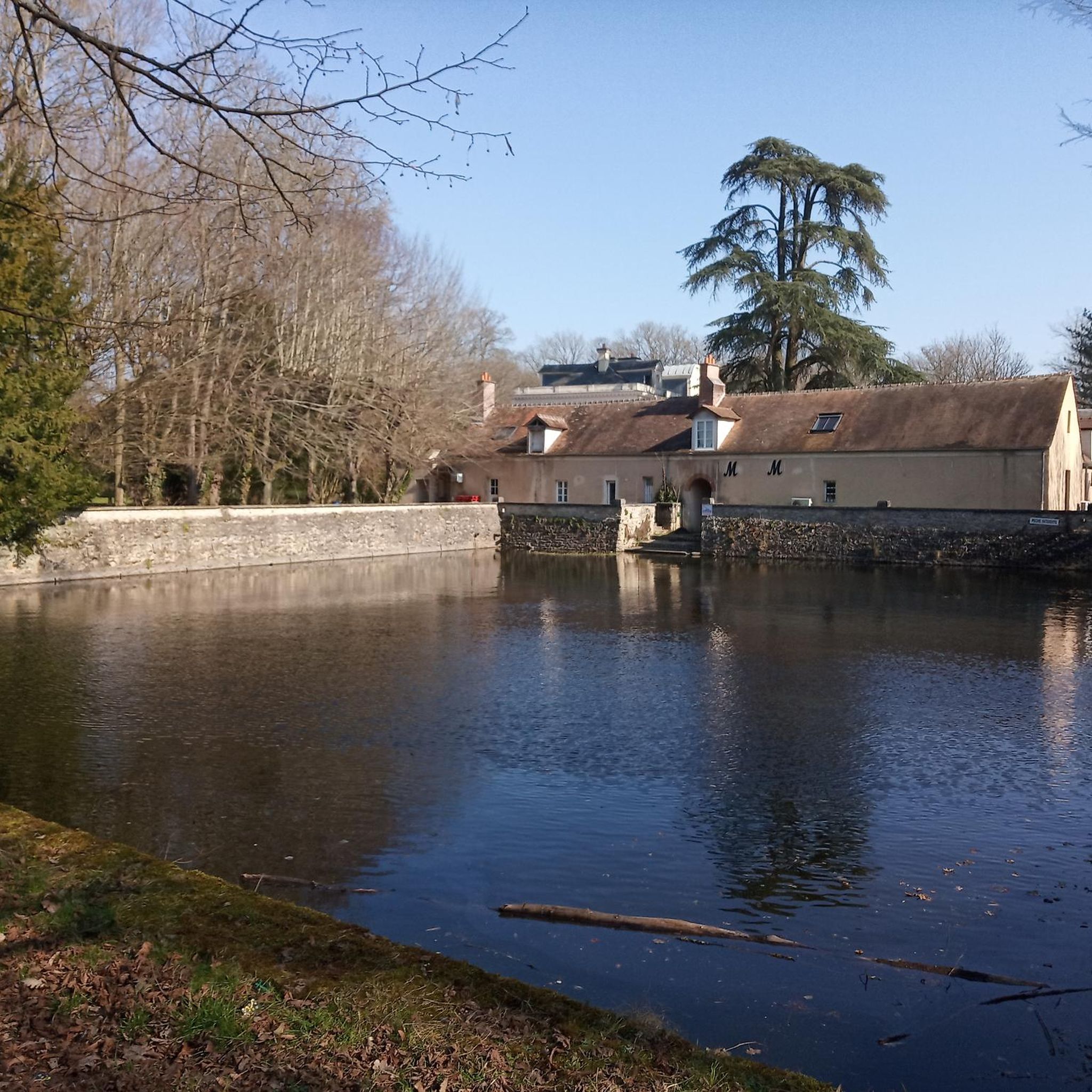
Château des Marmousets, located near La Queue-en-Brie, is an intriguing destination for cycle tourists. The castle, which dates back to the medieval period, is set in a large park filled with ancient trees and serene paths, making it a peaceful stopover. The surrounding countryside offers a pleasant cycle route, with gently rolling terrain and well-maintained paths. As you cycle towards the castle, you will be greeted by impressive views of the castle moat.
1
0

Nestled near La Queue-en-Brie, this Gothic castle, surrounded by centuries-old trees and vast lawns, offers an idyllic setting for a stroll or a contemplative break. Its towers and elegant architecture stand out magnificently in the landscape.
0
0


Very nice interior and exterior. A little Versailles.
0
0

Very nice and welcoming caretaker. Bike space at the entrance. Possibility of picnicking. Access to the free garden.
0
0
Located in Seine-et-Marne, the Château de Ferrières is a remarkable site. Its English garden overflows into the town of Pontcarré. This park was commissioned by Baron James de Rotschild in 1829. But the castle was not inaugurated until 1862 by Napoleon III. A rather impressive building to discover during a mountain bike ride.
0
0
Frequently Asked Questions
What historical castles can I explore in La Queue-en-Brie?
While the original structures of the Donjon de la Queue en Brie and the Ancien Domaine de l'Hermitage are largely gone or significantly altered, the area's most notable castle is the Château des Marmousets. Although the building itself is closed, its expansive park, featuring an aquatic garden and classical architecture, is open to visitors. You can also see remnants of the Ancien Domaine de l'Hermitage, including two corner pavilions and reconstructed farm buildings, with one pavilion being a protected historical monument. For more information on the Hermitage, you can visit tourisme-valdemarne.com.
Are there any family-friendly castles or activities near La Queue-en-Brie?
Yes, several castles offer family-friendly experiences. The park surrounding the Château des Marmousets is ideal for families, featuring children's games and picnic areas. Further afield, Champs-sur-Marne Castle is a popular choice, known for its beautiful interiors and historical significance. Ferrières Castle, with its remarkable English garden, also provides a great setting for family outings. Additionally, the rest area at the foot of Brie-Comte-Robert Castle is noted as ideal for a lunch break and offers the chance to explore its medieval history.
What outdoor activities can I do near these castles?
The region around La Queue-en-Brie offers various outdoor activities. You can enjoy road cycling on routes like the 'Lake Gravelle – Vincennes Polygon loop' or 'Chateau du Vivier loop'. For running, trails such as the 'Mare de Barbe‐Bleue loop' or 'Morbras Valley loop' are available. Mountain biking enthusiasts can explore routes like the 'Château des Marmousets – Carrefour des Huit Routes loop'. You can find more details on these and other routes in the Road Cycling Routes, Running Trails, and MTB Trails guides for the area.
Are there any castles with accessible parks or viewpoints?
Yes, the Château des Marmousets offers an expansive park that is open to visitors, allowing you to appreciate its classical architecture from a distance and enjoy the aquatic garden. While Ormesson Castle is generally closed to the public, its large French-style park and "horseshoe" esplanade can be admired from afar, providing a scenic viewpoint.
What is the best time to visit the castles around La Queue-en-Brie?
The parks and exteriors of castles like the Château des Marmousets are enjoyable throughout the warmer months, particularly when the aquatic garden is in full bloom. For visiting interiors of castles like Champs-sur-Marne Castle, checking their specific opening hours is recommended, as these can vary seasonally. Heritage Days often provide unique opportunities to access sites usually closed to the public, such as Ormesson Castle.
Can I bring my dog to the castles or their surrounding areas?
While specific dog policies for castle interiors vary, many castle parks and surrounding natural areas are dog-friendly, often requiring dogs to be on a leash. The large park of the Château des Marmousets, for instance, is a pleasant place for walks. Always check individual castle regulations before your visit, especially for interior access.
Are there cafes or places to eat near the castles?
The region around La Queue-en-Brie offers various amenities. While specific cafes directly adjacent to every castle might be limited, the town of La Queue-en-Brie and nearby communes will have options. The rest area at the foot of Brie-Comte-Robert Castle is specifically highlighted as ideal for a lunch break, suggesting nearby facilities or picnic opportunities.
What makes the castles around La Queue-en-Brie unique?
The castles in this area offer a blend of historical periods and architectural styles. The Château des Marmousets stands out with its 18th-century classical architecture influenced by ancient Greece and its extensive park. Champs-sur-Marne Castle is unique as an 18th-century pleasure house with exceptional furniture and rococo/chinoiserie decorations. Ferrières Castle is notable for its grand scale, inaugurated by Napoleon III, and its remarkable English garden. The area also holds historical significance with remnants of older fortified sites like the Donjon de la Queue en Brie and the Ancien Domaine de l'Hermitage.
What do visitors enjoy most about the castles in this region?
Visitors appreciate the historical depth and architectural beauty of the castles. For example, Champs-sur-Marne Castle is loved for its charm and being a less-known gem in Greater Paris. The park of the Château des Marmousets offers a peaceful escape. The historical context and well-done information panels at places like Brie-Comte-Robert Castle also enhance the visitor experience, taking them back to times of yore.
Are there any hidden gem castles or lesser-known historical sites?
While the Château des Marmousets is well-known locally for its park, the historical remnants of the Ancien Domaine de l'Hermitage, with its protected 18th-century corner pavilion, could be considered a hidden gem for those interested in deeper historical exploration. Similarly, Champs-sur-Marne Castle is sometimes described as an 'unknown castle in Greater Paris' that adds to its charm, offering a rich experience without the crowds of more famous sites.
What is the history behind the Château des Marmousets?
The Château des Marmousets dates from the end of the 18th century and was originally conceived as a hunting rendezvous. Its design is distinctly influenced by ancient Greece, featuring prominent pilasters and columns of the Ionic and Corinthian orders. Although the building itself is not open to the public, its historical architecture can be admired from its surrounding park.
Can I visit the interiors of any castles in the area?
Yes, you can visit the interiors of some castles. Champs-sur-Marne Castle, for instance, is an 18th-century pleasure house that houses an exceptional collection of furniture and features rococo and chinoiserie decorations. Brie-Comte-Robert Castle also allows interior visits, offering information panels that delve into its medieval history. Other castles, like Ormesson Castle, are generally closed but may open for special events like Heritage Days.
Most popular routes around La Queue-En-Brie
Most popular attractions around La Queue-En-Brie

Get inspired with the komoot mobile app


Explore more
Looking for the best castles somewhere else? Discover other guides around La Queue-En-Brie:
