Top 8 Castles around Le Plessis-Trévise
Castles around Le Plessis-Trévise offer a glimpse into historical architecture and cultural heritage. While the commune itself features the 19th-century Neo-Gothic Château des Tourelles, the wider region provides access to several significant historical sites. These structures are often set within green environments, providing opportunities for exploration and connection with nature. The area combines historical interest with accessible natural spaces.
Best castles around Le Plessis-Trévise
- The most popular castles is Vincennes Castle, a castle that impresses with its size and…
Last updated: July 7, 2026
Vincennes Castle
Highlight • Castle
Translated by Google •
Tip by

Champs-sur-Marne Castle
Highlight • Castle
Translated by Google •
Tip by
Sign up now to discover places like this
Get recommendations on the best single tracks, peaks, & plenty of other exciting outdoor places.
Sign up for free
Ormesson Castle
Highlight • Historical Site
Translated by Google •
Tip by
Château des Marmousets
Highlight • Castle
Translated by Google •
Tip by

The Totems of Noisiel
Highlight • Monument
Translated by Google •
Tip by
Sign up for free to discover even more castles around Le Plessis-Trévise.
Sign up for free
Already have an account?
Start today with a free account
Your next adventure awaits.
Login or Signup

Tips from the Community

Today's castle is located not far from an old building that it replaced. It was built on the initiative of Louis Picot, Lord of Santeny, and was located at the time in the village of Amboile (old name of the town). Built from 1578, The estate briefly passed into the hands of Cardinal René de Birague, who however died in 1583, and it was bought by the Marquis de Malespine. In 1598, Louis II. Picot bought the lands of Amboile from the Marquis, which he finally separated in 1619 in favor of Nicolas Le Prévost, advisor to the King at the bailiwick and presidency of Amiens. After the death of Nicolas Le Prévost in 1630, the estate passed to his widow Marie le Mairat and two years later to his son-in-law André Lefèvre d'Ormesson, who married his only daughter Anne Le Prévost on July 10, 1604. The estate then passed to the eldest of their ten children, Olivier Lefèvre d'Ormesson, who received it on the occasion of his marriage to Marie de Fourcy on July 2, 1640. She then appealed to the landscape architect André Le Nôtre around 1660 to reorganize the gardens.
0
0

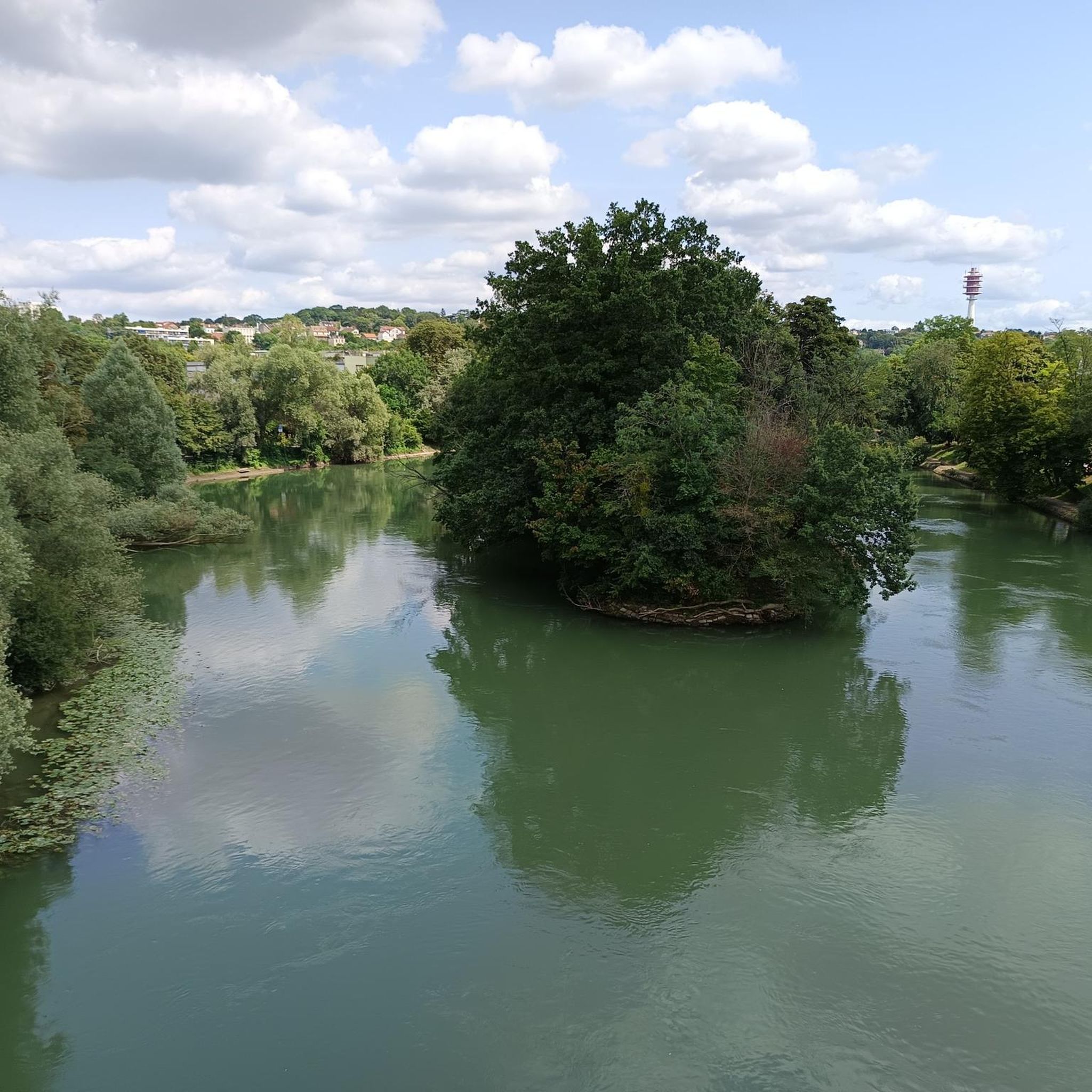
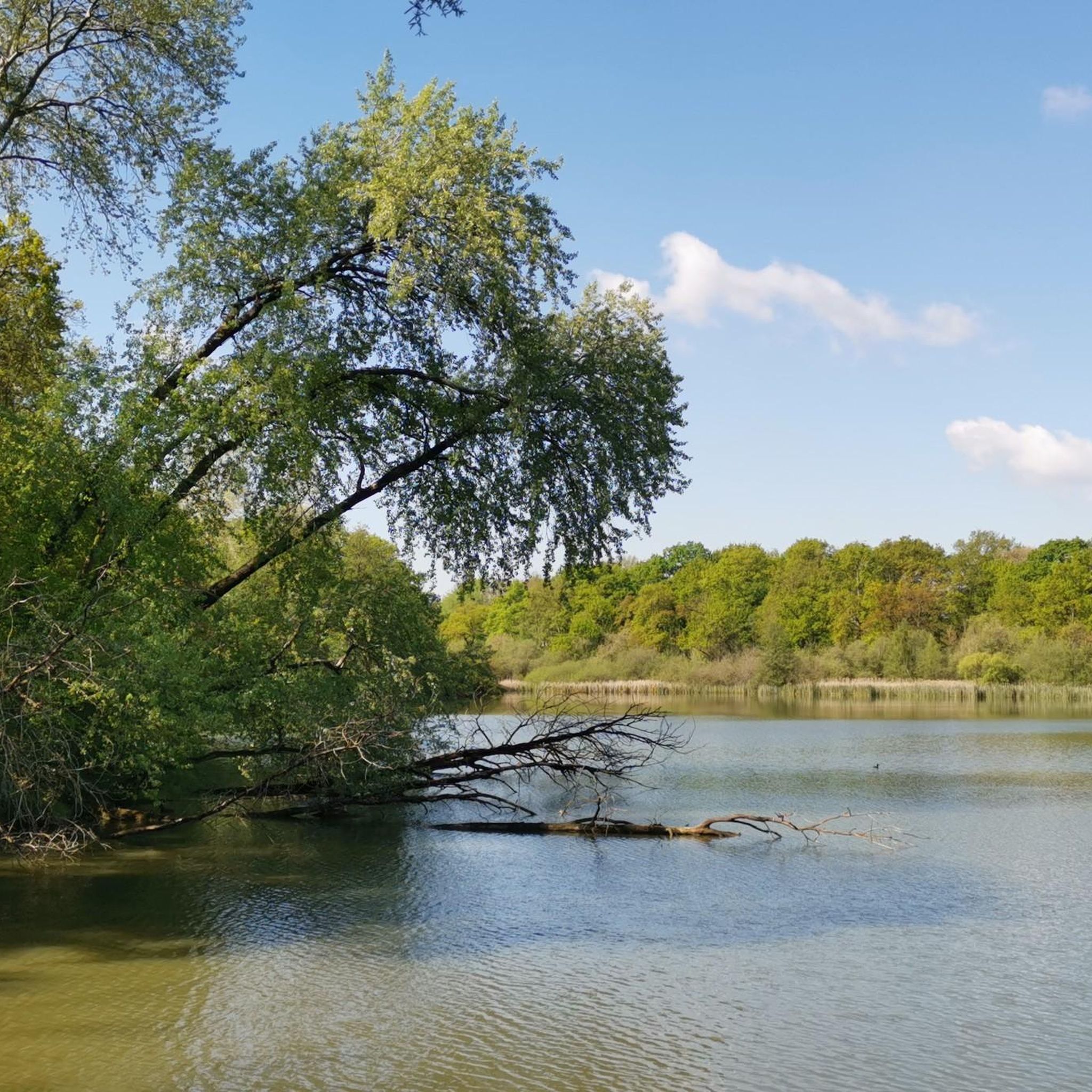
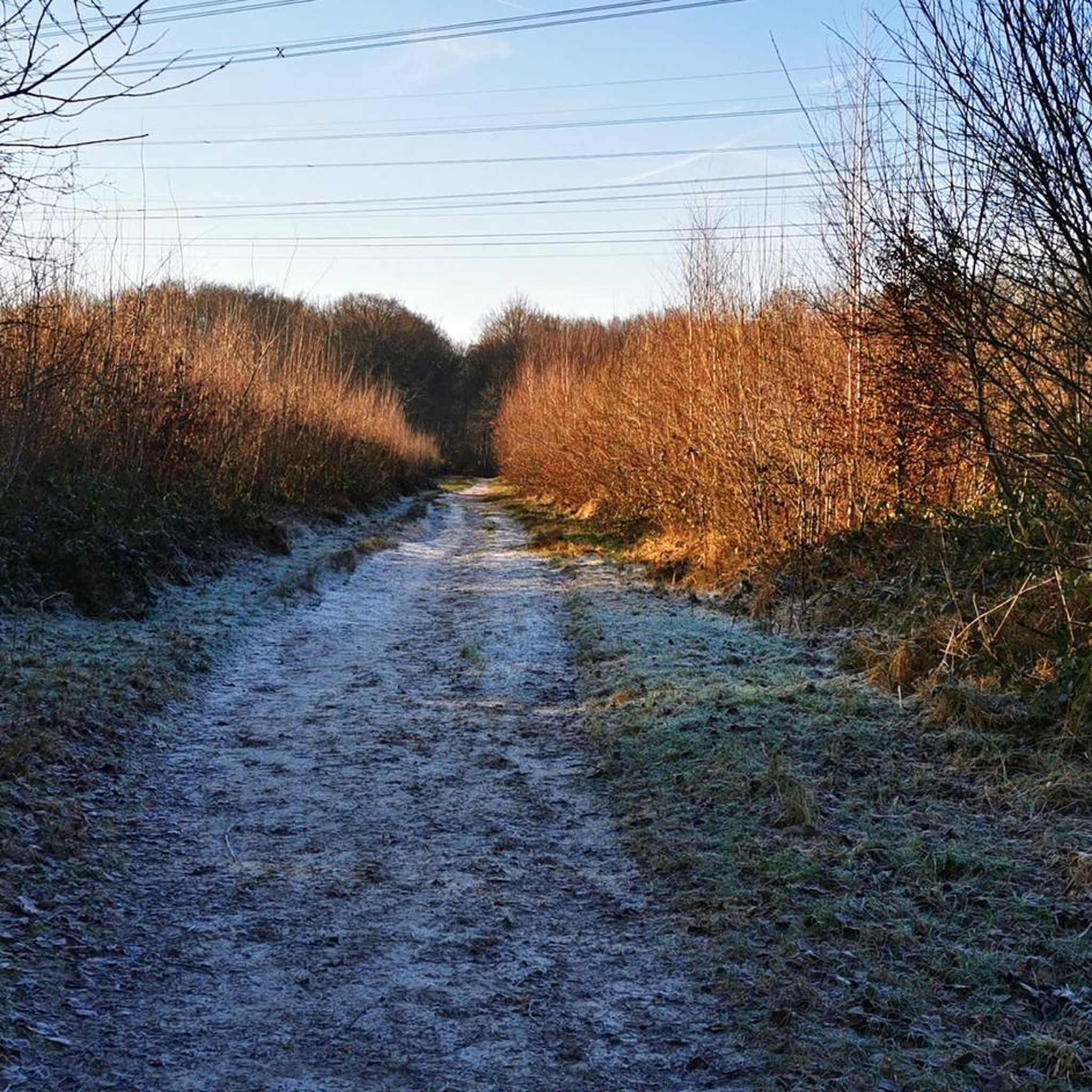
Very beautiful undergrowth, in autumn the woods are even more magnificent!
2
0

Château des Marmousets, located near La Queue-en-Brie, is an intriguing destination for cycle tourists. The castle, which dates back to the medieval period, is set in a large park filled with ancient trees and serene paths, making it a peaceful stopover. The surrounding countryside offers a pleasant cycle route, with gently rolling terrain and well-maintained paths. As you cycle towards the castle, you will be greeted by impressive views of the castle moat.
1
0

Nestled near La Queue-en-Brie, this Gothic castle, surrounded by centuries-old trees and vast lawns, offers an idyllic setting for a stroll or a contemplative break. Its towers and elegant architecture stand out magnificently in the landscape.
0
0


Located at the gates of Paris, the Château de Vincennes is a must-see in French history. Its nearly 50-meter-high keep makes it one of the tallest fortresses in Europe. The château served as a royal residence between the 12th and 17th centuries. Find all the information on accessing the château here: https://parisjetaime.com/billets/chateau-de-vincennes-m9000599.
2
0

The construction of the Château de Vincennes lasted from the 14th to the 17th century. It is the largest royal castle in France and one of the highest plain fortresses in Europe due to the height of its keep.
4
0

Very nice interior and exterior. A little Versailles.
0
0
Frequently Asked Questions
What is the main castle located directly in Le Plessis-Trévise?
Within Le Plessis-Trévise itself, the most notable castle is the Château des Tourelles. This 19th-century Neo-Gothic structure is owned by the commune and serves as a dedicated art space, hosting various exhibitions throughout the year. It's set within a green park that is freely accessible to the public.
Are there any art exhibitions or cultural activities at the Château des Tourelles?
Yes, the Château des Tourelles is a vibrant cultural hub. It hosts approximately ten thematic art exhibitions annually, showcasing diverse works from contemporary artists, including paintings, sculptures, and photographs. Admission to the art gallery is free. You can find more details on its cultural offerings at tourisme-valdemarne.com.
What are the opening hours for the Château des Tourelles?
The Château des Tourelles is open Monday to Friday from 2 PM to 5 PM, and on Saturdays and Sundays from 3 PM to 6 PM. It's advisable to check for any special event hours or holiday closures.
Which historical castles near Le Plessis-Trévise offer a significant glimpse into French history?
For a deep dive into French history, Vincennes Castle is a must-see. It served as a royal residence between the 12th and 17th centuries and features one of the tallest keeps in Europe. Another significant site is Champs-sur-Marne Castle, an 18th-century pleasure house known for its rococo and chinoiserie decorations and exceptional furniture collection.
Are there castles with notable gardens or natural surroundings in the area?
Yes, Ferrières Castle is known for its remarkable English garden, which extends into the town of Pontcarré. The Château des Tourelles in Le Plessis-Trévise also boasts a green, accessible park, and offers direct access to the Bois Saint-Martin (Saint-Martin Wood) for further natural exploration.
Are there any castles near Le Plessis-Trévise that are generally closed to the public?
Yes, Ormesson Castle, a 16th to 18th-century building with a large French-style park, is generally closed to the public. It typically only opens its doors during specific events like Heritage Days, though you can still admire its architecture from afar.
What kind of outdoor activities can I do near these castles?
The region around Le Plessis-Trévise offers various outdoor activities. You can find numerous cycling routes, including options for touring, gravel biking, and road cycling. Many routes pass by or near these historical sites and natural areas like the Bois Saint-Martin. For detailed routes, you can explore guides such as Cycling around Le Plessis-Trévise, Gravel biking around Le Plessis-Trévise, and Road Cycling Routes around Le Plessis-Trévise.
Are there family-friendly castles to visit near Le Plessis-Trévise?
Several castles in the area are considered family-friendly. Vincennes Castle, with its vast complex and historical significance, offers an engaging experience for all ages. Champs-sur-Marne Castle and Ferrières Castle also welcome families, often with expansive grounds to explore.
What do visitors appreciate most about the castles around Le Plessis-Trévise?
Visitors frequently appreciate the historical significance and architectural beauty of the castles, such as the impressive size and history of Vincennes Castle. The unique artistic focus of the Château des Tourelles and the beautiful gardens, like those at Ferrières Castle, are also highly valued. The combination of cultural heritage and accessible green spaces for outdoor activities is a major draw.
Is there a castle near Le Plessis-Trévise that is known for its unique architectural style?
The Château des Tourelles in Le Plessis-Trévise stands out with its distinctive Neo-Gothic style from the 19th century. Further afield, Champs-sur-Marne Castle is an excellent example of an 18th-century pleasure house, showcasing rococo and chinoiserie decorations that reflect a specific period of architectural and interior design.
Can I combine a castle visit with a walk in nature near Le Plessis-Trévise?
Absolutely. The Château des Tourelles in Le Plessis-Trévise is situated within a green park and provides direct access to the Bois Saint-Martin, offering an immediate connection to nature. Similarly, Ferrières Castle is surrounded by a remarkable English garden that extends into natural areas, perfect for a leisurely stroll after exploring the castle.
Most popular routes around Le Plessis-Trévise
Most popular attractions around Le Plessis-Trévise

Get inspired with the komoot mobile app


Explore more
Looking for the best castles somewhere else? Discover other guides around Le Plessis-Trévise:
