Attractions and Places To See around Le Thor - Top 20
Best attractions and places to see around Le Thor, a village in the Vaucluse department of Provence-Alpes-Côte d'Azur, France, offers a blend of historical heritage and natural beauty. Situated on the banks of the Sorgue River, the area provides a tranquil setting with various notable attractions. Visitors can explore historical sites, natural wonders, and cultural experiences. The region is known for its picturesque landscapes and the fresh waters of the Sorgue.
Best attractions and places to see around Le Thor
…Last updated: June 22, 2026
Fontaine-de-Vaucluse
Highlight • Monument
Translated by Google •
Tip by

L'Isle-sur-la-Sorgue Market
Highlight • Bridge
Translated by Google •
Tip by

Sign up now to discover places like this
Get recommendations on the best single tracks, peaks, & plenty of other exciting outdoor places.
Sign up for free
Galas Aqueduct (Carpentras Canal)
Highlight • Bridge
Translated by Google •
Tip by

Lovely view of the Sorgue
Highlight • River
Translated by Google •
Tip by

Château des Évêques
Highlight • Castle
Translated by Google •
Tip by

Sign up for free to discover even more attractions around Le Thor.
Sign up for free
Already have an account?
Start today with a free account
Your next adventure awaits.
Login or Signup
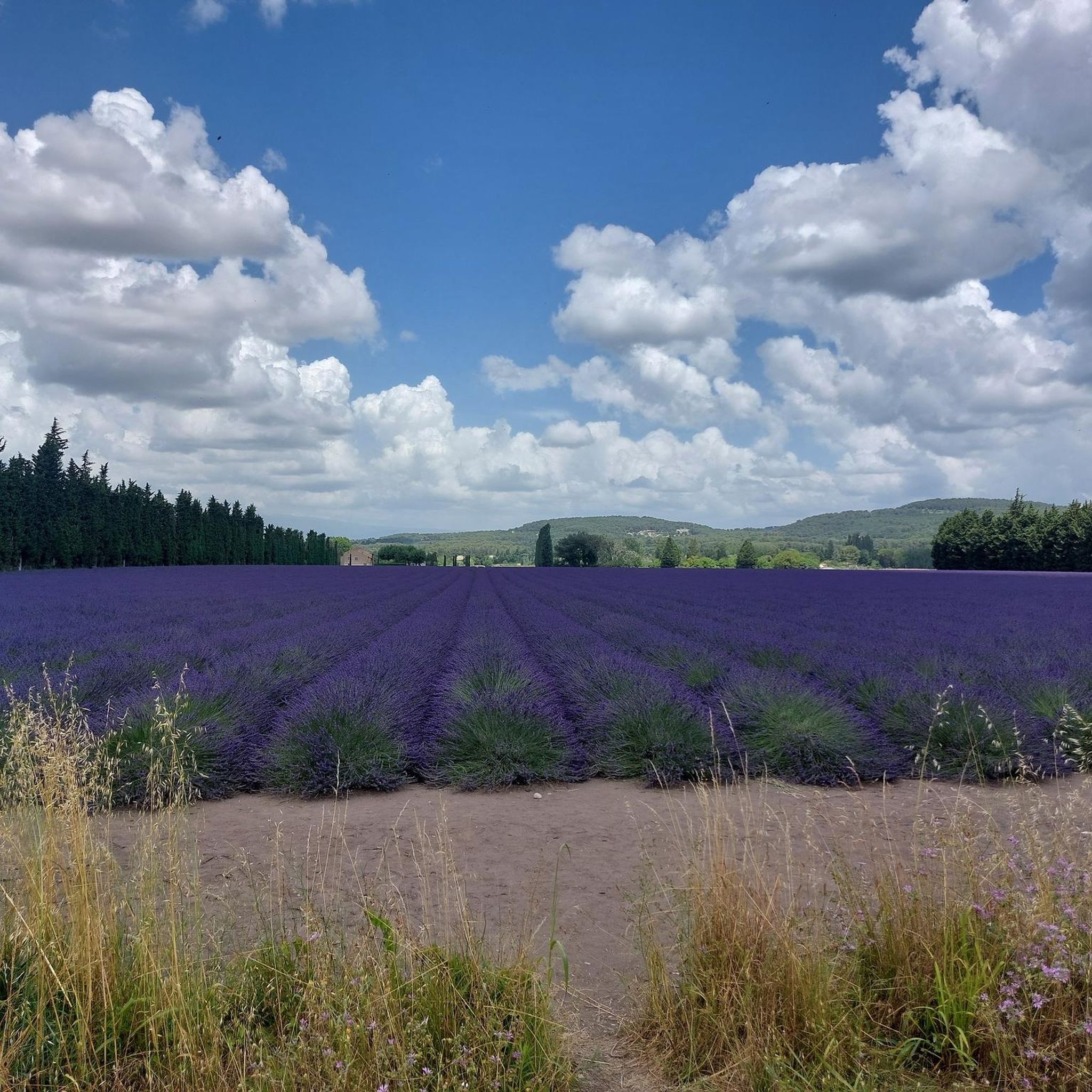
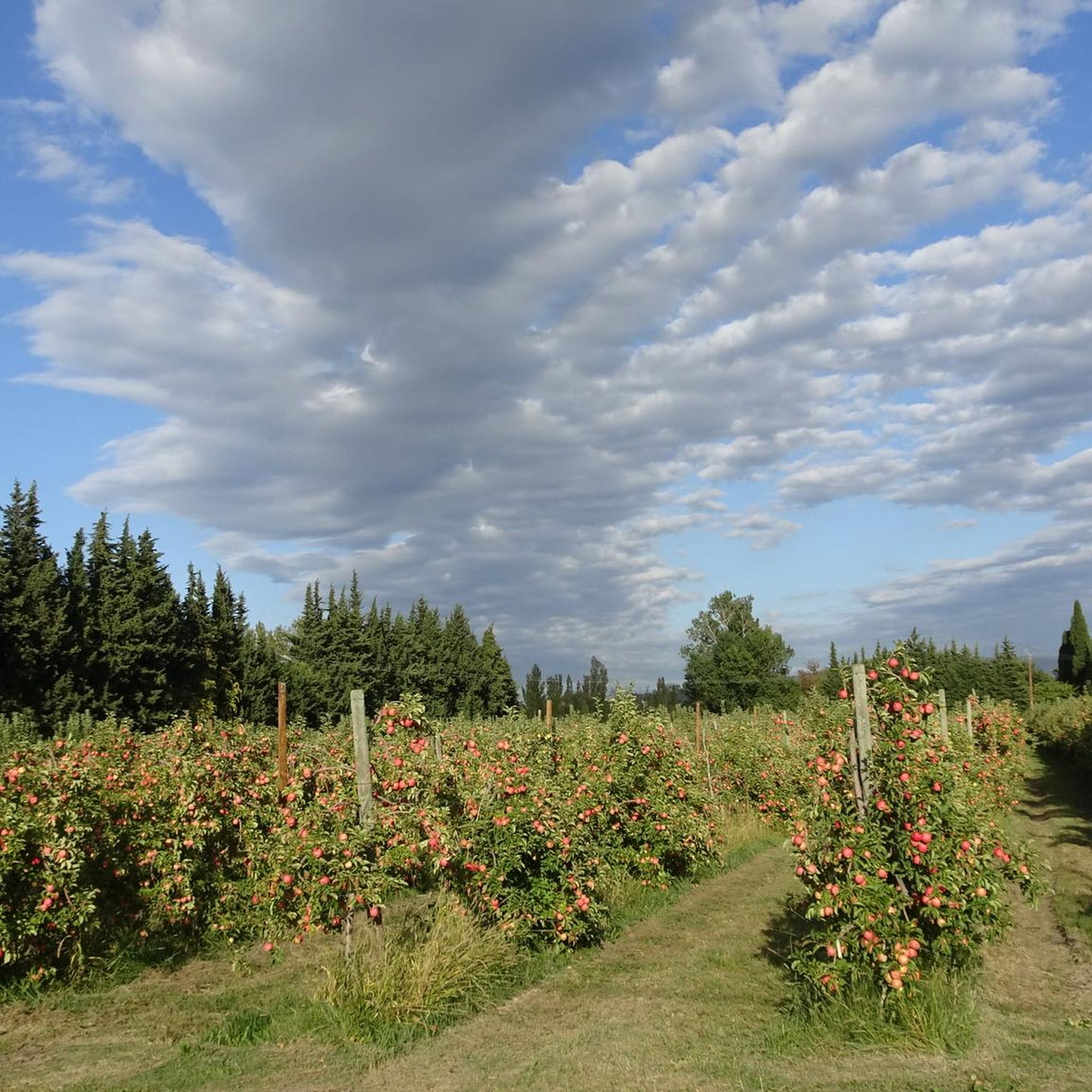
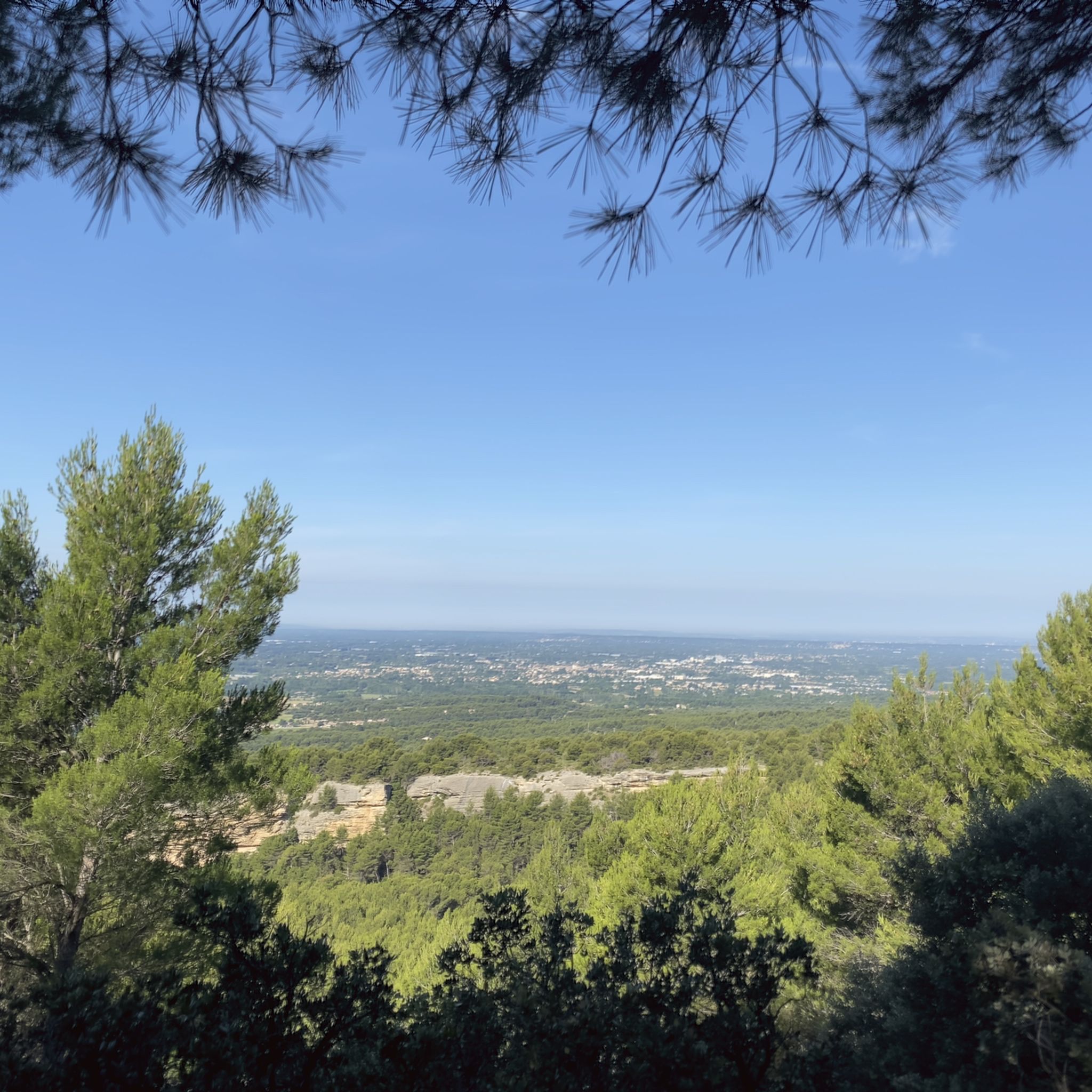

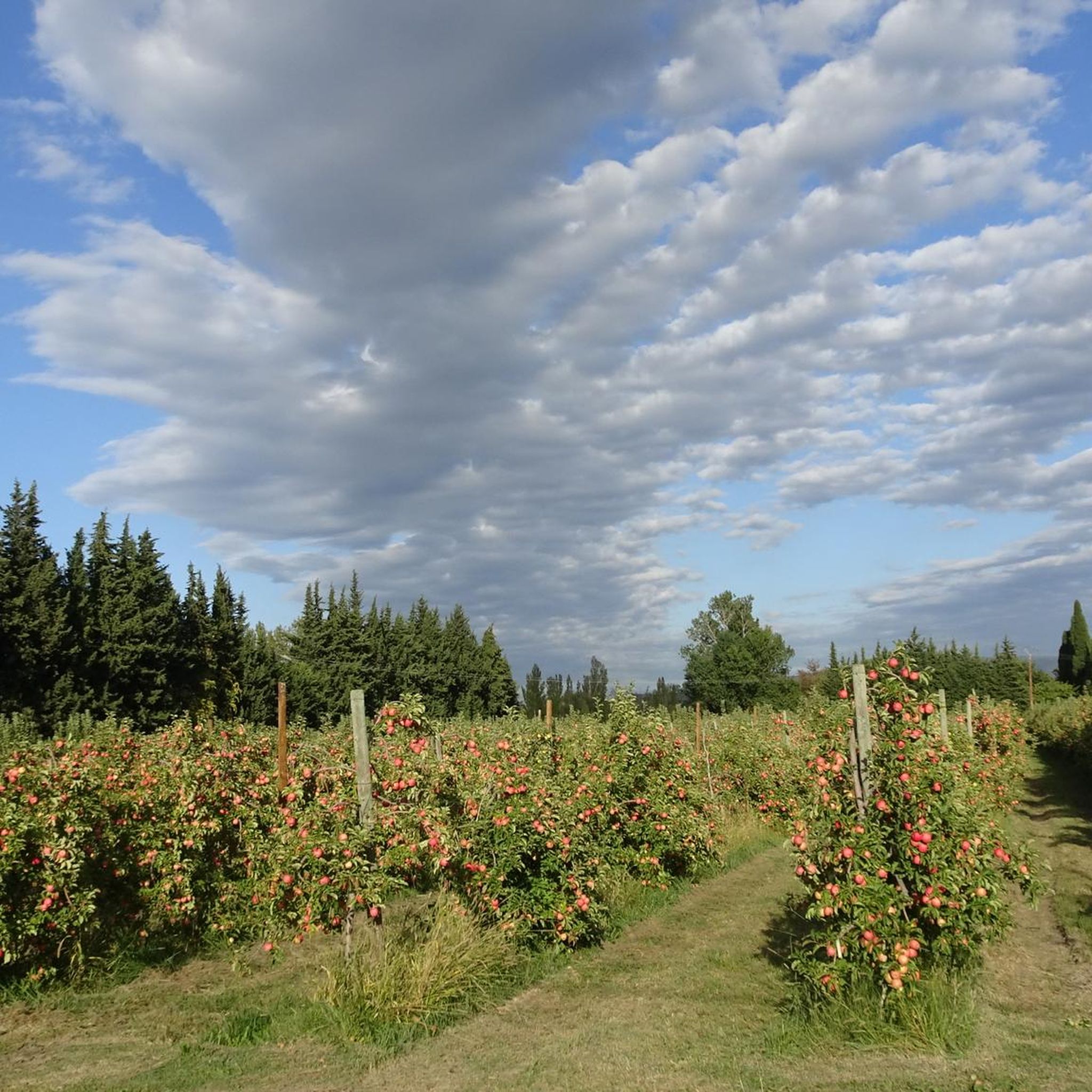
Tips from the Community

It's just a short walk up to the castle. Even though the path is steep and partly rocky, it's well worth it! From the ruins, you have fantastic views down to the town, the river, and the entire surrounding area. Be careful when climbing on the walls; it's extremely steep down!
1
0

Idyllic setting on the banks of the river at Fontaine-de-Vaucluse. It is a perfect spot to sit on a terrace and enjoy the beautiful cliffs, the small mill, and the calm waters of the Sorgue.
1
0

The climb and descent to and from the castle is seriously tough but once at the top the view is breathtaking.
7
1
The place is the namesake of the department of Vaucluse. Until 1946, this was also the official name of the municipality. In order to avoid confusion, it was decided in that year to change the name to Fontaine-de-Vaucluse. Vaucluse is derived from the Latin "Vallis clausa" which means "closed valley". During the Middle Ages, the village church was a place of pilgrimage because of the tomb of Bishop Veranus of Cavaillon.
9
2
The Sorgue is a French river in the Vaucluse department with a length of 35 kilometres. The river rises in the Fontaine de Vaucluse, the largest karst spring in France and one of the largest springs in the world. After the town of L'Isle-sur-la-Sorgue, the Sorgue divides into two branches (la Sorgue de Velleron et la Sorgue d'Entraigues) which further down the valley split into dozens of small rivers, each with its own name. All the small rivers flow in the Sorgue plain (between L'Isle-sur-la-Sorgue and Avignon). The main river branches Entraigues and Velleron meet each other further on and flow into the Ouvèze near Bédarrides. The Canal de Vaucluse (can be seen as the third main arm of the Sorgue), splits from the Sorgue d'Entraigues at Rode, at a place called Les Sept Espassiers, and then flows to Avignon where it then flows into the Rhône.
7
1

Beautiful aqueduct, canal above, Sorgue below.
2
0

The crossing at the top of the aqueduct is a must during a bike/gravel outing along the Carpentras canal. The view is superb more than 25 m above the Sorgue. Please note that the passage of an electric bike or a travel bike with loaded panniers can be problematic at the gates located at each end of the structure.
4
1

The ruins of the 13th century castle perch high above the village. From the ruins you will have an exceptional panoramic view of the town, the spring and the surrounding area. The climb towards the ruins start in the village and the first part is easy accessible by foot. The last past however is very steep, rocky and sometimes even tricky with lots of loose stones and even a wiggly ladder. Not the easiest climb especially for kids (< 8yrs) and elderly people.
2
1
Frequently Asked Questions
What natural wonders can I explore near Le Thor?
Le Thor is surrounded by natural beauty. You can visit the Fontaine-de-Vaucluse, the powerful spring that is the source of the Sorgue River and the largest resurgence in Europe. Just 3 km from Le Thor, the Thouzon Cave offers guided tours through a fossilized riverbed with delicate stalactites. The Sorgue River itself provides picturesque scenery for walks or cycling, and you can also explore Thouzon Hill for beautiful walks and panoramic views.
Are there historical sites to visit in Le Thor?
Yes, Le Thor boasts a rich historical heritage. The 12th-century Romanesque Church of Notre Dame du Lac is a significant architectural marvel. You can also see the remains of the Medieval Château and ancient ramparts, including the monumental Douzabas Gate. Perched on Thouzon hill, the site of Château des Évêques (Château de Thouzon) features the remains of a fortified monastery with panoramic views.
What cultural experiences does Le Thor offer?
Le Thor provides several cultural points of interest. The Sonograf' hosts blues, jazz, and world music events, while the Jean-Moulin Auditorium is a departmental venue for theatre, music, and dance. You can also visit the Salinger Museum, which traces the career of Pierre Salinger, a notable reporter and spokesman for President Kennedy. Don't miss the weekly market on Saturdays for a taste of local life and produce.
Can I go hiking around Le Thor?
Absolutely! The area around Le Thor offers various hiking opportunities. You can find easy routes like the 'Thor Gate – Thouzon Castle loop' or the 'Thouzon Castle – Waterwheel in Le Thor loop'. For more challenging options, consider the 'La Sorgue – Gautier Park loop'. Discover more trails and detailed information in the Hiking around Le Thor guide.
Are there cycling opportunities near Le Thor?
Yes, Le Thor is a great base for cycling. You can enjoy scenic rides along the Sorgue River or explore mountain biking trails. Options include the 'Château de Thouzon loop' for an easy ride or more challenging routes like the 'Bridge over the canal – Fontaine de Vaucluse loop'. For gravel biking, there are routes such as the 'Saint Didier – Galas aqueduct bridge loop'. Find more details in the MTB Trails around Le Thor guide and the Gravel biking around Le Thor guide.
What are some family-friendly activities in the Le Thor area?
Families can enjoy exploring the Thouzon Cave with its guided tours, or taking easy walks along the Sorgue River. The L'Isle-sur-la-Sorgue Market is a vibrant and picturesque place to visit, especially on Sundays. Many of the walking and cycling paths are suitable for families, offering a chance to enjoy the natural beauty together.
What is the best time to visit Le Thor?
The best time to visit Le Thor largely depends on your interests. For hiking and outdoor activities, spring (April-May) and autumn (September-October) offer pleasant temperatures. If you wish to see the vibrant lavender fields, mid-June to mid-July is ideal. Summer (July-August) is popular for enjoying the freshness of the Sorgue River, but attractions like Fontaine-de-Vaucluse can be very crowded, so an early morning visit is recommended.
Are there any unique architectural sights near Le Thor?
Beyond the Church of Notre Dame du Lac and the medieval ramparts, the Galas Aqueduct (Carpentras Canal) is a notable architectural feat. This 19th-century aqueduct allows the Carpentras canal to cross the Sorgue River, offering superb views from 25 meters above the water. It's an impressive structure to see and even walk or cycle across.
What is L'Isle-sur-la-Sorgue known for?
L'Isle-sur-la-Sorgue, a charming town often visited in conjunction with Le Thor, is renowned for its picturesque canals, antique markets, and historic waterwheels. The L'Isle-sur-la-Sorgue Market is particularly popular on Sundays, offering a vibrant atmosphere and local produce.
Where can I find local markets in Le Thor?
Le Thor hosts a weekly market every Saturday. This is a great opportunity to experience local life, discover regional products, and soak in the Provençal atmosphere. For a larger market experience, the nearby L'Isle-sur-la-Sorgue also has a very popular market, especially on Sundays.
Are there any viewpoints offering panoramic scenery?
Yes, several spots offer excellent views. From the ruins of Château des Évêques on Thouzon hill, you can enjoy fantastic panoramic views down to the town, the Sorgue River, Mont Ventoux, and the Luberon. The Galas Aqueduct also provides superb views from its 25-meter height as it crosses the Sorgue River.
What is the significance of the Sorgue River in Le Thor?
The Sorgue River is central to Le Thor's charm and identity. Flowing through the village, it provides picturesque scenery and a refreshing atmosphere. It's ideal for leisurely walks or cycling along its banks, and in summer, canoeing and kayaking are popular activities. The river's source is the famous Fontaine-de-Vaucluse, a major natural attraction.
Most popular routes around Le Thor
Most popular attractions around Le Thor

Get inspired with the komoot mobile app


Explore more
Still not found the Highlight you’re looking for? See guides of the top attractions in other regions:
