Attractions and Places To See around Villard - Top 20
Best attractions and places to see around Villard include mountain passes, summits, and historical religious sites. This region offers diverse landscapes, from panoramic viewpoints over Lake Geneva to serene alpine passes. Visitors can explore areas with significant historical and natural features, providing varied experiences for outdoor enthusiasts. The terrain around Villard is characterized by its mountainous passes and elevated viewpoints.
Best attractions and places to see around Villard
- The most popular attractions is Mount Forchat, a summit that offers…
Last updated: October 9, 2026
Mount Forchat
Highlight • Summit
An orientation sign allows you to better find your way …
Translated by Google •
Tip by

Col de la Ramaz
Highlight • Mountain Pass
Translated by Google •
Tip by

Sign up now to discover places like this
Get recommendations on the best single tracks, peaks, & plenty of other exciting outdoor places.
Jambaz Pass
Highlight • Mountain Pass
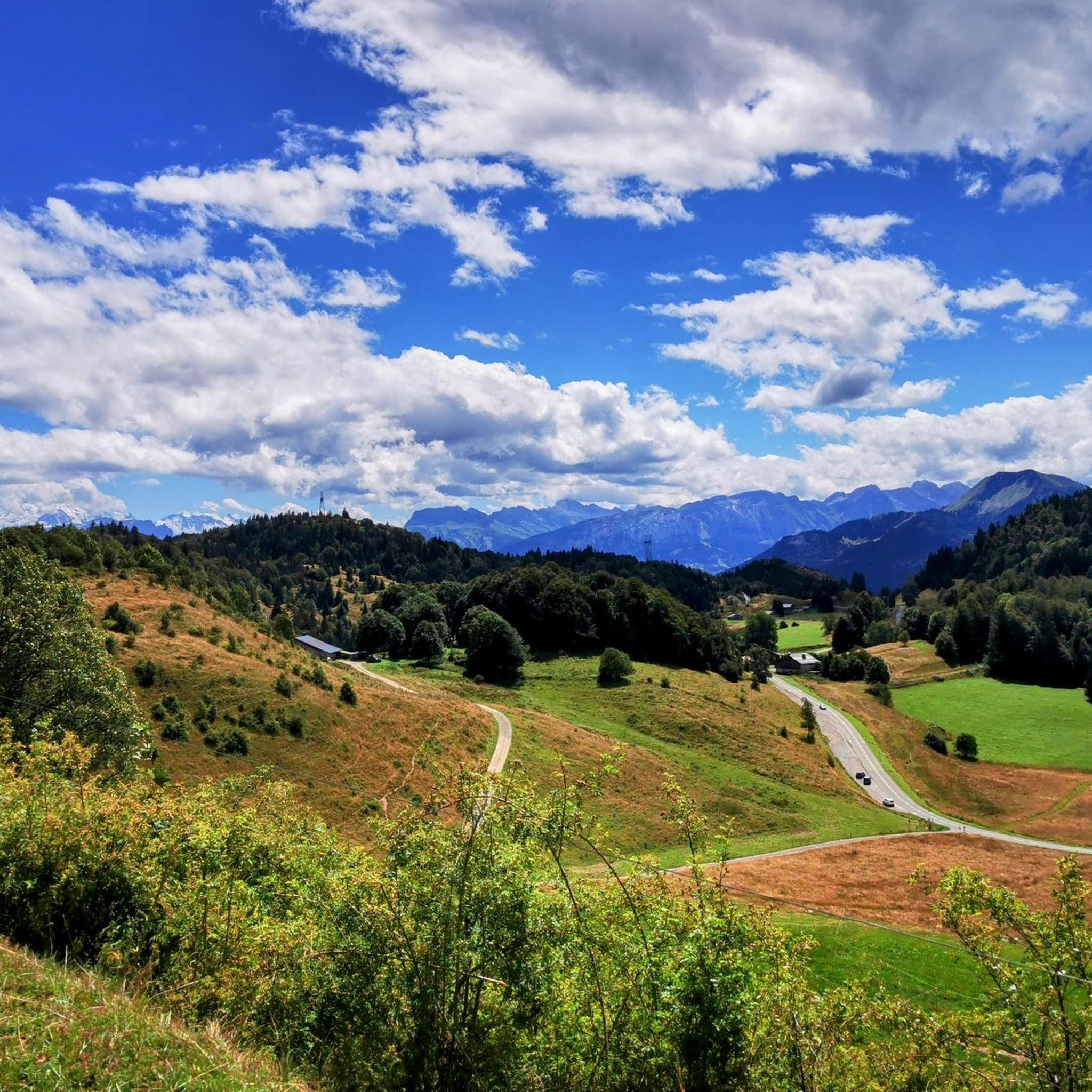
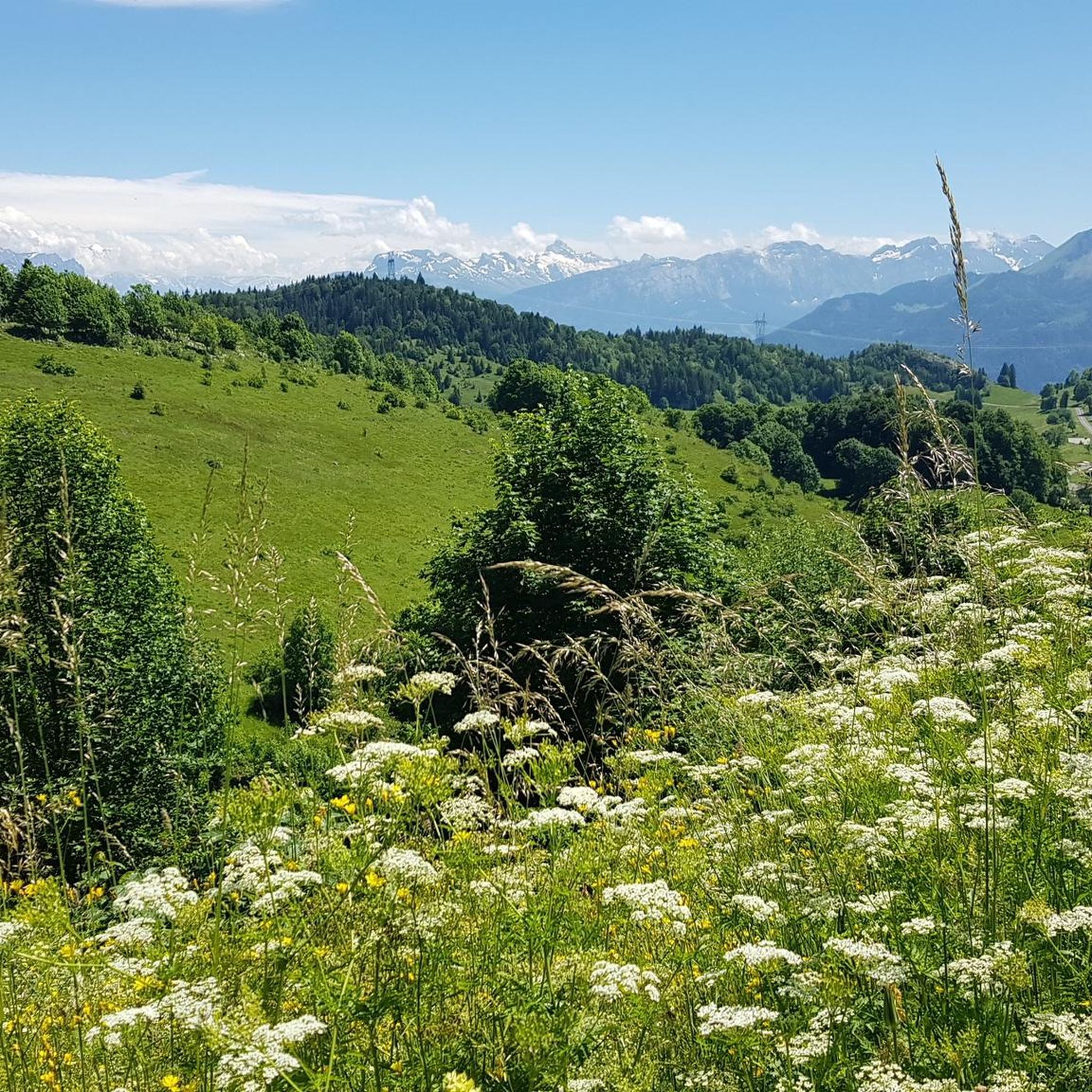
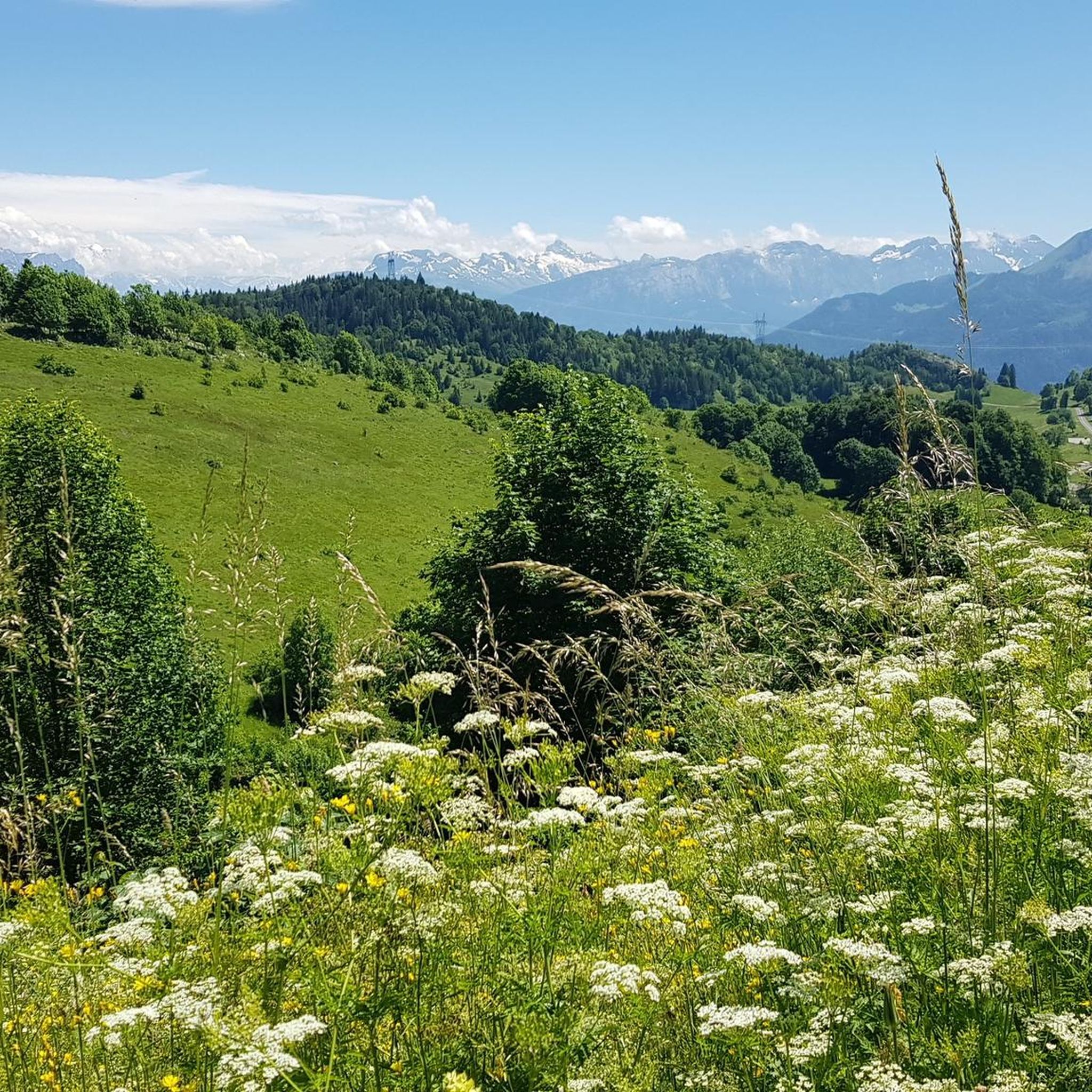
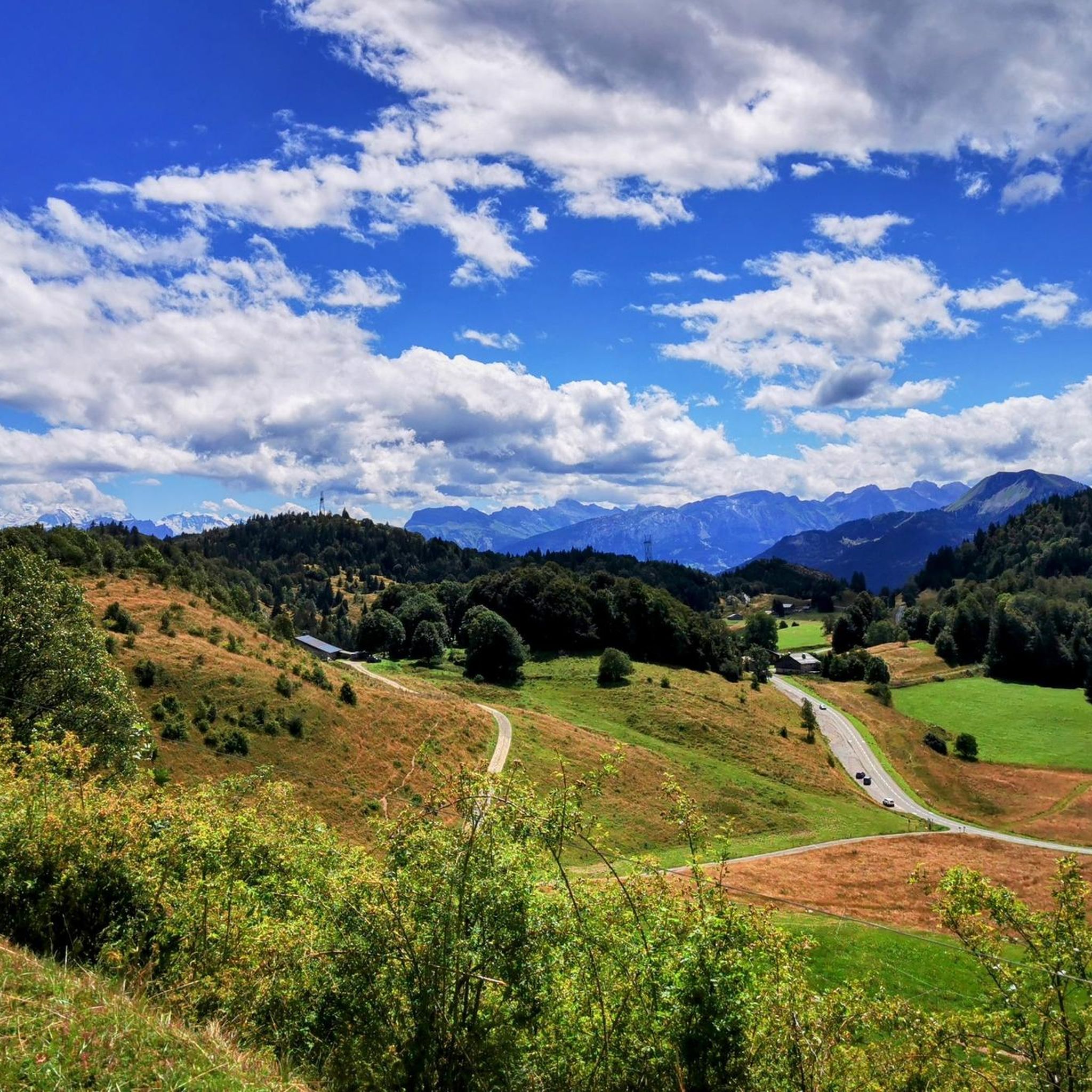
Beautiful landscape.
More information: quaeldich.de/paesse/col-de-jambaz
Translated by Google •
Tip by

Col de Cou
Highlight • Mountain Pass
Translated by Google •
Tip by

Saint Bruno Chapel
Highlight • Religious Site
Translated by Google •
Tip by

Sign up for free to discover even more attractions around Villard.
Already have an account?
Start today with a free account
Your next adventure awaits.

Tips from the Community


This chapel, dedicated to Saint Bruno, founder of the Carthusian Order, was built on the remains of the former convent church of the Carthusian monastery of Sainte-Marie de Vallon[1]. In 1543, the Carthusians of Vallon were forced to leave their monastery, which was dismantled[1]. When they regained possession of their property in 1607, they found only ruins of the old charterhouse. Only a few sections of the walls remained standing[1]. After building their fortified house in Génicot[2] on the right bank of the Brevon (now on the lake), they erected a chapel in the part of the old charterhouse, in homage to Saint Bruno and in memory of the monks who preceded them. Since the walls of the choir of their former convent church and those of the sacristy had not collapsed, a nave surmounted by a wooden vault was built in 1651[3]. In 1793, it was sold as national property[3]. Abandoned by its new owners, it then passed to the Gougain family, along with the entire property known as "La chèvre"[1]. In 1833, the Carthusians returned to work repairing the walls and vault, redoing the roof, and installing a bell tower. Bishop Pierre-Joseph Rey inaugurated the renovated chapel during the summer of 1836[3]. It received various donations, including from Converset David François Marie[citation needed]. In 1847, it was finally transferred to the churchyard[1]. Processions would go there to pray for rain or good weather; but Bishop Louis Rendu banned these events in 1852[citation needed]. In 1855, it was burned to the ground. A violent wind blew as the Abbey building burned and burning embers set it alight in turn[1]. Nothing new remained except the walls. M Chappaz undertook a collection throughout the parish and had repairs carried out during 1856: plaster vault, roof, bell tower, gallery, floor, altar[3]. On July 11, 1857, the renovated chapel was blessed.
1
0

A beautiful pass, with beautiful landscapes. It's a must to do in the summer when the road is closed to cars, so you can really enjoy this climb 😉
1
0

A difficult pass, but a magnificent view as a reward
0
0

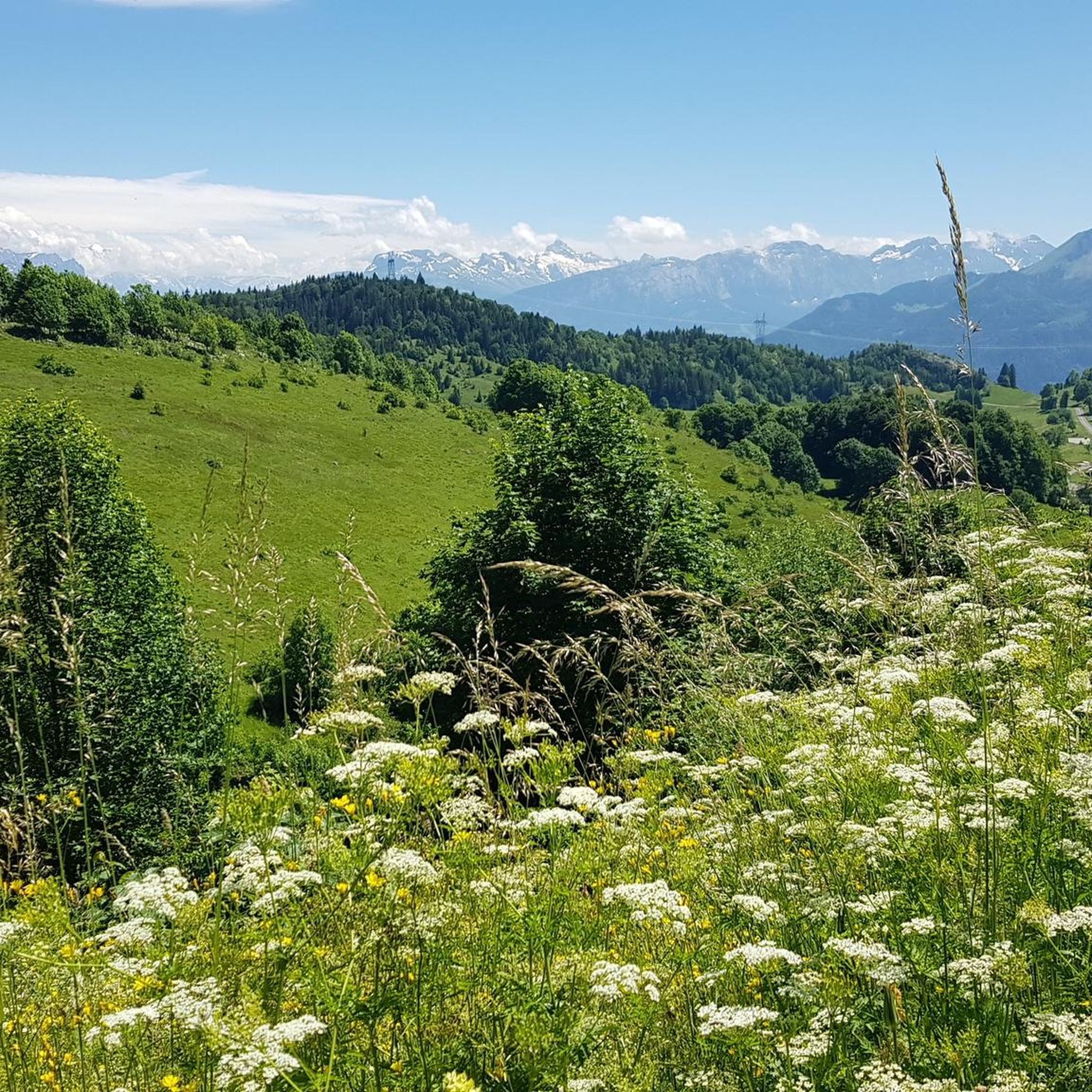
Beautiful views into the depths and beyond.
2
0

The climb up the winding path to Chapelle Saint-Bruno is rewarded with breathtaking panoramic views of Lac de Vallon and the surrounding mountains. This historic chapel, perched on top of a hill, with its peaceful interior, is a place where you can enjoy a serene atmosphere. Don’t forget to take the time to soak up the breathtaking view and listen to the soothing sounds of nature.
1
0
As you climb the challenging Col de la Ramaz, you’ll be rewarded with breathtaking panoramic views of the surrounding mountains and valleys. This iconic climb, with its steep slopes and winding roads, is a must for any serious cyclist. As you push yourself to the limit, you’ll discover breathtaking views of snow-capped peaks, lush forests and picturesque villages.
1
0
Frequently Asked Questions
What kind of natural features can I explore around Villard?
The Villard region is rich in natural beauty, primarily featuring mountain passes and summits. You can visit Mount Forchat for almost panoramic views, including an unmissable vista of Lake Geneva. Other notable passes include Col de Cou, which connects the Vallée Verte and Côte-en-Chablais region, and the quiet Jambaz Pass, known for its beautiful landscapes.
Are there any historical or cultural sites to visit in the Villard area?
Yes, the region offers historical and religious sites. A significant one is the Saint Bruno Chapel. This historic chapel, perched on a hill, offers breathtaking panoramic views of Lac de Vallon and the surrounding mountains, providing a serene atmosphere and a glimpse into the area's religious heritage.
What outdoor activities are popular around Villard?
Villard is an excellent base for various outdoor activities, especially cycling and hiking. The area is known for its mountain passes, making it popular for road cycling and gravel biking. You can also find numerous mountain biking trails and mountain hikes. For detailed routes, explore the MTB Trails around Villard, Mountain Hikes around Villard, and Gravel biking around Villard guides.
What kind of hiking trails can I find near Villard?
The Villard area offers a variety of hiking experiences, from moderate to difficult mountain hikes. Trails often lead to stunning viewpoints and mountain passes. For example, you can find routes like the Pointe de Chalune – Col de Vésinaz loop or the Col de Chalune loop. More options are available in the Mountain Hikes around Villard guide.
What are the best cycling routes or passes to tackle in the region?
The Villard region is famous for its mountain passes, which are popular among cyclists. The Col de Cou, at 1,117 meters, offers challenging climbs, especially from Fessy. The Jambaz Pass and Col de Saxel are also popular, with the latter offering a relatively gentle climb and recently renewed pavement. The Tour de France has even passed through Jambaz Pass multiple times.
What do visitors particularly enjoy about the attractions around Villard?
Visitors frequently praise the breathtaking panoramic views from summits like Mount Forchat, which offers clear sights of Lake Geneva. The quiet, beautiful landscapes of the alpine passes, such as Jambaz Pass, are also highly appreciated. The serene atmosphere and historical significance of sites like Saint Bruno Chapel also receive positive feedback.
Are there any family-friendly activities or attractions in the Villard area?
While specific 'family-friendly' categories aren't highlighted, the natural environment of Villard offers opportunities for families who enjoy the outdoors. Gentle sections of mountain passes or less strenuous hiking trails could be suitable. Exploring the traditional villages like Le Villard in Vallée de Bozel or Le Villard du Planay, with their chapels and historical remnants, can also be an engaging activity for families.
When is the best time to visit Villard for outdoor activities?
The best time to visit Villard largely depends on your preferred activities. For hiking and cycling, late spring through early autumn (May to October) generally offers the most favorable weather conditions. During winter, the Villard-de-Lans / Corrençon-en-Vercors region transforms into a base for ski resorts and winter sports, offering a different set of activities.
What are the terrain and elevation like around Villard?
The terrain around Villard is characterized by its mountainous nature, featuring numerous passes and summits. Elevations vary, with passes like Col de Cou reaching 1,117 meters. Climbs can be challenging, with some sections having average gradients of 7.5% or more, particularly on routes leading to the passes. However, there are also gentler ascents available, such as parts of the Col de Saxel.
Can I find any traditional villages or unique local heritage in the Villard region of France?
Yes, the French Villard region is home to traditional villages with rich heritage. Le Villard in Vallée de Bozel, at 1100 meters, features tight streets and the neo-gothic St. Roch chapel. Le Villard du Planay, at 860 meters, showcases an industrial past with hydroelectric power plants and the Sainte Marguerite chapel. The Villard-de-Lans / Corrençon-en-Vercors area also boasts preserved natural, architectural, and agricultural heritage with many traditional farms.
Are there any specific viewpoints that offer exceptional scenery?
Absolutely. Mount Forchat is highly recommended for its almost panoramic views, providing an unmissable perspective of Lake Geneva. The Saint Bruno Chapel also offers breathtaking panoramic views of Lac de Vallon and the surrounding mountains from its elevated position.
Most popular routes around Villard
Most popular attractions around Villard

Get inspired with the komoot mobile app


Explore more
Still not found the Highlight you’re looking for? See guides of the top attractions in other regions:
