Attractions and Places To See around Saint-Félix-Lauragais - Top 20
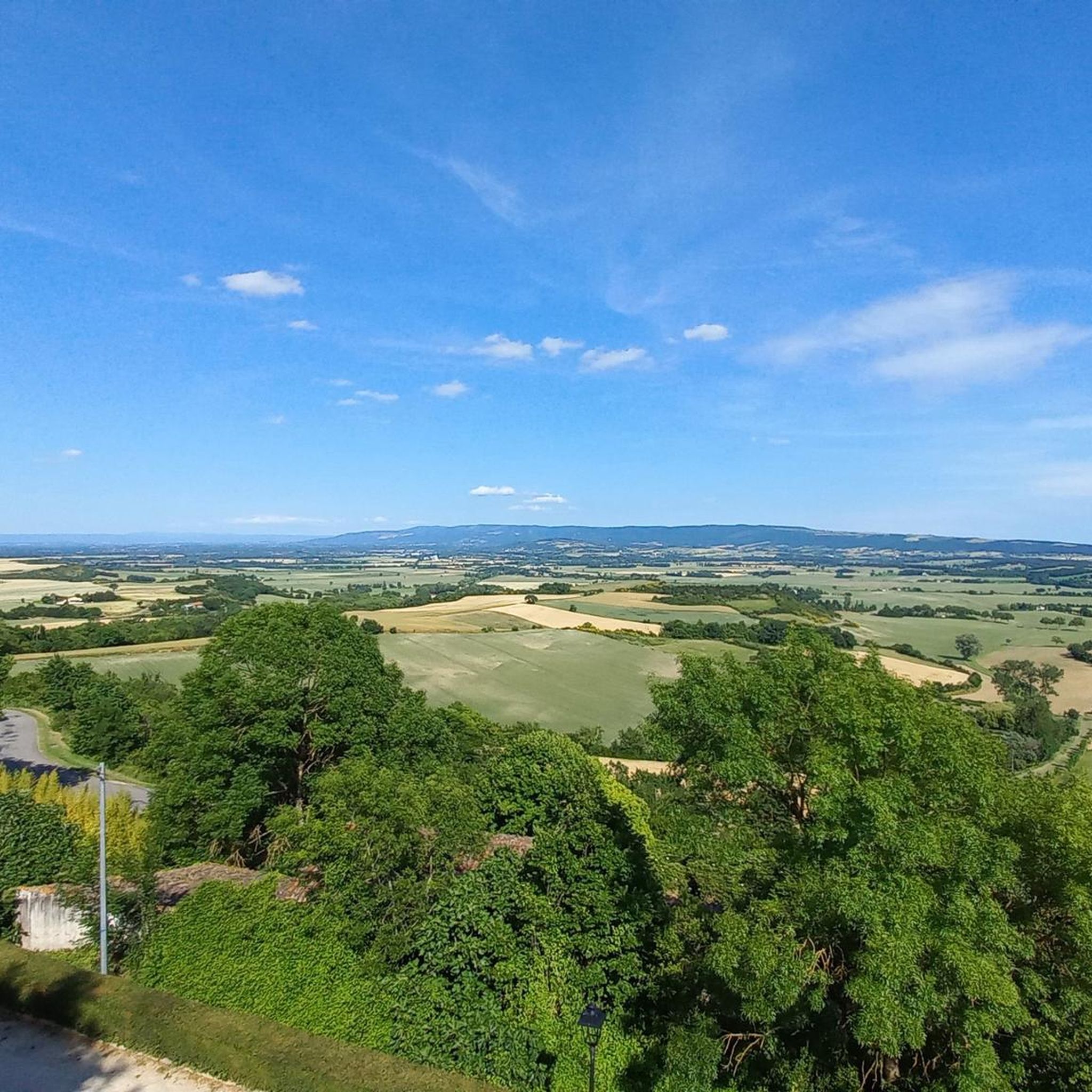
Best attractions and places to see around Saint-Félix-Lauragais include a medieval village situated on a ridge, offering panoramic views over the Revel plain, the Montagne Noire, and the Pyrenees. This area, historically known as part of the "Pays de Cocagne," is rich in cultural significance, including its past connection to pastel cultivation. Visitors can explore historical landmarks and natural features that define the Lauragais region.
Best attractions and places to see around Saint-Félix-Lauragais
- The most popular attractions is Canal du…
Last updated: July 6, 2026
Écluse de l'Océan
Highlight • Structure
Translated by Google •
Tip by

Canal du midi
Highlight • Trail
Luckily it was dry where I was at the moment, it must have rained a …
Translated by Google •
Tip by

Sign up now to discover places like this
Get recommendations on the best single tracks, peaks, & plenty of other exciting outdoor places.
Sign up for free
Vauban Vault
Highlight • Bridge
Translated by Google •
Tip by

Canal du Midi - Water sharing
Highlight • Other
Translated by Google •
Tip by

Canal du Midi: Marbail to Plaine de Bourbone
Highlight (Segment) • River
Translated by Google •
Tip by

Sign up for free to discover even more attractions around Saint-Félix-Lauragais.
Sign up for free
Already have an account?
Start today with a free account
Your next adventure awaits.
Login or Signup

Tips from the Community

"Treasures of the World – Heritage of Humanity" (a German-language television series) honors special sites from all eras and continents in over 250 episodes with short film clips. Despite their diversity, they have one thing in common: they have been declared UNESCO World Heritage Sites. One of the episodes presents the Canal du Midi. This is a connection – desired for centuries, but also considered technically impossible – between the southern coast of France on the Mediterranean and the expanse of the Atlantic Ocean. The aforementioned episode is available in the ARD Media Library at the following link: =>> https://www.ardmediathek.de/video/schaetze-der-welt/gcanal-du-midi-frankreich-folge-224/swr/Y3JpZDovL3N3ci5kZS82OTg2NDg2
0
0

At this lock the flow direction of the canal changes! The watershed between the Mediterranean and the Atlantic!
0
0
The German-language television series "Treasures of the World - Heritage of Humanity" uses short film contributions to honor special sites from all eras and continents that have one thing in common: they have been declared World Heritage Sites by UNESCO. One of the episodes introduces the CANAL DU MIDI: "...the Romans already dreamed of a waterway between the Mediterranean and the Atlantic. Powerful people and doers from Charlemagne to Francis the First failed to realize this idea, even Leonardo da Vinci tinkered with it in vain. It was not built until the end of the 17th century. The Canal du Midi is a technical masterpiece by an individual, someone obsessed with the idea, by Pierre Paul Riquet. ..." => https://www.ardmediathek.de/video/schaetze-der-welt/gcanal-du-midi-frankreich-folge-224/swr/Y3JpZDovL3N3ci5kZS82OTg2NDg2
1
0


Lock keeper's house Ecluse de l'Ocean.
4
0

One of many locks along the route, sometimes with one chamber, sometimes with several.
4
0
Beautiful landscape with many small canals.
2
0
Frequently Asked Questions
What historical sites can I explore in Saint-Félix-Lauragais?
Saint-Félix-Lauragais is rich in history. You can visit the medieval Château de Saint-Félix-Lauragais, significant as the site of the first Cathar Council. Explore the 14th-century Collegiate Church with its Rabiny organs, and the central village square featuring a magnificent centuries-old wooden market hall and picturesque half-timbered houses. Don't miss the birth house of Déodat de Séverac, a renowned French composer, and the vestiges of the 13th-century ramparts, including the Tour de Montfort.
Where can I find panoramic views of the surrounding landscape?
Due to its elevated position, Saint-Félix-Lauragais offers stunning vistas. The terraces of the Château de Saint-Félix-Lauragais provide panoramic views, as does the Tour de Montfort atop the ancient ramparts, which includes an orientation table. You can also find excellent views from the Hill of the Three Mills, overlooking the Revel plain, the Montagne Noire, and the distant Pyrenees.
Are there any family-friendly attractions or activities in the area?
Yes, several spots are great for families. The Écluse de l'Océan, an architecturally built lock on the Canal du Midi, is located near a large park and a bistro, making it ideal for a break. The Vauban Vault, a historic tunnel part of the Canal du Midi's water management system, is also considered family-friendly. Additionally, sections of the Canal du Midi offer pleasant, sheltered paths suitable for walks or gentle bike rides with children.
What natural features can I explore near Saint-Félix-Lauragais?
Beyond the panoramic views, you can visit the Hill of the Three Mills, where two perfectly preserved mills stand. The commune also boasts six identified natural areas of ecological, faunistic, and floristic interest. Nearby, Lac de l'Enclas offers opportunities for various activities, and the region is part of the Via Tolosana, one of the historic pilgrimage routes to Santiago de Compostela.
What outdoor activities, like hiking or cycling, are available?
The area around Saint-Félix-Lauragais is excellent for outdoor activities. You can enjoy cycling along the Canal du Midi, known for its beautiful landscapes, though some sections may have unpaved paths. For hiking, explore routes like the 'Coteaux de Saint-Félix loop' or the 'Canale La Rigole – Revel loop'. Gravel biking is also popular, with routes such as 'La rigole de la Plaine' available. You can find more details on these and other trails in the hiking guide, running guide, and gravel biking guide for the region.
What is the significance of the Canal du Midi in this region?
The Canal du Midi is a major highlight, marking the watershed between the Atlantic and the Mediterranean at the Écluse de l'Océan. It's also where the waters feeding the canal divide at the Canal du Midi - Water sharing point, supplying its two branches. The canal's infrastructure, including the Vauban Vault, showcases remarkable 17th-century engineering designed to manage water flow for this UNESCO World Heritage site.
Are there any cultural events or festivals in Saint-Félix-Lauragais?
Yes, Saint-Félix-Lauragais hosts the traditional Fête de la Cocagne annually during the Easter weekend. This festival celebrates the region's historical connection to pastel cultivation, offering a unique cultural experience.
What do visitors enjoy most about the attractions around Saint-Félix-Lauragais?
Visitors frequently praise the beautiful landscapes, especially along the Canal du Midi, which is described as a great bike path. The Écluse de l'Océan is appreciated for its architectural beauty and the pleasant park nearby. Many also enjoy the peaceful atmosphere and the opportunity for breaks at spots like the Canal du Midi - Water sharing point.
Can I find other religious buildings or chapels in the area?
Beyond the main Collegiate Church, the area features several other religious sites. These include the 17th-century Saint-Roch chapel, the Notre-Dame-de-l'Assomption churches in Cadenac and La Jalabertie, the Saint-Germier Church of La Pastourie, and the Church of Saint-Pierre de Graissens, each offering a glimpse into the region's spiritual heritage.
What is the 'Pays de Cocagne' and its connection to Saint-Félix-Lauragais?
Saint-Félix-Lauragais is located in the 'Pays de Cocagne,' a region historically known for its prosperity, particularly from the cultivation of woad (pastel). This plant was used to produce a valuable blue dye, bringing significant wealth to the area during the medieval and Renaissance periods. The annual Fête de la Cocagne celebrates this rich historical connection.
Are there any specific trails or routes for running near the attractions?
Yes, there are several running trails. Popular routes include the 'Table d'orientation loop from Montégut-Lauragais' and the 'Laudot Lock loop from Mémorial Cathare'. For a longer run, consider the 'Revel – Revel loop'. You can find more detailed information and routes in the running trails guide for Saint-Félix-Lauragais.
Where can I learn more about the local history and culture?
To delve deeper into the local history and culture, exploring the Château de Saint-Félix-Lauragais and its various architectural periods is highly recommended. The Collegiate Church and the market hall also offer insights into the village's past. For more general information about the region, you can visit the local tourist information office.
Most popular routes around Saint-Félix-Lauragais

Get inspired with the komoot mobile app


Explore more
Still not found the Highlight you’re looking for? See guides of the top attractions in other regions:
