Attractions and Places To See around Plouay - Top 20
Attractions and places to see around Plouay include a blend of historical sites, natural landscapes, and recreational activities. The commune, situated in Brittany, France, is characterized by the Scorff River valley forming its western border and proximity to the Blavet River. The region features numerous archaeological sites, chapels, and forests, offering diverse points of interest.
Best attractions and places to see around Plouay
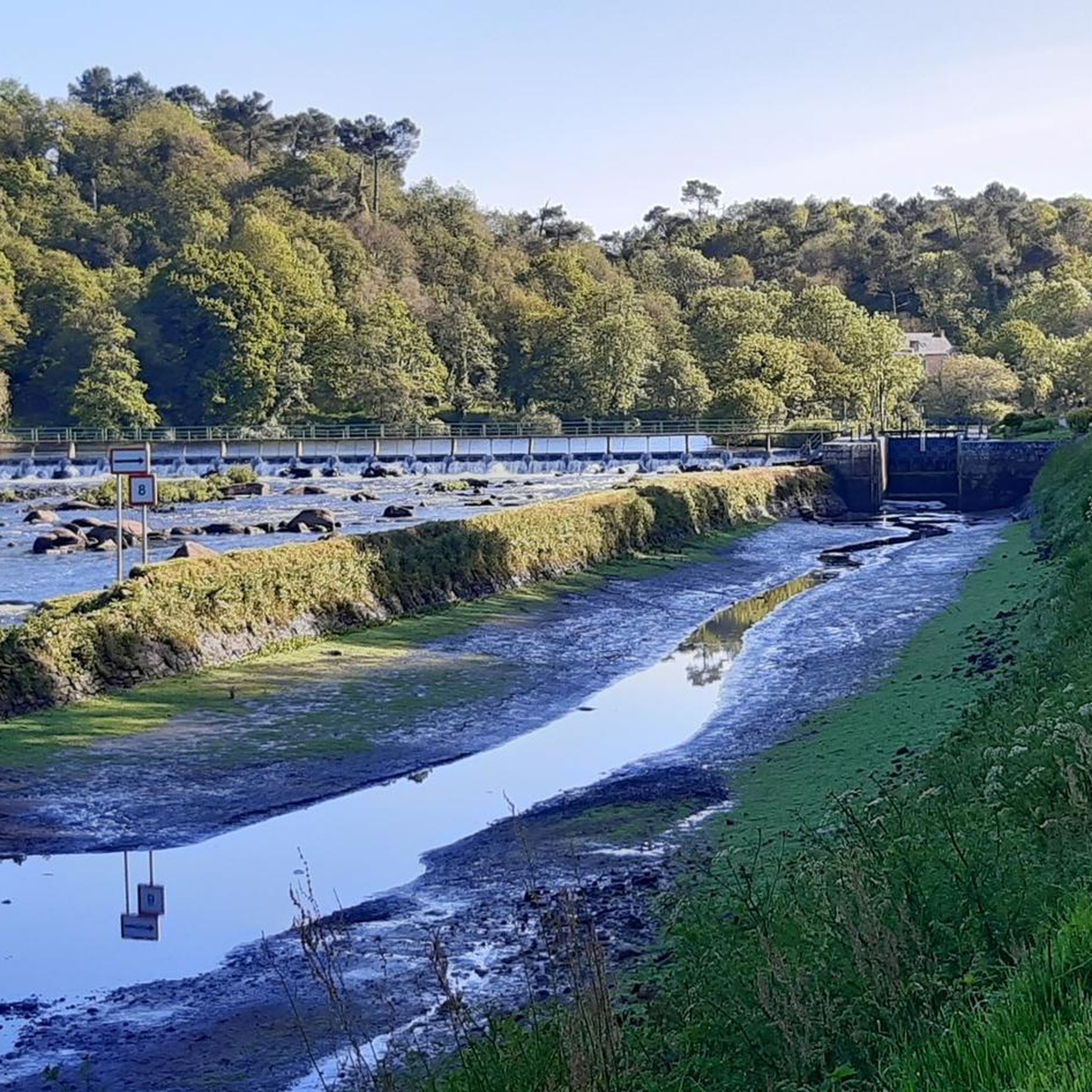
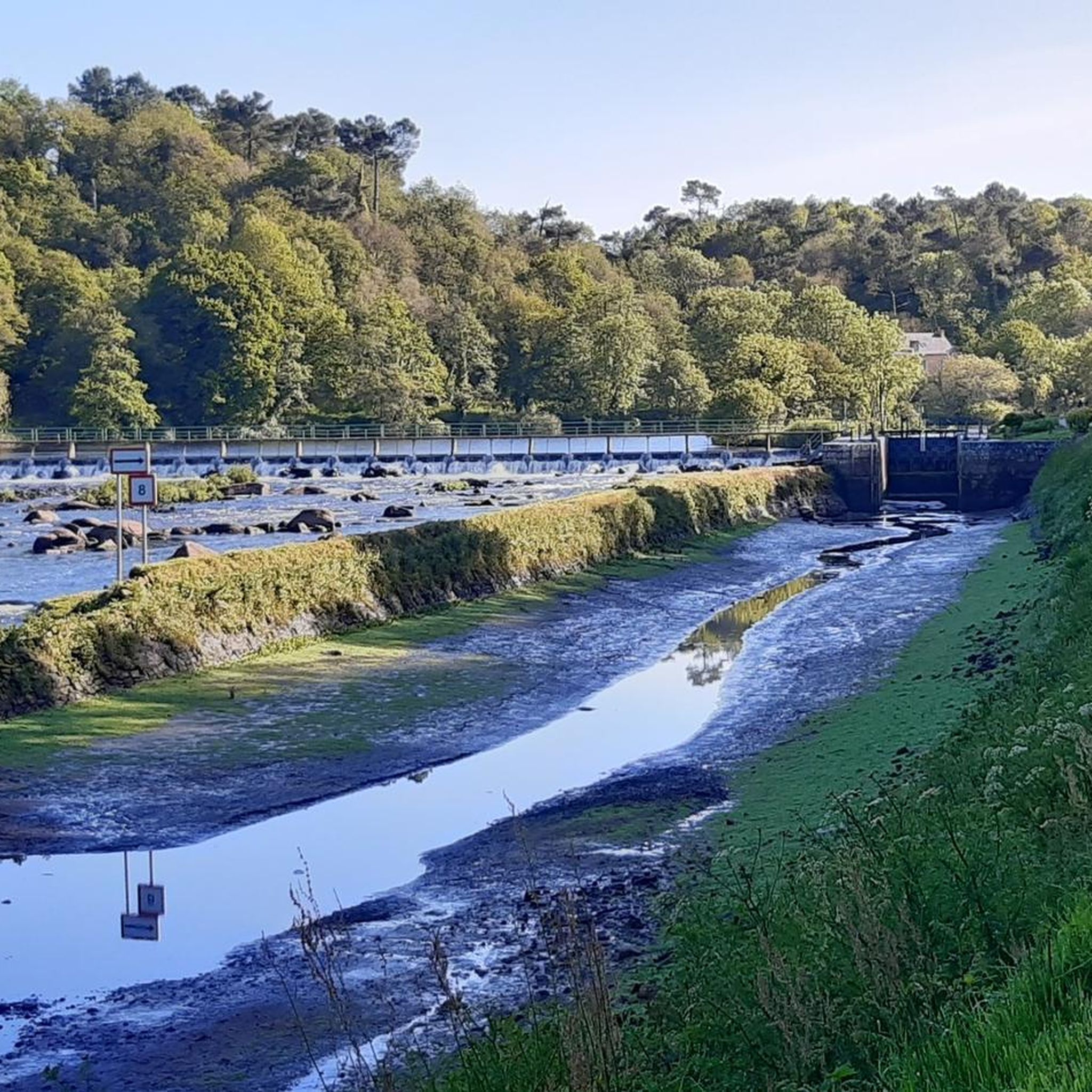
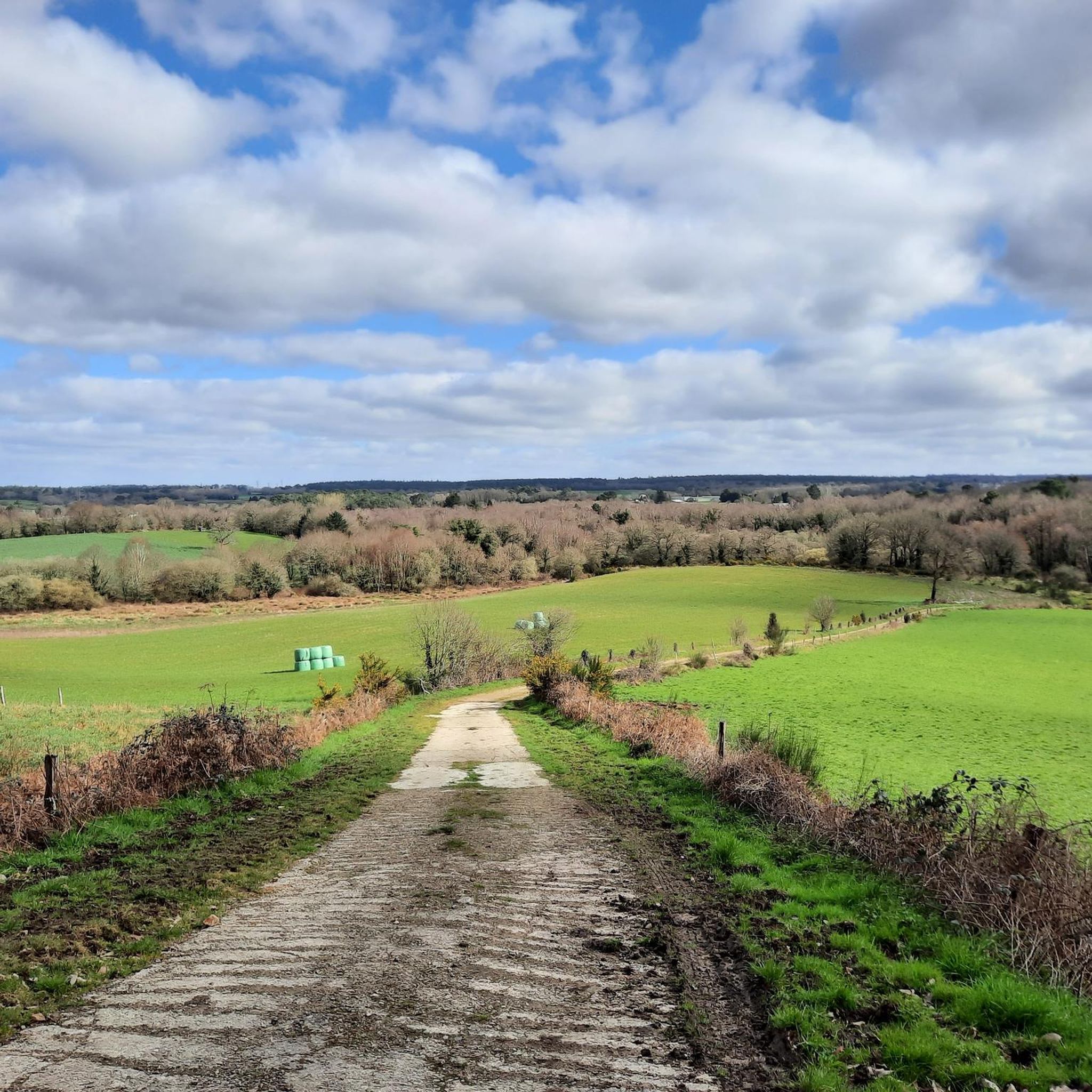
- The most popular attractions is Chemin de halage, a trail that offers an idyllic segment along the wooded park of the Haras National. This path allows visitors to join the Nantes to Brest canal.
- Another must-see spot is Haras National d'Hennebont, a historical site. Visitors can explore this stud farm, known for its role in developing the Breton breed of draft horses, through self-guided or guided tours, and attend equestrian shows.
- Visitors also love Chapelle Sainte-Anne des Bois, a man-made monument. This chapel, built in 1865, is located on the edge of the Château de Pont-Calleck park and features a rosette-shaped stained-glass window and a granite balcony.
- Plouay is known for its historical monuments, natural river valleys, and extensive hiking trails. The area offers a variety of attractions to see and explore, from ancient archaeological sites to modern recreational paths.
- The attractions around Plouay are appreciated by the komoot community, with 12 upvotes and 8 photos shared by visitors.
Last updated: June 23, 2026
Chapelle Sainte-Anne des Bois
Highlight • Monument
Translated by Google •
Tip by

Haras National d'Hennebont
Highlight • Historical Site
Its rich built heritage, made up of no fewer than 32 buildings, makes it such a remarkable site that it is co-managed by the architect of the buildings of France.
It is now possible to visit it from the beginning of April to the end of December, on a self-guided or guided tour. If you feel like it, you can also attend high-flying equestrian shows.
Translated by Google •
Tip by

Sign up now to discover places like this
Get recommendations on the best single tracks, peaks, & plenty of other exciting outdoor places.
Sign up for free
Hennebont
Highlight • Other
Translated by Google •
Tip by

Chemin de halage
Highlight • Trail
The Blavet canal allows you to join the Nantes to Brest canal, which crosses Brittany from East to West.
Translated by Google •
Tip by

Blavet Riverbanks
Highlight (Segment) • Other
Translated by Google •
Tip by

Sign up for free to discover even more attractions around Plouay.
Sign up for free
Already have an account?
Start today with a free account
Your next adventure awaits.
Login or Signup

Tips from the Community

Built in 1865 by the Countess of Cossé-Brissac, this chapel was built in homage to Saint Anne, in accordance with the promise made at the birth of her daughter. It is distinguished by its door surmounted by a rosette-shaped stained-glass window and a steeple with a granite balcony. Modest in size, the chapel was initially reserved exclusively for the service of the lords of the manor.
0
0

Idyllic segment of the path along the wooded park of the Haras National. The small guinguette at the level of the Bergerie is a nice place to take a break. The Blavet canal allows you to join the Nantes to Brest canal, which crosses Brittany from East to West.
1
0

Saint Anna is the mother of the Blessed Mother Mary, who is not attested in the biblical texts, i.e. the grandmother of Jesus Christ. However, it is mentioned in apocryphal (i.e. not included in the canon of the Bible) writings, for example in the so-called “Protoevangelium of James”. There is no historically reliable information about Anna's life, but there are numerous traditional stories, which are summarized, for example, in the medieval "Legenda Aurea" by the Dominican monk Jacobus de Voragine. Among other things, she is the patroness of the St. Anna Church in Düren (North Rhine-Westphalia, Germany), where a piece of her skull has been kept as a relic since the beginning of the 16th century. In the church calendar, Saint Anna's memorial day - together with her husband Joachim - is on July 26th.
1
0

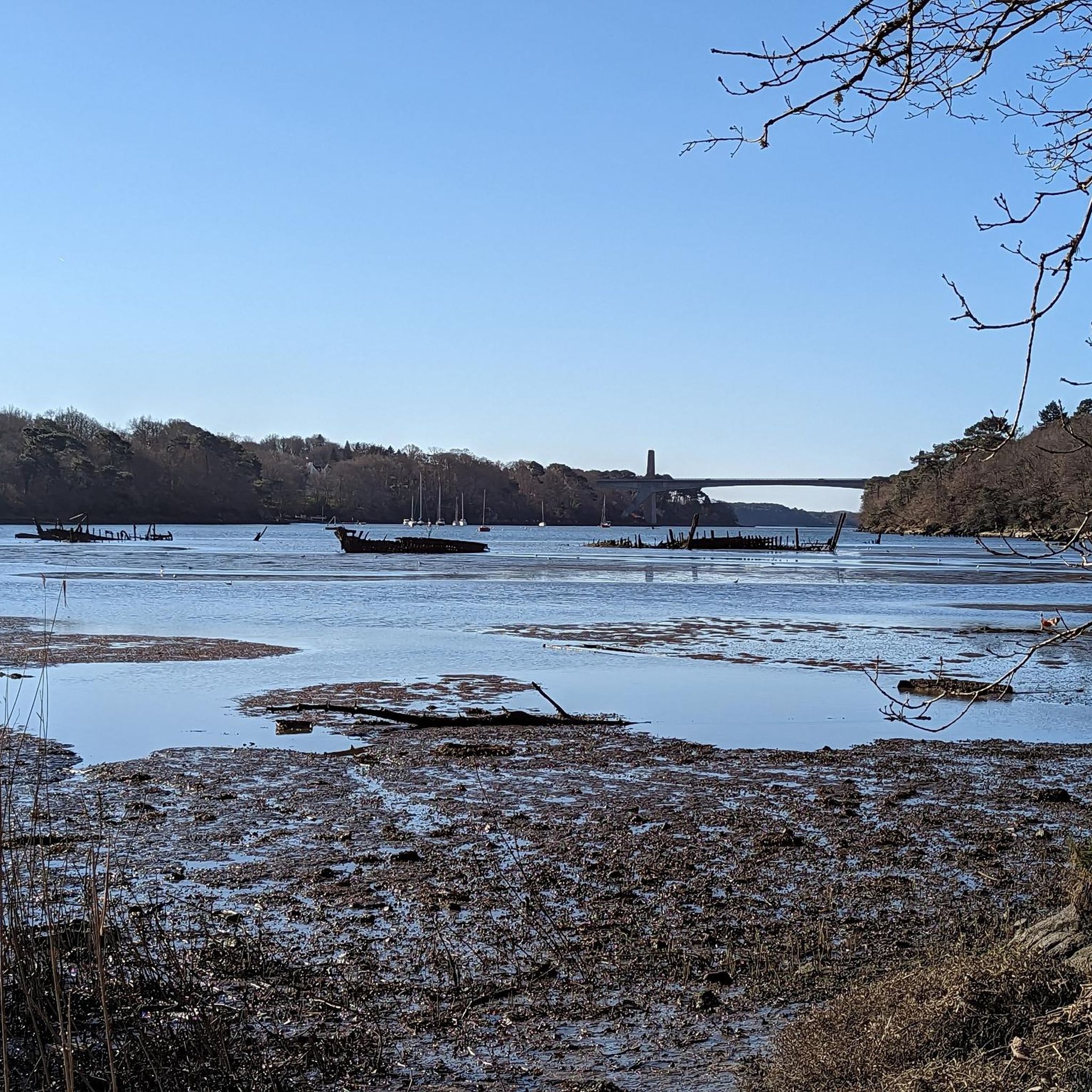
The V8 greenway (Saint-Brieuc-Lorient) runs along the Blavet river for more than 100km, from the banks of Guerlédan to Hennebont. Between Saint-Aignan and Pontivy, it is shared with La Vélodyssée. The towpath which runs along the Blavet was laid out at the beginning of the 19th century and is lined with castles, fortifications and religious monuments, as well as flora and fauna. very rich.
0
0

A beautiful chapel on the edge of the park of the Château de Pont-Calleck. It was built in 1865 by a countess on the occasion of the birth of her daughter.
2
0

Listed as a historical monument and over 160 years old, this stud farm is known for having developed and housed the Breton breed, the region's emblematic draft horses. While thoroughbreds are still boarders at the establishment, over the decades the stud farm's activity has turned towards equestrian sports, then towards tourism. Its rich built heritage, made up of no fewer than 32 buildings, makes it such a remarkable site that it is co-managed by the architect of the buildings of France. It is now possible to visit it from the beginning of April to the end of December, on a self-guided or guided tour. If you feel like it, you can also attend high-flying equestrian shows.
0
0

The town of Hennebont is located on the edge of the coastal river Blavet and has a very nice network of cycle paths. Its city center is pleasant. The Haras National d'Hennebont has been an integral part of the city's history for over 160 years. It is a historic and prestigious place, recognized as one of the cradles of the imposing Breton draft horses. It can be visited and often presents many equestrian shows. For more information visit this website: https://www.haras-hennebont.fr/fr
3
0
Frequently Asked Questions
What historical sites can I visit near Plouay?
The region around Plouay is rich in history. You can explore the Haras National d'Hennebont, a historical stud farm known for its Breton draft horses, offering tours and equestrian shows. Another significant site is the Domaine de Manehouarn, featuring a park, castle, and bicycle museum. Plouay also boasts numerous archaeological sites, some dating back to the Bronze Age, found in areas like Malachap and Kergussec.
Are there any notable religious sites in the Plouay area?
Yes, Plouay and its surroundings are home to several beautiful chapels. The Chapelle Sainte-Anne des Bois, built in 1865, is located on the edge of the Château de Pont-Calleck park. Other significant religious monuments include the 15th-century Chapel Notre-Dame-des-Fleurs, known for its impressive size, and the Chapel of Locmaria.
What natural landscapes can I explore around Plouay?
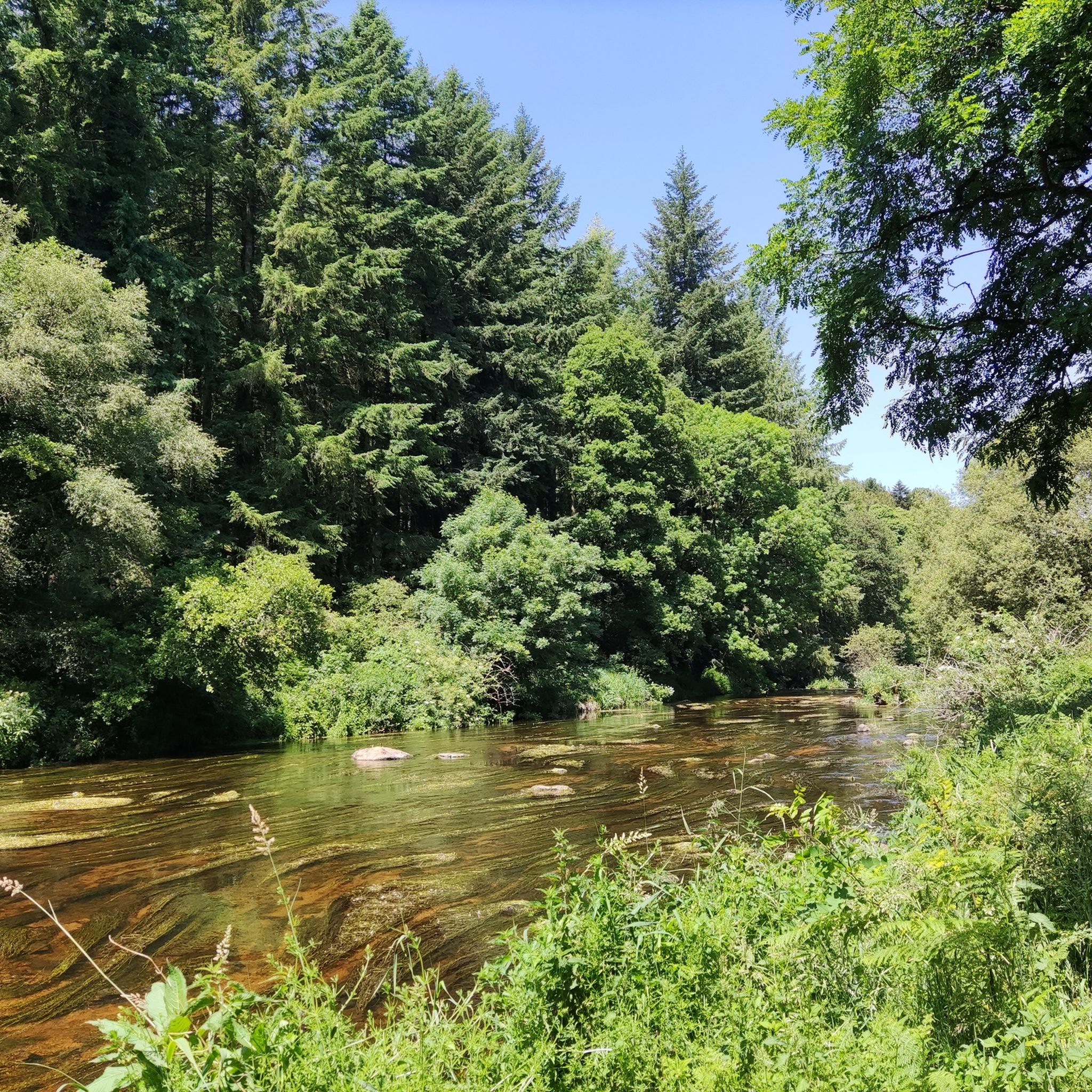
Plouay offers diverse natural beauty. The Scorff River forms the western border of the commune, with approximately 300 kilometers of hiking trails traversing its valley. You can also enjoy the Blavet Riverbanks, where the V8 greenway follows a historic towpath rich in flora and fauna. The Forêt de Pontcallec, a state-managed forest spanning 543 hectares, provides extensive opportunities for nature walks.
Are there opportunities for hiking near Plouay?
Absolutely! Plouay is a paradise for hikers, with nearly 300 kilometers of marked trails. You can find routes through the Scorff valley or explore trails like 'Along the Scorff' or 'Le moulin de Coet Cren'. For more detailed routes and options, check out the Hiking around Plouay guide.
What cycling routes are available around Plouay?
Cyclists can enjoy the scenic Chemin de halage along the Blavet River, which is part of the V8 greenway. This towpath offers an idyllic route for cycling, connecting to the Nantes to Brest canal. For those interested in off-road adventures, there are also gravel biking routes available, such as 'Scorff River at Pont-Scorff – Bois de Ronquedo loop'. More options can be found in the Gravel biking around Plouay guide.
Are there specific trails for running in the area?
Yes, Plouay offers several running trails, particularly around the Domaine de Manehouarn. Popular routes include 'Running in Menewouarn – Manéhouarn Pond loop' and 'Château de Manéhouarn loop'. These trails vary in distance and difficulty, providing options for different fitness levels. You can discover more routes in the Running Trails around Plouay guide.
Are there family-friendly attractions or activities in Plouay?
Families will find several engaging options. The Haras National d'Hennebont offers tours and equestrian shows that are often a hit with children. Nearby, Les Terres de Nataé in Pont-Scorff and Chez Dame Nature in Meslan are animal parks dedicated to species preservation. Plouay also has a skate park and several children's playgrounds.
What is the best time of year to visit Plouay's attractions?
The best time to visit Plouay's attractions, especially for outdoor activities like hiking and cycling, is generally from spring to early autumn (April to October). During these months, the weather is typically mild and pleasant, making it ideal for exploring the natural landscapes and historical sites. Equestrian shows at the Haras National d'Hennebont run from April to December.
Are there dog-friendly walking options around Plouay?
Many of the natural trails and pathways around Plouay are suitable for walks with dogs. The extensive network of hiking trails through the Scorff valley and the Blavet Riverbanks towpath are excellent choices for dog-friendly excursions, allowing you to enjoy the outdoors with your canine companion.
What do visitors particularly enjoy about the attractions near Plouay?
Visitors to Plouay appreciate the blend of historical significance and natural beauty. The idyllic segments of paths like the Chemin de halage along the wooded park of the Haras National are highly enjoyed. The historical depth of sites like the Haras National d'Hennebont and the charm of chapels like Chapelle Sainte-Anne des Bois also receive positive feedback, contributing to the region's appeal.
Can I learn about the local heritage and traditions in Plouay?
Yes, you can delve into the local heritage. The Haras National d'Hennebont is a key site for understanding the region's equestrian traditions and the Breton breed of draft horses. Additionally, the Poul-Fetan Village, located nearby, offers a cultural and historical experience, showcasing traditional Breton life.
Are there any unique or 'hidden gem' attractions worth discovering in Plouay?
Beyond the well-known sites, Plouay holds some unique discoveries. The Domaine de Manehouarn, with its park, castle, and bicycle museum, offers a quieter historical experience. The region's 62 identified archaeological sites, including ancient tumuli and Gallo-Roman remains, provide a glimpse into a much older past for those interested in deeper exploration.

Get inspired with the komoot mobile app


Explore more
Still not found the Highlight you’re looking for? See guides of the top attractions in other regions:
