Top 5 Castles around Bassac
Best castles around Bassac, France, are situated in the Charente department, a region known for its historical châteaux. The area features a blend of historical sites, including medieval fortresses and Renaissance architecture, often nestled in the Charente valley or on rocky promontories. This region offers a diverse historical landscape, with castles reflecting centuries of architectural evolution and regional significance.
Best castles around Bassac
- The most popular castles is Bourg-Charente Castle, a castle that is a 17th-century mansion incorporating remains…
Last updated: June 24, 2026
Bourg-Charente Castle
Highlight • Castle
Acquired …
Translated by Google •
Tip by

Château de Bouteville
Highlight • Castle
Translated by Google •
Tip by

Sign up now to discover places like this
Get recommendations on the best single tracks, peaks, & plenty of other exciting outdoor places.
Sign up for free
Manor of Bois-Charente (Graves-Saint-Amant) – Jean Fougerat Foundation
Highlight • Historical Site
The main building has a 16th century tower and extensions dating from the 19th century.
Translated by Google •
Tip by

Château de Gondeville
Highlight • Castle
Translated by Google •
Tip by

Fontguyon Castle
Highlight • Castle
Translated by Google •
Tip by

Start today with a free account
Your next adventure awaits.
Login or Signup

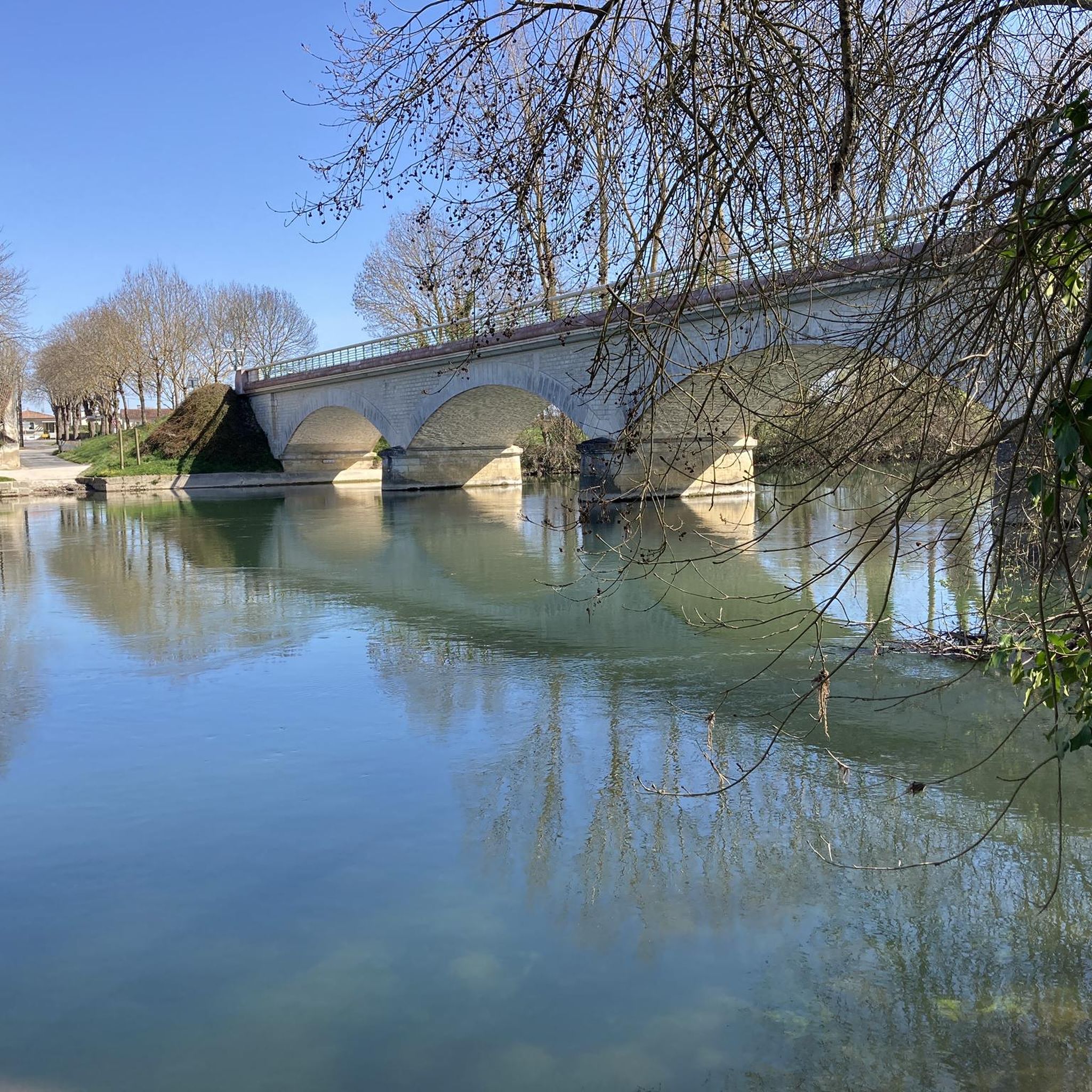
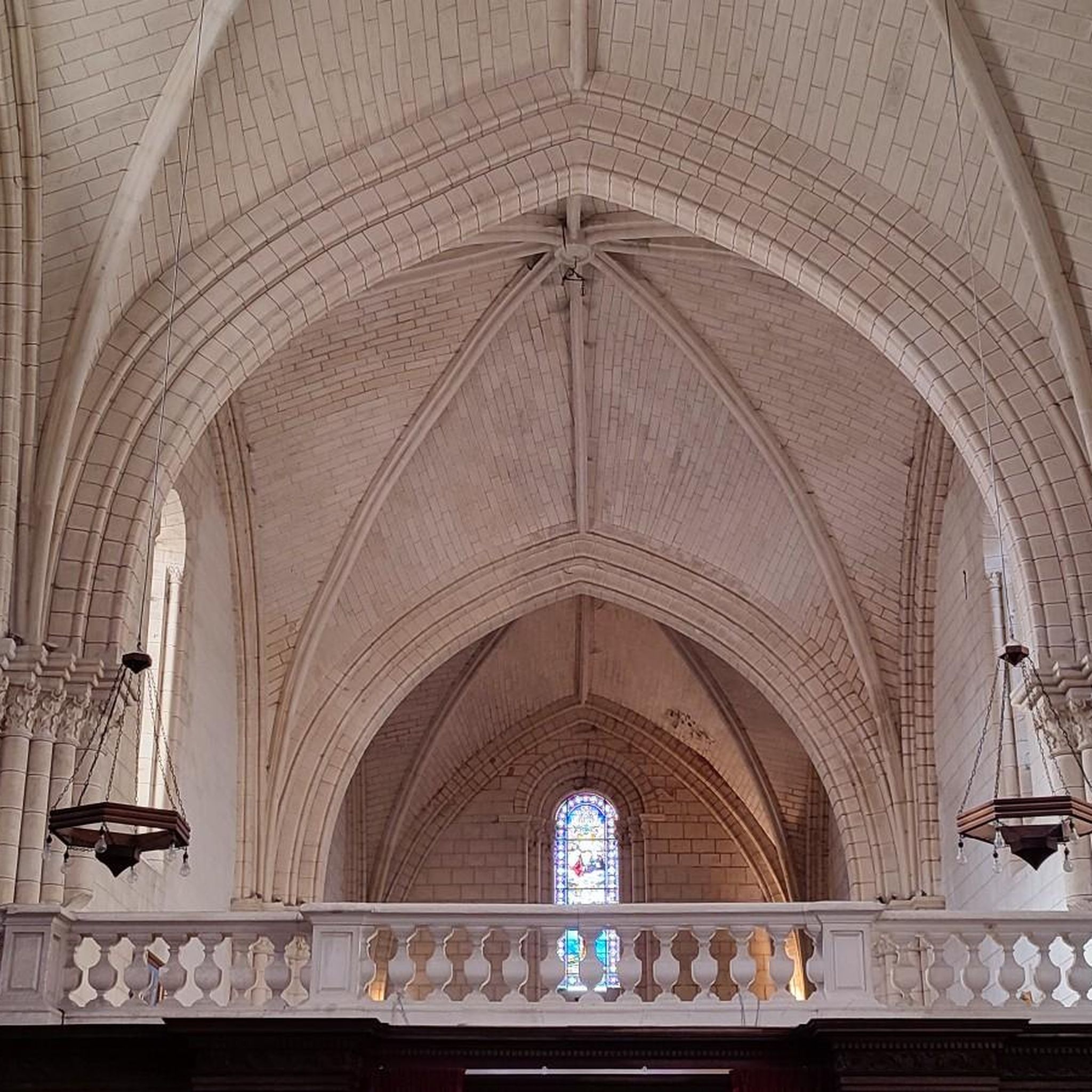
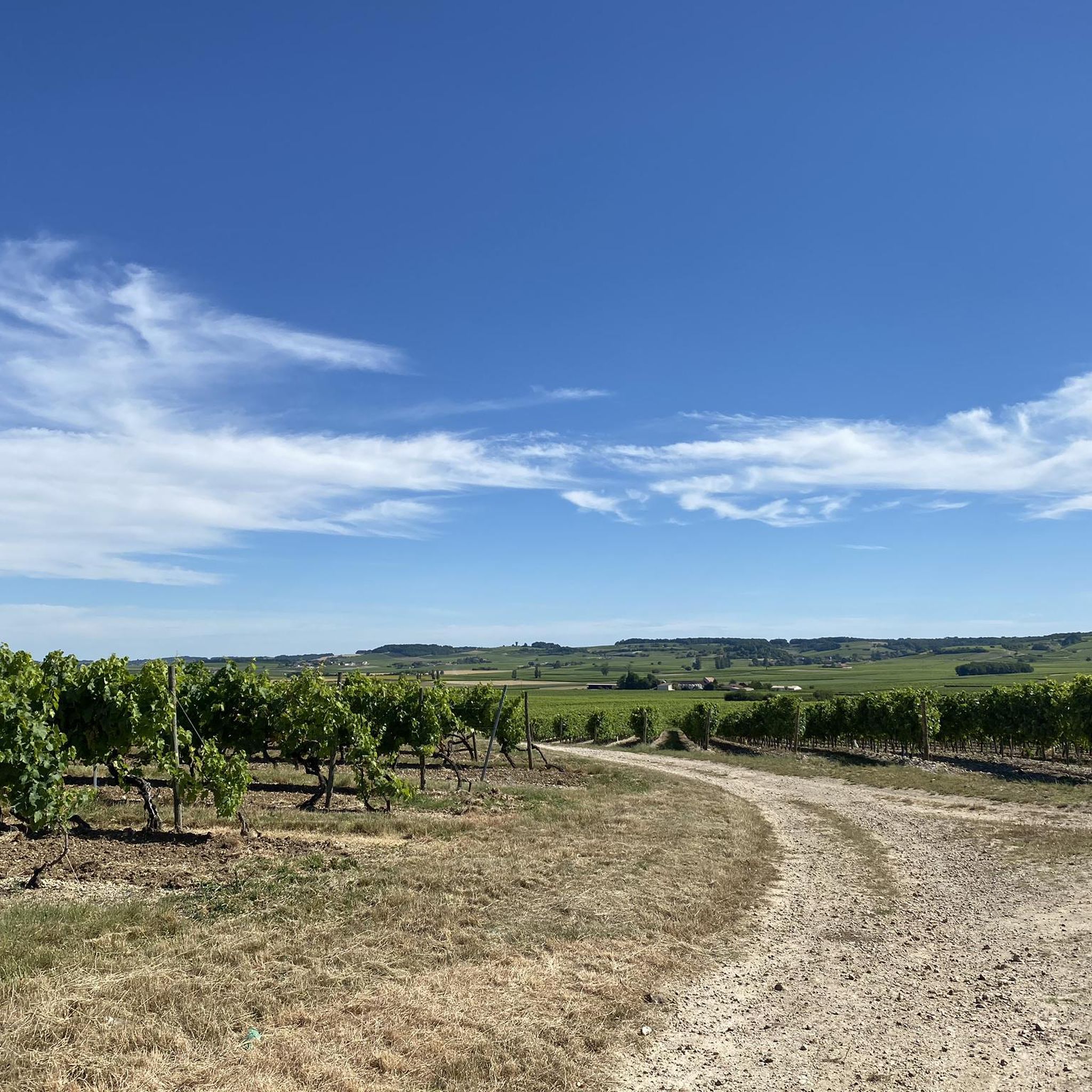
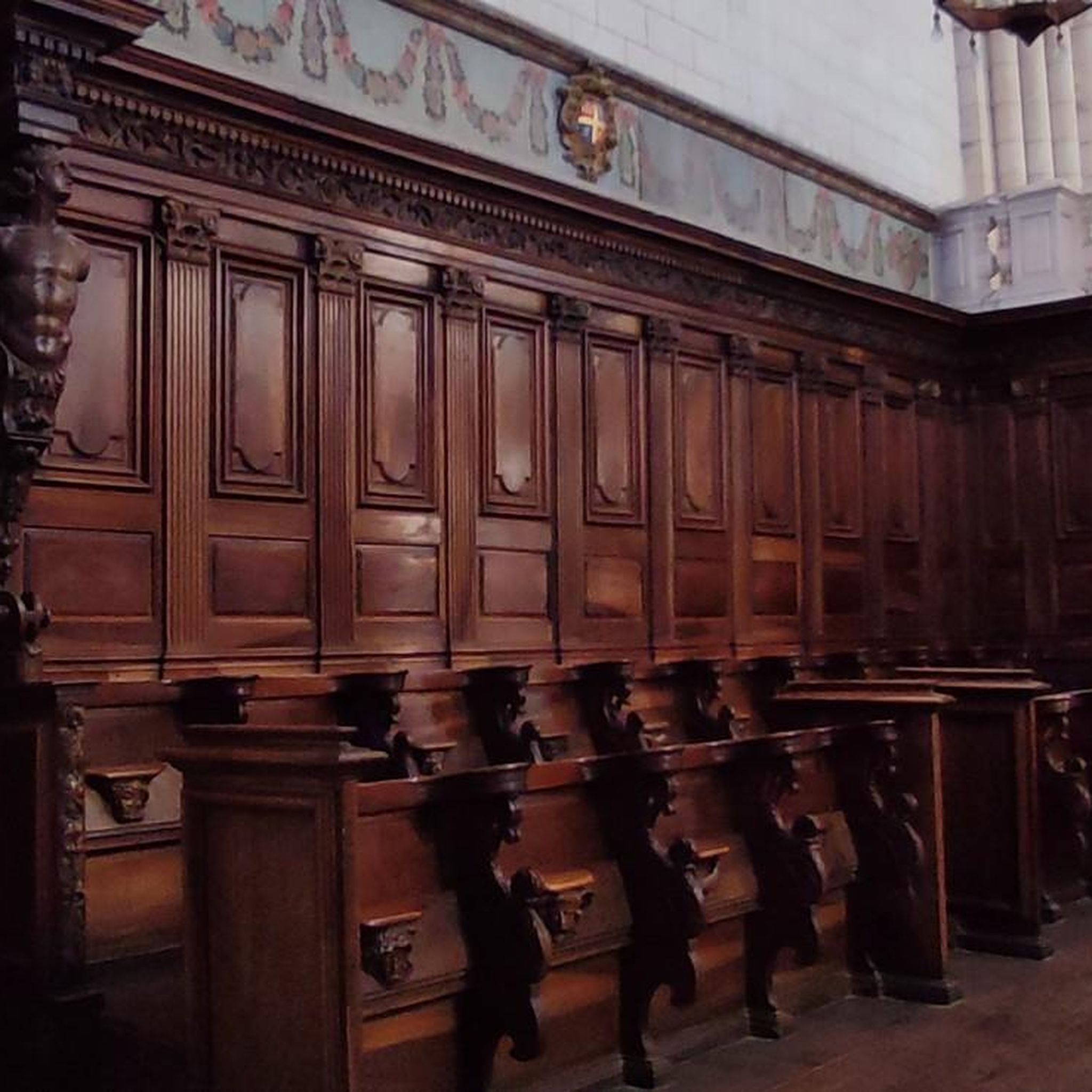

Tips from the Community

The Giraud d'Anqueville, lords of Bois-Charente, built the castle in the 16th century. The main building has a 16th century tower and extensions dating from the 19th century. In 1680, the castle passed through marriage to François Goulard, lord of La Faye, and it became the property of Jean Thioulet, gentleman of the king, at the beginning of the 18th century. Bois-Charente belonged in 1900, at the beginning of the 20th century, to Jean Fougerat known as Élie, a wealthy owner and benefactor for the development of the Cognac vineyard. The Charente pharmacist and winegrower Jean Fougerat (1863-1932) made a fortune by exploiting several pharmaceutical specialties, in particular the famous Rami syrup to treat the bronchi. This bachelor amassed a "considerable fortune", part of his income came from the exploitation of large vineyards that he had acquired around Graves-Saint-amant, his native land. Indeed, after the phylloxera, in 1897, he replanted 350 hectares of vines on his land acquired in the communes of Graves (logis de Bois Charente), Champmillon (domaine de la Chapelle), Saint-Preuil, in 1897 and Lignières-Sonneville between 1898 and 1901. In 1906, he harvested 22,000 hl of wine and produced 3,000 hl of brandy. He developed the logis de Bois Charente and enlarged its park. He planted more than 500 different species there. He set up a wine station where, with his colleagues, he prepared future plantations and improved the distillation processes. In the absence of immediate outlets, he distilled and aged the eau-de-vie and built numerous ageing cellars in Champmillon, Saint-Preuil and Bourg-Charente. When he died, Fougerat donated his estate and his Bois-Charente manor to the city of Angoulême, the universal legatee. She set up an "Institut de la viticulture charentaise" there (soon renamed the "Bureau interprofessionnel du cognac" and repatriated to Cognac in the 1980s). The Manor was active until the early 1980s, then between 2003 and 2016 it became an educational center for young people in judicial protection. The educational support was based on a high-end application restaurant, with the preparation of CAP and BEP certificates as a key. In his will, Jean Fougerat also had an imposing monument erected in Bois-Charente to the glory of Charente viticulture and cognac. Created by the sculptors R. Lamour de dieu and Émile Peyronnet, the work represents "six figures engaged in viticultural work, in bronze bas-relief; a distillery is engraved in marble". Jean Fougerat gave his name to a street in Angoulême and to his foundation, based in Graves-Saint-Amant. The latter supported the Institute of Viticultural Research in 1936, then currently supports the educational center with the CCAS.
0
0

The castle was built in the second half of the 16th century, but certain elements date from the 17th. Thus, the portal and the watchtower at the entrance both date from the 17th century.
0
0

Bourg-Charente castle is a 17th century mansion. Nestled on a rocky promontory, it is located a few kilometers from Cognac. It also houses the remains of a medieval fortress. Acquired in the 20th century, this château houses cellars for producing Grand Marnier. It can be visited from Monday to Friday from 8 a.m. to 5 p.m.
0
0

The ruins of Bouteville Castle were built around the year 1000 on the site of a Roman villa.
3
0
It is in this castle that the cognac cellars of the Marnier-Lapostolle family are located, used for the production of Grand Marnier cognac.
4
0


In 1655, Pierre Laisné, Sieur du Chardonneaux acquired the land of Gondeville from the heirs of Samuel de Lanauve. He made great efforts to have Gondeville erected into a parish, which led to many disputes with Jean de Culant, lord of Saint-Même who had a pew in the church while the lord of Gondeville did not. had not. The construction of the church in Gondeville is due to his son-in-law, Isaac Laisné de Nanclas, whose name was given to the main street. Isaac Laisné de Nanclas had a brilliant military career; First becoming lieutenant-colonel of the Sainte-Maure regiment, he was appointed, in 1690, brigadier of the king's armies. He distinguished himself in numerous campaigns and died on October 30, 1704, after having obtained the title of lieutenant-general; he was buried in the church of Gondeville. His son, Philippe Laisné de Nanclas, having died childless, left his property to his nephew, Louis Saulnier, de Pierre Levée. The Saulnier family kept Gondeville until the end of the 18th century. At the beginning of the 18th century, Philippe Laisné de Nanclas built the new castle, all the buildings surrounded a long rectangular courtyard. The castle occupies the east side. On the west side, rose a circular leak. The wrought iron entrance gate to the courtyard is surmounted by a wrought iron impost, bearing an escutcheon with the arms of the Saulnier de la Pierre Levée and Laisné de Nanclas families, flanked by two lions and surmounted by a crown. . On the cadastre of 1849, the various buildings are arranged around a large rectangular courtyard, there remains only the house to the east, part of the outbuildings to the north, a well and the gate to the south. It should be noted that the stones which would have been used to build the current castle would come from the first fortified castle which would have been built in the 10th century on an island in the Charente to block the road to the Vikings who went up the Charente. It would have been destroyed during the Hundred Years War, but still existed in the 17th century. The two remaining wings became the town hall in 1947. .
0
0

In 1262, the land of Bourg already belonged to the Ollivier family. In 1363, Sir Ollivier, Baron de Bourg, paid homage to the Prince of Wales, the remarriage of Eleanor of Aquitaine having made the castle of Bourg-Charente an English possession. It then passed to the Bragier, Gouffier, Pons de Pons families, to the Count of Miossens (lord of Pons and governor of Guyenne). The current castle was built by Pons de Pons, to replace the fortified castle destroyed by Marshal de Sancerre while trying to take it back from the English. A Le Camus de Neville was the last lord. In 1921, it was bought by the Marnier-Lapostolle family to set up its cognac cellars there, necessary for the production of Grand Marnier. Since 2012, there are also stills used for the distillation of bitter oranges used in the recipe for Grand Marnier liqueurs.
1
0
Frequently Asked Questions
What are some historically significant castles to visit near Bassac?
The Charente region offers several castles with rich histories. The Château de Bouteville, for instance, are ruins built around the year 1000 on a Roman villa site. Further afield, the Château de La Rochefoucauld is a significant Renaissance gem, and the Château de Balzac has documented history stretching back to the 11th century.
Are there any family-friendly castles in the Bassac area?
Yes, several castles in the wider Charente region are suitable for families. The Château de La Rochefoucauld is highly recommended for both parents and children, offering a full day of exploration. While not explicitly listed as 'family-friendly' in the data, the historical context and architectural interest of places like Bourg-Charente Castle or Château de Bouteville can also engage older children.
What is the best time of year to visit castles around Bassac?
The Charente region generally enjoys pleasant weather from spring through early autumn (April to October), making these months ideal for visiting castles. During this period, you'll find most sites fully open and the weather conducive to exploring both indoor and outdoor areas.
Can I combine a castle visit with outdoor activities like hiking or cycling?
Absolutely. The area around Bassac offers various outdoor routes. For running, you can explore trails like the 'Vinade-Bassac bridge – Abbaye de Bassac loop from Bassac'. Cyclists have options such as the 'Along the Charente River – Vinade-Bassac bridge loop from Mérignac' or easier routes like the 'Vibrac Bridge – Vibrac Bridge loop from Saint-Simon'. You can find more details on these and other routes in the running trails and cycling guides for Bassac.
Are there any castles near Bassac that offer unique experiences beyond historical tours?
Yes, Bourg-Charente Castle offers a unique experience as it houses the cellars where Grand Marnier is produced, blending history with a glimpse into a famous liqueur's creation. It is open for visits from Monday to Friday.
What are the accessibility options for castles near Bassac?
Accessibility can vary significantly between historical sites. Many older castles, particularly ruins like Château de Bouteville, may have uneven terrain, stairs, or limited facilities. For specific accessibility information, it's best to check directly with each castle you plan to visit.
Are there any castles that are less well-known but worth visiting in the region?
While not as widely publicized as some, Fontguyon Castle, built in the second half of the 16th century with 17th-century elements like its portal and watchtower, offers an interesting architectural perspective. The Manor of Bois-Charente also provides a glimpse into the region's viticultural history and its benefactors.
What kind of architecture can I expect to see among the castles near Bassac?
The castles around Bassac showcase a diverse range of architectural styles. You'll find medieval fortresses, such as the remains incorporated into Bourg-Charente Castle and the impressive Château de Villebois-Lavalette. There are also Renaissance gems like the Château de La Rochefoucauld, and 16th-17th century châteaux such as Fontguyon Castle.
Are there any castles near Bassac associated with famous historical figures?
Yes, the Château de Cognac (also known as Château de Valois) is famously the birthplace of King Francis I of France, adding a significant royal connection to the region's history.
What are the parking options when visiting castles in the Charente department?
Parking availability varies by location. Larger, more popular castles often have dedicated parking areas, sometimes for a fee. For smaller or more remote sites, street parking or nearby village parking might be the only options. It's advisable to check the specific castle's website or local tourist information for detailed parking guidance.
Can I bring my dog to the castles or on nearby trails?
Dog policies differ greatly. While many outdoor trails and natural areas around Bassac are dog-friendly, access to castle interiors or even their grounds can be restricted for pets. It's always best to verify the specific rules for each castle you intend to visit. For outdoor activities, ensure your dog is on a leash and you clean up after them.
Are there any castles that offer scenic views of the Charente valley?
Yes, the Château de Bouteville, situated on a rocky promontory, offers imposing views dominating the Charente valley, particularly towards Angeac below. The most spectacular view of this castle itself can be found by taking the D 152 towards Malaville.
Most popular attractions around Bassac

Get inspired with the komoot mobile app


Explore more
Looking for the best castles somewhere else? Discover other guides around Bassac:
