Attractions and Places To See around Asnières-Sur-Nouère - Top 20
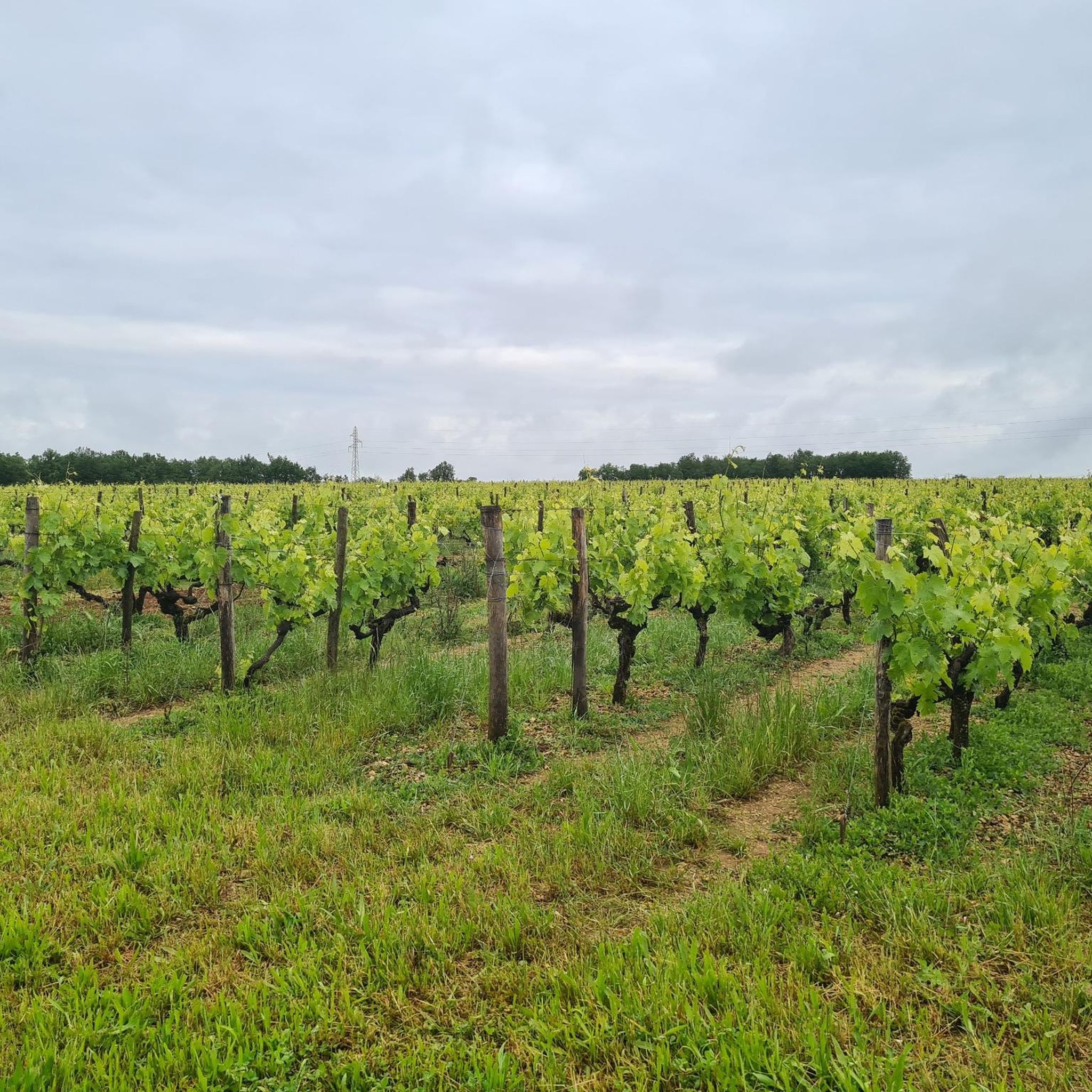
Attractions and places to see around Asnières-Sur-Nouère offer a blend of historical landmarks, natural beauty, and cultural points of interest within this rural commune in the Charente department of France. The area is characterized by fields, vineyards, and small woods, with the Nouère river traversing the commune. Visitors can explore traditional Charentais architecture and repurposed historical routes.
Best attractions and places to see around Asnières-Sur-Nouère
- The most popular attractions is View of Saint-Simeux, a settlement offering panoramic views of…
Last updated: July 7, 2026
Church of Notre-Dame de Trois-Palis
Highlight • Religious Site
Translated by Google •
Tip by

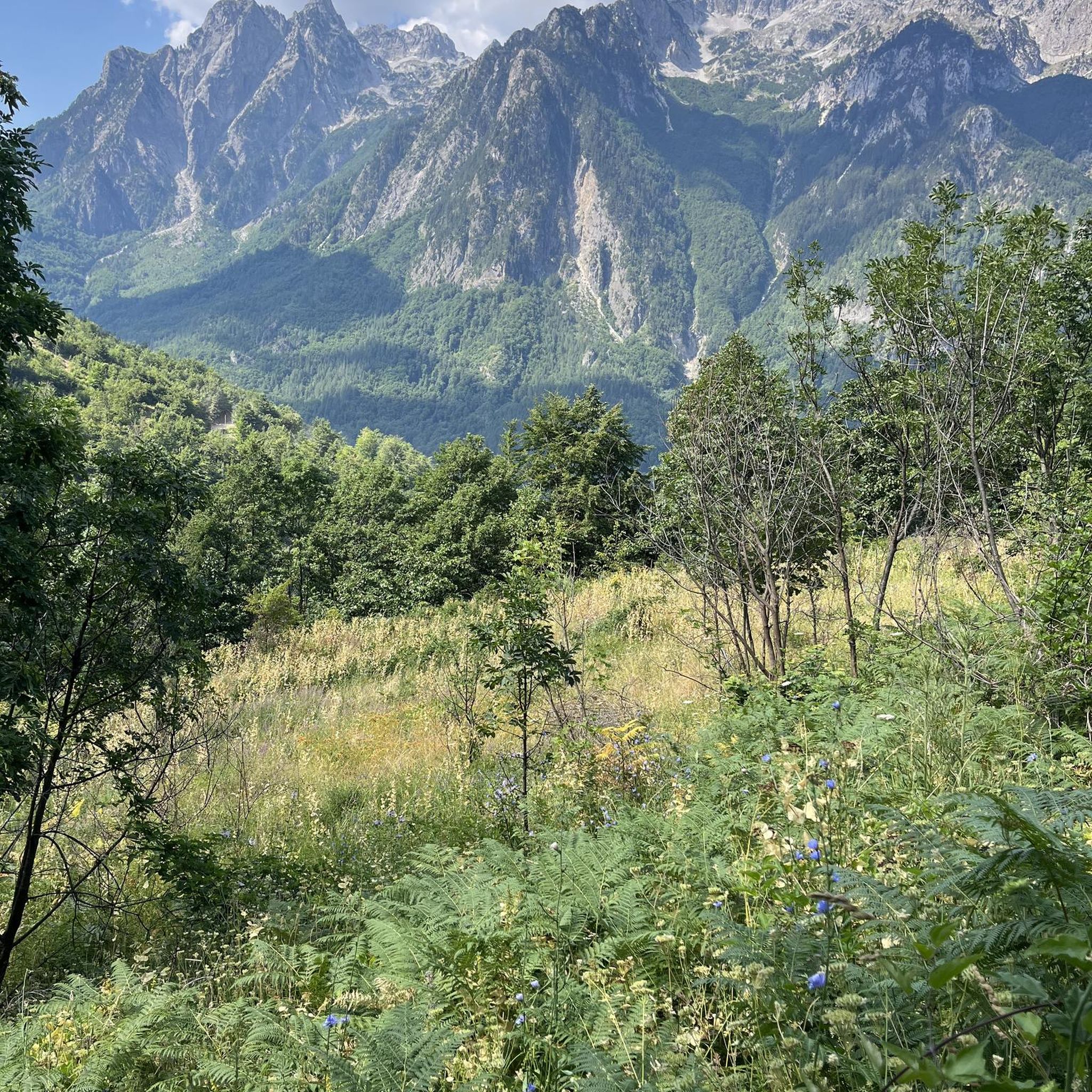
View of Saint-Simeux
Highlight • Settlement
Translated by Google •
Tip by
Sign up now to discover places like this
Get recommendations on the best single tracks, peaks, & plenty of other exciting outdoor places.
Sign up for free
Charente Riverside Path at La Meure
Highlight (Segment) • Trail
Translated by Google •
Tip by

Fleurac Islands
Highlight • Other
Translated by Google •
Tip by
Saint-Pierre d'Angoulême Cathedral
Highlight • Monument
The construction of a replacement church …
Translated by Google •
Tip by

Sign up for free to discover even more attractions around Asnières-Sur-Nouère.
Sign up for free
Already have an account?
Start today with a free account
Your next adventure awaits.
Login or Signup


Tips from the Community

Its location, near the city walls and an old city gate, corresponds to that of a primitive sanctuary, predating Christianity, probably a temple dedicated to Jupiter. A first cathedral was built during the 4th century, dedicated to Saint Saturninus. The building disappeared when Clovis captured Angoulême in 508, after he drove out the Visigoths following the victory at Vouillé in 507. Clovis and then King Charibert ordered the cathedral's reconstruction in honor of Saint Peter.[2] This second cathedral was consecrated in 566 by Saint Germain, Bishop of Paris, and Saint Euphronius, Bishop of Tours, and is mentioned in Gregory of Tours' History of the Franks.[Note 1] It was burned down, probably by the Normans. The third cathedral was the work of Grimoard of Mussidan, Bishop of Angoulême (991-1018). He was also Abbot of Brantôme in Périgord and used the abbey's revenues to finance its construction. Begun around 991 and consecrated in 1015, it lasted only a century, its dimensions being too small. Only the north wall remains in the second and third bays of the nave, beneath the windows.
0
0


The biblical accounts of the New Testament, which describe the events in the life of Jesus and his disciples, paint a very nuanced picture of the Apostle Peter (Saint-Pierre), to whom the church of Angoulême is dedicated: On the one hand, he is a convinced and determined disciple of Jesus, but also not free from human weakness and fear. In the Garden of Gethsemane, he falls asleep (like the other disciples) when Jesus turns to God the Father after the Last Supper and asks the disciples to pray as well; and after Jesus' arrest, Peter denies three times that he even knows him. But he also weeps over his weakness and, upon encountering the risen Christ, professes his love and loyalty to him. His real name is Simon, but Jesus gives him the name Peter (which means rock), upon which the church is to be built, and he gives him—according to the account of the Evangelist Matthew—the "keys to the kingdom of heaven."
0
0
Beautiful little town center
0
0

The parish church of Notre-Dame is Romanesque and dates from the 12th century. It has a Romanesque bell tower with two floors of arched bays and a conical spire. A dome is at the crossing and the capitals are decorated with sculptures. On the gable of the façade, bas-reliefs depict Christ between evangelical symbols. Its façade was damaged during the Revolution, and heavily restored in the 19th century10. It was classified as a historic monument on July 12, 1886 https://www.angouleme-tourisme.com/patrimoine-culturel/eglise-notre-dame-de-trois-palis/ A little history of the town of Trois Palis by following this link: http://trois-palis.fr/histoire-et-patrimoine/
0
0
Notre Dame de Trois-Palis is a small church located in the center of the town of Trois-Palis. From the Romanesque period, it was listed as a historic monument in 1886. The conical spire covered with pine cone scales that rises above the square bell tower can be seen from afar. It dominates a small Romanesque building located in the heart of the town. Its façade is divided into three floors: At the top, in the triangular gable wall, Christ in Majesty is surrounded by the tetramorph (set of four symbolic representations of the evangelists: the bull of Saint Luke; the eagle of Saint John; the lion of Saint Mark; the angel of Saint Matthew). This theme is directly inspired by the Saint-Pierre cathedral in Angoulême. The central space, between the gable and the portal, is occupied by modern high reliefs representing Christ surrounded by the Virgin and Saint John. On the ground floor, the sculpture made of foliage and animals is present on the arches of the portal. Restored in 1891 century, the small church of Notre-Dame has undergone major modifications. A semicircular apse replaced a flat chevet and the nave was vaulted. Inside, the building consists of a single nave, split into three bays. The walls of the nave are clad with large pointed arches. The south wall of the nave is pierced by three bays, while the north wall is blind. In the extension of the nave, a bay under a bell tower deserves attention. The columns arranged in this space are all endowed with a rich sculpted program that develops in the capitals. They are all historiated and represent the themes frequently deployed near the sanctuary: original sin and the fight between Good and Evil. The semicircular apse replaced a flat chevet in the 19th century. It has a cul-de-four vault. Listed as a Historic Monument in 1886. Open every day from 9 a.m. to 5:30 p.m.
1
0
Notre Dame de Trois-Palis is a small church located in the center of the town of Trois-Palis. From the Romanesque period, it was listed as a historic monument in 1886. The conical spire covered with pine cone scales that rises above the square bell tower can be seen from afar. It dominates a small Romanesque building located in the heart of the town. Its façade is divided into three floors: At the top, in the triangular gable wall, Christ in Majesty is surrounded by the tetramorph (set of four symbolic representations of the evangelists: the bull of Saint Luke; the eagle of Saint John; the lion of Saint Mark; the angel of Saint Matthew). This theme is directly inspired by the Saint-Pierre cathedral in Angoulême. The central space, between the gable and the portal, is occupied by modern high reliefs representing Christ surrounded by the Virgin and Saint John. On the ground floor, the sculpture made of foliage and animals is present on the arches of the portal. Restored in 1891 century, the small church of Notre-Dame has undergone major modifications. A semicircular apse replaced a flat chevet and the nave was vaulted. Inside, the building consists of a single nave, split into three bays. The walls of the nave are clad with large pointed arches. The south wall of the nave is pierced by three bays, while the north wall is blind. In the extension of the nave, a bay under a bell tower deserves attention. The columns arranged in this space are all endowed with a rich sculpted program that develops in the capitals. They are all historiated and represent the themes frequently deployed near the sanctuary: original sin and the fight between Good and Evil. The semicircular apse replaced a flat chevet in the 19th century. It has a cul-de-four vault. Listed as a Historic Monument in 1886. Open every day from 9 a.m. to 5:30 p.m.
0
0
Frequently Asked Questions
What historical landmarks can I explore within Asnières-Sur-Nouère?
Within the village, you can visit the Romanesque Saint-Martin Church, the traditional Lavoir du Bourg behind it, and the picturesque Pont des Troquerauds with its own washhouse over the Nouère river. Keep an eye out for traditional Charentais gateways with their distinctive arches and sculpted keystones. In the hamlet of Gouthiers, you can admire a round, 17th-century dovecote.
Are there any natural attractions or scenic spots near Asnières-Sur-Nouère?
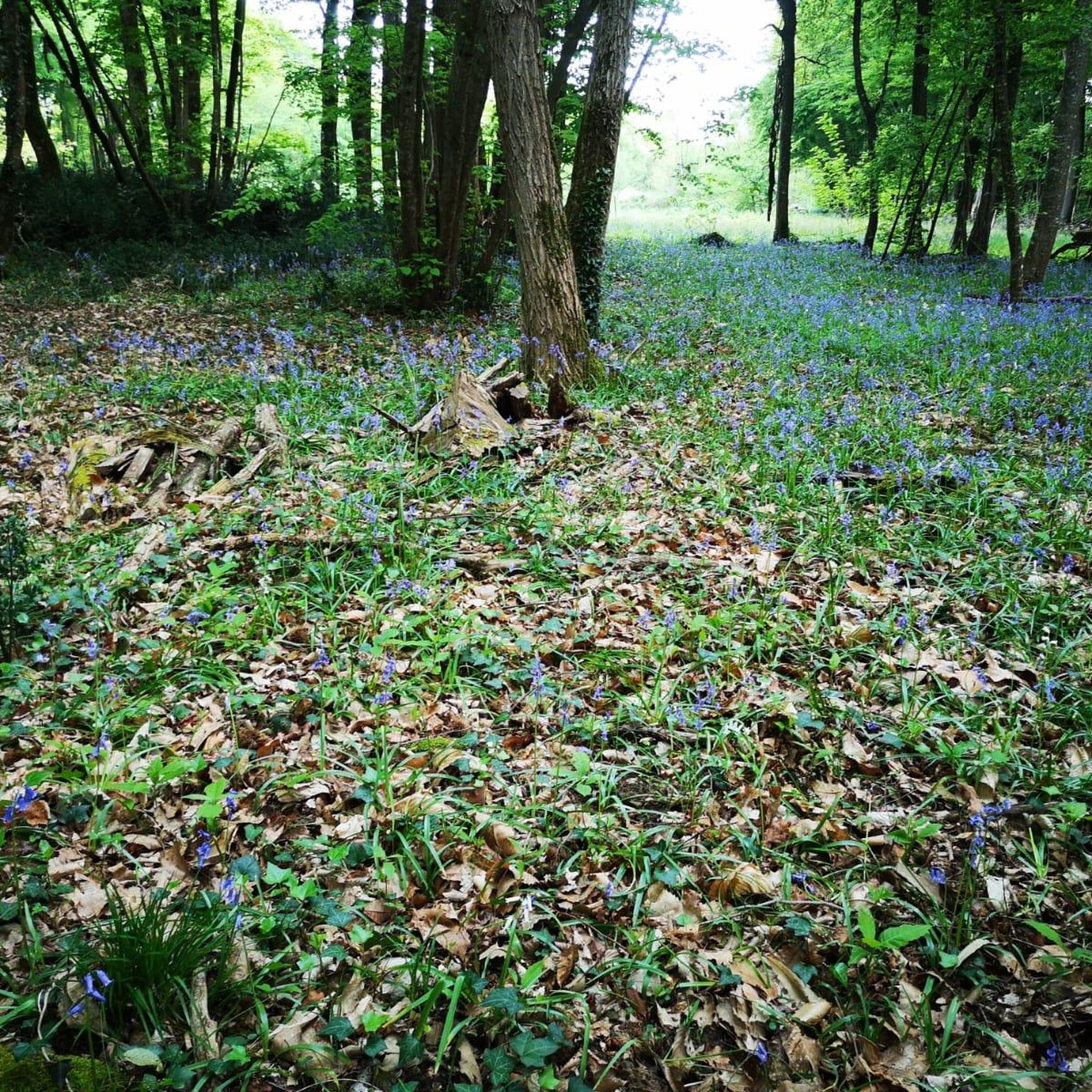
Yes, the region offers several natural highlights. You can enjoy the tranquil Charente Riverside Path at La Meure, which is ideal for pedestrians and cyclists. The Fleurac Islands, connected by wooden walkways, provide shaded areas perfect for breaks and family picnics. The commune is also traversed by the Nouère river, and the area is characterized by fields, vineyards, and small woods.
What outdoor activities are available around Asnières-Sur-Nouère?
The area is excellent for various outdoor activities. You can explore the repurposed Old Railway Line (P'tit Rouillat), which is now a greenway connecting Asnières towards Rouillac. For more structured routes, consider hiking trails like the 'Circuit of the Flowers of the Charente' or 'Fleurac Islands – Fléac loop'. You can find more details on these and other routes on the Hiking around Asnières-Sur-Nouère guide.
Are there family-friendly attractions or activities in the area?
Absolutely! The Fleurac Islands are a popular spot for families, offering easy cycling from Angoulême and a refreshment bar during the season. The greenway along the old railway line is also suitable for family walks and bike rides. Many of the historical churches, such as the Church of Notre-Dame de Trois-Palis and Saint-Pierre d'Angoulême Cathedral, are also considered family-friendly for visits.
What are some notable historical churches to visit near Asnières-Sur-Nouère?
Beyond the local Saint-Martin Church, you can visit the 12th-century Romanesque Church of Notre-Dame de Trois-Palis, known for its conical spire and historical monument status. Just 9 km away, the impressive Saint-Pierre d'Angoulême Cathedral boasts intricate Romanesque architecture and over 70 sculptures on its facade. The Eglise de Saint Michel in Saint-Michel is another nearby church of historical note.
Where can I find the best panoramic views in the region?
For stunning panoramic views, head to View of Saint-Simeux. This settlement offers excellent vantage points, especially in the early morning light, where you can see the village church dominating the landscape. Many visitors recommend positioning yourself on the left bank of the Charente river for the best perspective.
Are there cycling routes suitable for gravel biking around Asnières-Sur-Nouère?
Yes, the region offers several gravel biking opportunities. Routes like 'Along the Charente River – Vinade-Bassac bridge loop' and 'Greenway – Fleurac Islands loop' provide scenic rides. You can explore more options and detailed routes on the Gravel biking around Asnières-Sur-Nouère guide.
What are some interesting towns or villages to visit nearby?
Angoulême, about 9 km away, is a larger town with historic monuments and a daily market. Jarnac (18 km) offers a charming old town and riverside walks, along with a market. Cognac (29 km), famous for its spirit, features an extensive old town, pleasant riverside walks, and markets on Tuesdays and Fridays. Saint-Simon (12 km) is also great for a stroll along the river.
Are there any castles or grand estates to visit in the vicinity?
While the Logis de Nouère within Asnières-Sur-Nouère is a private property, you can visit the impressive Château de La Rochefoucauld, located about 26 km away. It is considered the most important castle in Charente. Another site of natural beauty is the Château de Richemont, approximately 32 km from Asnières-Sur-Nouère.
What do visitors particularly enjoy about the attractions near Asnières-Sur-Nouère?
Visitors frequently praise the tranquil atmosphere of the riverside paths and islands, the historical significance and architectural beauty of the Romanesque churches, and the scenic views, especially from spots like View of Saint-Simeux. The ease of access to green spaces and family-friendly cycling routes, such as those around the Fleurac Islands, are also highly appreciated.
Are there running trails available near Asnières-Sur-Nouère?
Yes, there are several running trails in the vicinity. You can find routes like the 'Running loop from Saint-Saturnin' or 'Baignade de Marsac loop'. For a comprehensive list and details, refer to the Running Trails around Asnières-Sur-Nouère guide.
Most popular routes around Asnières-Sur-Nouère

Get inspired with the komoot mobile app


Explore more
Still not found the Highlight you’re looking for? See guides of the top attractions in other regions:
