The best cycling routes around Carspach
4.5
(594)
4,623
riders
14
rides
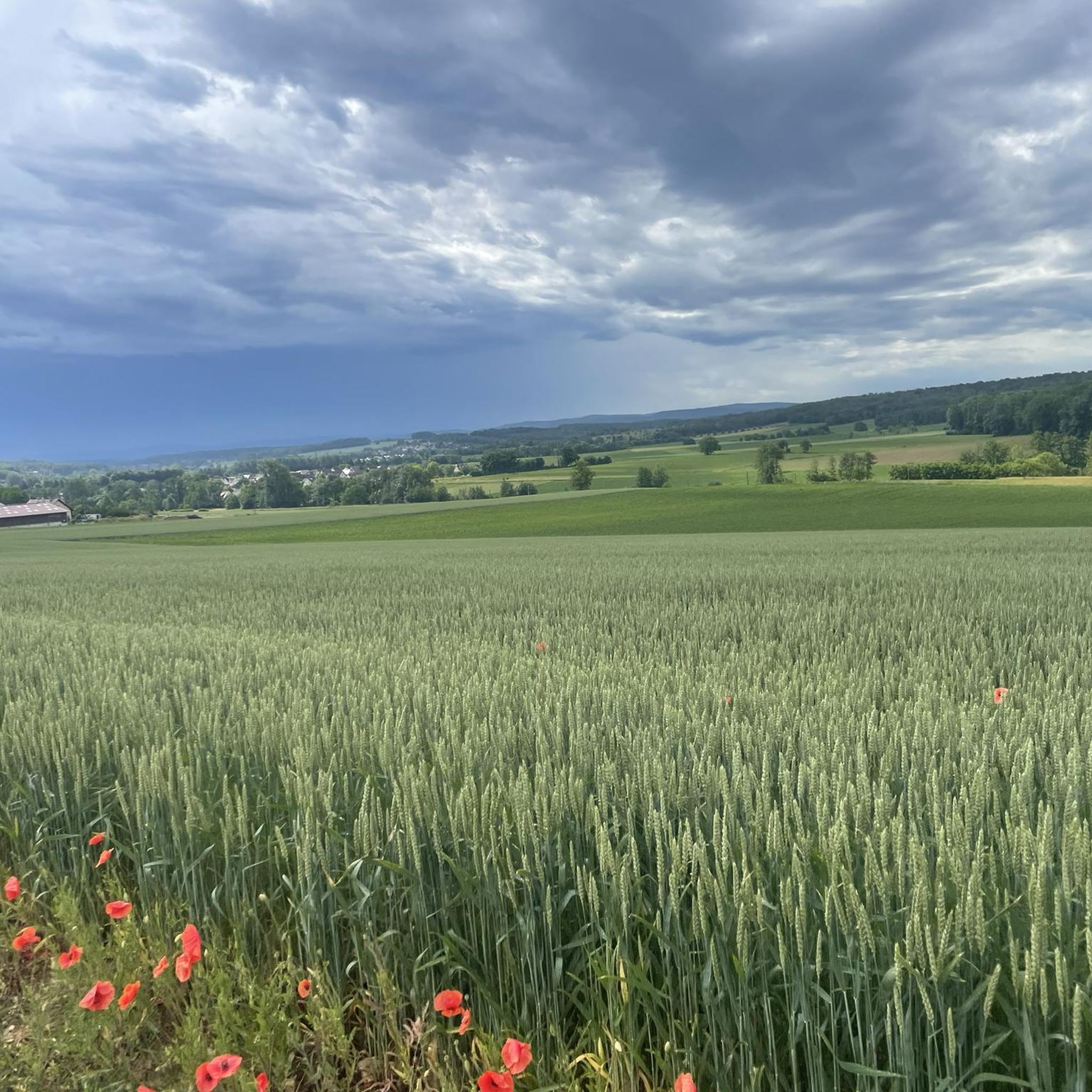
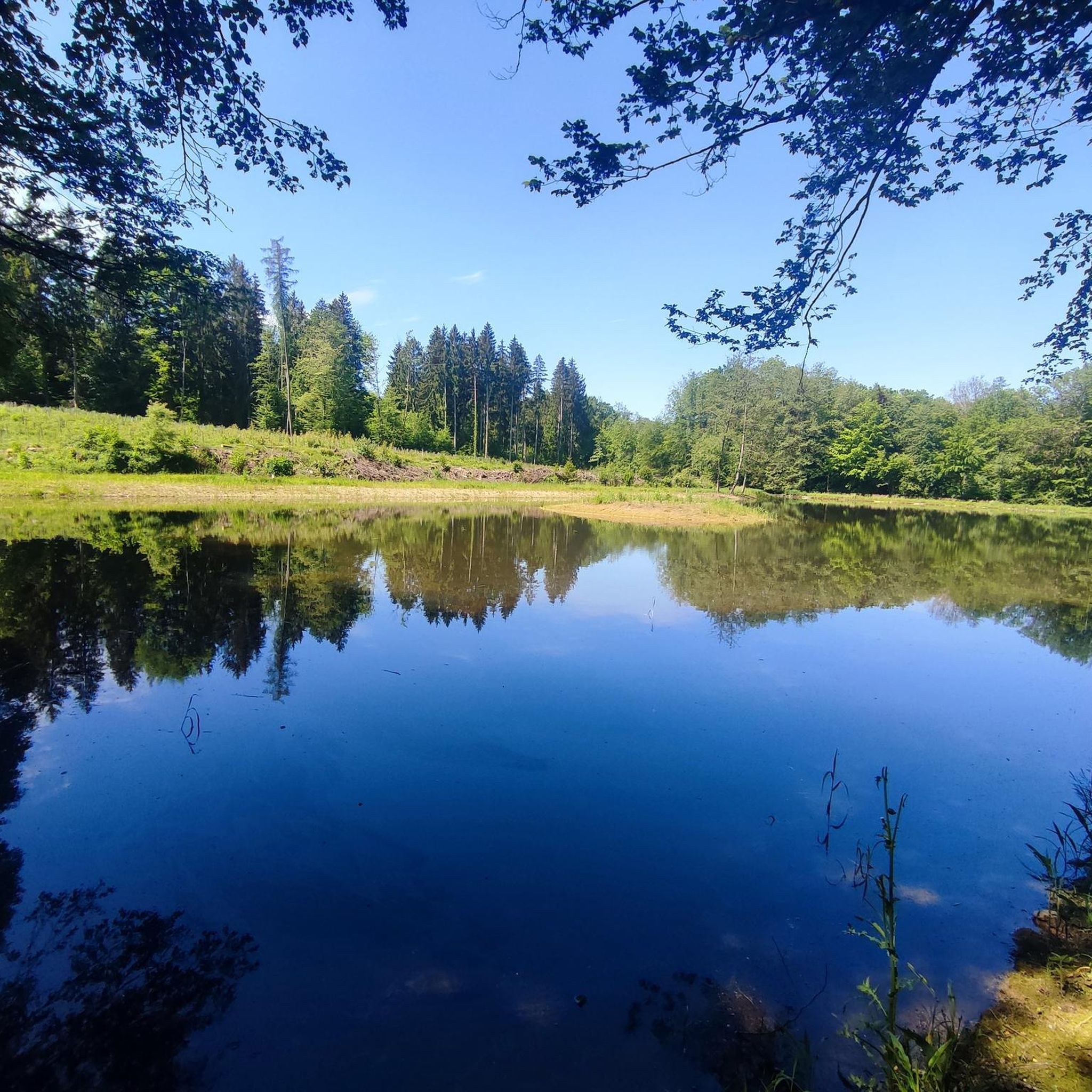
Touring cycling around Carspach, located in the Sundgau region of Alsace, France, offers diverse landscapes for exploration. The area features rolling agricultural lands, pastures, and forests such as Forêt du Markrube and Forêt de Carspach. Cyclists can experience panoramic views of the Vosges mountains and encounter natural features like the Étangs Nérac ponds. The terrain varies from well-paved, easy routes to more challenging paths with ascents.
Best touring cycling routes around Carspach
- The most popular touring cycling route is Heidwiller lock – Illfurth lock loop from Carspach, a moderate 16.4 miles (26.4 km) trail that takes 1 hour 35 minutes to complete, featuring canal locks and rural landscapes.
- Another top favourite among local touring cyclists is Füllhorn Pond – Bench With View of the River loop from Carspach, a difficult 24.7 miles (39.8 km) path, offering views of ponds and the river.
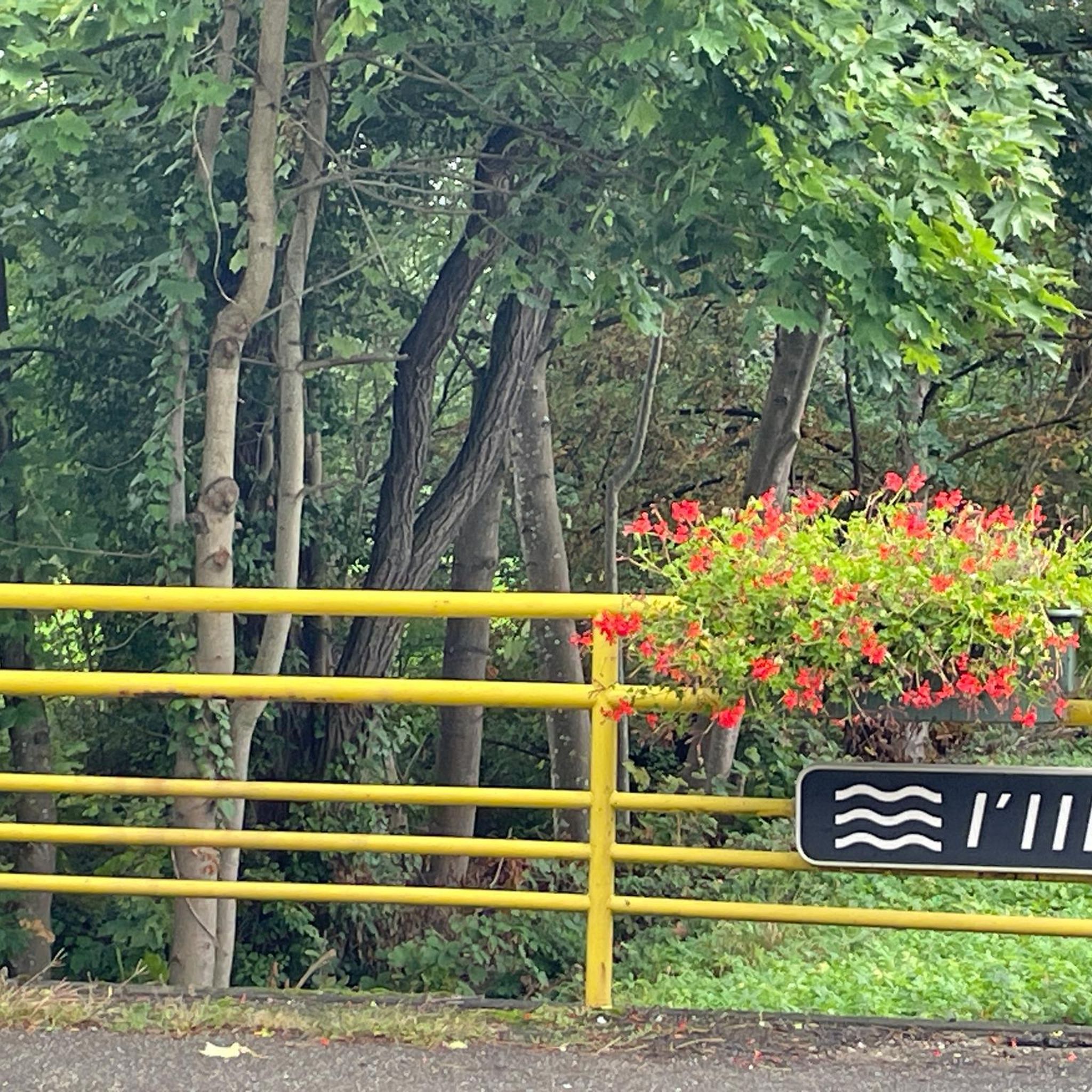
- Local touring cyclists also love the Former Hirtzbach station – The Ill in Hirsingue loop from Carspach, a 6.5 miles (10.5 km) trail leading through the Ill river valley near Hirsingue, often completed in about 37 minutes.
- Touring cycling around Carspach is defined by rolling agricultural landscapes, views of the Vosges mountains, and tranquil forest paths. The network offers options for different ability levels, from easy rides to more challenging routes.
- The routes in Carspach are highly rated by the komoot community with an average score of 4.5 stars from over 380 reviews. More than 3400 touring cyclists have used komoot to explore Carspach's varied terrain.
Last updated: October 14, 2026
3.3
(3)
29
riders
26.4km
01:36
170m
170m
Moderate bike ride. Good fitness required. Mostly paved surfaces. Suitable for all skill levels.
20
riders
39.8km
03:37
560m
560m
Hard bike ride. Very good fitness required. Mostly paved surfaces. Suitable for all skill levels.

4.5
(2)
17
riders
41.6km
03:39
710m
710m
Hard bike ride. Very good fitness required. Mostly paved surfaces. Suitable for all skill levels.
5.0
(1)
14
riders
38.9km
03:21
380m
380m
Hard bike ride. Good fitness required. You may need to push your bike for some segments of this route.
15
riders
30.2km
02:42
350m
350m
Hard bike ride. Good fitness required. You may need to push your bike for some segments of this route.
Get access to more routes and recommendations from other explorers.
Already have an account?
Our route recommendations are based on thousands of hikes, rides, and runs completed by other people on komoot.
Start today with a free account
Your next adventure awaits.
Tips from the Community

Carspach – Front village and Kilian tunnel Carspach is located immediately west of Altkirch and became a front village during World War I. As early as September 26, 1914, German trenches ran from north to south through the municipality, while French positions were located to its west. The front remained here until the end of the war. The proximity to the combat positions made life increasingly dangerous for the civilian population. On December 15, 1915, the entire population was evacuated. The inhabitants were first taken on foot to Zillisheim and then by special trains to other parts of Alsace. They could only return after the armistice of November 11, 1918. In total, the war claimed 37 military and 10 civilian victims from Carspach. In 1922, the municipality was awarded the Croix de guerre with palm. Particularly significant is the Kilian tunnel on the Lerchenberg. The German underground shelter tunnel was built in 1915/16 directly behind the front line. The approximately 150-meter-long facility could theoretically accommodate around 500 soldiers and served as protection against French artillery fire. On March 18, 1918, the tunnel was partially buried by French artillery fire. Numerous German soldiers lost their lives in the process; 21 buried soldiers were only recovered during the archaeological excavation in 2011. The excavation made the Kilian tunnel an important archaeological testament to World War I. In addition to human remains, equipment and numerous everyday objects were found, providing an unusually detailed insight into the lives of soldiers in the underground trench system. Carspach thus connects front-line history, the civilian population, and modern war archaeology. The Kilian tunnel and the preserved fortification remnants make the former front landscape visible to this day. Particularly worth seeing: Monument Kilian tunnel and the preserved German and French fortifications.
0
0
Altkirch Altkirch is the historic capital of the Sundgau and lies on a striking rocky spur above the valley of the Ill. The town's origins date back to the Middle Ages. The Counts of Ferrette built Altkirch into a fortified town; from 1215 onwards, it was protected by town walls and towers. The characteristic layout, narrow streets, and remnants of the fortifications have been preserved from this medieval town plan to this day. Particularly worth seeing is the Vieille Porte, a former town gate from around 1245. For centuries, Altkirch was an important administrative and commercial center of the Sundgau. After the destructions of the Thirty Years' War, numerous buildings were newly erected. The representative town hall dates from the 18th century, built in 1778 according to plans by the Swabian architect Jean Nissler. In the 19th century, the town continued to develop: alongside its traditional importance as a market and trading place, industrial enterprises emerged, including the well-known Gilardoni brickworks. The 20th century also left its mark. After the First World War, Altkirch became part of the re-Frenchified Alsace. The memory of this period is evident, among other things, at the Vieille Porte, where a Borne Vauthier commemorates the former front line of 1918. The original Altkirch war memorial from 1927 was destroyed during the German occupation in the Second World War; preserved parts were later integrated into a new memorial. Today, Altkirch, with around 6,000 inhabitants, is an important center of the Sundgau. The historic upper town with its old houses, remnants of fortifications, the town hall, and the Sundgau Museum continues to shape the townscape. Source: Ville d’Altkirch – History of the town
0
0
Albert-Lucie Memorial The memorial near Heidwiller commemorates the French soldier Alfred „Albert“ Lucie, who fell in 1917 during the First World War at the age of just 20 in the Schönholz area. Lucie came from Nancy and belonged to the 60th Battalion of Chasseurs à pied, a French hunter unit. The Schönholz was part of the front in southern Alsace during the First World War. Traces of the fighting at the time are still preserved in the woods today, including former trenches and communication trenches. Relatives of Albert Lucie searched for the place of his death many decades later and, together with local history enthusiasts, were able to locate the spot where he had presumably fallen. The memorial thus stands not only for the fate of an individual soldier but also commemorates the numerous fallen whose deaths are difficult to reconstruct today. It is particularly noteworthy that the memory of Albert Lucie was revived by his family, thereby also bringing the history of the fighting in the Schönholz more into public awareness. Further information: DNA – Sur les traces d’un Poilu lorrain tombé au Schönholz or https://gw.geneanet.org/christianlucie?lang=fr&n=lucie&p=alfred+albert
0
0

Beautiful half-timbered houses. Few public benches. Those in front of the church and in the adjacent playground are not sheltered from the wind. If you have a picnic area to recommend, go for it, thank you.
0
0
Beautiful route, away from the roads so very pleasant
0
0
beautiful climb up to this point passing various circuits
0
0

Beautiful cycle path EV6.
0
0
Frequently Asked Questions
How many touring cycling routes are available around Carspach?
There are over a dozen touring cycling routes around Carspach, offering diverse options for exploration. In total, komoot lists 13 routes in the area.
What kind of terrain can I expect on touring cycling routes in Carspach?
The terrain around Carspach is varied, featuring rolling agricultural landscapes, pastures, and forests like the Forêt du Markrube and Forêt de Carspach. You'll find routes ranging from well-paved, easy paths to more challenging segments with ascents, some of which may be unpaved. Many routes offer panoramic views of the Vosges mountains.
Are there any easy touring cycling routes suitable for beginners or families?
Yes, Carspach offers several easy routes. For instance, the Former Hirtzbach station – The Ill in Hirsingue loop from Carspach is an easy 6.5-mile (10.5 km) trail that leads through the Ill river valley, perfect for a relaxed ride. The region also features leisure zones like the 'Presqu'Ill' in Carspach with accessible promenade circuits.
What are some more challenging touring cycling routes in the Carspach area?
For those seeking a challenge, routes like the Füllhorn Pond – Bench With View of the River loop from Carspach offer a more demanding experience. This difficult 24.7-mile (39.8 km) path includes significant elevation changes, providing views of ponds and the river. Another difficult option is the Füllhorn Pond – Former Hirtzbach station loop from Carspach, which covers 23.8 miles (38.3 km) with considerable ascents.
What interesting landmarks or attractions can I see along the touring cycling routes?
The Carspach area is rich in attractions. You can encounter historical sites like the Port of Dannemarie, the Zillisheim Drawbridge and Lock No. 35, and the Grand Cannon of Zillisheim. Natural features include the tranquil Étangs Nérac ponds and the Réserve Naturelle de Tagolsheim – Im Berg. The region also boasts Romanesque churches and chapels, and the 'Voie romaine' (Roman road) with explanatory plaques.
Are there any circular touring cycling routes around Carspach?
Yes, many of the touring cycling routes around Carspach are designed as loops, allowing you to start and end at the same point. Examples include the popular Heidwiller lock – Illfurth lock loop from Carspach, which is a moderate 16.4-mile (26.4 km) trail, and the The Great Oak – Altkirch loop from Altkirch.
What do other touring cyclists enjoy most about cycling in Carspach?
The area is highly rated by the komoot community, with an average score of 4.5 stars from over 380 reviews. Touring cyclists often praise the diverse landscapes, from rolling agricultural lands to tranquil forest paths, and the scenic views of the Vosges mountains. The well-maintained routes and varied terrain catering to different ability levels are also frequently highlighted.
Is Carspach well-connected by public transport for cyclists?
While the region is popular for cycling, specific details about public transport access for cyclists directly to trailheads in Carspach are not extensively detailed. It's advisable to check local public transport schedules and bicycle carriage policies for trains or buses in the Sundgau region if you plan to use them to reach your starting point.
Are there good parking options available near the cycling routes?
Carspach and its surrounding villages generally offer parking facilities, especially in town centers or near popular leisure areas. For specific routes, it's recommended to check the individual route details on komoot, as many tours start from accessible points where parking is typically available.
When is the best time of year to go touring cycling in Carspach?
The region is enjoyable for touring cycling throughout the warmer months. Spring and autumn offer pleasant temperatures and beautiful scenery, with spring bringing blooming landscapes and autumn showcasing vibrant foliage. Summer is also suitable, though it can be warmer. Winter cycling is possible but may require more preparation due to colder temperatures and potentially wet conditions.
Are the touring cycling routes in Carspach suitable for dogs?
The provided information does not specifically detail whether the touring cycling routes are dog-friendly. While many outdoor areas in France welcome dogs, it's always best to check local regulations, especially in nature reserves or protected areas. If you plan to bring your dog, ensure they are well-behaved, kept on a leash where required, and that you carry water and waste bags.
Can I find cafes or places to rest along the touring cycling routes?
Yes, the villages and towns throughout the Sundgau region, including Carspach, offer opportunities for refreshments. Hirsingue, for example, is a notable village nearby. Many routes pass through or near these communities, where you can find cafes, bakeries, or small shops to refuel and rest during your ride.
Most popular attractions around Carspach

Get inspired with the komoot mobile app


Explore more
Browse the best Cycling routes in other regions.
