Attractions and Places To See around Le Cheix - Top 10
Best attractions and places to see around Le Cheix, a commune in France's Puy-de-Dôme department, offers a blend of natural beauty and historical sites. The region is characterized by its natural landscape, including views of the Massif du Sancy and geological formations. While the village is quaint, many compelling attractions are found within Le Cheix or its immediate surroundings, often accessible via scenic hiking trails.
Best attractions and places to see around Le Cheix
- The most popular attractions is L'Abbeye…
Last updated: June 24, 2026
Ruins of the Priory of Saint-Coust
Highlight • Historical Site
Tip by

Saint-Amable Basilica, Riom
Highlight • Other
Over the centuries, the building has been modified several …
Translated by Google •
Tip by

Sign up now to discover places like this
Get recommendations on the best single tracks, peaks, & plenty of other exciting outdoor places.
Sign up for free
Château d'Effiat
Highlight • Castle
Translated by Google •
Tip by

L'Abbeye de Mozac
Highlight • Other
Translated by Google •
Tip by

Riom
Highlight • Other
The town belongs to the Villes et Pays d'art et d'histoire label network.
Many shops and accommodation are at your disposal as well as a train station.
Translated by Google •
Tip by

Sign up for free to discover even more attractions around Le Cheix.
Sign up for free
Already have an account?
Start today with a free account
Your next adventure awaits.
Login or Signup



Tips from the Community

Thank you for sharing places that are unknown to most of us but are of definite interest.
0
0

The Château d'Effiat dates from the 16th century. It has a drawbridge and a monumental gate. It has been a listed monument since 1942.
0
0

The Abbey of Saint-Pierre Mozac is a former Cluniac monastery founded in the 7th century by Saint-Calmin, a nobleman who became a monk. The abbey is a remarkable example of Romanesque art, with its richly sculpted capitals, its crypt with ancient frescoes, and its treasure trove of relics and enamels.
3
0
The Château d'Effiat dates from the 16th century. It has a drawbridge and a monumental gate. It has been a listed monument since 1942.
1
0

The Saint-Amable basilica of Riom is the story of the construction of a church and a baptistery during the 5th century. Over the centuries, the building has been modified several times and thus offers an undeniable archaeological interest. After Clermont Cathedral, Saint-Amable is the largest building in the diocese of Clermont. The basilica has been listed as a historical monument since 1840.
0
0
Dans Gallia Christiana (Tomme II, p. 411), Saint Coust est mentionné comme une fondation de l'abbaye clunisienne de Mozac. La première citation "Ecclesiam de Sana Cultura" apparaît dans un placard non daté d'Adrien IV, Pape de 1154 à 1159 qui précise et confirme les processions de Mozac. La même citation se trouve dans une confirmation des biens et privilèges de l'abbaye par le Pape Alexandre III en 1160. Saint Coust existe donc au milieu du XIIème siècle. L'hypothèse la plus vraisemblable paraît donc être une fondation dans la première moitié du XIIème siècle, au moment des grands défrichements et de l'essor démographique dans tout l'Occident médiéval, et à l'époque de l'épanouissement de la réforme grégorienne dans l'église. Un habitat plus ou moins dispersé aurait alors existé tout autour de la nouvelle église sur une plateforme favorable à la vigne, à la jonction du piémont du plateau et de la plaine de la Limagne, à proximité des sources, du ruisseau Chambaron et de la forêt sur le plateau. De plus, sur la butte de Fugeasseix, située à proximité vers l’Est, la tradition orale situerait un ancien village. Son abandon semble ancien : il s’explique principalement par la naissance et l’expansion d’un bourg castral à 1 km au Sud, au pied du château du Comte Guy II d’Auvergne, Chastel-Guion, dès le début du XIIIème siècle, soit moins d’un siècle après la première mention connue de Saint-Coust. Une chapelle dédiée à Saint Maurice et à la nomination de l’Abbé de Mozac est construite contre la butte du château. Ce déclin est accentué par les épidémies de peste de 1401 et 1631. Les survivants rejoignent le bourg castral et le nouveau hameau des Grosliers à 1 km au Nord fondé au XVIème siècle. L’église de Saint-Coust semble déjà désaffectée ou tout au moins très peu utilisée dès 1698 et interdite au culte en 1721. La Révolution Française de 1789 parachève cette lente décadence amorcée dès la fin du Moyen Age. Début 1792, Saint-Coust est supprimé sans opposition de la part des officiers municipaux qui rendent responsable l’Abbé de Mozac du délabrement de l’édifice et probablement d’une grande partie des habitants eux-mêmes. L’enclos paroissial est alors vendu comme Bien National.
1
0

Visits, cultural events, paintings and photos exhibitions, ... www.chateau-effiat.com/
0
0
Frequently Asked Questions
What historical sites can I explore near Le Cheix?
The region around Le Cheix is rich in history. You can visit the Ruins of the Priory of Saint-Coust, a 12th-century Cluniac foundation. Another significant site is L'Abbeye de Mozac, a former Cluniac monastery known for its Romanesque art. The historic town of Riom, with its beautiful old center, is also home to the impressive Saint-Amable Basilica. Additionally, the 16th-century Château d'Effiat offers a glimpse into the past.
Are there natural features or geological formations to see around Le Cheix?
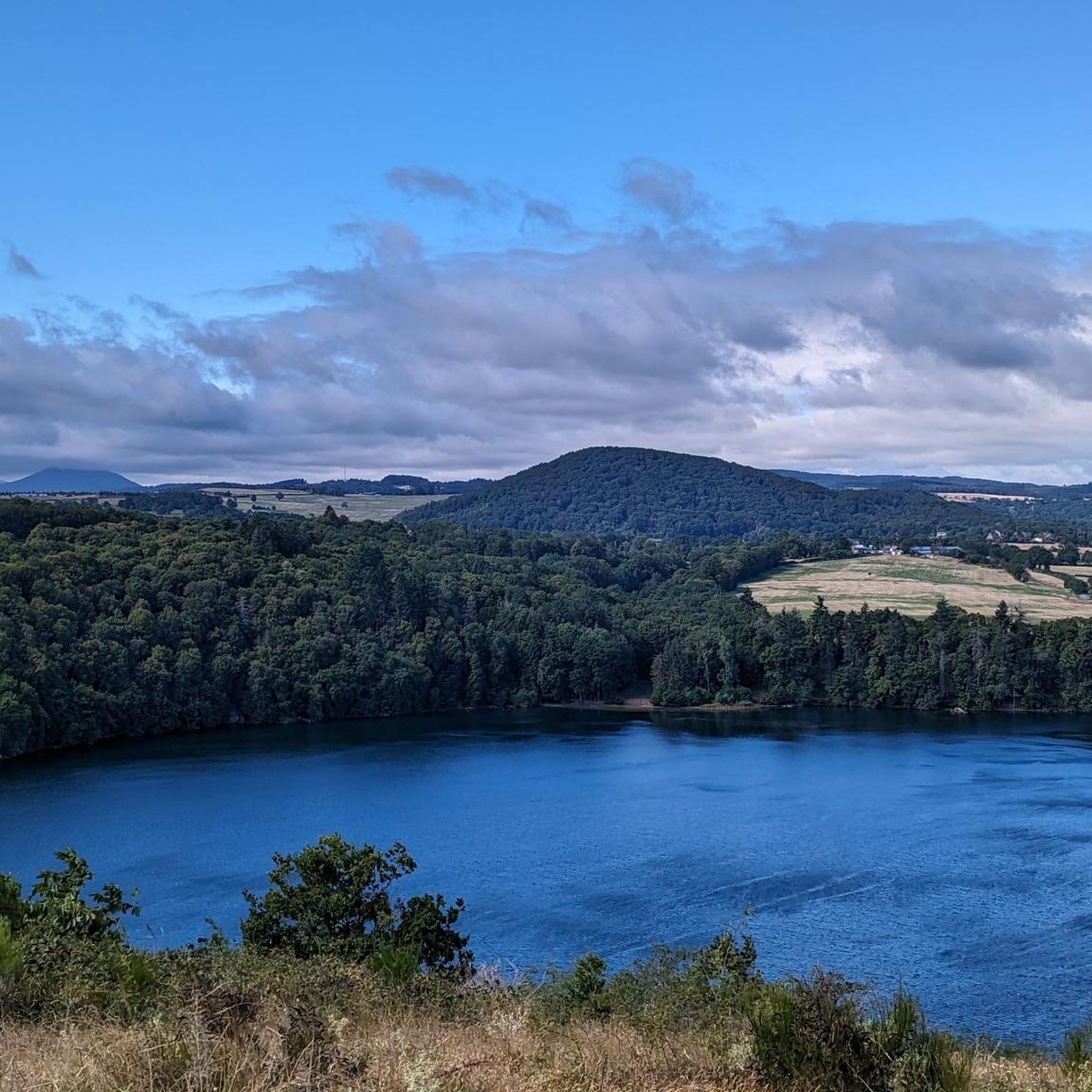
Yes, the area boasts several unique natural features. You can enjoy panoramic views of the Roche de Brionnet and the distant Pic St Pierre, along with the expansive Massif du Sancy. Near the village of Cotteuges, you can discover the fascinating natural rock formations known as "Cheminées de Fée" (Fairy Chimneys). The picturesque Couze Pavin Valley also offers tranquil riverside walks.
What outdoor activities are available near Le Cheix?
The region is ideal for various outdoor activities. You can explore numerous hiking trails that offer breathtaking vistas and lead to unique geological formations. For cycling enthusiasts, there are many routes available, including those for touring bicycles, mountain biking, and gravel biking, catering to different difficulty levels.
Are there any family-friendly attractions in the area?
The Château d'Effiat is considered family-friendly, offering visits and cultural events. For an interactive experience focused on volcanoes and Earth sciences, the Vulcania theme park is a popular attraction in the wider region that families often enjoy.
Where can I find prehistoric sites near Le Cheix?
The Abri du Cheix, located in the commune of Saint-Diéry near Le Cheix, is a significant prehistoric rock shelter. It was occupied from the Epipaleolithic to the Neolithic periods and is notable for a burial site found there. You can find more information about this site on Wikipedia.
What are the Gorges d'Enval and are they worth visiting?
The Gorges d'Enval, a short distance from Le Cheix, are a classified natural zone of ecological, faunal, and floral interest. They offer shaded walks through chestnut woods with impressive views, including those of the Château de Tournoël and the Chaîne des Puys. They are definitely worth visiting for nature lovers.
Can I see volcanic landscapes near Le Cheix?
Yes, the iconic Chaîne des Puys - Limagne Fault, a UNESCO World Heritage Site, is easily accessible from Le Cheix. This volcanic chain, including the prominent Puy de Dôme, offers stunning landscapes and is a significant geological feature of the region.
Are there any charming villages to visit nearby?
Yes, the area is home to several charming villages recognized as "Les Plus Beaux Villages de France" (Most Beautiful Villages of France). These include Charroux, Saint-Saturnin, and Montpeyroux, which are known for their beauty and heritage.
What kind of castles can I visit in the vicinity of Le Cheix?
Beyond the Château d'Effiat, the region features several other historic castles like Château de Tournoël, Château du Châtelard, and Château de Chazeron. These offer fascinating insights into the region's aristocratic past.
What do visitors enjoy most about the attractions around Le Cheix?
Visitors appreciate the blend of natural beauty and historical sites. The Romanesque art at L'Abbeye de Mozac and the archaeological interest of Saint-Amable Basilica are highly regarded. Many also enjoy the well-preserved old center of Riom and the historical significance of sites like the Ruins of the Priory of Saint-Coust.
Are there any ancient Roman structures near Le Cheix?
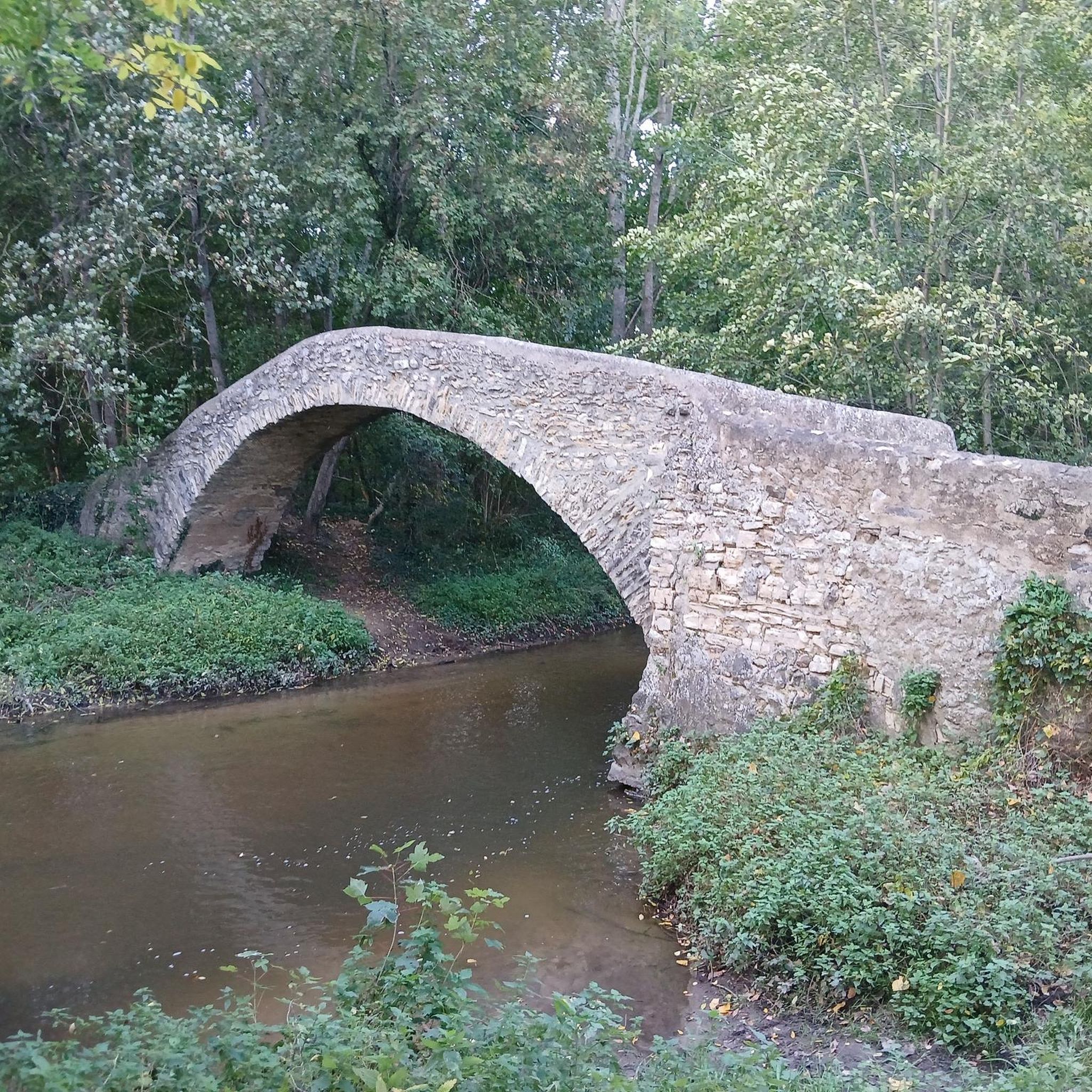
Yes, the commune of Le Cheix sur Morge is associated with a Roman bridge, indicating ancient infrastructure in the area. This provides a glimpse into the region's long history.
Most popular routes around Le Cheix

Get inspired with the komoot mobile app


Explore more
Still not found the Highlight you’re looking for? See guides of the top attractions in other regions:
