The best road cycling routes around Le Saint
4.2
(16)
570
riders
163
rides
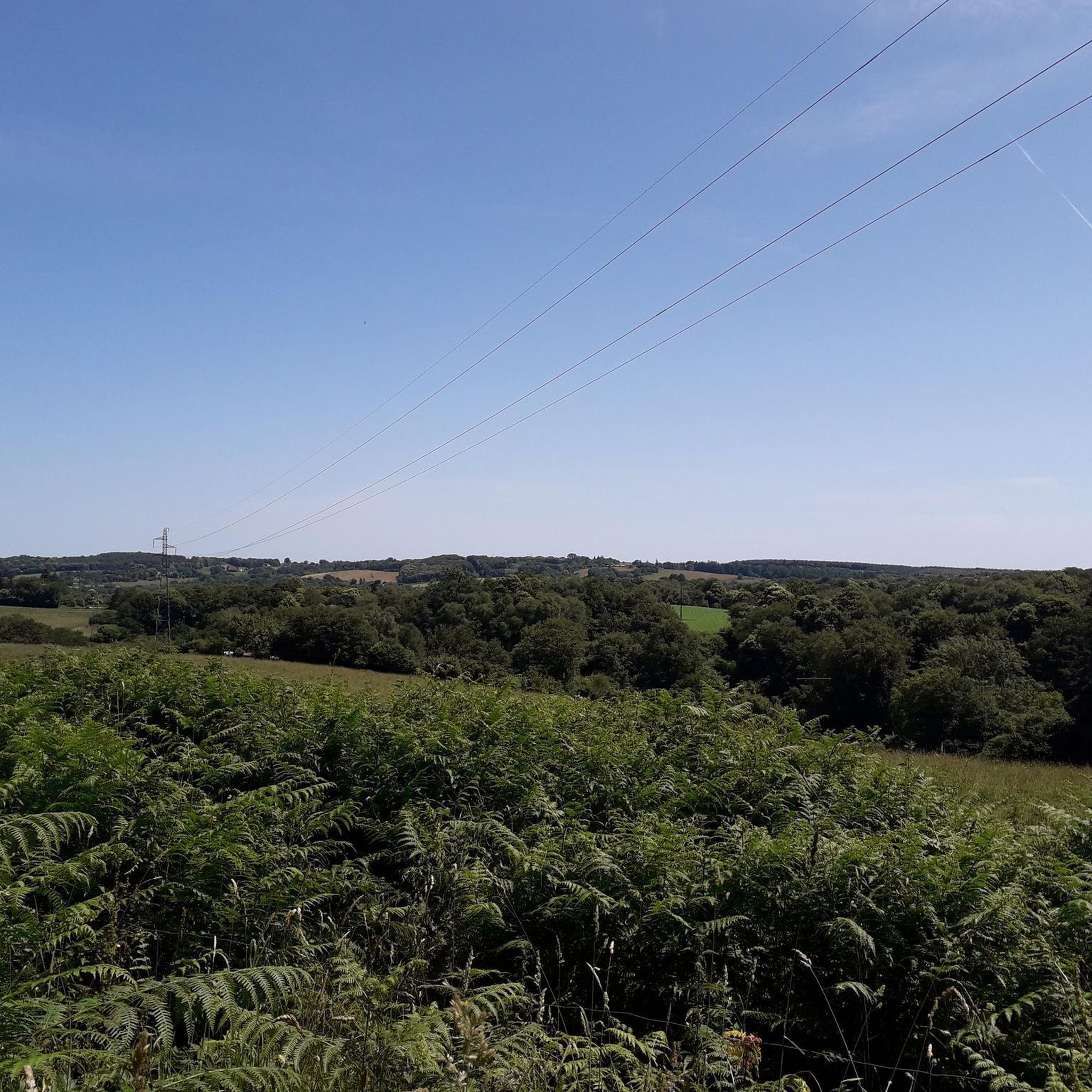
Road cycling routes around Le Saint traverse a landscape characterized by rolling hills and rural terrain in central Brittany. The region features a mix of agricultural land and scattered woodlands, with elevations that provide varied climbing opportunities for road cyclists. Routes often connect historical sites and small towns, offering a blend of cultural interest and natural scenery. The area provides a network of roads suitable for different levels of road cycling experience.
Best road cycling routes around Le Saint
- The most popular road cycling route is Chapelle Sainte-Anne des Bois – Menhir de Kerlivio loop from Gourin, a 72.1 miles (116.0 km) trail that takes 5 hours 17 minutes to complete, featuring significant elevation gain.
- Another top favourite among local road cyclists is Saint-Jean-Baptiste Church – Statue of Liberty loop from Gourin, a moderate 59.0 miles (94.9 km) path. This route navigates through rural landscapes, connecting notable landmarks.
- Local road cyclists also love the Place de la Tour d'Auvergne – Carhaix-Plouguer loop from Gourin, a 28.3 miles (45.5 km) trail leading through varied countryside, often completed in about 2 hours 2 minutes.
- Road cycling around Le Saint is defined by rolling hills, rural roads, and historical points of interest. The network offers options for easy road bike trails Le Saint, as well as moderate and advanced road bike routes Le Saint.
- The routes in Le Saint are highly rated by the komoot community with an average score of 4.1 stars from more than 10 reviews. More than 400 road cyclists have used komoot to explore Le Saint's varied terrain.
Last updated: July 4, 2026
18
riders
50.8km
02:15
450m
450m
Moderate road ride. Good fitness required. Some segments of this route may be unpaved and difficult to ride.
14
riders
116km
05:17
1,000m
1,000m
Hard road ride. Very good fitness required. Some segments of this route may be unpaved and difficult to ride.

Sign up for free
17
riders
94.9km
04:19
860m
860m
Moderate road ride. Good fitness required. Some segments of this route may be unpaved and difficult to ride.
3.0
(1)
13
riders
45.1km
02:00
420m
420m
Moderate road ride. Good fitness required. Mostly well-paved surfaces and easy to ride.
9
riders
42.1km
02:01
550m
550m
Moderate road ride. Good fitness required. Mostly well-paved surfaces and easy to ride.
Get access to more routes and recommendations from other explorers.
Sign up for free
Already have an account?
Our route recommendations are based on thousands of hikes, rides, and runs completed by other people on komoot.
Start today with a free account
Your next adventure awaits.
Login or Signup



Tips from the Community

Built in 1865 by the Countess of Cossé-Brissac, this chapel was built in homage to Saint Anne, in accordance with the promise made at the birth of her daughter. It is distinguished by its door surmounted by a rosette-shaped stained-glass window and a steeple with a granite balcony. Modest in size, the chapel was initially reserved exclusively for the service of the lords of the manor.
0
0
Completed in the 16th century in the Gothic style, the church features Romanesque vaults, testifying to an older building. Outside, opening onto the porch, the 16th-century ossuary is distinguished by its three elegant basket-handle arches, resting on charming molded columns. Upon entering the church, one immediately sees the blue vault, a symbol of the sky in Romanesque art. The decoration continues with the polychrome wooden sablières, displaying scenes of hunting and everyday life.
0
0
This former railway station on the Carhaix-Rosporden line has been rehabilitated into a leisure center for young and old. On site, you can visit the museum, which traces the history of the Breton Network and local railway heritage. The site also offers an escape game, bike rentals, unique accommodations, and a café. It's an ideal place to enjoy some family time at the end of the journey.
1
0
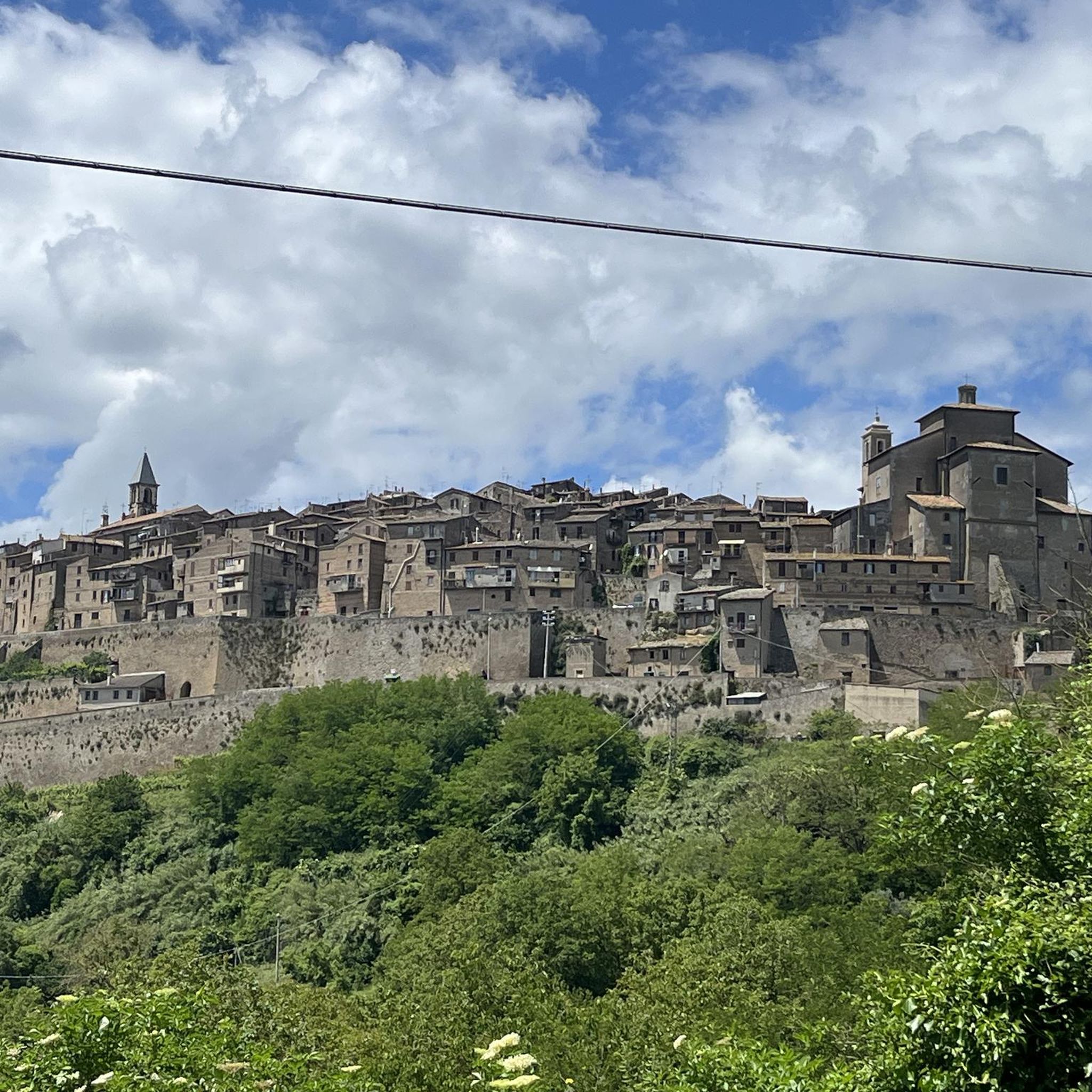
Labeled "Commune du patrimoine rural de Bretagne", this commune is endowed with an important architectural and historical heritage of great value such as churches, chapels, fountains, castles and manors and remarkable villages in the town as well as in the Ploërdutaise countryside. In the town, there is the church dedicated to Saint Idult in the 11th century and subsequently dedicated to Saint Pierre in the 15th century. It is one of the rare examples of Romanesque art in Brittany. From the outside, the church in the shape of a Latin cross displays a length that seems disproportionate to the squat silhouette of the bell tower pierced on each side by small loophole windows. Inside the south porch, near the ossuary, sandpits are carved with crocodile heads. Ask for the keys at the Town Hall to enter.
0
0
Located in the Plouray countryside, this is a unique place of discovery and visit in Brittany, offering an immersion in Himalayan culture and spirituality. It features a stupa, a temple, a prayer wheel, and the statue of Bairo Rinpoche. On site, you can stroll through the park and forest, and visit the interior of the stupa and prayer wheel.
0
0
It is an elegant 19th-century building. Its name, derived from the Breton traon-joliff (“beautiful valley”), evokes the charm of the place built on the ruins of an old manor. The castle is built within a magnificent park that is the site of numerous cultural events, including the famous crêpe festival, which takes place every year on the last weekend of July.
1
0
Built in 1500 in the Renaissance style, it was erected on the exact site of another smaller church, of which the four large central pillars and the section containing the central ogival door have been preserved. The Flamboyant Gothic bell tower is accentuated by the mullioned windows and the two animals that stand on either side of the large porch. The church was listed as a historic monument in 1925.
1
0
Installed in the heart of the town of Gourin, this statue, dating from June 2020, replaces the first statue donated in 1986 by Air France to the Bretagne TransAmerica association, in tribute to the many Gourin residents who went to work in the United States. The original statue is now preserved at the Château de Tronjoly.
1
0
Frequently Asked Questions
How many road cycling routes are available around Le Saint?
There are over 150 road cycling routes around Le Saint, offering a wide range of options for different skill levels and preferences. The region's network of roads provides ample opportunities for exploration.
What kind of terrain can I expect on road cycling routes in Le Saint?
Road cycling routes in Le Saint are characterized by rolling hills and rural terrain typical of central Brittany. You'll encounter a mix of agricultural land and scattered woodlands, with elevations that provide varied climbing opportunities.
Are there easy road cycling routes suitable for beginners in Le Saint?
Yes, Le Saint offers several easy road cycling routes perfect for beginners. For instance, the Statue of Liberty loop from Gourin is an easy 8.9 km ride with moderate elevation gain, ideal for a relaxed outing.
Can I find challenging road cycling routes in Le Saint?
Absolutely. For experienced road cyclists seeking a challenge, Le Saint has routes with significant elevation gain. A notable difficult route is the Chapelle Sainte-Anne des Bois – Menhir de Kerlivio loop from Gourin, which spans 116 km and features over 1000 meters of climbing.
Are there any circular road cycling routes around Le Saint?
Many of the road cycling routes in Le Saint are designed as loops, allowing you to start and finish in the same location. Examples include the Saint-Jean-Baptiste Church – Statue of Liberty loop from Gourin and the Place de la Tour d'Auvergne – Carhaix-Plouguer loop from Gourin.
What interesting sights can I see along road cycling routes in Le Saint?
The routes often connect historical sites and small towns, offering a blend of cultural interest and natural scenery. You might pass by landmarks such as the Sainte-Barbe Chapel and Renaissance Staircase, Le Faouët, or the Greenway, former Guiscriff station. The Toullaeron Pass – Nantes to Brest Canal loop from Gourin also offers scenic views.
Are there natural attractions near the road cycling routes?
Yes, the region offers natural beauty alongside its cycling routes. You can find attractions like the Lac du Bel-Air in Priziac, which provides a serene natural setting for a break or a scenic detour.
What do other road cyclists enjoy the most about road cycling in Le Saint?
The area is highly rated by the komoot community, with an average score of 4.1 stars from over 10 reviews. Road cyclists often praise the varied terrain, the quiet rural roads, and the opportunity to discover historical points of interest along the way.
What is the best time of year for road cycling in Le Saint?
While specific weather data isn't provided, central Brittany generally experiences mild temperatures. Spring and autumn typically offer pleasant conditions for road cycling, with less extreme heat than summer and fewer crowds. Summer can also be enjoyable, though it may be warmer.
Are there family-friendly road cycling options in Le Saint?
For families, the easier routes are generally the most suitable. Look for routes with lower elevation gain and shorter distances, similar to the beginner-friendly options. The rural roads are often quieter, making them more enjoyable for family rides.
Where can I find parking for road cycling routes in Le Saint?
While specific parking locations aren't detailed for each route, starting points in towns like Gourin, from which many routes originate, typically offer public parking facilities. It's advisable to check local town information for designated parking areas before your ride.
Most popular attractions around Le Saint

Get inspired with the komoot mobile app


Explore more
Browse the best Road cycling routes in other regions.
