Attractions and Places To See around Plouray - Top 15
Best attractions and places to see around Plouray, a commune in Morbihan, Brittany, France, offer a blend of historical landmarks, cultural sites, and natural features. The area is characterized by its serene landscapes and ancient structures. Visitors can explore religious buildings, significant historical monuments, and scenic trails. Plouray provides diverse experiences for those interested in the region's heritage and outdoor activities.
Best attractions and places to see around Plouray
- The most popular attractions is The Glomel Cut, a man-made…
Last updated: July 2, 2026
The Glomel Cut
Highlight (Segment) • Monument
Translated by Google •
Tip by

Great Trench of the Nantes to Brest Canal
Highlight • Monument
Translated by Google •
Tip by

Sign up now to discover places like this
Get recommendations on the best single tracks, peaks, & plenty of other exciting outdoor places.
Sign up for free
Sainte-Barbe Chapel and Renaissance Staircase, Le Faouët
Highlight • Religious Site
Translated by Google •
Tip by

Path between two bodies of water on the Nantes-Brest Canal
Highlight • Trail
The landscape is constantly changing. The canal meanders through the countryside here.
I love this landscape, and it's a good mood to drive here.
Translated by Google •
Tip by

Notre-Dame de Crénénan Chapel
Highlight • Religious Site
There are …
Translated by Google •
Tip by

Sign up for free to discover even more attractions around Plouray.
Sign up for free
Already have an account?
Start today with a free account
Your next adventure awaits.
Login or Signup


Tips from the Community

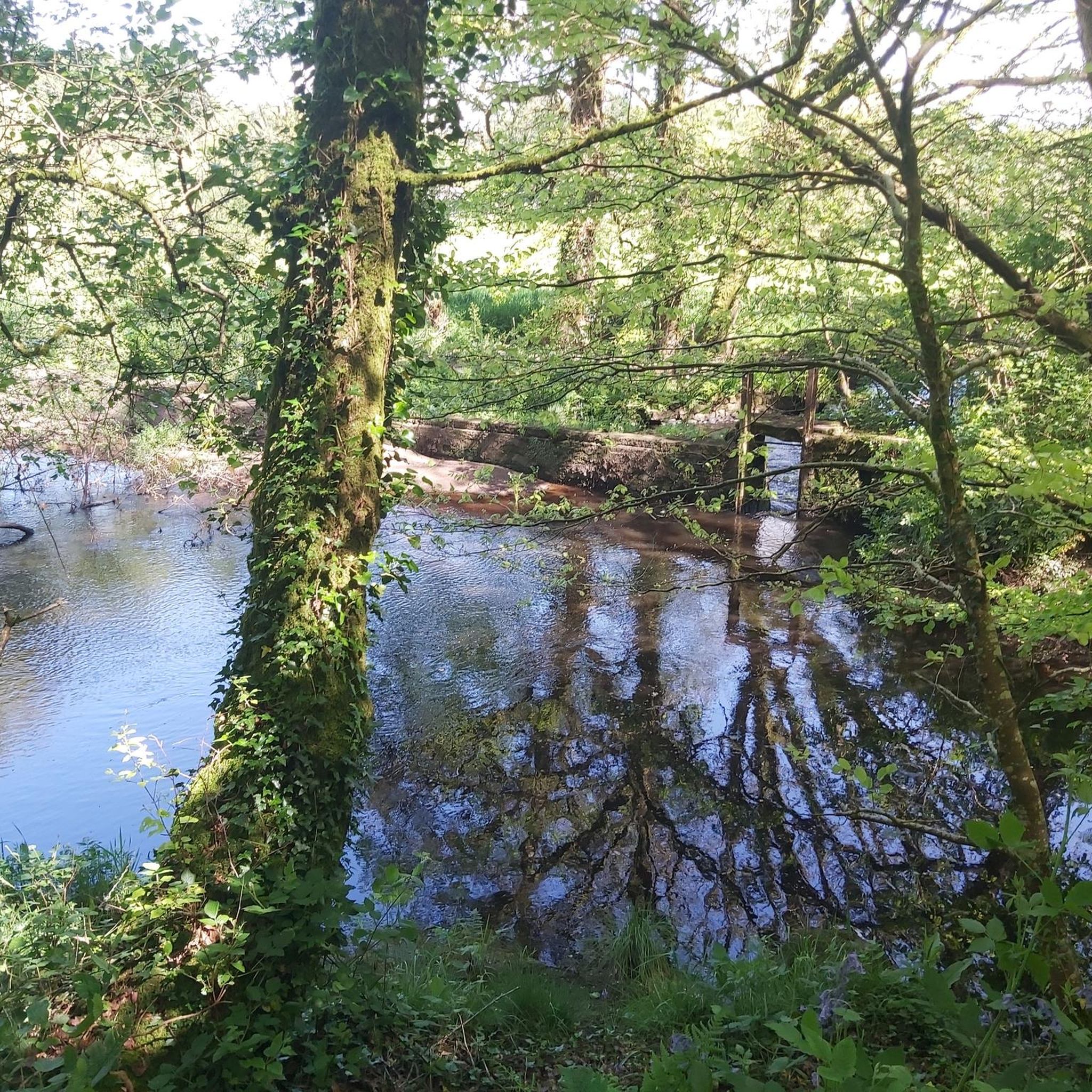
A pretty iron bridge, built for farmers at the time. Here the path along the water was in a bad state in April 2026 (a warning was installed on one side of the section, but a detour through the forest is possible).
0
0

This is one of the very few straight sections of the canal.
0
0
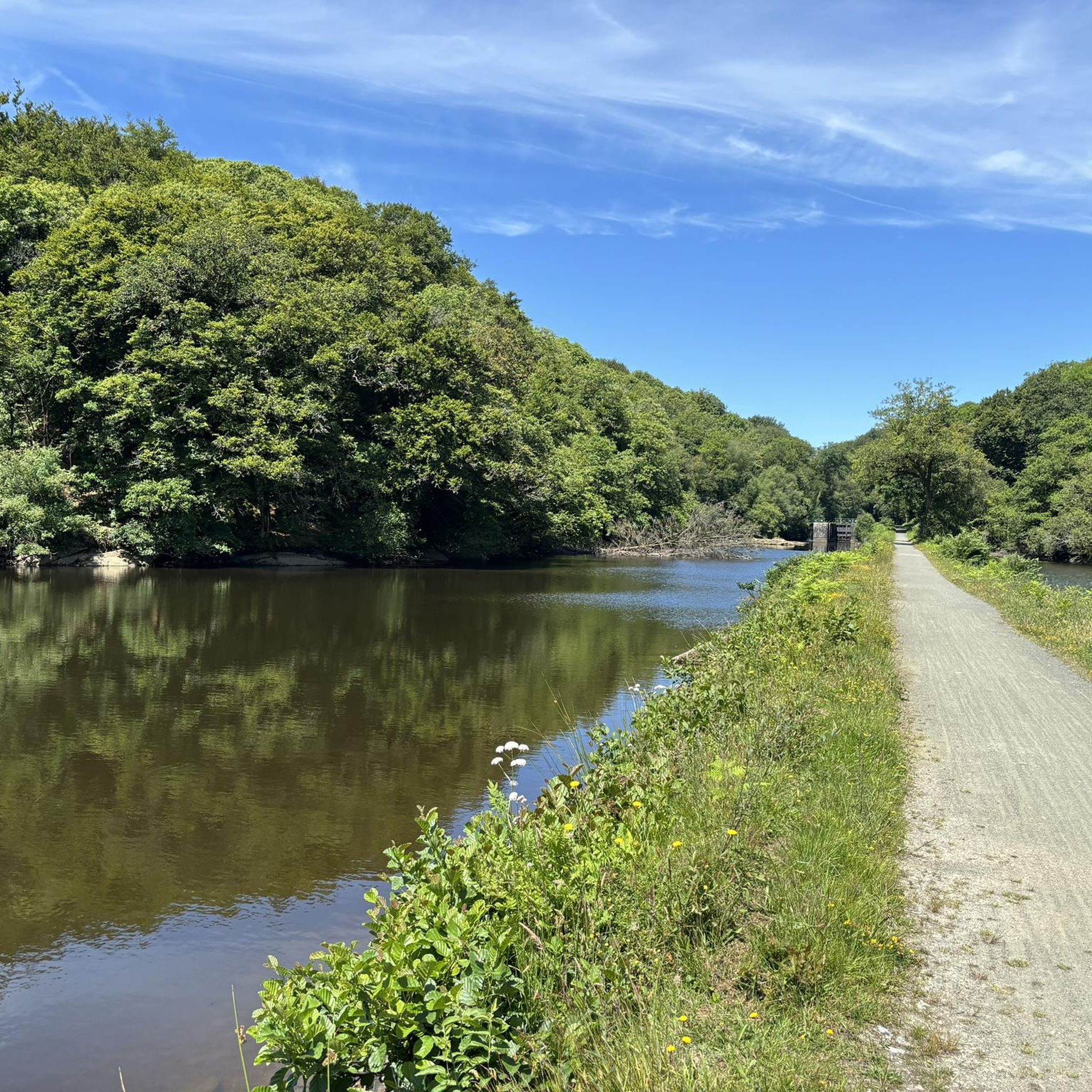
Here the canal meanders through the landscape.
0
0
A stretch on the dam before the Trehu Moron dam. The landscape is constantly changing. The canal meanders through the countryside here. I love this landscape, and it's a good mood to drive here.
0
0

A welcome breath of fresh air
0
0

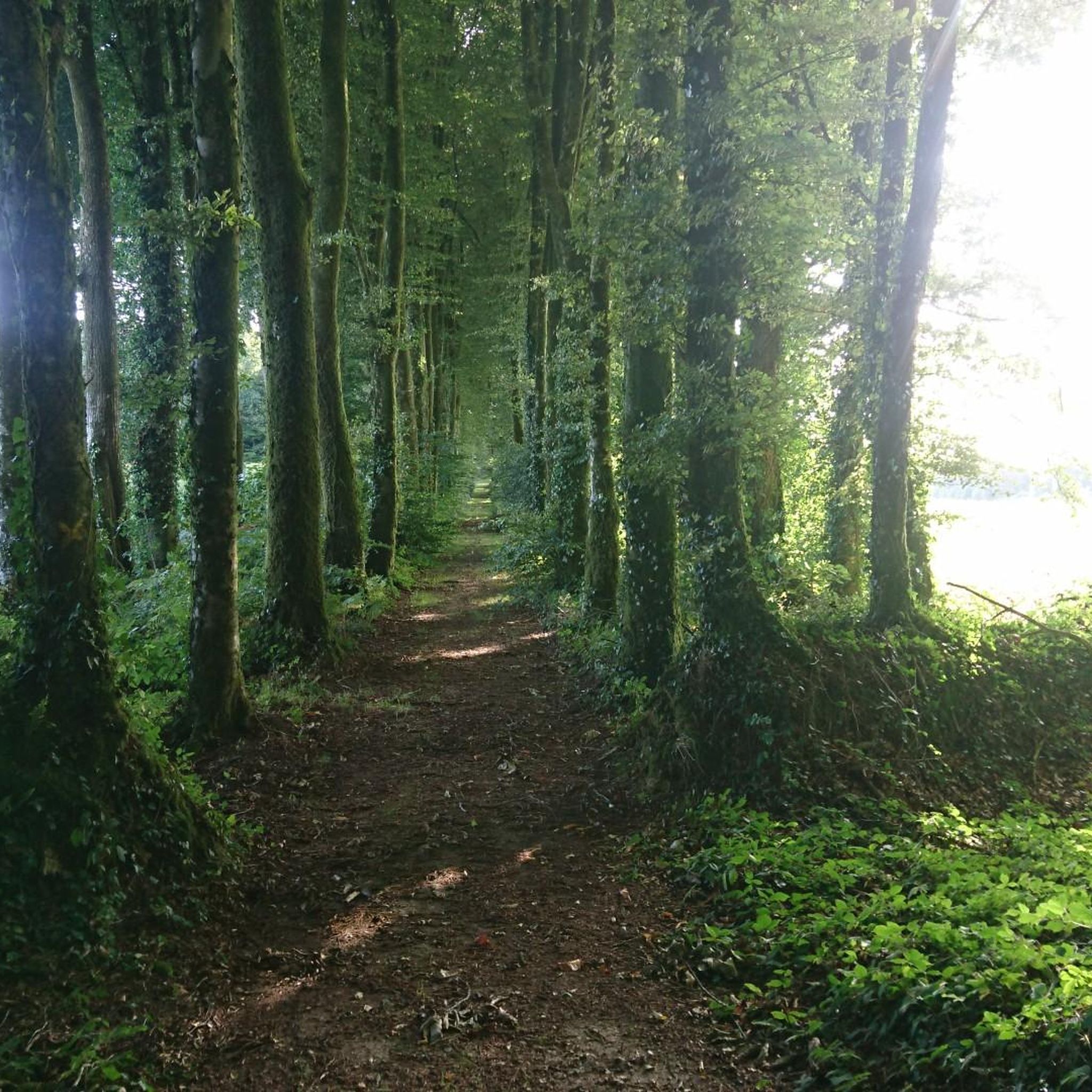
At an altitude of 184 m, the Glomel trench is the highest point of the Nantes-Brest canal and the watershed between the Blavet and Aulne basins. The canal project and its passage through the center of Brittany dates back to Vauban, the decision and the route to Napoleon. The impressive trench allows the Aulne and Blavet watersheds to communicate via the canal. The Grande Trenche of the Canal from Nantes to Brest was dug in the 19th century by deserters from the army of Louis XVIII. The 4000 convicts of Glomel had to move as much earth and rock as was necessary for the construction of a great pyramid in Egypt. It took 9 years to create this trench, more than 3 kilometers long, 100 meters wide and 23 meters deep.
0
0

North of the village of Le Faouët, on a ridge, stands the late Gothic Chapel of Sainte-Barbe, built between 1489 and 1512. A remarkable Renaissance staircase leads down to the chapel, which is located just below the summit plateau. - https://de.wikipedia.org/wiki/Le_Faou%C3%ABt_(Morbihan)#Kapelle_Sainte-Barbe - https://www.france-voyage.com/frankreich-stadte/le-faouet-20502/kapelle-sainte-barbe-15016.htm
2
0

A great spot for those who love pure mountain biking. Root, stone, ascent and descent at all costs 🌳🚵
0
0
Frequently Asked Questions
What historical and cultural sites can I explore in Plouray?
Plouray is rich in history and culture. You can visit the ancient Sainte-Barbe Chapel and Renaissance Staircase, Le Faouët, dating from 1489. Other notable sites include the Saint-Yves Church, with parts from 1486, and the Chapel of Notre-Dame de Crénénan, known for its bell tower and four historical drinking cellars. Don't miss the Buddhist Center (Centre Bouddhique Drukpa), one of Western Europe's oldest, offering a serene atmosphere with Tibetan architecture.
Are there any significant natural landmarks or features to see around Plouray?
Yes, Plouray offers several natural points of interest. The The Glomel Cut, part of the Nantes-Brest Canal, is an impressive man-made feature that cuts through the landscape. You can also visit the Étang Er Lann Vras pond, a popular spot for relaxation and outdoor activities like walking and swimming. In Rosterc'h, discover two remarkable oak trees, one over 500 years old.
What outdoor activities are available near Plouray's attractions?
Plouray and its surroundings are excellent for outdoor enthusiasts. You can enjoy various cycling routes, such as the 'Mellionnec Bike Trail' or the 'Kerdiston lake – The Glomel Cut loop'. For road cycling, consider the 'Quimperlé – Guémené-sur-Scorff loop'. Running trails like the 'Kerdiston lake loop' are also popular. Find more details on these activities in the Cycling around Plouray, Road Cycling Routes around Plouray, and Running Trails around Plouray guides.
Are there family-friendly attractions or activities in Plouray?
Absolutely! The Étang Er Lann Vras pond is a great family destination, featuring an easy walking path, a playground, a beach for swimming, and picnic areas. The Great Trench of the Nantes to Brest Canal and the Path between two bodies of water on the Nantes-Brest Canal offer scenic walks suitable for families. Many of the historical chapels, like Notre-Dame de Crénénan Chapel, are also accessible for a cultural outing.
Where can I find hiking trails around Plouray?
Plouray offers several hiking opportunities. The 'Circuit des Vieilles Pierres' (Old Stones Circuit) is an 11.5 km trail that passes by the Saint-Maudé chapel ruins and Saint-Yves church. Another option is the 'Circuit des Chênes' (Oak Trees Circuit), an 11 km path leading from Rosterc'h to Saint-Guénin chapel and near the Saint-Yves church. You can also explore the paths along the Nantes-Brest Canal, such as the Path between two bodies of water on the Nantes-Brest Canal.
What is the significance of the Glomel Cut?
The The Glomel Cut is a remarkable man-made monument and the highest point of the Nantes-Brest Canal. It required moving millions of cubic meters of earth and rock, with much of the work carried out by forced labor in the 19th century. It represents a significant historical engineering feat, connecting the Aulne and Blavet basins.
Are there any ancient megalithic sites in Plouray?
Yes, Plouray is home to the Dolmen de Guidfosse, the commune's only megalithic remnant. This Bronze Age dolmen is an ancient historical treasure, sometimes interpreted as a tumulus chamber, offering a glimpse into the region's prehistoric past.
What unique religious buildings can I visit in the area?
Beyond the main churches, Plouray features several unique chapels. The Chapelle Saint-Guénin, built in 1658, is known for its interior granite columns. The Chapelle de Locmaria, dating from the late 15th century, houses an 18th-century polychrome wooden altar. You can also see the vestiges of the Saint-Maudé Chapel, with its remaining gable wall and western portal.
What do visitors particularly enjoy about the attractions around Plouray?
Visitors appreciate the blend of historical significance and natural beauty. The The Glomel Cut is often highlighted for its historical context and the sheer scale of the engineering. The serene atmosphere of the Buddhist Center and the peaceful walks along the Nantes-Brest Canal, like the Path between two bodies of water on the Nantes-Brest Canal, are also highly valued for their tranquil experiences.
Are there any specific historical monuments related to water or wells in Plouray?
Yes, the Fontaine de Kermoustoir is an isolated devotional fountain located in a valley, which once housed a 17th-century polychrome wooden statuette. Additionally, the Kerguzul House and Well features a classic 17th-century well, dating from 1670, with a unique single-course base.
Can I find information on local events or cultural activities at the Buddhist Center?
The Buddhist Center (Centre Bouddhique Drukpa) is a significant cultural site, one of the oldest in Western Europe. While this guide focuses on attractions, the center often hosts meditation sessions, teachings, and cultural events. For specific event schedules, it's recommended to check their official website directly.
Most popular routes around Plouray

Get inspired with the komoot mobile app


Explore more
Still not found the Highlight you’re looking for? See guides of the top attractions in other regions:
