Attractions and Places To See around Fontans - Top 20
Best attractions and places to see around Fontans include a diverse landscape characterized by the Aubrac Highlands, a basalt and granite plateau. This region is known for its historical pilgrimage routes and serene natural beauty, offering expansive views and traditional settlements. Visitors can explore ancient sites and enjoy the unique pastoral environment.
Best attractions and places to see around Fontans
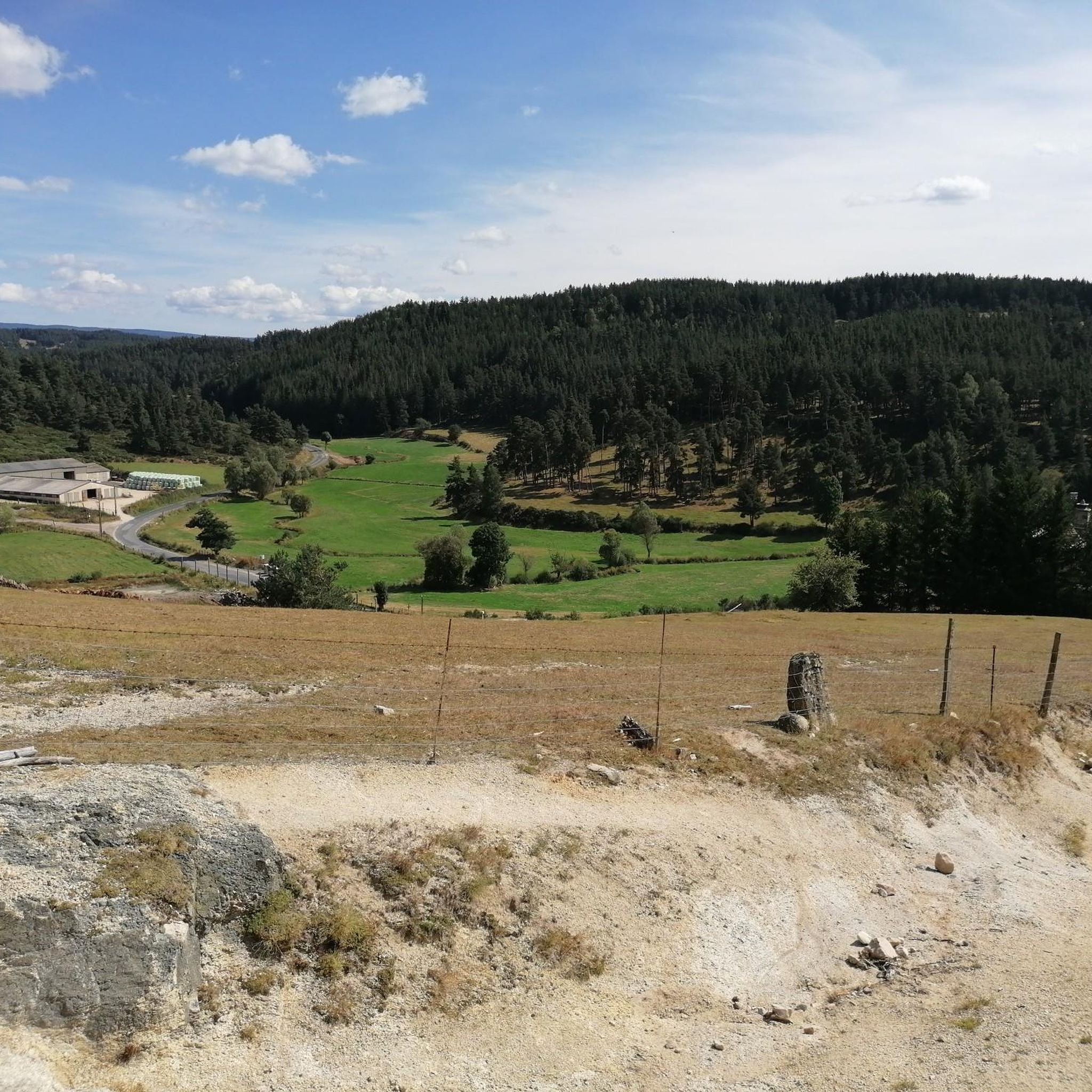
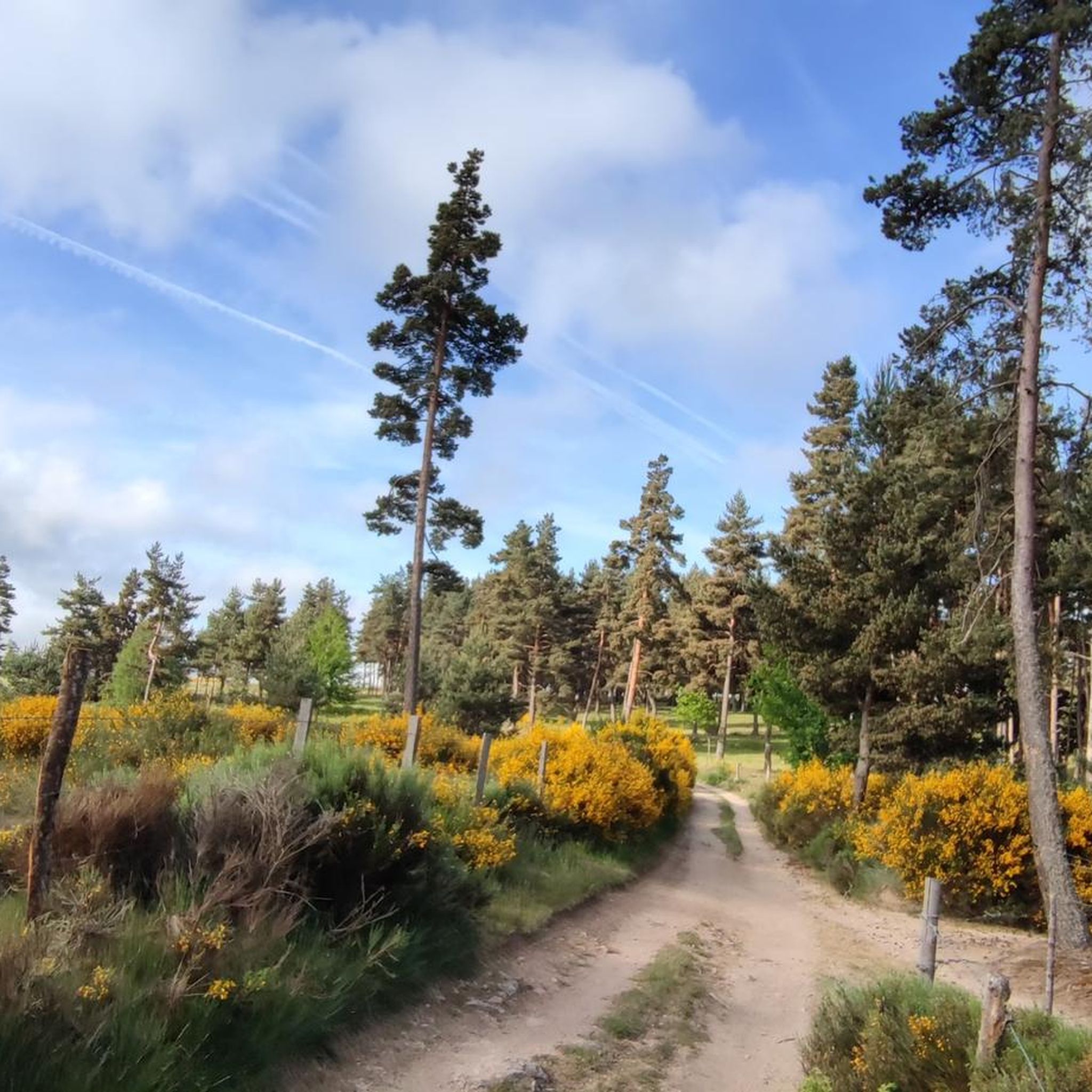
- The most popular attractions is Aubrac Highlands, an other natural area featuring a slightly undulating basalt and granite plateau.…
Last updated: October 9, 2026
Aubrac Highlands
Highlight • Natural
Translated by Google •
Tip by

Le Sauvage Pilgrims' Hostel
Highlight • Mountain Hut
Translated by Google •
Tip by

Sign up now to discover places like this
Get recommendations on the best single tracks, peaks, & plenty of other exciting outdoor places.
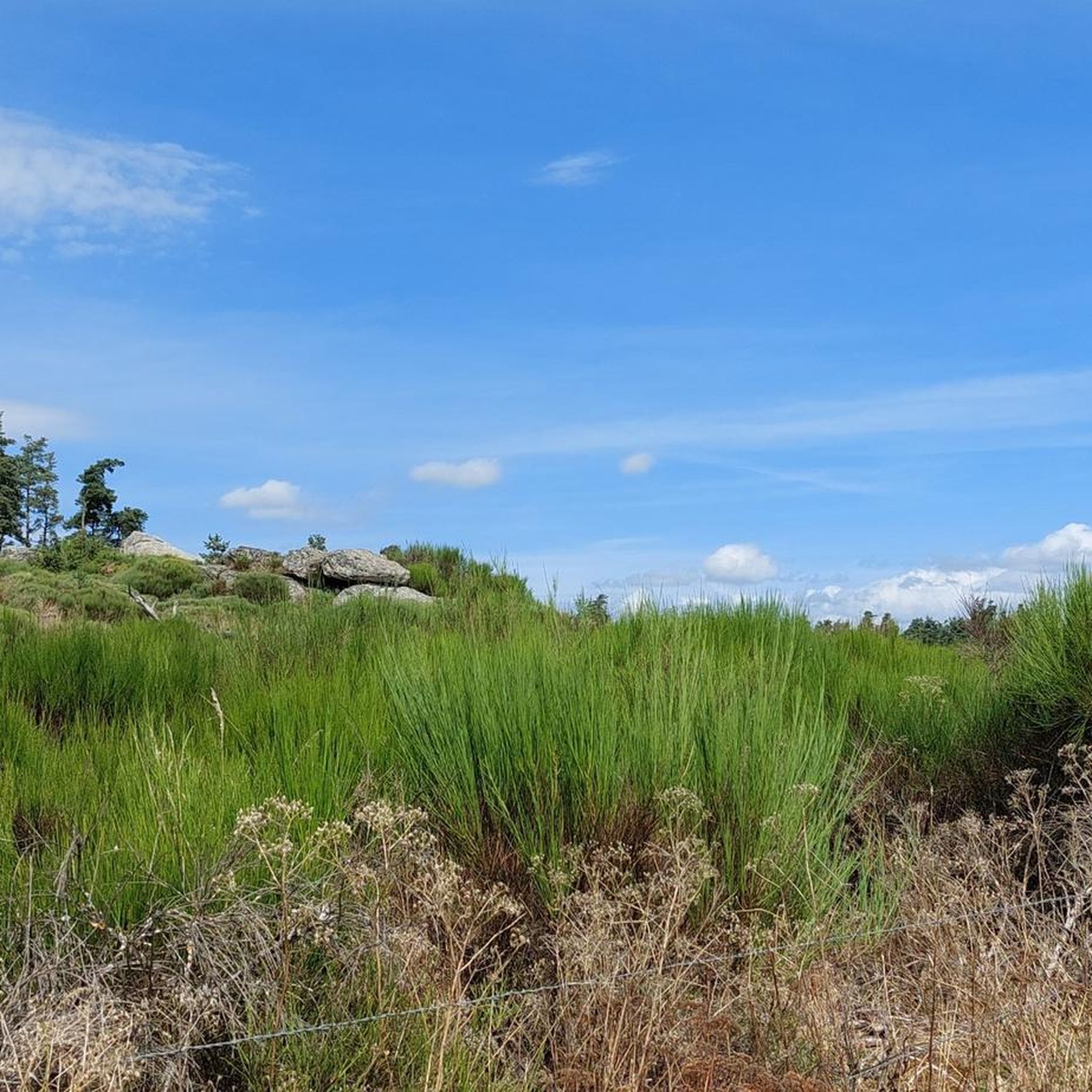
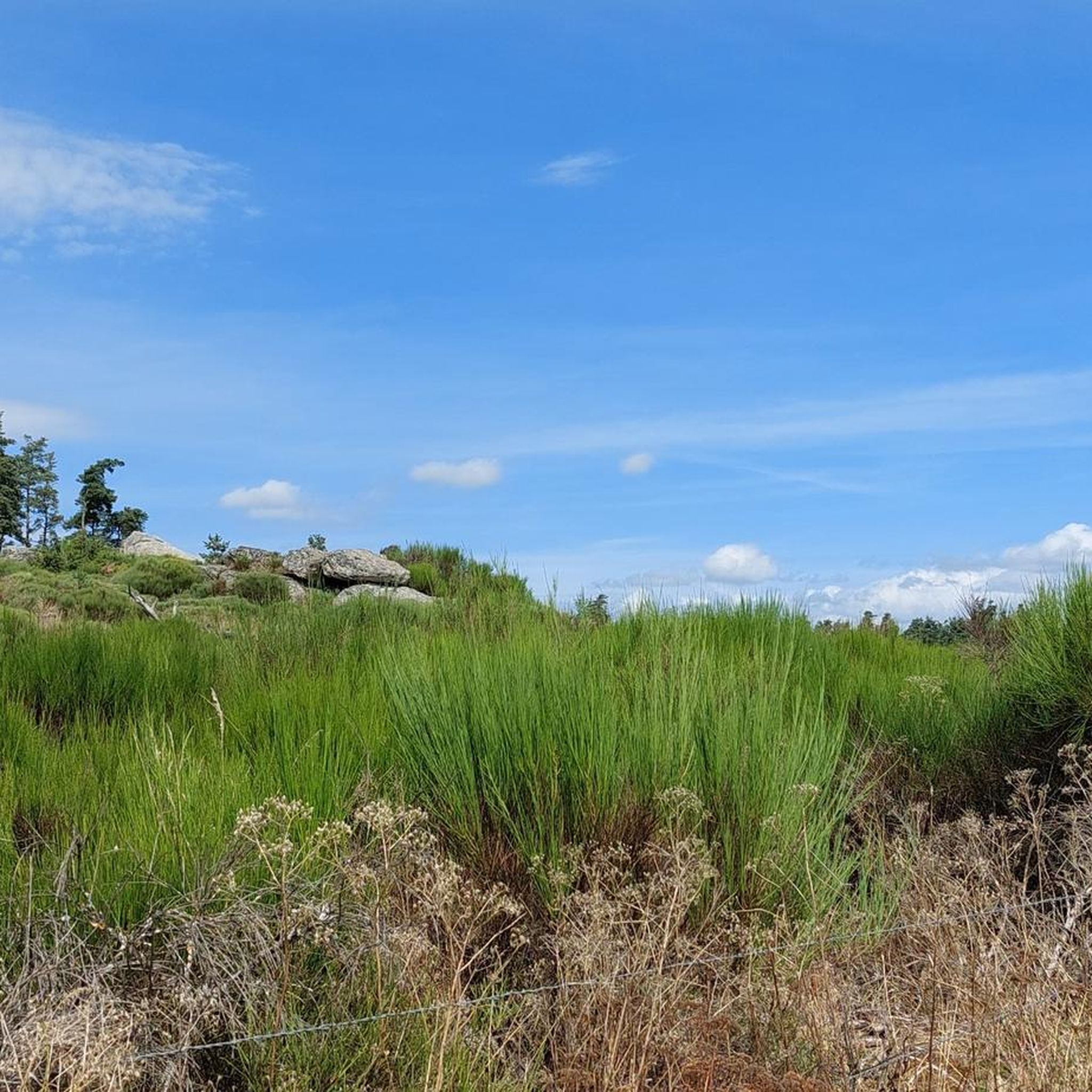
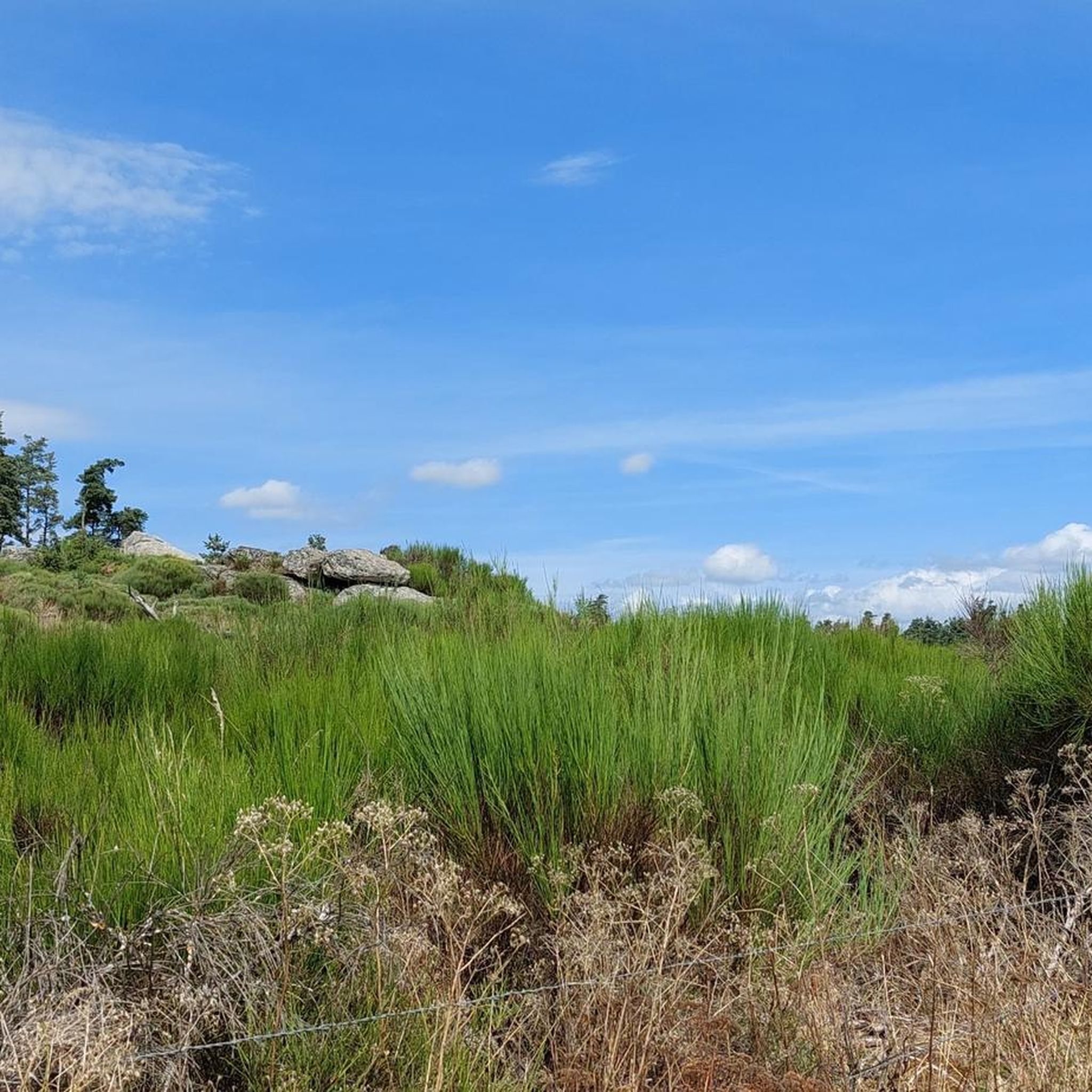
Aubrac landscape
Highlight • Other
Translated by Google •
Tip by
Saint-Alban-sur-Limagnole
Highlight • Historical Site
During 1764, the castle of Saint-Alban became one of the gathering points to organize the hunts to eliminate …
Translated by Google •
Tip by

Saint Stephen's Church, Aumont-Aubrac
Highlight • Religious Site
Translated by Google •
Tip by

Sign up for free to discover even more attractions around Fontans.
Already have an account?
Start today with a free account
Your next adventure awaits.

Tips from the Community

We passed and enjoyed this during our Camino trip in 2025: https://youtu.be/xZkbnoCtUzE
0
0
We passed and enjoyed this during our Camino trip in 2025: https://youtu.be/xZkbnoCtUzE
0
0
We passed and enjoyed this during our Camino trip in 2025: https://youtu.be/xZkbnoCtUzE
1
0
We passed and enjoyed this during our Camino trip in 2025: https://youtu.be/xZkbnoCtUzE
1
0
What a spot for lunch ...We passed and enjoyed this during our Camino trip in 2025: https://youtu.be/xZkbnoCtUzE
0
0

The existence of this fortified castle is mentioned as early as the 12th century. It is believed to have been built on an even older fortress. In 1764, the Château de Saint-Alban was requisitioned as headquarters to organize raids aimed at eliminating the Beast of Gévaudan.
1
0


The feeling that dominates the most here is space, nature.
3
0
Frequently Asked Questions
What kind of natural landscapes can I explore around Fontans?
The region around Fontans is characterized by the Aubrac Highlands, a slightly undulating basalt and granite plateau. This area offers expansive panoramic views, stretching up to 30 km, with a mix of pastures and forest strips. You'll find hamlets nestled in small valleys, with houses built from sturdy granite blocks.
Are there any historical sites or landmarks to visit in Fontans?
Yes, Fontans is rich in history. You can visit Le Sauvage Pilgrims' Hostel, a 13th-century Templar-built structure that provided protection for pilgrims. Another significant site is Saint-Alban-sur-Limagnole, which features a castle first mentioned in the 12th century. While the castle's interior cannot be visited, it now houses the tourist office and temporary exhibitions. Additionally, Saint Stephen's Church, part of an 11th-century Benedictine priory, showcases Roman architecture.
What outdoor activities are popular around Fontans?
The area around Fontans is ideal for various outdoor activities. You can enjoy hiking on gravel field paths across the Aubrac Highlands. For more structured routes, there are numerous options for mountain biking, gravel biking, and hiking. For example, you can find challenging MTB trails like the "Col de la Barte (La Barte Pass) – Sainte-Eulalie in the Margeride loop" or moderate hiking routes such as the "Aubrac Highlands loop from Bigose." Explore more routes on the MTB Trails around Fontans, Gravel biking around Fontans, and Hiking around Fontans guide pages.
Are there any family-friendly attractions or activities in the Fontans area?
While specific family-focused activities are not detailed, the historical site of Saint-Alban-sur-Limagnole is noted as family-friendly. The expansive natural landscapes of the Aubrac Highlands offer opportunities for gentle walks and exploring the unique pastoral environment, which can be enjoyable for families.
What is the significance of the pilgrimage routes in the Fontans region?
The Fontans region is historically significant for its pilgrimage routes. Le Sauvage Pilgrims' Hostel, built by the Templars in the 13th century, stands as a testament to this history, offering protection to pilgrims. The pilgrimage paths across the Aubrac Highlands are still used today, providing a unique way to experience the landscape and its heritage.
What do visitors particularly enjoy about the Fontans area?
Visitors appreciate the diverse landscape of the Aubrac Highlands, with its panoramic views and traditional hamlets. The historical significance of sites like Le Sauvage Pilgrims' Hostel and the charm of Saint-Alban-sur-Limagnole are also highly valued. The region's blend of natural beauty and ancient heritage makes it a compelling destination.
Can I find long-distance hiking trails near Fontans?
Yes, the Fontans area is part of significant long-distance routes. For instance, the "Way of St. James: Saint-Alban-sur-Limagnole to Aumont-Aubrac" is a difficult, nearly 30 km hiking route available. These trails offer an immersive experience through the region's unique landscapes and historical paths. More details can be found on the Hiking around Fontans guide page.
Are there any specific architectural styles or building materials common in the region?
Yes, the traditional architecture in the Fontans region, particularly in the Aubrac Highlands, features houses built from mighty granite blocks. These structures are often more than 200 years old and are covered with coarse slate, designed to withstand the hard, windy winters of the plateau.
What kind of views can I expect in the Aubrac Highlands?
The Aubrac Highlands offer expansive panoramic views, with horizons stretching up to 30 km. You'll see a cheerful alternation of pastures and forest strips, providing a sense of vastness and natural beauty. The landscape is often compared to the Black Forest in its serene, undulating character.
Where can I find information about local culture or exhibitions?
The castle in Saint-Alban-sur-Limagnole, while not open for interior visits, houses the local tourist office and hosts temporary exhibitions. This is a good starting point to learn about local culture and any current events or displays in the area.
Are there opportunities for cycling or mountain biking around Fontans?
Absolutely. The region offers a variety of cycling opportunities. For mountain biking, you can find routes like the "Sauvage Estate – Col de la Barte (La Barte Pass) loop from Saint-Alban-sur-Limagnole." If you prefer gravel biking, options such as the "Saint-Chély-d'Apcher loop from Saint-Chély-d'Apcher" are available. These routes cater to different difficulty levels, from moderate to difficult. Check the MTB Trails around Fontans and Gravel biking around Fontans guide pages for more details.
What is the historical background of Saint-Alban-sur-Limagnole?
Saint-Alban-sur-Limagnole has a rich history centered around its castle, first mentioned in the 12th century. It played a role in the hunts to eliminate the Beast of Gévaudan in 1764. Later, in 1821, the castle was converted into a psychiatric hospital, known for its quality of care. Today, it serves as a cultural hub with a tourist office and exhibitions.
Most popular routes around Fontans

Get inspired with the komoot mobile app


Explore more
Still not found the Highlight you’re looking for? See guides of the top attractions in other regions:
