Attractions and Places To See around Ville-Houdlémont - Top 20
Best attractions and places to see around Ville-Houdlémont include a variety of historical sites, natural monuments, and cultural points of interest. This region offers 5 distinct highlights for exploration, ranging from ancient ironworks to unique geological formations. Visitors can discover remnants of past industries and fortified settlements, alongside scenic viewpoints Ville-Houdlémont provides. The area presents opportunities for those interested in history and natural landscapes.
Best attractions and places to see around Ville-Houdlémont
- The most popular attractions is Montauban Ancient Ironworks…
Last updated: July 6, 2026
Montauban Ancient Ironworks Ruins
Highlight • Historical Site
Translated by Google •
Tip by

Old Buzenol Railway Station
Highlight • Monument
It was decommissioned in 1938. The abolition of the line followed a …
Translated by Google •
Tip by

Sign up now to discover places like this
Get recommendations on the best single tracks, peaks, & plenty of other exciting outdoor places.
Sign up for free
Cron de Montauban
Highlight • Natural Monument
Translated by Google •
Tip by

The Treveri Harvester – Lapidary Museum of Montauban
Highlight • Historical Site
Translated by Google •
Tip by

Tranchée des Portes Oppidum
Highlight • Historical Site
Translated by Google •
Tip by
Sign up for free to discover even more attractions around Ville-Houdlémont.
Sign up for free
Already have an account?
Start today with a free account
Your next adventure awaits.
Login or Signup
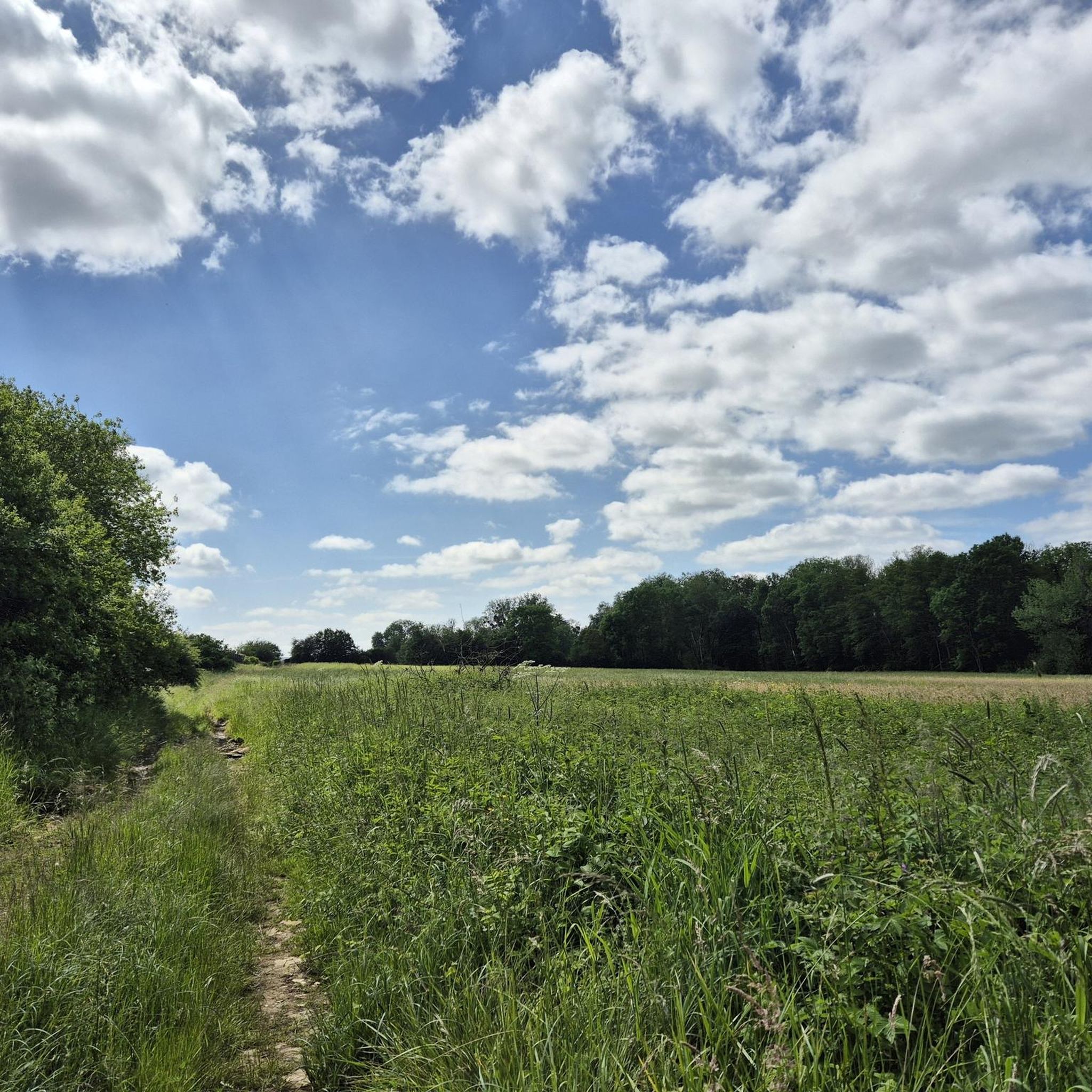
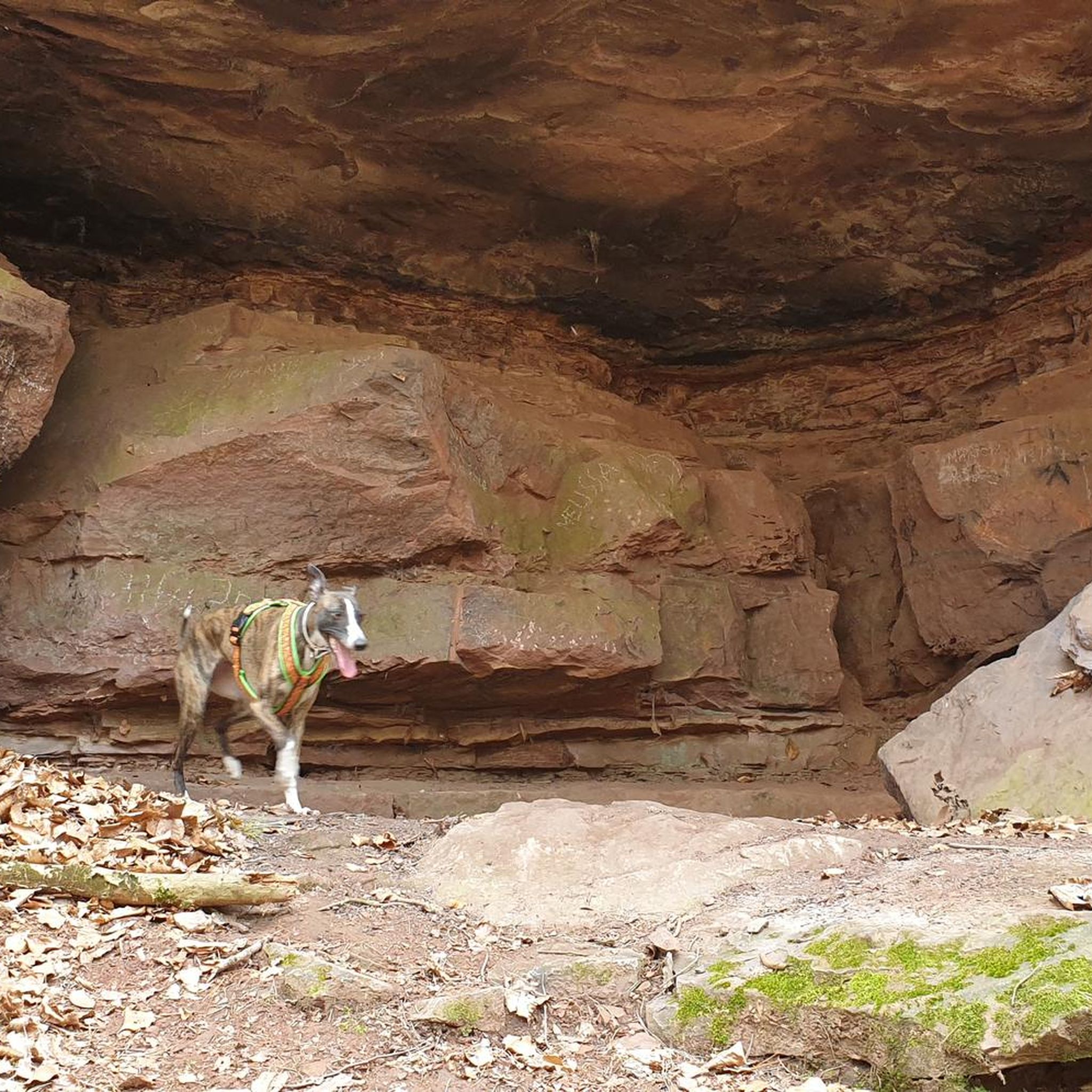
Tips from the Community

The Trench of Gates: Gateway to Gaume, Gateway to Legends 1. What is it? Physical Description The Trench of Gates is a deep and spectacular rocky gorge, naturally carved by the Vire River (a tributary of the Semois) into the sandstone plateau of the Gaume forest. Located in the village of Dampicourt (commune of Rouvroy), on the French border, it forms a narrow and winding notch, framed by high sandstone walls and strangely shaped rocks. Its name comes from its topography: the site gives the impression of crossing several successive natural "gates." 2. A Strategic Position: Military History The true fame of the Trench of Gates comes from its historical role as a natural fortress and strategic border post. A Gallic Stronghold? : Its easily defensible configuration suggests that it was used as a refuge since the Gallic era. The Roman Fort: Its strategic role became evident during the Roman era. The Romans established a castellum (a fortified camp) there to control the passage between Belgic Gaul and Imperial Trier, and to protect the nearby Roman road. Remains of these fortifications were still visible several centuries ago. A Millennial Challenge: Due to its position on the border, the site has been contested and fortified throughout history, from the Middle Ages to modern wars. It offered an ideal control point over one of the few passable passages through the region's wooded terrain.
1
0

The Tranchée des Portes covers an area of 100 hectares. It is the largest Iron Age stronghold in Belgium. This development required an abundant workforce. The construction and maintenance of the rampart suggest a well-organized social entity. Unlike Montauban, which was occupied occasionally, the Tranchée des Portes is not a refuge but an oppidum, that is to say, a fortified site where people settled for the long term with their livestock and crops. It is a fortification that owes its name to the deep ditch (5 m) that precedes its rampart. Consisting of an earthwork over 3 m high, formerly surmounted by a palisade, this barrier, pierced by 3 gates, extends over 1 km. This type of defensive site is called a barred spur. It was often used in the protohistoric period (Iron Age). We chose a place with 2 or 3 steep and almost impassable sides and we blocked access by building a wall on the vulnerable side with what we found on the site (stones, trees, earth)
2
0

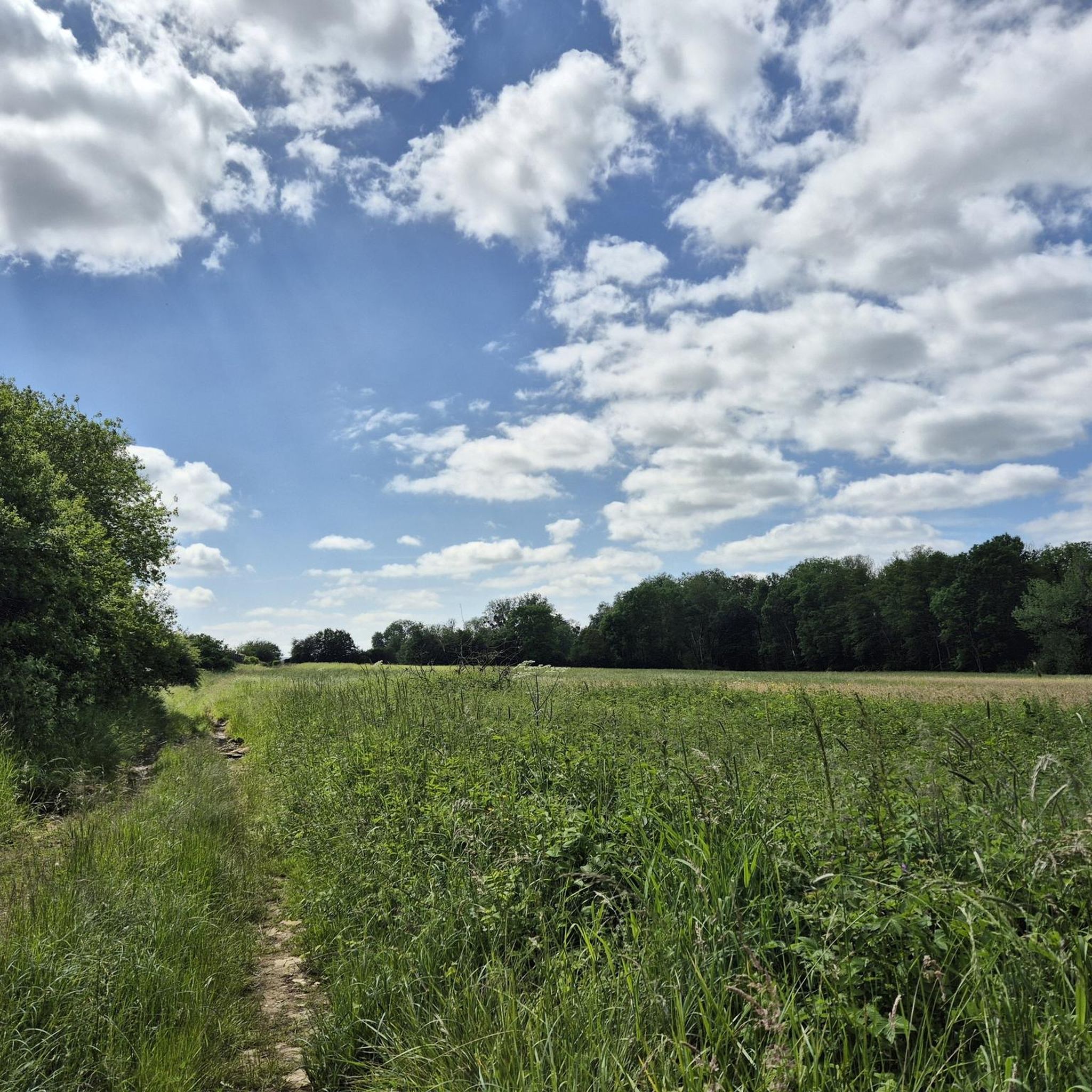
Taking the descending road, you reach the archaeological and artistic site of Montauban. A lovely, bucolic spot.
1
0

The station is located on the Marbehan to Écouviers line and was in operation from 1873 to 1938.
0
0
The largest Iron Age stronghold in Belgium, covering an area of 100 hectares, is to be discovered in EtalleUnlike Montauban, which was occupied occasionally, the Tranchée des Portes was not a refuge but an oppidum, i.e. a fortified site where people settled for the long term with their livestock and crops. It is a fortification that owes its name to the deep ditch (5m) that precedes its rampart. Consisting of an earthwork of more than 3m formerly topped with a palisade, this dam, pierced by three gates, extends over more than 1km. This type of defense site is called a barred spur. It was often used in the protohistoric period (Iron Age).
1
0

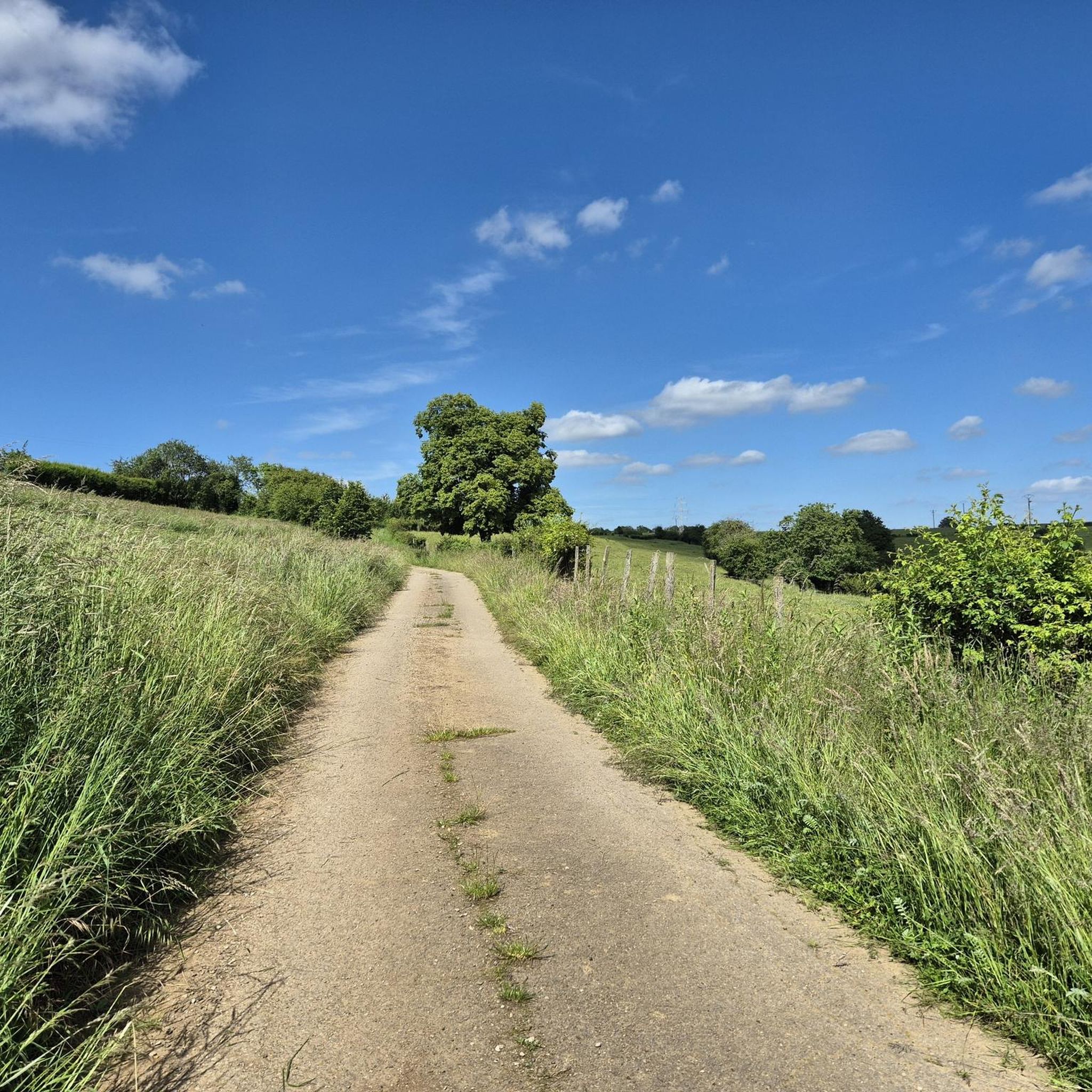
The old Buzenol station is a charming piece of heritage that evokes the region’s former railway history. Surrounded by green forests and peaceful fields, the building is located on an old railway line that now serves as a walking and cycling route. This abandoned station exudes nostalgia and offers a special stop for those who want to experience the rural character and history of the Gaume region.
1
0

The Forges de Montauban was once a thriving iron and steel complex, dating back to the 16th century. You can explore the remains of the old ovens, mills and workshops, as well as the magnificent ponds and forests along the Gros Ruisseau River. The Forges de Montauban are a great place to enjoy nature and history while exercising and keeping fit.
3
0
La Trenche des Portes is an ancient fortified site dating from the Neolithic period, then occupied by the Celts and the Romans. You will be able to discover the remains of the earthen rampart and the ditch which surround a vast area of more than 100 hectares, as well as the archaeological discoveries of various dwellings and activities. The hike, approximately 8 km long, begins in the village of Saint-Léger. You can enjoy the view of the Rouge Eau valley and the Eperons Barrés, two other remarkable sites in the region.
3
0
Frequently Asked Questions
What historical sites can I visit around Ville-Houdlémont?
The region offers several significant historical sites. You can explore the Montauban Ancient Ironworks Ruins, which showcase the area's industrial past from the 16th to 19th centuries and now host a contemporary art center. Another notable site is the Tranchée des Portes Oppidum, an ancient fortified settlement dating back to the Neolithic period, later occupied by Celts and Romans. Additionally, the Lapidary Museum of Montauban displays archaeological remains, including the famous Trévires Harvester.
Are there any natural monuments or unique geological features to explore?
Yes, the Cron de Montauban is a remarkable natural monument. It features petrifying limestone springs and diverse vegetation, including rare flora and fauna like the bidentate cordulegaster dragonfly. This site offers a unique ecological experience with contrasting landscapes from arid grasslands to alkaline marshes.
What family-friendly attractions are available in Ville-Houdlémont?
Several attractions are suitable for families. The Montauban Ancient Ironworks Ruins offer trails for exploration and an art center. The Old Buzenol Railway Station has been converted into a nature center, providing educational services. The Lapidary Museum of Montauban is also considered family-friendly, offering insights into local history and archaeology.
Are there hiking opportunities near Ville-Houdlémont attractions?
Absolutely. The area around Ville-Houdlémont is excellent for hiking. You can find various trails, including easy and moderate options. For example, the Montauban Ancient Ironworks Ruins have several trails ranging from easy to expert. You can find more detailed hiking routes, such as the 'La Cussignière Marsh loop from Gorcy' (easy, 5.5 km) or the 'Cussignère marsh – La Cussignière Marsh loop from Ville-Houdlémont' (moderate, 8.4 km), by visiting the Hiking around Ville-Houdlémont guide.
Can I find routes for running around Ville-Houdlémont?
Yes, there are several running trails available. Options include the 'La Cussignière Marsh – Cussignère marsh loop from Ville-Houdlémont' (moderate, 9.3 km) and the 'Hunters' Cabin loop from Gorcy' (moderate, 13.2 km). For a comprehensive list of routes, check the Running Trails around Ville-Houdlémont guide.
What cycling routes are available near Ville-Houdlémont?
Cyclists can enjoy various road cycling routes in the vicinity. Popular options include the 'RAVeL Ruette–Chenois Path loop from Ville-Houdlémont' (moderate, 47 km) and the 'Torgny Village – RAVeL Ruette–Chenois Path loop from Gorcy' (moderate, 52.9 km). Discover more routes in the Road Cycling Routes around Ville-Houdlémont guide.
Where can I find scenic viewpoints in the area?
The Montauban Ancient Ironworks Ruins offer different views and attractions along its trails, including views of the magnificent ponds and forests along the Gros Ruisseau River. The hike around the Tranchée des Portes Oppidum also provides views of the Rouge Eau valley and the Eperons Barrés.
What is the <a href="https://www.komoot.com/highlight/4600224" target="_blank" rel="noopener">Old Buzenol Railway Station</a> used for now?
The Old Buzenol Railway Station, decommissioned in 1938, has been converted into a nature center. It serves as an educational service of the Royal Institute of Natural Sciences of Belgium, offering green classes and promoting Gaume heritage.
What is the <a href="https://www.komoot.com/highlight/4483453" target="_blank" rel="noopener">Tranchée des Portes Oppidum</a>?
The Tranchée des Portes Oppidum is an ancient fortified site, the largest Iron Age stronghold in Belgium, covering over 100 hectares. It features remains of an earthen rampart and a deep ditch, originally surmounted by a palisade. This site was a long-term settlement for people, livestock, and crops, not just a refuge.
What is the <a href="https://www.komoot.com/highlight/2971892" target="_blank" rel="noopener">The Treveri Harvester – Lapidary Museum of Montauban</a>?
The Lapidary Museum of Montauban displays archaeological remains from a Celtic and medieval hilltop fortification. It features original bas-reliefs depicting daily life and funerary rituals of the Gallo-Roman people, including the famous Trévires Harvester, a stone sculpture of an ancient harvesting machine.
What do visitors enjoy most about the attractions around Ville-Houdlémont?
Visitors appreciate the rich blend of history and nature. Many enjoy exploring the ancient industrial ruins and fortified sites, which offer a glimpse into the region's past. The unique natural monuments with their diverse ecosystems are also highly valued. The opportunity to combine historical exploration with outdoor activities like hiking and cycling in scenic landscapes is a common highlight.
Most popular routes around Ville-Houdlémont
Most popular attractions around Ville-Houdlémont

Get inspired with the komoot mobile app


Explore more
Still not found the Highlight you’re looking for? See guides of the top attractions in other regions:
