The best road cycling routes around Saint-Clément
4.7
(38)
795
riders
140
rides
Road cycling routes around Saint-Clément traverse a landscape characterized by gentle rolling hills and river valleys. The region offers a network of roads that wind through agricultural lands, forested sections, and along canal paths. Routes often feature moderate elevation changes, providing varied terrain for road cyclists.
Best road cycling routes around Saint-Clément
- The most popular road cycling route is Abri du Pèlerin loop from Saint-Clément - Laronxe, a 23.5 miles (37.8 km) trail that takes 1 hour 32 minutes…
Last updated: July 2, 2026
14
riders
37.8km
01:32
220m
220m
Easy road ride. Great for any fitness level. Mostly well-paved surfaces and easy to ride.
5
riders
36.2km
01:39
290m
290m
Easy road ride. Great for any fitness level. Mostly well-paved surfaces and easy to ride.

Sign up for free
4
riders
33.2km
01:24
240m
240m
Easy road ride. Great for any fitness level. Mostly well-paved surfaces and easy to ride.
3
riders
44.0km
02:02
380m
380m
Moderate road ride. Good fitness required. Mostly well-paved surfaces and easy to ride.
4
riders
39.6km
01:47
290m
290m
Easy road ride. Great for any fitness level. Mostly well-paved surfaces and easy to ride.
Get access to more routes and recommendations from other explorers.
Sign up for free
Already have an account?
Our route recommendations are based on thousands of hikes, rides, and runs completed by other people on komoot.
Start today with a free account
Your next adventure awaits.
Login or Signup



Tips from the Community

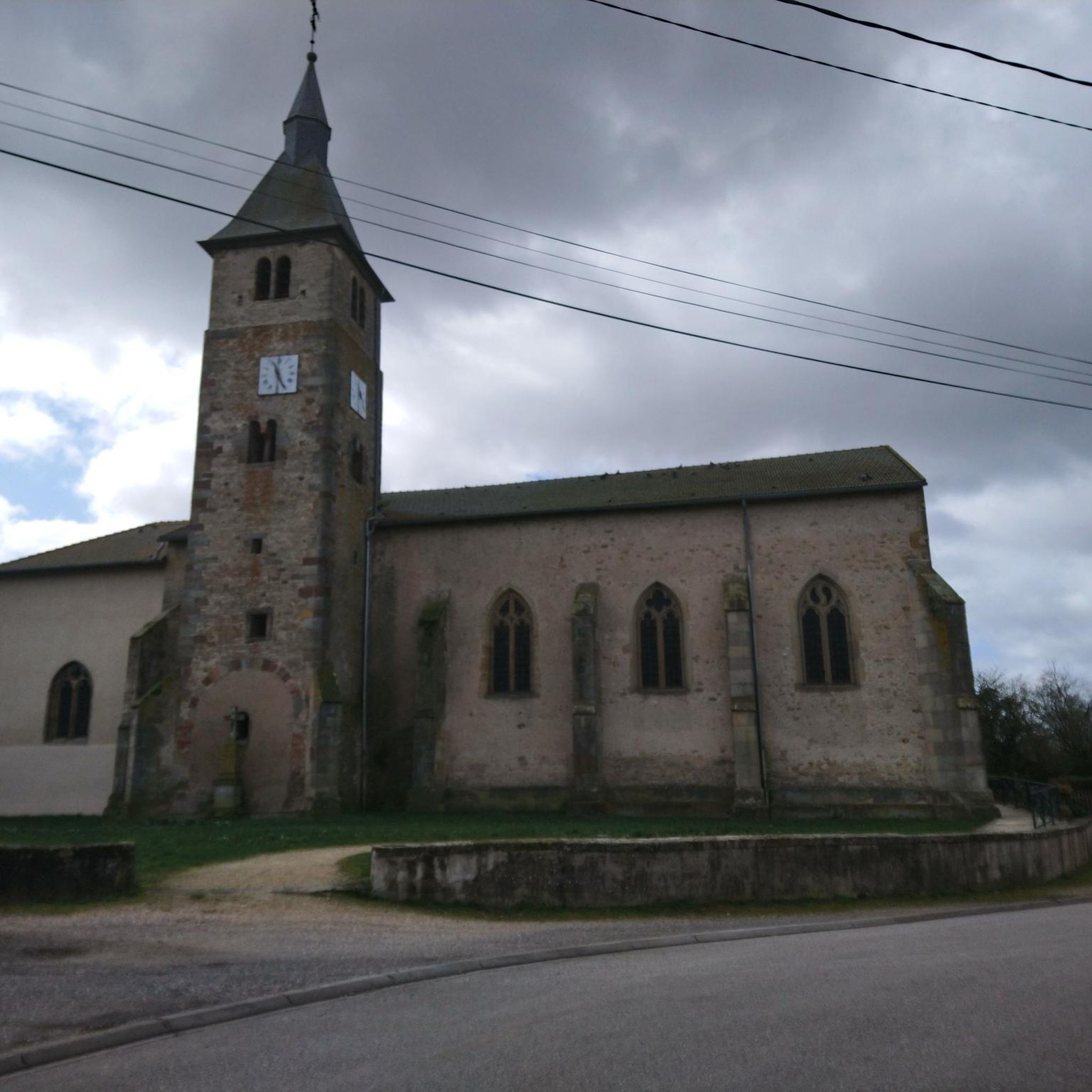
Its choir, dating from the 13th century, is the oldest part and reflects Cistercian influence with its two bays vaulted with ogival ribs and its flat chevet. The ogives, typical of the Gothic art of the time, are reinforced by wall ribs, while a blind arcade adorns the walls. This choir, devoid of a transept, follows the Cistercian tradition where the monks' choir is integrated directly into the nave. The nave and the portal, rebuilt in the 18th century, contrast with the old structure with their more sober and less remarkable style. The high altar, adorned with four Corinthian columns in black marble, bears witness to a later Baroque addition. This mixture of styles illustrates the architectural and liturgical evolutions the building has undergone over the centuries. The history of the church is linked to that of the village, whose lord in the 13th century was the abbey of Saint-Denis de Reims. A notable figure, Jean Mabillon, was born there in the 17th century and was baptized in this church. Classified as a historic monument in 1926, it now embodies a major religious and architectural heritage of the Ardennes, preserved for its medieval choir and its liturgical furnishings. Historical sources also mention bibliographical references, such as the works of Jean Leflon on Jean Mabillon or the studies of Hubert Collin on Ardennes churches. These works highlight the local importance of the building, both spiritually and architecturally, in a region marked by the influence of abbeys and monastic orders in the Middle Ages.
0
0

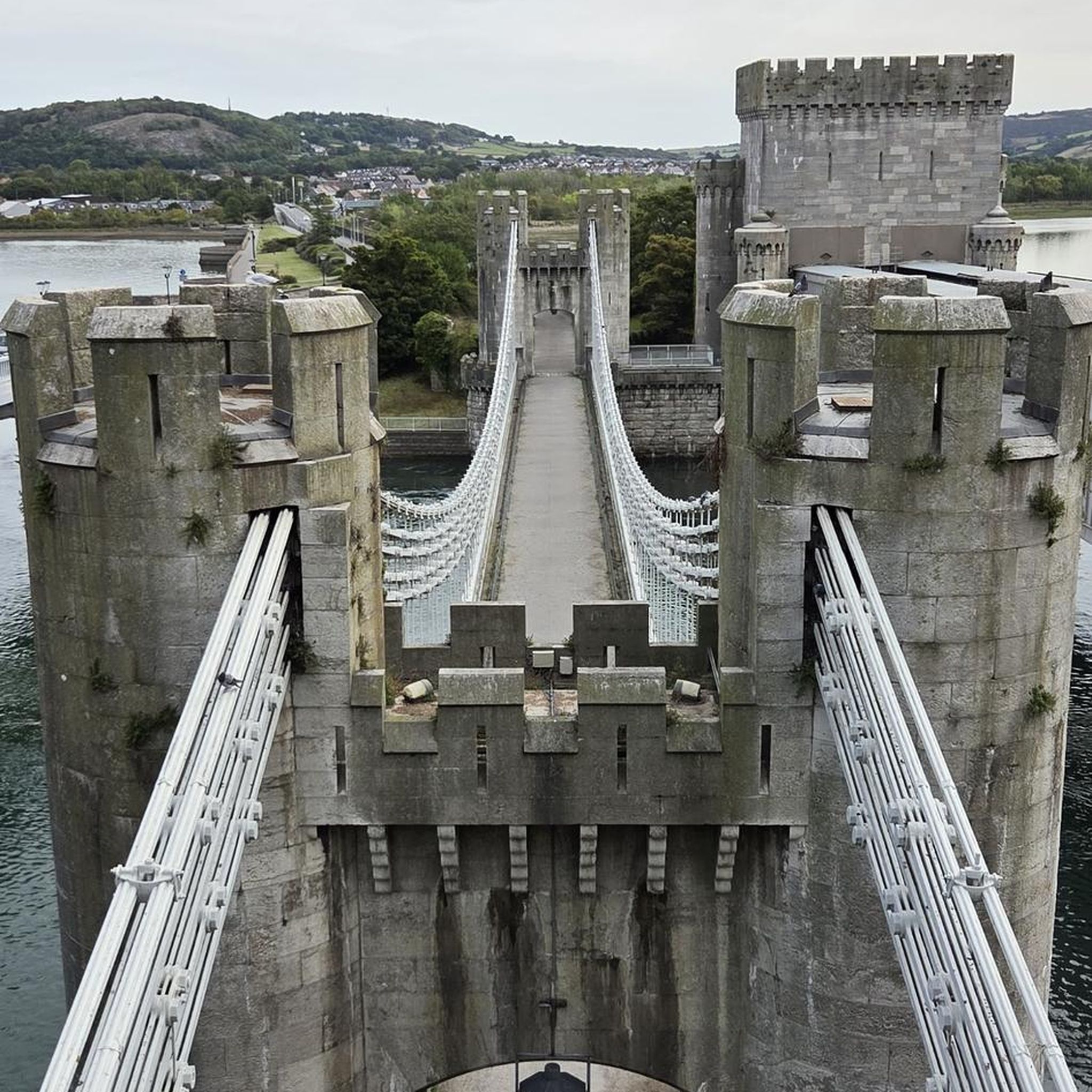
The Château de Moyen is a 15th century fortress also known as the Château de Qui-qu'en-grogne. It was built by Conrad Bayer de Boppart, bishop of Metz, to defend his possessions against the Dukes of Lorraine. The castle was besieged and dismantled several times. Today it is partly restored and partly in ruins. You can explore the remains of the castle, such as the stately home, towers, walls and moat, and enjoy the panoramic view of the surrounding countryside. The castle is open to visitors from April to October, and you can also take part in guided tours or restoration workshops organized by a local association.
3
0

More than the shelter itself, it is its location and its history that make it a special place. Beneath its modest appearance, the construction reminds us that Abbé Grégoire, icon of the French Revolution, certainly took this path to go to school in his childhood. Dating from the 1990s, the building was built in this location to take advantage of the site's point of view. The blue line of the Vosges is even visible there. If you are hiking for several days, this is the ideal place to sleep. The shelter being rudimentary, a tarp is however necessary to protect yourself as best as possible from possible bad weather.
0
0
As in many municipalities, the church is in the center. In addition to its four-storey tower and its gilded wooden altarpiece, it is distinguished by its pretty little fountain in Vosges sandstone. The ideal place for a stopover and to cool off in summer.
0
0

The beautiful Parc de Baccarat is located directly below the bridge behind the town hall. The benches invite you to take a break.
0
0

Just a nice shelter with a wooden roof, a picnic table and a great view with the Vosges in the background. The photo is on a sunny day but the shelter looked inspiring and I think it is worth mentionning if you travel on a rainy day and look for a place to rest. If you have a 'stand-up' tent (that can hold without pegs), there is enough place to pitch it inside the shelter and the surrounding walls can stop the wind. The road leading to the shelter (the "Voie de l'abbé Grégoire") is worth a ride too. Beautiful countryside and not too many cars.
2
0
If you like old medieval castles, this is worth a look if you ride by it.
1
0
Frequently Asked Questions
How many road cycling routes are available around Saint-Clément?
There are over 90 road cycling routes around Saint-Clément, offering a wide variety of options for different skill levels and preferences. The komoot community has explored these routes over 700 times.
Are there easy road cycling routes suitable for beginners or families in Saint-Clément?
Yes, Saint-Clément offers 22 easy road cycling routes. A great option for beginners or families is the Moyen Castle – Château de Qui-Qu'en-Grogne loop from Saint-Clément - Laronxe, which is 20.7 miles (33.3 km) long and features gentle terrain with historical landmarks.
What kind of terrain can I expect on road cycling routes in Saint-Clément?
The region around Saint-Clément is characterized by gentle rolling hills, river valleys, and agricultural lands. You'll find routes winding through forested sections and along canal paths, offering a mix of moderate elevation changes and flat stretches, particularly along the Marne–Rhine Canal.
Are there any challenging road cycling routes for experienced cyclists?
While most routes are easy to moderate, there is one difficult route for those seeking a greater challenge. The 71 moderate routes also provide ample opportunities for experienced cyclists to push themselves, such as the Nice climb, nice descent loop from Bénaménil, which covers 53.4 km with significant elevation changes.
What are the typical durations for road cycling routes in Saint-Clément?
Route durations vary significantly. Easy routes like the Abri du Pèlerin loop from Saint-Clément - Laronxe can be completed in about 1 hour 30 minutes. Longer, moderate routes, such as the Marne–Rhine Canal – Canal Path in Einville-au-Jard loop from Saint-Clément - Laronxe, can take over 3 hours to complete.
What is the best time of year for road cycling in Saint-Clément?
The spring and autumn months generally offer the most pleasant conditions for road cycling in Saint-Clément, with mild temperatures and beautiful scenery. Summer can also be enjoyable, especially on routes with shaded sections or along canal paths, though it can get warm. Winter cycling is possible but requires appropriate gear due to colder temperatures and potential for wet conditions.
Are there any circular road cycling routes in the area?
Yes, many of the road cycling routes around Saint-Clément are designed as loops, allowing you to start and finish at the same point. Examples include the Roadbike loop from Chaussée Leclerc, which is a moderate 44 km circuit.
What scenic viewpoints or attractions can I see along the road cycling routes?
The routes often pass through picturesque rural landscapes. You can encounter historical landmarks like Moyen Castle or Adoménil Castle. The Marne–Rhine Canal sections offer flat, scenic views along the water. For more historical sights, Lunéville Castle is also nearby.
What do other road cyclists enjoy most about cycling in Saint-Clément?
The area is highly rated by the komoot community, with an average score of 4.8 stars from over 30 reviews. Reviewers often praise the varied terrain, from gentle canal paths to rolling hills, and the opportunity to explore charming rural landscapes and historical sites.
Are there any cafes or places to stop for refreshments near the road cycling trails?
While specific cafes are not listed for every route, the routes often pass through or near small villages and towns where you can find local establishments for refreshments. Planning your route with komoot allows you to identify potential stops along the way.
Is there public transport access to the road cycling routes around Saint-Clément?
Public transport options in rural areas like Saint-Clément can be limited. It's advisable to check local bus or train schedules if you plan to use public transport to reach the starting points of the routes. Many cyclists prefer to drive to a convenient starting point and park.
Where can I find parking for road biking trails in Saint-Clément?
Parking is generally available in the towns and villages that serve as common starting points for these routes, such as Saint-Clément itself or nearby Laronxe and Bénaménil. Look for public parking areas or designated spots near trailheads.
Most popular routes around Saint-Clément
Most popular attractions around Saint-Clément

Get inspired with the komoot mobile app


Explore more
Browse the best Road cycling routes in other regions.
