The best cycling routes around Raon-Lès-Leau
4.5
(122)
1,115
riders
47
rides
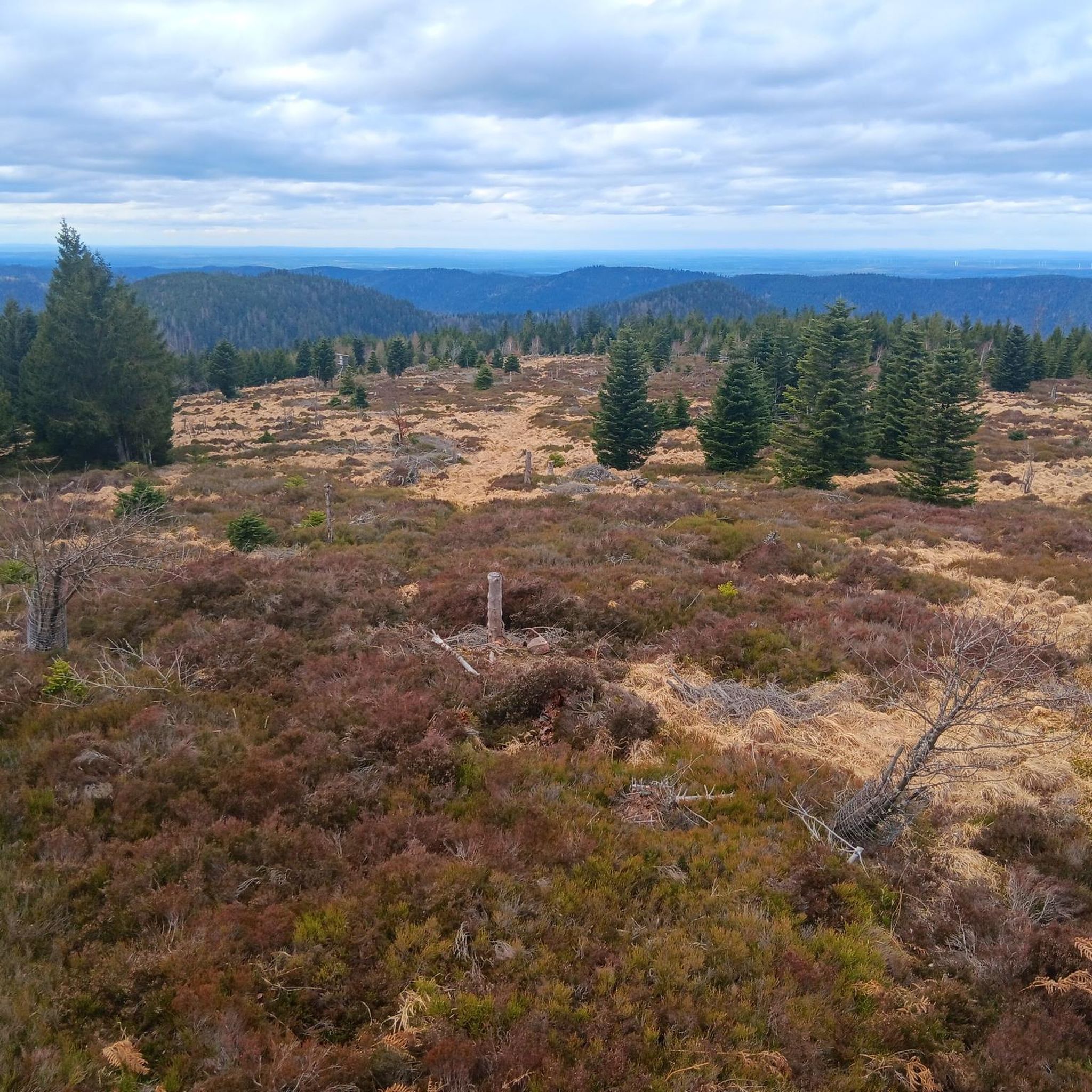
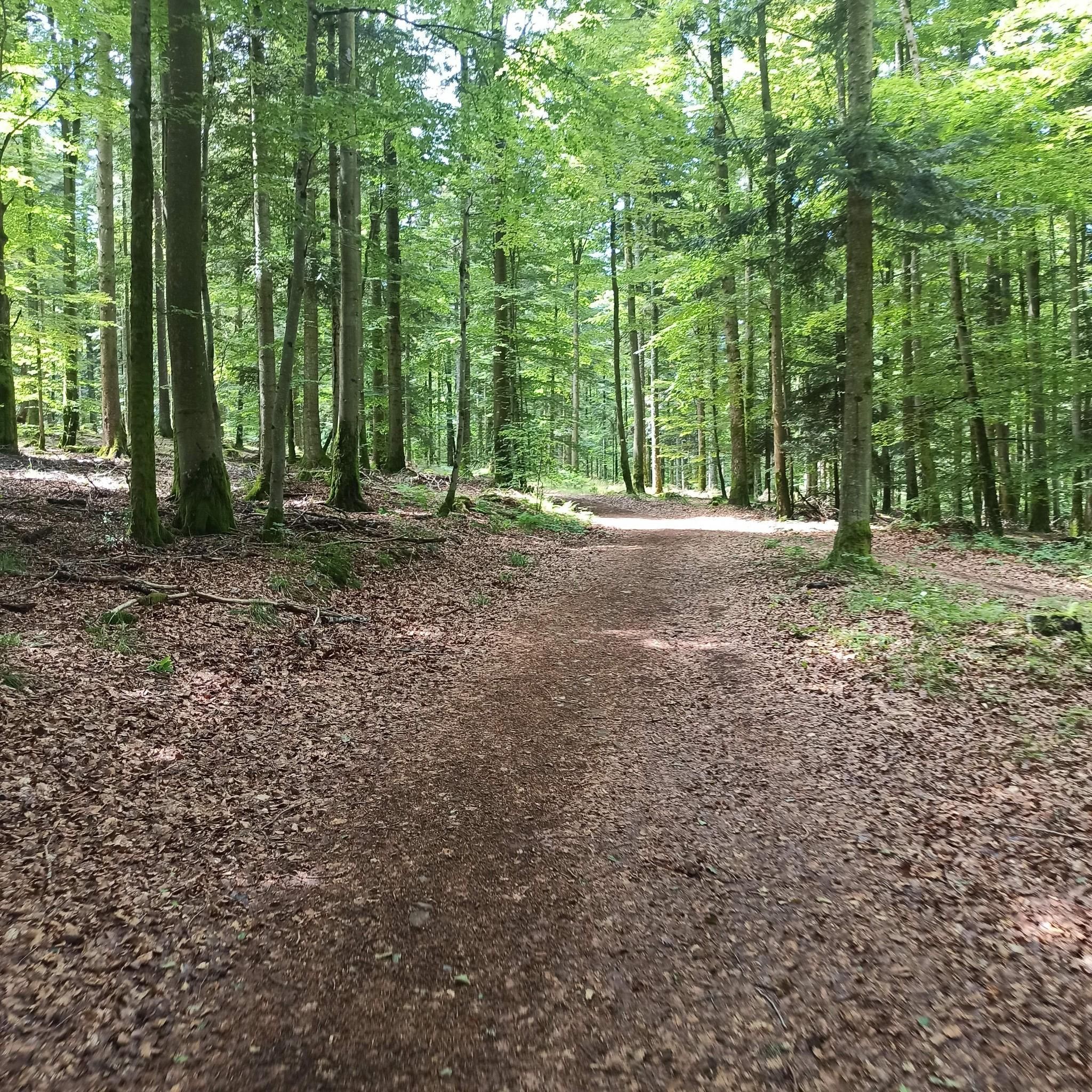
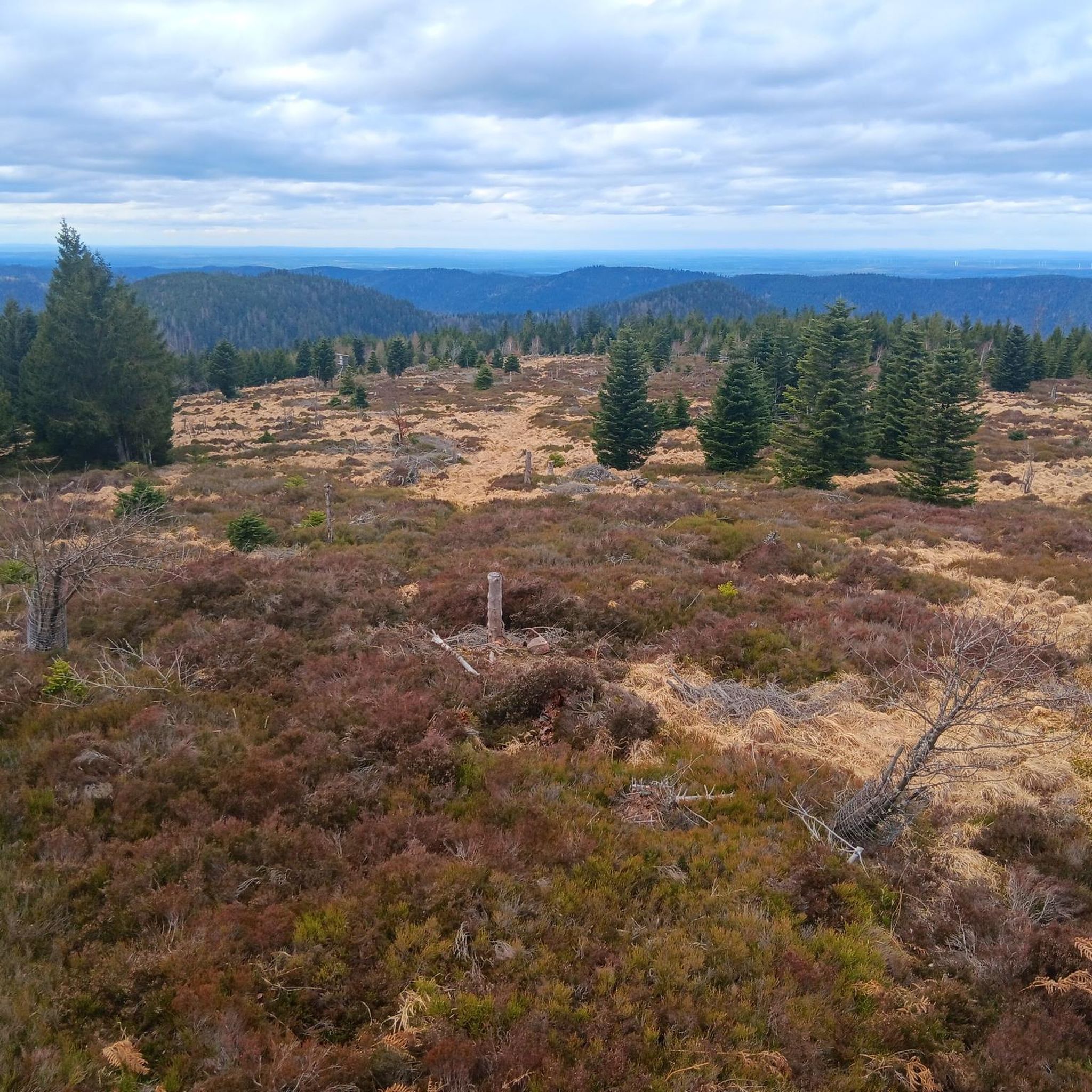
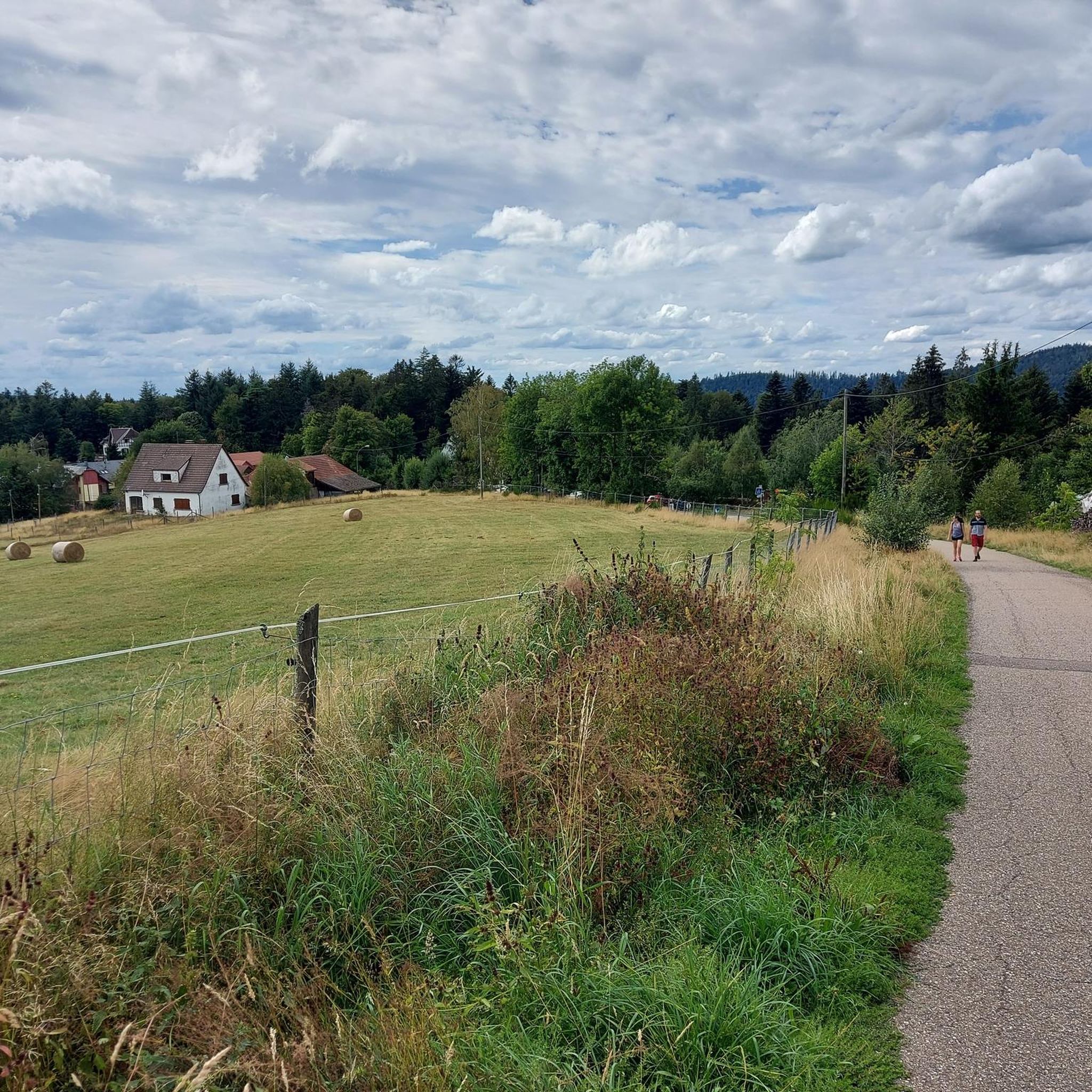
Touring cycling routes around Raon-Lès-Leau are situated at the confluence of the Meurthe and Plaine rivers, offering a diverse landscape for cyclists. The region is characterized by heavily forested hills of the Vosges Massif, providing varied terrain from gentle greenways to more demanding climbs. Numerous lakes, including Lac de Pierre-Percée and Lac de la Maix, are integrated into the cycling network, alongside distinctive rock formations.
Best touring cycling routes around Raon-Lès-Leau
- The most popular touring cycling route is Nice view…
Last updated: May 8, 2026
4.3
(7)
91
riders
68.0km
04:47
1,210m
1,210m
Hard bike ride. Very good fitness required. You may need to push your bike for some segments of this route.
11
riders
45.2km
04:20
900m
900m
Hard bike ride. Very good fitness required. You may need to push your bike for some segments of this route.

Sign up for free
8
riders
44.2km
02:50
500m
500m
Hard bike ride. Very good fitness required. Mostly paved surfaces. Suitable for all skill levels.
5.0
(2)
8
riders
20.7km
01:38
440m
440m
Moderate bike ride. Good fitness required. Mostly paved surfaces. Suitable for all skill levels.
4
riders
16.2km
01:16
390m
390m
Hard bike ride. Good fitness required. You may need to push your bike for some segments of this route.
Get access to more routes and recommendations from other explorers.
Sign up for free
Already have an account?
Our route recommendations are based on thousands of hikes, rides, and runs completed by other people on komoot.
Start today with a free account
Your next adventure awaits.
Login or Signup
Tips from the Community

Beautiful hiking destination, there is also a cycling route
0
0

Beautiful climb and lovely view at the pass - Altitude 728m Restaurants (inns) at the pass
0
0

"The Badonviller National Necropolis is a military cemetery that keeps alive the memory of the fierce fighting in the Vosges during the First World War. This necropolis was built between 1920 and 1935 to regroup the bodies of French soldiers who died in the Vosges and Haute-Alsace sectors. A total of 2,653 soldiers are buried here, 1,444 in individual graves and 1,209 in two ossuaries. 28 French soldiers from the Second World War also found their final resting place here. At the centre of the site is a monument in honour of the 363rd Infantry Regiment, designed by sculptor Antoine Sartorio. This monument originally stood on the Col de la Chapelotte, a strategic point where fierce fighting took place between 1915 and 1917. The necropolis is not only a place of rest, but also of remembrance of the devastation which struck Badonviller, including the plundering by Bavarian troops on 12 August 1914.
6
0
"The Mairie de Badonviller was originally built in 1811, during the Napoleonic era, and served as the administrative centre of the young municipality. After being badly damaged during the First World War, the building was rebuilt in 1924. "Located on the edge of the Vosges in the Meurthe-et-Moselle department, Badonviller is a village with a turbulent history. In the 19th century, it became a local centre thanks to the flourishing faience industry. But it was during the First World War that Badonviller became known nationwide. On 12 August 1914, the village was one of the first French municipalities to be occupied and pillaged by Bavarian troops. This event was widely reported in the French press and made Badonviller a symbol of German brutality. The village was badly damaged during the fighting and later partially rebuilt. Today, monuments, the necropolis and the townscape bear witness to this turbulent period. Badonviller is part of the 'sentiers de mémoire' — memorial routes that keep the history of the war in the Vosges alive."
6
0
"The giant Monument aux Morts de Badonviller, located next to the Église Saint-Martin, is an impressive memorial commemorating the village's inhabitants who died or went missing during the Great War (1914–1918), the Second World War, and the conflicts in Indochina (1946–1954) and Algeria (1954–1962).
6
0
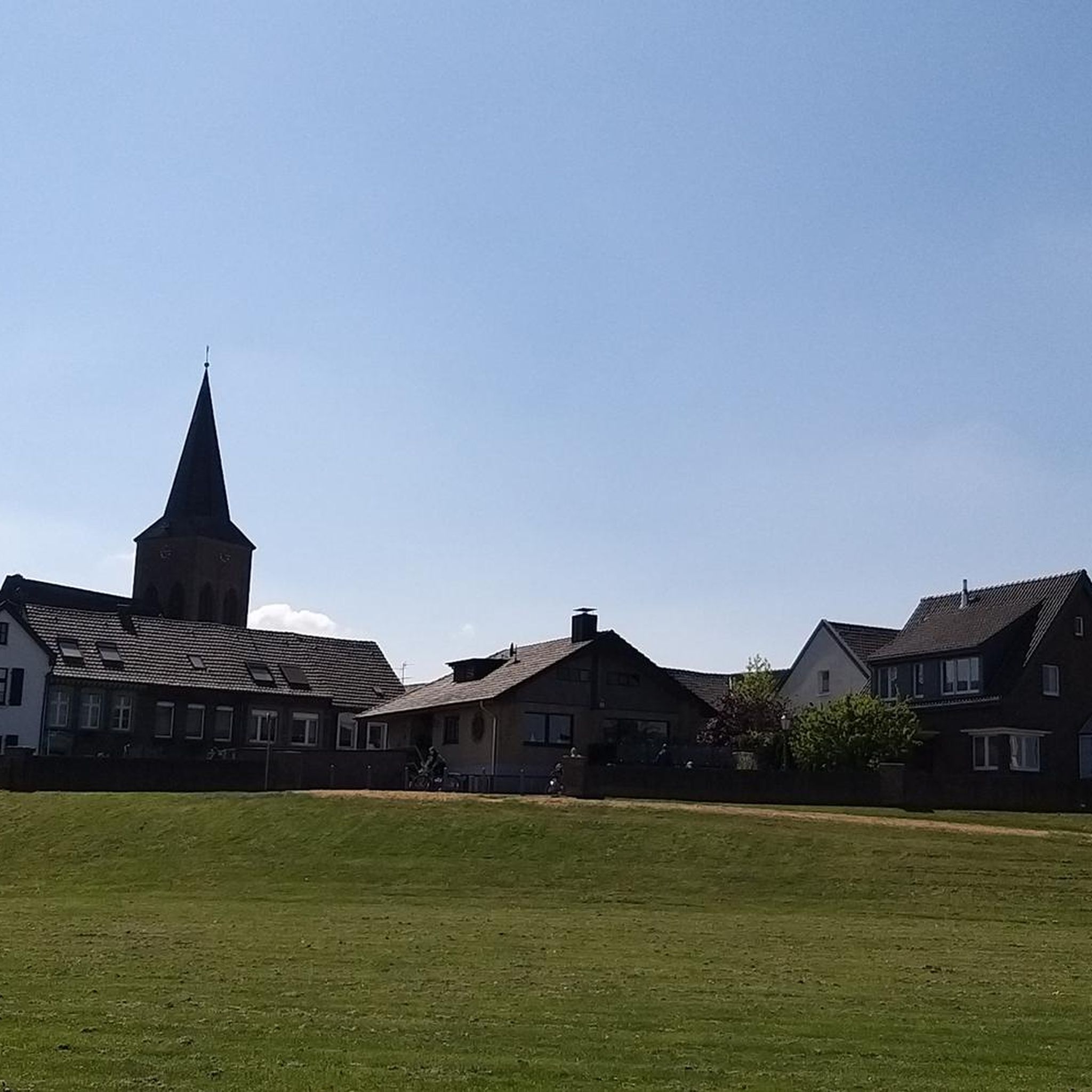
"The Église Saint-Martin in Badonviller is a rare example of religious architecture in the Louis XVI style (1788). Although it is of Romanesque origin, its elegant façade is particularly striking, which is one of the few remaining examples of this style in the Lorraine region. Together with the Chapel of the Visitation in Nancy, this church forms a unique duo. The church was badly damaged during the First World War and partially rebuilt afterwards.
6
0

The trail itself is fantastic, and the many bunkers, some of which have been integrated into the trail, make the walk even more interesting. On weekends, you're rarely alone here, and not even acoustically, as the nearby mountain road is often used by groups of motorcyclists.
2
0
Even though the two sources of the Saar headwaters are less than 1km apart, they only join after flowing for over 26km each.
1
0
Frequently Asked Questions
How many touring cycling routes are available around Raon-Lès-Leau?
There are over 50 touring cycling routes around Raon-Lès-Leau, offering a wide variety of options for different skill levels and preferences. The komoot community has explored these routes over 1000 times, sharing their experiences.
What kind of terrain can I expect on touring cycling routes in the Raon-Lès-Leau area?
The Raon-Lès-Leau area, situated at the confluence of the Meurthe and Plaine rivers and at the doorstep of the Vosges Massif, offers diverse terrain. You'll find everything from gentle greenways along river valleys to more demanding climbs through heavily forested hills and mountain passes. The region is known for its varied landscapes, including picturesque lakes and unique rock formations.
Are there touring cycling routes suitable for beginners or families in Raon-Lès-Leau?
Yes, there are several routes suitable for beginners and families. The region features dedicated greenways like the "Voie Verte de la vallée de la Plaine," which offers a relatively flat and scenic ride. Overall, 5 easy and 16 moderate routes are available, providing gentler options for those looking for a less strenuous experience.
Are there challenging touring cycling routes for experienced cyclists?
Absolutely. For experienced cyclists seeking a challenge, the Raon-Lès-Leau area provides 29 difficult routes with significant elevation gains. A notable example is the Donon Pass – Municipal Pond loop from Raon-sur-Plaine, which includes substantial climbing towards the challenging Donon Pass.
Can I find circular touring cycling routes around Raon-Lès-Leau?
Yes, many of the touring cycling routes in the Raon-Lès-Leau area are designed as loops, allowing you to start and finish at the same point. For instance, the popular Nice view - Raon-l'Étape – Lac de la Plaine loop from Raon-sur-Plaine is a great example of a circular route offering scenic views.
What natural attractions or landmarks can I see along the touring cycling routes?
The routes often pass by stunning natural features and historical landmarks. You can cycle past beautiful lakes like Lac de la Maix and Lac de Pierre-Percée, explore heavily forested areas, and encounter unique rock formations. Some routes also offer views of historical sites such as Salm Castle ruins or the Donon Temple.
Are there routes that pass by lakes or rivers?
Yes, the region is defined by its rivers and lakes. Many routes follow the Meurthe and Plaine rivers, and several pass by or circle picturesque lakes. The Allarmont – Lac de la Plaine loop from Raon-sur-Plaine is a good example of a route that takes you past Lac de la Plaine, offering beautiful waterside scenery.
What do other touring cyclists enjoy most about cycling in Raon-Lès-Leau?
The area is highly rated by the komoot community, with an average score of 4.5 stars. Reviewers often praise the diverse landscapes, from tranquil river valleys and lush forests to challenging mountain passes. The well-maintained paths and the opportunity to combine cycling with exploring natural and historical sites are also frequently highlighted.
Is it possible to cycle with dogs on the trails around Raon-Lès-Leau?
Many of the natural trails and greenways in the Vosges region are dog-friendly, provided your dog is well-behaved and kept on a leash, especially in areas with wildlife or other users. It's always advisable to check specific route regulations or local signage for any restrictions before heading out with your canine companion.
Are there viewpoints along the cycling paths in Raon-Lès-Leau?
Yes, the mountainous and forested terrain around Raon-Lès-Leau offers numerous opportunities for scenic viewpoints. Routes often ascend to higher elevations or pass by specific rock formations that provide panoramic vistas of the Vosges Massif and the surrounding valleys. The Rocher de Mutzig Viewpoint is one such highlight in the broader region.
What is the best time of year for touring cycling in Raon-Lès-Leau?
The spring, summer, and early autumn months (roughly April to October) generally offer the most favorable conditions for touring cycling in Raon-Lès-Leau. During these periods, the weather is typically mild, and the natural scenery is at its most vibrant. While some routes may be accessible in winter, conditions can be challenging due to snow and ice, especially at higher elevations.
Are there any routes that explore the historical or industrial heritage of the area?
While the primary focus is on natural landscapes, some routes may pass near sites reflecting the region's heritage. Raon-l'Étape itself features 18th-century buildings and historical fountains. The broader area includes sites like the Carrière de Trapp (a volcanic stone quarry) and the Conservatoire de Minéralogie, offering glimpses into the local history and geology.
Most popular attractions around Raon-Lès-Leau

Get inspired with the komoot mobile app


Explore more
Browse the best Cycling routes in other regions.
